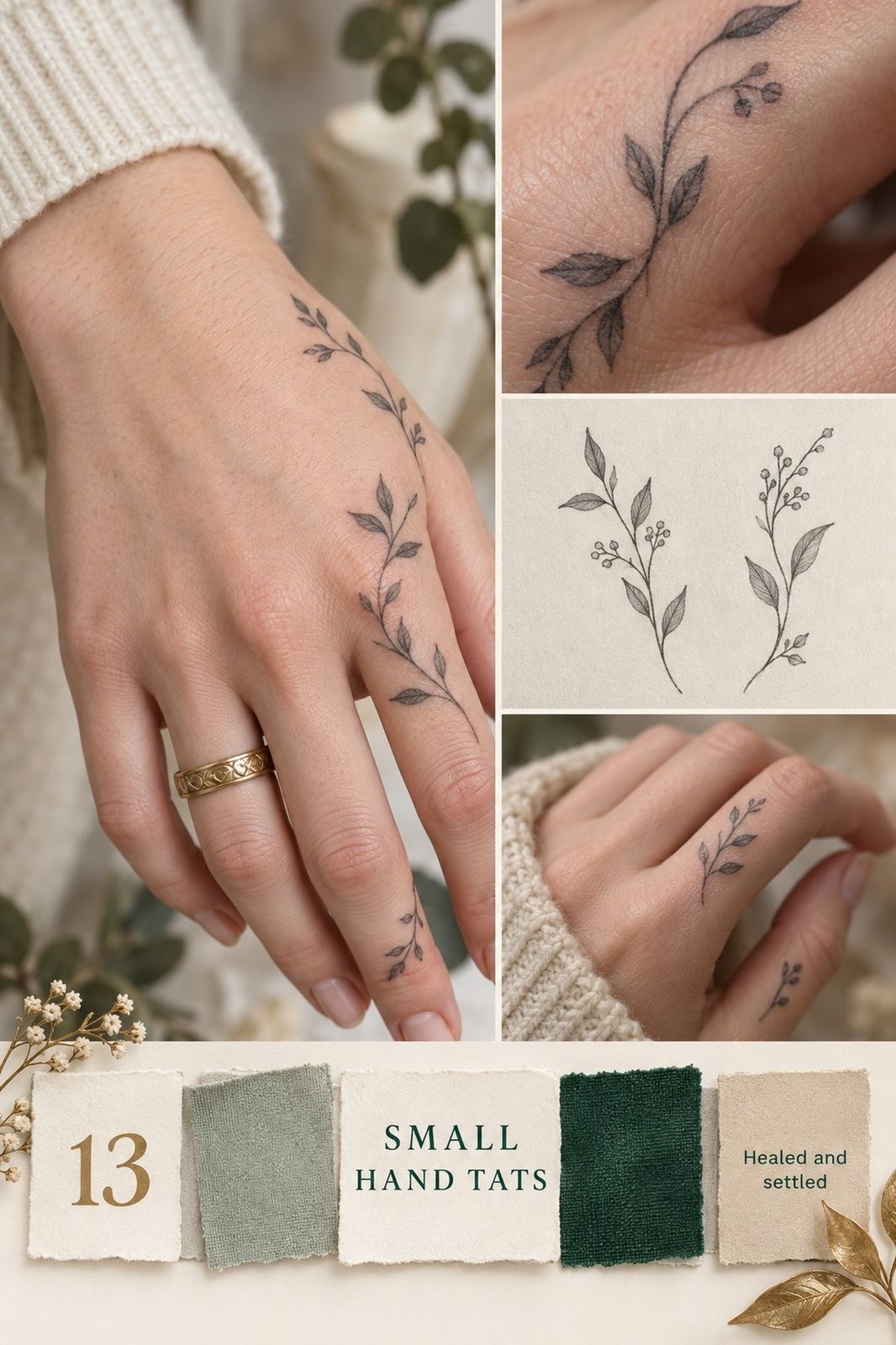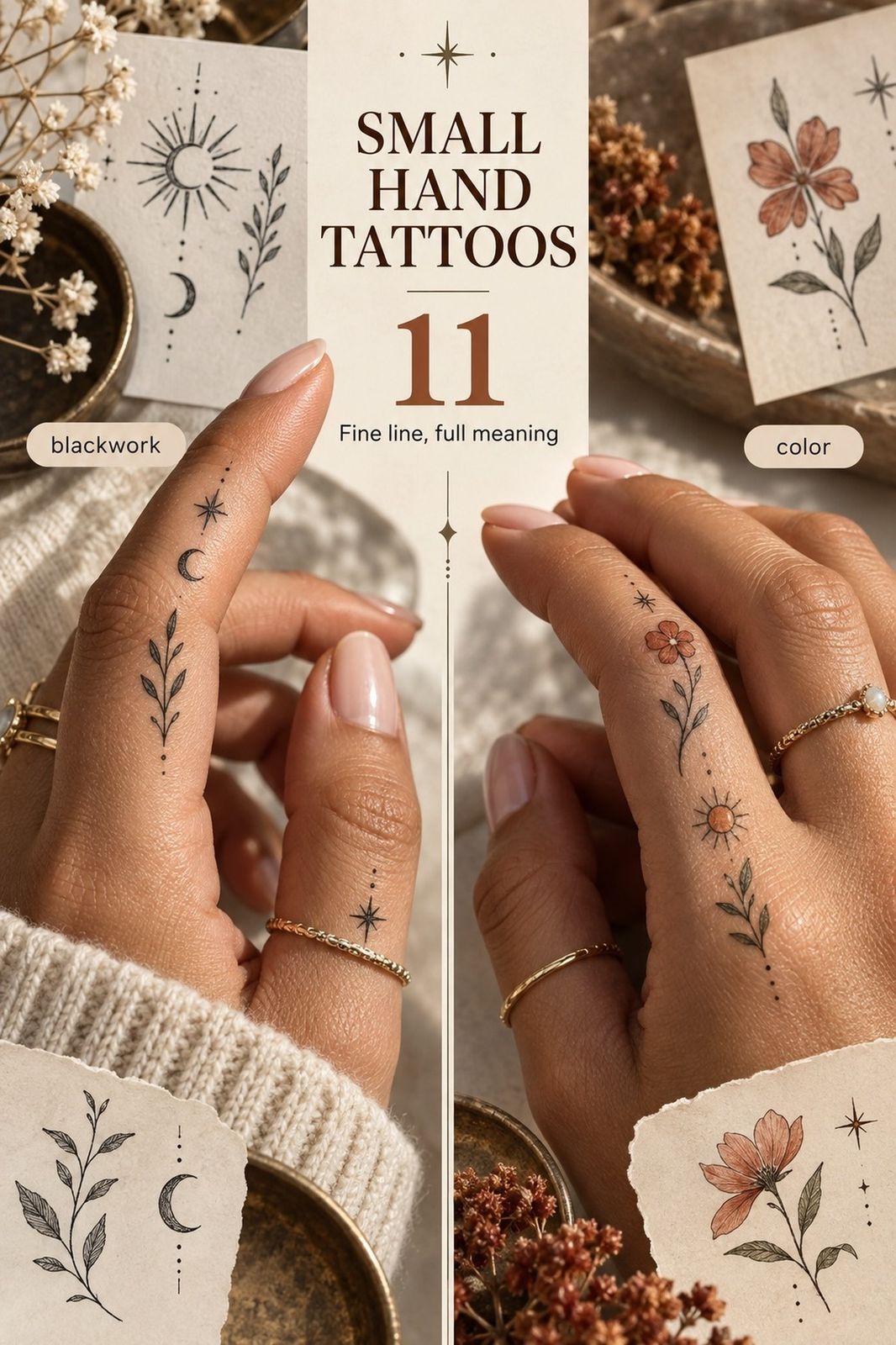
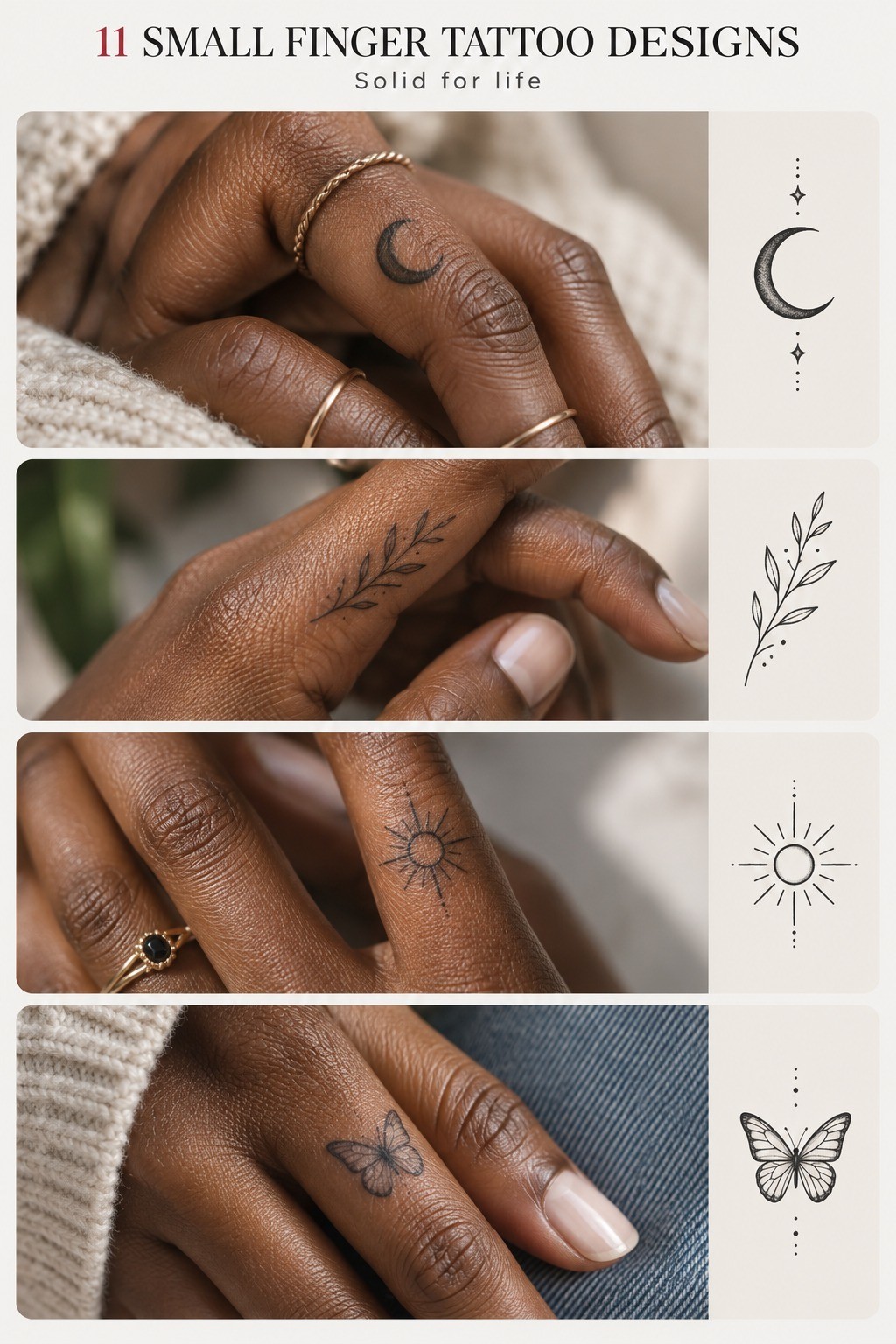
Small finger tattoo ideas can work for years when the design stays simple, the placement suits your skin, and the artist leaves enough negative space. I learned that after choosing a tiny crescent with hair-thin lines, then watching it settle into a crisp, personal mark. It’s still one of my favorite decisions!
Here’s what it looked like before:
Before the appointment, I had a small patch of blank skin I’d been saving for the right idea. It wasn’t dramatic. It was simply untouched, pale, and easy to ignore until I started imagining a small finger tattoo there.
You’ll notice that I didn’t begin with a huge collection of references. I had a few saved sketches, one screenshot from a small finger tattoos guide, and a feeling that the design needed to stay delicate linework without becoming forgettable.
That distinction mattered more than the trend. I wanted something symbolic, understated, and easy for your eye to read, even after the skin had healed.
My finger skin also made the choice personal. I knew the area would move constantly, catch sunlight, and rub against other surfaces throughout the day. A design that looked crisp on paper might soften with time, so I wanted a mark that still felt meaningful later.
The blank space wasn’t asking for decoration. It was asking for a mark I’d still recognize years afterward. That’s where the whole decision became meaningful.
Before I Booked the Appointment
I started by asking whether I wanted a tattoo that felt striking from across the room or one that revealed itself more slowly. My honest answer was somewhere between the two. I wanted a subtle symbol with enough personality to feel intentional.
The references I saved were varied. Some were intricate, some were almost bare, and a few had the bold attitude of traditional flash. I liked the contrast because it helped me understand which details actually mattered at finger scale.
I also thought about whether the idea felt like me without an audience. That question cut through the trendy options quickly. A design can be stylish and still feel wrong once it becomes permanent.
I brought the references to my artist, but I didn’t expect an exact copy. The appointment needed room for professional judgment, especially around line spacing, skin movement, and how the design would settle.
- I Chose a Tiny Crescent Moon
- I Tested Minimal Inner Finger Placement
- I Sketched A Delicate Snake
- I Compared Single Needle Heart Designs
- I Picked An Initial With Meaning
- I Tried A Tiny Lightning Bolt
- I Matched A Symbol To My Story
- I Considered Bold Black Dotwork
- I Saved An Intricate Floral Motif
- I Planned A Playful Matching Tattoo
- I Checked Healing On Finger Skin
1I Chose a Tiny Crescent Moon
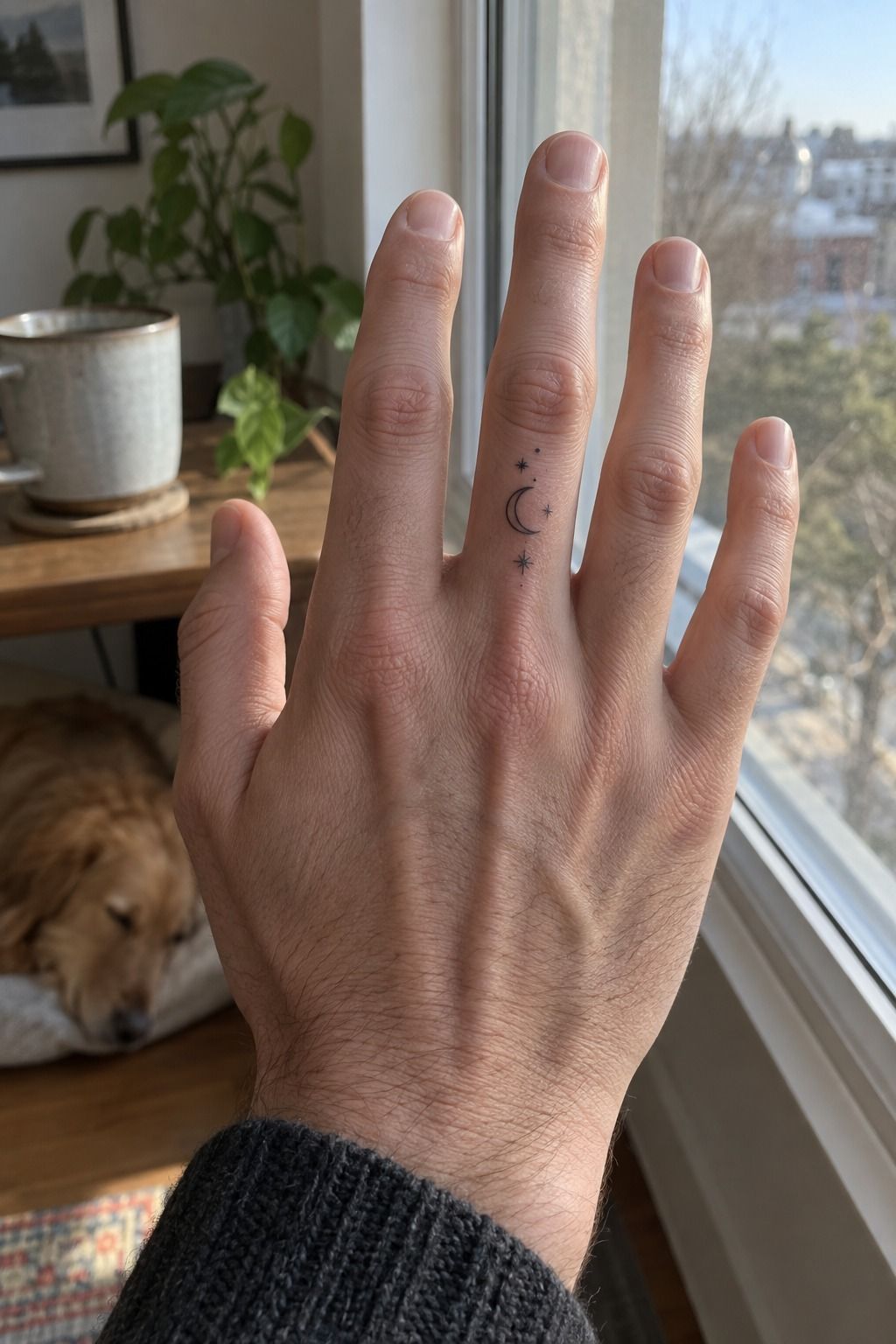
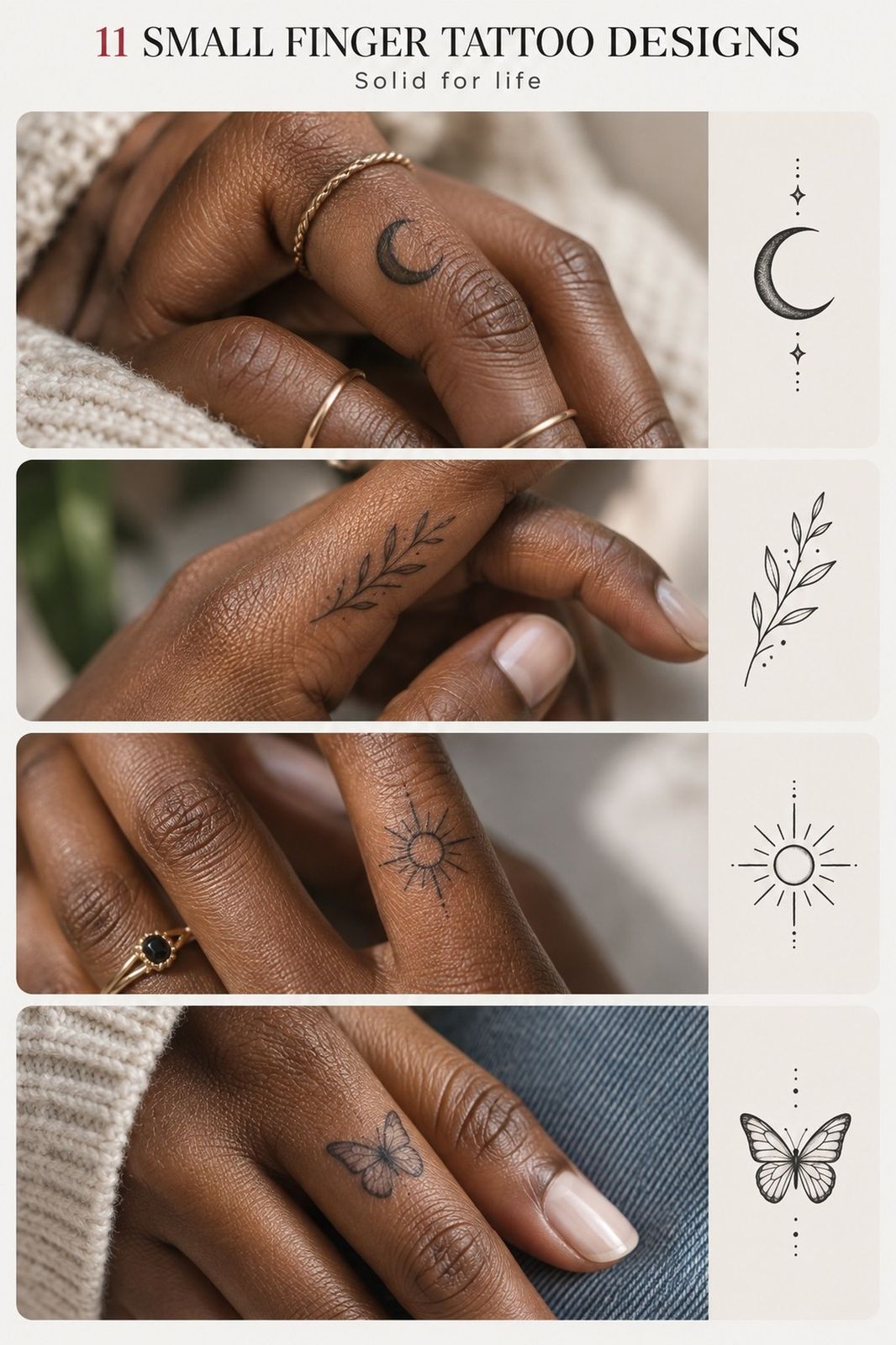
I started with a crescent moon because its shape has an immediate silhouette, even when the tattoo stays very small. The fine-line crescent moon had a few tiny stars nearby, but the curve remained the main event. I liked that balance because you’ll still see the symbol first instead of hunting through crowded ink.
The skin on my finger has a cool pink undertone, so black ink creates a crisp contrast without needing heavy shading. I’d avoid filling the moon solidly on a finger this small. An open crescent looks more elegant and gives your artist room to leave clean skin between the stars.
I kept thinking about the little details. The stars were expressive, but they weren’t scattered randomly. If you’re saving similar small moon tattoo inspiration, look for designs where the smallest marks still have breathing room and a clear direction.
My first sketch had too many stars. It looked ornate on paper and messy at actual scale. The pared-back version felt more timeless, more personal, and much sharper once it was transferred to skin!
2I Tested Minimal Inner Finger Placement
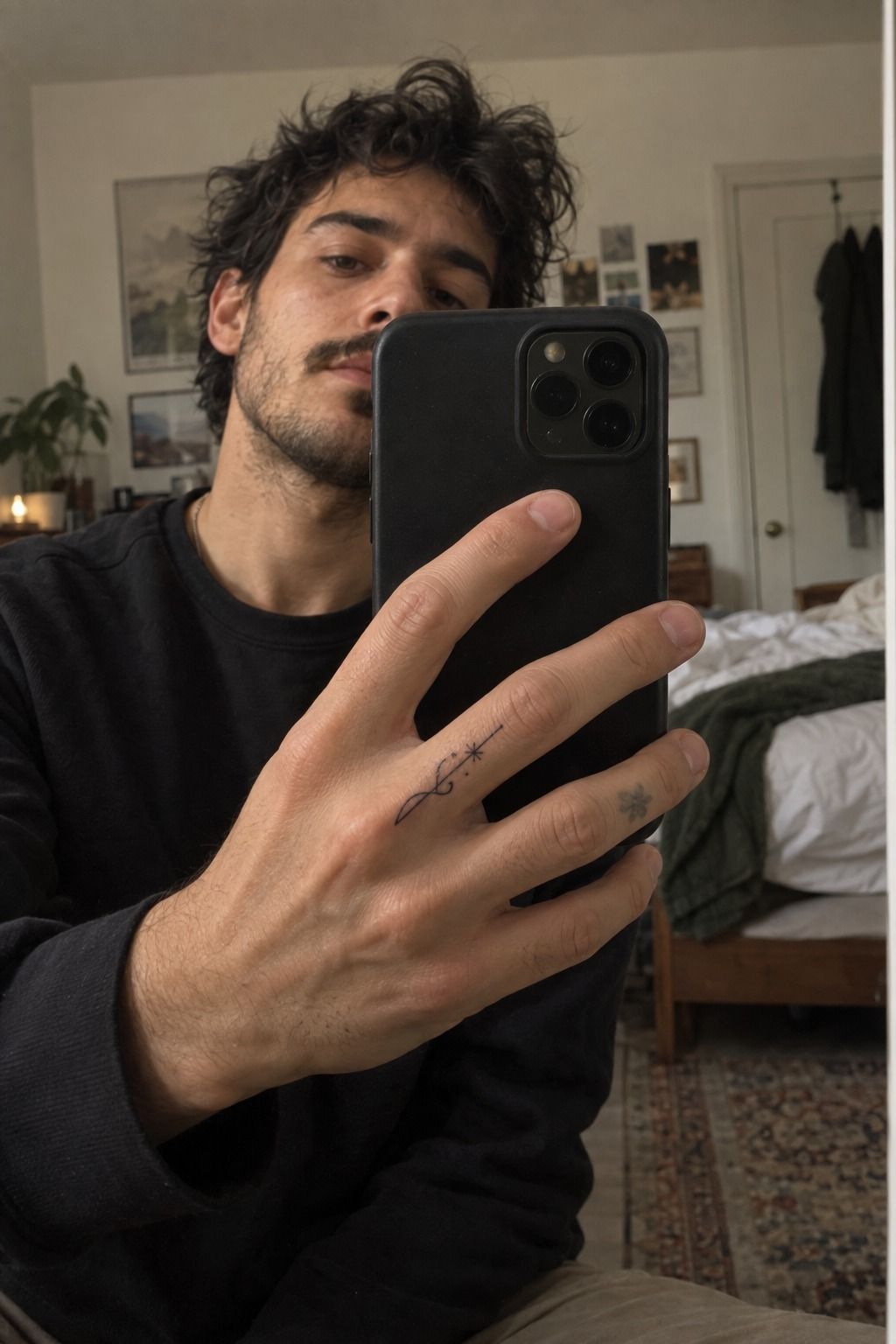
Inner finger placement appealed to me because it feels discreet when your hand is relaxed and more visible when you turn it.
3I Sketched A Delicate Snake
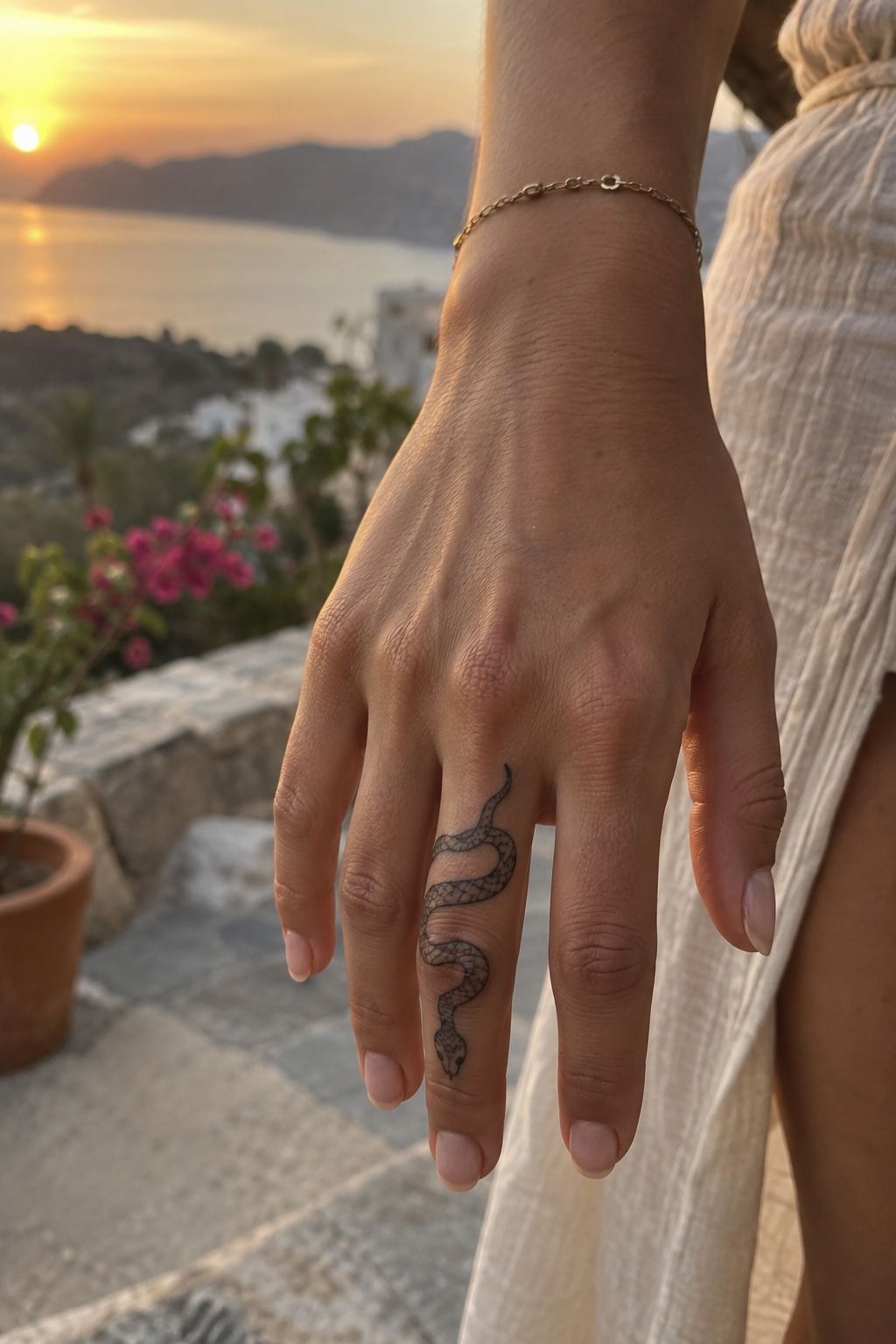
A slim serpent gave me a completely different direction. The fine scale serpent tattoo followed the finger with fine linework around the body, and the movement made the design feel more expressive than a static icon. You’ll need a long enough path for the curve to read clearly.
I’d keep the scales suggested rather than individually crowded. A few carefully placed marks can imply texture, while too many tiny loops may blur together during healing.
I made the mistake of drawing the snake too tightly at first. It looked intricate in my notebook, but it lost its flowing shape when reduced. If you’re comparing small tattoo designs, pay attention to how a motif moves around the finger, not only how it looks when the hand is flat.
The snake doesn’t need to look fierce to feel powerful. I preferred a graceful curve with a calm head shape over an aggressive open mouth. That choice made the idea more timeless and easier to wear every day.
4I Compared Single Needle Heart Designs
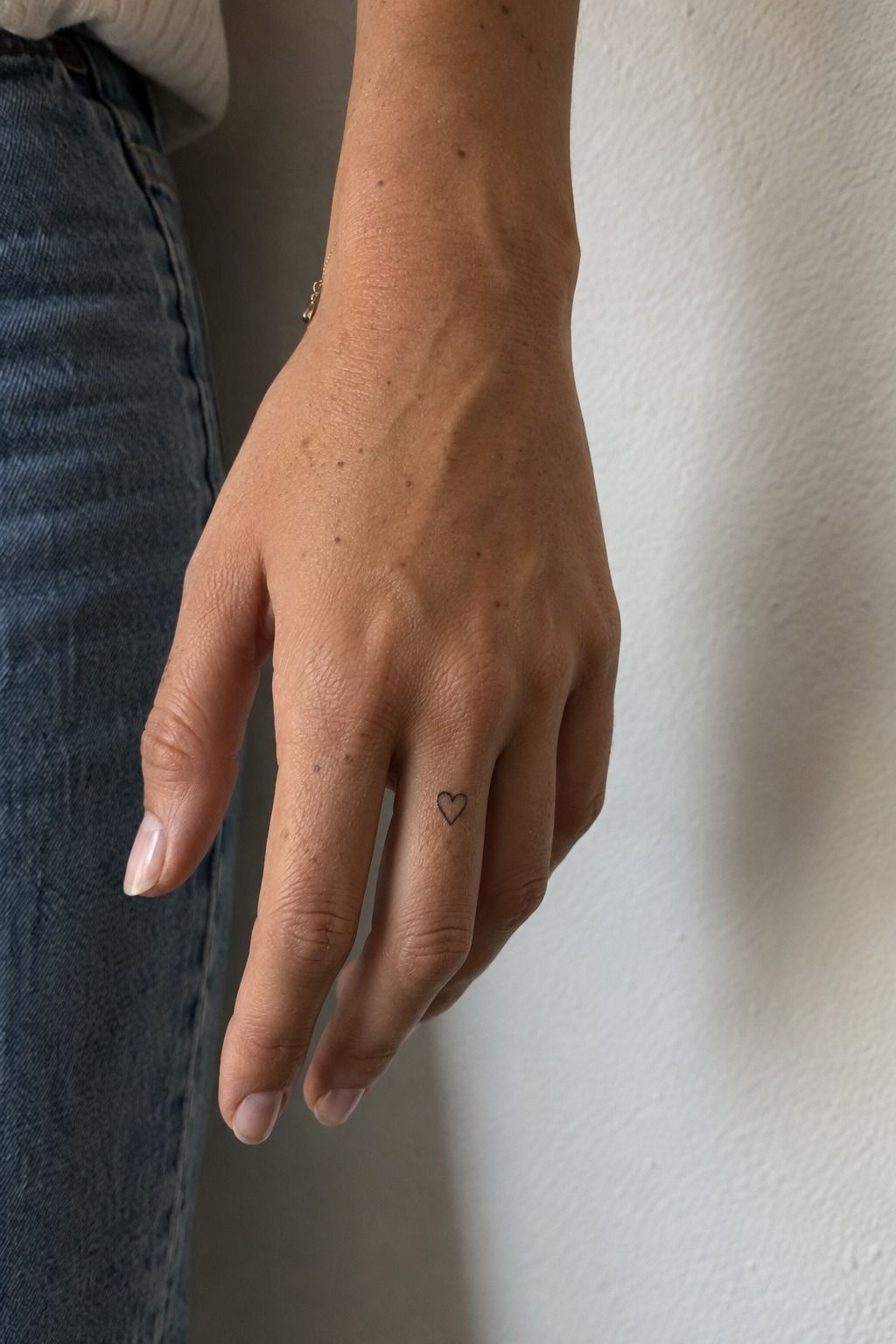
The heart seemed obvious, which is exactly why I questioned it.
5I Picked An Initial With Meaning
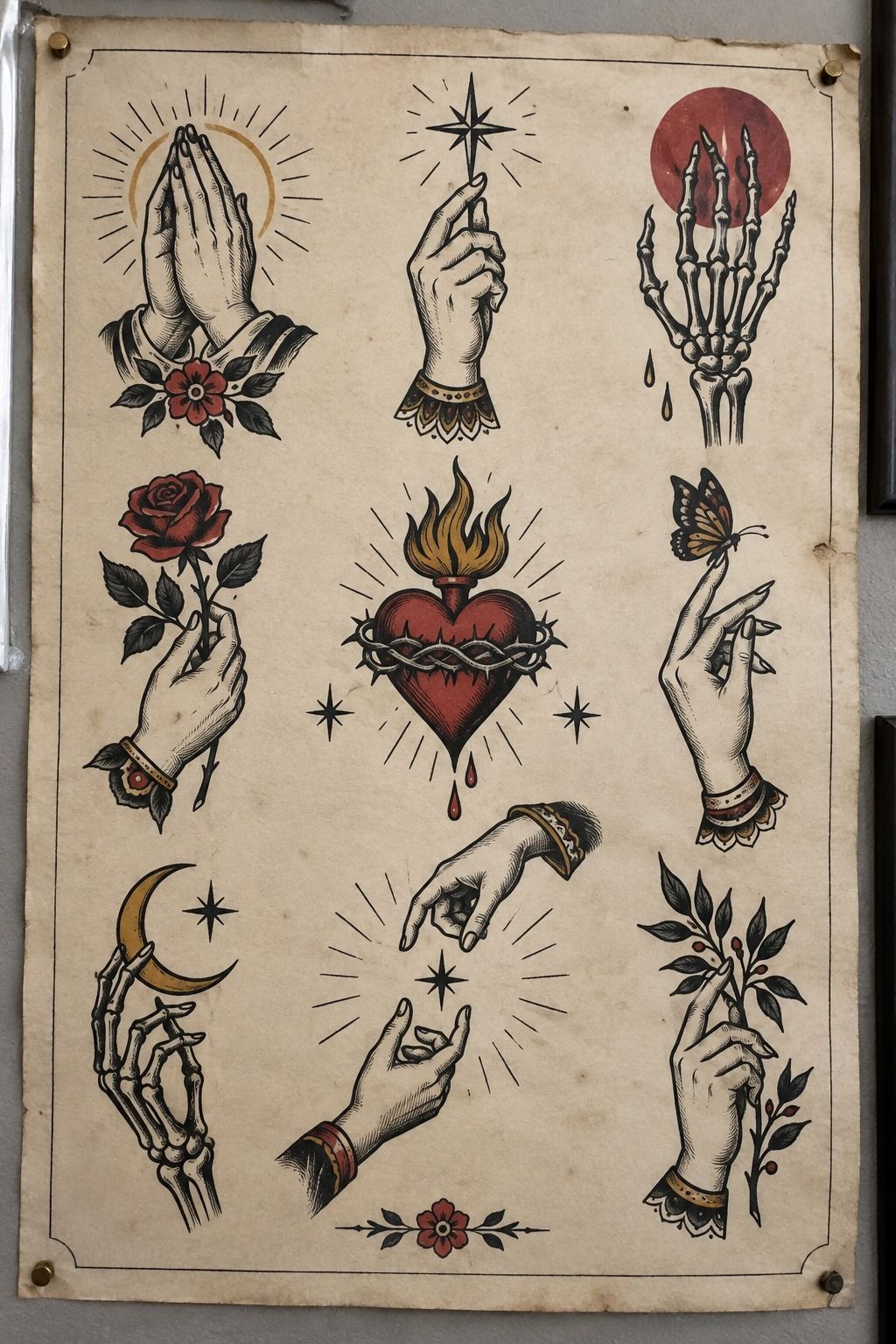
An initial felt more intimate than a general symbol, especially when I saw it on a traditional tattoo flash sheet printed on aged off-white paper. The hand-drawn black designs looked personal and tactile, and I could imagine an artist circling one with a pencil before the appointment.
I’d choose a letter with a simple structure rather than complicated script. Tiny loops can close up, and ornate flourishes may lose their graceful shape on a moving finger. You’ll get a more polished result from a crisp serif, a narrow monogram, or one slightly uneven handwritten form.
The vintage reference had character, but I wouldn’t copy every old-school detail at this scale. If you’re looking through small traditional tattoo ideas, borrow the confident outline and classic attitude, then reduce the visual weight for your finger.
My initial was meaningful because it belonged to one specific person, not because it looked mysterious. That difference matters. An expressive letter can stay powerful for years when you still know exactly why you chose it.
6I Tried A Tiny Lightning Bolt
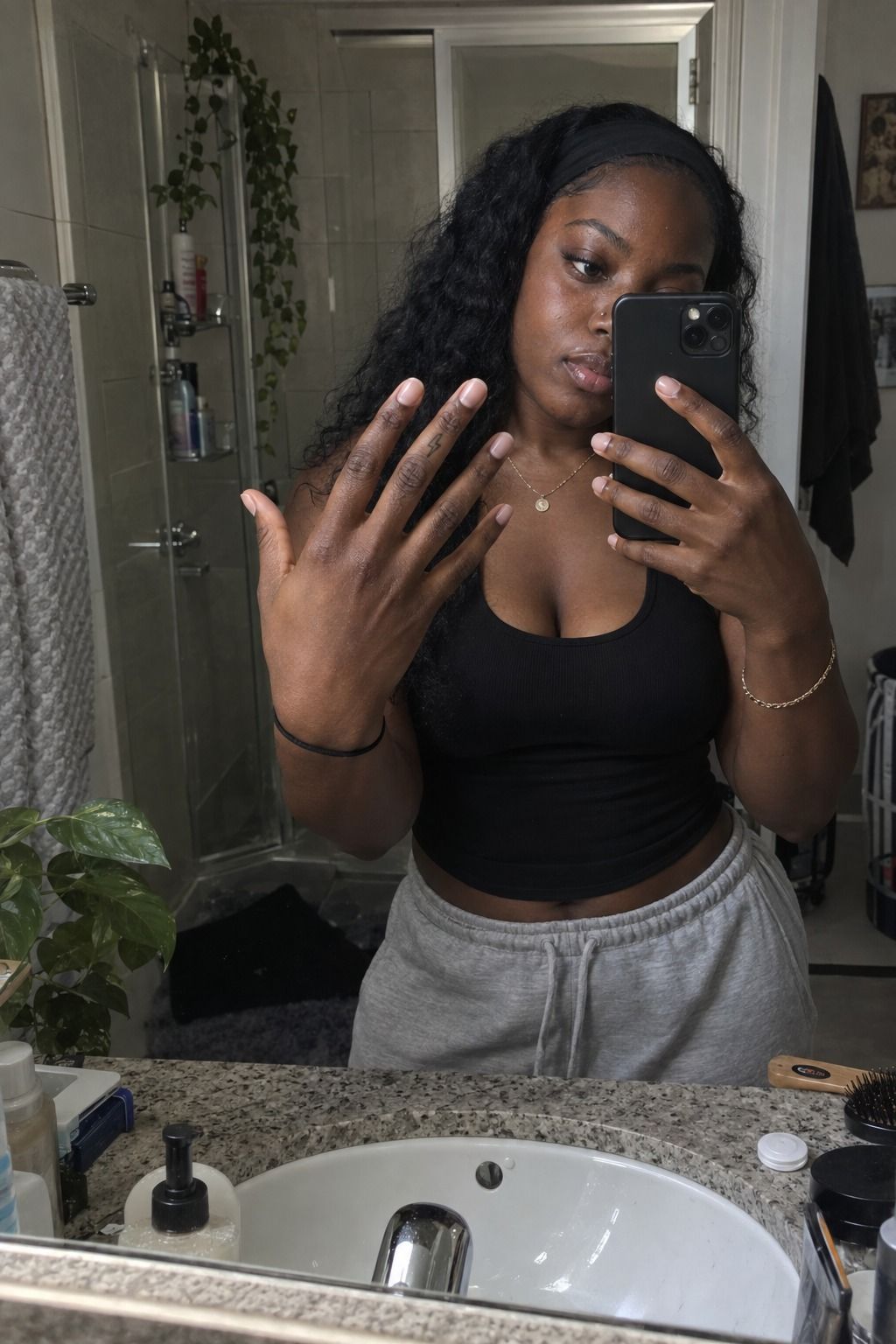
The lightning bolt was the most daring option I considered.
7I Matched A Symbol To My Story

This was the point where I stopped choosing shapes only because they looked stylish. The symbolic finger tattoo used fine black lines with no shading and a restrained, almost sacred feeling. You’ll want to ask what the mark means before you ask whether it photographs well.
I wrote down three moments I wanted to remember, then searched for symbols connected to those ideas. The best choice wasn’t the most ornate. It was a small sign that still felt meaningful when I removed every extra detail.
If your story involves faith, family, travel, or a personal turning point, the spiritual symbol finger tattoo meaning guide can help you compare interpretations. I’d still make the final decision yourself.
A symbol can have a common meaning and a private meaning at the same time. That made the final choice feel expressive without needing an explanation.
You don’t need to explain it to everyone. The design became more powerful when it stayed partly private, with a crisp shape only I fully understood. That made it personal rather than performative.
8I Considered Bold Black Dotwork
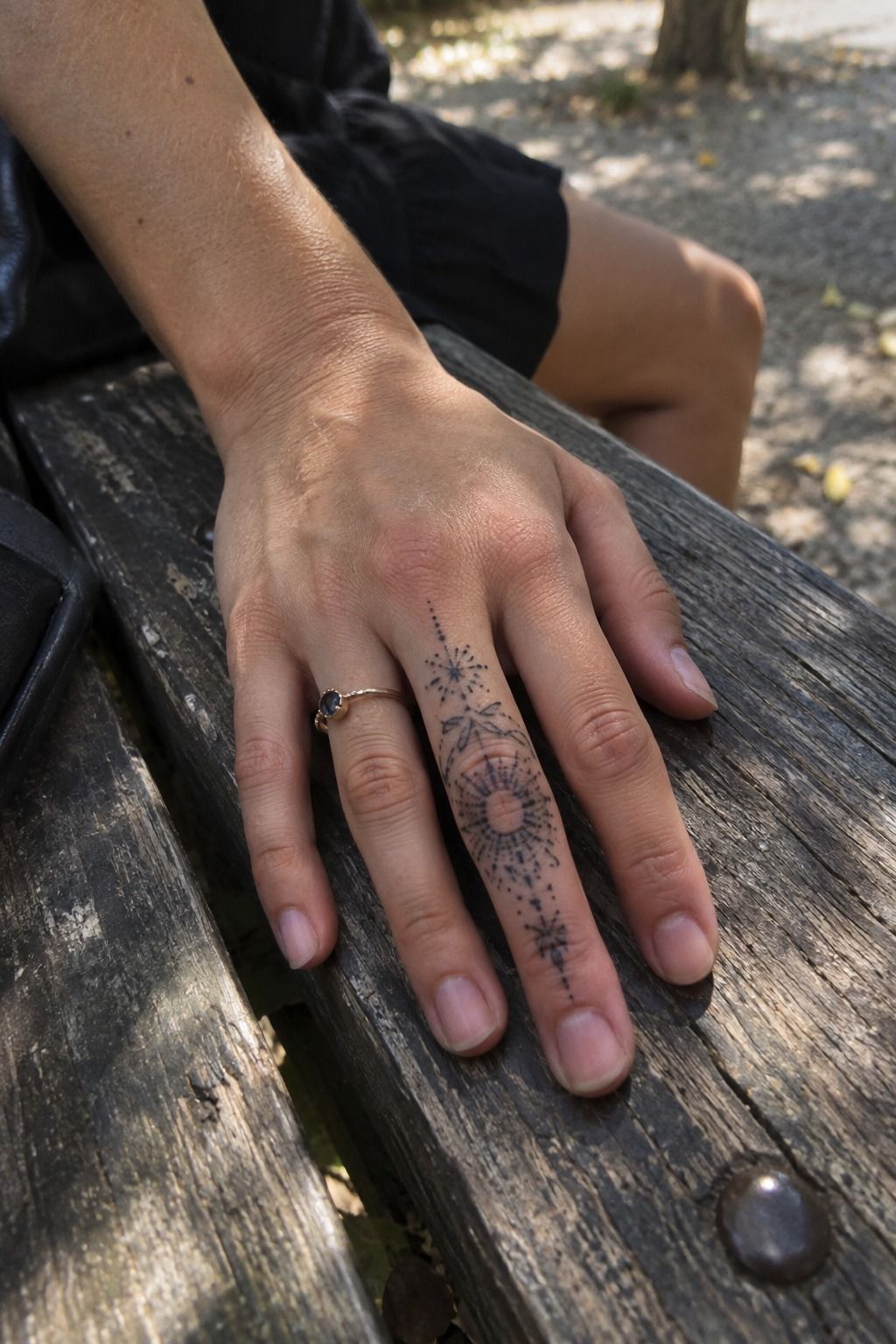
Dotwork surprised me because I assumed it would look too heavy for a small finger. The black dotwork finger tattoo used stippled shading built from tiny points, creating a moody gradient instead of one solid block. You’ll need an artist who understands how close those dots can sit before they merge.
I’d keep the darkest section in the center and let the edges fade into open skin. That contrast creates a gritty result without making the design feel harsh.
I compared dotwork with a plain outline and preferred dotwork for a symbol that needed more depth. If you’re drawn to a stronger look, small traditional tattoo ideas can show you how black ink gains presence through simple shapes and confident borders.
Dotwork can feel fierce and raw, yet it needs careful spacing and realistic expectations about healing. Your artist should show healed examples, not only fresh photographs.
9I Saved An Intricate Floral Motif
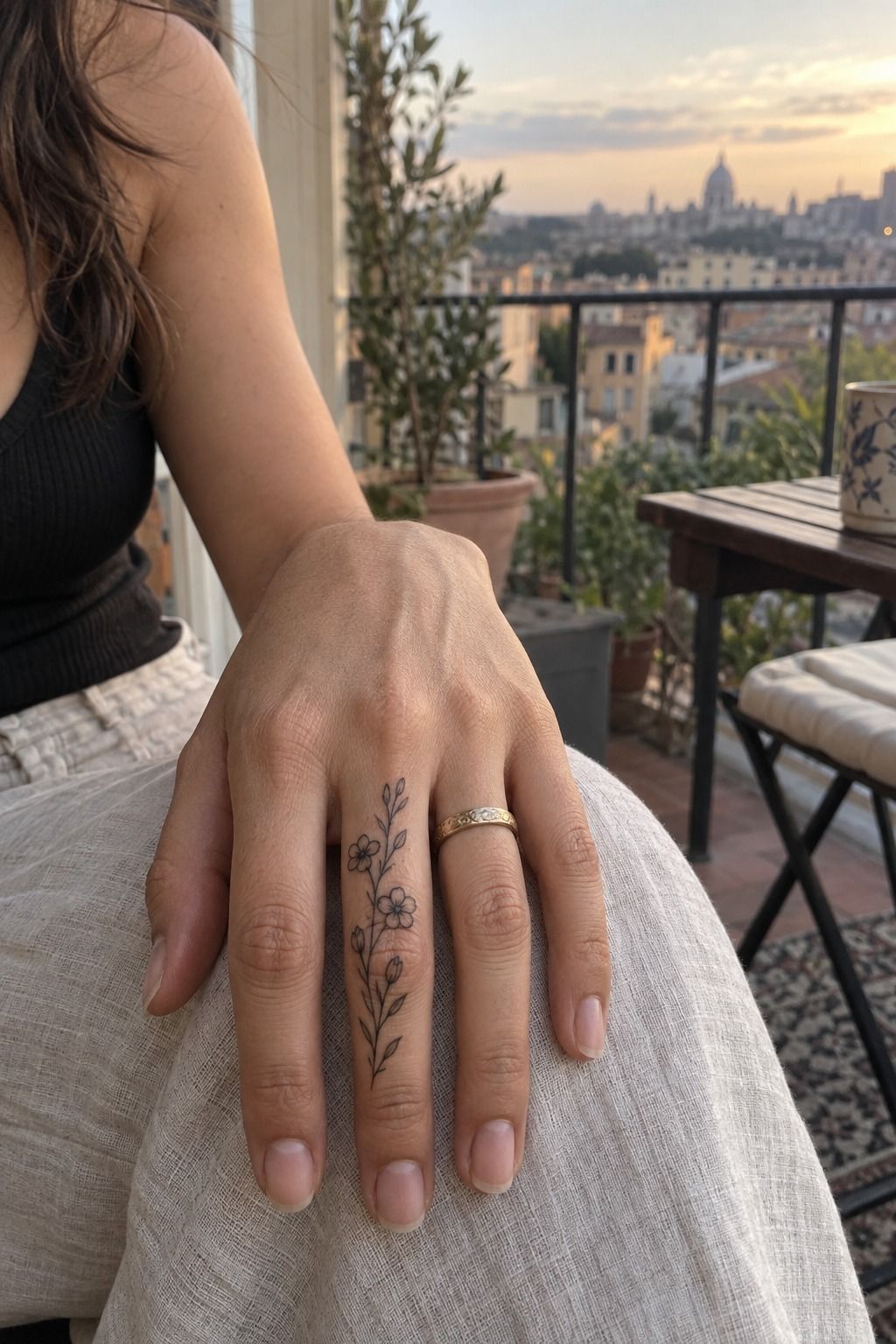
The wildflower sprig was the most delicate design in my saved folder.
10I Planned A Playful Matching Tattoo
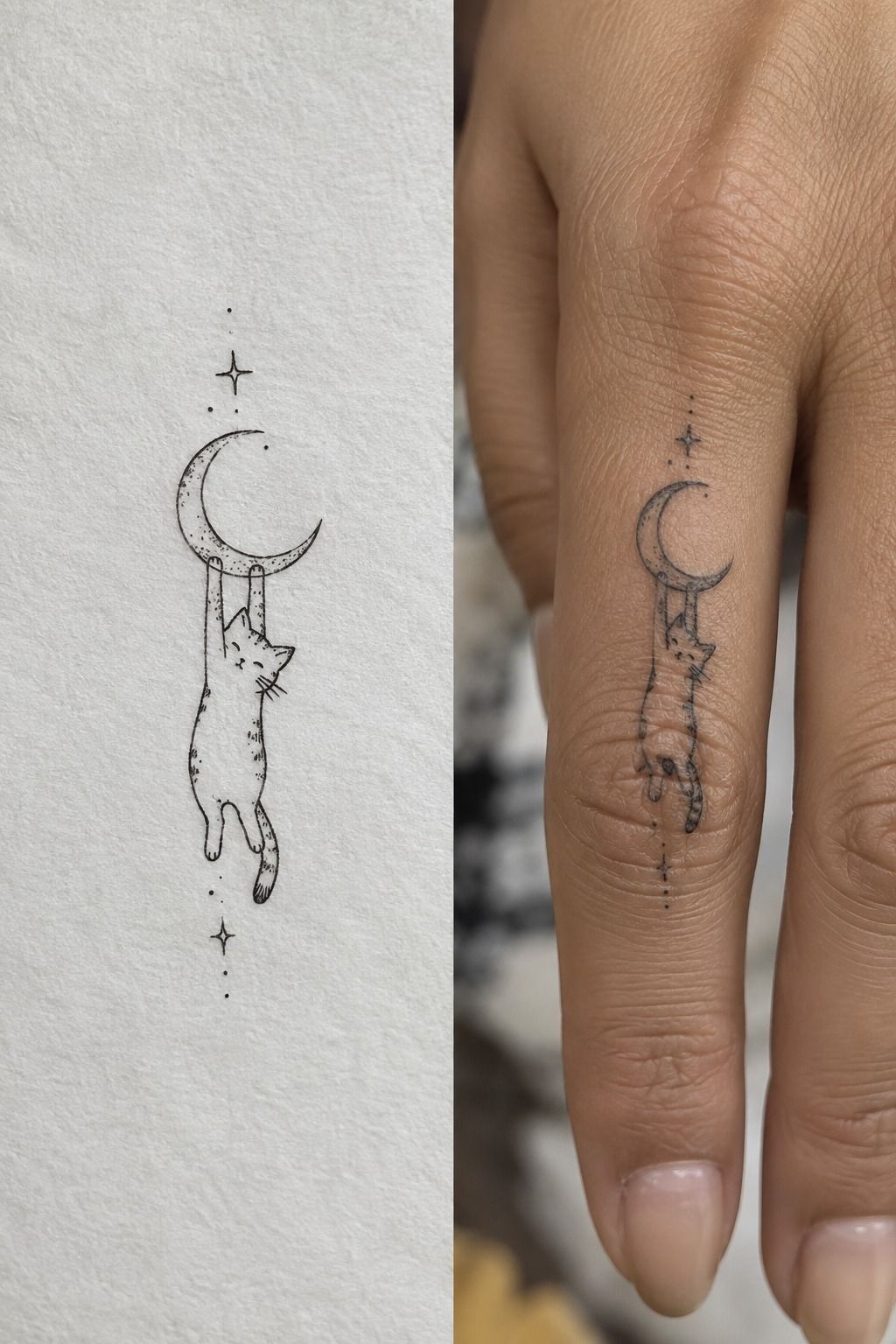
Matching tattoos made me nervous because two people rarely heal in exactly the same way. The matching tattoo concept looked sweet, but I knew an identical result wasn’t guaranteed.
I liked the playful idea, but I’d rather match a symbol than force every line to be perfect. Finger skin moves, and each person’s texture, undertone, and healing response will be different.
That’s why your shared concept should matter more than identical placement. Friends, siblings, and travel partners can choose related symbols with different proportions.
If you’re considering an arrow, the small arrow tattoo meaning guide offers a few meaningful directions without making the idea overly ornate.
Matching doesn’t have to mean romantic. It can feel romantic, loyal, or simply funny, depending on the people involved. I preferred the idea of related marks rather than duplicating one design like a logo.
11I Checked Healing On Finger Skin
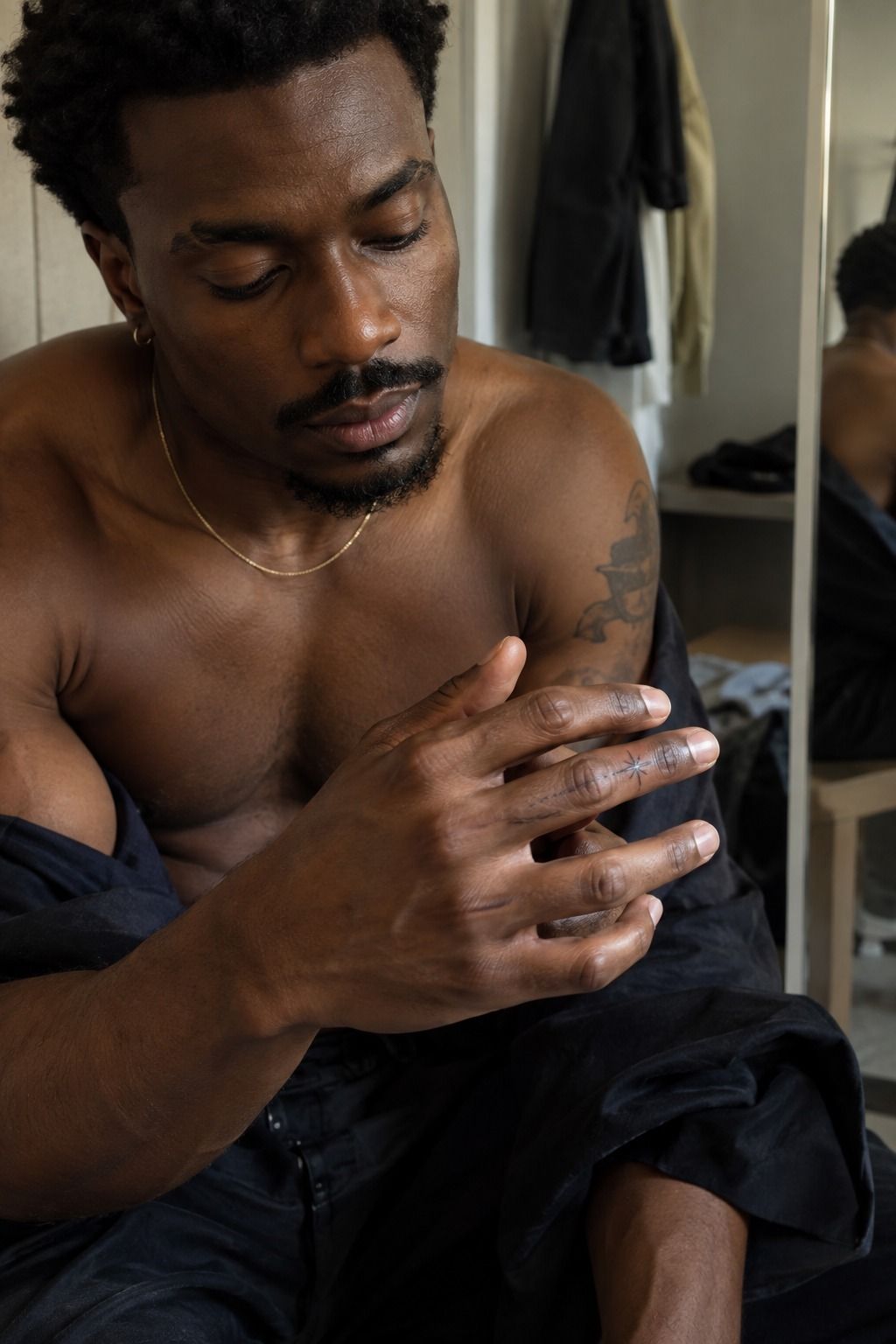
Healing changed how I judged every small finger tattoo idea. The healed fine-line finger tattoo looked delicate, but the important detail was its spacing. You’ll want to see how the design behaves after the first few days of redness and peeling have passed.
Surface healing usually takes about 2 to 3 weeks, while complete healing can take about 2 to 3 months. I’d wash gently, moisturize as directed by your artist, and avoid swimming and strong sun during the early period.
Your aftercare matters as much as the original stencil. I’d also keep the tattoo away from unnecessary rubbing while the surface was tender.
Very fine lines can widen or soften with age, especially where there’s friction or frequent sun exposure. Solid black ink and sensible placement tend to age more reliably, but no finger tattoo stays frozen forever.
A small moon tattoo reference helped me choose a shape that could still read if the thinnest line relaxed. The open space gave the design room to change.
The hardest part was leaving it alone. I wanted to inspect the tattoo every hour, but patience gave the skin time to settle. The final mark looked crisp, understated, and much more natural than it had on appointment day.
How much it cost
I planned my budget around the artist’s minimum rather than assuming a tiny tattoo would cost almost nothing. Small work still requires setup, sterilization, drawing time, and professional judgment. You’ll usually see a US boutique minimum around $50 to $100, while hourly rates often fall around $100 to $250.
For a small finger tattoo, a typical total may land around $100 to $300, depending on the artist, region, placement, and amount of detail. I’d ask for a quote before booking, then keep a little room in your budget for a touch-up conversation if your artist recommends one.
I wouldn’t choose the cheapest available artist for hair-thin work. If you’re comparing prices, look at healed linework and hygiene standards, not only the number in the booking message. The small tattoo prices guide can help you build a more realistic starting budget.
My personal rule was simple: pay for clean judgment, then keep the design small enough that the session stays focused. That felt more valuable than adding details just to make the appointment feel bigger!
The Finger Linework Rule
I’ve learned that a small finger tattoo succeeds through restraint. The designs that keep their character usually have one clear silhouette, enough untouched skin around the ink, and a placement that respects movement.
I used to think more detail would make a tiny tattoo feel more special. It didn’t. My first overworked sketch had extra stars, tighter scales, and decorative marks that looked impressive on paper but lost their crisp rhythm when reduced.
The refined version felt more sleek because every line had a job. It also felt more honest. I wasn’t trying to make a tiny tattoo carry an entire mural of information.
You’ll want to judge the design against your actual hands, not a flat reference image. Look at the finger from above, from the side, and while it bends.
Ask your artist whether the lines are spaced well enough for your skin and whether the placement will experience constant rubbing. Those answers matter more than a trend label.
The ink matters, but so does the behavior of the skin beneath it. Black linework can look sharp on fresh skin, then soften into a quieter mark during healing.
I prefer that honest change to a design that depends on microscopic detail staying untouched forever. A little softness doesn’t erase the meaning.
Finger tattoos are also visible in a way that many first tattoos aren’t. That visibility can feel empowering, playful, or slightly intimidating.
You might love seeing your symbol every morning, or you might prefer an inner placement that appears only when you turn your hand. Neither choice is more meaningful.
My strongest advice is to choose the idea you’d still defend without showing anyone a photograph. If you’re saving references, use the small tattoo designs collection for shape inspiration, then strip the concept down until it fits your story and your skin.
Why Do Finger Tattoos Fade Faster?
Finger tattoos can fade or soften faster because the skin experiences frequent movement, washing, rubbing, and sun exposure. That doesn’t mean every small design becomes unreadable.
The areas along the sides, creases, and outer edges of the hand usually face more friction than a protected section. You can reduce unnecessary stress during healing by following professional aftercare, avoiding pools while the surface heals, and protecting the tattoo from strong UV exposure afterward.
I don’t see that aging as a failure. A slightly softened line can make a tattoo feel lived-in, especially when the original design had enough spacing to absorb that change.
A crowded symbol has nowhere to go when lines widen, while a crisp open shape can remain expressive. That’s why I’d choose a crisp open shape over a packed miniature scene.
The question I asked myself was simple: would I still like this if it became gentler? My crescent passed that test. It wasn’t dependent on a razor-sharp edge or a dozen tiny details, so its meaning stayed intact.
The Questions I Get Asked Most
How much does a small finger tattoo usually cost?
A small finger tattoo usually costs about $100 to $300 in the US, though a boutique minimum may be about $50 to $100 and hourly rates may run $100 to $250. Your artist, region, placement, and detail level will change the quote. Small tattoo prices offers useful planning context.
Are small finger tattoos a good idea for a first tattoo?
Yes, small finger tattoos can suit a first appointment because the design is limited and the meaning can stay personal. The area can be sensitive, though, and finger ink may soften sooner than ink on more protected skin. Choose a clean, meaningful symbol and review healed work first.
How do I choose a tattoo artist for small finger tattoos?
Choose an artist with a portfolio showing crisp linework, healed photographs, and strong hygiene practices. You’ll want someone familiar with finger placement and your preferred style, whether it’s minimal, ornate, dotwork, or traditional. Ask direct questions before booking, and don’t choose from fresh photos alone.
How much do small finger tattoos hurt?
Small finger tattoos can hurt more around bony areas such as the sides of the hands, feet, ribs, and sternum. Forearms, thighs, and shoulders are often more tolerable. Your session may be brief, but sensitivity varies, so tell your artist if you need a pause.
How long does a small finger tattoo take to heal?
The surface usually heals in about 2 to 3 weeks, while complete healing can take about 2 to 3 months. Wash gently, moisturize as directed, avoid swimming during early healing, and protect the area from strong sunlight. Your artist’s instructions should guide your aftercare.
What’s the best placement for a small finger tattoo?
The best placement depends on visibility, friction, pain, and the design’s shape. An inner finger spot can feel discreet, while a top-of-finger placement reads more clearly.
You’ll want to avoid placing fragile details directly across a deep crease. Explore spiritual symbol finger tattoo meaning before deciding.
Where I’d Start First
If I had to pick one, I’d start with the tiny crescent moon. Its open negative space gives the design somewhere to soften without losing its shape.
It also feels feminine without being overly sweet, and it could suit anyone who wants a personal mark with a quiet edge. Pin it for later, then ask your artist whether your chosen finger can carry it.
That’s the test I’d trust most: not whether the tattoo is popular today, but whether it still feels like yours after the excitement fades!