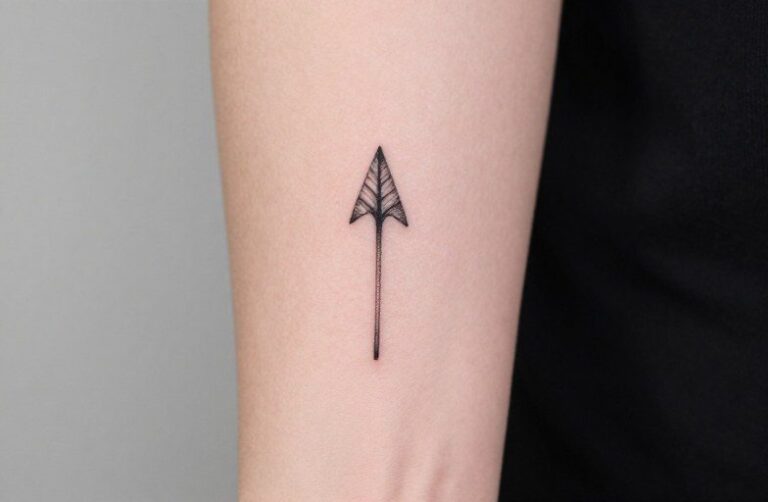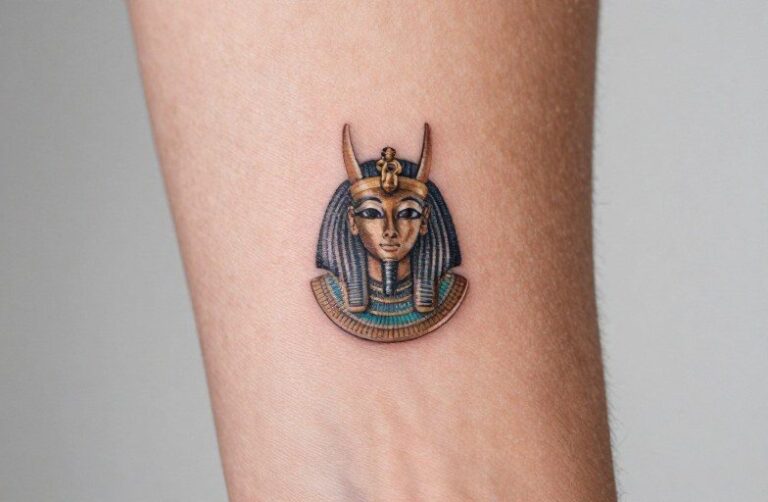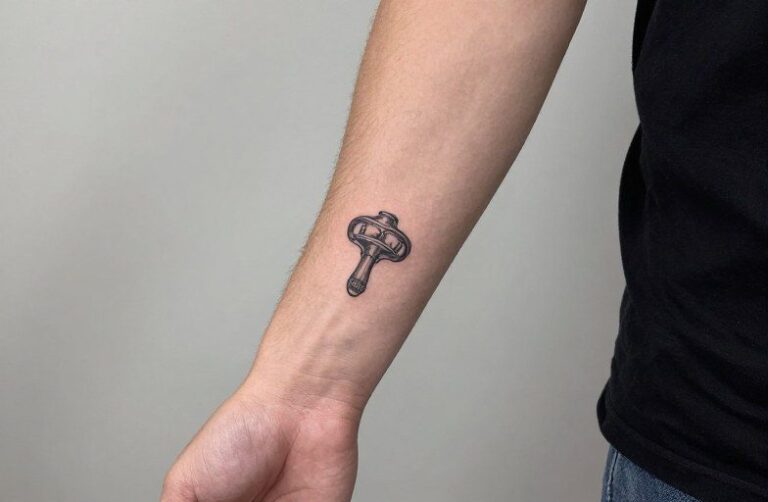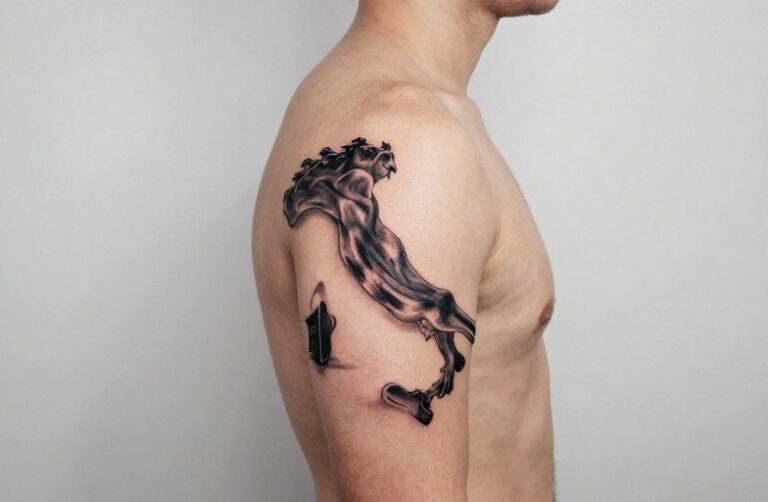
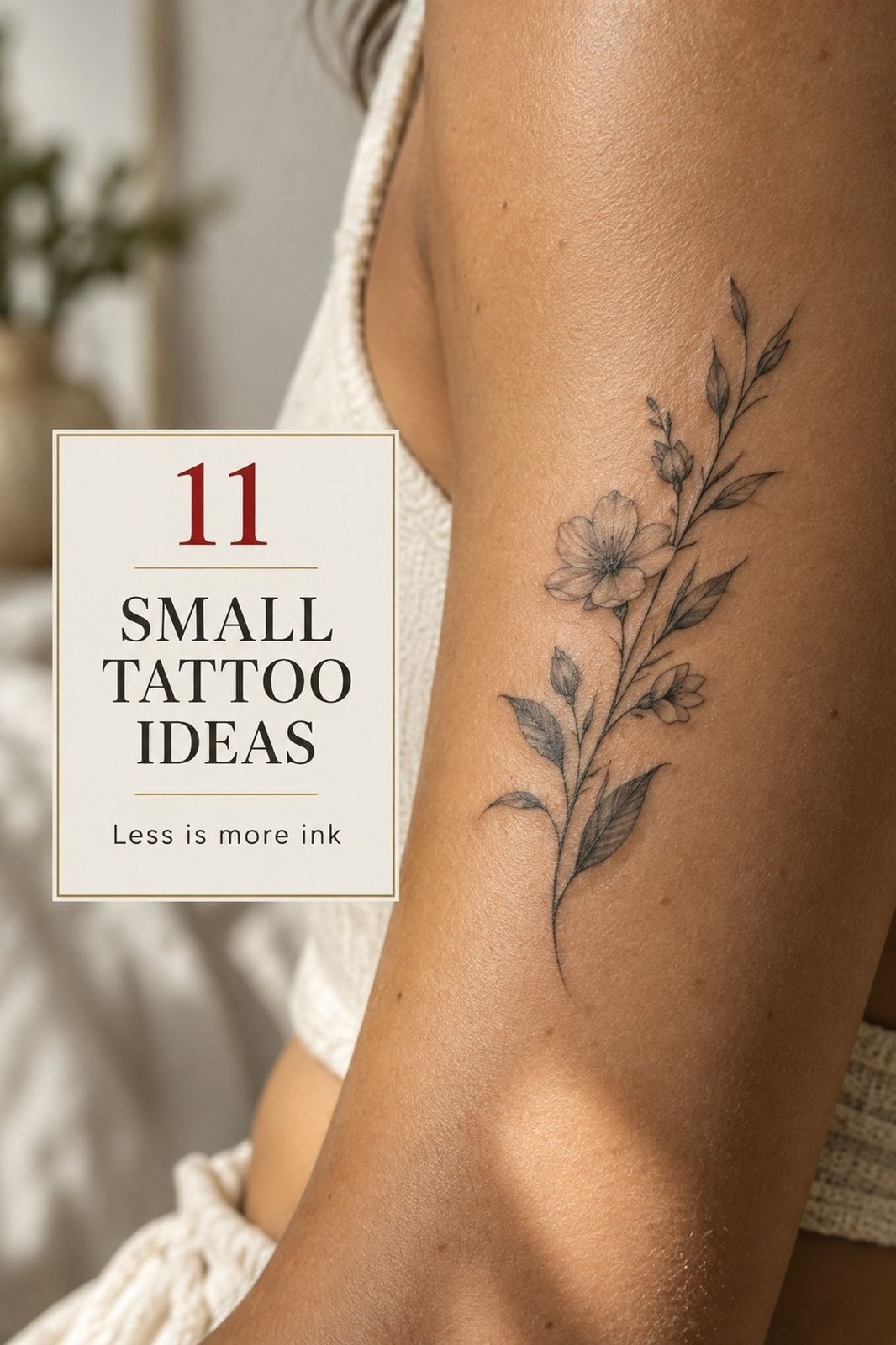
Small tattoo designs can stay clean for years when placement, line weight, and aftercare work together. I once chose a tiny wrist piece without asking how sunlight would affect it. It blurred sooner than expected. You’ll find better options here, from delicate botanicals to bold ankle symbols. Start with longevity, then choose your meaning.
Quick answer: the best small tattoo is simple enough to read, personal enough to keep, and properly sized for the skin. That combination gives you better value than chasing the tiniest possible design. A simple silhouette usually ages better than a crowded miniature.
- Let Fine-Line Botanicals Breathe
- Why Tiny Constellations Work Behind the Ear
- Minimalist Finger Symbols, Kept Clear
- A Small Animal Portrait Needs One Telling Mark
- Follow the Wrist Wave
- Dotwork Geometry: Bold Shape, Open Space
- What Makes Matching Best-Friend Tattoos Work?
- Make an Ankle Micro Tattoo Bold
- Short Lettering, Strong Meaning
- A Playful Food Tattoo With a Real Memory
- Collarbone Placement: Follow the Body
1Let Fine-Line Botanicals Breathe
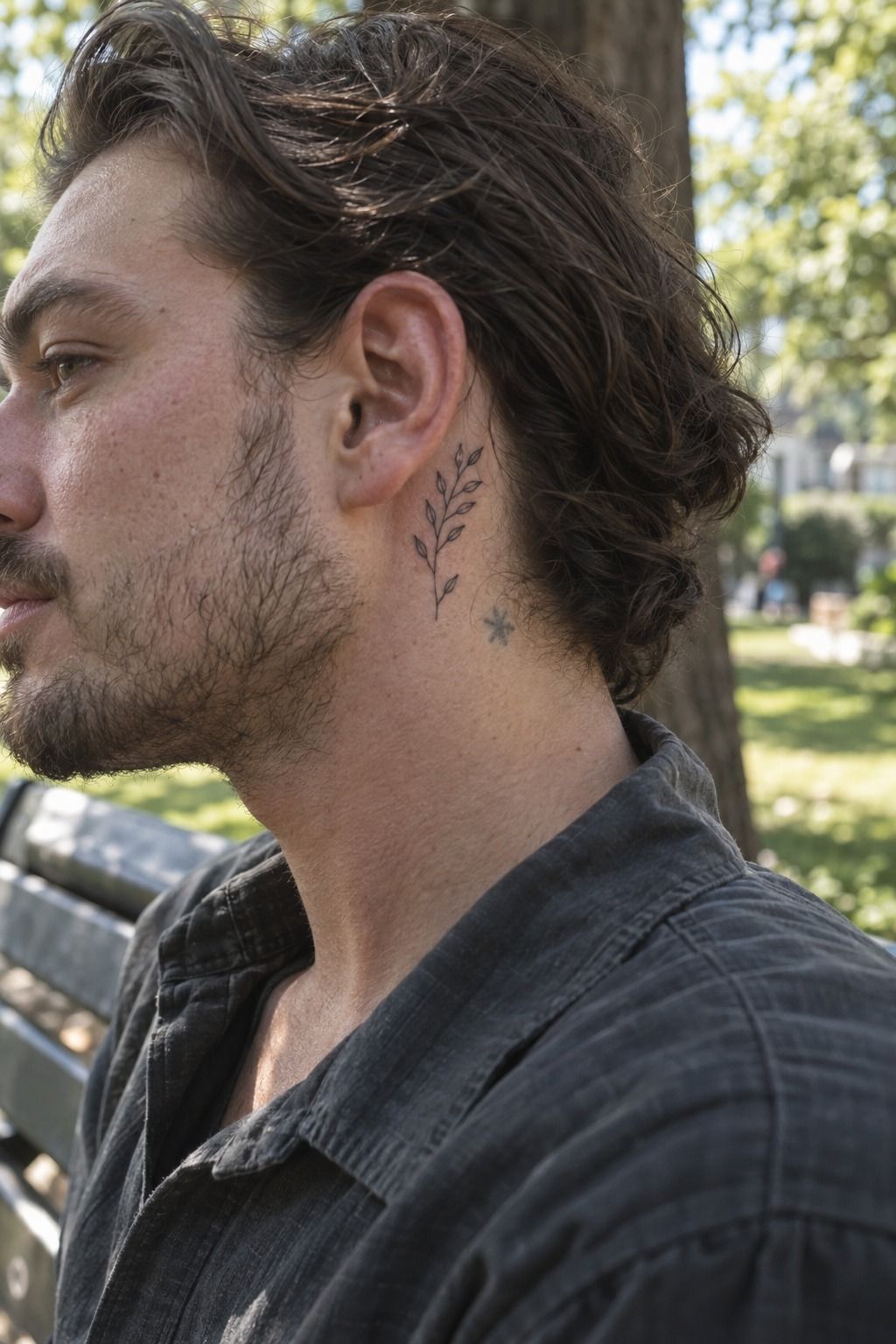
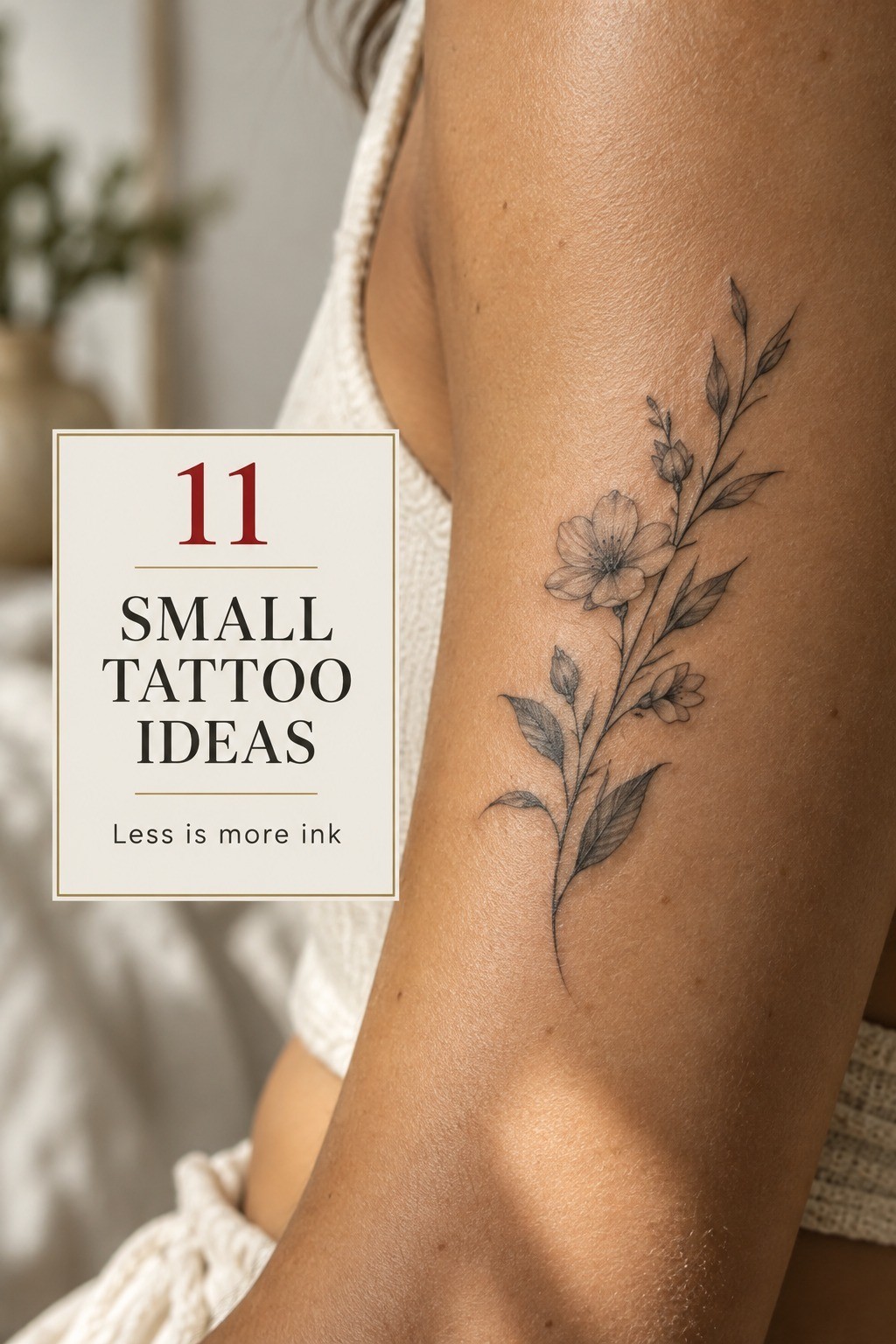
A fine-line botanical behind the ear can feel delicate without disappearing into the skin. You’ll want a simple stem, one leaf cluster, or a tiny wildflower with open skin between the lines. The idea should feel dainty and intentional.
Single-needle work looks intricate, but it needs a patient artist and a design that isn’t crowded. Single-needle linework can be graceful when the artist leaves enough breathing room between every mark.
Cool-pink skin can make black ink read crisp when the artist leaves enough separation. I’d skip a dense bouquet here. It’s stylish in a sketchbook, but behind the ear, too many hair-thin marks can soften together as the tattoo ages.
Ask your artist about a 3RL needle and healed examples, not only fresh photographs. Fresh ink always looks sharp. Healed work tells you whether those graceful lines stayed readable after the skin settled.
For your reference folder, a fine line leaf with one curved stem will usually age better than five overlapping flowers. You can compare botanical shapes in these tattoo patterns designs and this guide to unique female tattoo designs before booking.
Keep the placement protected from direct sun while it heals, and don’t pick at peeling skin. Surface healing usually takes about 2 to 3 weeks, while complete healing can take 2 to 3 months. That patience matters!
2Why Tiny Constellations Work Behind the Ear
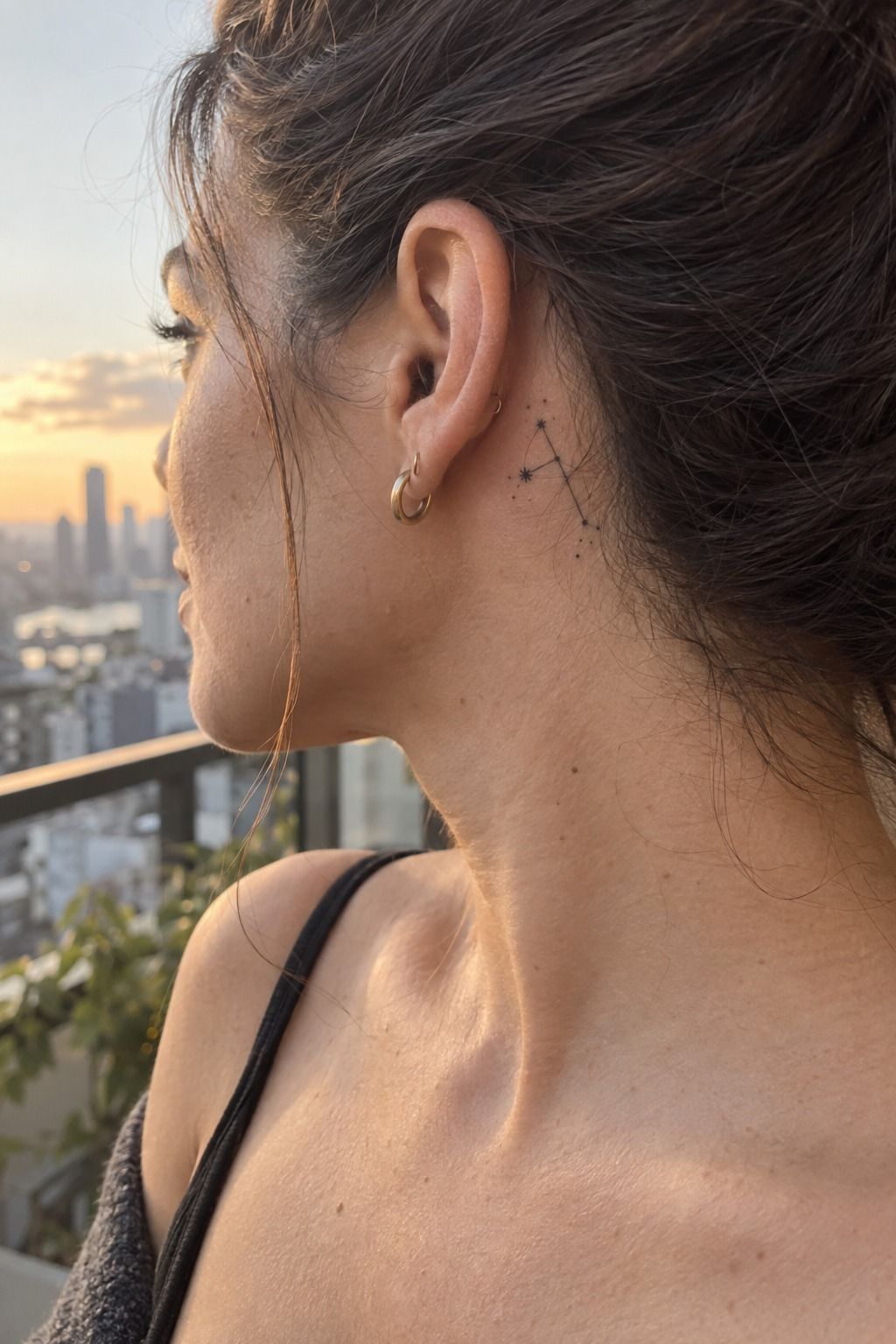
A constellation tattoo works behind the ear because the shape can follow the natural curve without becoming too loud. You’ll get a symbolic, ethereal result from three to five stars, a fine connecting line, and one slightly larger point.
A few black ink dots create a sharper constellation than a heavy cluster that loses its rhythm. Leave gaps between the stars, especially if the design is smaller than a coin.
Your artist should place the design where ear movement won’t distort the main shape. Ask to see the side-view stencil as well as the front view. You’re checking that the stars still look balanced when your head turns.
A constellation can be romantic or personal without copying a zodiac diagram exactly. Add one meaningful star, perhaps tied to a date or person, then leave the rest understated. These tattoo designs that have meaning and star tattoo designs with meaning can help you narrow the symbolism.
I’ve seen people choose too many tiny points because the first stencil looks almost empty. Don’t panic. Negative space is what keeps this idea crisp, graceful, and readable from a short distance.
3Minimalist Finger Symbols, Kept Clear
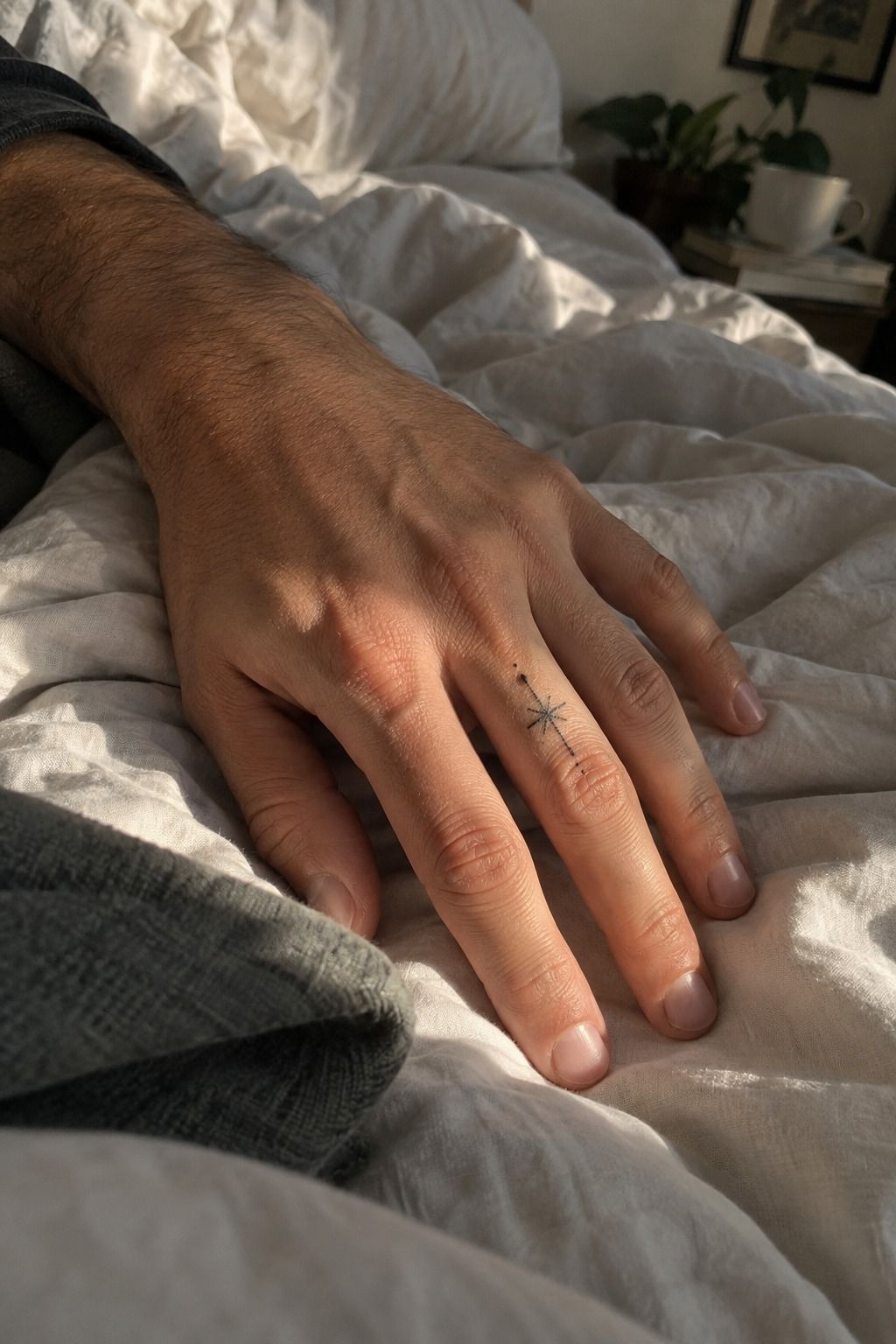
Finger tattoos need a minimal symbol because the skin moves, washes, and rubs against everything. You’ll want a compact mark with a clear silhouette, such as a crescent, tiny sun, or open circle. The result can be sharp without looking harsh.
The safest starting point is a black symbol with deliberate gaps. I’d choose a simple outline over delicate internal shading. Finger skin can be demanding, and a crowded mark won’t stay as clean as it looks on appointment day.
Ask your artist whether the side, top, or inner finger will suit your habits. If you work with your hands, your preferred finger placement may fade faster. That doesn’t mean you can’t choose it, but you should know what maintenance might involve.
A minimal circle design can represent continuity, protection, or a private promise. You’ll find more expressive references in these unique female tattoo designs and tattoo patterns designs, even if you’re choosing a masculine or neutral symbol.
Keep the first session short and let the artist assess your skin. I’d rather see one crisp symbol than three crowded marks competing for attention. Tiny, yes, but intentional!
4A Small Animal Portrait Needs One Telling Mark
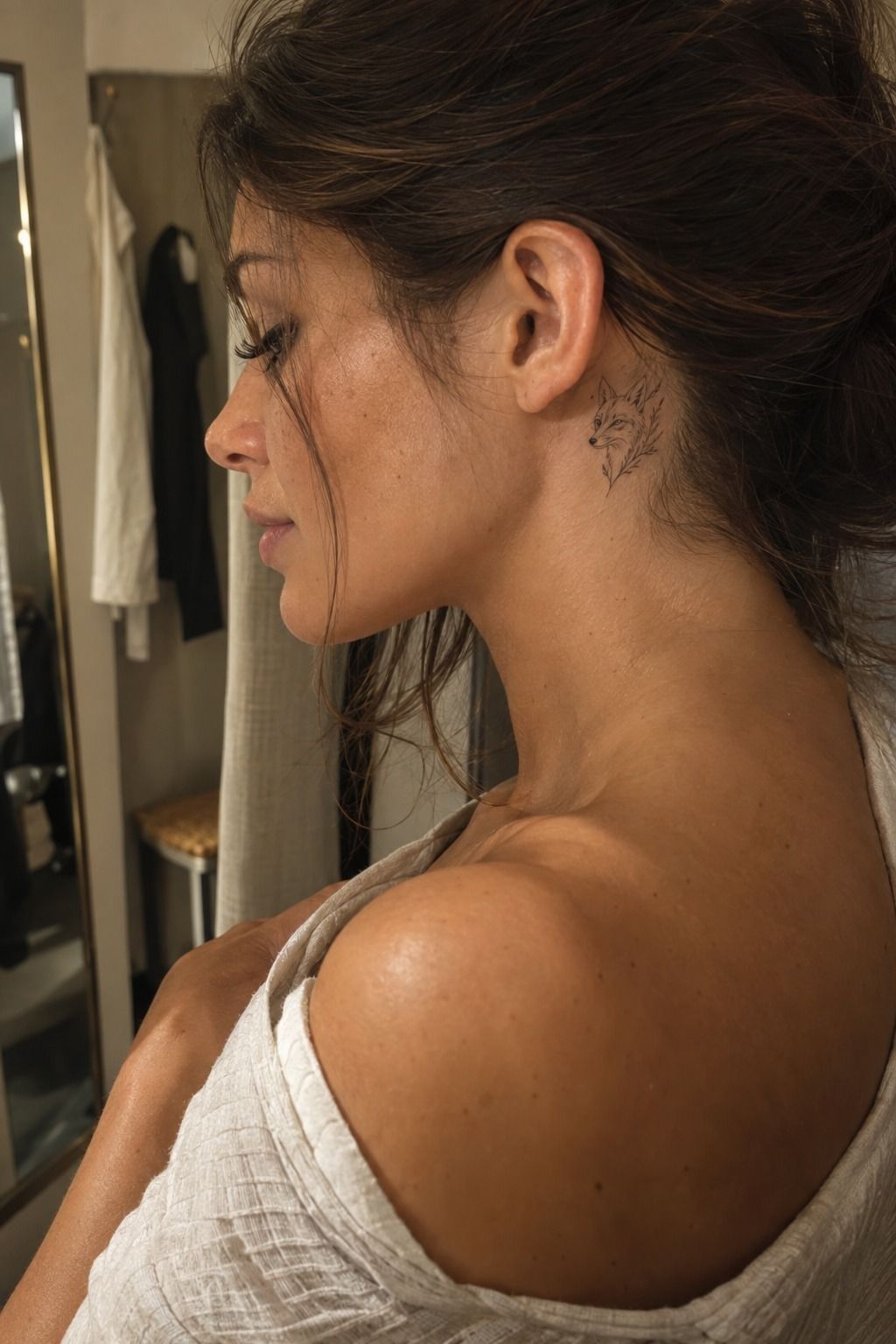
A small animal portrait behind the ear needs only a few expressive marks to suggest personality. You’ll get a more charming result from the outline of an ear, nose, and eye than from trying to draw every strand of fur.
The strongest versions rely on fine black portrait ink and selective line variation. I’d avoid a fully shaded miniature face here. It can look powerful at first, but the smallest details may merge as the tattoo settles.
Choose an animal with a recognizable profile. A fox, rabbit, cat, bird, or dog can work when the silhouette is strong. Your artist should create a simplified profile before stenciling it, because a photograph contains more information than this placement can hold.
I made the mistake of handing over a detailed pet photograph once. The artist reduced it beautifully, but I should’ve trusted the simplified version from the start. For more expressive references, browse these top rated tattoo designs and tattoo designs pictures.
A tiny portrait feels meaningful when one feature carries the memory. You don’t need a whole face, a paw, or a realistic eye. One recognizable profile can make the design iconic.
5Follow the Wrist Wave
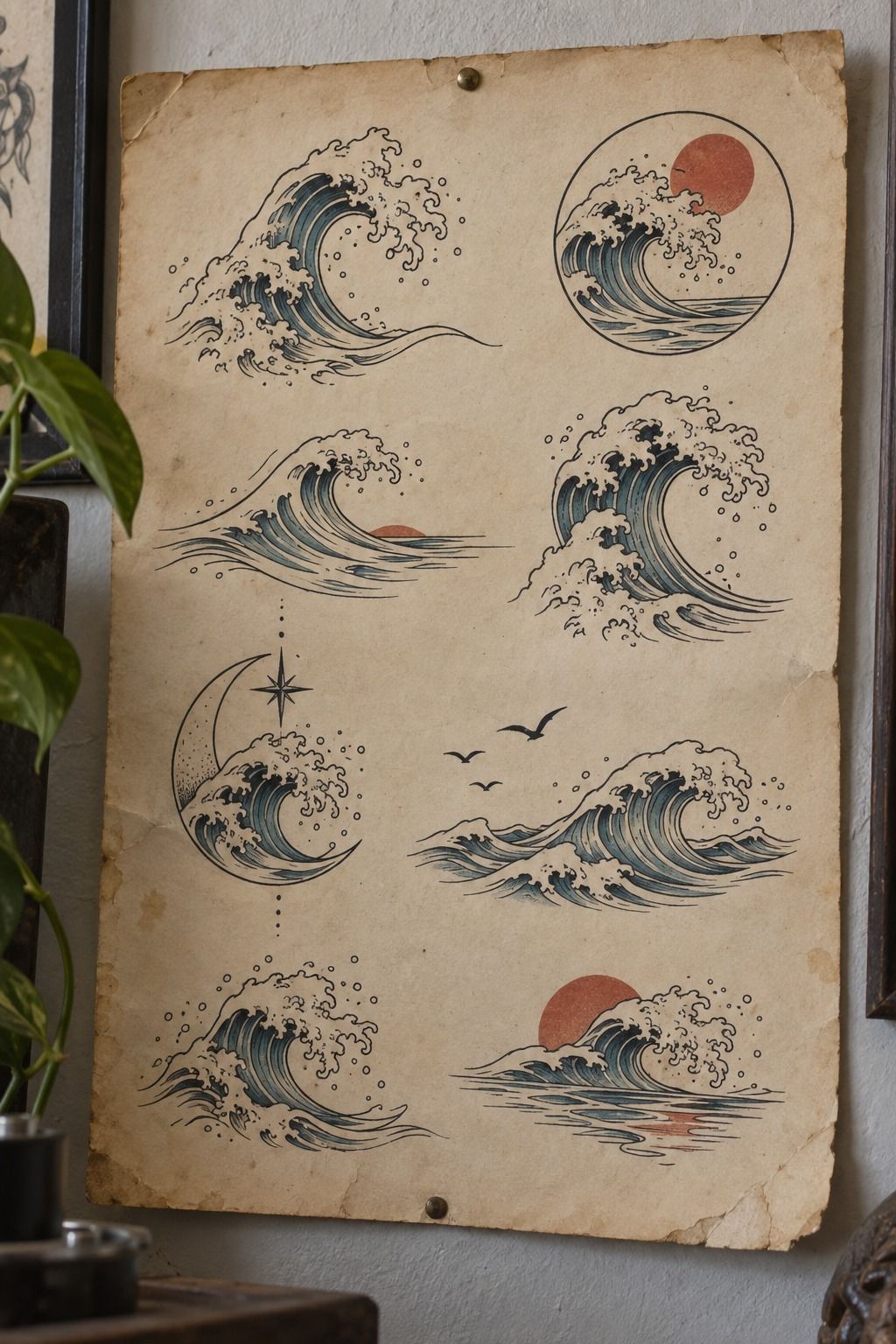
A delicate wrist wave gives you flowing movement without requiring a large surface. You’ll want one rising curve, a narrow crest, and perhaps a small sun or dot. The best versions feel peaceful but still have a clear edge.
On a traditional tattoo reference, black fine line wavework can look almost like a quick pen drawing. That raw quality is part of its charm. I’d skip thick decorative borders, because they make a small wave feel heavier than the reference suggests.
Wrist skin moves constantly, so ask your artist to keep the main curve open and readable. A design around 1 inch wide can still feel expressive if the line has room around it. Your goal isn’t detail for its own sake.
Use the wave reference as a starting point, then adjust it to your wrist’s shape. You can compare more unusual directions in these watercolour tattoo designs, even if you decide to keep your final version black.
Sun exposure matters after healing, too. You’ll want broad-spectrum sunscreen once the skin is fully closed, because ultraviolet light can soften black lines and mute subtle contrast over time.
6Dotwork Geometry: Bold Shape, Open Space

Small dotwork geometry depends on spacing more than size. You’ll see a strong result from a triangle, orbit, sunburst, or stacked arc placed on the sternum. The design can look striking when the artist uses confident marks.
The center can use stippled black shading instead of a solid block. That gives your tattoo a sleek, textured finish while preserving the open areas that help the shape read clearly.
Sternum placement can be more painful than the forearm, thigh, or shoulder because it sits close to bone. Ask your artist how the anatomy-aware stencil will follow your centerline. A geometric design that ignores your body may look crooked when you move.
I’d choose one main shape and one supporting detail. Too many concentric rings can become busy, and busy geometry rarely ages as gracefully as a bold, restrained structure. Your design should still make sense at a glance.
If you’re comparing symbols, this collection of tattoo designs pictures can help you notice which shapes remain readable without color. The open geometry should support the meaning, not compete with it.
7What Makes Matching Best-Friend Tattoos Work?
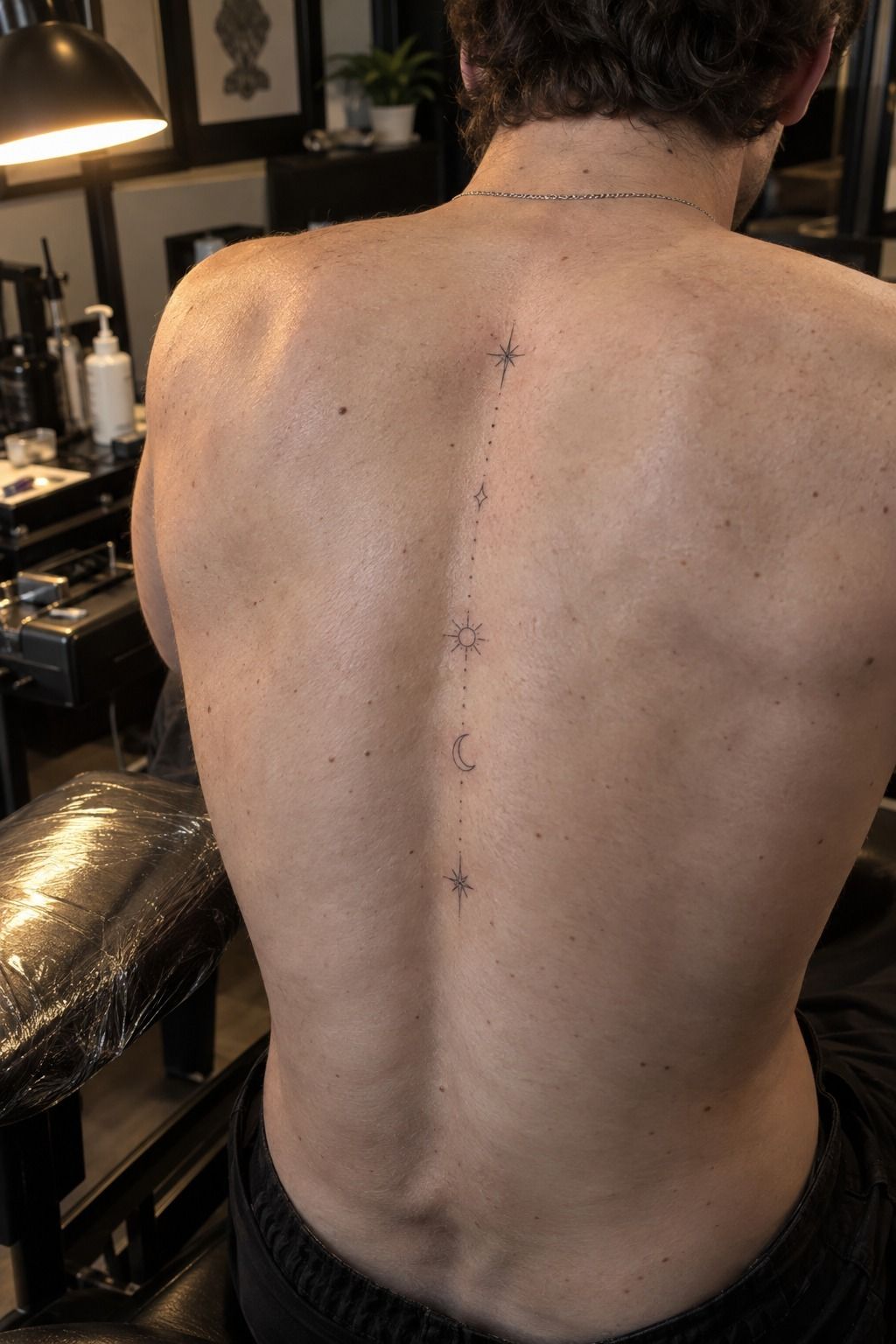
A matching tattoo works best when each person gets a complete design, not half of a picture that only makes sense together.
8Make an Ankle Micro Tattoo Bold
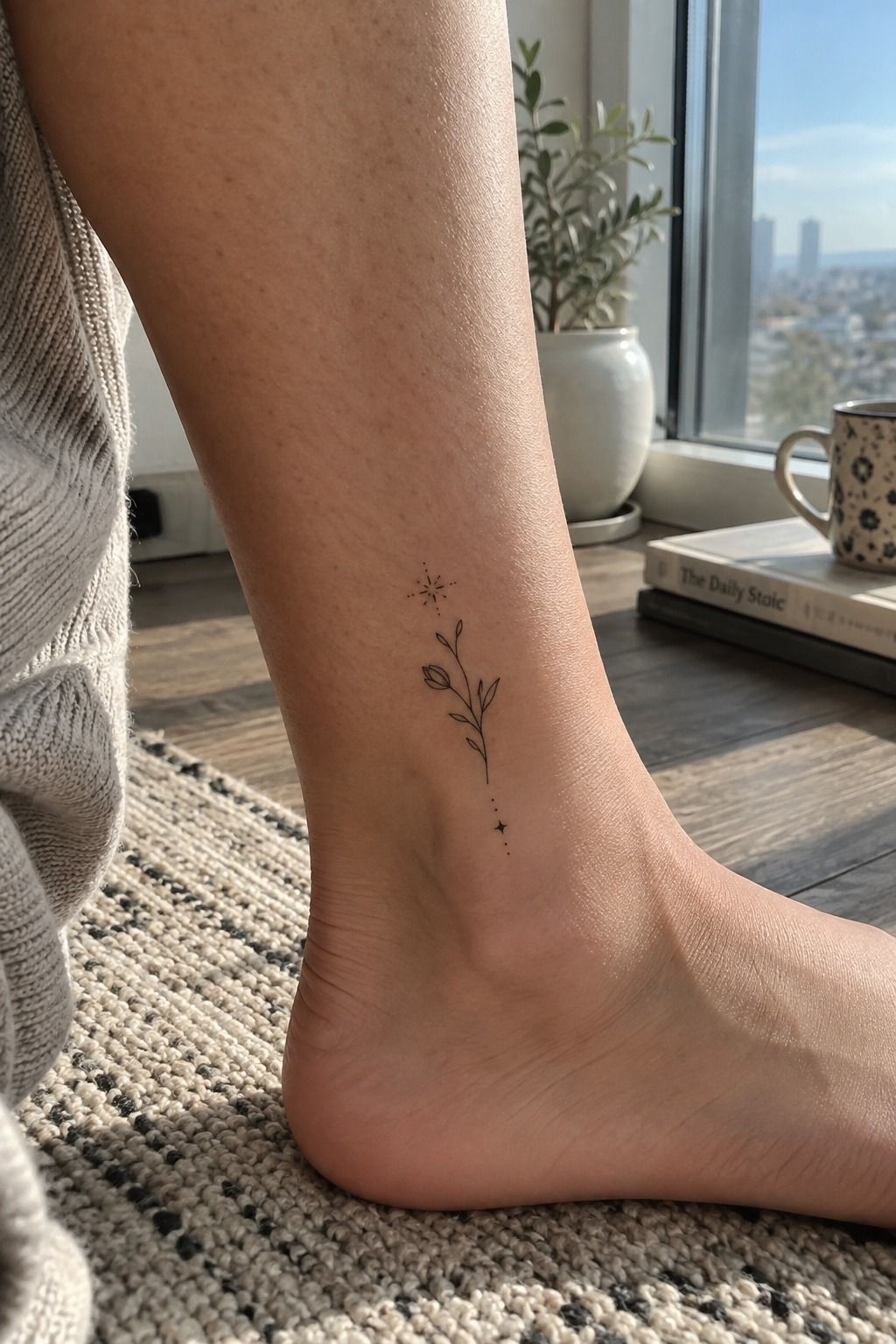
Bold micro tattoos on the ankle prove that tiny doesn’t have to mean faint. You’ll want a compact shape with a confident outline, such as a flame, heart, star, or miniature dagger. The result can look polished without becoming oversized.
A solid black ankle symbol can stay more legible than an extremely thin design, especially where socks and shoes create friction. I’d choose a crisp silhouette over soft internal shading. The ankle already gives you enough visual movement.
Ask your artist about the exact side of the ankle. The outer ankle, inner ankle, and area above the bone each experience different rubbing and movement. You’ll want the ankle placement chosen around your usual footwear.
This placement can feel edgy while remaining elegant. A sharp little flame may look daring, but its small scale keeps it understated enough for everyday wear. A fierce silhouette can still feel feminine, masculine, or neutral depending on the line shape.
These are typical US reference points, not a quote. Prices vary by artist and region, and you shouldn’t choose solely by cost. A polished ankle mark is worth waiting for!
9Short Lettering, Strong Meaning
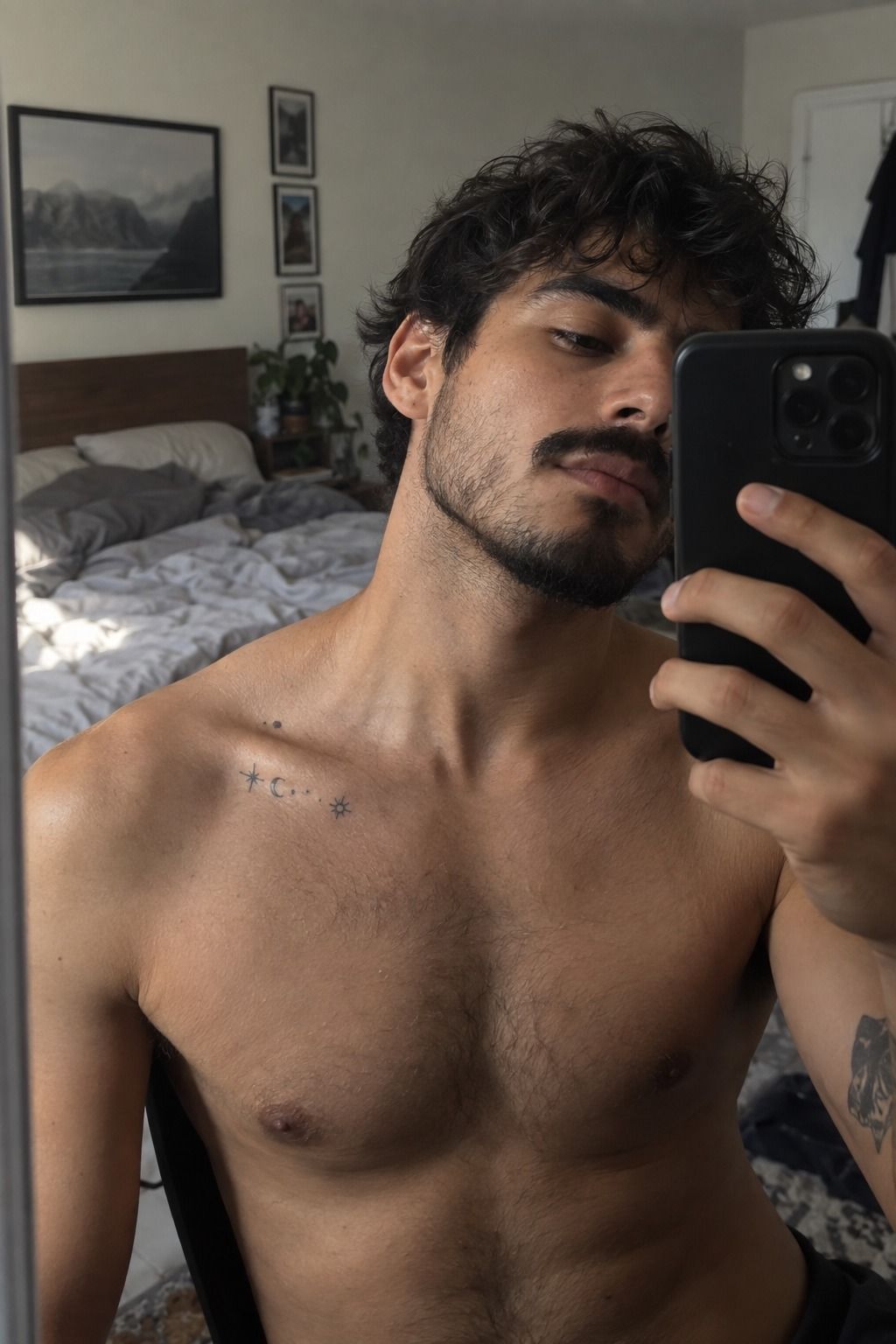
Small small lettering can be meaningful when the word is short and the letterforms have enough space. You’ll want one word, a date, or a two-letter monogram rather than a full sentence squeezed onto the collarbone.
The clearest results use clean black lettering with confident spacing. I’d choose a classic serif or restrained handwritten style over decorative loops. Ornate scripts can look romantic in a stencil but become difficult to read when reduced.
Ask for a printed stencil in the exact size you’re considering. Your eye may approve the phrase on a phone screen, while the actual tattoo feels too tight. A graceful line needs open skin around every letter.
Think about whether the word still feels personal five years from now. Sacred, empowering, and timeless words can hold their meaning, but you should test the phrase in ordinary handwriting first. What looks natural on paper usually translates better.
For more symbolism, browse these star tattoo designs with meaning and compare how short phrases are balanced. Don’t let a meaningful word become unreadable decoration. The short phrase should survive a quick glance.
10A Playful Food Tattoo With a Real Memory
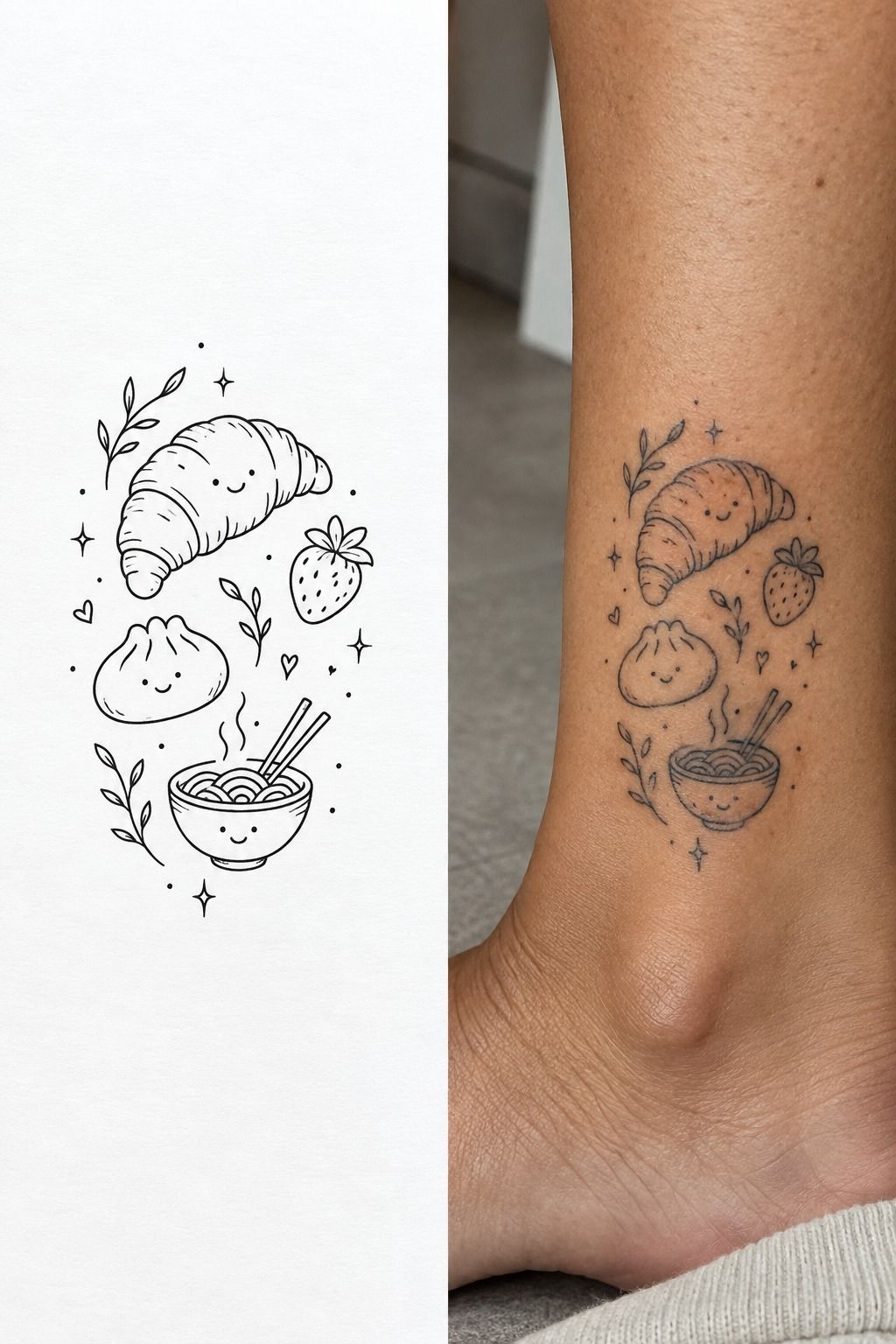
A playful food tattoo can turn an ordinary snack, family recipe, or late-night tradition into a personal symbol.
11Collarbone Placement: Follow the Body
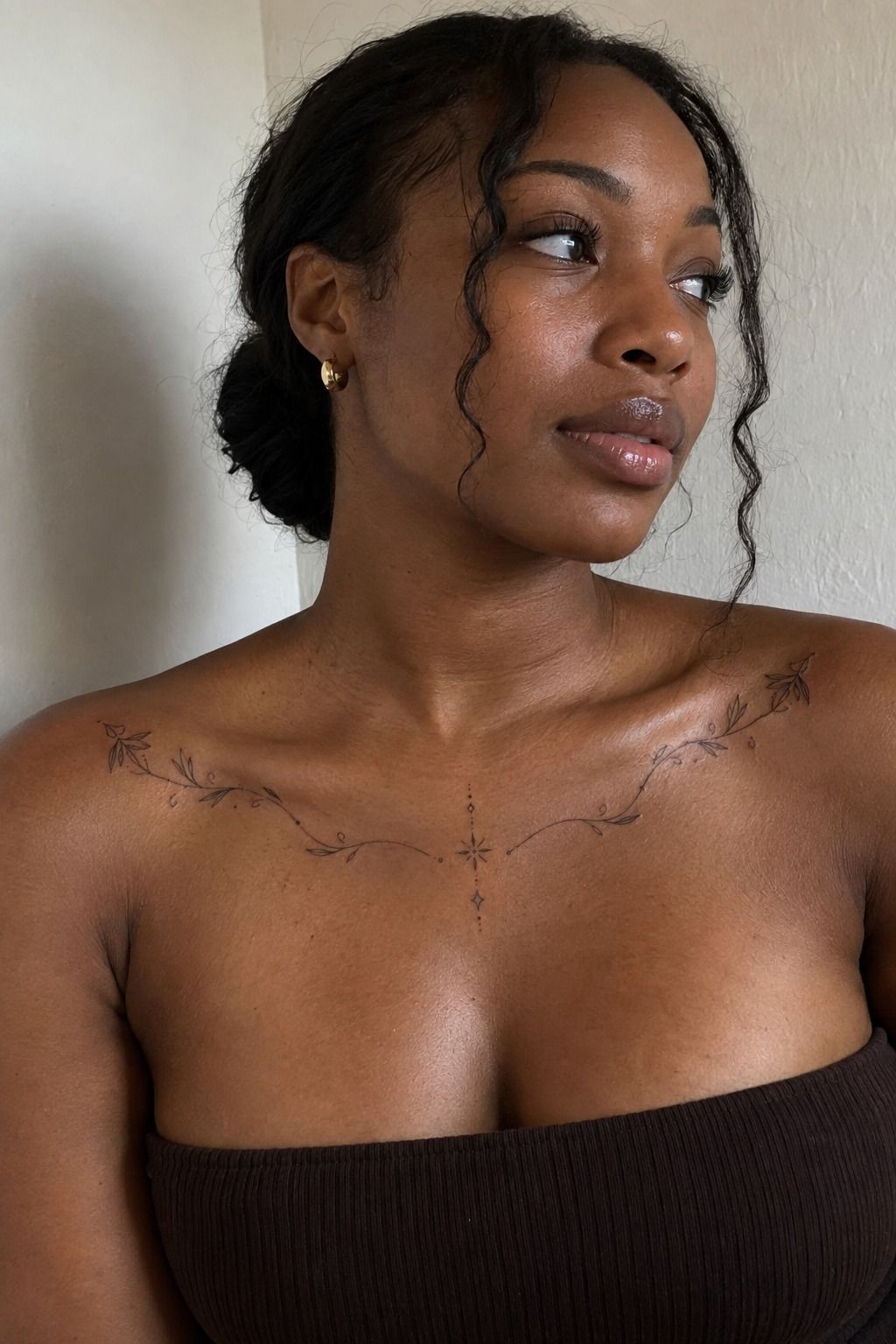
Elegant collarbone tattoo designs work when the shape follows the natural line instead of fighting it. You’ll want a slim branch, tiny crescent, short phrase, or narrow ornamental mark that sits comfortably above the bone.
The strongest versions use fine black collarbone ink with enough contrast to stay expressive. I’d ask the artist to adjust the line weight for your skin, rather than requesting the thinnest possible needle automatically.
Your collarbone moves with your shoulders, so the collarbone stencil should be checked while you stand naturally. A design can look balanced while lying down and shift when you lift your arms. Take that extra minute before the needle starts.
A flowing branch can feel feminine, while a sharp geometric mark can look masculine or neutral. Neither choice is more timeless. The important part is that your symbol follows your body instead of imitating a placement from a flat photograph.
You can compare more placement ideas in these womens shoulder tattoo designs and unique female tattoo designs. Choose the reference for its structure, then let your artist redraw it for your collarbone. That’s how a polished tattoo becomes personal.
Before You Book: The Design Has to Fit the Skin
The best first question isn’t “Which tattoo is trending?” It’s “What will this shape look like after the skin heals?” That small change in focus can protect you from an impulsive decision.
A healed tattoo portfolio gives you more useful information than a gallery filled only with fresh work. Look for consistent line weight, readable small details, and artists who explain limitations clearly.
If someone promises that every hair-thin mark will stay identical forever, I’d keep looking. Honest advice is part of the value. You can also review top rated tattoo designs to compare how different styles handle small scale.
Bring references, but don’t ask for an exact copy of another person’s personal tattoo. Combine the placement, mood, and symbolism you like, then ask your artist to create an original tattoo concept.
How Much Should a Small Tattoo Cost?
A small tattoo may cost around a studio minimum of $50 to $100 or around an hourly rate of $100 to $250 in the US. Your artist, region, placement, and detail level all affect the final cost.
A low budget can be useful for setting limits, but it shouldn’t be the only decision-maker. The best value usually comes from an experienced artist who can size the design properly and show healed results. These tattoo patterns designs may help you understand how complexity affects the appointment.
Ask whether the quote includes a consultation, stencil changes, and a touch-up policy. A slightly higher price may be worth it when the artist’s work is crisp, consistent, and suited to your chosen placement.
Which Placement Gives You the Best Value?
Placement changes pain, fading, visibility, and maintenance. A low-friction placement can give delicate work a better chance of staying readable.
The forearm, thigh, and shoulder are often more tolerable, while the ankle, finger, sternum, and behind-ear areas may face more rubbing or sensitivity. You’ll still need sunscreen after healing, but your daily routine matters just as much as the location.
Think about work, clothing, sports, and how often you’ll expose the tattoo to sunlight. A hidden design may feel personal, while a visible placement may be easier to enjoy every day. Neither option is automatically better.
Aftercare Is Part of the Design
Wash gently, moisturize as directed, and avoid picking while the skin closes. You shouldn’t swim or expose fresh ink to strong sun until your artist says the surface has healed.
Your artist-approved aftercare matters more than a random routine from social media. Different placements and skin types can respond differently, so follow the instructions you received at the appointment.
Complete healing can take 2 to 3 months even when the surface looks settled. Be patient with peeling, mild dryness, and temporary dullness. These tattoo designs that have meaning are easier to enjoy when you protect the clarity you paid for.
Fresh Ink Versus Healed Ink
Fresh ink photographs beautifully because the lines look dark and the surrounding skin is newly irritated. Healed ink gives you the more honest test. A healed reference photo shows whether spacing, contrast, and small details survived.
Ask to see work from several months earlier, preferably in a similar style and placement. You’re looking for readable shapes, smooth lines, and an artist who doesn’t rely on heavy editing.
This comparison can save you money and disappointment. The cheapest appointment isn’t good value if the design needs major correction later. Compare top rated tattoo designs with the artist’s healed portfolio before you decide.
A Simple Stencil Test
Stand naturally, move the relevant body part, and check the stencil from more than one angle. A full-size stencil check can reveal awkward spacing before the needle starts.
Look at the design from a short distance and then up close. If the idea only works when your face is inches away, it may need a larger scale or simpler structure. A moving stencil should remain readable when your body changes position.
Take a photograph for yourself, but don’t let the phone decide everything. Your body moves in ways a flat screen can’t show. You can compare structure with these tattoo designs pictures, then trust the artist’s placement knowledge, too.
The Questions I Get Asked Most
How much does a small tattoo usually cost?
A small tattoo usually costs about $50 to $100 minimum at a boutique studio or around $100 to $250 per hour in the US. Your artist, region, placement, and detail level all affect the price. Ask for a quote before booking, and don’t select an artist by price alone.
Are small tattoos a good idea for a first tattoo?
Yes, small tattoos can be a strong first choice because the session is often shorter and the placement can be easier to manage. You’ll still want a meaningful subject, clear linework, and an artist with healed examples. Small doesn’t automatically mean low-maintenance.
How do I choose a tattoo artist?
Choose an artist whose tattoo artist portfolio shows clean healed linework, not only fresh tattoos. Look for the style you want, consistent spacing, and clear studio hygiene. You should feel comfortable asking about needle choice, placement, aftercare, and how the design may change over time.
How much do small tattoos hurt?
Pain depends on your body and placement. Ribs, feet, hands, and sternum are often more painful because they sit near bone or experience more sensitivity.
The forearm, thigh, and shoulder are commonly more tolerable. You’ll still feel pressure, heat, and scratching during the session.
How long does a small tattoo take to heal?
The surface usually heals in about 2 to 3 weeks, while complete healing can take 2 to 3 months. Wash gently, moisturize as instructed, avoid picking, and stay away from swimming and strong sun while the skin closes.
What’s the best placement for a small tattoo?
The best placement depends on visibility, friction, pain, and your design’s line weight. The forearm, shoulder, and thigh are often more tolerable, while the ankle, finger, sternum, and behind-ear areas may face more rubbing or sensitivity. You’ll want your artist to check the stencil while you move.
Where can I buy a small tattoo design, and is there a disclosure?
You generally don’t need to buy a finished tattoo design. Save references, discuss originality with your artist, and pay for a custom drawing when needed. This article has no affiliate recommendations, so there’s no product disclosure attached to the design ideas.
Where I’d Start First
If I had to pick one, I’d start with the tiny constellation behind the ear. Its open spacing gives fine lines room to age, and one meaningful star keeps it personal without crowding the skin. Pin that idea for later, then show your artist a healed reference before booking.