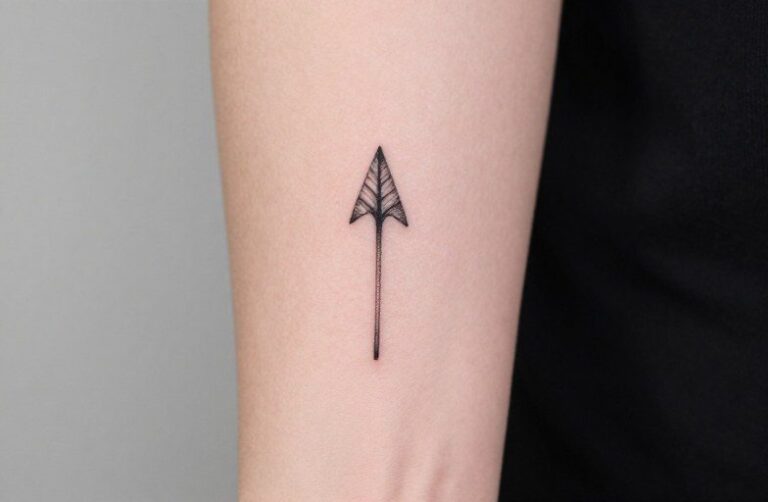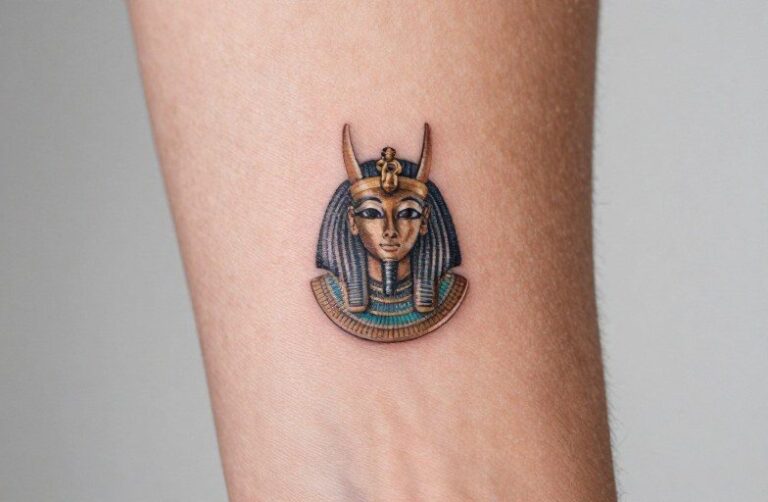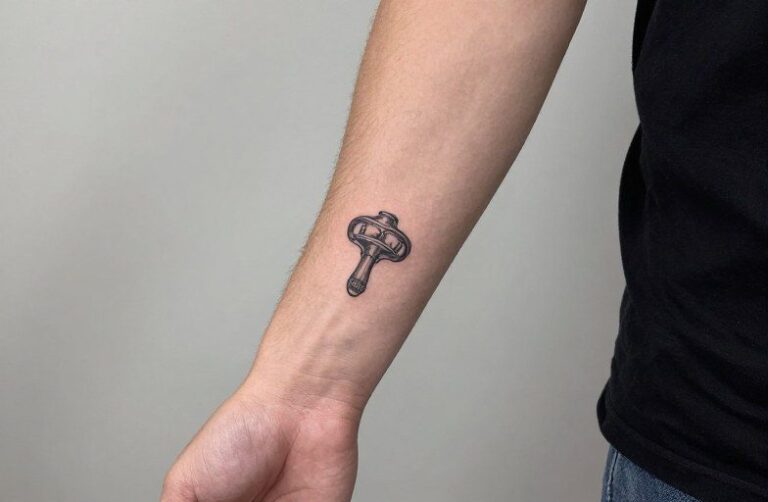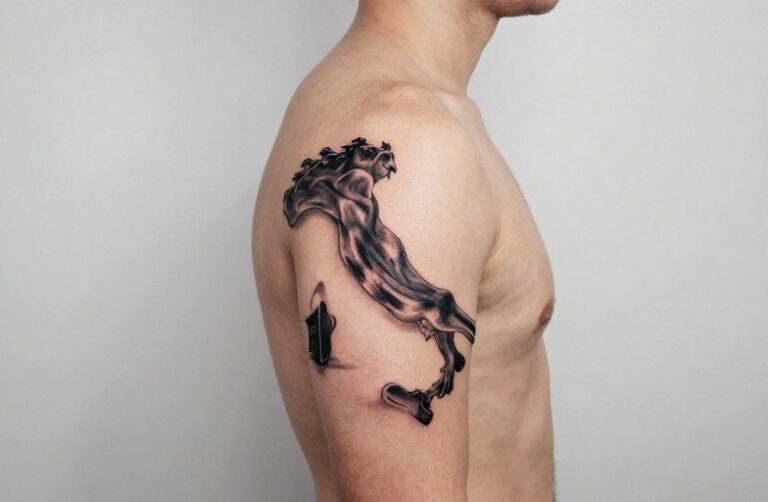

Spiritual symbol finger tattoos are small, permanent markings of belief worn on the hands, often on the sides of fingers, across knuckles, or tucked along the cuticle line. They compress sacred geometry, religious icons, or protective emblems into a space you see dozens of times daily. The meaning depends on the specific symbol chosen, but the finger placement itself adds a layer of intentionality: these tattoos are public declarations made private by their small scale, visible during gesture and touch, hidden at rest.
Symbolism and Core Meaning
Unlike larger back or arm pieces, finger tattoos function as amulets rather than narratives. The hand’s role in touch, creation, and greeting makes it a charged canvas. A symbol here becomes something you actively wield.
What the Placement Itself Signals
Finger tattoos refuse the luxury of concealment. Even a small unalome or cross sits at the center of handshake, prayer, or labor. This visibility often indicates the wearer wants the symbol integrated into action, not merely admired. The choice suggests urgency, belief too immediate for the slower reveal of a sleeve or chest piece.
Related reading: spiritual symbol finger tattoo | minimalist compass tattoo | symbolic tattoo ideas | Christian tattoo ideas
Common Symbols and Their Compressed Meanings
- Unalome: The spiraling path to enlightenment, with the straight final line representing nirvana. On the index finger, it aligns with pointing and direction.
- Hamsa: Five-fingered protection, often placed on the hand it depicts. Irony and reinforcement in one.
- Om: The primordial sound, reduced to a few millimeters of line work. Fades fastest on the palm-side pads.
- Cross or ichthys: Christian identifiers scaled to personal rather than congregational display.
- Eye of Providence: Watchfulness, sometimes paired with actual finger placement to create a “seeing” gesture.
- Runes or sigils: Norse, alchemical, or personally constructed symbols, their obscurity part of the point.
Best Placements
Not all finger real estate behaves the same. Skin thickness, movement, and sun exposure vary dramatically across the hand.
The Side Finger
The outer edge of the index or middle finger, between digits, offers the best longevity for small symbols. Skin here moves less than knuckle skin, and the narrow canvas forces simplicity. A single unalome line or small cross fits cleanly. This area also ages better than the palm side, though it will still blur over five to ten years.
Knuckle and Cuticle Zones
Knuckle tattoos sit on skin that flexes constantly. Bold, heavy lines survive longer here; delicate spiritual symbols often spread into indistinct grey blobs within three to five years. The cuticle line, just above the nail bed, has become popular for tiny moons, crosses, and eyes. This placement hurts more due to proximity to bone and nail matrix, and it requires touch-ups sooner than most locations.
- Index finger: visibility, pointing, authority
- Middle finger: central balance, often chosen for symmetry with both hands
- Ring finger: commitment layered onto commitment, or ironic counterpoint
- Pinkie: discretion, the symbol seen mainly by the wearer
- Thumb: strength, grasp, the most functional finger
How It Ages on Skin
Finger tattoos are notorious for fading. Understanding why helps set expectations and informs design choices.
The Biology of Hand Skin
Hands contain few oil glands compared to the back or chest. They regenerate skin rapidly due to constant use and abrasion. Ink particles get chewed up by the immune system faster here than almost anywhere else on the body. Add sun exposure, hands rarely get covered, and the result is predictable: spiritual symbols that once read clearly become soft-edged suggestions.
Design Choices That Survive
Thick black lines outperform grey wash or fine detail. A solid hamsa outline lasts longer than an om with hairline interior strokes. Negative space designs blur unpredictably as the surrounding ink spreads. Single-needle work, fashionable for its delicacy, often disappears entirely from fingers within two years.
Touch-ups are standard, not failure. Most artists build one free touch-up into the initial price for finger work, expecting you will need it within twelve months. After that, plan on refreshes every few years if crispness matters to you.
Personal and Modern Meanings
Contemporary wearers often layer personal significance onto traditional symbols, or invert expected meanings entirely.
Reclamation and Subversion
A cross on the middle finger can mock or revere, depending on context. A hamsa on the dominant hand versus the passive hand changes its felt purpose, from receiving protection to actively projecting it. Some choose symbols from traditions they were not born into, a choice that ranges from genuine spiritual seeking to aesthetic appropriation, with plenty of contested ground between.
Commemoration Without Text
Dates and names fail quickly on fingers, lettering blurs into illegibility. A small anchor, bird, or infinity symbol can mark loss or commitment without requiring readable text. The symbol becomes private code, understood only by the wearer and those they choose to tell.
History and Folklore
Hand markings appear across cultures as protective or status-bearing, though direct historical precedent for modern finger tattoos is limited.
Precedents and Parallels
Berber women’s facial and hand tattoos, often geometric and symbolic, sometimes extended to finger joints. These were commonly linked to fertility and protection. In some South Asian traditions, henna application on fingers carries specific auspicious meanings during marriage ceremonies, temporary, but establishing the hand as a site for sacred marking. Sailor tattoos of the early twentieth century sometimes included small religious symbols on fingers, though these were more often text across knuckles than imagery.
The modern spiritual finger tattoo largely lacks deep historical roots. It is a contemporary form, enabled by improved tattoo machines capable of fine detail and by cultural shifts toward visible, accepted body modification. Claims of ancient lineage for specific finger placements should be viewed skeptically.
Religious and Spiritual Angles
Specific traditions carry different expectations about bodily marking, and the finger’s visibility intensifies these.
Traditions That Encourage
Coptic Christians have a long practice of tattooing crosses on the inner wrist, and some extend this to finger symbols as permanent baptismal markers. Certain Hindu traditions use hand markings ritually, though permanent tattooing is less common than temporary tilak or henna. Modern pagan and eclectic spiritual practitioners often choose finger tattoos precisely for their amulet-like quality, a daily, embodied reminder.
Traditions That Discourage or Prohibit
Orthodox Judaism generally prohibits tattooing as body modification. Some Islamic interpretations similarly discourage permanent markings, though cultural practice varies widely by region and school of thought. For practitioners in these traditions, a finger tattoo represents either departure from observance or careful negotiation with community expectations. The finger’s impossibility of concealment makes this negotiation public.
What to Remember
Spiritual finger tattoos succeed when they embrace constraints. Small scale, simple line work, and acceptance of aging turn a potentially frustrating choice into a durable practice. The symbol you select matters less than your understanding of how it will live on your hand, visible in every gesture, softened by time, requiring maintenance you choose to keep giving it.
This is not a tattoo for the passive wearer. It demands attention, occasional repair, and comfort with its public presence. Choose a symbol you can stand seeing blurred, and a placement that matches how you use your hands. The value is in the ongoing choice to keep it visible, not in the perfection of its execution.
Frequently Asked Questions
Do finger tattoos hurt more than other placements?
Generally yes. Fingers have thin skin directly over bone and tendon, with little muscle or fat to cushion the needle. The sides of fingers hurt less than knuckles or the palm-side pad, but most people rank finger work among their more uncomfortable sessions.
How much do spiritual finger tattoos typically cost?
Small finger symbols usually run $80 to $150, though some shops charge a minimum regardless of size. Many artists include one free touch-up in the initial price, expecting you will need it within twelve months.
How long do finger tattoos last before needing touch-up?
Expect visible softening within one to two years. Knuckle and palm-side placements fade fastest, often requiring refresh at twelve to eighteen months. Side finger placements age more gracefully, sometimes holding crispness for three to five years with good aftercare and sun protection.
Can any symbol work on a finger?
Technically yes, but practically no. Highly detailed symbols with interior lines, fine geometry, or subtle shading blur into unreadable grey within months. The best finger symbols are bold, simple outlines with minimal interior detail. Your artist should adapt the design specifically for finger scale, not simply shrink a larger piece.
Will a finger tattoo affect job prospects?
It depends entirely on your field and region. In many creative, service, and manual trades, visible hand tattoos are unremarkable. In conservative corporate, legal, or medical settings, they may create friction. The finger offers one partial compromise: side placements are visible during gesture but relatively hidden when hands rest on a desk. Still, assume it will be seen.