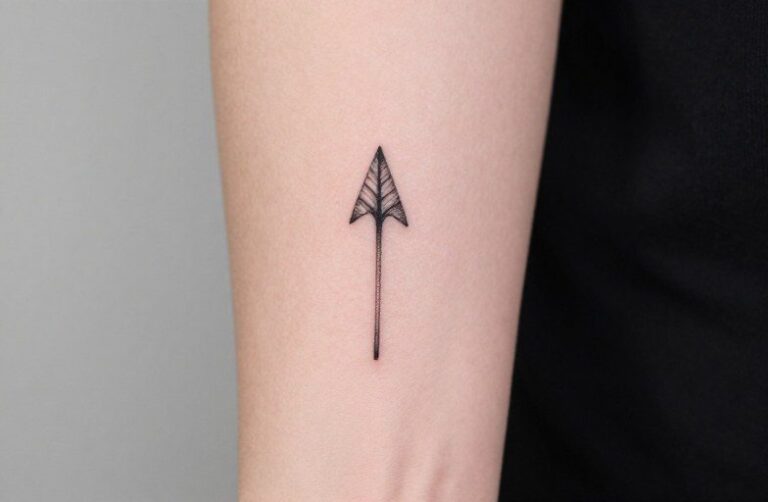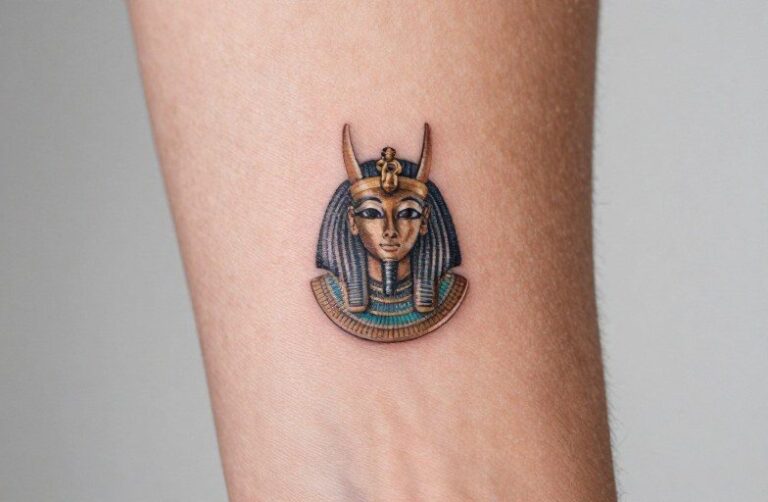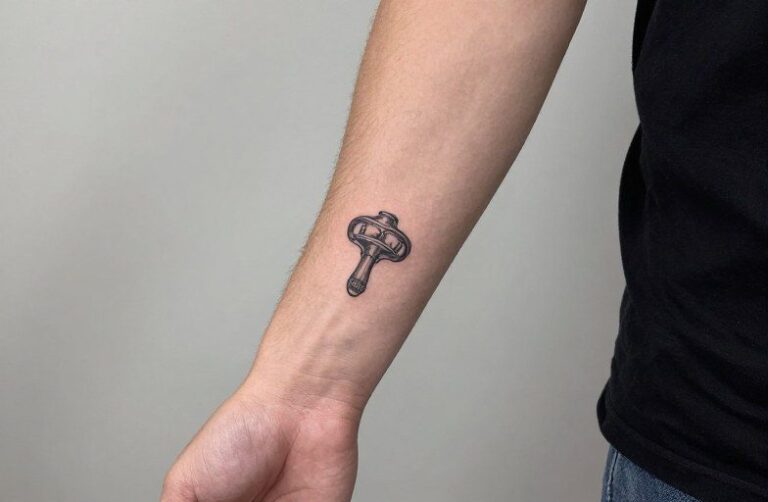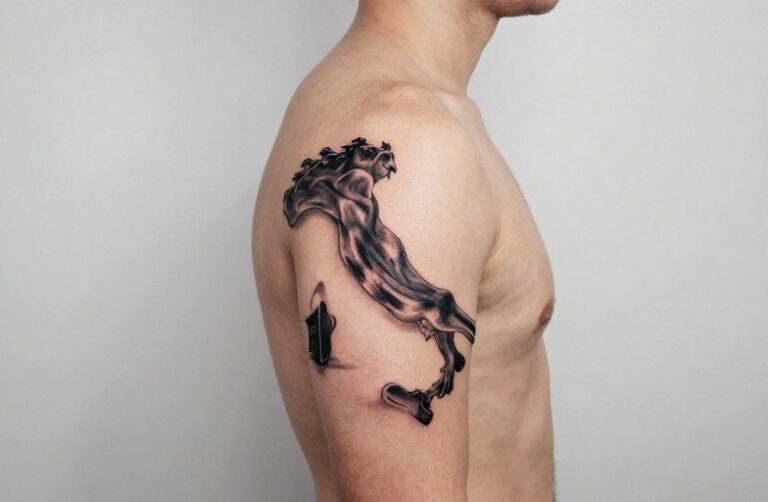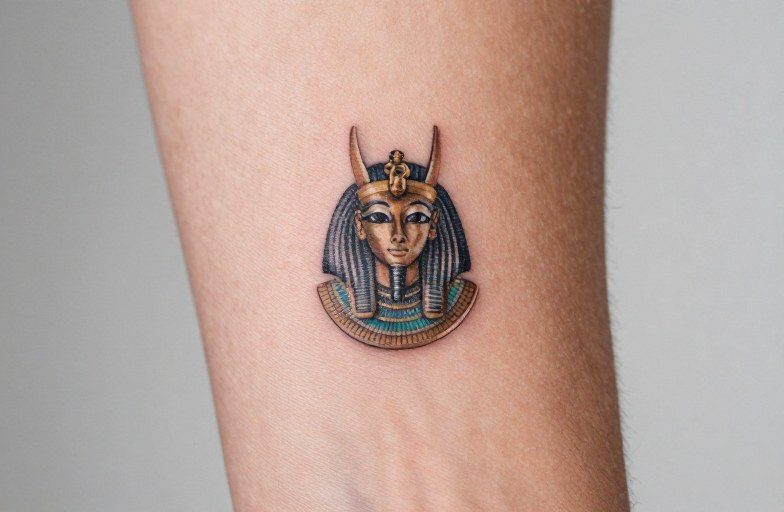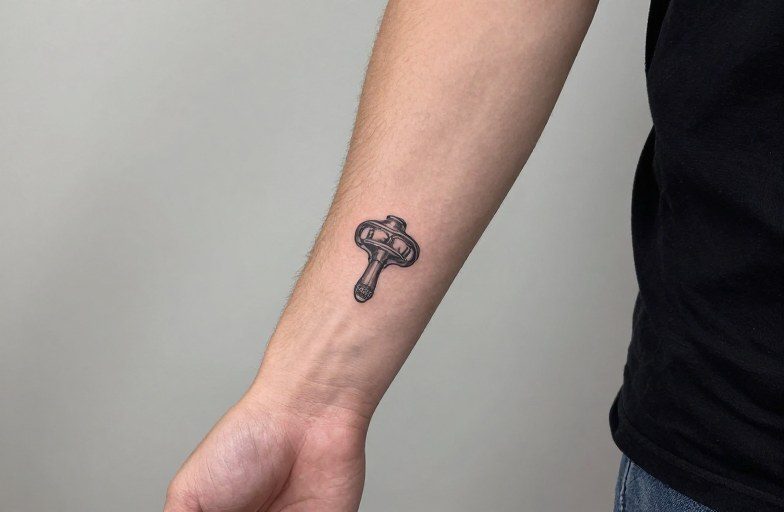
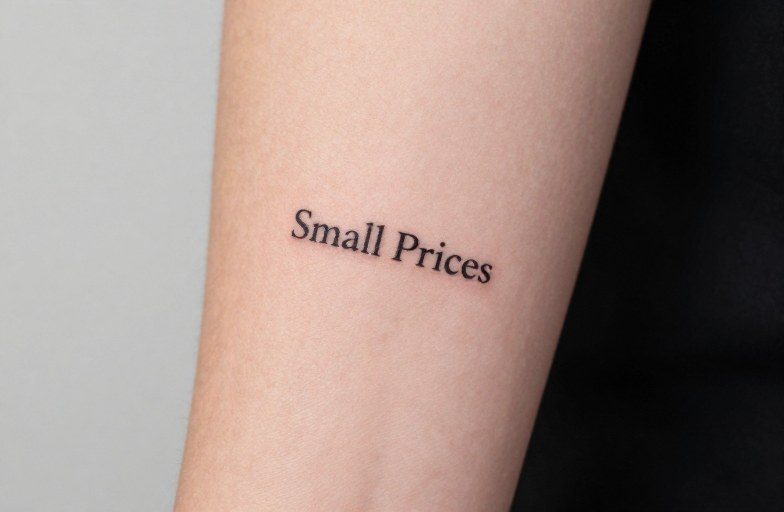
A small tattoo in most US shops costs between $50 and $250, with the majority falling in the $80-$150 range. The exact price depends on the artist’s hourly rate, the complexity of the design, and your geographic location. Walk into a reputable shop expecting to pay at least their minimum, which typically starts around $60-$80 even for something tiny.
Common Mistakes
Shopping by Price Tag Alone
The biggest error is treating tattoo pricing like buying a commodity. Two artists quoting $80 and $200 for the same small design aren’t ripping anyone off, they’re offering different levels of skill, speed, and attention. The cheaper artist might bang it out in ten minutes; the expensive one might spend forty minutes on linework that stays crisp for decades. Small tattoos have nowhere to hide. A slightly wobbly line on a sleeve gets absorbed by surrounding work; on a 2-inch wrist piece, that same wobble is the entire tattoo.
Other frequent missteps include:
- Asking for “just a quick one” at a convention or event, rushed skin work ages poorly
- Choosing finger or palm placements for first tattoos, where ink drops out fastest
- Bringing Pinterest screenshots and expecting identical results without considering skin tone differences
- Skipping the consultation to save time, then discovering the design needs significant resizing
Minimum Shop Charge Confusion
Nearly every professional shop enforces a minimum charge, usually $60-$100, regardless of how small or simple the tattoo. This covers needles, ink, barrier supplies, sterilization, and the artist’s setup time. Asking “but it’s only three letters” doesn’t change that fixed overhead. Some artists will waive minimums for existing clients or simple additions to existing work, but don’t expect it as a walk-in.
Realistic Expectations
What “Small” Actually Means
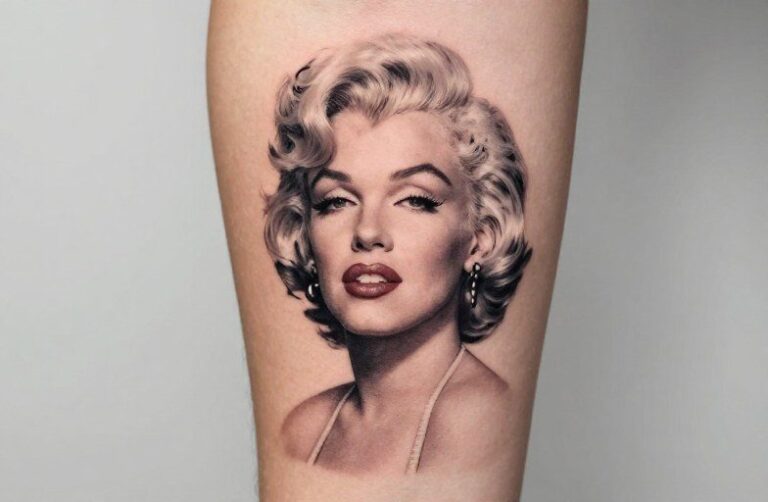
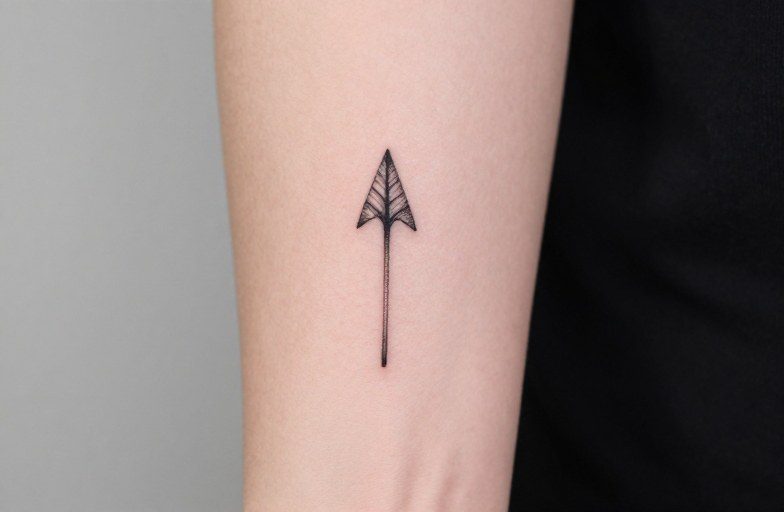
In shop terminology, “small” generally means palm-sized or smaller, under 3 inches in any direction. A quarter-sized single needle design, a short word in script, a minimal line drawing, a tiny floral sprig. These pieces typically take 15-45 minutes of actual tattooing, plus consultation and stencil time. Don’t confuse “simple” with “fast”; a meticulous single-needle piece with no room for error can take longer than a bold traditional design twice its size.
How Small Tattoos Age
Here’s the reality nobody wants to hear: small tattoos fade and blur faster than large ones. Less ink density means less staying power. Fine lines spread over time. Tiny details become muddy. Black holds better than color, especially yellow and white, which can disappear entirely on some skin tones. A well-executed small tattoo with bold lines and adequate spacing can look good for ten-plus years. A poorly planned one with hair-thin details and dense packing might look aged in three.
Placement matters enormously for longevity. Inner bicep? Protected, slow to fade. Side of the finger or top of the foot? Constant friction, sun exposure, and faster degradation. The back of the neck holds up reasonably well; the sternum stretches and shifts with weight changes.
Pain & Comfort
The Least Painful Small Tattoo Spots
Fatty, muscular areas with few nerve endings hurt least. The outer upper arm, outer thigh, and calf muscle top the list for manageable sessions. Most people describe the sensation as a hot rubber band snap or cat scratch, uncomfortable, not excruciating, for a brief duration. The psychological factor matters: knowing it’ll be over in twenty minutes makes small tattoos far more tolerable than committing to three hours.
Where It Gets Intense
Bone-on-skin areas amplify everything. The sternum, ribs, spine, ankle bones, and collarbone make even small work feel significant. Finger tattoos sting sharply and briefly, but the real issue is the noise, close to your ears, the machine buzzes aggressively. The ditch (inner elbow) and back of the knee make people sweat despite small size. Everyone’s nervous system varies, but these patterns hold remarkably consistent across clients.
Pain management for small work rarely needs more than deep breathing. Eating beforehand helps. Avoid alcohol for 24 hours, it thins blood and makes you bleed more, which pushes out ink and extends session time. Numbing creams exist but most experienced artists dislike them; they alter skin texture, wear off unevenly, and can cause unexpected reactions.
Cost Factors
What You’re Actually Paying For
Artist hourly rates span enormous ranges. In smaller Midwest or Southern cities, $100-$150 per hour is standard. Major metros like NYC, LA, Chicago, and Miami run $150-$400+. Single-needle specialists and artists with substantial waitlists can command premium rates regardless of location. A 30-minute piece at $200/hour costs $100; at $400/hour, it’s $200 for identical clock time.
Design complexity shifts time dramatically. A solid black silhouette of a cat? Fast. A geometric mandala with precise dotwork? Slow. Script with specific lettering requires stencil precision and steady hand speed. Color packing adds time over simple blackwork. Cover-ups or rework of existing tattoos cost more due to planning complexity.
Shop Economics
Artists typically split revenue with the shop, commonly 50/50 or 60/40 after supply costs. That $100 minimum might net the artist $40-$50. Custom design work before your appointment, sketching, resizing, revising, often happens unpaid. Tipping 15-20% remains standard in US tattoo culture, though some clients tip more for exceptional small work that exceeds expectations.
Deposit policies vary: many shops require $50-$100 to book, applied to the final cost but forfeited if you no-show or cancel inside 48 hours. Walk-in availability exists at some shops but increasingly rare for sought-after artists.
Healing Timeline
The First Two Weeks
Small tattoos heal faster than large ones simply because there’s less traumatized skin. Days 1-3: redness, mild swelling, plasma weeping. Days 4-7: flaking and peeling, like a bad sunburn. Days 8-14: surface healing complete, though deeper layers continue recovering. By week three, most small pieces look settled, though final settling takes 4-6 weeks.
During healing, the tattoo will look terrible before it looks good. Cloudy, scabby, patchy, all normal. Don’t panic at the “ugly phase.” Picking scabs pulls out ink and creates scars. Let flakes fall naturally.
Long-Term Care
Sun exposure is the enemy of small tattoos. UV breaks down ink particles; without surrounding work to distract the eye, fading shows prominently. Apply SPF 50+ to tattooed areas whenever they’re exposed. Moisturize regularly, dry skin makes tattoos look dull regardless of ink quality. After the first year, occasional touch-ups keep small work sharp, though a well-done piece shouldn’t need them for several years.
Aftercare Essentials
Immediate Care
Follow your artist’s specific instructions over generic advice. Most shops now recommend some variation of: leave the bandage on for 2-6 hours, wash gently with unscented soap, pat dry, apply thin layer of recommended aftercare product. Traditional petroleum-based products like Aquaphor work; newer tattoo-specific balms exist. The key is thin application, suffocating the tattoo under thick grease traps bacteria and delays healing.
Keep it clean, keep it slightly moist, don’t submerge in water (baths, pools, hot tubs) for two weeks. Showers are fine; direct water pressure on fresh work isn’t. Wear loose clothing over the area. Sleep carefully to avoid rubbing fresh ink onto sheets.
What to Avoid
Scratching, picking, and letting pets lick the area. Working out immediately after, sweat, friction from clothing, and gym bacteria compromise healing. Swimming in any body of water. Applying scented lotions, sunscreen, or makeup until fully healed. Tanning beds are particularly damaging to fresh and healed ink alike.
Signs of trouble include spreading redness, increasing pain after day three, thick yellow discharge, or fever. These warrant checking in with your artist or a medical professional, not because tattoo infection is common, but because early attention prevents complications.
The Bottom Line
Budget $80-$200 for a quality small tattoo from a reputable artist, with the understanding that location, complexity, and artist reputation move that needle. The cheapest option rarely serves you well on something permanent. Prioritize clean linework, appropriate sizing for the design, and a placement that matches your pain tolerance and lifestyle.
A small tattoo should be approached with the same seriousness as a large one: research artists, check healed portfolios, communicate clearly about expectations, and commit to proper aftercare. The difference between a small tattoo you love and one you regret isn’t usually size, it’s the decisions made before the machine ever turns on.
Frequently Asked Questions
Why do some shops charge the same minimum for a tiny dot as for a small word?
The minimum covers setup costs, sterilizing equipment, opening new needles, preparing ink, and cleaning the station, which are identical regardless of tattoo size. The actual needle time differs, but the overhead doesn’t.
Can I negotiate the price of a small tattoo?
Generally no, and attempting to often signals disrespect for the artist’s skill. Some artists offer flash sales or apprentice rates, but established pricing reflects real costs and shouldn’t be haggled over.
How do I know if an artist’s portfolio shows healed work or only fresh tattoos?
Ask directly. Many artists post fresh work because it photographs dramatically, but healed photos, usually paler, settled into skin, show true technical skill. An artist proud of their longevity will have both.
Is it worth traveling to a cheaper city for a small tattoo?
Usually not when you factor in travel costs, but more importantly, touch-ups and follow-up communication become complicated. Find a local artist you trust; small tattoos need less financial investment than large ones, making proximity worth prioritizing.
Related Tattoo Guides
- How to Cover Up an Old Tattoo With a New Design
- Explore more