Five hundred designs sounds like a lot until you realize how quickly you can scroll past ninety percent of them. The real challenge isn’t finding something pretty, it’s finding something that holds up on skin, suits your body, and still looks right in ten years. This breakdown covers the actual categories worth considering, how to filter them down to what works for you, and the practical decisions that separate good tattoos from regrets.
Tips for Choosing
Start With Constraints, Not Freedom
Paradoxically, narrowing your options first makes choosing easier. Budget caps your session count and detail level. Pain tolerance rules out ribs, spine, or kneecap for some people. Your workplace visibility rules eliminate hand, neck, or face placements for many. Professional dress codes still matter even in creative industries, some clients cover work daily. Start by listing your hard limits, then browse within those boundaries.
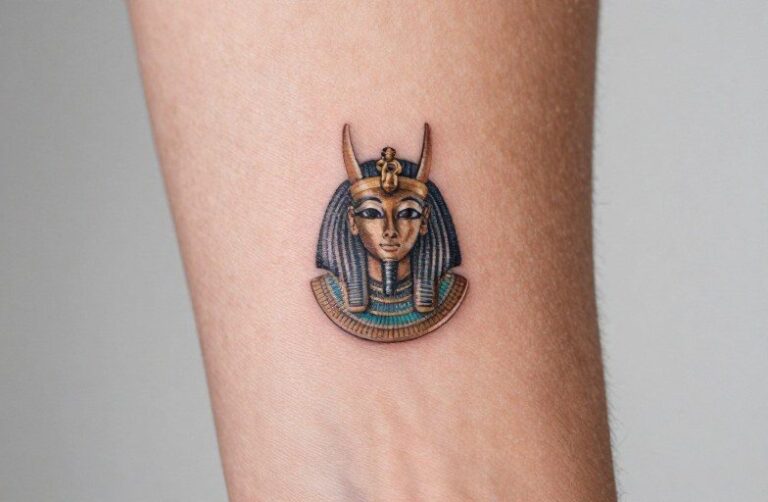
- Black-and-gray ages more forgivingly than heavy color saturation on small pieces
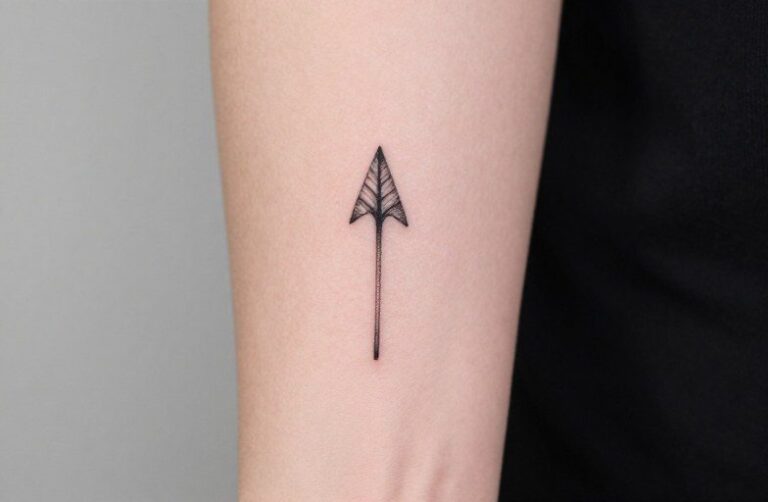
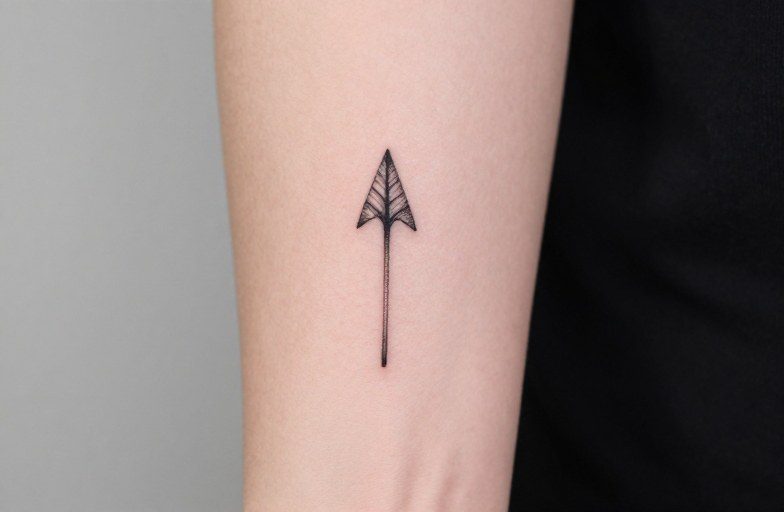
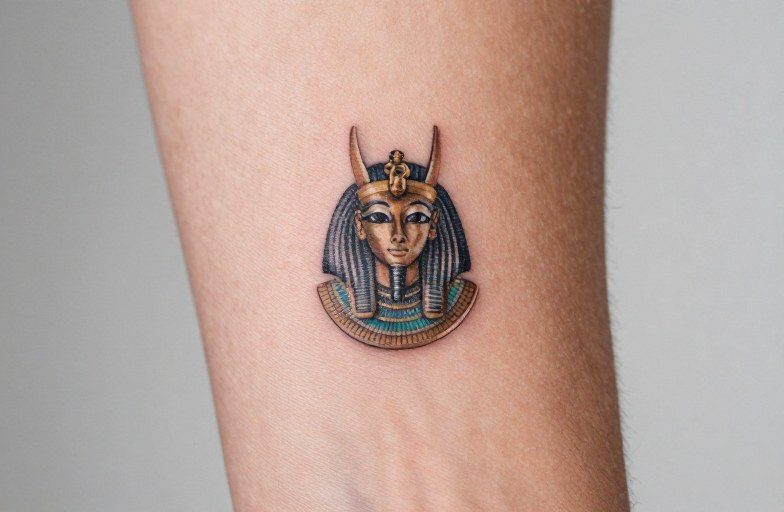
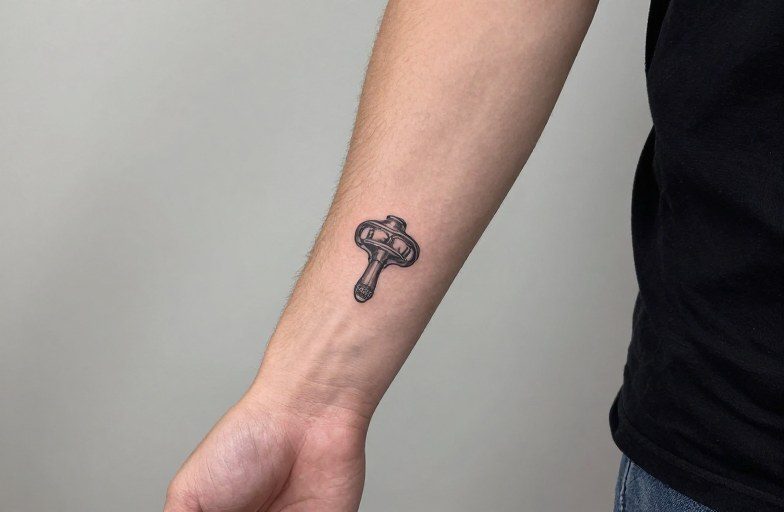
- Fine line work blurs faster on high-movement areas like wrists and ankles
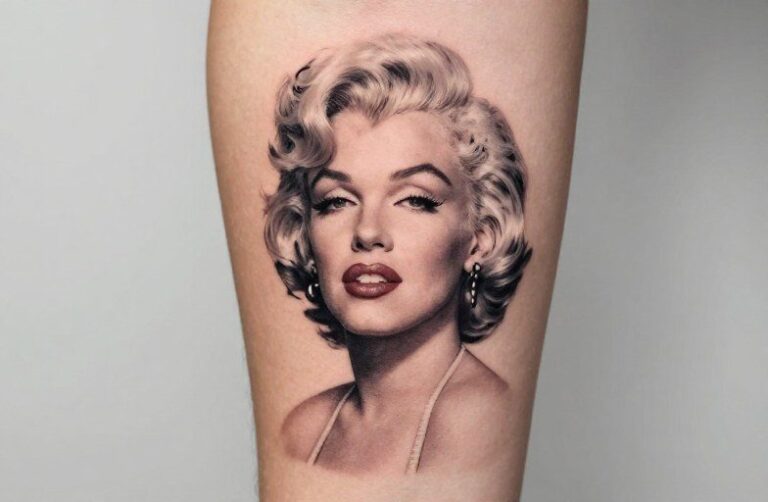
- Photorealism demands large scale to read correctly; thumbnail portraits fail
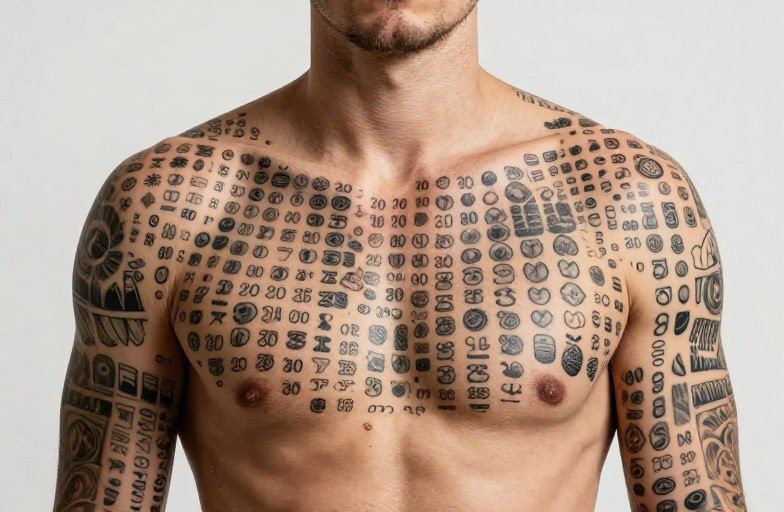
- Tribal and geometric patterns require precise symmetry that stretches unevenly on curved muscle
Style Compatibility With Your Skin
Darker skin tones carry black ink boldly but can mute certain color palettes, deep purples, soft pinks, and pale yellows often disappear. Lighter skin shows the full color range but sun exposure fades pigments faster. Oily skin spreads ink slightly more during healing, which affects how crisp tiny details remain. These aren’t limitations; they’re parameters for smarter design choices.
How to Personalize It
Reference Collage Method
Collect fifteen to twenty images you gravitate toward, then strip away the subject matter. Look at what’s left: heavy black outlines or none? Dense shading or open skin? Circular compositions or flowing vertical ones? Horizontal bands or scattered elements? This reveals your actual aesthetic preferences, not just the topics that caught your eye. Bring this analysis to your artist rather than asking them to copy someone else’s custom piece.
Meaning works best as a starting point, not a finished blueprint. A memorial date becomes more interesting as a Roman numeral integrated into a clock mechanism than as standalone numbers. A travel memory gains depth through local flora rendered in that region’s traditional tattoo style rather than a generic airplane silhouette. The personalization lives in the translation, not the literal symbol.
Artist Collaboration Over Direction
Hand your concept to a specialist in that style and let them solve the visual problems. A Japanese tebori artist will compose differently than a neo-traditional painter. A lettering specialist understands negative space between characters that generalists miss. Your personalization comes from whose hands execute the idea and how their specific expertise reshapes it.
Best Placements
High-Impact, High-Maintenance Zones
Hands, feet, and fingers look striking but shed ink fastest. Constant use, friction, and sun exposure mean these tattoos need touch-ups every few years. The palm side of fingers rarely holds ink at all. If you commit here, budget for maintenance and accept that crisp lines soften into a haze over time.
Stable Canvas Areas
The outer upper arm, outer thigh, and upper back between the shoulder blades offer the most predictable aging. Muscle movement stretches these areas minimally, skin thickness holds detail well, and they’re easy to protect from sun. These placements suit complex designs you want to preserve accurately. The inner bicep and calf work well too, though the calf’s frequent shaving or rubbing can accelerate fading on some people.
- Ribcage and sternum: dramatic but painful, excellent for symmetrical compositions
- Behind the ear: small scale only, high visibility in profile, quick to execute
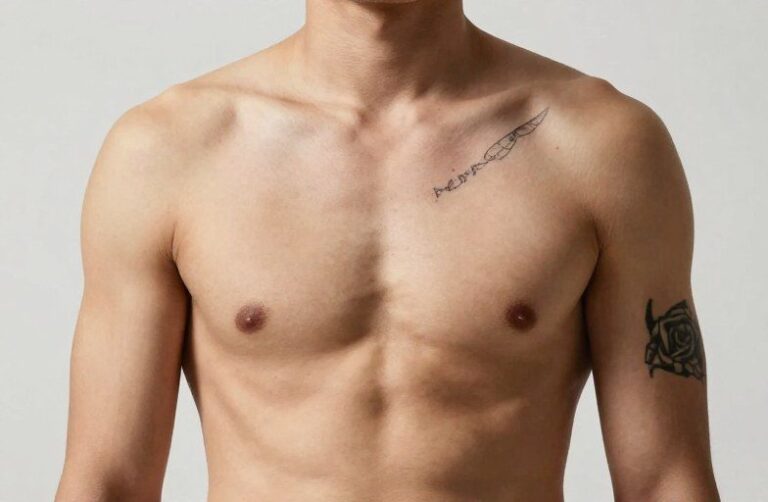
- Collarbone: horizontal designs follow the bone line; vertical pieces fight the anatomy
- Thigh front: large, relatively low pain, easy to show or conceal
Standout Design Ideas
Within a 500-design pool, certain categories offer more room for originality than others. Nature motifs, botanicals, animals, landscapes, succeed because variation is infinite. A snake wrapped through a peony reads differently than a coiled rattlesnake above desert scrub. Both use the same broad category but deliver entirely different moods.
Abstract and Geometric Work
Dotwork mandalas, sacred geometry, and abstract brushstroke pieces age well because they don’t depend on recognizable imagery staying legible. A blurred line in a geometric pattern still reads as intentional texture. A portrait’s blurred line becomes a failed likeness. These designs also scale flexibly across body parts without losing coherence.
Text and Lettering
Script demands careful font selection and sizing. Tiny cursive below ten-point equivalent blurs into solid bars within five years. Bold serif fonts hold longer but need more space. Foreign language text requires verification from native speakers, artists regularly tattoo misspelled or nonsense characters. Placement matters enormously: curved text on a curved body part rarely reads naturally.
For First-Timers
Size and Session Strategy
Start smaller than your dream piece. Not because you’ll regret something large, but because you need to understand how your body heals, how your pain response works, and how your lifestyle accommodates aftercare. A two-hour piece on the upper arm teaches you these lessons without the commitment of a full sleeve. You can always expand toward the larger vision once you know how you handle the process.
Research Red Flags
Shop cleanliness shows in details: artists opening new needles in front of you, using disposable barriers on every surface, washing hands before gloving. Portfolio consistency matters more than one stunning Instagram post, look for healed photos, not just fresh work. Artists who rush consultation or push same-day booking often prioritize volume over fit. Walk away from any shop that feels like a retail transaction rather than a collaborative appointment.
- Healing takes two to four weeks for surface closure, longer for full settling
- Scabbing and peeling are normal; picking them removes ink
- Swimming and sun exposure are genuinely risky during healing, not arbitrary rules
- Touch-ups are standard, not an admission of failure
Trending Variations
Current directions in the broader design pool reflect technique evolution more than subject matter revolution. Single-needle fine line work continues advancing, though its delicacy demands realistic expectations about longevity. Patchwork sleeves, disconnected pieces that accumulate over years rather than one planned composition, suit collectors who prefer flexibility over unified vision.
Blended Cultural Styles
Artists increasingly combine technical approaches: the flowing composition of Japanese irezumi with the color palette of American traditional, or the dotwork precision of indigenous patterns with contemporary abstract forms. These hybrids succeed when the artist deeply understands both source traditions rather than superficially borrowing aesthetics. Ask specifically about their training in any style they reference.
Biomechanical and Organic Fusion
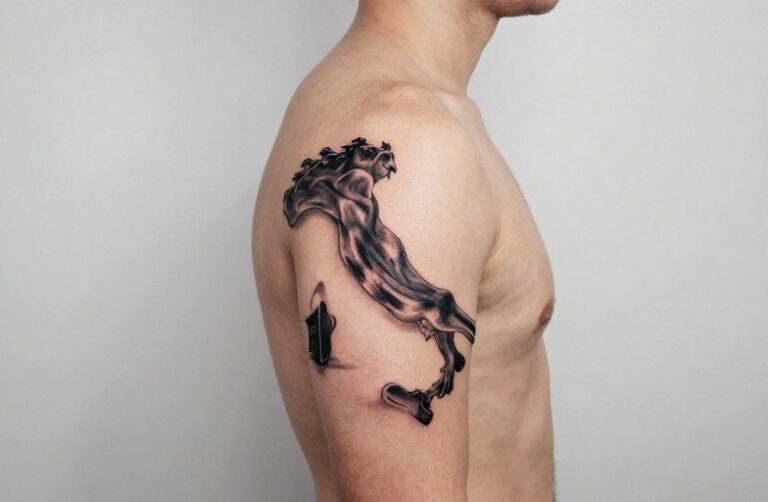
Mechanical elements interwoven with muscle anatomy, gears at joints, circuitry following veins, remain popular but require exceptional technical skill. Poor execution looks like stickers applied to skin rather than integrated design. The best work flows with body movement, revealing different aspects as you flex or rotate. This category demands large scale and experienced specialists; small or cheap attempts fail visibly.
Final Thoughts
Five hundred designs is a starting point, not a solution. The number itself means less than how you filter it through your specific body, life, and visual sensibility. Good tattoos come from honest assessment of what you can maintain, what your skin carries well, and which artists actually specialize in the work you want. The design exists in abundance. The discernment to choose wisely, that’s the scarce part. Take the time to develop it before you sit in the chair.
Frequently Asked Questions
How do I narrow down 500 designs without getting overwhelmed?
Set hard limits first: budget, placement, and visibility constraints. Then analyze what draws you to your favorite images structurally, line weight, composition, negative space, rather than chasing subjects. This reveals your actual taste and eliminates most options quickly.
Will a detailed design from the 500 options still look good in ten years?
Detail survival depends on size, placement, and line weight. Tiny fine lines blur; bold outlines with adequate spacing hold. High-movement areas and frequent sun exposure accelerate aging regardless of design quality. Plan for touch-ups as normal maintenance.
Can I combine multiple design ideas into one cohesive tattoo?
Yes, but it requires a skilled artist to unify disparate elements through consistent style, flow, and scale. Random collage without visual connection looks like separate tattoos forced together. Consult specifically about integration strategy before committing.
How much should I expect to spend for a quality piece from these design categories?
Professional rates vary by region and artist reputation, but skilled work generally costs several hundred dollars minimum for anything substantial. Hourly rates often reflect experience level. Prioritize artist expertise over bargain pricing, correction work costs significantly more than doing it right initially.