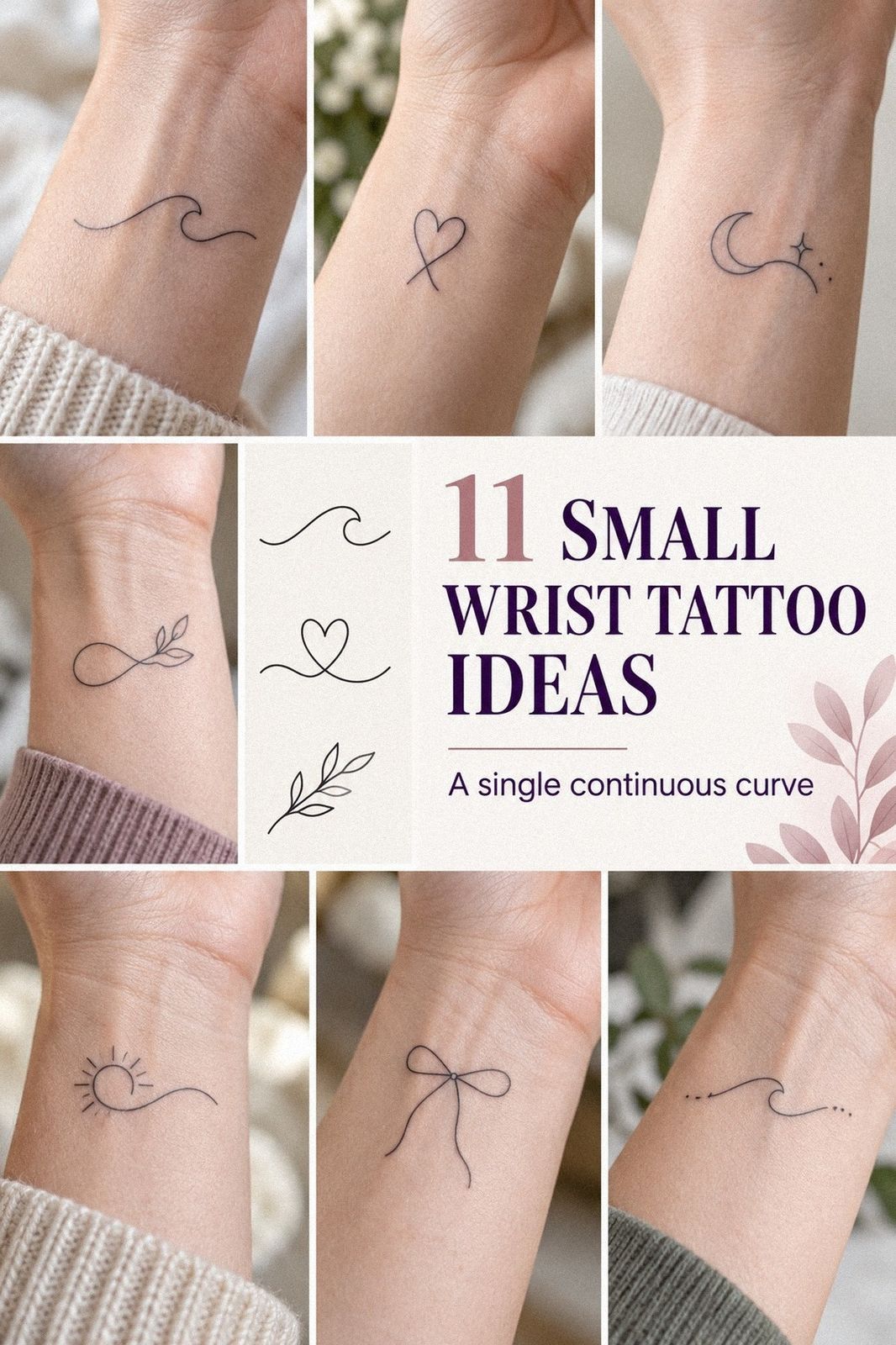
Small wrist tattoo ideas are easiest to live with when you choose the symbol, placement, line weight, and aftercare in that order. I learned this after nearly choosing a design that looked striking on paper but crowded my wrist. You’ll get better results by testing the idea first. Start here!
Editor’s note: A first wrist tattoo can be delicate without being forgettable, and bold without being overwhelming. The right design feels personal, readable, and comfortable in your ordinary routine.
- Start with a Delicate Wrist Symbol
- Why Botanical Linework Holds Its Shape
- Place Tiny Script Along the Wrist
- Initials or a Full Name? Keep It Strikingly Simple
- Plan a Unique Celestial Micro-Tattoo
- Choose Fierce Minimalist Animal Ink
- Match Intricate Shapes to Your Wrist
- What Does Wrist Pain Actually Feel Like?
- Test Dainty Placement with Temporary Ink
- Protect Fresh Linework During Healing
- Personalize Small Ideas with Symbolic Details
1Start with a Delicate Wrist Symbol
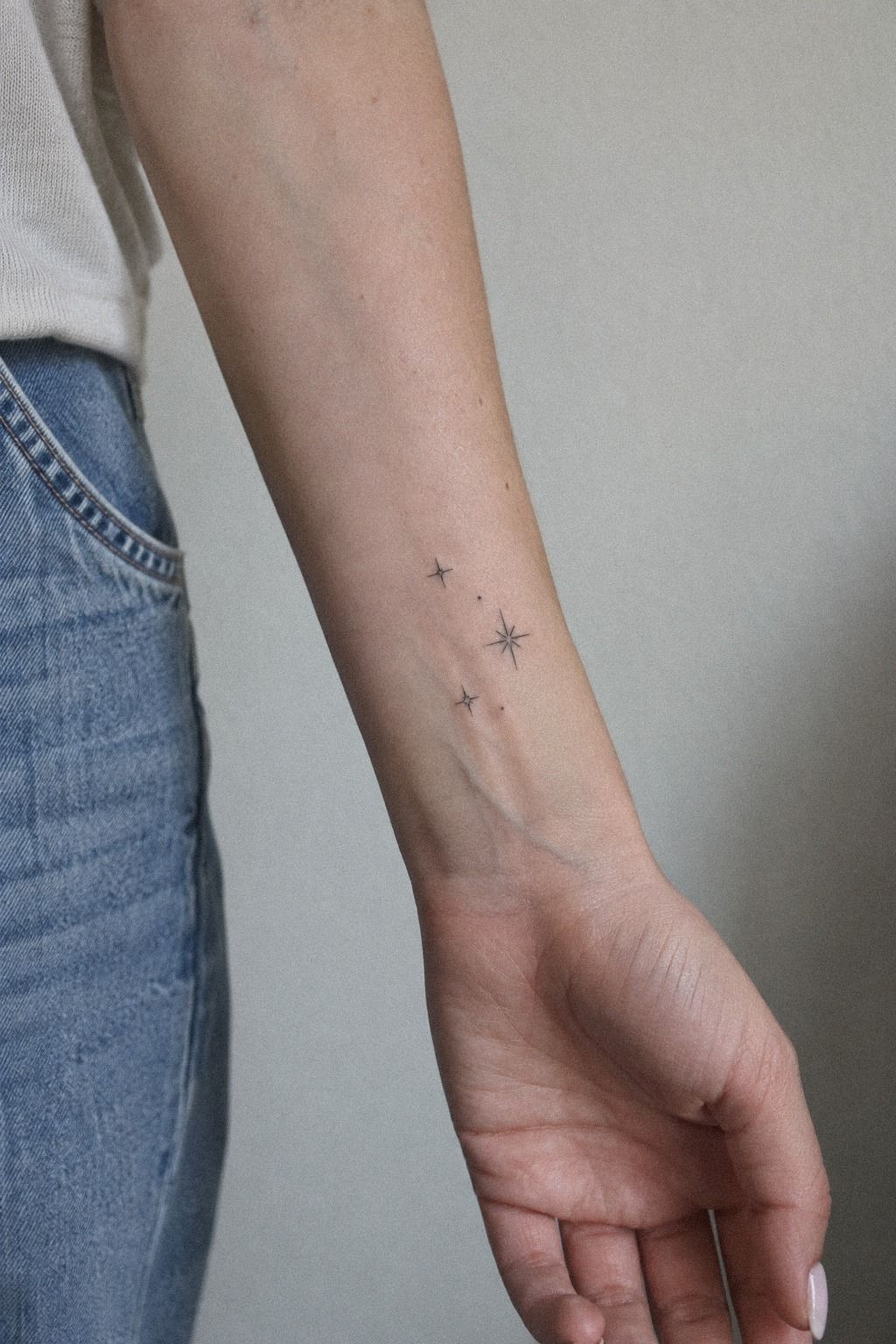
A small star cluster is a meaningful first choice because you can control its scale, spacing, and symbolism. I’d use one larger star to anchor the group, followed by two or three smaller marks with visible skin between them. That negative space keeps the result delicate instead of muddy.
Ask your artist to show the stars at their actual stencil size. A design that looks graceful on a phone can become cramped once it reaches the wrist’s narrow curve. Your best version should look crisp from arm’s length and still reveal the individual shapes up close.
Think about the symbol before you approve the stencil. Stars can mark direction, a private milestone, family members, or a personal belief. Your reason doesn’t need to be obvious to anyone else.
Black tattoo ink gives the design a classic outline, while a tiny open center can make it feel understated. I’d avoid filling every star unless you specifically want a sharper, more graphic result.
For more starting points, compare these small tattoo ideas unique. The strongest tiny designs usually rely on one readable symbol, one clear line weight, and enough breathing room for your wrist to move naturally.
A star cluster is also easier to personalize than people expect. You might vary the points, add one tiny crescent, or use a single solid mark to represent someone important. Keep the change symbolic rather than decorative.
2Why Botanical Linework Holds Its Shape
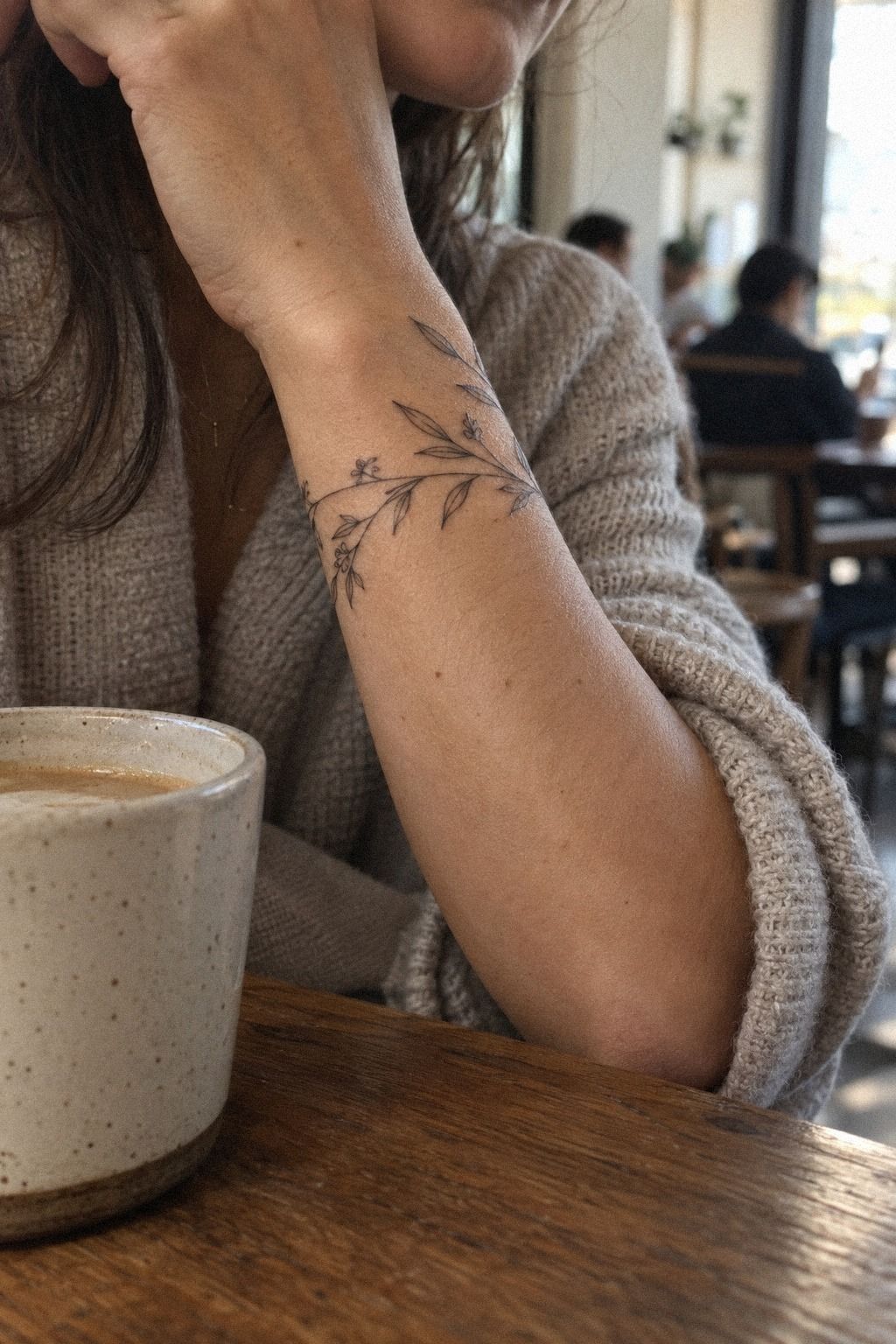
A botanical sprig can look elegant on the wrist when the leaves follow the arm instead of fighting its shape.
3Place Tiny Script Along the Wrist
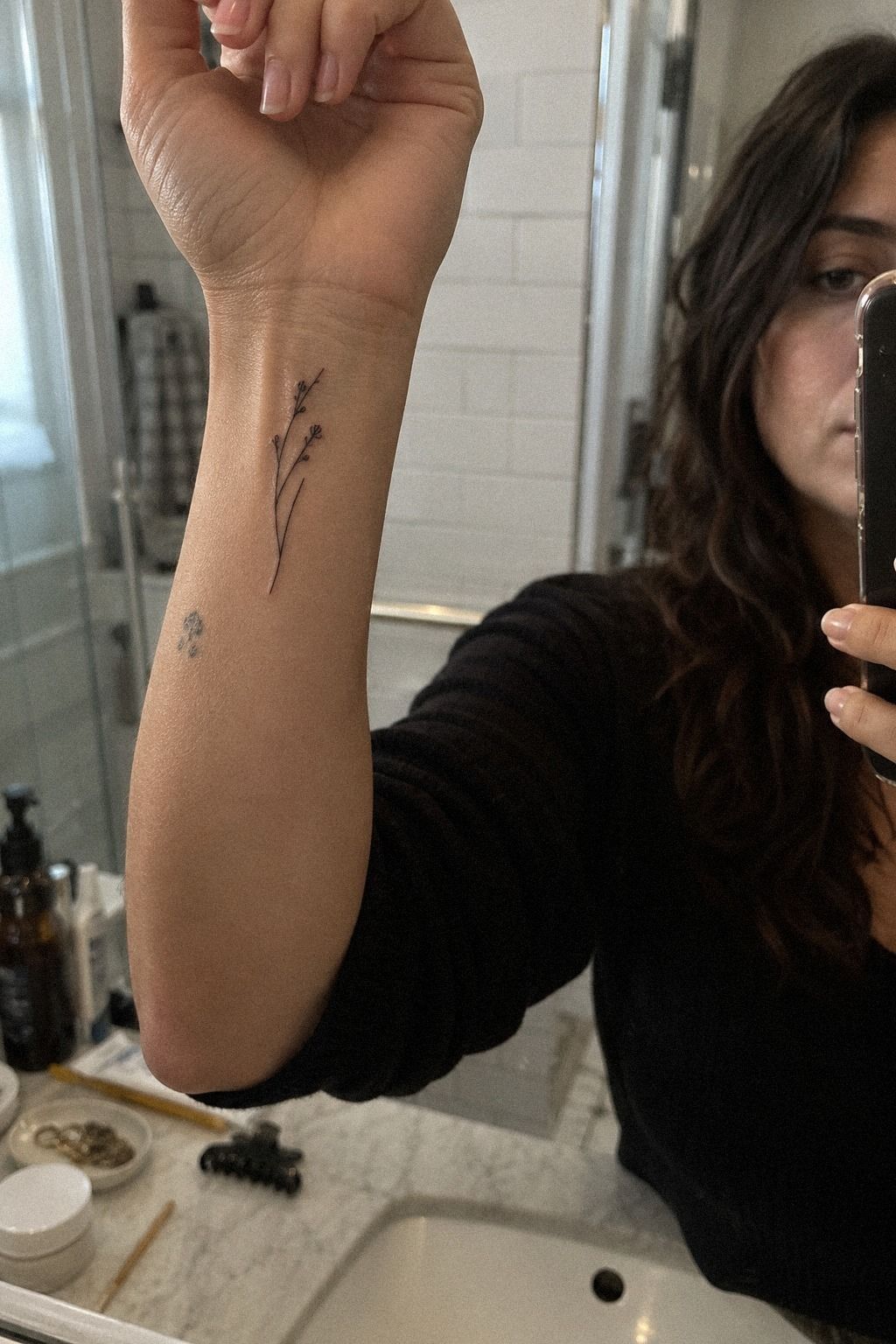
Tiny script needs more planning than most people expect because letters can lose their identity when they’re reduced too far. Choose a short word, initials, or a two-word phrase with generous spacing.
Bring your artist the exact typeface you like, but don’t assume it can be copied at every size. A polished calligraphic font may look romantic on a screen and become unreadable on skin.
I’d choose fine script lettering with open counters and simple joins. Those gaps help each letter stay crisp as the tattoo settles. A slightly thicker stroke may offer better value than an ultra-thin line that fades into visual noise.
Read the phrase from different angles before you commit. Your wrist bends, rotates, and disappears beneath sleeves, so the orientation changes constantly. Try the stencil with your arm relaxed, palm up, and palm down.
If you can’t read it comfortably in all three positions, adjust the placement or shorten the phrase. That edit may feel disappointing for a moment, but it can protect you from an expensive regret later.
For more context, browse wrist tattoo placement meaning. Inner-wrist script feels personal and visible to you, while outer-wrist lettering reads more like a small statement.
A script tattoo also needs emotional honesty. Ask whether you still connect with the words when they’re separated from the original event, relationship, or trend. A simple phrase can remain timeless when the meaning is genuinely yours.
4Initials or a Full Name? Keep It Strikingly Simple
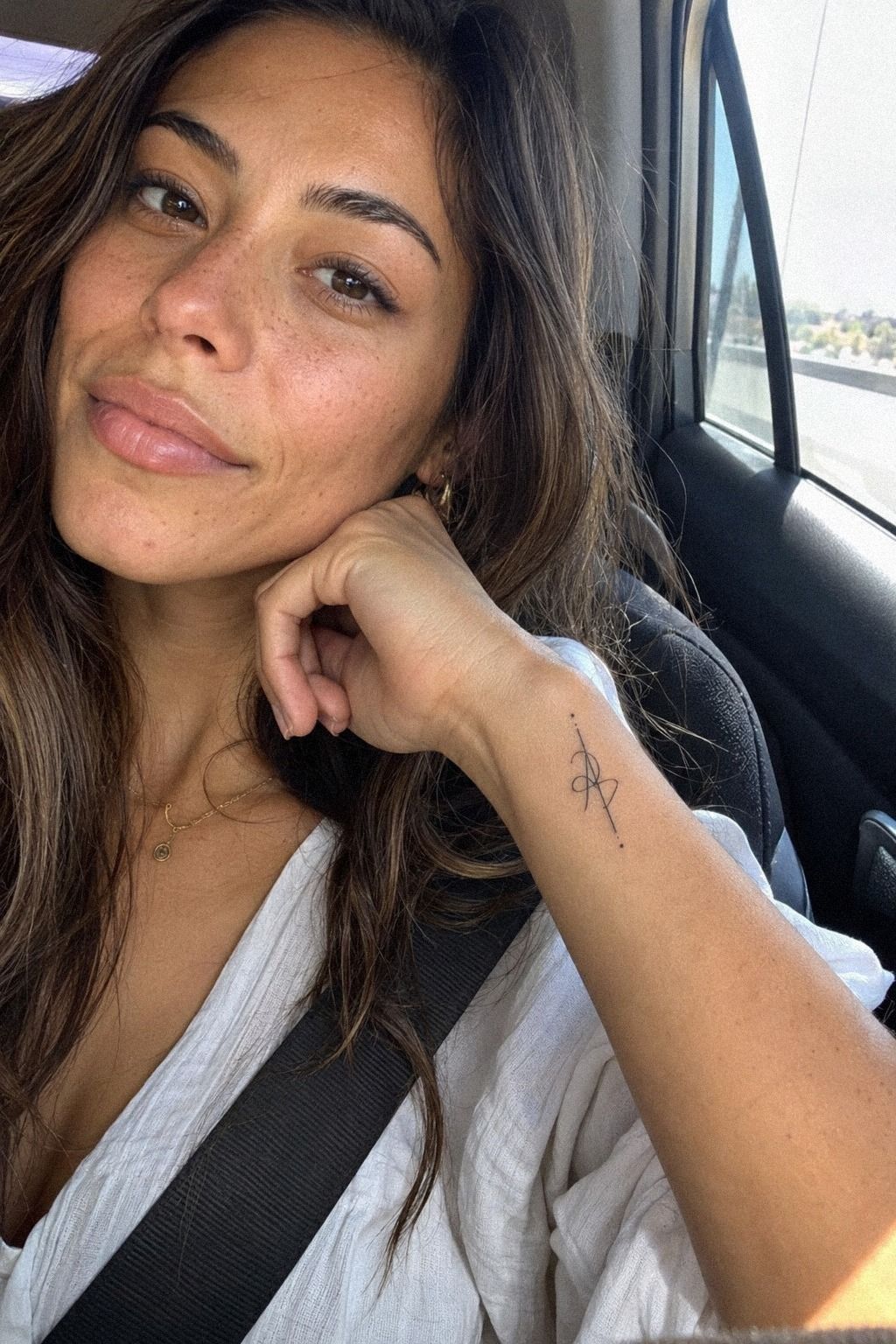
Initials are an iconic way to honor someone without copying a full name.
5Plan a Unique Celestial Micro-Tattoo
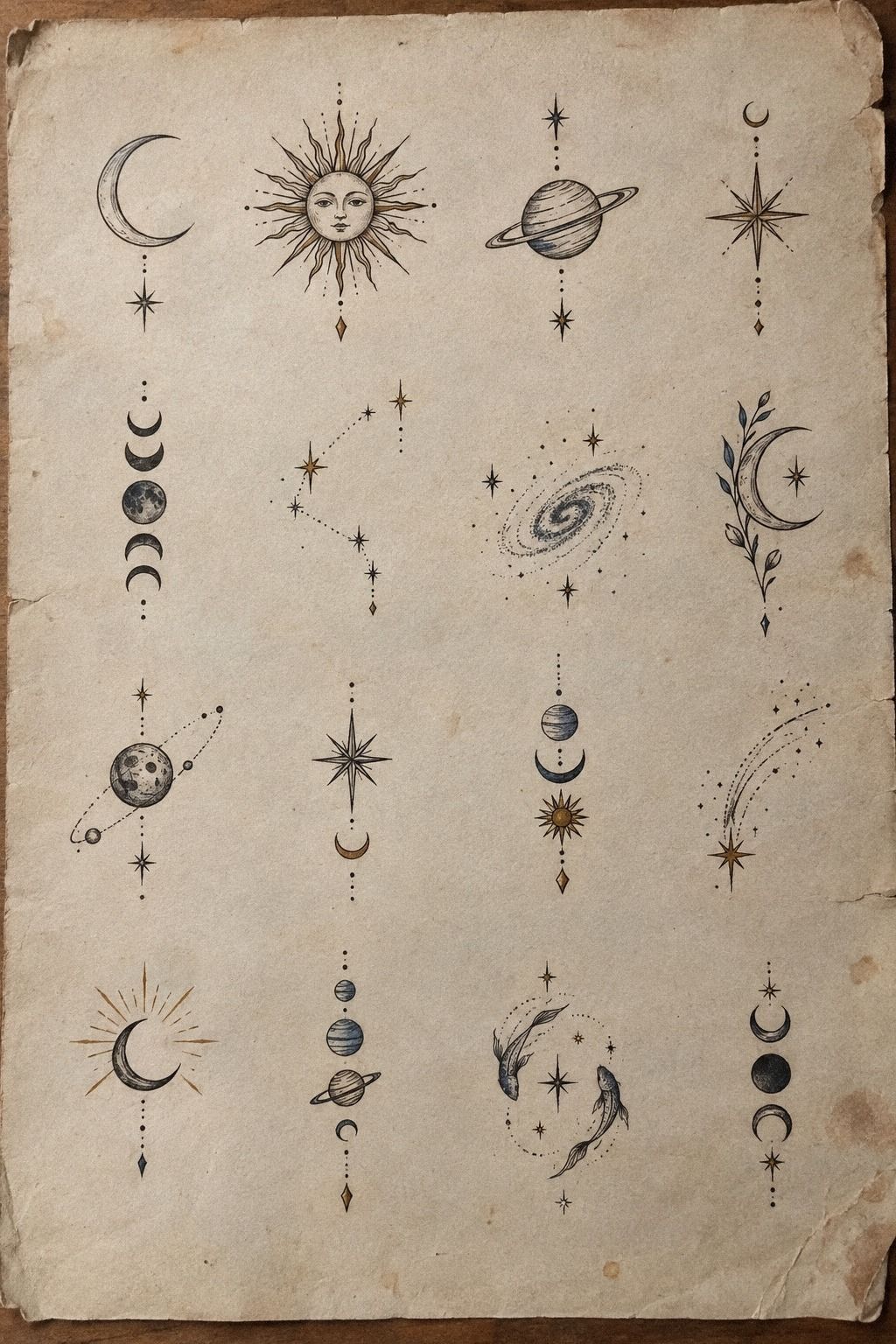
A celestial tattoo gives you several symbolic directions without requiring a large composition. Moons can suggest change, stars can represent guidance, and a small sun can feel vibrant and optimistic.
Look for a celestial flash design with one dominant shape and one supporting mark. A crescent with two dots can feel ethereal; a tiny sun with short rays can feel direct and powerful.
I’d avoid squeezing a full moon-phase sequence into a very small wrist area unless your artist confirms that the gaps will remain visible. Repeated micro-details can become a blur when the design is too compact.
A flash sheet can help you compare moons, stars, suns, and orbit-like symbols at the same scale. Circle the design that still reads clearly when you reduce it, rather than choosing the most ornate option.
Pause before booking. A daring celestial idea can feel perfect during an appointment search and less personal the next morning. That pause isn’t indecision; it’s useful information.
You can explore related symbolism through wrist watch tattoo meaning, especially if your idea connects to time, memory, or a life chapter.
Use solid black ink selectively. A small filled crescent or one dark star can create crisp contrast without making every element equally heavy.
6Choose Fierce Minimalist Animal Ink

A minimalist animal can feel fierce without becoming heavy, especially when the artist uses only a few deliberate strokes.
7Match Intricate Shapes to Your Wrist
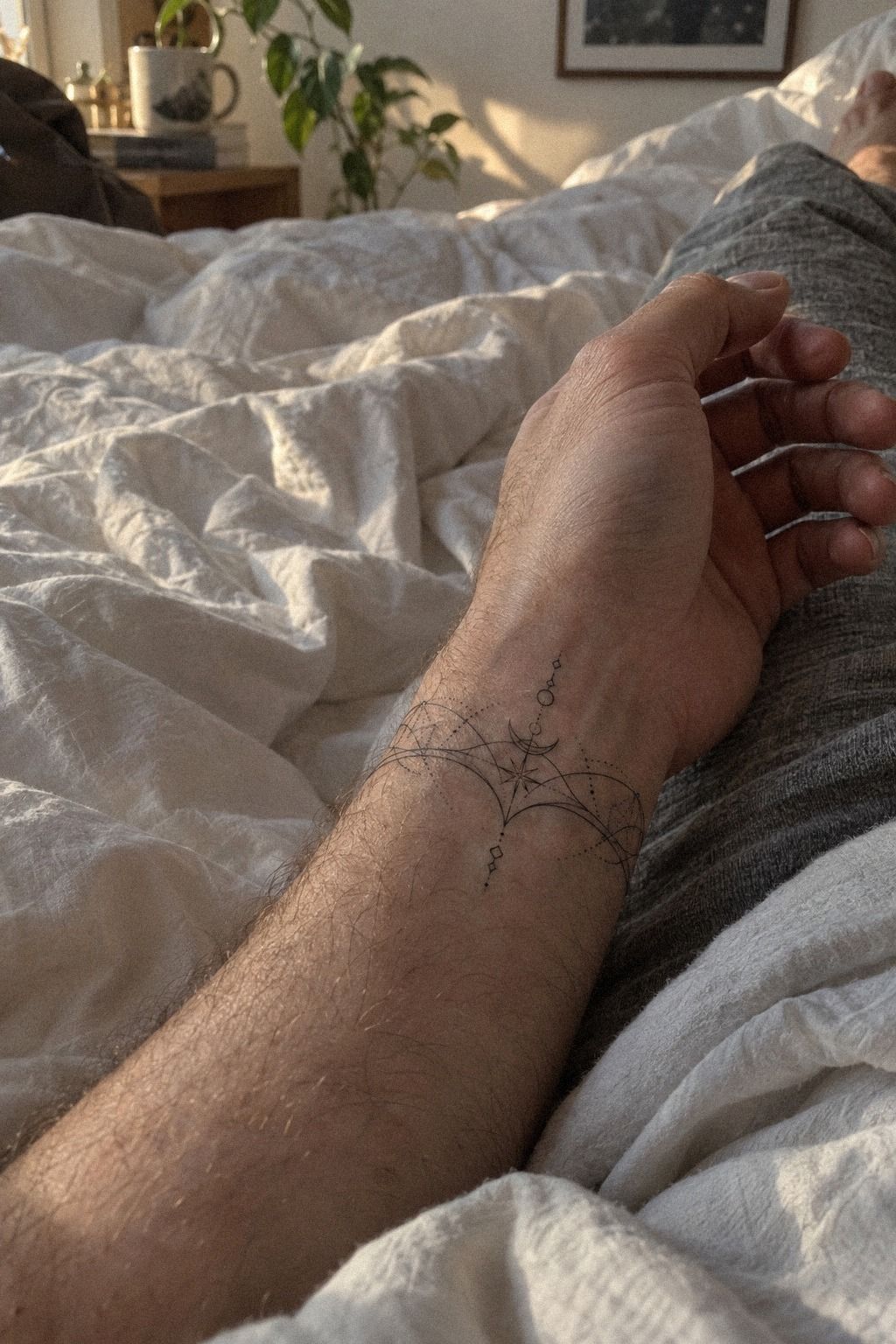
Intricate geometry can work on a wrist, but only when the shape respects the available skin and the way your arm bends. The main form should be centered before you add smaller elements.
Try a geometric micro-pattern on tracing paper first. Turn your wrist slowly and check whether the lines stay balanced from the front, side, and top.
A circle may become an oval when it crosses a curved area, while a triangle can look sharper and more stable. That small test can save you from approving a shape that only works in one position.
I’d skip extremely dense mandala detail for a first wrist tattoo unless the artist specializes in small geometry. Fine lines need separation, and every intersection increases the chance of visual muddiness.
The strongest intricate tattoos usually have a clear focal point. One central diamond, eye, sun, or compass shape can feel more polished than twelve equally important details.
For alternatives, compare small trad tattoo ideas with small tattoo filler ideas. Traditional shapes often feel bold, while geometric designs can feel sleek and precise.
Ask whether the design will still be legible at the budget you’ve set. If a lower price requires reducing the appointment too aggressively, the better value may be saving longer for the artist and size you actually need.
8What Does Wrist Pain Actually Feel Like?

Wrist pain varies by the exact spot, your sensitivity, the artist’s technique, and the amount of detail involved.
9Test Dainty Placement with Temporary Ink
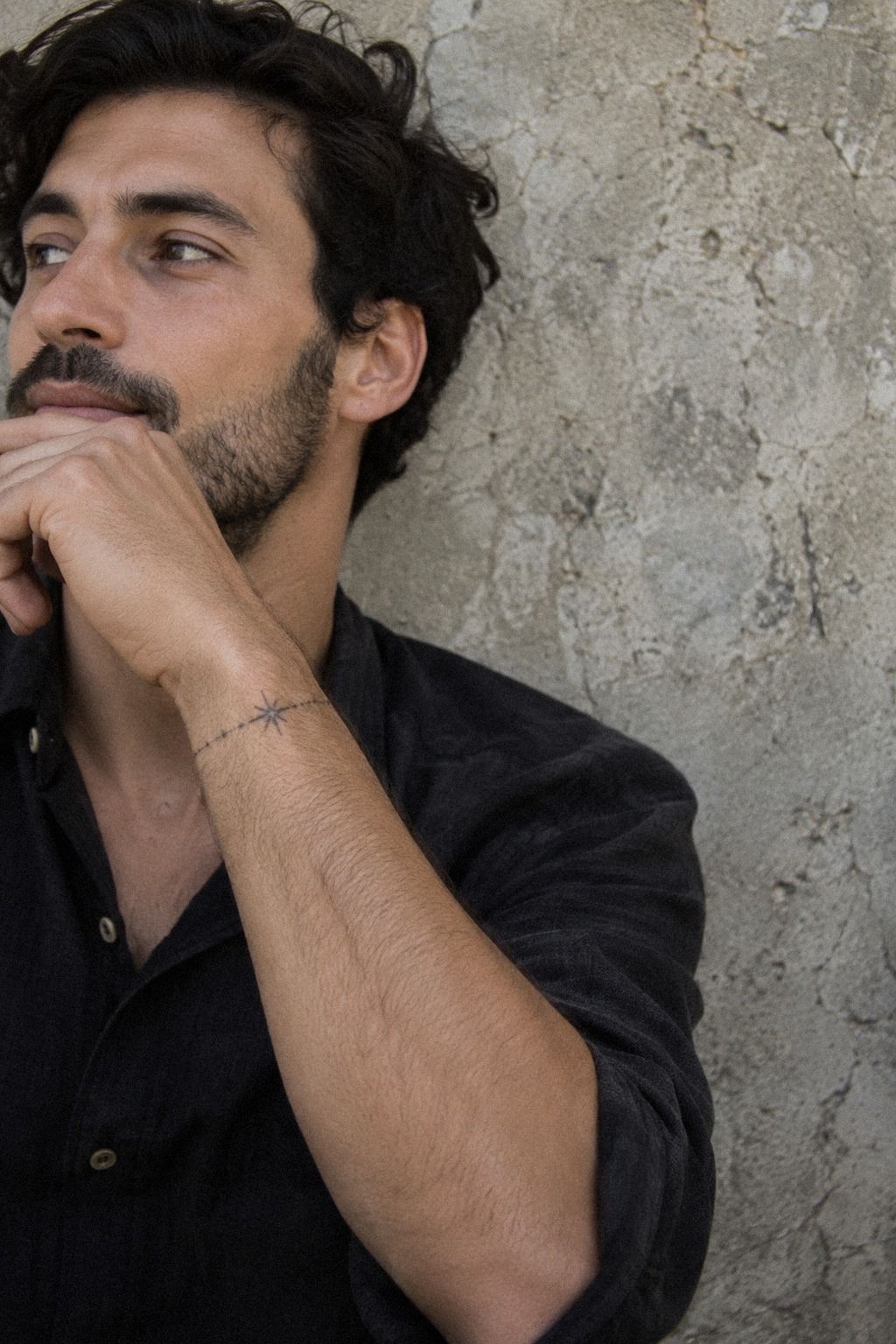
Temporary ink is the most practical way to test whether a wrist tattoo fits your daily life. Test the exact orientation, size, and distance from the wrist crease.
Use a temporary version that resembles the final black linework, not a glossy sticker with a completely different finish. Wear it through ordinary tasks, including washing your hands, typing, carrying bags, and wearing a watch.
Try the placement for at least a few days before your appointment. Don’t judge it only in a mirror. Look down while you’re working, driving, or reaching for a cup.
Your opinion may shift, and that’s useful information, not indecision. I once loved an outer placement until I realized I never saw it unless I twisted my arm.
Compare your test with tuff wrist tattoo meaning before choosing the final spot. An understated mark can still feel iconic when it sits naturally on your body.
Move the temporary design by a few millimeters and compare again. A slightly higher position may feel more comfortable, more visible, or less likely to rub against a watchband.
Test the design with your usual sleeves and jewelry. If the tattoo constantly catches your attention in an irritating way, change the placement before the appointment.
10Protect Fresh Linework During Healing
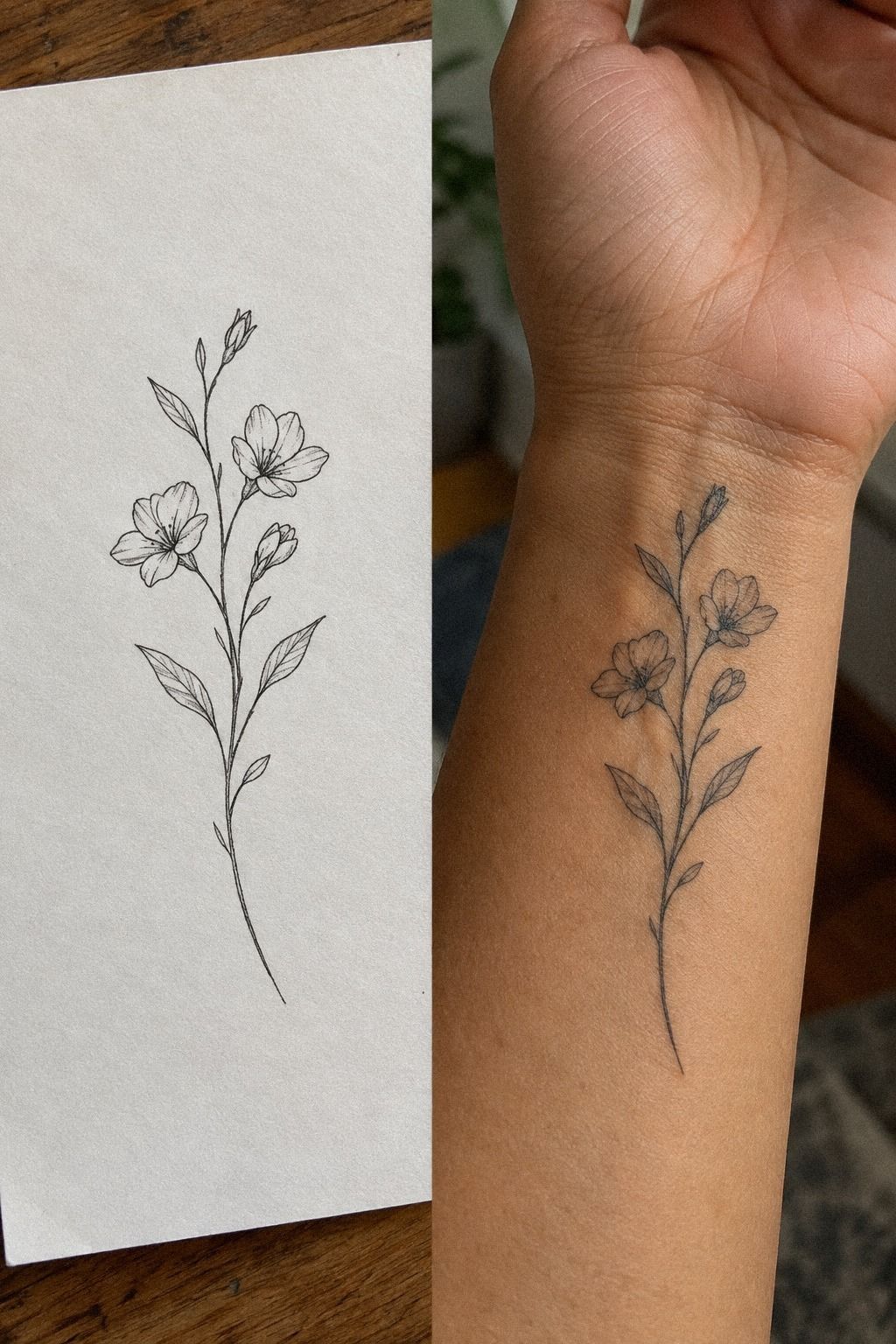
Fresh linework needs consistent aftercare from the moment the appointment ends.
11Personalize Small Ideas with Symbolic Details
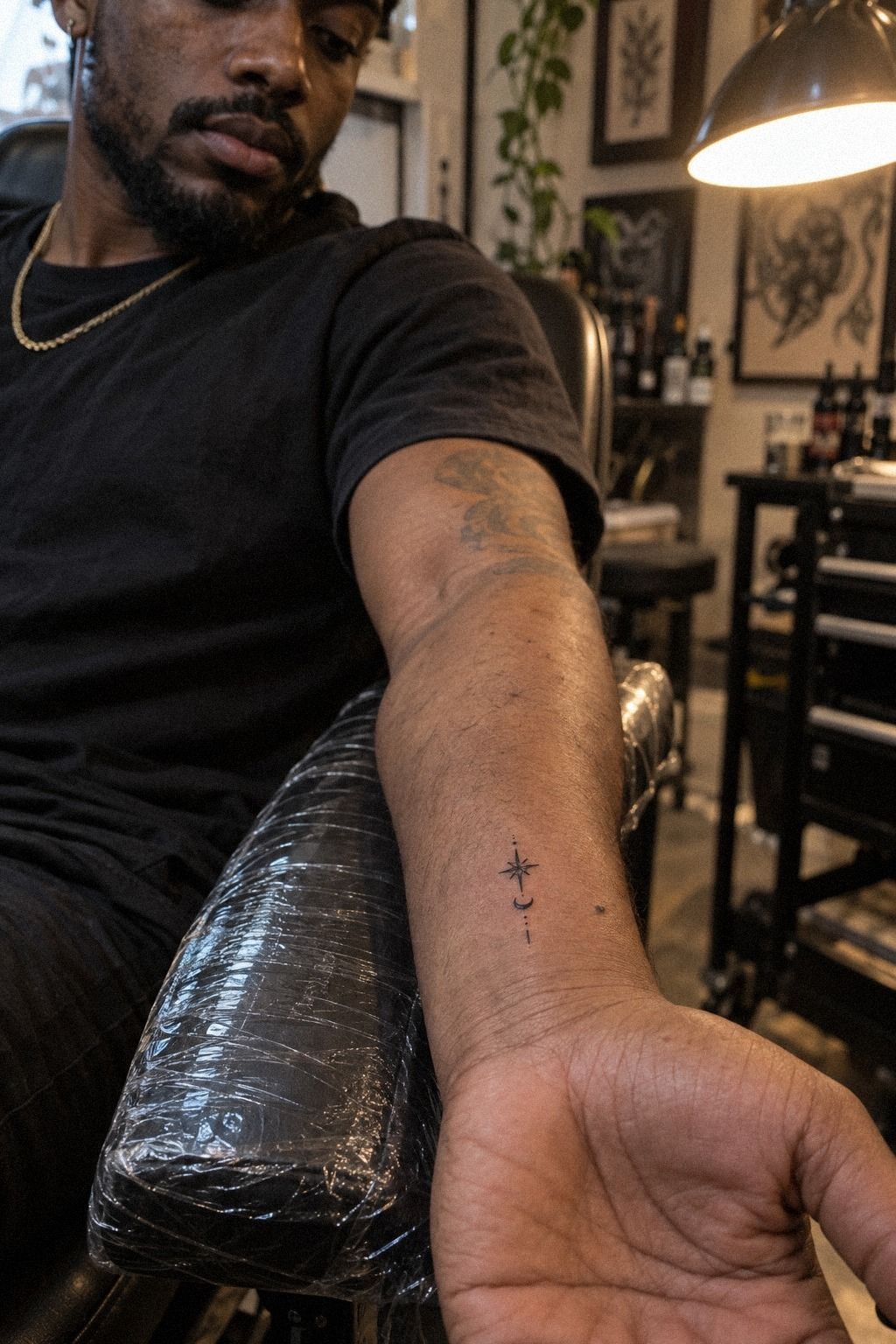
Start with the core image, then choose one addition that connects it to your life. A star, initial, leaf, date, or tiny line can be enough.
Use a symbolic wrist motif rather than combining every idea you love. If the main image is an animal, add one small star only if it explains something real about the story.
If the tattoo is botanical, a single initial may feel more personal than a full quote. Restraint can make the result feel polished rather than crowded.
Ask yourself what you want to remember when the trend passes. A classic symbol can still feel edgy when it’s drawn in your artist’s hand.
A personal detail can make a familiar image meaningful, while an overly fashionable mark may lose its pull quickly. I’d choose the detail you’d explain to one trusted person, not to every stranger.
You can save small tattoo ideas unique and small wrist tattoo ideas before your consultation. Then bring only three finalists.
That gives your artist room to refine the linework, scale, and placement instead of sorting through a hundred disconnected references. A focused consultation usually creates better value than an endless image folder.
Read the Symbol at Arm’s Length
A first tattoo should communicate quickly. Hold the stencil at arm’s length, soften your focus, and ask whether the main shape still reads. If it turns into a dark speck, remove detail before you add anything else.
Actual-size stencil testing is more reliable than judging a large phone mockup. Your artist can print several versions and place them beside the wrist crease. I prefer the smallest version that keeps its identity.
Try the design in daylight and lower indoor light. A minimal mark may look crisp in one setting and disappear in another. That difference helps you choose line weight with more confidence.
Decide What You Want Visible
Some people want a tattoo they can glance at privately. Others want an expressive mark that friends notice immediately. Neither choice is better, but pretending you don’t care about visibility can create regret.
A slightly higher placement may be easier to cover during work. The outer wrist may feel more public, while the inner wrist can feel more intimate. Think about your actual week, not an imagined version of it.
Sleeve coverage should be part of the conversation if visibility affects your comfort. Test the stencil with your usual clothing and accessories before you commit.
Keep the Reference Folder Focused
A large reference folder can make a consultation harder. Save three designs that share a line quality, then explain what you like about each one. Your artist can combine the strongest elements without copying a crowded collage.
Look for repeated preferences. Maybe every saved design has a sharp silhouette, a flowing stem, or an open center. That pattern reveals your real taste better than one dramatic reference.
Three finalist references give the artist direction without taking away creative judgment. I’d rather bring three focused ideas than fifty unrelated screenshots.
A Simple Cost Check Before You Book
Small doesn’t always mean inexpensive. Many studios use a minimum charge, and a tiny but intricate tattoo may take more planning than a larger, simpler mark.
These are planning ranges, not promises. Ask for the expected total, deposit policy, touch-up policy, and whether the consultation is included.
The real question is whether the tattoo is worth it to you. A lower price isn’t good value if the linework, placement, or hygiene makes you anxious.
I’d rather wait and choose a polished artist than rush toward a budget option that requires correction. Your wrist is visible every day, so the cheapest quote shouldn’t automatically win.
For more ideas before requesting a quote, compare small tattoo ideas unique and note which designs actually need custom drawing time.
Test the Design in Real Life
A temporary test should include your actual routine. Wear your watch, type on your usual keyboard, wash your hands, and carry the bag you use most often.
Notice whether the design remains visible in the positions where you’ll see it. A tattoo that looks striking with your palm turned upward may disappear when your hand rests naturally.
Temporary tattoo paper can help you compare two placements at once. Take photographs in daylight, indoor light, and the lighting you normally use for getting ready.
Ask one honest friend for an opinion, but don’t let a committee choose your tattoo. Their feedback can reveal readability problems, yet the final decision belongs to you.
If the temporary design feels distracting, move it slightly rather than abandoning the entire idea. Small changes can turn an awkward placement into a graceful one.
Read wrist tattoo placement meaning alongside your test, but let your daily comfort make the final call.
Choose the Line Style Before the Symbol
Line weight changes the personality of a tattoo. Fine lines can feel delicate and ethereal, while stronger outlines feel bold, classic, and easier to read.
Line-weight testing should happen at the final tattoo size. Enlarged digital previews often make every option look clearer than it will appear on your wrist.
Ask the artist which details they would remove. That answer tells you whether they understand the limits of small skin work.
A sleek design with fewer marks may offer better long-term value than an ornate design compressed into the same area. The goal is not maximum detail; it’s maximum clarity.
You can compare minimalist and traditional directions through small trad tattoo ideas. Notice which examples remain readable without needing a long explanation.
A vintage flash influence can feel playful when it’s reduced carefully. Don’t force an old-school shape into a size where its strongest contours disappear.
Plan the Conversation with Your Artist
Bring your three strongest ideas, your placement test, and any concerns about pain or healing. You don’t need a perfect final drawing before the consultation.
Show the artist what you like about each reference. Say whether it’s the silhouette, line quality, symbolism, scale, or mood. That is more useful than sending ten unrelated screenshots.
Healed tattoo photographs matter more than fresh appointment photos. Fresh ink often looks unusually dark and crisp, while healed work shows how the artist’s decisions hold in real skin.
Ask how the design will change for your wrist anatomy. A good artist may rotate, simplify, enlarge, or reposition the piece. That isn’t dismissing your idea; it’s making it workable.
Discuss the total cost and the expected session length before you commit. Knowing the budget in advance makes the appointment feel more controlled and helps you judge whether the result will be worth it.
If the artist says a favorite detail won’t hold at your requested size, listen. That conversation may save you from a tattoo you’d rethink later!
For another placement perspective, browse wrist tattoo placement meaning before the consultation.
What I’d Decide Before the Appointment
I’ve changed my mind about small wrist tattoos more than once. At first, I thought the safest design was the most delicate one possible, almost invisible unless I held my arm close.
Then I saw how extremely thin lines can soften and how a tiny gap can disappear during healing. Now I prefer a crisp, meaningful symbol with enough breathing room to stay readable.
Final stencil placement matters more than a beautiful digital mockup. Look at it while standing, sitting, moving your wrist, and wearing the accessories you normally wear.
The choice isn’t simply between bold and dainty. It’s between a design that has been edited and one that has been reduced too far.
A graceful star cluster can work because the stars have space. A botanical sprig can work because the leaves follow one direction. A script tattoo can fail when the phrase is too long, even if the lettering looks elegant on paper.
I’d also decide how visible I want the tattoo to be during an ordinary week. Inner-wrist placement feels personal and easy for you to see, while outer-wrist placement reads more openly to other people.
Neither is automatically better. Your work, clothing, watch habits, and comfort with attention should guide the choice.
Finally, I’d judge the artist by healed photographs, not only fresh appointments. Ask about line weight, placement, aftercare, and what they’d remove from your reference.
A polished artist should have an opinion. If they tell you a beloved detail won’t hold at the requested size, listen. That conversation may save you from a tattoo you’d rethink later!
For more inspiration, save these small tattoo ideas unique before you make your final shortlist.
The Questions Worth Answering First
How much does a small wrist tattoo usually cost?
A small wrist tattoo usually costs about $50 to $100 at a shop minimum or roughly $100 to $250 per hour in the US. Your artist, region, detail level, and studio minimum all matter.
Ask for the expected total before booking, and bring the final reference. The best value is a readable design from an artist whose healed work you trust.
Are small wrist tattoos a good idea for a first tattoo?
Yes, small wrist tattoos can be a thoughtful first choice because the placement is visible, easy to test, and often more manageable than ribs, feet, hands, or sternum. Choose clear linework with enough spacing, and select a symbol you’ll still understand after the trend changes. A temporary version can reveal whether you truly enjoy seeing it every day.
How do I choose a tattoo artist for small wrist tattoos?
Choose an artist whose portfolio shows clean small work, healed photographs, and the style you want. Look for consistent hygiene, readable linework, and careful placement.
You’ll also want a studio that answers questions clearly instead of rushing you toward the earliest appointment. Ask about the total cost, deposit, aftercare, and touch-up policy.
How much do small wrist tattoos hurt?
Small wrist tattoos usually feel manageable, but pain depends on the exact spot and your sensitivity. Bony areas such as the wrist, ribs, feet, hands, and sternum can feel sharper than softer areas.
Your artist can suggest a slightly gentler placement. Eat beforehand, stay hydrated, and tell the artist if you need a pause.
How long does a small wrist tattoo take to heal?
The surface usually heals in about 2 to 3 weeks, while the tattoo can take about 2 to 3 months to settle completely. Wash gently, moisturize as directed, avoid swimming and direct sun, and don’t pick at peeling skin. Follow your artist’s instructions if they differ from general guidance.
What’s the best placement for small wrist tattoos?
The inner wrist offers a personal, easily visible location, while the outer wrist gives the design more public presence. A slightly higher forearm placement may offer more skin and comfort.
Test your preferred wrist placement temporarily before approving the stencil. The best position is the one that feels natural in your daily movements.
Can I DIY a small wrist tattoo?
No, you shouldn’t tattoo your own wrist. Home equipment creates serious hygiene and placement risks, and small designs still require controlled depth and clean technique.
You can DIY a temporary test, then book a licensed artist for the permanent piece. Saving money here isn’t worth the risk of infection or an uneven result.
You can also compare small tattoo ideas unique after deciding which style feels most personal.
Where I’d Start First
If I had to pick one step, I’d start with the temporary placement test. It shows whether you’ll enjoy seeing the design every day, and it catches awkward angles before they become permanent.
Pin your favorite small tattoo ideas unique, compare them with your wrist tattoo placement meaning research, and take the stencil for a real-world trial. If it still feels meaningful, readable, and comfortable after several days, you’re ready for a confident consultation.
Trust the design that remains clear after the excitement fades. A small, symbolic, empowering mark doesn’t need to shout to stay important.