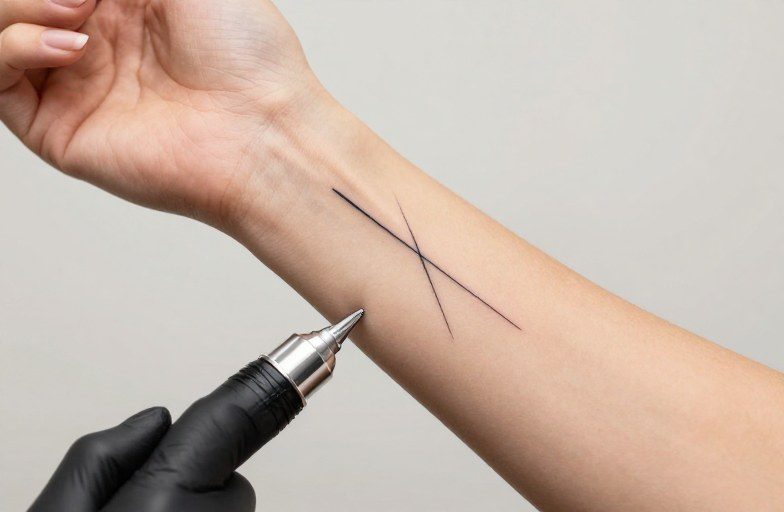
A wrist tattoo means you want something seen, by you, by others, or both. That placement turns any image into a daily checkpoint, a mark you catch while typing, reaching, or checking the time. The meaning starts there: intention made physical, choice made hard to ignore.
Personal & Modern Meanings
People put words on their wrists because they’ll read them a hundred times a day. Names, dates, coordinates, single words like “breathe” or “enough”, the repetition becomes the point. You’re not decorating a hidden space; you’re building a reflex.
The Inner vs Outer Wrist
Inner wrist faces you. Outer wrist faces the room. That choice matters more than most people admit upfront. Inner placement keeps the meaning private, something you see when your hands are at rest, when you’re alone. Outer placement makes it part of how strangers read you. Some split the difference: a small image on the outer wrist, a word tucked inside where only they see it regularly.
Commitment Without Coverage
Unlike a sleeve or a back piece, a wrist tattoo doesn’t require major life real estate. That makes it accessible for first-timers, but also for people adding a specific, contained statement. The small size forces economy. You can’t hide complexity in a two-inch band. The meaning has to hold up stripped down.
Who Chooses This Tattoo
Office workers with visible-ink policies to consider. Parents getting children’s names or birth times. People marking recovery milestones, anniversaries, or the memory of someone lost. The wrist attracts pragmatists and sentimentalists in equal measure, people who want the tattoo to function, not just exist.
Younger clients sometimes underestimate how much a wrist piece will read as “young.” It can feel like training wheels, a safe first spot that later feels limiting when they want bigger work. Older clients often come back to the wrist deliberately, after years of thinking, knowing exactly why they want that visibility now.
Professional Realities
Watch bands and bracelets cover a lot, but not everything. Some industries still flag visible wrist ink in hiring. The placement forces an honest conversation about if you’re willing to wear long sleeves, stack cuffs, or explain yourself. That friction becomes part of the tattoo’s meaning for some, refusing to hide, or choosing strategically what to reveal.
Mythology & Folklore
Wrist markings appear across cultures, though direct historical parallels to modern tattooing are often linked to broader body-marking traditions rather than identical practice. Sailors wore wrist pig and rooster tattoos, a pair believed to prevent drowning, chickens and pigs in wooden crates were said to survive shipwrecks. The wrist was simply where the image fit.
Some trace Celtic and Nordic armband patterns to protective functions, bands of knotwork meant to bind or shield. These encircled arms, wrists included. The modern “bracelet tattoo” descends partly from this visual language, though contemporary wearers rarely claim the same protective intent.
Pulse Points and Symbolism
The wrist sits where blood moves closest to surface, where doctors check life. That physical fact gets romanticized: tattoos placed near the pulse as “close to the heart.” The biology is real; the metaphor is modern. People choose the spot because it feels vital, not because of any traditional doctrine.
Common Variations & Styles
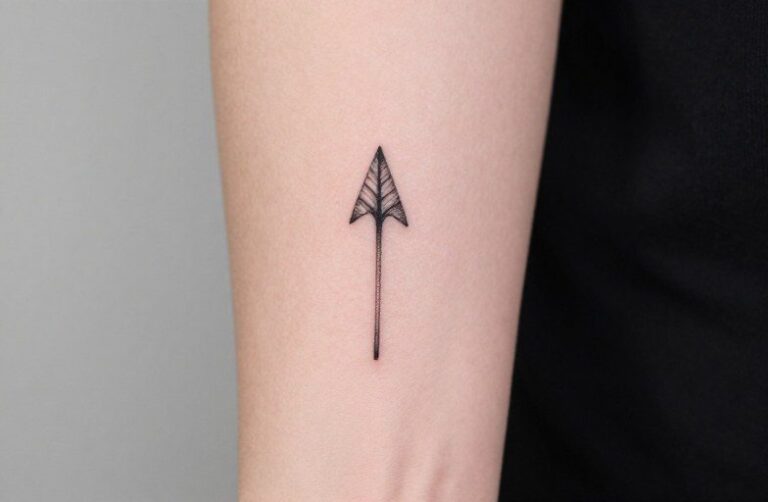
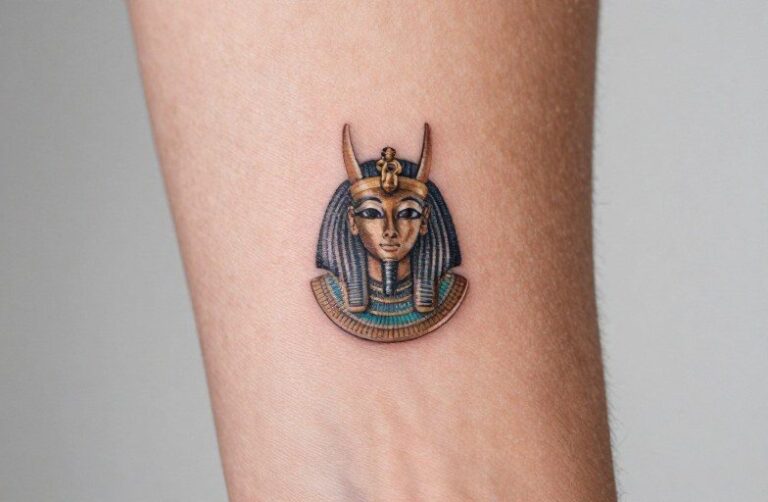
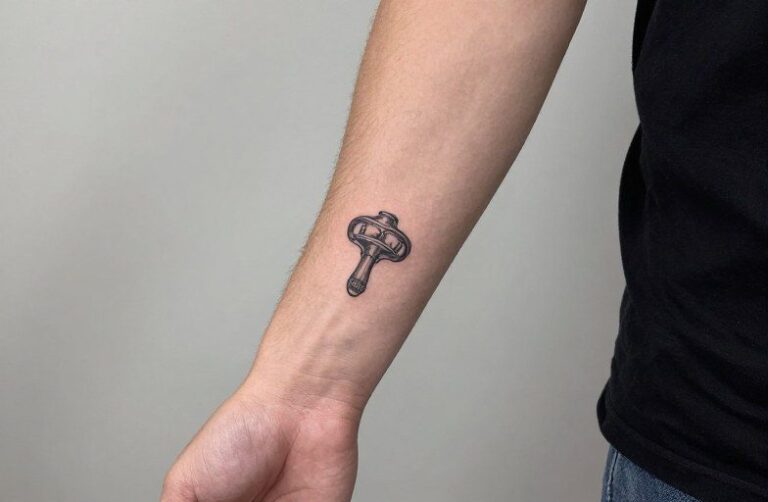
Lettering dominates wrist work for good reason. Script flows with the narrow space, reads clearly at small scale. Single needles and fine lines have made tiny, detailed images viable, micro-florals, minimalist animals, geometric shapes that would have blurred into gray blobs a decade ago.
Wraparound bands remain popular: solid black, patterned, or broken into segments. These follow the wrist’s natural circumference, turning the body into a frame. The style ages predictably, solid bands hold, fine patterns spread and soften. Plan for touch-ups if you choose detail over boldness.
- Script and lettering: most common, highest readability risk if too small or too ornate
- Minimalist line work: trending, requires precise aftercare to prevent blowout
- Wrap bands: traditional, forgiving of minor aging, harder to integrate with future arm work
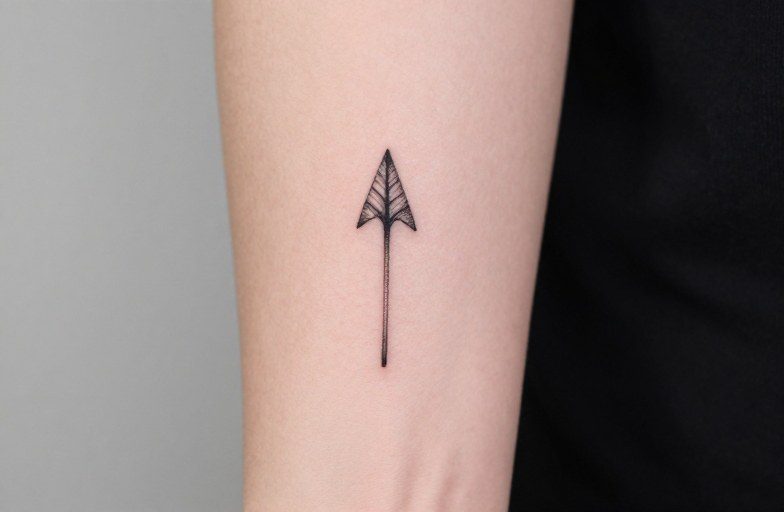
- Small imagery: flowers, birds, symbols, must be simple enough to read at 1-2 inches
- Coordinates and numbers: popular for memorial or travel meaning, prone to looking like random strings without context
Integration with Larger Pieces
The wrist functions as a gateway. A small piece here can stand alone or eventually connect to a forearm sleeve. Planning matters: a centered wrist tattoo limits how a future sleeve flows through. Offset placement, or leaving negative space, preserves options. Tattooers call this “leaving room to grow,” and good ones will ask about your five-year plan before locking in a spot.
Color vs Black and Grey
Black work on the wrist ages better than most color. The skin here moves constantly, flexes, takes sun. Red and yellow fade fastest; blues and greens hold longer but still dull. Watercolor styles, popular for their softness, often settle into muddy gradients within five years on this placement.
That said, a small red accent, a heart, a flower’s center, a single word, can stay punchy if protected. The trade-off is maintenance: color wrist pieces need more frequent refresh sessions than black equivalents. Budget for that if you choose bright.
Black and grey relies on contrast and line weight. A solid black band stays readable for decades. Shaded greywork softens faster here than on the thigh or back, where skin takes less abuse. For wrist placement, bold usually wins over subtle in the long run.
Religious & Spiritual Angles
Crosses on the wrist are common in Christian tattooing, often linked to personal devotion rather than denominational requirement. The placement echoes the visual of checking a watch, faith as something consulted regularly, not worn only on Sundays. Some choose the inner wrist specifically, making the cross visible in prayer position.
Om symbols, hamsa hands, and small mandalas appear across spiritual backgrounds. The wrist’s visibility suits practices that emphasize mindfulness or repeated contemplation. A Sanskrit word you can’t read without looking becomes a meditation bell you ring by glancing down.
Recovery and Remembrance
Semicolon tattoos, popularized by mental health advocacy, found natural home on the wrist. The grammar reference, where an author could have ended a sentence but chose to continue, matches the placement’s daily visibility. People in recovery from self-harm sometimes choose the wrist deliberately, reclaiming skin that held different marks. The meaning here is specific and earned, not decorative.
The Takeaway
A wrist tattoo means you’re willing to be seen, by yourself most of all. The placement doesn’t hide, doesn’t wait for beach season or intimate moments. It demands a design that holds up to repetition, that still means something on the thousandth viewing. Pick something simple enough to age well, specific enough to matter only to you, and bold enough to read at a glance. The wrist gives you no distance from your choice, which is exactly why people choose it.
Frequently Asked Questions
Does a wrist tattoo hurt more than other placements?
The wrist has thin skin over bone and tendon, so yes, it tends to hurt more than fleshy areas like the thigh or upper arm. Most people describe it as sharp and persistent rather than unbearable. Sessions are usually short, which helps.
How well do wrist tattoos hold up over time?
They fade faster than protected areas because of sun exposure and constant movement. Fine lines blur, color dulls. Bold black work ages best here. Plan for touch-ups every few years if you want crisp detail maintained.
Can I cover a wrist tattoo with a watch or bracelet for work?
Usually, yes, but not completely reliably. Bracelets shift, sleeves ride up. If your workplace has strict visible tattoo policies, consider if you’re comfortable managing coverage daily before committing to this spot.
What’s the best wrist tattoo for a first-timer?
Something small, simple, and meaningful enough that you won’t regret it if the style trends shift. Avoid tiny text that becomes illegible and overly detailed images that won’t age well. Consult an experienced tattooer about scale and placement before finalizing.