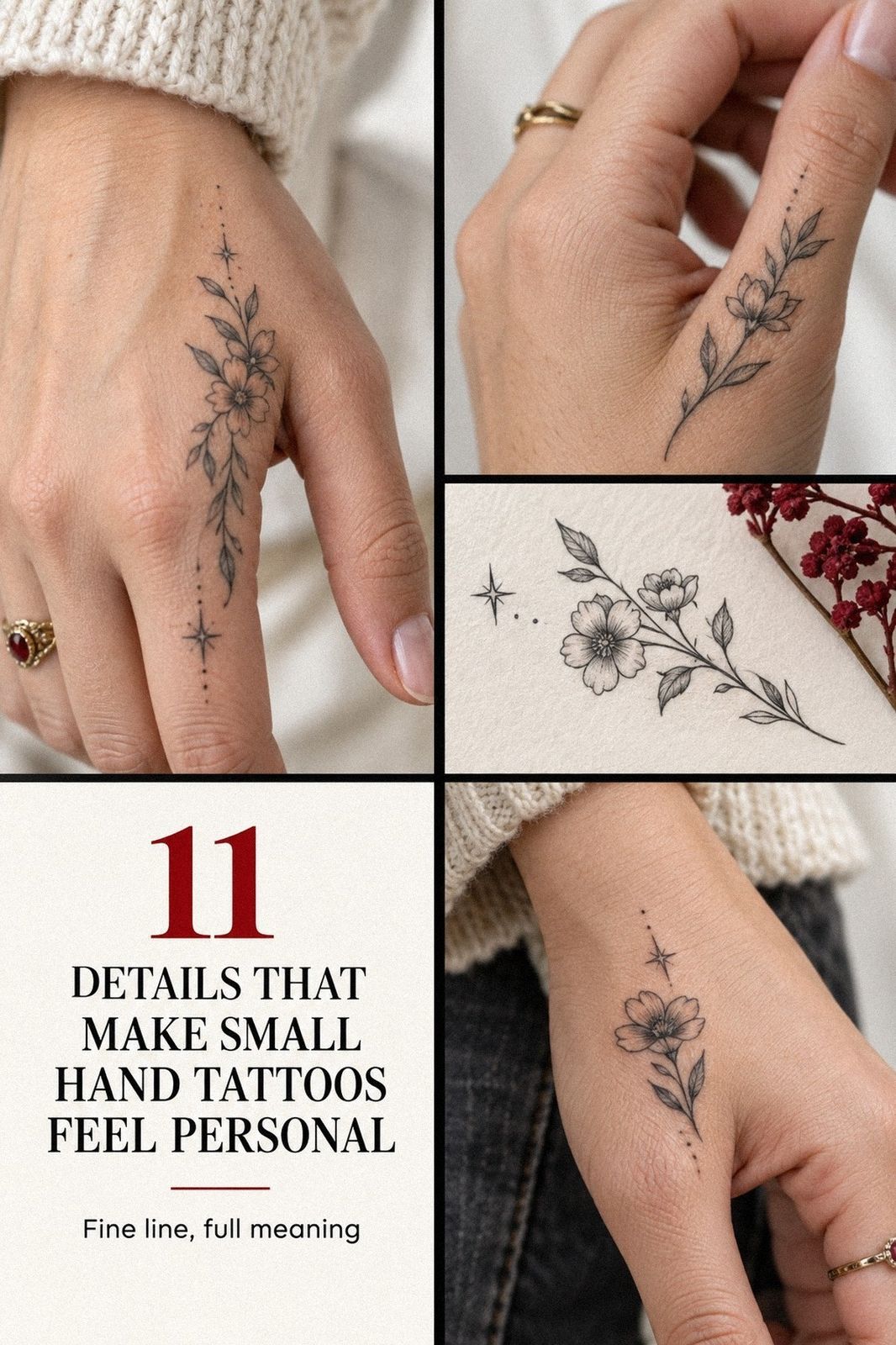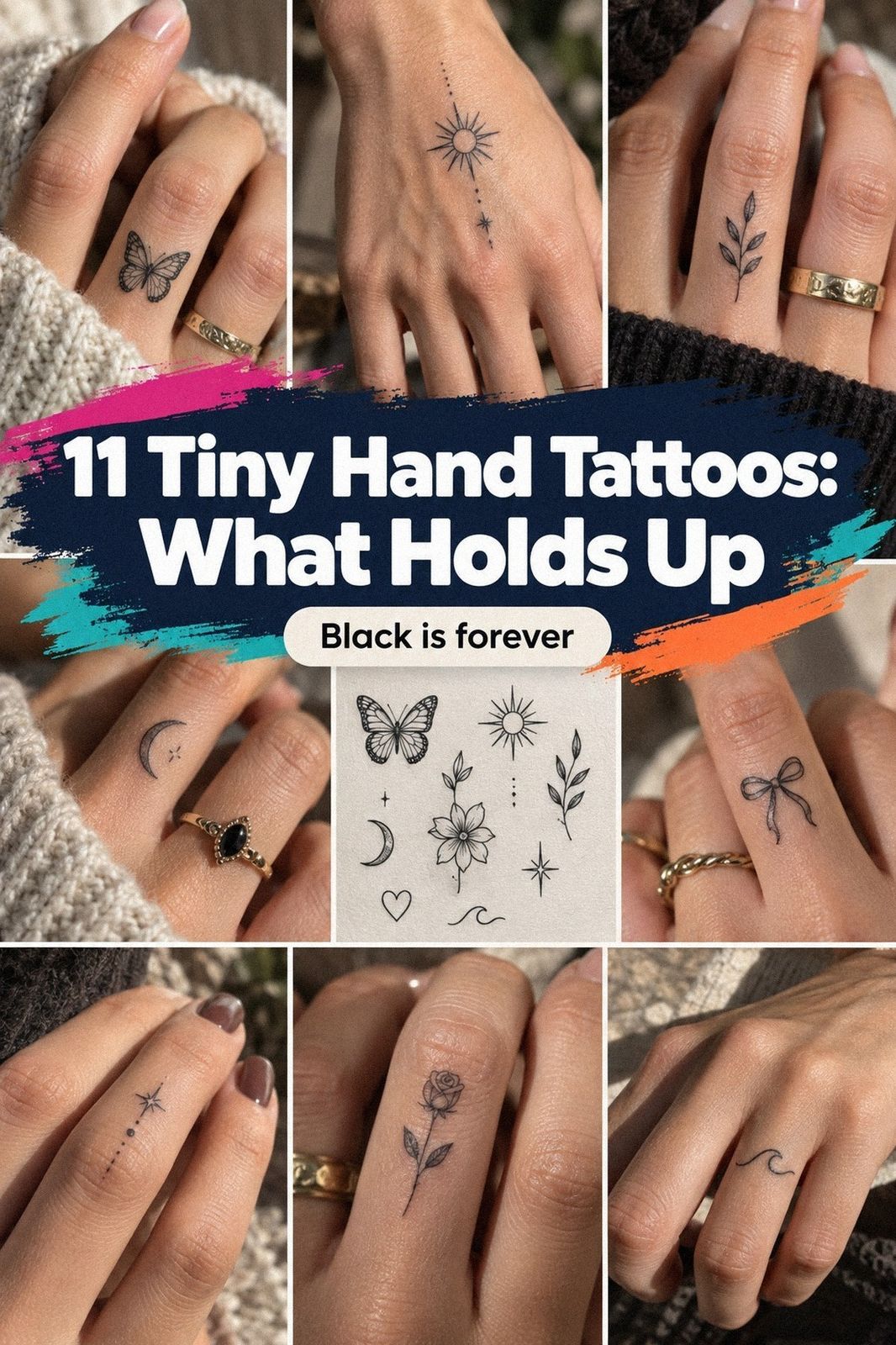
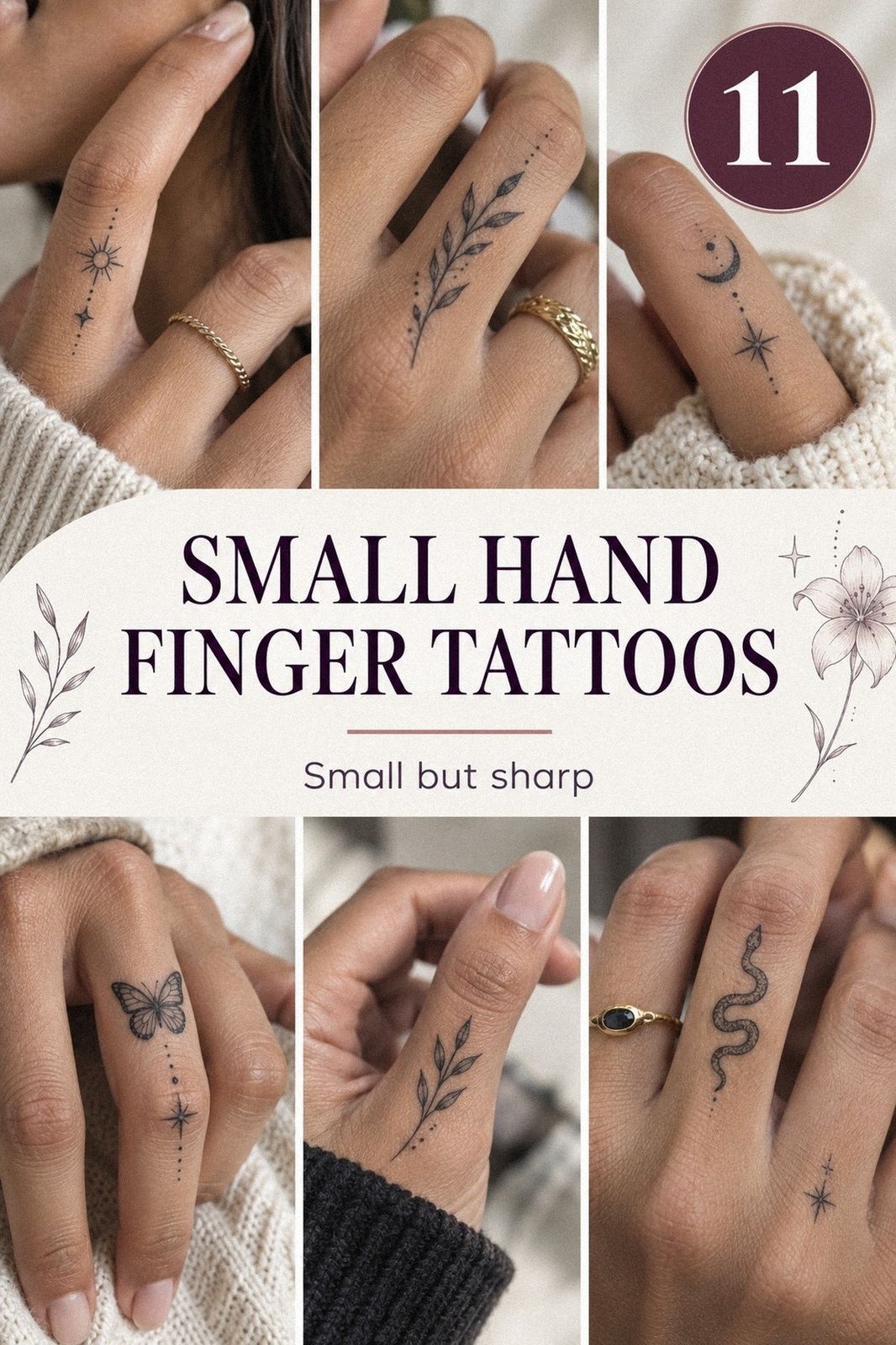
Small hand finger tattoos for women can age well when line weight, placement, and aftercare agree. I got my first piece the week I turned 30, after months of changing the sketch and checking my hand in different light. The result is still crisp, personal, and surprisingly timeless. That mattered to me.
Before the Needle, I Chose the Feeling
Editor’s note: I wanted a mark I could see every day without choosing something loud, temporary, or overly familiar. My hands were unmarked, and the symbols in my notebook felt meaningful, personal, and slightly intimidating.
The blank area beside my finger had plenty of movement. I wash my hands often, type for hours, and spend time outside, so I knew the skin would work hard. You can’t treat hand ink like a hidden shoulder tattoo, and I didn’t want to pretend otherwise.
- I Chose My First Small Finger Tattoo
- I Matched Ink Size to My Hand
- I Sketched Unique Symbols With Meaning
- I Tested Delicate Linework Before Booking
- I Compared Side Finger Placement Options
- I Selected a Feminine Miniature Design
- I Weighed Symbolic Ink Against Trendy Ideas
- I Prepared for Finger Tattoo Pain
- I Followed a Careful Healing Routine
- I Protected My Small Hand Tattoo
- I Styled My Finished Finger Ink
1I Chose My First Small Finger Tattoo
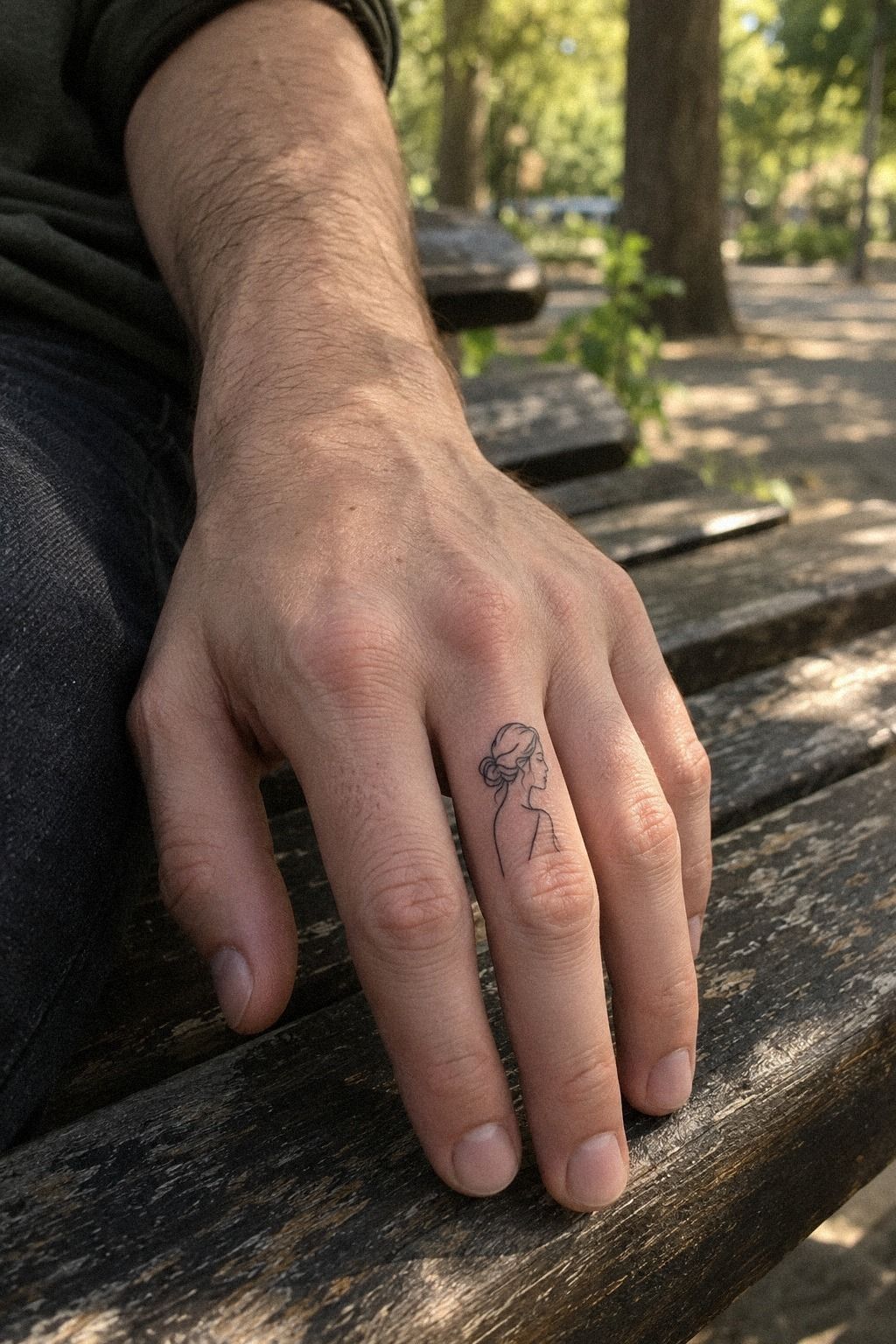
I started with a fine-line single-needle tattoo because I wanted a quiet mark with enough character to reward a second look. The first sketch was a tiny crescent paired with one short botanical curve. It felt delicate, but it wasn’t empty.
My artist showed me three versions at different line weights. The thinnest one looked ethereal on paper, yet nearly disappeared when I photographed it from arm’s length. I chose the middle line weight because you’ll want your tattoo to remain legible outside the studio light.
I rejected a crowded miniature bouquet. It was intricate, but the petals were packed too closely for such a small area. A small finger tattoo needs negative space, and you’ll notice that breathing room more after the skin settles.
I compared my choice with these small hand tattoos for women before booking. The broader examples helped me see why a black ink crescent could feel more polished than five tiny symbols fighting for attention.
2I Matched Ink Size to My Hand
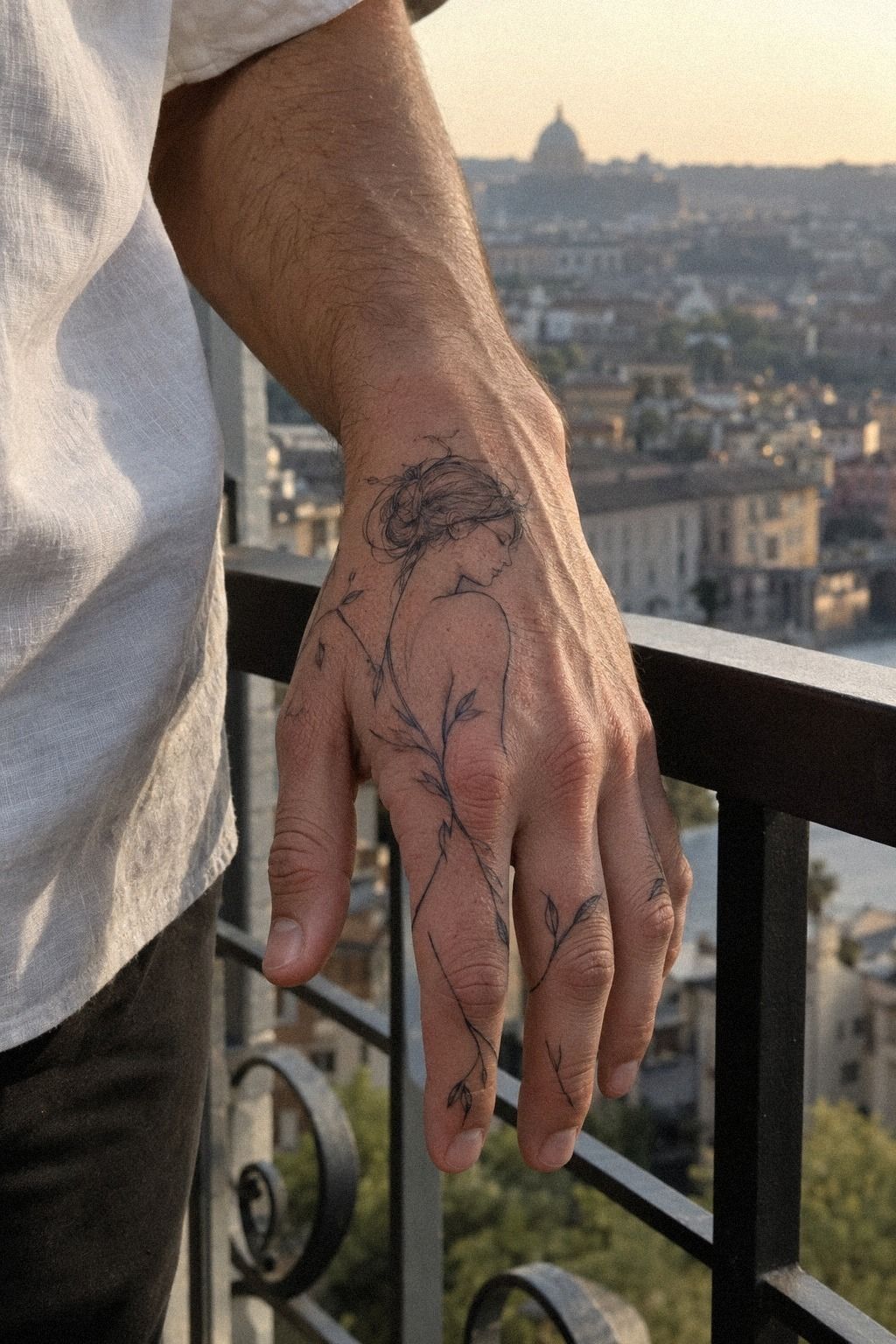
My hand is narrow, with medium warm ivory skin and fingers that bend sharply at the joints. I didn’t copy a design from a hand with a completely different structure. Instead, I asked my artist to place the hand shape stencil first, then watched how the symbol changed when I curled my fingers.
The first stencil was too wide. It looked bold when my hand was flat, but it folded into a dark knot when I made a fist.
That was the moment I understood that size isn’t only about millimeters. You need to judge how a line travels across moving skin.
I settled on a symbol under one inch, with the longest stroke running parallel to my finger. The proportions looked sleek and understated, and they didn’t compete with my knuckles. You’ll want to photograph the parallel stroke both open and closed before the needle starts.
I didn’t shrink it until it became fragile. A design that’s too tiny may lose its shape as lines soften with time. My favorite small tiny hand tattoos use restraint, but they still leave enough room for a healed portfolio to show what the artist’s work really becomes.
3I Sketched Unique Symbols With Meaning

I made six rough sketches before I kept one. The final symbol combined a short arc, a small dot, and a broken line that represented a decision I’d been avoiding. It was symbolic without looking like a logo.
The sketch page looked almost messy, with graphite smudges around the clean center mark. My artist refined the linework into a crisp black outline while keeping the uneven rhythm I liked. You can make a tattoo personal without forcing a literal portrait, date, or name into the design.
I also tested the symbol at actual size. On a screen, it looked ornate and expressive. At half an inch, the tiny interior gap vanished, so I removed it.
The simpler version felt powerful because the shape could stand on its own.
What makes a symbol worth keeping? For me, it has to trigger a specific memory without requiring an explanation.
You’ll know yours is working when you stop decorating it and start recognizing yourself in it. I found more references in these small simple hand tattoos before choosing the symbolic tattoo.
4I Tested Delicate Linework Before Booking
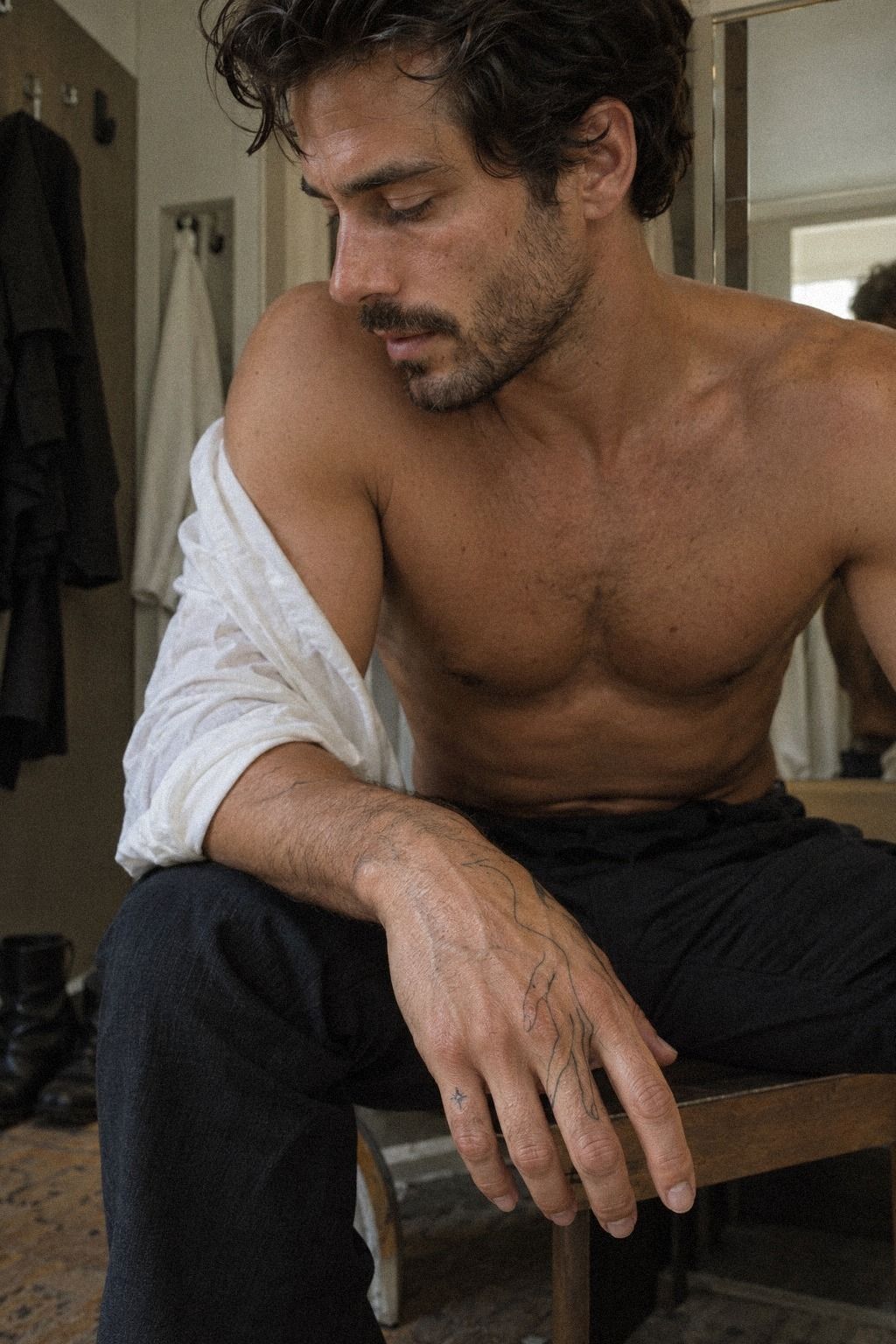
I tested the design with a temporary pen, a cosmetic pencil, and a small printed stencil. The pen version looked playful, while the stencil showed the actual balance of the mark. I wore each version for a day and noticed which one I kept checking without thinking.
The cosmetic pencil blurred after handwashing, but that was useful information. Finger skin experiences friction, soap, sunlight, and constant bending. You’ll want to consider how your preferred linework behaves after the fresh black surface loses its first-day sharpness.
My artist used a single needle and kept the pressure controlled. The result was graceful rather than heavy, with enough variation to keep the curve from looking mechanically printed. I’d skip an ultra-fine line if the design depends on several tiny interior details.
I asked to see healed photos, not only fresh work. Fresh ink can look vibrant and dramatic before the surface settles. The healed examples were softer but still recognizable, which gave me more confidence than any studio photograph.
If you’re comparing line styles, these small finger tattoos show how much a few millimeters can change the entire impression. I paid special attention to healed examples.
5I Compared Side Finger Placement Options
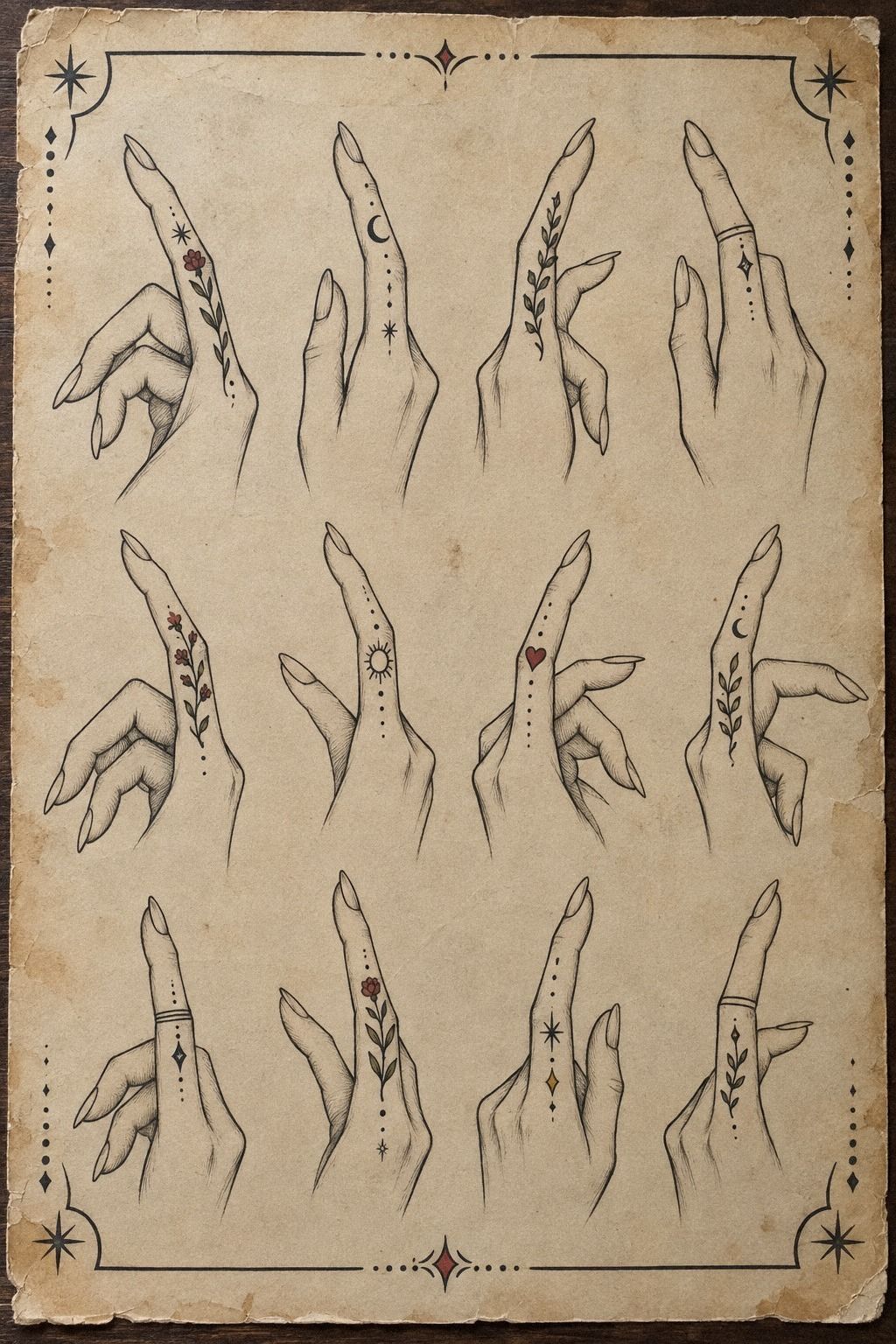
I brought a small placement sheet to the appointment and marked three options: the side of the finger, the top near the knuckle, and the inside edge. The flash sheet looked classic, with clean black motifs on aged off-white paper. Seeing everything together made my choice less emotional.
The side placement won because it gave the line a calmer direction. The top placement was more visible, but it made the symbol feel edgy and exposed whenever I held my hand forward. The inside edge was discreet, though it received more rubbing than I expected.
I tested each spot while typing, holding a cup, and turning a key. You should do the same because a placement that looks stylish in a still photograph can feel awkward during ordinary movement. Your hand tells the truth quickly.
I chose the side of my finger, knowing it might need a future refresh. That wasn’t a failure to me. Hand tattoos can fade faster than ink in less active areas, and I’d rather accept that honestly than choose a placement I don’t enjoy.
For more side-placement references, I saved these small side finger tattoos and compared how the marks sat against different finger shapes. The side placement still feels like the right decision.
6I Selected a Feminine Miniature Design
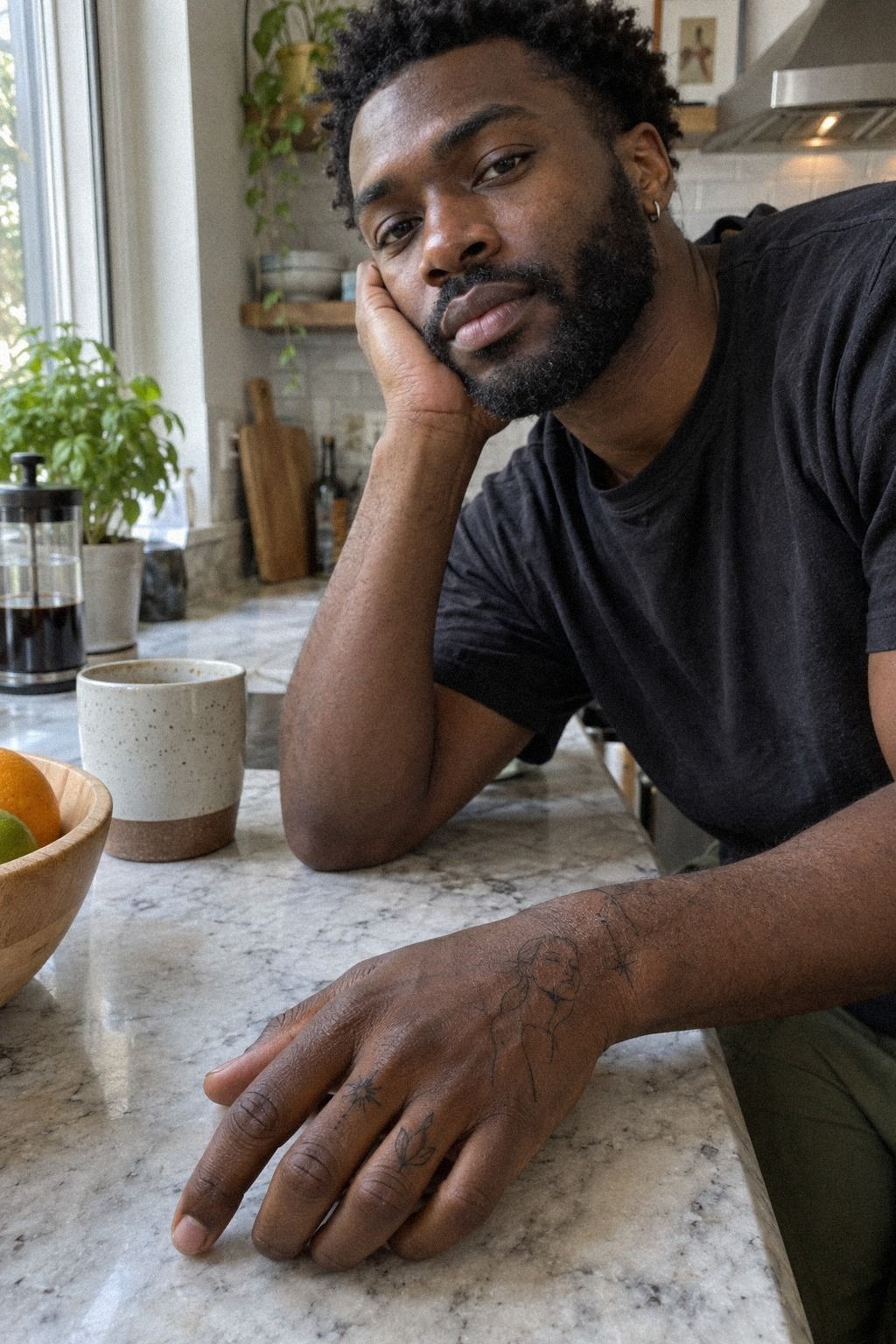
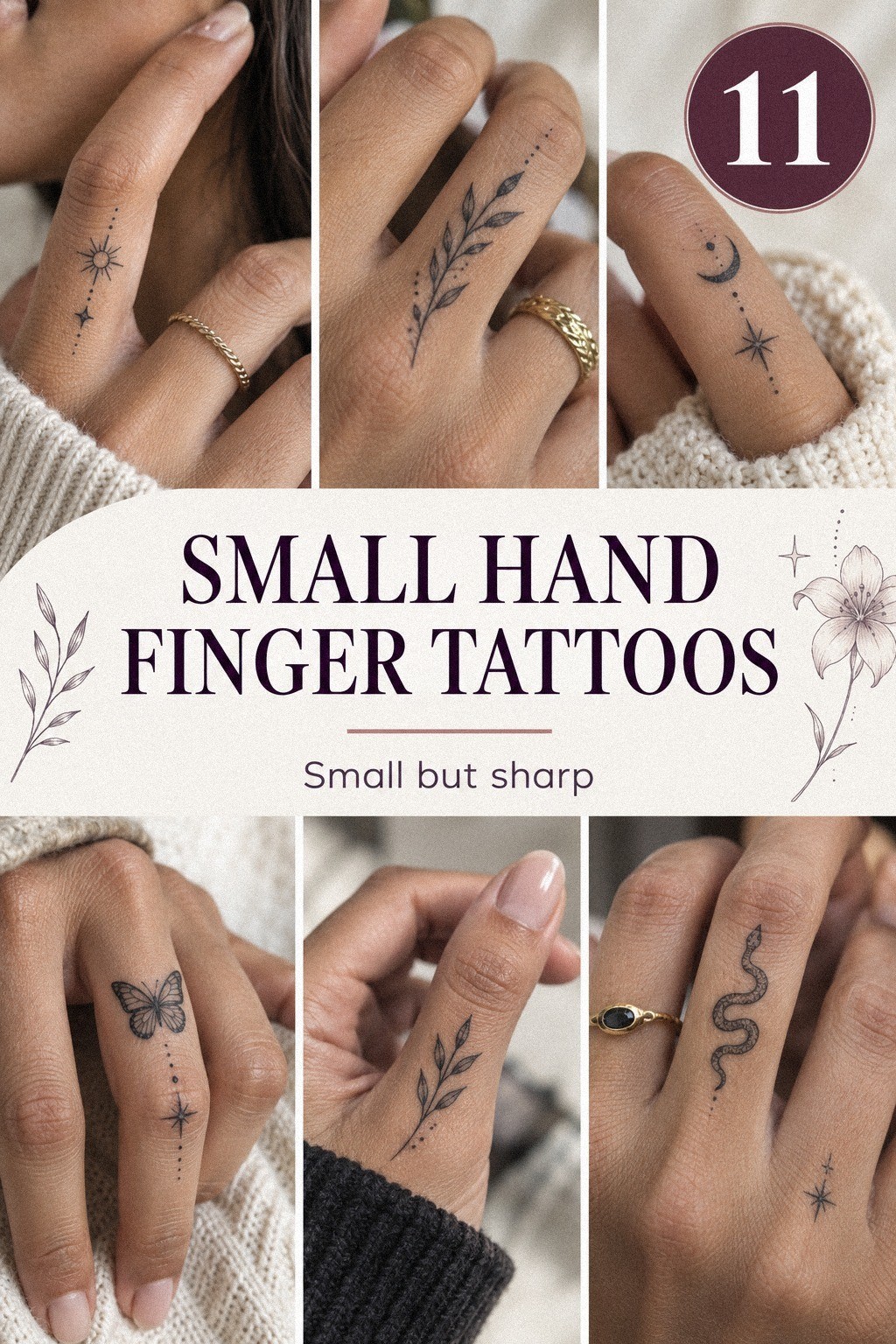
The design looked different on deep ebony skin than it did on pale paper, and that was important to see. A miniature tattoo shouldn’t be judged on one complexion, one lighting setup, or one artist’s drawing hand.
I wanted something feminine without making it overly sweet. A small curved line, one open loop, and a single dot gave me a dainty feeling without turning the tattoo into a predictable symbol. The design felt elegant because it was restrained.
My artist also explained how contrast can change across skin tones. A curved botanical line may need slightly different spacing or thickness to remain readable. That isn’t about copying one formula.
It’s about respecting the skin in front of you.
I looked at the sketch beside examples on several skin tones and paid attention to the shape after healing. The mark needed to remain expressive without relying on exaggerated contrast. Its character had to come from proportion.
I asked for a consultation with someone who could show healed work across different complexions. That conversation made the choice feel more empowering. I wasn’t selecting a design in isolation; I was checking whether it could become a good tattoo on my actual skin tone.
The most helpful question was simple: would this still look intentional if the line softened slightly? The answer was yes. That gave me more confidence than choosing the most ornate version.
7I Weighed Symbolic Ink Against Trendy Ideas
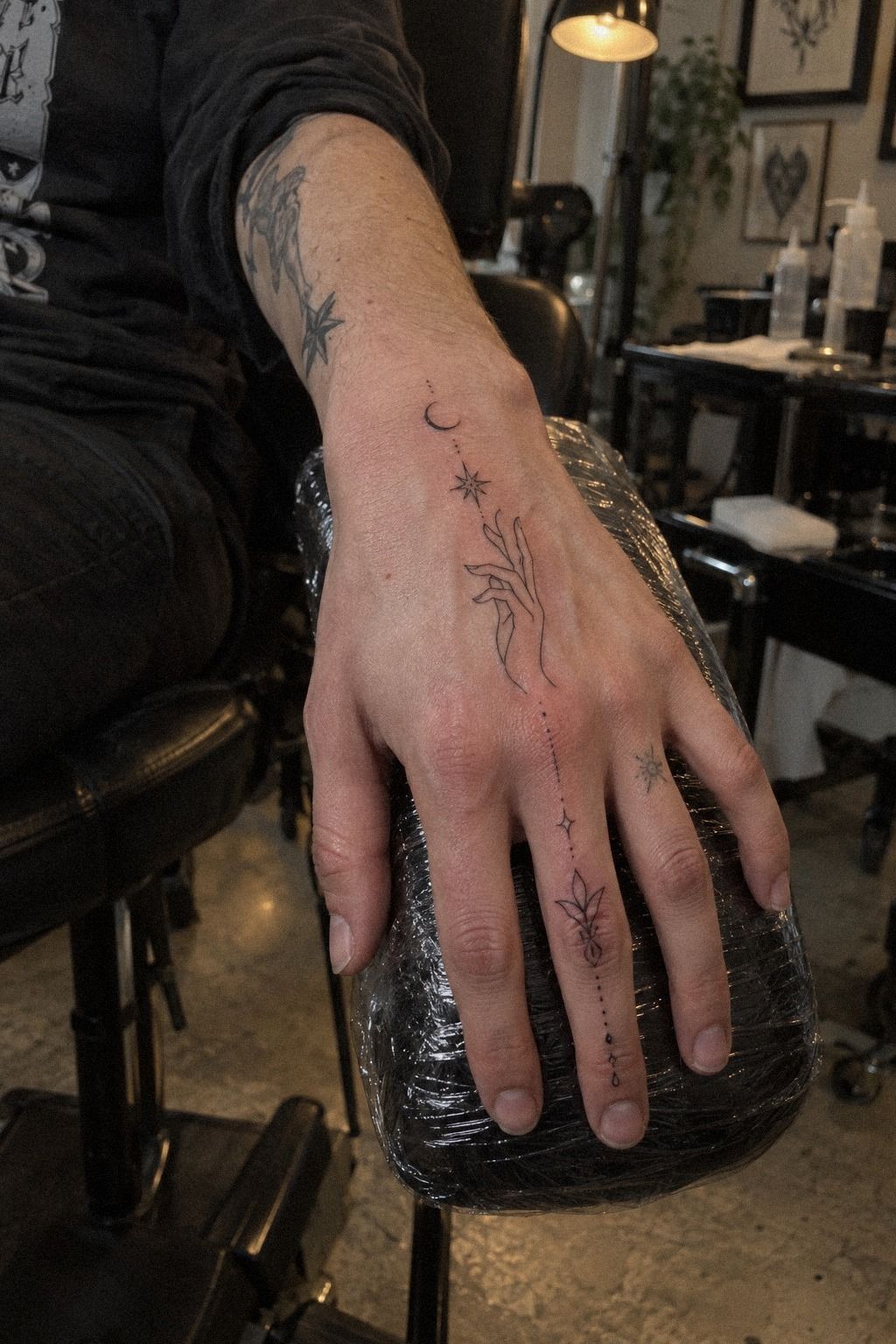
I considered a tiny heart, a star cluster, and a popular bow shape. They were whimsical, romantic, and easy to find in every flash collection I opened. None was wrong, but none made me pause for the reason I wanted.
My final symbol had a quieter edge. It felt expressive because it connected to a real turning point, not because it looked unusual from across the room. You’ll wear the tattoo longer than you’ll remember which designs were trending during your appointment month.
I didn’t dismiss trendy work entirely. A familiar shape can still become personal through scale, placement, or a meaningful alteration. I changed one line in the symbol so it echoed a handwritten mark from my grandmother’s notes.
Would I choose the bow now? Probably not.
It’s charming, but it wasn’t mine. I’d rather wear a personal black symbol with a slightly imperfect curve than a polished image I selected only because it appeared everywhere.
If you’re balancing trend and meaning, browse these unique small hand tattoos for women and mark the designs that still interest you after the first scroll. Then use the two-week test before booking.
8I Prepared for Finger Tattoo Pain
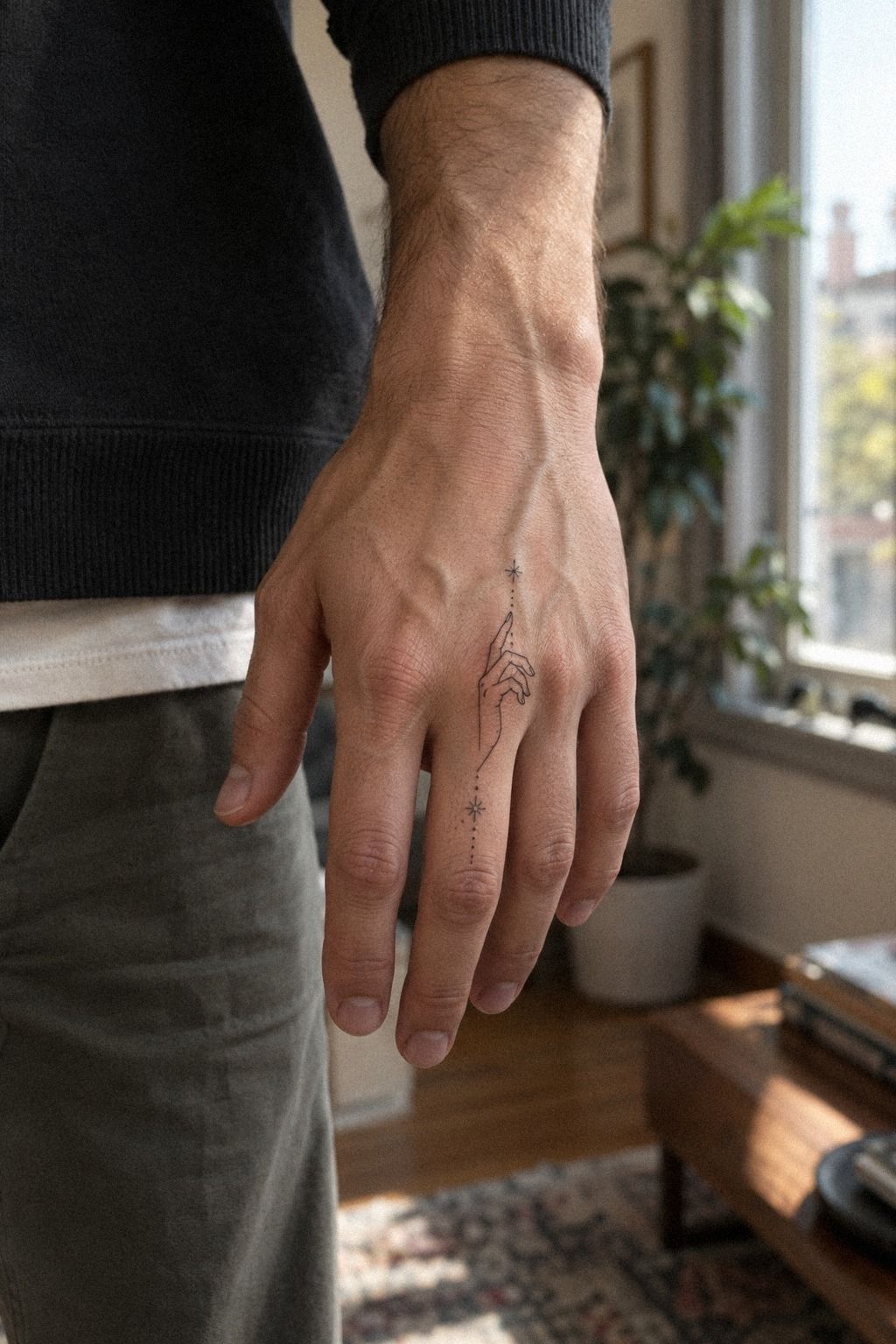
I expected the appointment to hurt, and it did. The side of my finger delivered a sharp, hot sensation that felt more concentrated than the softer pressure I’d experienced on my upper arm. The pain was brief, but the area stayed tender afterward.
Hands, feet, ribs, and sternum are commonly more painful because they have thinner padding and more sensitive structure. Forearms, thighs, and shoulders are usually more tolerable. You’ll want to plan around your own experience, not someone else’s pain scale.
My artist worked in short pauses, wiping the skin and checking the line. The process felt raw but manageable, and I kept my hand relaxed instead of gripping the chair. Tension won’t make you fierce; it’ll only make the session harder.
I booked a short appointment rather than adding three more designs. A compact tattoo can take less than an hour, but the exact time depends on detail, placement, and the artist’s pace. If you’re nervous, start with one clear piece and give your body a straightforward test.
9I Followed a Careful Healing Routine
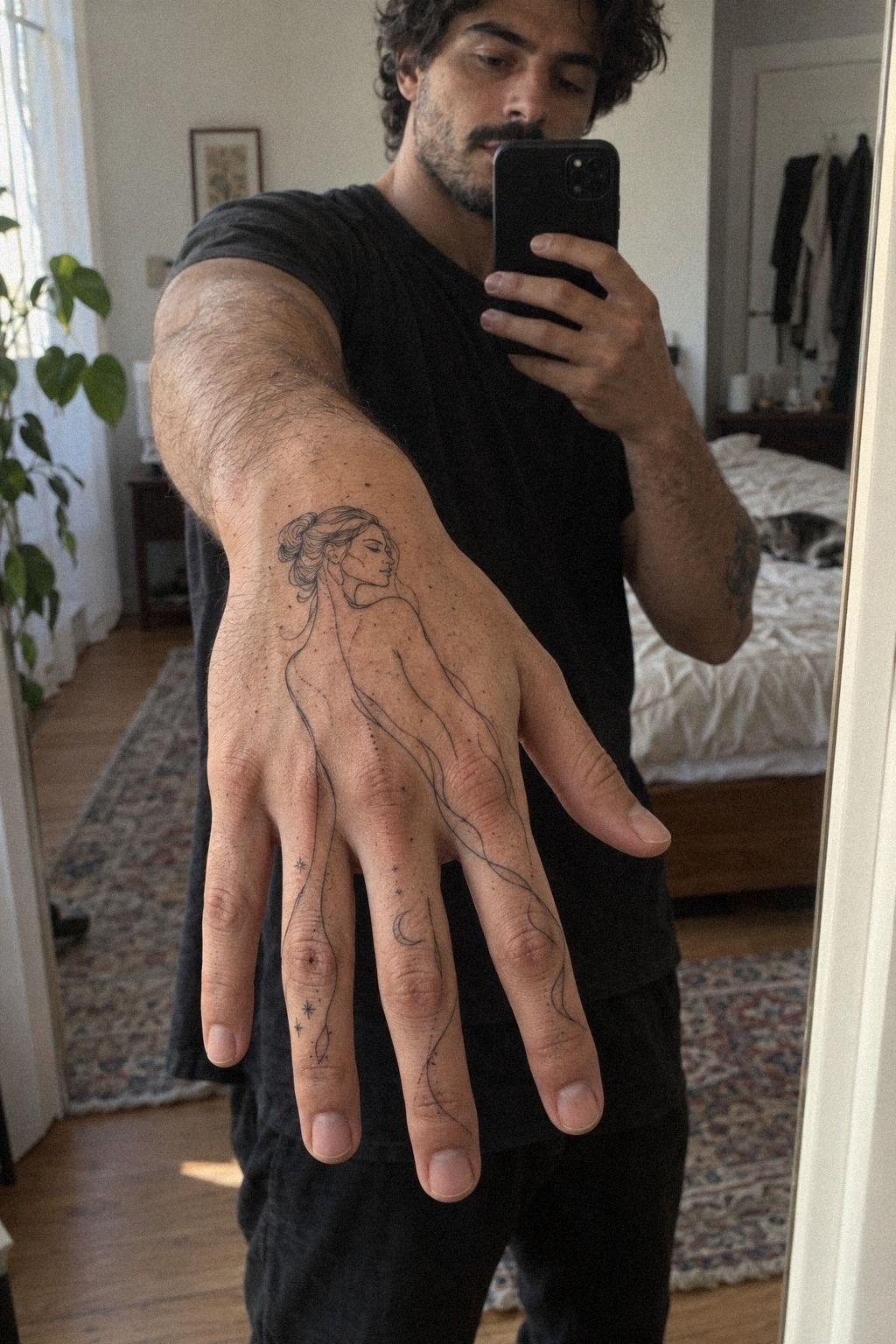
My artist covered the fresh tattoo and gave me simple aftercare instructions: wash gently, pat dry, apply a thin layer of aftercare, and leave the skin alone. I wrote everything down before leaving because excitement makes surprisingly poor memory.
For the first few days, I used lukewarm water and a mild, fragrance-free cleanser. I avoided scrubbing, soaking, and picking at the peeling skin.
The goal wasn’t to make the tattoo look perfect immediately. It was to keep the gentle wash routine consistent.
After washing, I patted the area dry with a clean paper towel and waited briefly before applying product. Too much ointment can leave the skin damp and irritated, so I used only a thin aftercare layer as directed by my artist.
The tattoo looked darker at first, then became flaky and slightly dull. That stage made me nervous, but it was part of the normal healing process. I resisted the urge to compare it with fresh studio work or touch the surface every hour.
I kept the finger away from pools, hot tubs, and long baths while the skin was open. I also avoided tight rings that rubbed directly against the tattoo. Small habits mattered more than elaborate products during the healing window.
My artist told me to contact the studio if I noticed unusual swelling, spreading redness, severe pain, or discharge. That advice was reassuring because it gave me clear boundaries instead of vague worry.
Hand tattoos face soap, sunlight, keyboards, tools, and constant movement. I couldn’t remove every source of friction, but I could reduce unnecessary friction points while the skin was vulnerable. That was my first real test!
10I Protected My Small Hand Tattoo
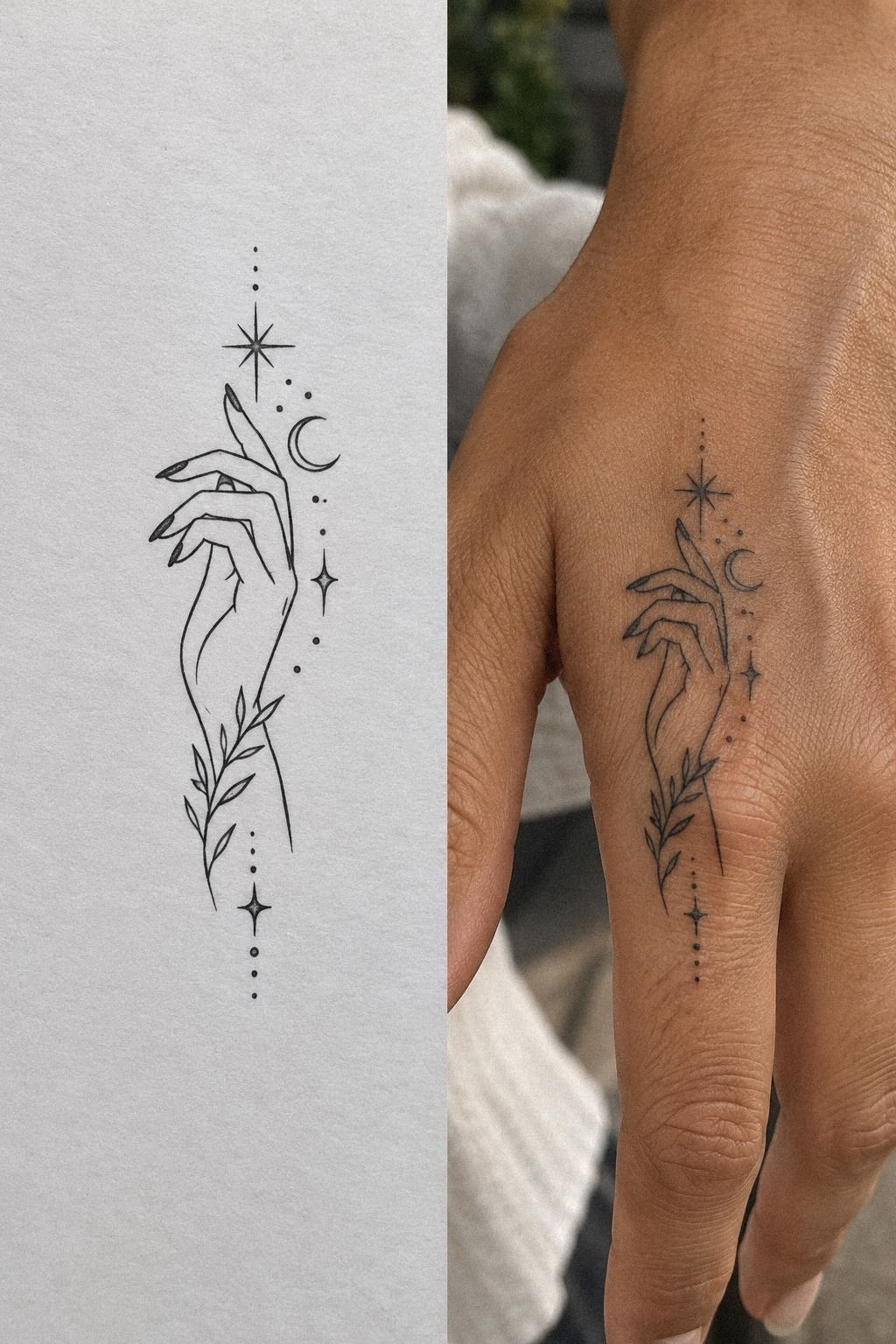
The stencil and healed hand looked noticeably different. On paper, the line seemed saturated and sharp. On healed skin, it was calmer, with the natural texture of the hand visible around the mark.
That distinction matters!
I started using sunscreen on my hands every morning once the tattoo was fully healed. UV exposure can accelerate fading, and hand placement already receives plenty of daylight. A broad-spectrum sunscreen became more useful than occasional panic after a beach day.
I also stopped judging the tattoo against its fresh version. The healed result was more understated, but the symbol read naturally with my skin. A little softening isn’t the same as failure, especially when the line remains coherent.
My artist said black ink and sensible spacing usually age better than crowded pale details. I agree. I’d choose solid black ink with open space over a multicolor miniature if the goal is a mark that still looks intentional years later.
For additional placement and care ideas, I used these small tattoos with meaning as a reminder that visibility and longevity often trade places. The most important habit was daily hand care.
11I Styled My Finished Finger Ink
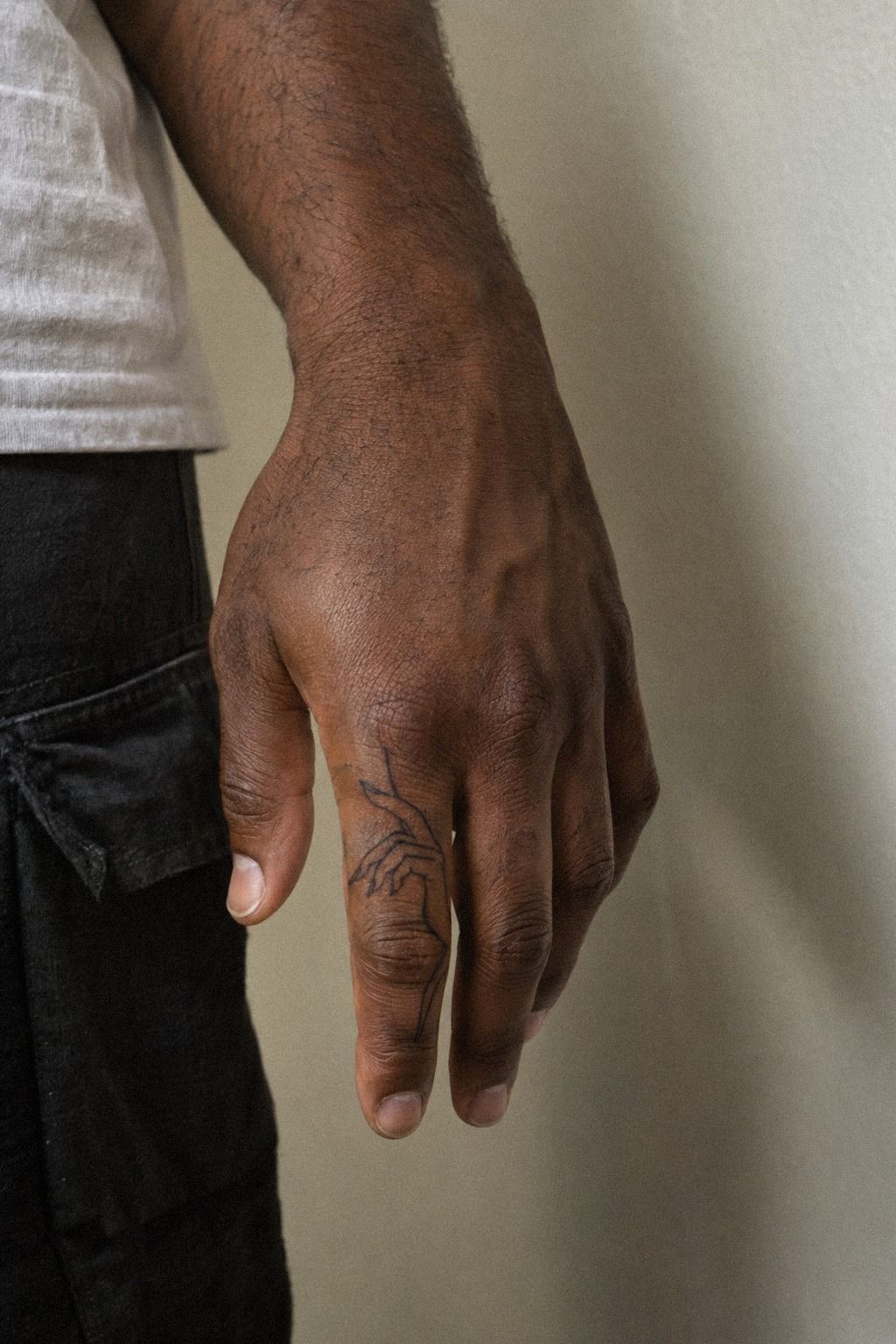
I didn’t style the tattoo with matching jewelry or build an entire look around it. I wore my usual thin silver ring, a plain watch, and short natural nails. The ink became part of my hand instead of a separate announcement.
On days when I wore a heavier ring, the tattoo looked edgy. With no jewelry, it appeared minimal and almost private. You can change the mood around a small mark without changing the mark itself.
I tried gold, silver, and no metal at all. Warm gold made the black line feel softer, while silver made it look crisp and graphic. I wouldn’t match every accessory to the tattoo because that can make a tiny piece feel overmanaged.
And I still look at it when I’m waiting for the kettle or scrolling through messages. That small habit is the emotional part I couldn’t plan. The tattoo isn’t loud, but it’s meaningful, stylish, and entirely mine.
A simple band works best for me because it doesn’t compete with the finished finger tattoo. That is the part I still love!
How Much It Cost
My final price depended on the artist’s minimum, the consultation, and the short appointment. I didn’t expect a tiny tattoo to be priced like a fraction of a larger piece because artists still prepare the station, sterilize equipment, design the stencil, and reserve time for the work.
Typical US references are more useful than pretending every studio uses one fixed number. A small hand or finger tattoo often falls around $100 to $300, while a studio minimum may sit near $50 to $100. An hourly rate commonly lands around $100 to $250, depending on the artist and region.
My own appointment landed within the small-tattoo range, but you shouldn’t treat that as a quote for your studio. Ask about the minimum, touch-ups, deposits, and whether the consultation is included. I’d rather pay a clear rate than choose a cheaper artist with no healed portfolio.
You can compare the design scale in these small simple hand tattoos before requesting a quote. Bring one or two references, explain your placement, and let the artist tell you whether the detail will survive at that size. Ask about the touch-up policy before paying a deposit.
The Three-Source Meaning Rule
I use three tests before keeping a tattoo idea: it has to connect to a memory, look clear in black ink, and suit the movement of my hand. If it passes only one test, I let it go. That rule keeps my choices understated and less vulnerable to a passing trend.
You can use the same check with any sketch. Ask what the shape means, how it will look from a normal distance, and whether you’ll still enjoy seeing it while typing or washing your hands.
The answer doesn’t need to be dramatic. It needs to be honest.
The design also had to pass my black-ink test. If it only worked with shading, color, or several tiny details, I knew it wasn’t strong enough for my finger.
The Two-Week Visibility Check
I wait two weeks before booking a design that I can’t stop saving. I place a temporary version on my hand, photograph it in daylight, and watch whether I still notice it after the novelty fades. This small delay has protected me from several playful ideas that looked exciting for one evening.
The test isn’t about removing joy from the process. It gives your better ideas time to become clearer. A timeless symbol usually survives the wait, while a design chosen from pure impulse often loses its pull.
My temporary version also revealed practical problems. One sketch twisted when I typed, another looked crowded beside my ring, and the final curve stayed readable through ordinary movement.
What I Learned About Living With Small Hand Ink
I used to think the main decision was the drawing. After living with hand ink, I think the harder choice is accepting that your skin, habits, and time will participate in the final result. My first design looked bold and clean when it was fresh, then softened into something more integrated.
That change didn’t disappoint me. A tattoo is not a sticker placed on top of you; it becomes part of how your hand moves through daily life. The hand ink has to work while you type, wash, drive, cook, and reach for your phone.
I also learned that a tiny tattoo can carry more emotional weight than a larger one. I see it constantly, which makes a symbolic choice feel intimate, almost sacred. It also exposes every hesitation I had before booking.
My biggest mistake was focusing too long on whether the design looked fashionable. The better question was whether the mark belonged to my hand. When I stopped chasing an iconic shape and chose a small curve with personal history, the appointment became easier.
Fresh work can be vibrant and striking, but that isn’t the only stage worth considering. I care more about whether the fresh tattoo still has a clear shape after the first weeks of peeling, settling, and ordinary handwashing.
The daily visibility surprised me most. Some days the mark feels dainty and private; other days it looks sharper and more daring against a ring. That shifting impression is part of why I still enjoy the daily visibility.
I’d still tell you to inspect healed work, ask about the artist’s single-needle experience, and think honestly about sun exposure. A portfolio of healed work will tell you more than a dramatic studio shot.
I’d also tell you not to demand permanence from a style that lives on high-friction skin. A touch-up may become part of the story, and that’s not a reason to avoid a graceful first tattoo. It’s simply a question to raise during the artist consultation.
My final recommendation is simple: choose a symbol with enough open space to age honestly, then accept that maintenance may be part of loving it. The possibility of a future touch-up doesn’t make the tattoo less meaningful.
The Questions I Get Asked Most
How much do small hand finger tattoos for women usually cost?
A small hand or finger tattoo usually costs about $100 to $300 in the US. A shop minimum may be $50 to $100, while hourly rates can reach $250. The final price depends on the artist, region, detail, and placement.
Are small hand finger tattoos for women a good idea for a first tattoo?
Yes, if you choose a simple design, understand the visibility, and accept that hand ink may fade faster. The appointment can be brief, but the placement is exposed. Start with a symbol you’ll still want after a two-week waiting period.
How do I choose an artist for small hand finger tattoos for women?
Review healed photos and look for consistent linework on hands. Ask about hygiene, needle choice, touch-ups, and experience with small designs. A portfolio showing stable healed lines tells you more than a dramatic flash sheet.
How much do small hand finger tattoos for women hurt?
Hands and fingers often feel sharper than forearms, thighs, or shoulders. My finger tattoo felt concentrated and hot, but the appointment was short. Your pain level, placement, and artist’s technique will affect the experience.
How long do small hand finger tattoos for women take to heal?
The surface usually heals in about two to three weeks, while complete healing can take roughly two to three months. Follow your artist’s instructions, avoid soaking the tattoo, and protect healed ink from UV exposure.
What’s the best placement for small hand finger tattoos for women?
The side of a finger offers a discreet, graphic placement, while the top is more visible but may receive more sun and friction. I prefer the side because it keeps a small line readable without making every gesture feel like a display.
Where I’d Start First
If I had to pick one, I’d start with a side-finger symbol in clean black ink. It keeps the design visible without making every gesture feel like a performance.
Give your favorite sketch two quiet weeks. If it still feels meaningful after the novelty fades, choose an artist with healed hand work and enough restraint to let the skin remain part of the story.