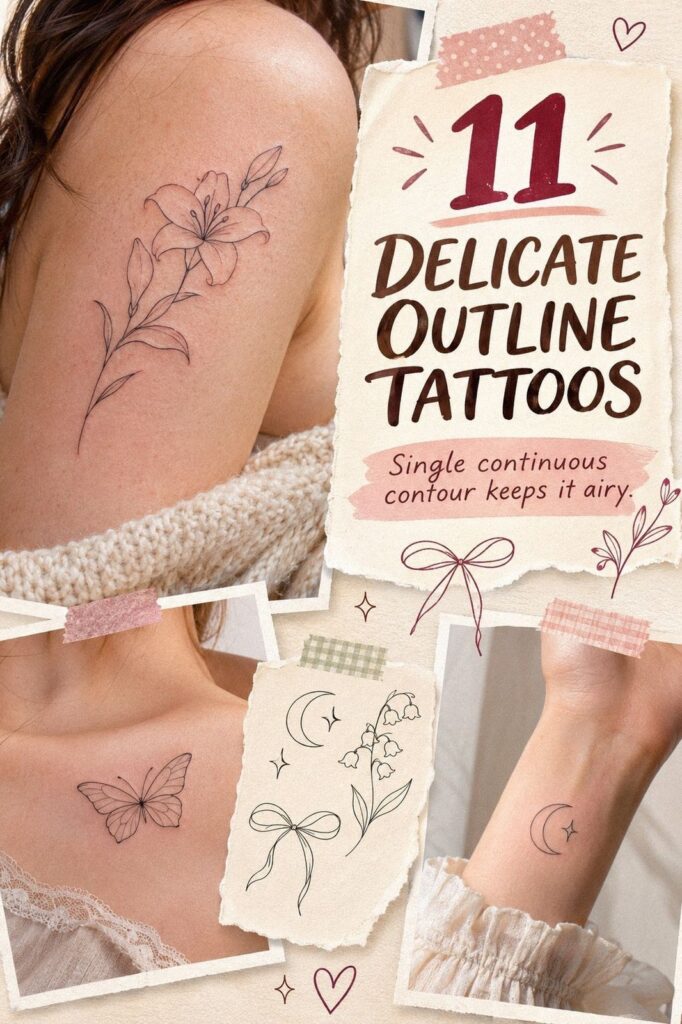
Delicate outline tattoos can feel intimate without disappearing. I chose mine after saving the same patch of skin for years. Then I tested the design at wrist size before committing. The result felt personal, crisp, and easier to live with than the louder piece I nearly booked.
Short version: placement matters most. I wanted something meaningful, not merely stylish.
Here’s what it looked like before
Before I chose anything, I had clear skin and no design that felt honest enough. I’d saved sketches, screenshots, and notes, but none had earned the appointment.
My skin wasn’t emotionally blank, either. I’d been waiting for a symbolic design that felt private without explaining my whole life to everyone who saw it.
The hesitation helped. I noticed I didn’t want a large statement, dense shading, or a trendy shape I’d outgrow.
I wanted an intricate outline with enough breathing room to remain readable. If you’re starting from the same place, compare small outline tattoos before choosing a final scale.
Quick answer: the design mattered, but the placement choice mattered more. That was the part I kept returning to!
- I Chose My First Delicate Outline Tattoo
- How I Sketched Small Delicate Outline Tattoo Ideas
- Fine Linework, Clear Meaning
- Unique Delicate Outline Tattoos: What Survived?
- I Tested Placement On My Wrist
- Before the Appointment: My Short List
- I Sat Through The Delicate Linework
- The Fresh Ink Check
- Aftercare, Not Guesswork
- How the Outline Tattoo Healed
- Sternum or Statement?
1I Chose My First Delicate Outline Tattoo
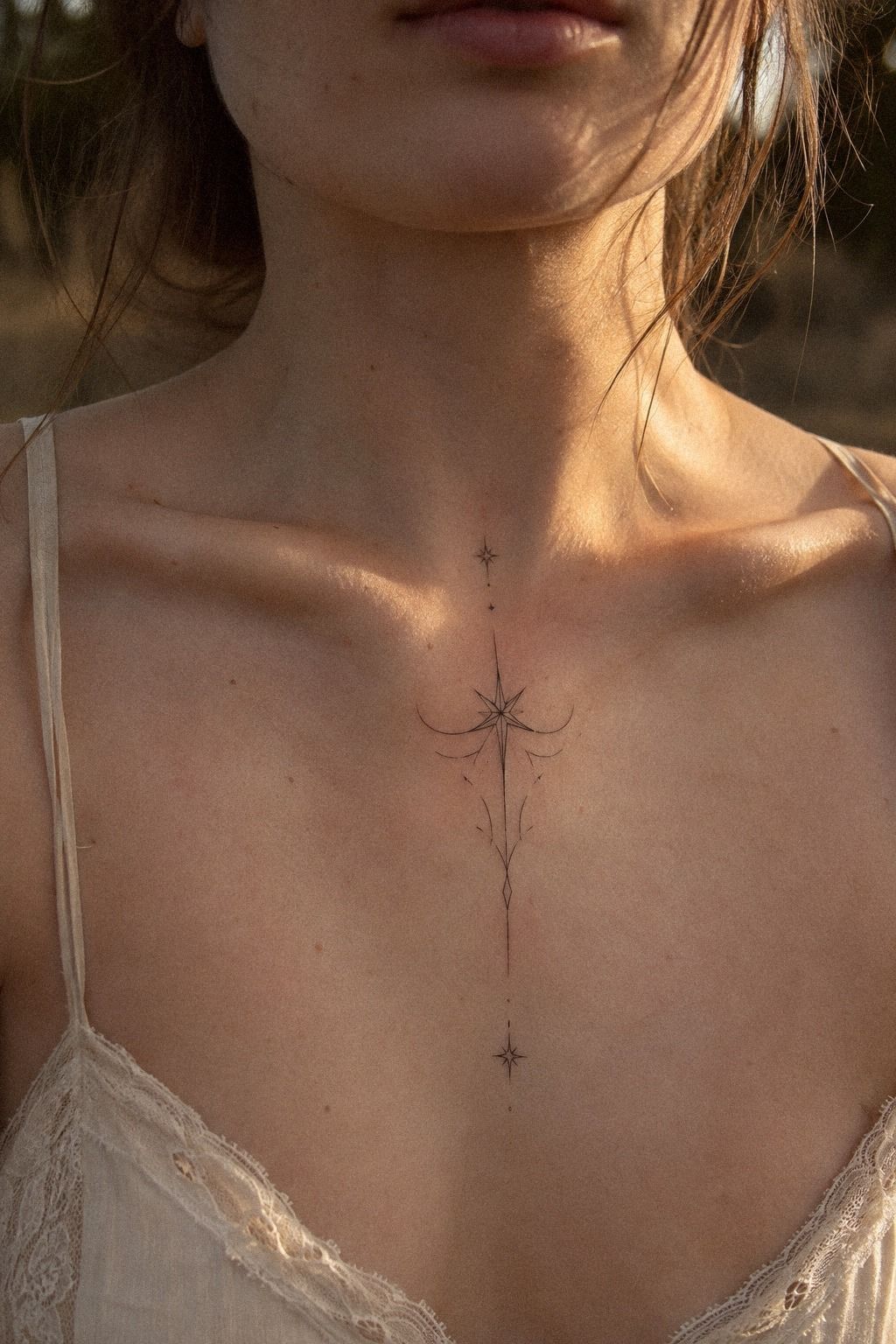
I began with a small sternum design because the placement felt private and deliberate. I asked for clean contours instead of shading.
I wanted something delicate, but not timid. The line needed to read clearly when I looked down.
My first draft was too complicated. It had several tiny interior marks, and I’d convinced myself that more detail meant more meaning.
It didn’t. I removed two shapes and kept the outer contour. The final symbol became more elegant and easier to recognize.
If you’re comparing ideas, minimalist outline tattoos can help separate useful detail from visual noise.
I also considered a thicker black tattoo ink line, but I rejected it. A heavier outline would’ve made the piece bolder.
It also would’ve changed the quiet feeling I wanted near my sternum. I’d rather have one crisp curve than six crowded marks competing for attention.
The appointment felt less frightening once I had a final drawing. I saved it at a small scale and asked to see it positioned on my body first.
That pause mattered. You can love a sketch and still dislike its shape when it follows your skin.
2How I Sketched Small Delicate Outline Tattoo Ideas
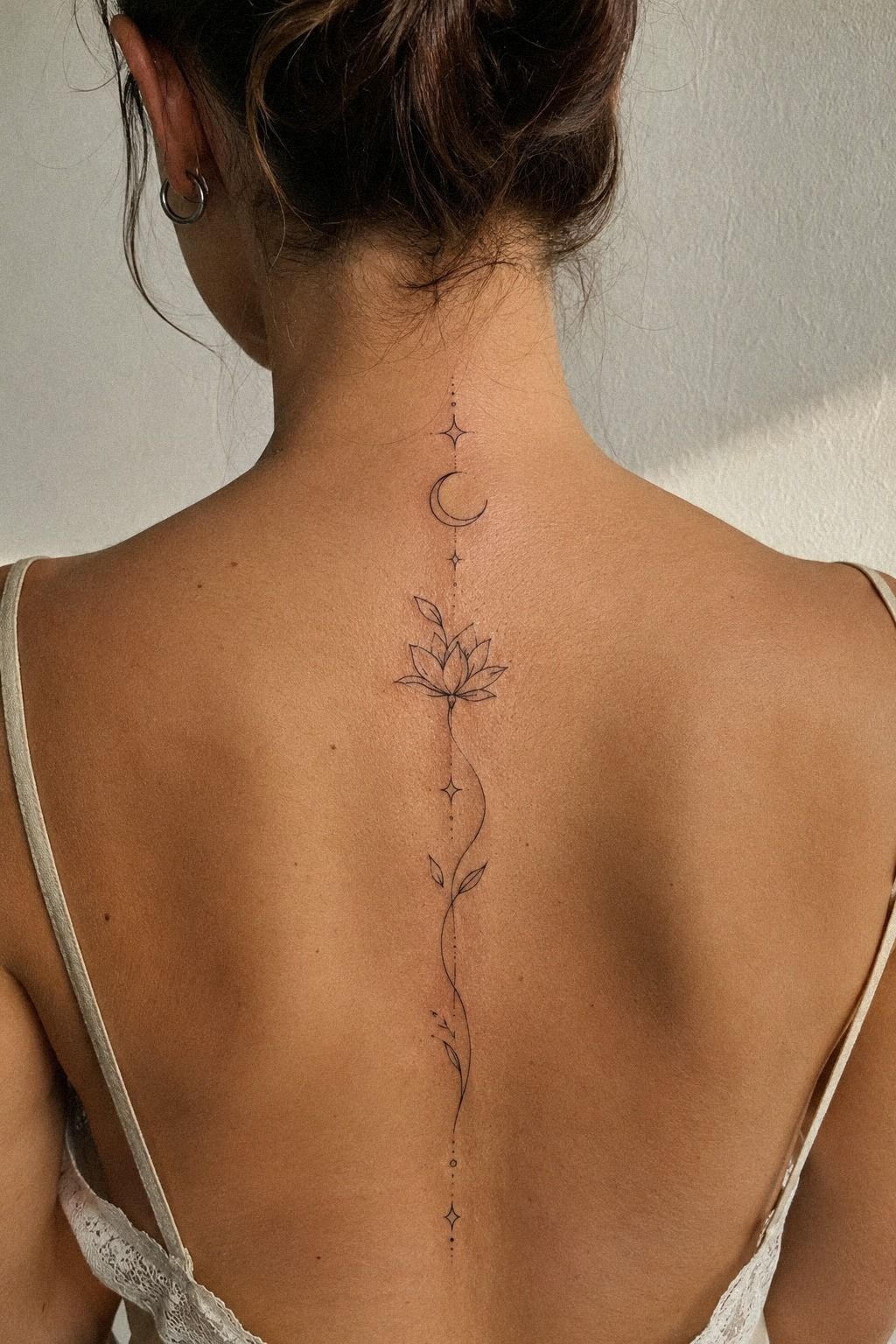
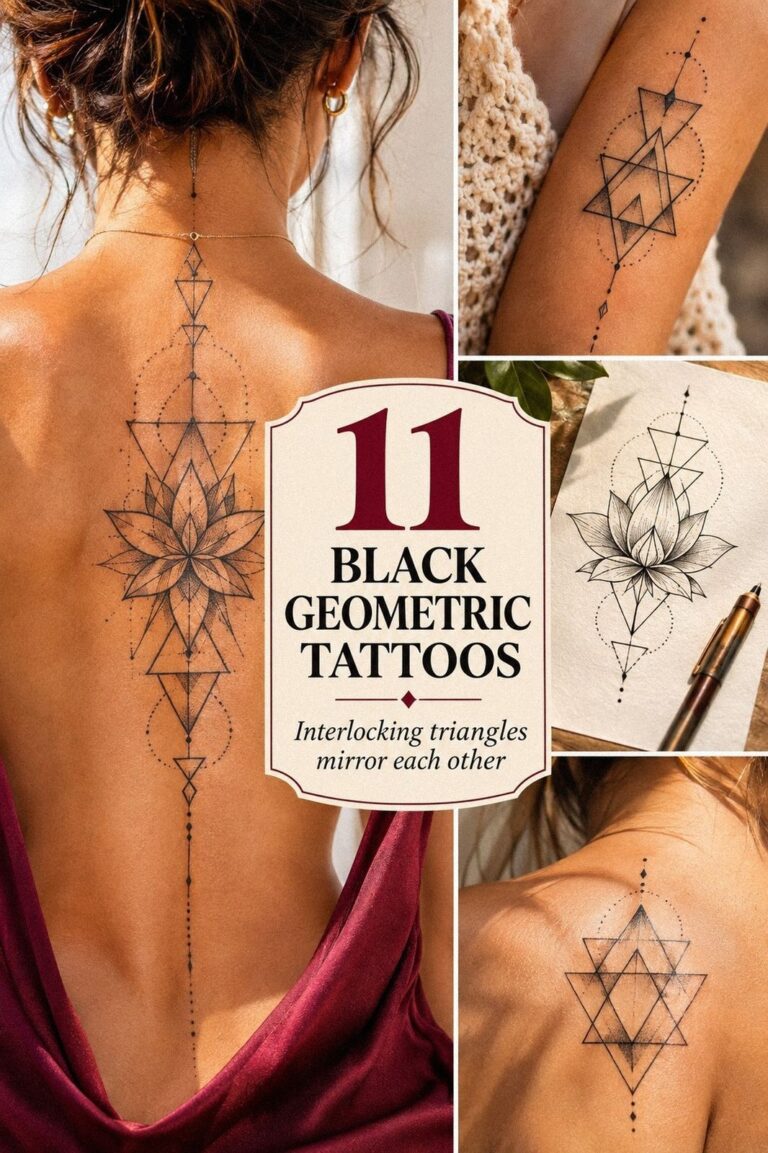
My second stage was paper, not a booking form. I sketched small delicate outline tattoos along a spine-shaped page so I could study how a vertical design moved. I copied the rhythm rather than the exact reference.
The result felt dainty, balanced, and surprisingly expressive.
I tested three versions with a graphite transfer pencil. One was too narrow.
One was too ornate. The middle version had the most graceful spacing. You’ll want to look at the gaps between lines, not only the symbol itself.
Empty areas keep an intricate motif from becoming a dark stripe when reduced.
The sketch exposed my favorite detail. A small curve looked almost playful on paper, but it became more personal when I placed it near the center line. That’s when I understood why delicate small spine tattoos appealed to me.
I didn’t copy every detail from the reference. I’d rather borrow the structure and make the meaning mine. If you’re drawing at home, print the design at two sizes, then stand back several feet.
The version that looks understated up close may read most clearly from a distance.
3Fine Linework, Clear Meaning
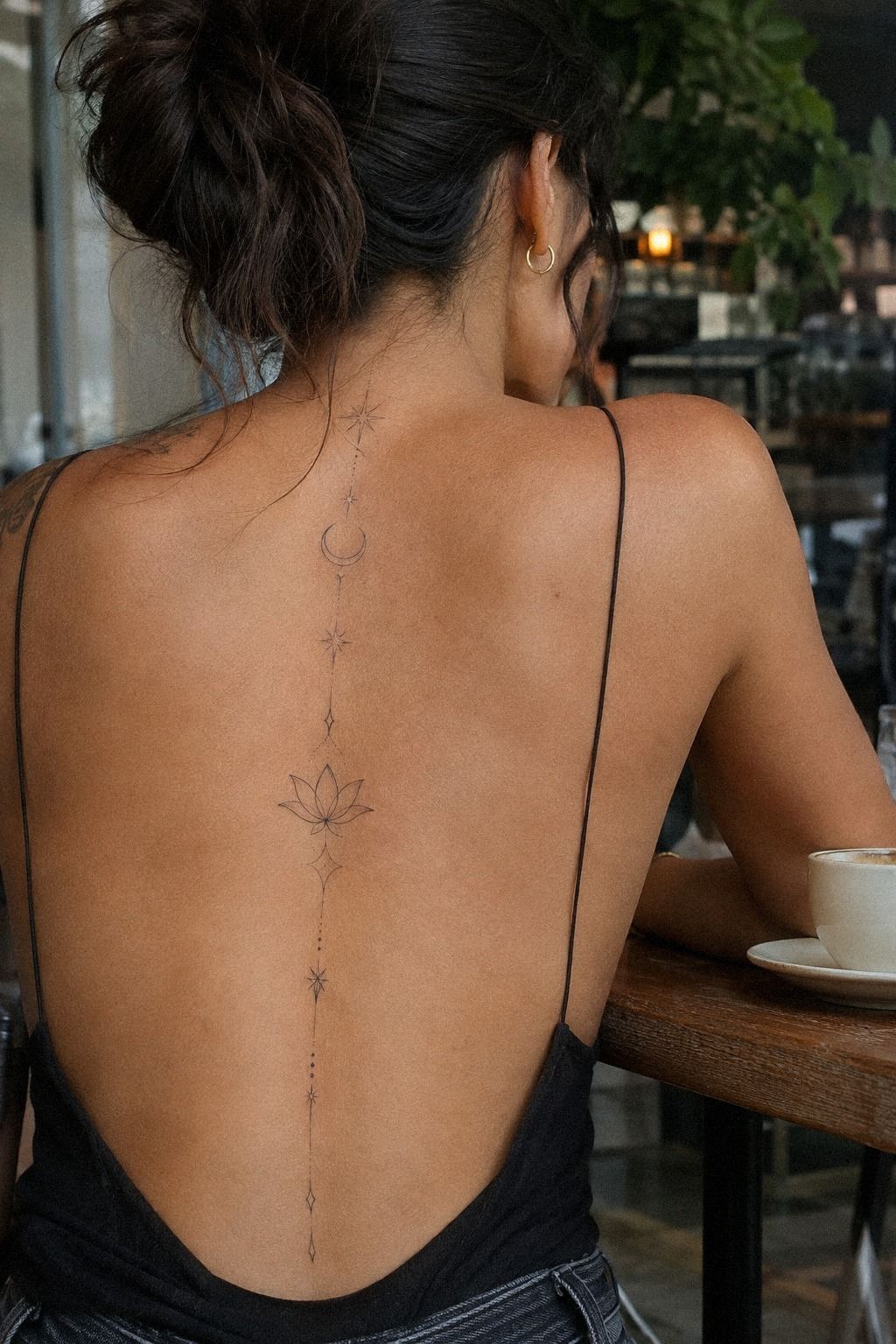
I wanted the linework to carry the feeling, so I matched each curve to a specific part of my story. The central mark felt sacred, while the smaller curve gave the design an ethereal, almost whimsical softness.
4Unique Delicate Outline Tattoos: What Survived?
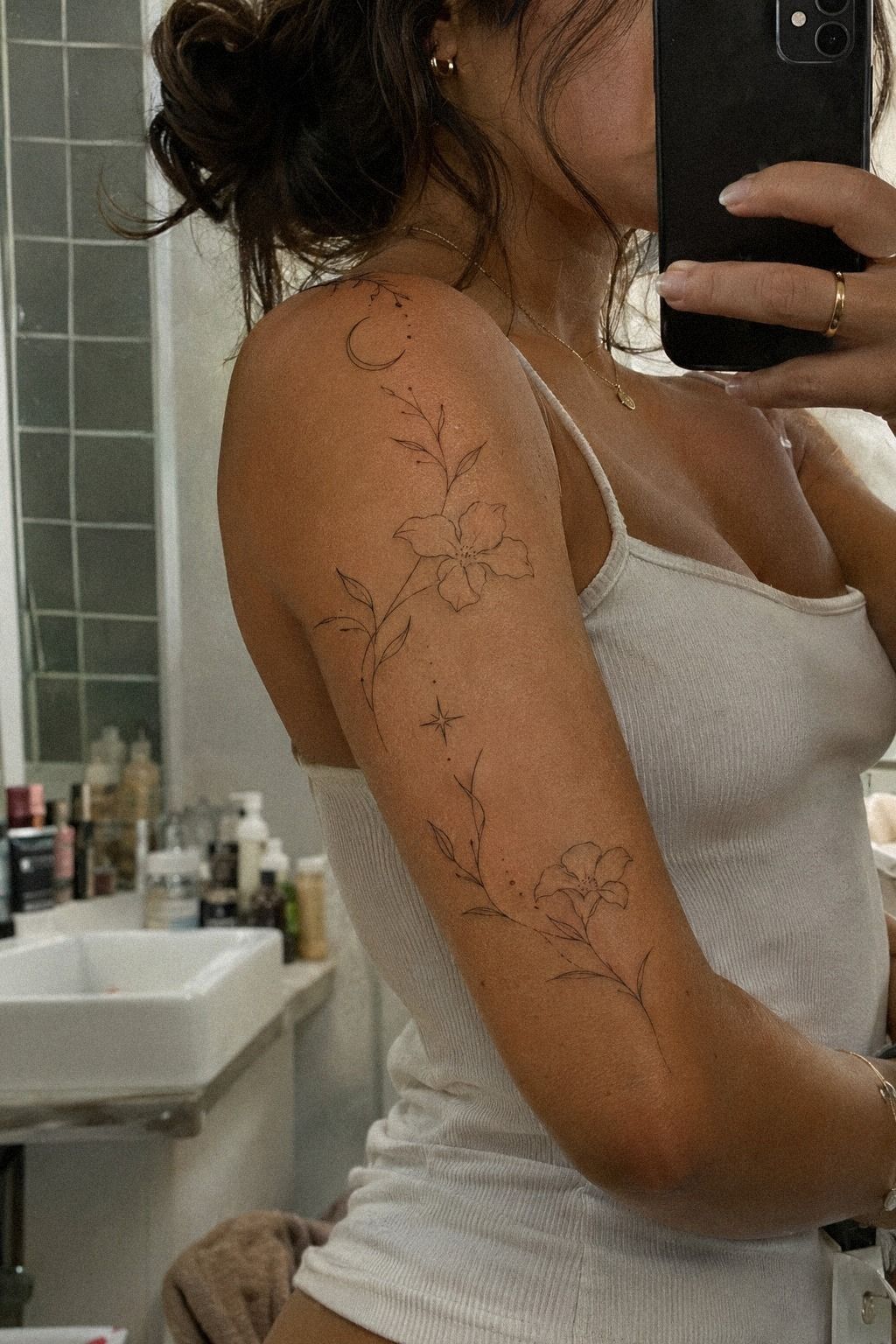
I compared unique delicate outline tattoos with one practical question: would the unique outline tattoo still look like itself without a caption?
That test removed several attractive but generic ideas. A design could be stylish and still feel empty.
I kept the one that made me pause before I could explain why. That reaction felt more useful than chasing whatever looked popular.
5I Tested Placement On My Wrist
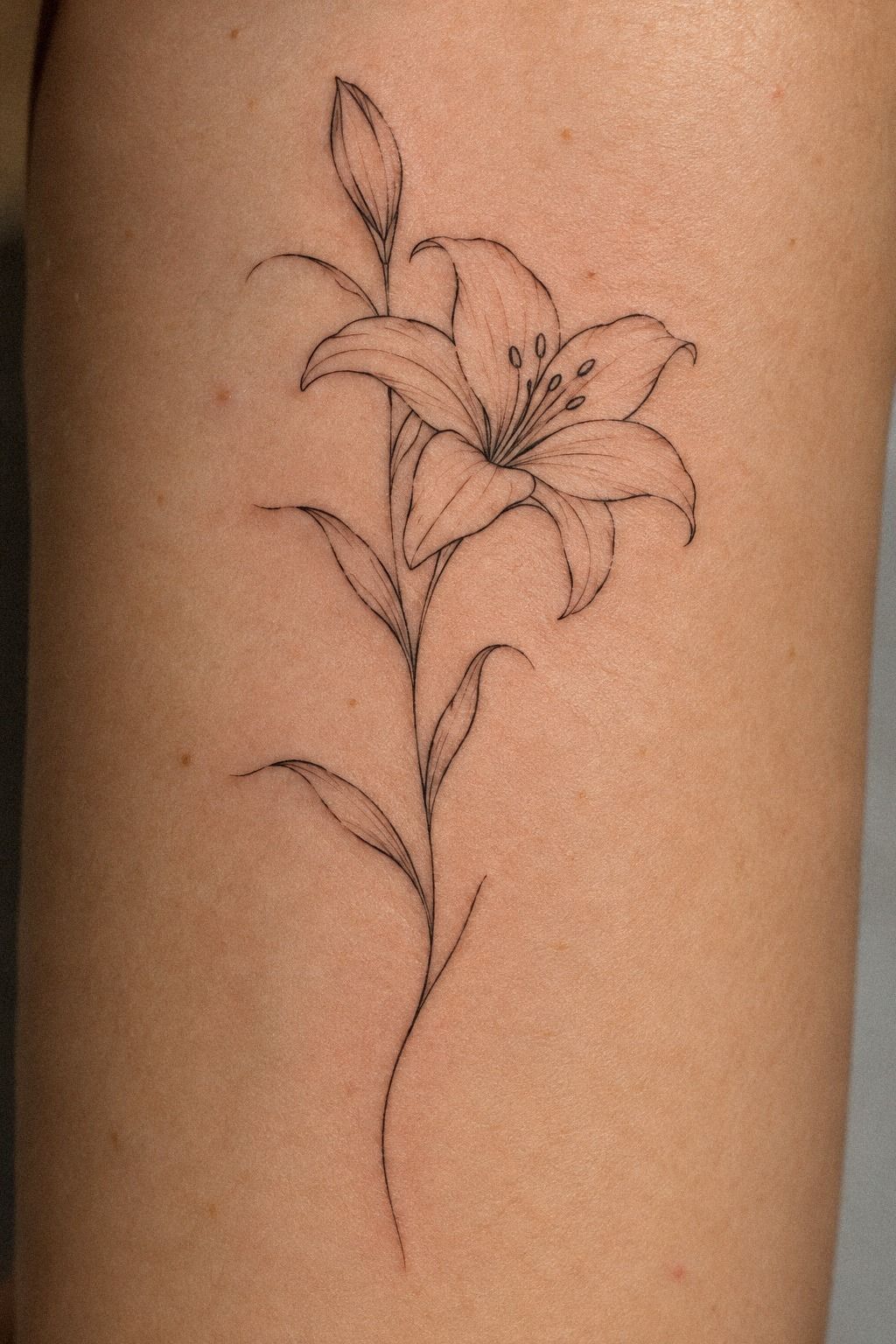
Before finalizing the sternum, I tested the design on my wrist using a temporary transfer. I wore it for two days. It sat beside my watch, caught on my sleeve, and appeared in nearly every photo of my hands.
That made the choice easier. The wrist tattoo looked polished, yet I didn’t want a personal symbol to become an everyday conversation starter. If you’re considering the wrist, delicate small wrist tattoos can help you compare scale and visibility.
The test revealed that the wrist bends constantly. A narrow transfer shifted when I moved, while the sternum version stayed visually stable.
You’ll notice those changes quickly if you wear the sample through a normal day. Try typing, washing your hands, and pulling on a sleeve.
I still love visible wrist tattoos. They can feel empowering when you want the design in view. They can also feel bold and demanding.
For my meaning, though, the sternum felt more intimate. I preferred the small thrill of seeing it only when I chose to look.
That choice felt daring in a quiet way. I wasn’t choosing the most visible placement or the most iconic symbol. I was choosing the location that let the tattoo remain personal.
6Before the Appointment: My Short List
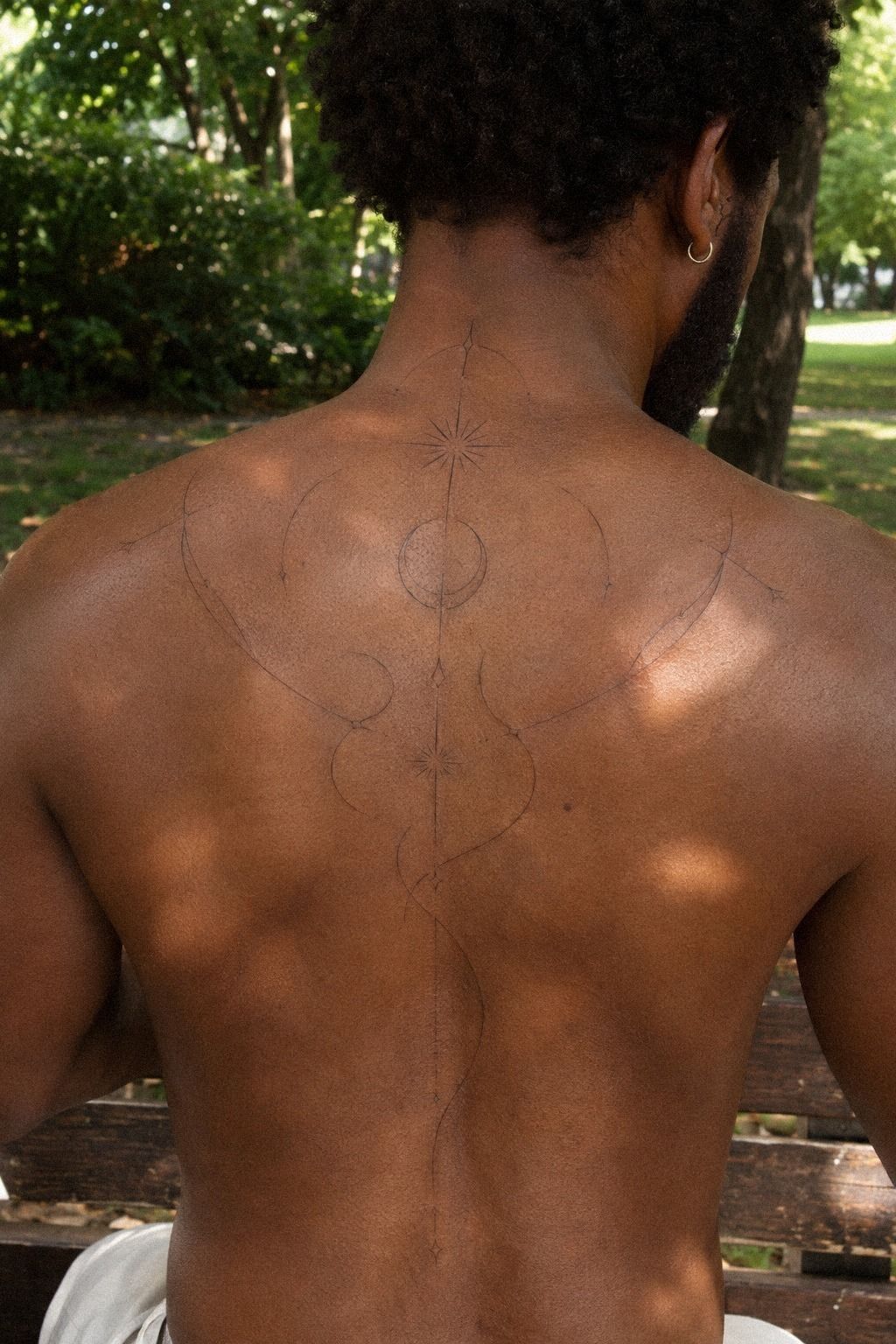
Preparation became simple once I stopped treating the appointment like a dramatic event. My booking checklist had only a few items: healed work, clear communication, clean supplies, and a design I could explain.
I also asked about the studio minimum and the expected tattoo cost. That conversation helped me judge the value before booking. A low price wouldn’t be worth it if the artist’s healed work didn’t match the sleek style I wanted.
The portfolio mattered most. I searched for healed linework, not only striking fresh photos.
That choice felt practical and quietly fierce. Fresh work can look dramatic; healed work tells you what you’ll actually live with.
7I Sat Through The Delicate Linework
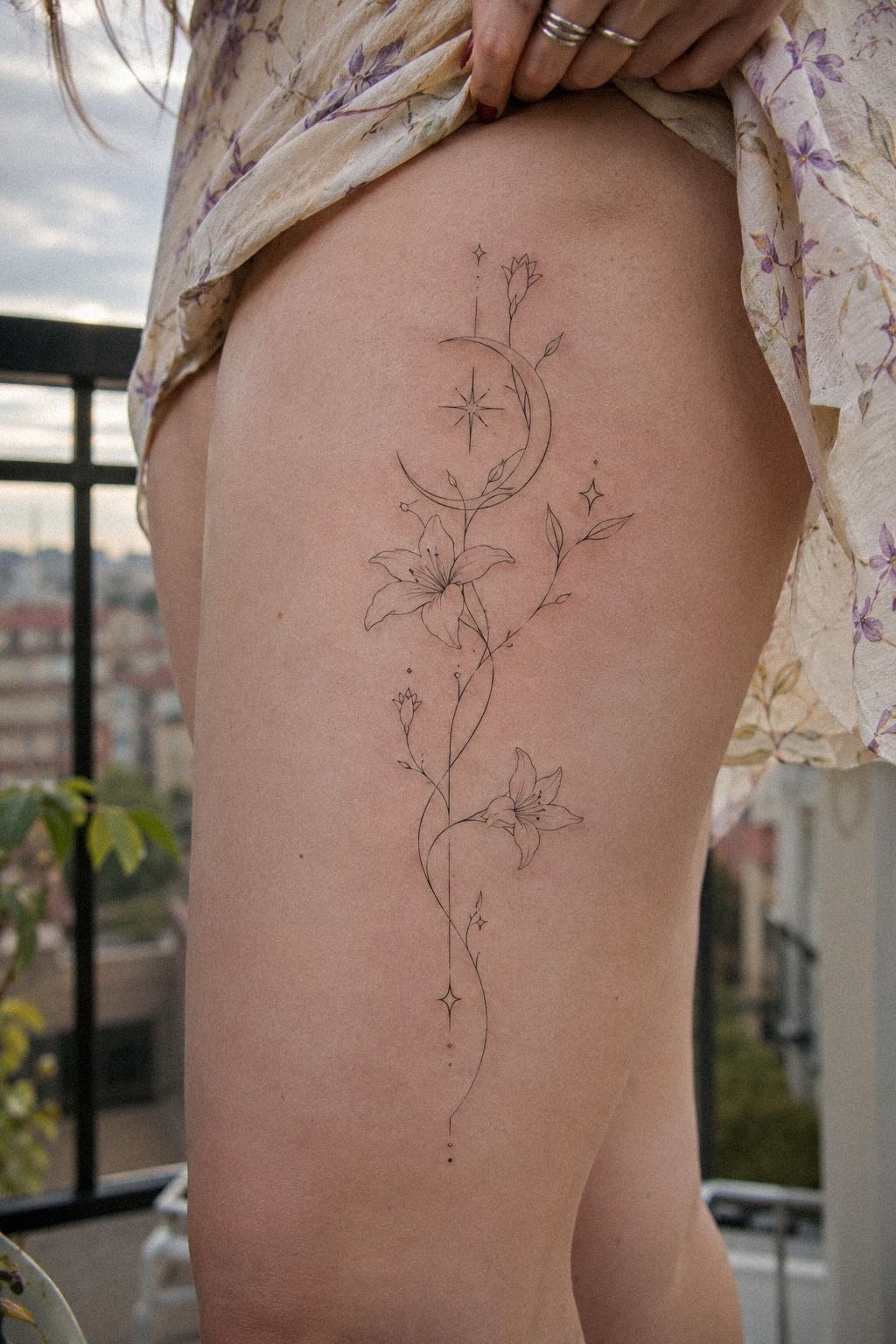
My appointment was shorter than I’d expected because the outline had no dense shading. Still, I felt every pass differently across the sternum.
Some areas were gentle. Spots close to bone felt sharp and immediate.
I kept my breathing steady and watched the first curve appear. It was almost delicate enough to forget.
Then the central shape made the meaning visible. That was the emotional moment for me. I’d spent months choosing the symbol, but only then did it become part of my body.
A single-needle cartridge can create a very fine result, but the artist still controls pressure, spacing, and depth. You shouldn’t choose an artist only because the portfolio looks soft online.
Ask whether their healed work remains readable. If you’re nervous, small outline tattoos can help you understand how minimal designs are built.
I wouldn’t describe the sensation as nothing. It was manageable, but the sternum was more intense than my wrist test. When the final wipe revealed the whole outline, I laughed with relief.
What a relief!
8The Fresh Ink Check
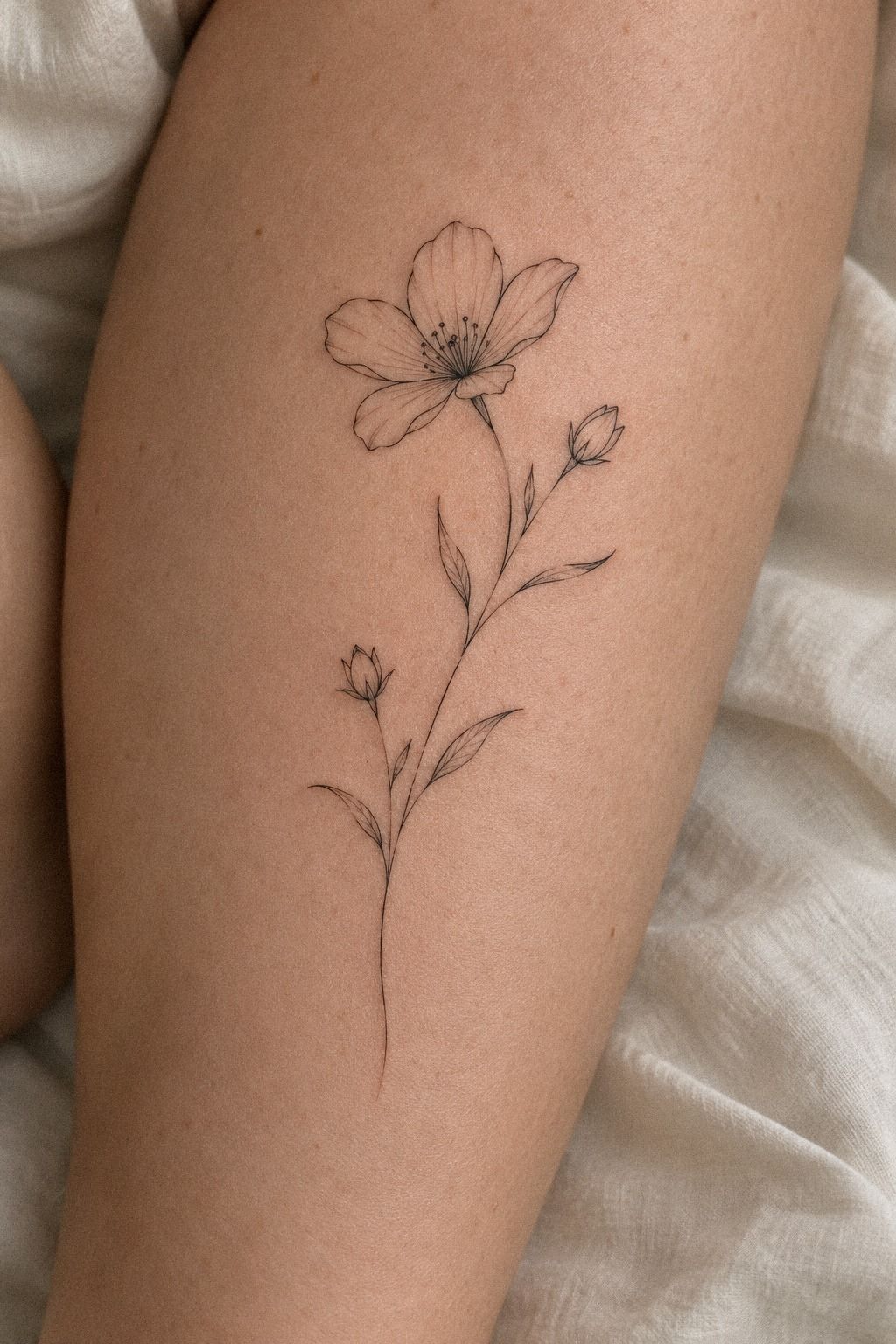
Fresh skin can look swollen, shiny, and darker around the edges. I focused on clarity rather than judging the fresh skin too quickly. The first hour isn’t the finished result.
My artist gave me a clear aftercare film and explained when to remove it. I checked that the lines were complete, the design matched the stencil, and no section had been missed. You can ask for a photo before leaving if the placement makes it hard to see.
I looked at the piece under natural light later that day. The outline appeared crisp, with a few areas softened by normal irritation. I’d expected the tattoo to look delicate immediately, but it looked more defined, vibrant, and dramatic while fresh.
If you’re comparing calf, wrist, or hand placements, delicate small wrist tattoos and delicate side hand tattoos show how visibility changes the experience. Take one clear photo, follow the instructions, and stop inspecting every line every ten minutes!
9Aftercare, Not Guesswork
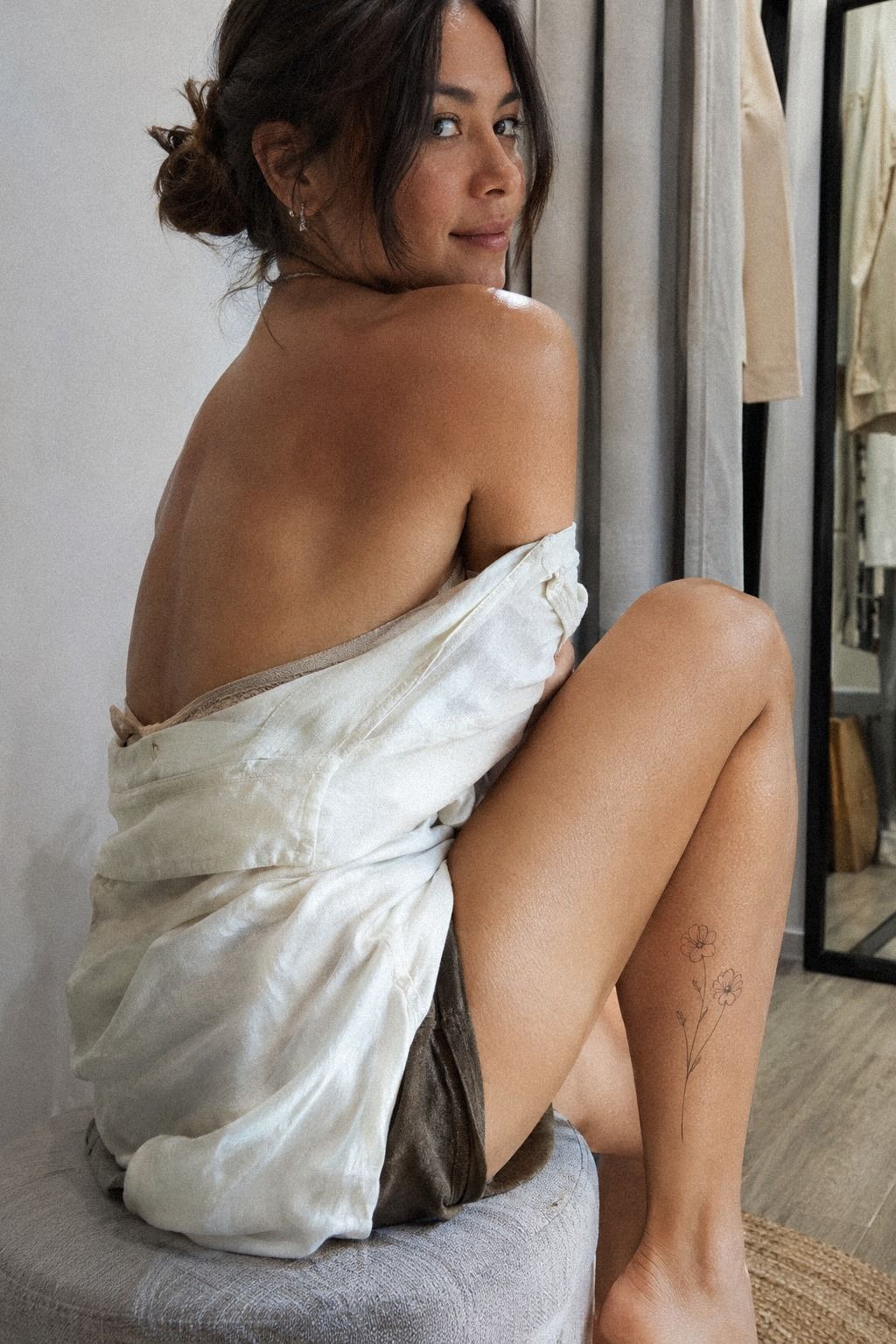
My aftercare routine was simple. I washed gently, followed the artist’s instructions, and kept friction low. I didn’t add products just because they were popular.
I used a small amount of fragrance-free soap and avoided picking at flakes. The process wasn’t glamorous. It was disciplined, calm, and worth the effort.
The key was respecting the healing surface. I skipped swimming, avoided direct sun, and chose loose clothing when the area felt sensitive.
You don’t need a complicated routine. You need consistency.
10How the Outline Tattoo Healed
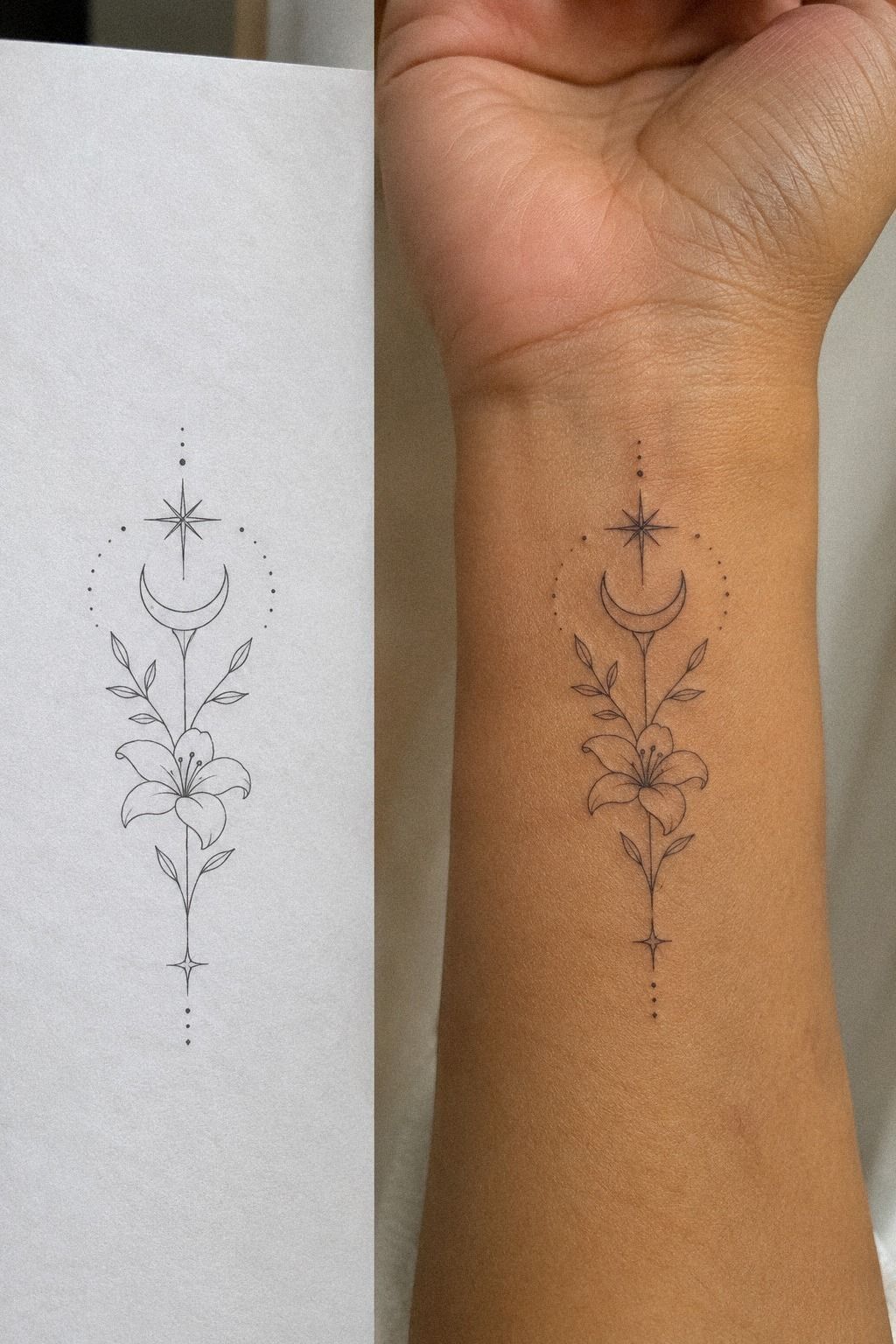
The fresh version looked darker and sharper at first. The healed version appeared softer and more integrated with my skin. I wanted that honest comparison for my own healed tattoo outline.
At around two weeks, the surface looked much calmer. I still avoided judging the long-term line.
The ink wasn’t as black as it had been on appointment day, and that was normal. You’ll want to wait before deciding whether a touch-up is needed.
Fine lines can spread or soften over time, especially with sun exposure, friction, and constant movement. Solid pigment and sensible spacing tend to age more reliably than extremely pale, crowded details. I’d rather protect one clear symbol than add fragile marks.
The design still felt timeless when I checked it in natural light. If you’re comparing possible placements, delicate small spine tattoos and delicate small wrist tattoos can help you think about movement and visibility. The healed version wasn’t identical to the stencil, but it felt more lived-in.
11Sternum or Statement?
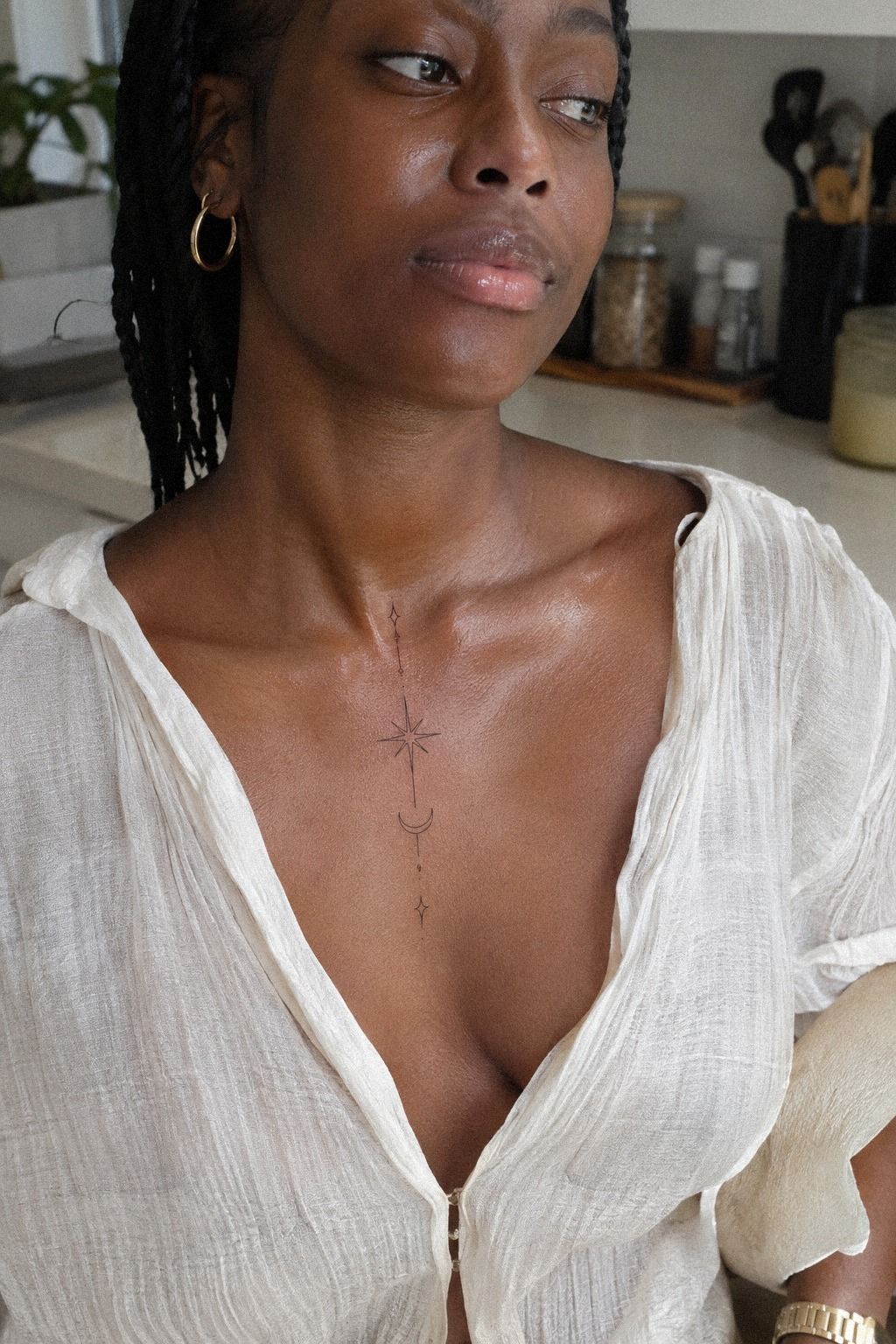
Styling my new tattoo didn’t mean hiding it or turning it into an accessory. The placement looked elegant because the design had room around it. I chose clothing that let me decide when the symbol appeared.
For everyday wear, an open neckline made the tattoo more visible. A higher neckline kept it private.
That flexibility mattered. The deep brown skin reference also reminded me to judge tattoo work across different skin tones, not through one narrow portfolio.
I didn’t add jewelry or another tattoo beside it. The minimal shape already had a strong presence.
Crowding the area would’ve changed its quiet quality. You can build a collection slowly.
One symbolic piece can feel more powerful when you give it space.
After several weeks, I stopped checking it constantly. That was the real sign that I’d chosen well.
If you’re planning a similar piece, minimalist outline tattoos and delicate side finger tattoos can help you compare understated designs. Mine feels romantic, personal, and still slightly hidden.
The Tiny Detail That Changed It
The smallest meaningful detail was a single flowing curve near the center. It wasn’t obvious to anyone else. I knew why it was there, and that made it more valuable than a larger decorative element.
That curve also kept the design from feeling too serious. It gave the tattoo an expressive quality without making it loud. If you’re unsure about a symbol, look for one detail that carries your private meaning.
A Wrist Test Answers the Visibility Question
The wrist test gave me information no sketch could provide. I saw how often I’d notice the tattoo, how quickly strangers might notice it, and how the watch strap changed the shape.
That visibility can be a benefit. A visible tattoo may feel bold and affirming.
It can also become background noise. For me, the sternum offered a more understated relationship with the design.
What I Asked Before Booking
I asked whether the artist had healed examples, how they handled small details, and what the studio minimum covered. I also asked for a realistic quote instead of guessing from someone else’s price.
Those questions made the booking feel less mysterious. They helped me compare value, not just cost. A tattoo can be a worthwhile investment when the design, artist, and placement all make sense.
My Rule for Meaningful Scale
My rule is simple: make the design large enough to stay readable. The smallest possible tattoo isn’t always the best value. Tiny marks can become muddy when the spacing is too tight.
A readable outline gave the symbol room to age. That choice felt more confident than forcing every idea into a smaller shape. If you’re working with an artist, ask what scale protects the design.
The right scale can make a classic idea feel fresh. It can also prevent a delicate tattoo from becoming an indistinct blur.
How Much It Cost
My useful budget wasn’t one invented receipt total. Delicate outline tattoos vary by artist, region, studio minimum, placement, and session length. I treated common US ranges as planning markers, not promises.
A small piece may cost around $100 to $300. Some studios charge a minimum even when the design takes less time. That planning range helped me decide whether the tattoo was worth it before I booked.
I’d reserve enough for the studio minimum, the artist’s rate, and a fair tip if that’s customary where you live. You can compare small outline tattoos before booking so you understand how size and detail affect the quote. Ask for the final price directly.
What I Learned About Delicate Outline Tattoos
I used to think the best delicate outline tattoo would be the smallest possible version. I was wrong.
The strongest design kept enough space between its lines to remain readable after healing. That choice made it feel crisp and lasting.
I also learned that privacy can be part of the meaning. A sternum placement gave me control over who saw the tattoo.
You may want a visible wrist or hand piece, and that’s valid. I’d ask whether daily visibility supports the private meaning or slowly turns it into background decoration.
The artist’s portfolio mattered more than the studio’s visual branding. I looked for clean healed examples, consistent line depth, and work across different skin tones. A striking fresh photo can attract you, but healed work tells you what you’ll live with.
Finally, I stopped chasing a universal rule for how tattoos should age. Fine lines may soften.
Skin changes. Sun exposure matters.
None of that makes the choice foolish. If the design is meaningful, well placed, and cared for, a little change can make it feel more personal.
The Questions Worth Answering First
How much does a delicate outline tattoo usually cost?
A delicate outline tattoo commonly costs about $100 to $300 in the US. Studio minimums may begin around $50 to $100, while hourly rates may run about $100 to $250. Artist research matters because region, detail, placement, and experience can change the quote.
Are delicate outline tattoos a good idea for a first tattoo?
Yes, they can be a good first tattoo when the design is readable and the placement suits your tolerance. A personal symbol gives you a clear reason to keep it, while an artist’s healed linework portfolio helps you choose realistic detail.
How do I choose a tattoo artist for delicate outline tattoos?
Review healed portfolio photos, confirm the artist regularly creates fine linework, and ask about studio hygiene before booking. Clean healed lines matter more than one dramatic fresh image. Ask how the artist adapts designs for your skin and placement.
How much do delicate outline tattoos hurt?
Pain varies by person and placement. Ribs, feet, hands, and the sternum tend to feel more intense, while the forearm, thigh, and shoulder are often more tolerable. Placement comfort can affect your experience more than the tattoo’s small size.
How long does a delicate outline tattoo take to heal?
The surface commonly takes about 2 to 3 weeks, while complete healing can take roughly 2 to 3 months. Gentle aftercare means washing softly, moisturizing as directed, avoiding direct sun, and skipping swimming until the surface heals.
What’s the best placement for delicate outline tattoos?
The best placement depends on visibility, movement, pain tolerance, and sun exposure. The sternum feels private, while the forearm is easier to see and monitor. A stable placement with sensible spacing can help delicate lines remain readable longer.
Where I’d Start First
If I had to pick one, I’d start with the sternum placement. It gave my symbol privacy, enough space to stay readable, and less daily friction than my wrist test. You can study delicate small wrist tattoos first, then choose what still feels like yours when the trend passes.