Scrolling through tattoo designs online can paralyze you. The gap between a flat image and ink living in skin for decades is where most people stall. This guide closes that gap with specifics on how designs translate to real bodies, how styles behave over time, and where certain pictures work better than others.
Color That Lasts
What Fades and What Holds
Black and gray hold structure longest. Dense black lines stay readable for twenty-plus years; soft gray wash creates depth without the maintenance color demands. If your reference picture relies on bright saturation, electric blues, hot pinks, sunset oranges, know that those pigments break down faster. Yellows and light greens often ghost out within five to eight years, becoming muddy or disappearing entirely against lighter skin tones. That does not mean avoiding color. It means placement matters more with color: areas with less sun exposure, inner bicep, upper thigh, torso, preserve it longer than a forearm that sees daily UV.
Skin Tone as Canvas
The same design picture looks radically different on different skin. Deep black ink on melanin-rich skin stays sharp and graphic; pastels and watercolors can disappear or read as bruised. On very fair skin, reds and oranges hold saturation longest. Darker skin carries white ink poorly, it often heals to a light scar tone or vanishes completely. When evaluating color designs, look for healed photos on skin similar to yours, not just fresh, swollen, high-contrast Instagram shots.
Style Realities
American Traditional
Bold outlines, limited color palettes, and iconic imagery, roses, eagles, daggers, pin-up girls. The restraint is the strength. These designs age exceptionally well because visual information is stripped to essentials. A traditional rose at ten years old still reads as a rose. The style also scales predictably: what works at four inches works at fourteen, maintaining legibility.
Photorealism and Its Limits
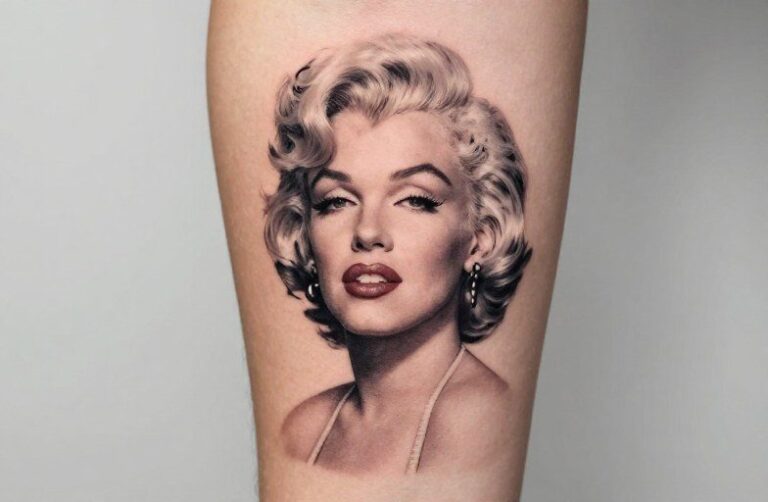
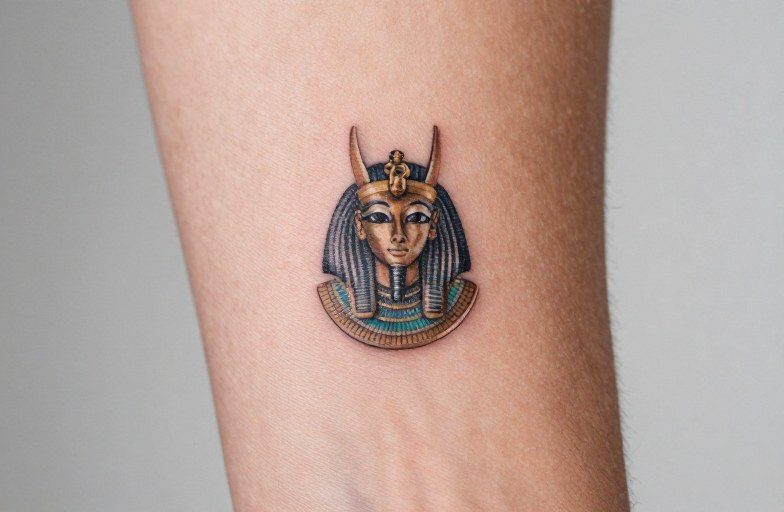
Portrait tattoos from photographs require enormous technical skill and still face biological reality. Skin is not photo paper. Fine details, eyelashes, individual hair strands, subtle smile lines, blur as skin heals and ages. Successful portrait work leans on strong contrast, larger scale, and simplified backgrounds. A palm-sized photorealistic face becomes a smudgy oval in a decade. Go bigger than you think, or choose a stylized interpretation instead.
Blackwork and Ornamental
Solid black, geometric patterns, dotwork, and ornamental flowing designs suit people who want visual impact without representational imagery. The density means longer sessions and more healing care, but the payoff is longevity. Negative space, skin showing through, becomes part of the design itself, and that space stays crisp where color might have faded.
Size and Scale
The Minimums
Small tattoos are not small decisions. A design that looks perfect at two inches square often contains detail that will not survive. Lettering under half an inch tall bleeds together; parallel lines closer than a millimeter merge into one fat line. The minimum viable size depends on complexity:
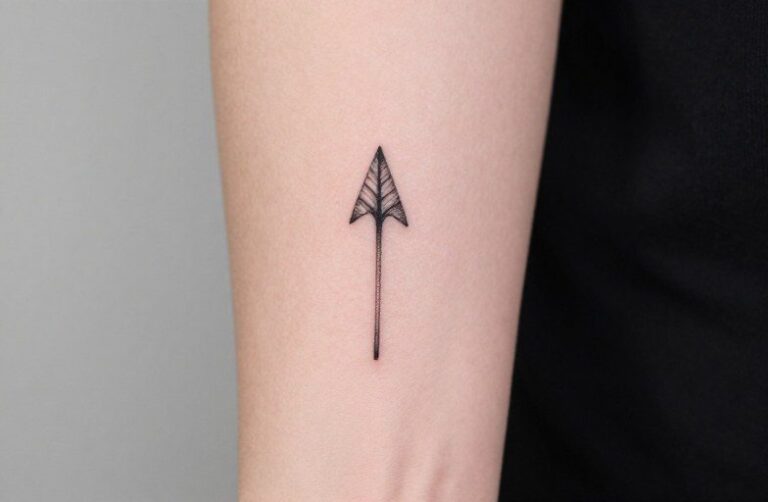
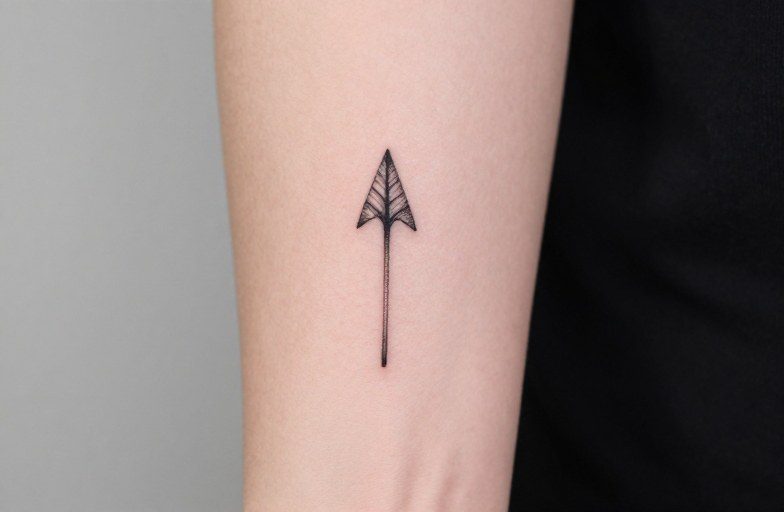
- Simple symbols, hearts, stars, arrows: 1.5 to 2 inches minimum
- Script or lettering: 2 to 3 inches for legibility, depending on font density
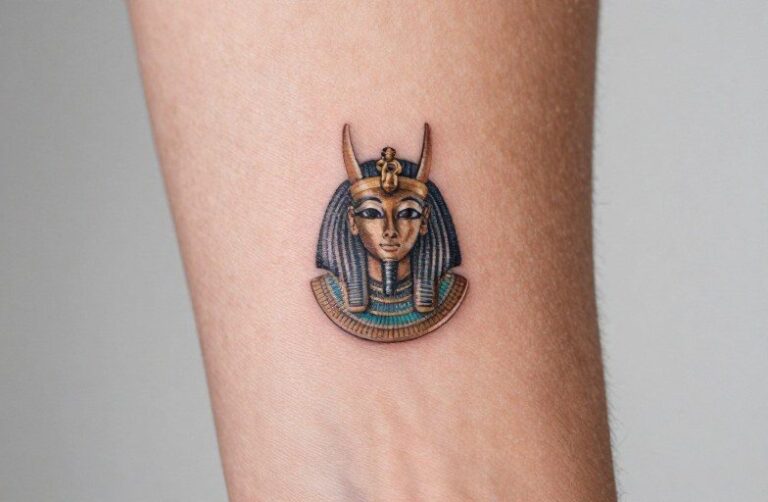
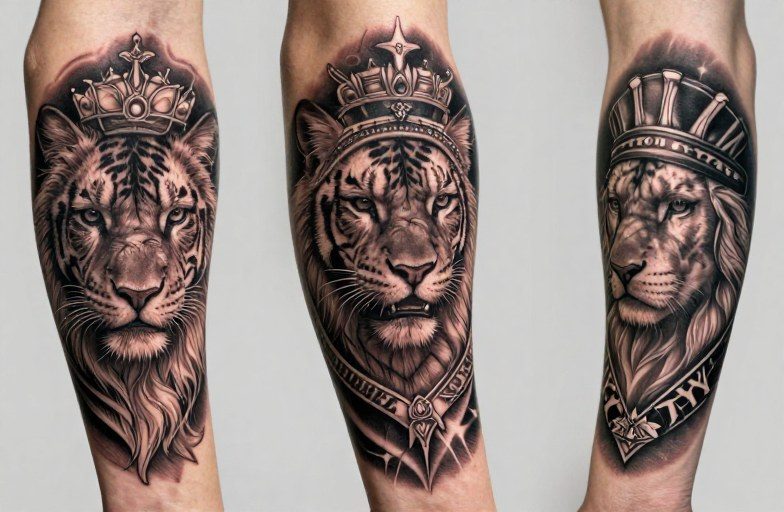
- Animal or figure designs: 4+ inches to preserve recognizable features
- Portraits: 6+ inches for any hope of detail retention
- Geometric mandalas: scale to the body part’s flat surface, not its length
Going Large
Full sleeves, back pieces, thigh compositions give the artist room to create depth through layering and background elements. The design breathes. But large also means multiple sessions, higher cost, and the commitment of a coherent visual plan across sittings. The best large work is planned as a composition, not accumulated piece by piece.
First Tattoo Decisions
Structure Over Story
First tattoos often carry heavy personal significance, which is valid but risky if it leads to overly complex, tiny designs. Choose imagery that works formally, strong silhouette, readable at a glance, not dependent on someone else understanding the private reference. A simple anchor reads as an anchor whether or not the observer knows your grandfather was Navy. A cluster of five specific symbols arranged in a personal code looks like a smudge to everyone else, including future you.
The Placement Test
Before committing, print your design at actual size. Tape it to your body. Live with it for several days. Shower with it. See it in morning light and bathroom light. Notice if it follows your movement naturally or fights against your anatomy. This costs nothing and reveals what Pinterest cannot: how a flat picture becomes a three-dimensional, moving tattoo.
Where to Put It
High-Movement Areas
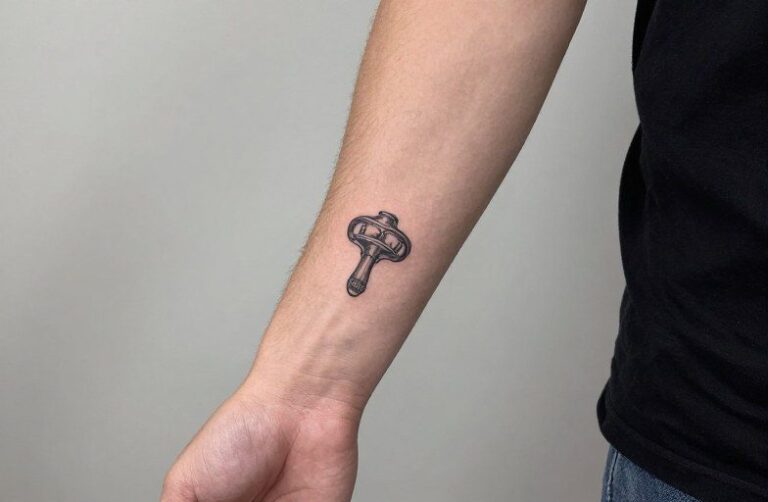
Wrists, hands, fingers, elbows, knees, and feet experience constant flexion and friction. Ink in these areas spreads faster, heals patchier, and often requires touch-ups. Designs here should be simple, bold, and accepting of some blur. Finger tattoos specifically: the skin is thin, the bone is close, and the result is rarely as crisp as the reference picture promises.
Stable, Flat Surfaces
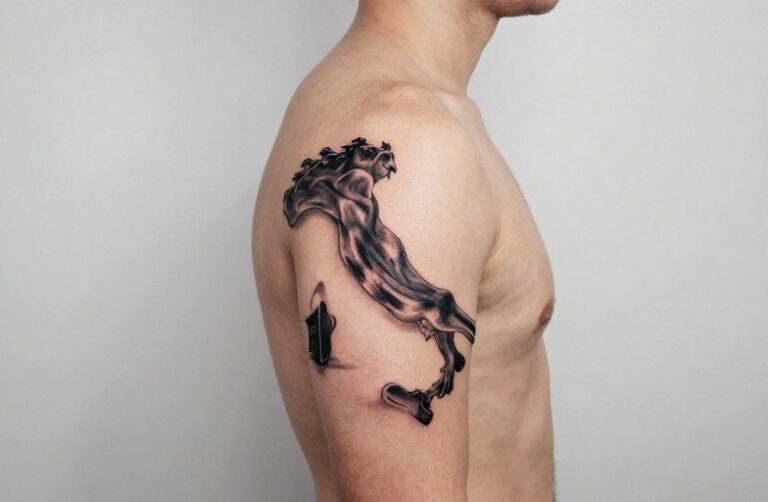
The outer upper arm, outer thigh, calf, and upper back offer the most predictable canvas. Muscle and fat cushion the needle, skin stretches consistently, and sun exposure is moderate. Detailed designs thrive here. The inner bicep and ribcage are flatter than they appear but more painful due to nerve density and thinner tissue, worth it for hidden, protected placement.
Torso and Chest
Large, relatively flat when standing, but dramatically shifting when seated or reclining. Chest pieces on women must account for breast tissue movement; a design centered on sternum skin stretches and compresses significantly. Ribs follow the body’s accordion motion. Artists experienced with torso work design with these distortions in mind, not in spite of them.
Thinking Beyond Common Imagery
Moving past the usual requires thinking about how a design occupies space rather than what it depicts:
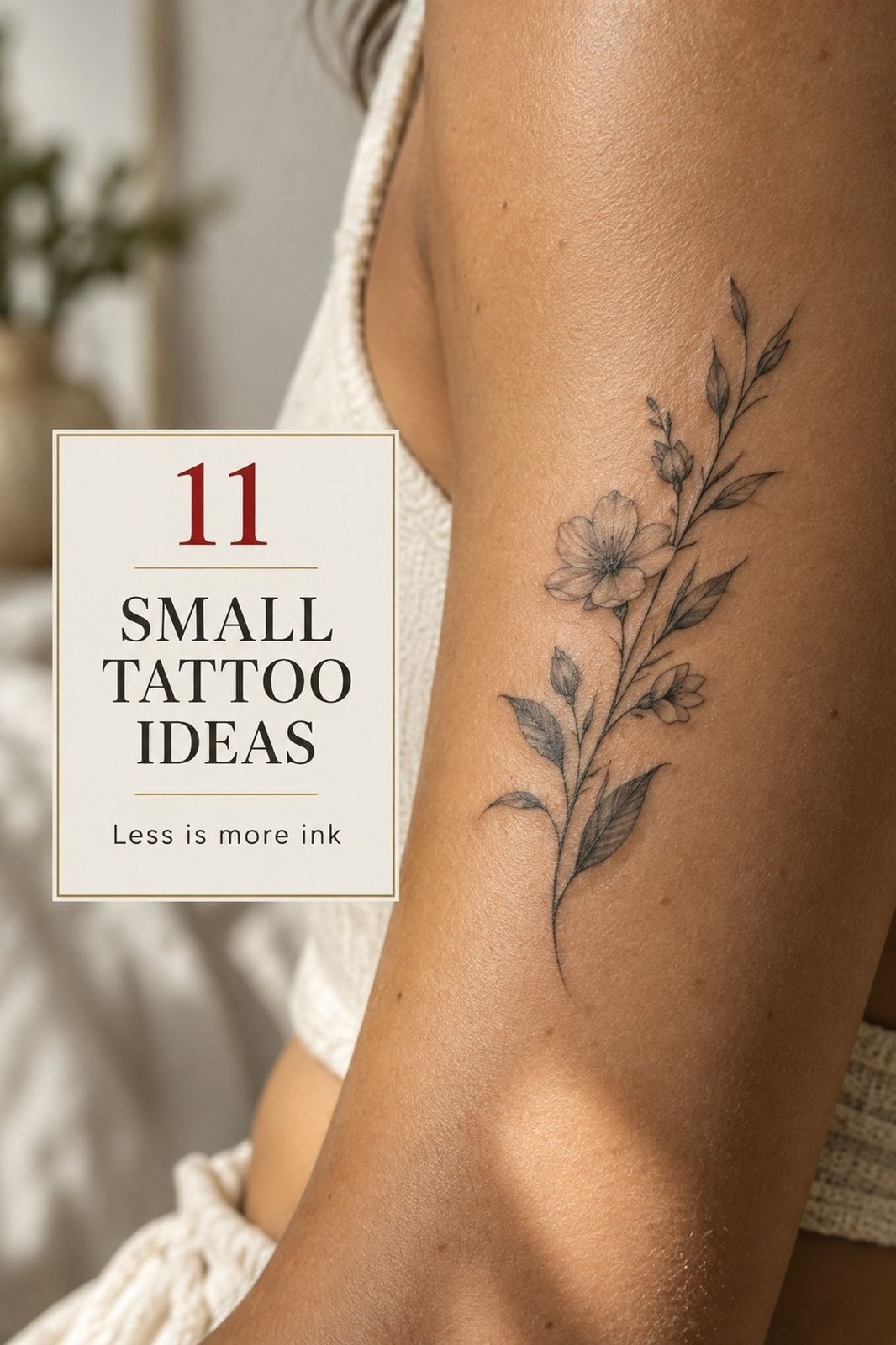
- Botanical with negative space: Leaves and stems that wrap around the body’s natural curves, letting skin show through as sky or background. Ages better than dense floral packing.
- Abstract brushstroke: Single bold black marks that suggest calligraphy or paint. The looseness is intentional, so aging does not betray the design.
- Anatomical hybrids: Muscle structure, skeletal elements, or vascular patterns merged with organic forms. Requires technical precision but creates tattoos unique to the body’s specific landscape.
- Optical and geometric: Patterns that seem to recede or project from the skin surface. Best on flat, stable areas where the illusion is not broken by constant movement.
- Text as image: A single word or phrase rendered so the letterforms themselves become the visual interest, Gothic blackletter, flowing script, or brutalist block type. The meaning and the form are inseparable.
These approaches share a principle: they use the body as part of the design medium, not merely a surface to paste a picture onto.
Before You Decide
Bring reference pictures, but bring flexibility too. The best tattoo artists translate imagery into workable tattoo language, adjusting proportions, simplifying detail, suggesting placement you had not considered. A rigid attachment to an exact picture often produces worse results than collaboration. Look at the artist’s healed work, not just fresh photos. Ask about their specific experience with your proposed style and placement. The design phase should feel like problem-solving together, not ordering from a menu.
Your skin has its own grain, stretch, and history of sun damage. The picture that drawn in you online was filtered, lit for maximum contrast, and possibly digitally enhanced. The tattoo you live with will be softer, more human, and more interesting for it, if the design was chosen with that reality in mind from the start.
Frequently Asked Questions
How do I know if a picture I found online will work as a tattoo?
Check if it has strong outlines or clear silhouette, readable at small sizes, and not dependent on subtle color gradients. Print it at your intended tattoo size. If details blur together, the design needs simplification. Your artist can assess whether the image translates to ink on your specific skin.
Why do tattoo pictures look different after healing?
Fresh tattoos are swollen, slightly raised, and saturated with ink and plasma. After four to six weeks, the skin settles, the top layer of ink sheds, and the remaining pigment sits lower in the dermis. This is normal and expected. The healed tattoo will be slightly muted compared to fresh work, which is why experienced artists design with that final state in mind.
Should I bring my own design or let the artist create one?
Bring references that capture the feeling or elements you want, but be open to the artist’s interpretation. Tattoo design is a translation process, not a reproduction. Artists understand how line weight, spacing, and flow work on skin in ways that flat images cannot show. The best results come from collaboration, not insistence on exact copying.