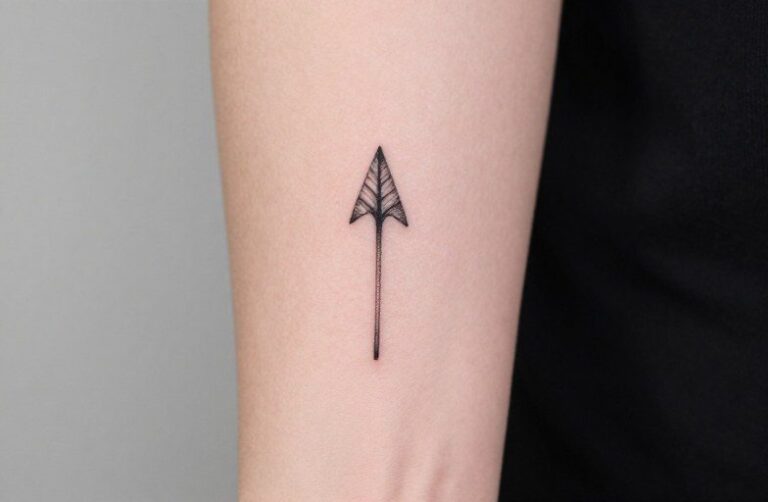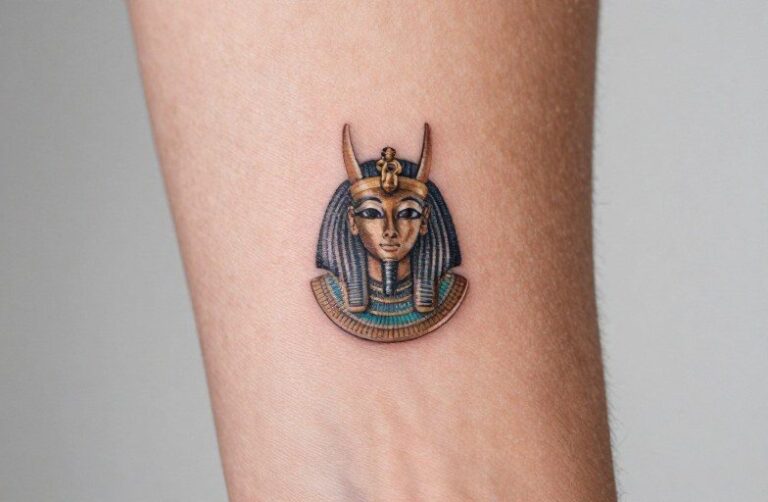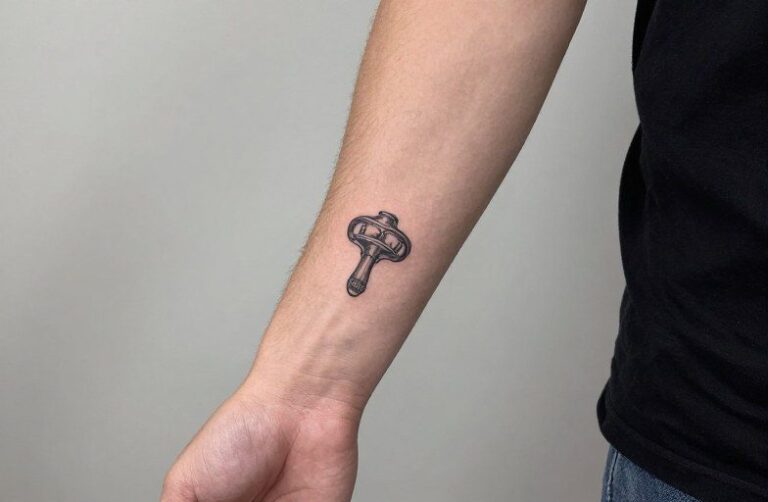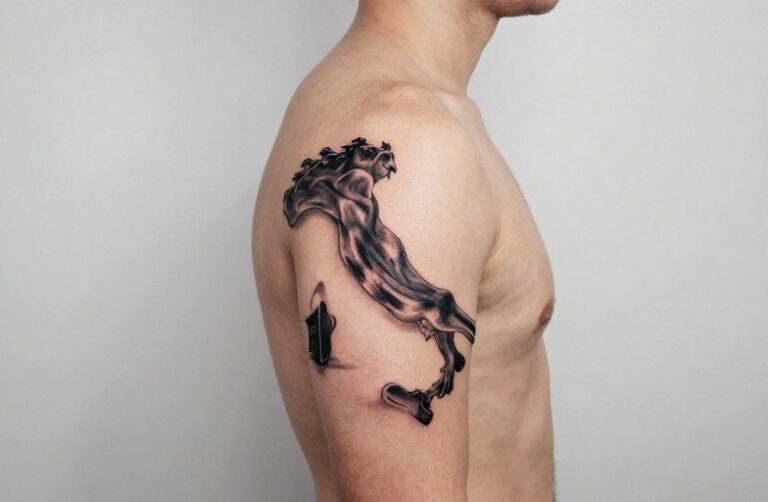
Some designs show up in shops week after week for good reason. They read clearly from across a room, age gracefully, and give artists enough structure to improvise without turning into mush. The trick is knowing which popular motifs actually suit your body, your pain tolerance, and how you live. Below is a breakdown of the most consistently requested, technically sound designs, plus how to keep them from looking like stock art on your skin.
How to Personalize It
Popular does not have to mean generic. The best-rated designs earned their status because they adapt well, not because everyone gets identical copies.
Modify the Composition
A Japanese koi swimming upstream can become a pair of fish circling each other if you want to reference a partnership. A traditional rose can shrink to a single bud with a broken stem or expand into a full sleeve garden. Talk to your artist about changing the direction of flow, the negative space around the subject, or the background elements. Small shifts in composition make a common image feel drafted specifically for your limb.
Layer Personal Symbols
Instead of picking one standalone icon, combine two or three in a way that only makes sense to you. A snake wrapped through a pocket watch reads differently than either element alone. A wolf howling at a geometric moon hits a different tone than a photorealistic wolf in a forest. The overlap is where your version lives.
Tips for Choosing
Design popularity and design quality are not the same thing. A top-rated motif can still fail if it fights against your anatomy or your daily habits.
- Consider your pain threshold honestly. Rib pieces, sternum work, and inner bicep tattoos hurt more and move more during healing. If you know you flinch or sweat heavily, a simpler linework design in a calmer spot will heal cleaner than an intricate piece you cannot sit still for.
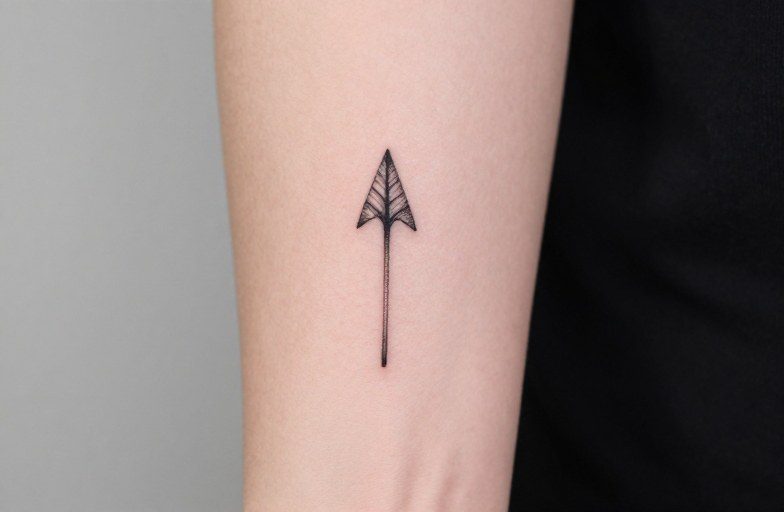
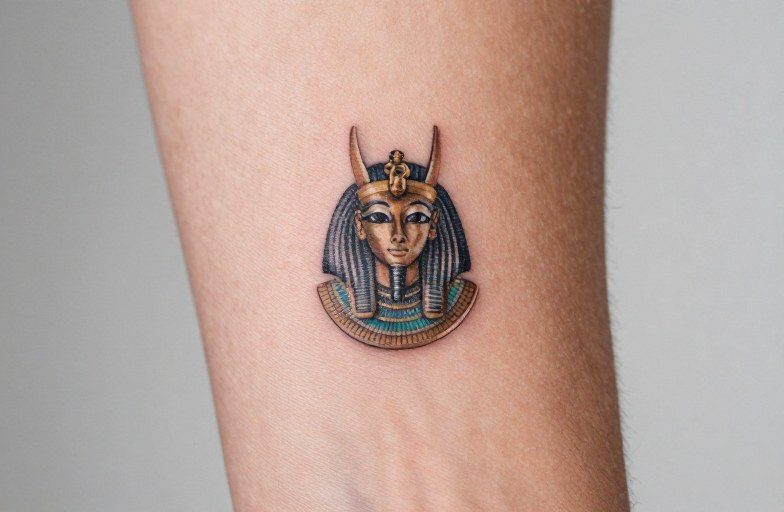
- Think five years ahead, not five minutes. Ultra-trendy micro-realism and fine-line ornamental work look stunning fresh but blur faster than bolder alternatives. If you want longevity, prioritize designs with enough line weight and spacing to survive a decade of sun and skin turnover.
- Match the design to your coverage goals. A small single needle piece on your forearm stands alone. A traditional panther head there can anchor a larger traditional sleeve later. Plan the exit strategy before you start.
Best Placements
Where a design sits changes how it reads and how long it stays crisp.
High-Visibility Spots
Forearms, calves, and upper chest get the most daylight. These areas suit designs you want to see daily and show easily: script, portraits, geometric mandalas, or bold traditional icons. The skin on the outer forearm and calf is relatively stable, so detail holds better than on joints or stretch-prone zones.
Hidden or Contained Areas
Ribs, thighs, and upper arms under the shoulder cap hide under work clothes but offer broad canvases. These spots work well for larger narrative pieces, Japanese back panels that wrap to the side, or dense blackwork that needs uninterrupted skin. Thighs in particular handle heavy saturation well and age slowly due to less sun exposure and thicker skin.
Color Choices
Color is not only aesthetic; it is mechanical. Different pigments behave differently under your skin.
- Black and grey. The safest bet for longevity. Black ink stays readable longest. Grey wash fades to a softer version of itself rather than turning muddy. This palette suits photorealism, Chicano lettering, and religious imagery.
- Traditional bold color. Saturated red, yellow, green, and blue in traditional work are packed in solid and bordered by black. That density keeps them legible for decades. The limitation is style, you cannot easily make a photorealistic rose in this palette without it looking like a different tattoo entirely.
- Muted earth tones and pastels. These fade fastest, often to a dusty version that can look like a bruise or stain. If you want soft color, plan for touch-ups every few years and commit to sun protection.
One practical note: red ink has a slightly higher reaction rate in some skin types. Not a medical warning, just a reality to discuss with your artist if you have sensitive skin or a history of irritation.
Trending Variations
Some classic designs are currently seeing fresh interpretations that keep them from feeling like flash off the wall.
Abstracted Nature
Roses, snakes, and tigers are being stripped to their essential shapes, single-line tigers, negative-space roses where the petals are your skin tone, snakes reduced to a flowing contour with minimal scales. These read as contemporary art rather than vintage flash, but they require a skilled hand. Too minimal and they blur into unrecognizable blobs within a few years.
Mixed Symbol Systems
Combining religious iconography from different traditions, or pairing scientific illustration with spiritual motifs, is common right now. Think: an anatomical heart wrapped in a Buddhist unalome, or a Hellenic statue fragment overlaid with modern glitch effects. The risk is cultural appropriation or visual clutter. The reward is a design that genuinely reflects layered identity.
Popular Styles
Style is the container. The same subject, a raven, a dagger, a woman’s face, reads completely differently depending on the approach.
- American Traditional. Bold black outlines, limited saturated color, 2D presentation. Eagles, pin-up women, ships, and panthers. Heals reliably, ages excellently, reads from distance.
- Japanese (Irezumi). Large-scale, flowing compositions with background elements like wind bars, waves, or cherry blossoms. Dragons, koi, tigers, and samurai. Requires significant skin commitment and usually multiple sessions.
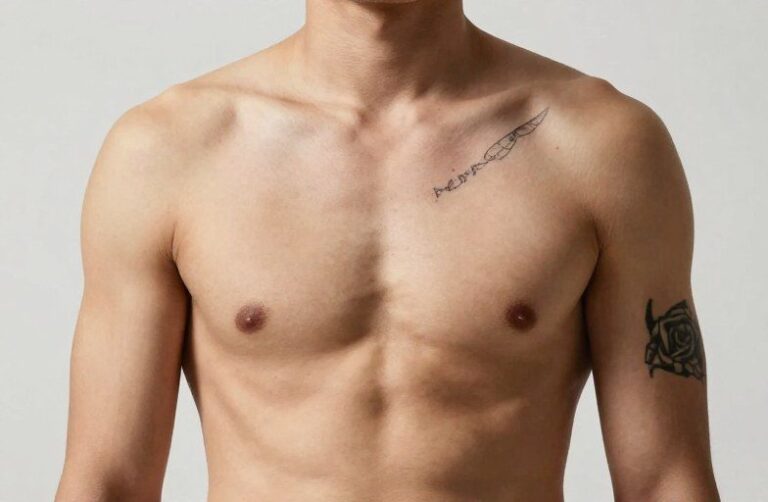
- Blackwork and ornamental. Dense black patterns, sacred geometry, dotwork mandalas. Visually striking but unforgiving of poor application, patchy black is obvious and hard to fix.
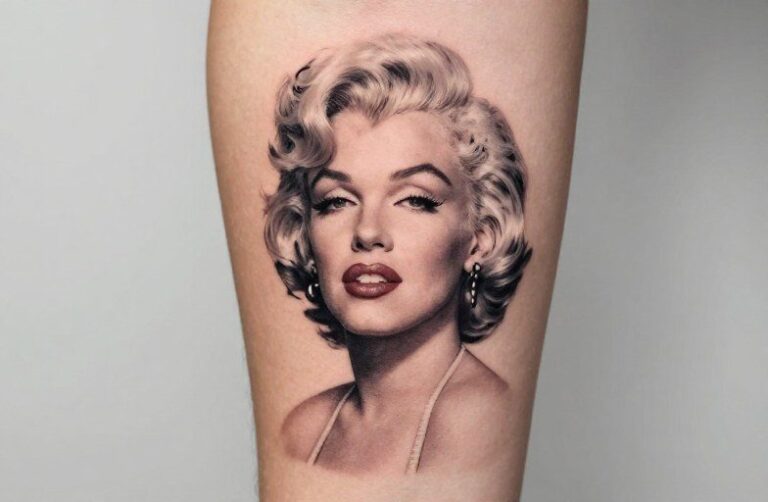
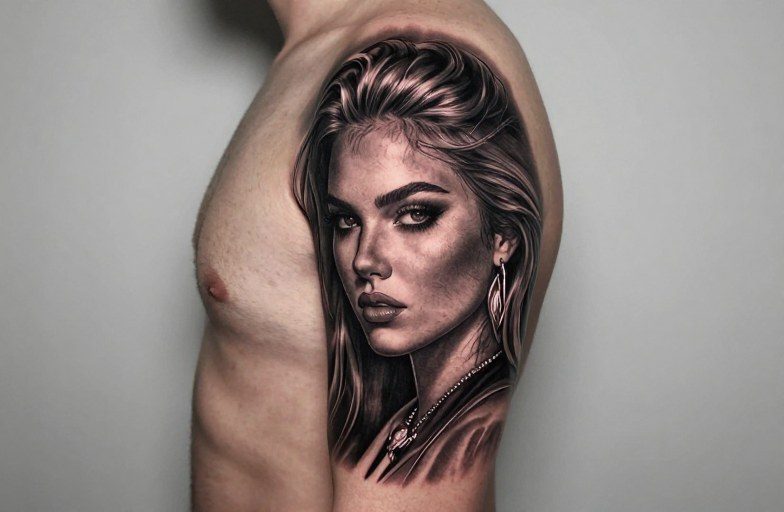
- Realism and portrait. Depends heavily on artist skill and your reference quality. Best in sizes large enough to hold detail: palm-sized minimum for a face, ideally larger. Grey realism ages better than color realism.
- Neo-traditional. Traditional structure with expanded color palettes, more dimensional shading, and broader subject matter. A bridge between classic readability and modern detail.
Key Takeaways
The top-rated designs earned their reputation through technical resilience and visual clarity, not because they are safe or boring. A rose, a snake, a geometric pattern, or a Japanese dragon can be extraordinary in the right hands and disastrous in the wrong ones. Your job is to bring a clear sense of what matters to you, pick a placement that suits your pain tolerance and lifestyle, and choose an artist whose healed work you have seen in person. Popularity is a starting point, not a destination. The best tattoo is the one that still looks like a decision you respect when the swelling goes down and the years stack up.
Frequently Asked Questions
Do popular tattoo designs cost more because everyone wants them?
Not necessarily. Pricing depends on artist skill, time, and complexity, not trendiness. A simple traditional heart might cost less than an obscure custom piece because it takes less time, not more.
How do I make sure my tattoo doesn’t look like everyone else’s?
Collaborate with your artist on composition shifts, add personal symbols, and avoid copying reference images exactly. The customization happens in the drawing phase, not after the stencil goes on.
Will a trendy fine-line tattoo still look good in ten years?
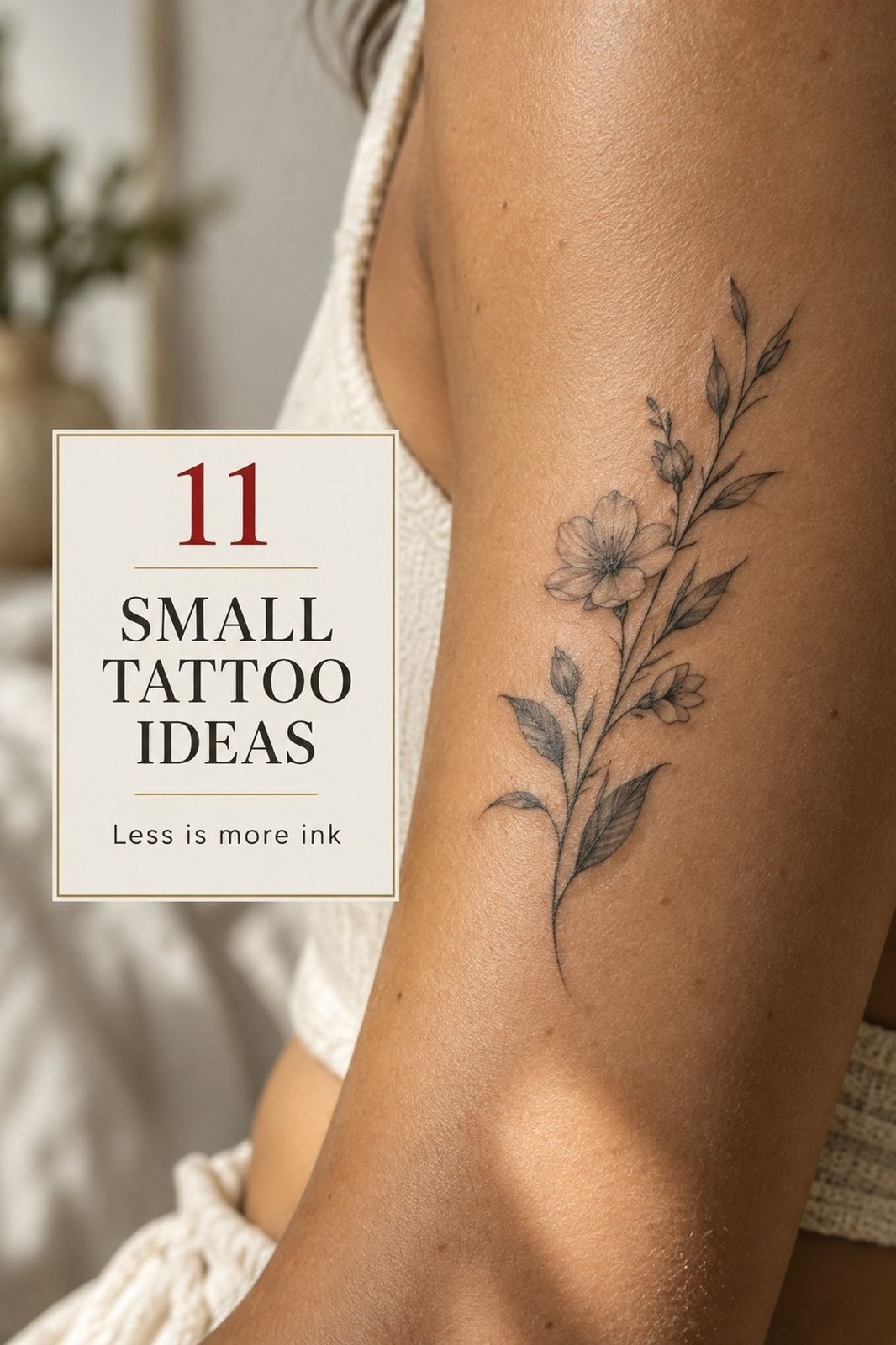
Fine-line work blurs faster than bold traditional pieces. If you want longevity, choose slightly thicker lines, adequate spacing between elements, and commit to sunscreen and occasional touch-ups.
Is it okay to mix tattoo styles on the same body?
Yes, but with intention. A traditional sleeve with one realism portrait on the forearm can look disjointed. Some collectors deliberately mix; others stick to one style for cohesion. Decide which camp you’re in before you start.