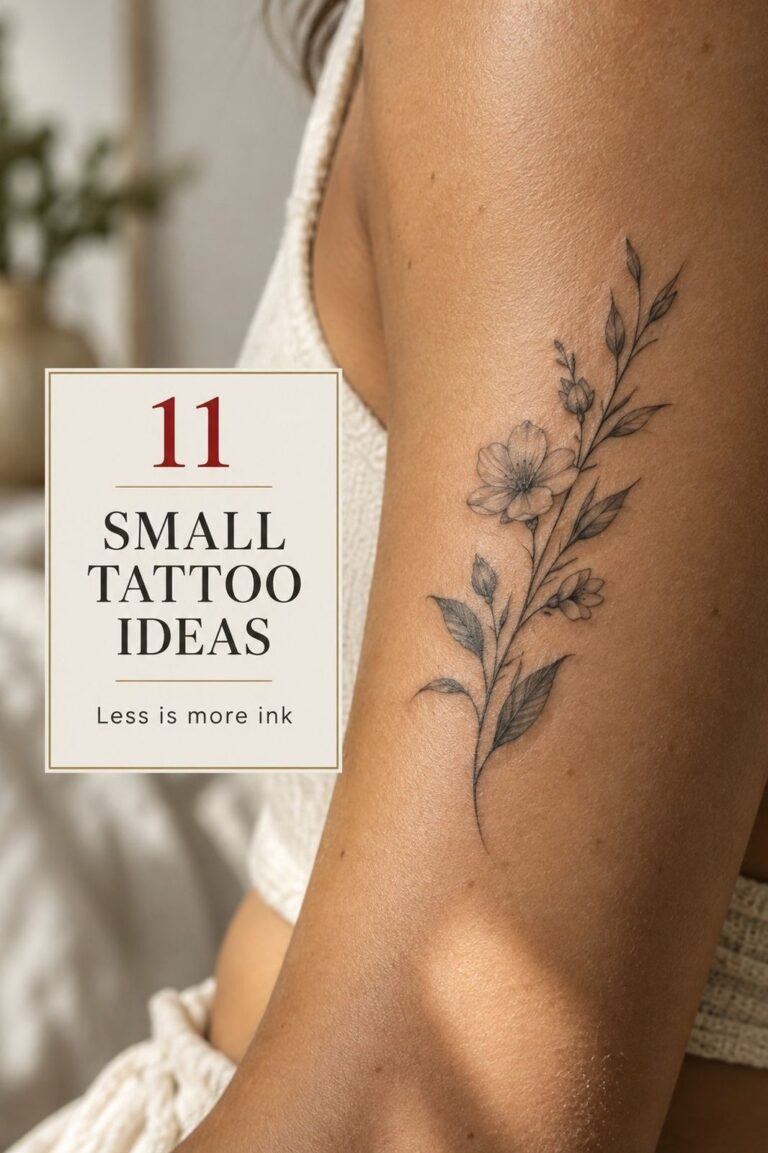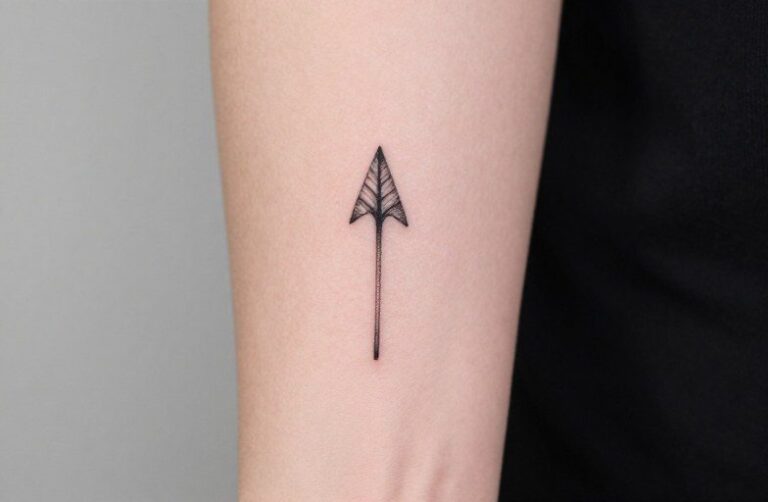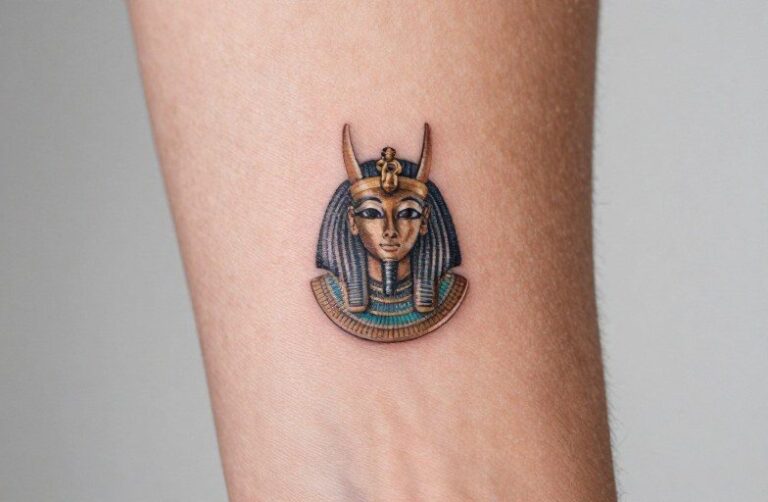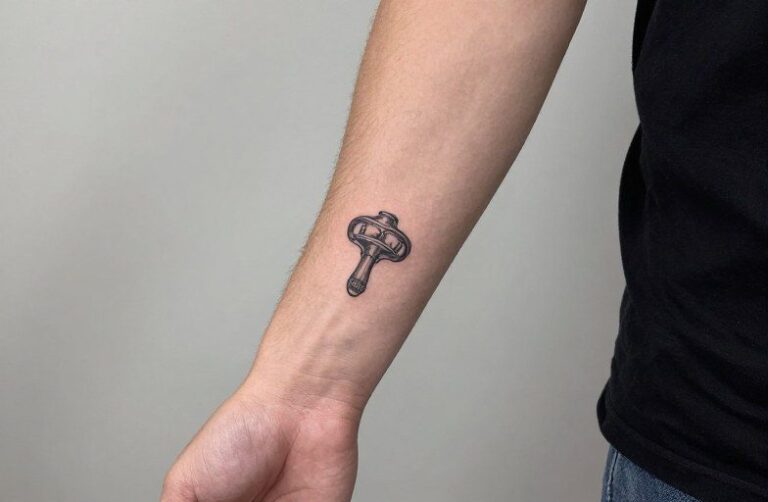
Shoulder placement sits at the sweet spot between visible and concealable, decorative and structural. The natural curve of the bone, the way fabric drapes across it, and how the skin moves with your arm all shape what works here. For women, this area carries practical advantages: tank tops and off-shoulder cuts frame it beautifully, while a blazer or cardigan hides it completely for conservative settings. But not every design translates well to this real estate. Below is a breakdown of what actually matters when you’re considering shoulder ink.
Tips for Choosing
Reading the Anatomy
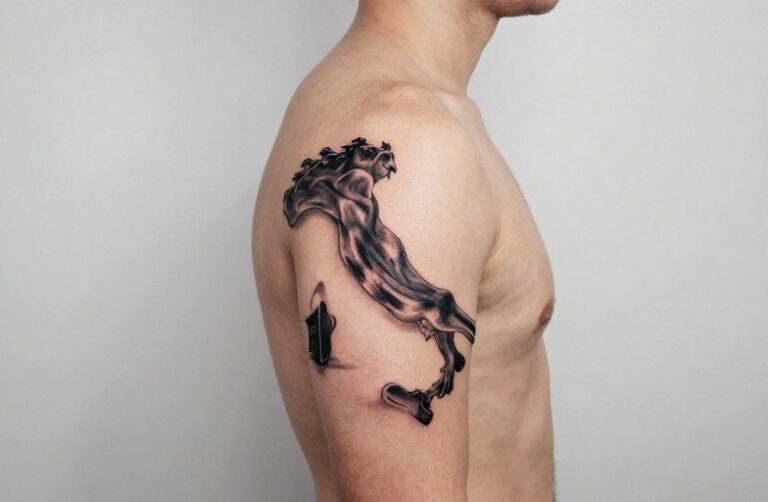
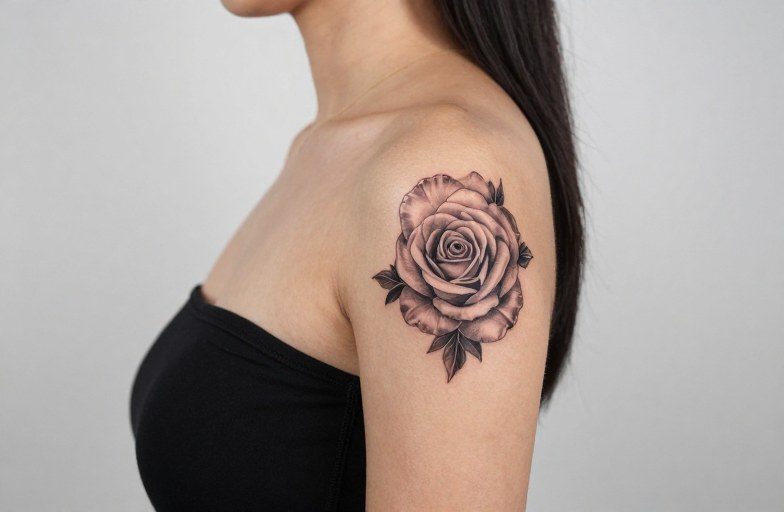
The shoulder isn’t one flat panel. You’ve got the cap (the rounded top), the blade area sweeping toward the back, and the front delt dropping toward the chest. A design that looks centered on the cap can twist oddly when you raise your arm. Cap tattoos often read best when they’re slightly smaller and more self-contained, think compact florals, mandala centers, or small animals. Blade-area pieces can spread wider, following the flat plane toward your spine. Front shoulder work needs to account for how it meets collarbone or chest tattoos if you have them or plan them.
Scale and Aging
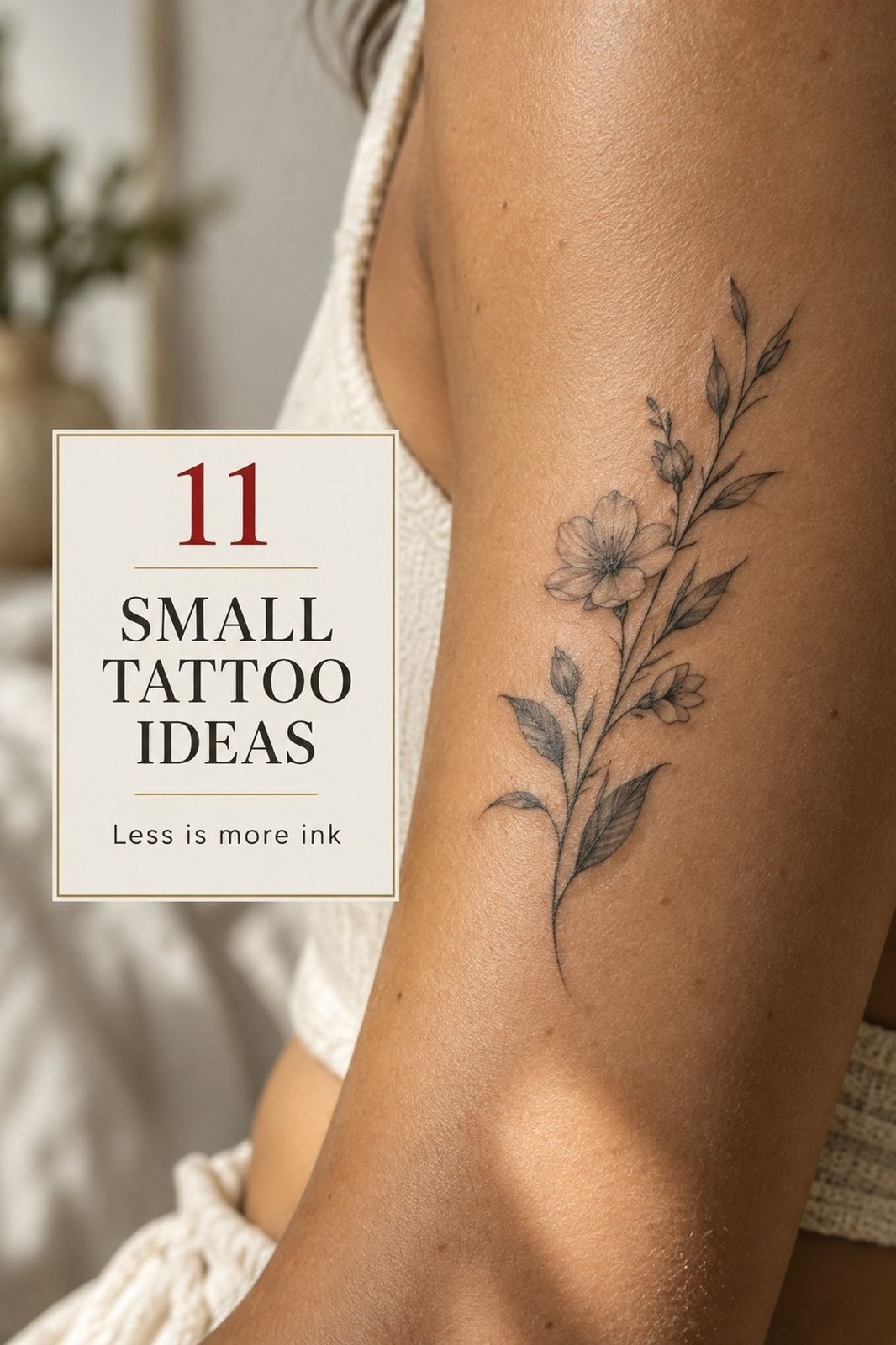
Skin on the shoulder sees sun, friction from bra straps, and stretching from muscle gain or weight fluctuation. Fine lines blur faster here than on the inner forearm. If you’re drawn to delicate work, plan for touch-ups every few years. Bold lines and moderate saturation hold better long-term. A design that’s too large for the cap can look like it’s sliding off; too small, and it gets lost in the curve. Most successful cap tattoos run between palm-sized to hand-sized, with blade work scaling up from there.
- Check your everyday wardrobe: which shoulder shows more? That affects visibility and sun exposure.
- Consider future work: a cap piece can anchor a future half-sleeve, or it can box you in if poorly placed.
- Ask to see the stencil from multiple angles in the mirror, arm raised and relaxed.
How to Personalize It
Generic Pinterest flash won’t feel like yours. The shoulder offers enough space for personal symbols without requiring a full backpiece. Birth month flowers, coordinates of meaningful places, or abstracted constellation patterns all fit well. One approach: take a traditional motif and alter its geometry to match your body. A snake that wraps the cap follows the muscle curve; a snake running straight across fights it. Working with, not against, your structure makes even common imagery feel custom.
Integrating Existing Ink
If you have chest or upper arm tattoos, the shoulder can bridge them or stand alone. A standalone cap piece reads as an accent; a blade-to-chest flow creates a larger composition. Be honest about your future plans. A single rose on the cap looks odd if you later add a full sleeve that doesn’t connect. Most artists can design with negative space and future expansion in mind if you tell them upfront.
Matching & Pairing Ideas
Symmetrical vs. Asymmetrical
Matching tattoos on both shoulders create a frame, especially with off-shoulder or strapless styles. Butterflies, wings, or mirror-image florals work here. Asymmetrical pairing, one shoulder detailed, the other minimal or empty, feels more modern and less costume-y. Sisters or friends sometimes get related but not identical pieces: same flower species, different stages of bloom, or complementary animals from the same ecosystem.
Couple and Friendship Cautions
Shoulder placement is easier to cover than a wrist or finger if the relationship shifts. Still, avoid direct names or portraits of current partners. Shared symbols, dates in non-obvious notation, or matching coordinates of a shared experience age better. The shoulder’s concealability helps, but the emotional weight remains.
Popular Styles
Some styles have proven themselves on shoulders specifically. Japanese-inspired pieces with flowing waves or wind bars wrap the cap naturally. Neo-traditional birds or predators use the curve for dynamic poses, talons gripping, wings spreading. Fine-line botanicals dominate right now, but require realistic maintenance expectations. Blackwork mandalas and geometric patterns leverage the round shape of the cap almost perfectly. Watercolor-style, despite its popularity, ages poorly on shoulders due to the lack of bold outline; the color washes out and the shape becomes indistinct.
- Ornamental: lace patterns, henna-inspired linework, jewelry-like chains
- Illustrative: book-plate style, crosshatching, storybook animals
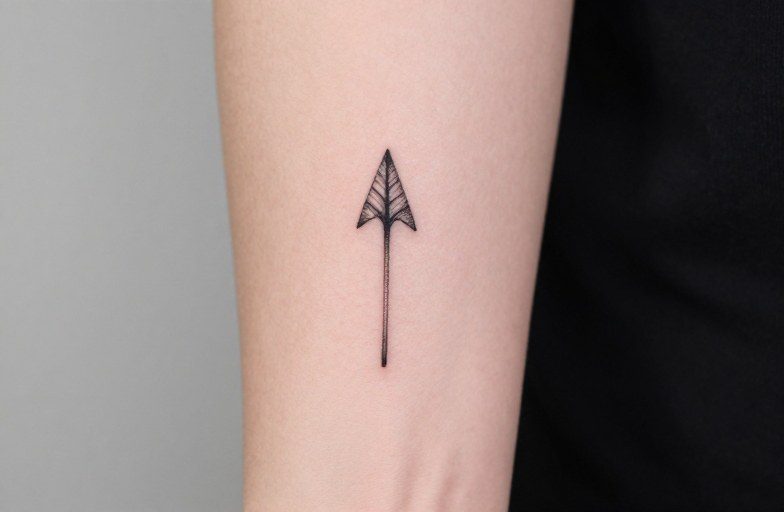
- Minimalist: single needle, small symbols, negative space emphasis
- Script: curved text following the cap edge, short phrases or single words
For First-Timers
Pain Reality
The shoulder cap has muscle padding that dulls needle sensation. Most people rate it 3-4 out of 10. The blade area, closer to bone, spikes higher. The front shoulder near the collarbone can be surprisingly sharp. If you’re nervous, the cap is your friend. Sessions typically run shorter here than back or thigh pieces, which helps with endurance.
Aftercare Specifics
Shoulder healing gets complicated by clothing. Bra straps, purse straps, and backpack bands all rub. Plan loose, strapless or wide-neck tops for the first two weeks. Sleeping on your side can smudge fresh work; back-sleeping or travel pillows help. The skin here peels visibly during healing, so timing matters if you have events or beach plans. Moisturize lightly, over-greasing traps bacteria in the strap zone.
Color Choices
Black and grey shoulders age with dignity. The contrast stays readable even as lines soften. Color on the shoulder faces more sun exposure than hidden placements, so reds and yellows fade faster unless you’re diligent with SPF. If you want color, consider deeper tones: burgundy, forest green, navy, plum. These hold longer and still read as colorful without the maintenance burden of bright primaries. Skin tone matters practically, not aesthetically, darker skin carries blackwork beautifully, but certain pastels may not show enough to be worth the trauma. A good artist will adjust value contrast, not tell you color is “impossible.”
Blackwork vs. Color Saturation
Heavy black fills on the cap can look stunning but heat up significantly in sun. If you live in a hot climate or spend summers outdoors, this matters for comfort, not just aesthetics. Color-packed pieces with white highlights often look fresh for eighteen months, then the white disappears and the vibrancy drops. Plan for that trajectory, not the day-one photo.
Before You Decide
Live with your design idea for at least a month. Tape a printed version to your shoulder, check it in different mirrors and lighting. Notice how it interacts with your movement, your clothing, your sense of yourself. The shoulder is visible enough that you’ll see it daily, concealed enough that others won’t, make sure that balance serves you. Consult artists whose shoulder work you admire specifically, not just their general portfolio. Ask about their stencil process, how they adjust for the cap curve, and their touch-up policy. A shoulder tattoo done well becomes part of your architecture; done poorly, it sits in an awkward spotlight. Take the time to get it right.
Frequently Asked Questions
How much does a shoulder tattoo typically cost?
Cap pieces range from $150-400 for simple designs, $400-800 for detailed work. Full blade coverage or complex color can hit $1,000+. Location and artist experience shift this significantly, always prioritize portfolio over price.
Will a shoulder tattoo stretch if I build muscle or gain weight?
Moderate changes usually don’t distort the design noticeably. Significant muscle growth or weight fluctuation can shift proportions slightly, but the shoulder area is relatively stable compared to stomach or thigh placements.
Can I cover an old shoulder tattoo with something new?
Often yes, depending on the existing ink’s darkness and saturation. Black lines are easier to work over than solid black fills. A consultation with a cover-up specialist will clarify realistic options for your specific piece.
How long before I can wear normal bras or workout?
Avoid tight straps and heavy sweating for 10-14 days. Light walking is fine after a few days, but skip swimming, hot yoga, and direct shoulder pressure until the surface has fully closed, usually two weeks minimum.