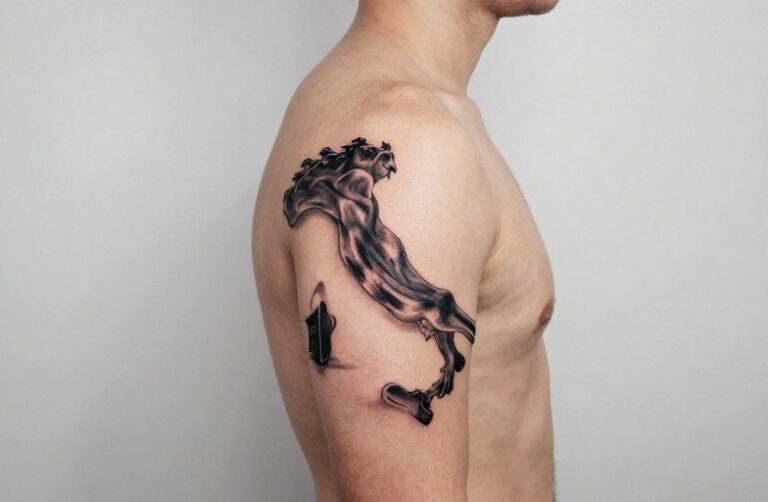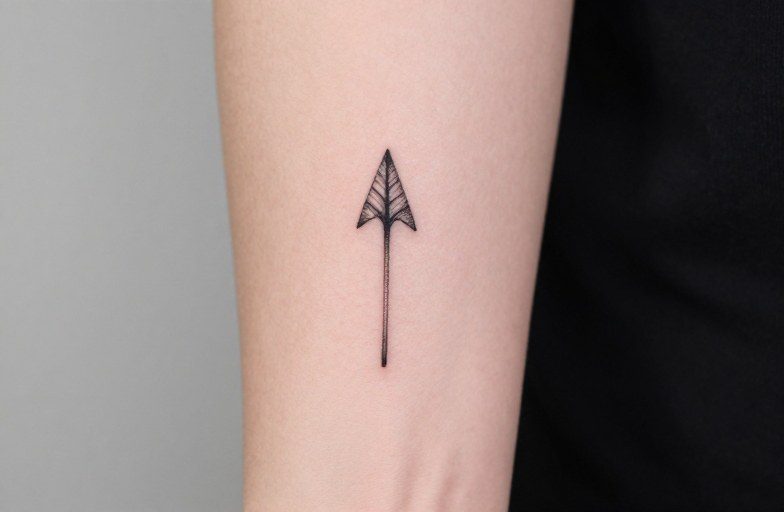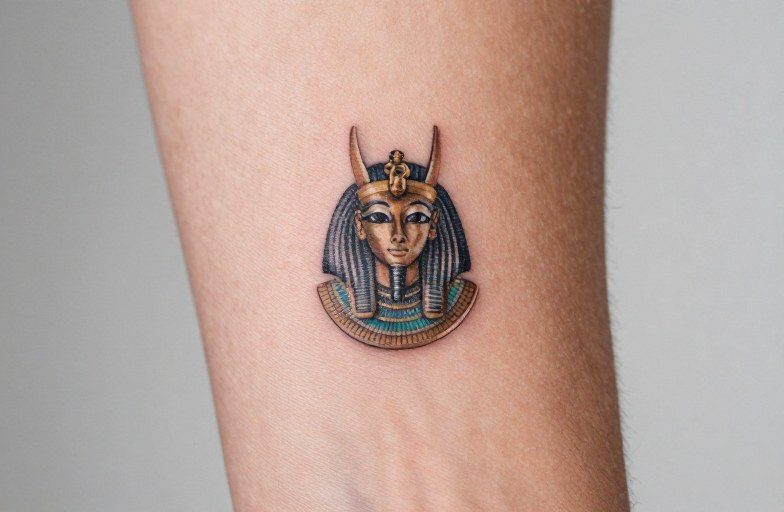
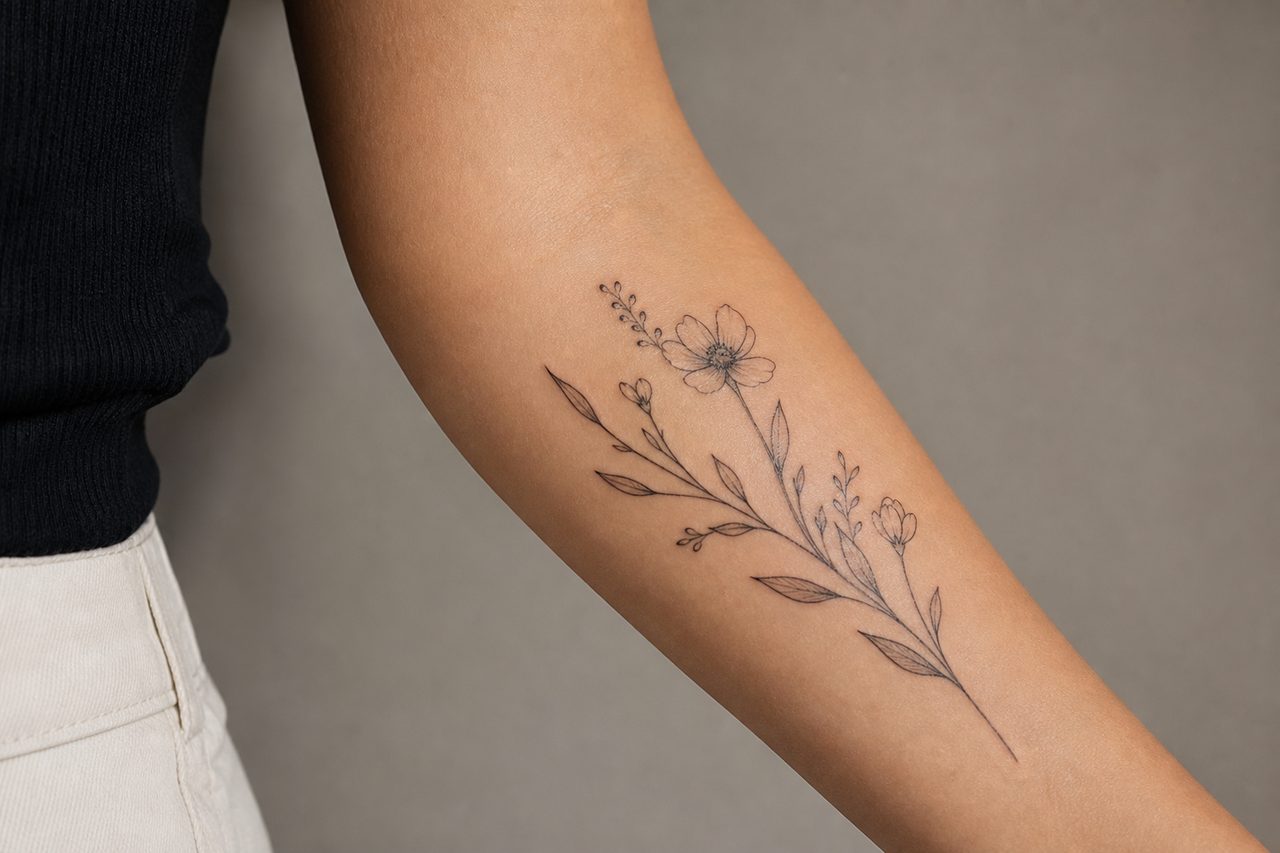
A woman forearm tattoo typically signals self-possession and deliberate visibility. Unlike hidden placements, the forearm announces something the wearer wants acknowledged, strength reclaimed, identity claimed, or a private symbol made public. The meaning shifts with design, but the placement itself carries weight: this is chosen knowing others will see it daily.
Personal & Modern Meanings
Contemporary forearm tattoos for women often track personal evolution rather than static identity. The placement invites conversation but resists easy interpretation, which many wearers value.
Reclamation Narratives
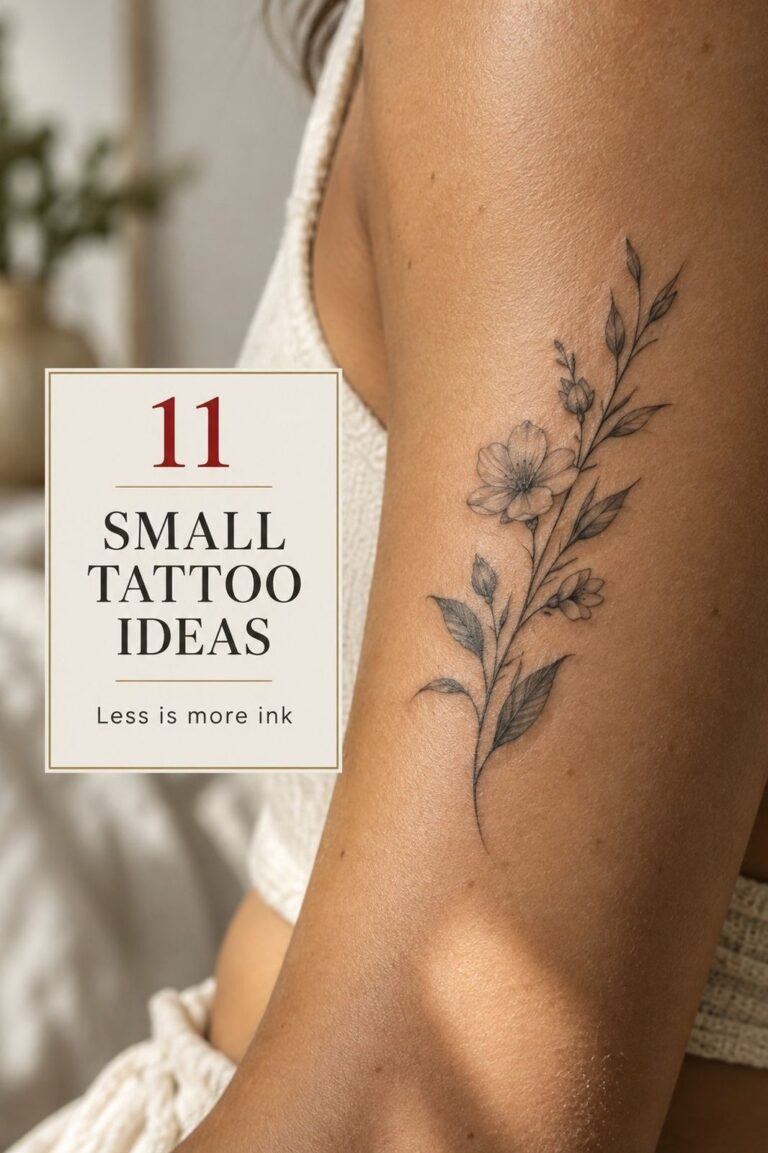
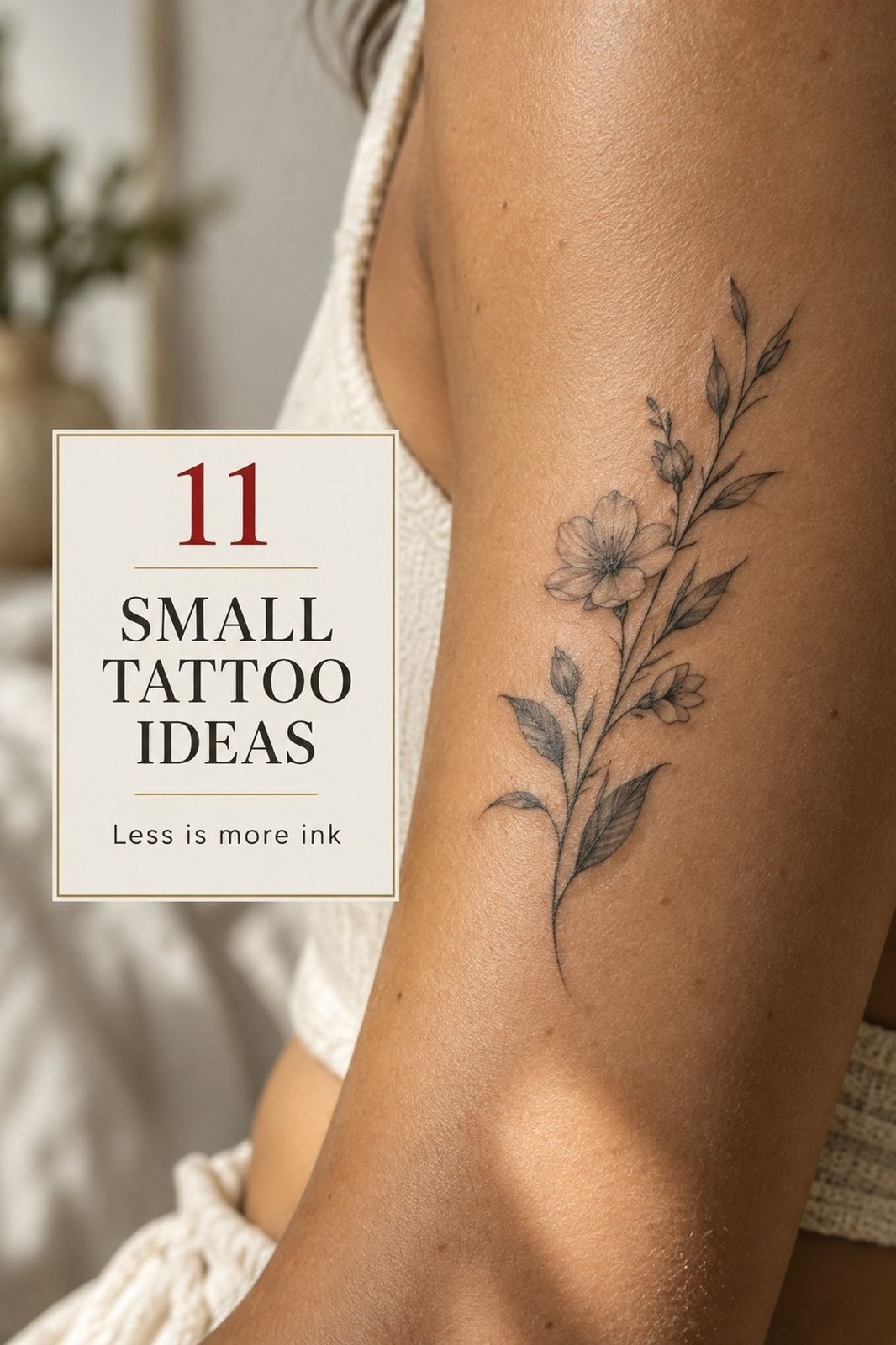
Many women choose the forearm after periods of erasure, domestic control that dictated appearance, professional environments that demanded conformity, or cultural expectations about “feminine” discretion. The act itself becomes meaning: skin claimed on the wearer’s terms. Floral pieces that wrap from wrist to elbow sometimes literalize this, roots at the pulse point, bloom upward, growth made visible.
Professional Double-Lives
Long sleeves cover; rolled sleeves reveal. This toggling appeals to women navigating conservative workplaces. The forearm tattoo becomes a coded signal to insiders while remaining invisible to those who’d judge. A small botanical behind the wrist, a geometric band, discreet enough to hide, present enough to matter.
Symbolism & Core Meaning
Forearm placement alters how symbols read. A snake on a ribcage reads secretive, possibly sensual; the same snake coiling down a forearm projects warning, transformation worn openly. The arm’s visibility changes everything.
- Flowers: Peonies and chrysanthemums dominate, chosen for layered petals that age well in ink. On the forearm, they soften the arm’s inherent aggression, femininity asserted rather than performed.
- Animals: Wolves, crows, and moths appear frequently. These aren’t spirit animal clichés but specific attitudes: the crow’s intelligence, the moth’s fatal attraction to light.
- Text and script: Words on the forearm function differently than on ribs or thighs. They face outward, sometimes literally, mirror-readable text on the inner forearm speaks to the wearer first.
- Geometric and ornamental: Mandalas and dotwork suit the forearm’s cylindrical shape, wrapping naturally. These often carry no “meaning” beyond aesthetic commitment, which is itself a statement.
Common Variations & Styles
Style choice affects longevity as much as meaning. The forearm sees sun, friction from desks, constant movement. Some approaches age gracefully; others blur within years.
Line Work vs. Shading
Bold black lines hold crisp longest on the forearm’s relatively stable skin. Fine single-needle work, trending heavily since 2018, degrades faster here than on the back or thigh, sun exposure accelerates spread. Women choosing delicate botanicals should plan for touch-ups or accept the softening as part of the piece’s life.
Heavy black shading (often called “blackout” or “blackwork”) creates dramatic contrast but limits future options. Covering dense black requires laser or accepting larger, darker replacement work. The commitment itself becomes part of the symbolism.
Wrap-Around vs. Flat Placement
Designs following the arm’s circumference, snakes, floral vines, geometric bands, utilize the forearm’s natural shape. Flat placements (portraits, rectangular text blocks) fight the cylinder, often distorting when the arm rotates. Experienced artists map these with the arm in multiple positions, not just flat on a table.
Who Chooses This Tattoo
Demographics here are genuinely broad, defying easy profiling. Age ranges from eighteen to sixty-five; professions span corporate law, nursing, academia, sex work, motherhood. The common thread isn’t identity but intentionality.
Women getting first tattoos at forty-five often choose forearm placement specifically, delayed permission, finally taken. Conversely, heavily tattooed women sometimes avoid the forearm, reserving it for pieces requiring maximum visibility control. The unmarked forearm becomes its own choice.
Physical considerations matter too. The forearm’s relatively low nerve density makes it manageable for long sessions. Women with low pain tolerance or anxiety about the process often start here, building tolerance for more sensitive placements later.
Religious & Spiritual Angles
Spiritual forearm tattoos for women carry distinct weight because they’re performatively visible, prayer made public, protection displayed.
Christian Imagery
Crosses on the forearm, particularly the inner wrist-to-elbow plane, function as devotional tools. Some women report choosing placement where they’ll see it during prayer posture, hands clasped, the cross visible between them. Virgin Mary imagery, often rendered in traditional or black-and-grey styles, draws from Catholic iconography but personalizes it: Mary’s face resembling the wearer’s mother, regional flowers in the mantle.
Buddhist and Hindu Symbols
Om symbols, lotus flowers, and unalome designs appear frequently, though often stripped of specific sectarian meaning. The lotus especially suits the forearm’s verticality, mud at the wrist, bloom at the elbow. Women with actual practice histories often choose less recognizable symbols (specific mantras in Sanskrit, particular deity attributes) to avoid tourist aesthetics.
Religious forearm tattoos risk appropriation when chosen for aesthetic alone. The placement’s visibility amplifies this, there’s no hiding a misused sacred symbol behind a sleeve in summer.
Best Placements
“Forearm” covers substantial territory. Specific placement within it changes meaning, pain, and practical impact.
- Inner forearm (volar side): Most visible to the wearer; softer skin takes ink differently, sometimes slightly blurred compared to the outer arm. Ideal for personal mantras, dates, names, things meant primarily for the bearer.
- Outer forearm (dorsal side): Most visible to others; bonier, slightly more painful. Statement pieces belong here, large florals, animals, bold graphics. This is the billboard placement.
- Wrist transition: The narrowest point, limiting design complexity. Small symbols, words, minimal lines. Prone to faster fading from watch bands, bracelets, hand washing.
- Elbow crease: Technically forearm, technically painful. Skin here stretches dramatically; designs must accommodate movement. Popular for spiderwebs, mandalas, or pieces deliberately bridging upper and lower arm.
Healing reality: forearm tattoos heal relatively easily, no constant sitting pressure like thighs, no bra strap irritation like ribs. But they’re impossible to keep completely untouched. Typing, cooking, dressing all involve forearm movement. Plan for slightly longer healing than back pieces, and accept that early scabbing will be visible if you can’t cover work environments.
Final Word
The woman forearm tattoo’s meaning ultimately resides in the tension between visibility and control. It’s chosen knowing everyone sees it, yet the specific symbol remains opaque without the wearer’s explanation. That gap, public presence, private significance, defines the placement. Whether bold blackout or delicate single-needle botanical, the forearm tattoo insists on being acknowledged while withholding full access. The arm extends, offers, works, gestures. Marking it claims all those actions as authored, not automatic. That’s the core meaning: intention made visible, permanently, where everyone can see and nobody can miss.
Frequently Asked Questions
Does a forearm tattoo hurt more than other arm placements?
The outer forearm rates moderate, bonier than the bicep but less sensitive than the inner wrist or elbow ditch. Inner forearm skin is softer and slightly more tender. Most people handle forearm sessions without numbing cream.
How much does forearm placement affect job prospects?
This varies enormously by field. Creative industries rarely care; client-facing conservative roles (law, finance, medicine) may require coverage. The forearm’s advantage is easy concealment with long sleeves, unlike hand or neck tattoos.
Will my forearm tattoo fade faster than other locations?
Yes, somewhat. Forearms get more sun exposure than torso or thigh placements, and frequent movement stresses the skin. Using SPF 50+ and moisturizing helps preserve line crispness. Black-and-grey generally ages better than color here.
Can I start with a small forearm tattoo and expand it later?
Absolutely, but plan ahead. Starting at the wrist or elbow with a design that can grow directionally, vines, geometric patterns, flowing script, makes future expansion cohesive. Random small pieces scattered on the forearm are harder to unify into a sleeve.