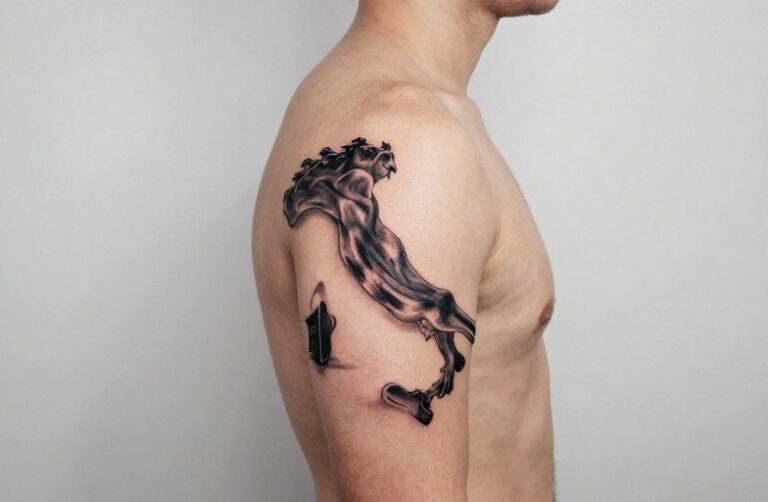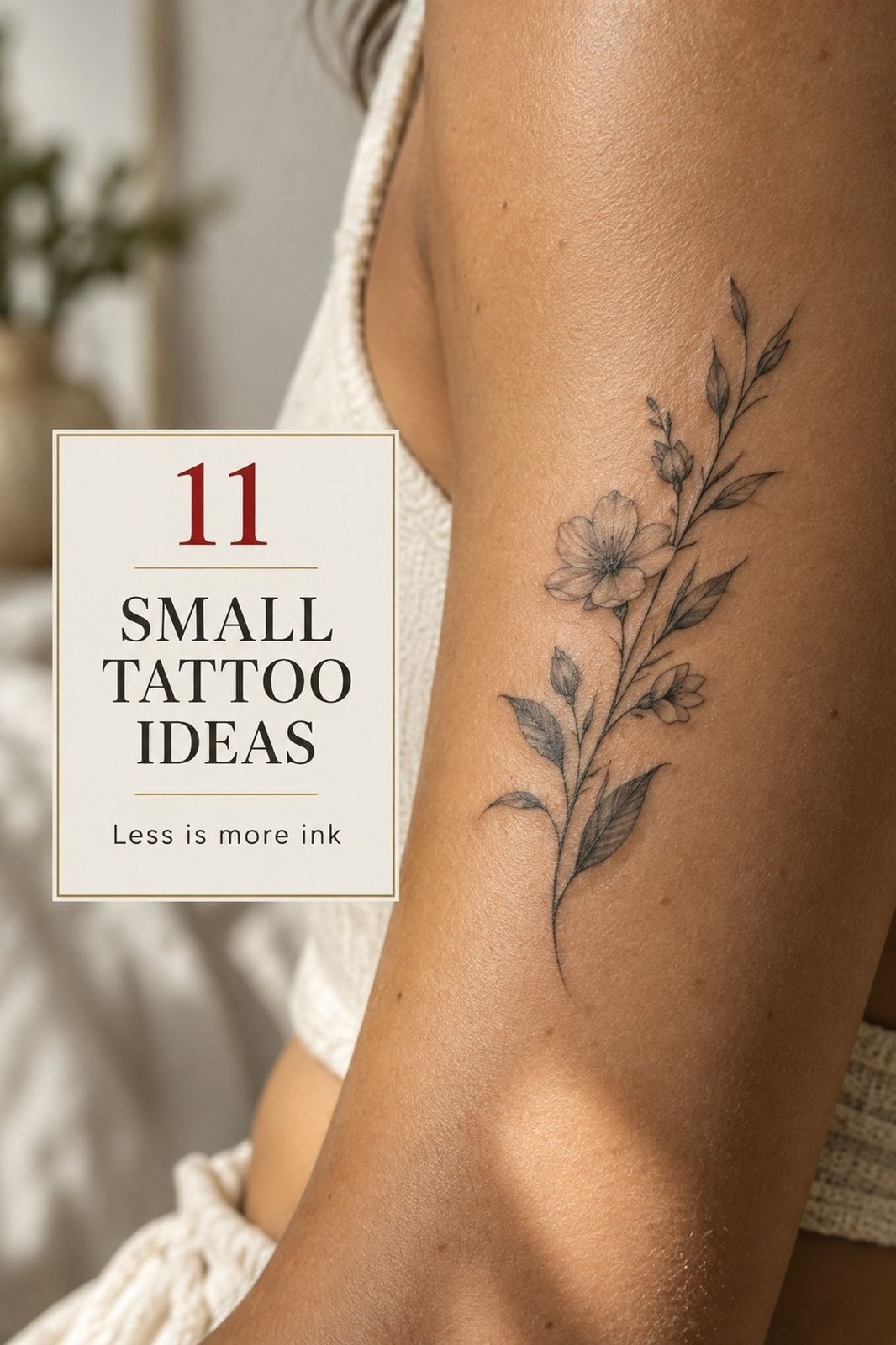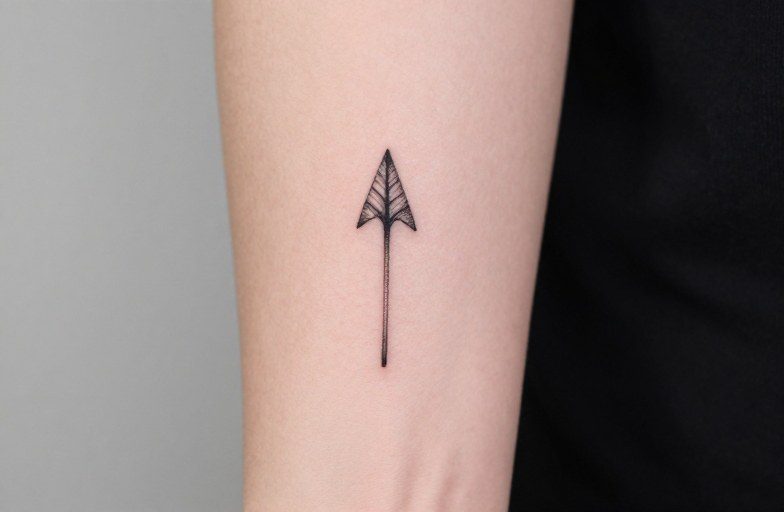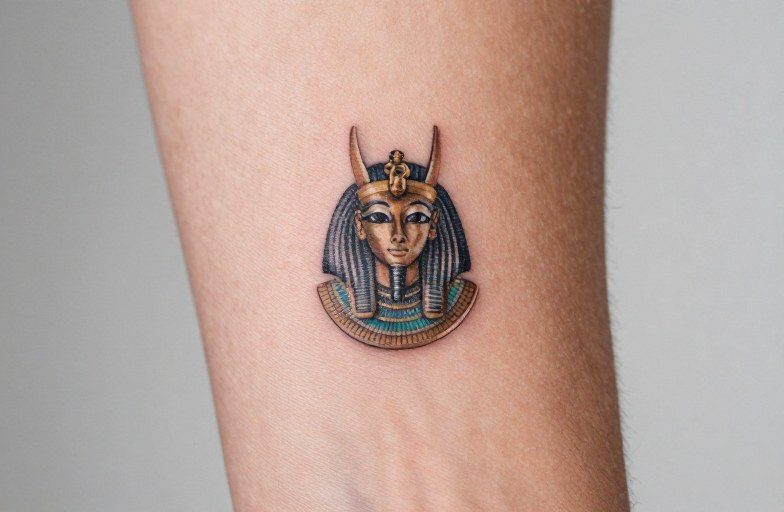
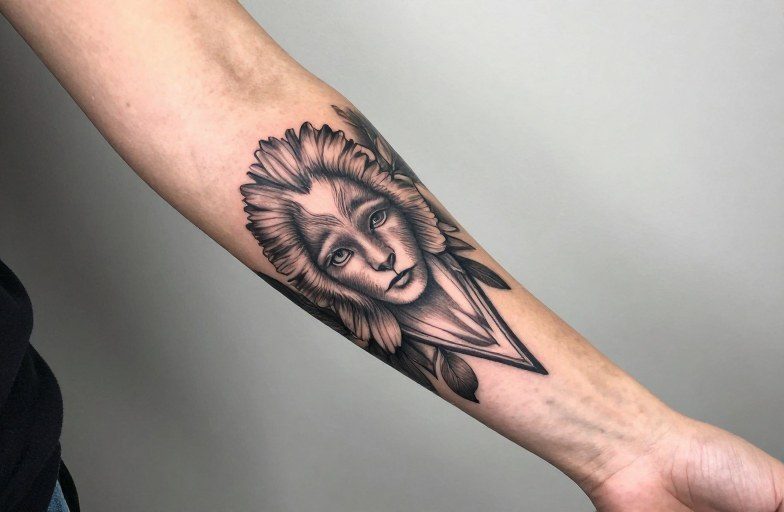
A women’s forearm sleeve tattoo is a declaration of visibility. Unlike hidden pieces, this placement broadcasts personal symbolism, strength, transformation, protection, or creative identity, to the world without words. The meaning depends on imagery chosen, but the commitment itself signals someone done asking permission for how they occupy space.
Mythology & Folklore
Sleeve-length skin narratives have ancient precedents. Forearm coverage often linked to warrior marks in Norse and Celtic tradition, though evidence is fragmented, the association persists in popular imagination. What survives clearer: Japanese horimono developed full limb storytelling for social identity, with forearm sections carrying specific protective functions.
Snake and Botanical Motifs
Serpents winding forearm-length trace to multiple traditions. In some Mesoamerican contexts, snakes represented regeneration and cosmic cycles. Paired with botanical elements, lotus, peony, chrysanthemum, the combination suggests death and rebirth as visible, ongoing process rather than single event. The forearm’s elongated canvas suits this cyclical reading; the eye travels upward, repeats.
Protective Symbols
- Evil eye imagery, often linked to Mediterranean and Middle Eastern traditions, functions as active shield when placed on dominant forearm, the limb extended in greeting, defense, labor
- Thorned vines or barbed wire variants carry Christian martyrdom associations for some, pure resilience reading for others
- Rune-like geometric bands, sometimes inspired by Nordic finds, operate as abbreviated protective language without requiring full narrative scene
Critical distinction: many clients choose mythic imagery for aesthetic resonance rather than ancestral claim. Both approaches valid; the meaning lives in intention and execution quality, not bloodline verification.
Personal & Modern Meanings
Contemporary forearm sleeves cluster around several genuine thematic centers. “Reclamation” dominates, covering self-harm scars, marking post-divorce identity, celebrating sobriety anniversaries. The visibility matters here; these aren’t secrets whispered to mirrors.
Professional Reckoning
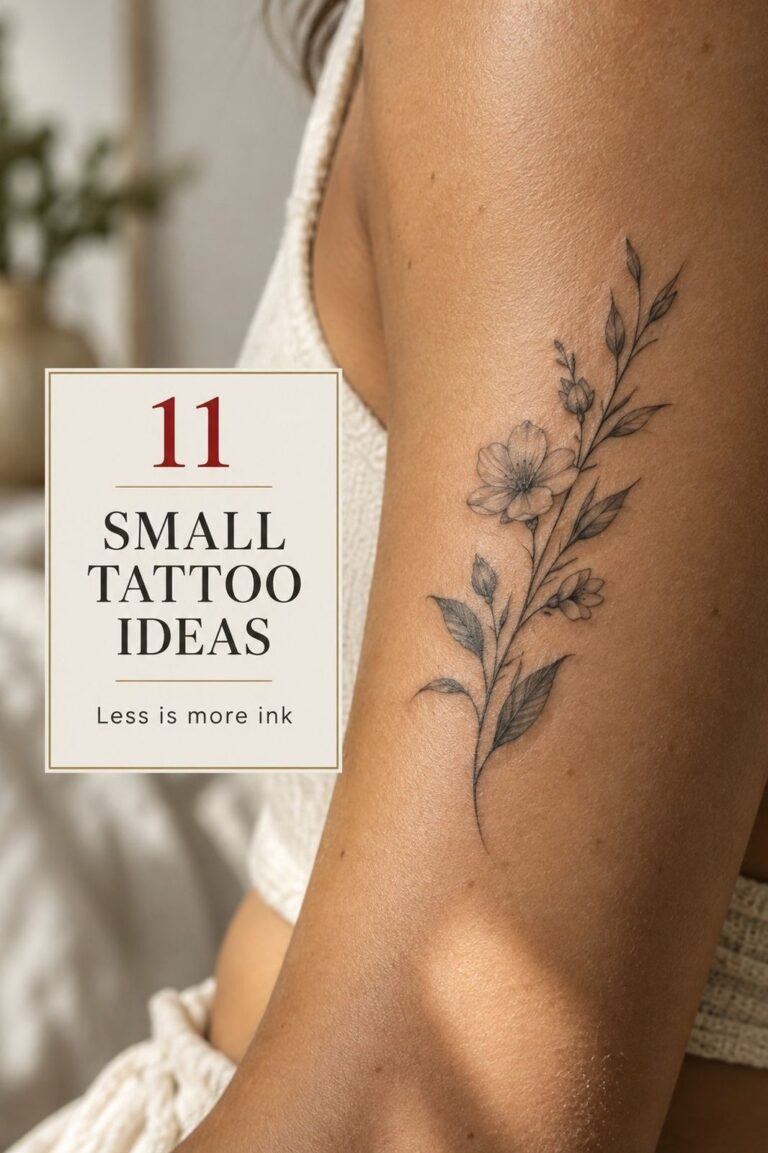
Forearm placement once carried career risk for women in conservative fields. Shifting norms haven’t eliminated calculation. Many now choose designs that read artistic rather than rebellious, fine line botanicals, abstract geometry, muted color fields, to thread needle between self-expression and workplace navigation. The sleeve becomes coded communication: visible to those who look, legible mainly to those who understand tattoo vocabulary.
Commemoration Without Names
Memorial forearm sleeves increasingly avoid literal portraiture. Dates translate to coordinates, flowers stand in for people, constellations mark moments. This abstraction permits daily visibility without triggering conversation, meaning held close despite surface exposure.
Best Placements
“Forearm sleeve” technically spans three zones with distinct visual effects:
- Inner forearm: More painful (nerve density, thin skin over radius/ulna), but offers intimate viewing angle, wearer sees it constantly, others mainly when arm rotates. Best for personally significant imagery you’ll consult daily
- Outer forearm: Classic billboard placement. Flat planes suit large-scale composition. Slightly less painful, easier healing (less friction from body contact). Sun exposure highest here, fading accelerates without protection
- Full wrap: Inner and outer connected with elbow ditch integration. Most demanding technically and physically. Creates true “sleeve” continuity; elbow ditch heals notoriously difficult, requires patience
Women’s forearm structure, typically smaller circumference, different muscle definition than male reference photos, demands artist adaptation. Designs scaled from men’s arms without adjustment crowd, blur, or distort. Seek portfolios showing healed work on similar builds.
Color vs Black and Grey
Meaning shifts with palette choice, sometimes unconsciously.
Black and Grey
Reads serious, timeless, graphic. Photographic realism depends on greywash mastery; poor execution muddies into indistinguishable grey smears within years. Line-dominant black and grey, bold traditional, ornamental patterns, ages most reliably. The aesthetic often signals permanence, weight, refusal of decoration-as-distraction.
Color
Watercolor techniques (no black outlines) trended heavily 2015-2020; many now show significant fading, blowout, or complete loss of definition. Color realism with solid black anchoring holds better. Neo-traditional palettes, limited, saturated, with heavy black, offer middle path: visual impact with structural longevity.
Skin tone fundamentally affects color behavior. Yellows, pastels, light blues struggle on melanin-rich skin without experienced color theory application. Darker skin demands bolder saturation, stronger contrast, often heavier black foundation. Artists without diverse portfolio demonstrating this specifically should raise questions, not confidence.
Who Chooses This Tattoo
Demographics resist neat profiling. Age range spans 20s through 60s, women completing sleeves started decades prior, others arriving with clear vision and accumulated life. What unites: prior tattoo experience almost always. Forearm sleeves rarely function as first piece; the commitment, visibility, and planning required typically follow smaller work that tested pain tolerance, healing discipline, and artist relationship.
Common entry points include:
- Single forearm piece that organically expanded, “just one more” accumulating to coverage
- Deliberate sleeve project following major life transition (relocation, career change, health event)
- Artistic collaboration with specific tattooer, where forearm offered best canvas for their strengths
The unifying thread is decision-making capacity. This isn’t impulsive Friday night choice; it’s researched, budgeted, scheduled, endured.
Symbolism & Core Meaning
Strip imagery to its structural function: women’s forearm sleeve tattoos occupy the boundary between public and private self. The face communicates involuntarily; clothing shifts with context. The forearm sleeve persists, negotiated through long sleeves, displayed through short, but always present, always chosen.
Visibility as Ethics
Some readings frame this as feminist practice: refusing invisibility, claiming space historically denied. Others reject political framing entirely, personal aesthetic without manifesto. Both positions coexist; the tattoo doesn’t resolve the tension, it embodies it.
Completion and Continuity
Sleeve format suggests narrative arc, beginning, development, resolution. Unlike isolated pieces, the sleeve must cohere across elbow ditch, around circumference, through years of sessions. The process itself becomes meaning: patience, revision, living with incomplete states, eventual integration. Many women describe sleeve completion as peculiarly anticlimactic; the journey structured years of scheduling, saving, anticipating. The finished object is almost incidental to the transformed relationship with one’s own body through sustained, intentional modification.
What to Remember
Meaning isn’t fixed at needle entry. Ink settles, stories layer, interpretations shift. The forearm sleeve’s particular power is its refusal of hidden evolution, changes visible, accountable, owned.
Technical reality undercuts romantic readings: these tattoos require significant financial investment (quality sleeve work runs thousands), multiple sessions across months or years, and committed aftercare each round. Elbow ditch and wrist bone areas test pain tolerance genuinely. Healing while maintaining professional obligations demands planning.
Artist selection matters enormously. Forearm visibility means subpar work faces daily confrontation, no hiding, no forgetting. Portfolio review should emphasize healed photos (not fresh, swollen, saturated instant results), similar skin tones, and specifically forearm or sleeve experience. Style consistency across planned sessions prevents the patchwork look that undermines coherence.
Finally: the meaning you assign at consultation will likely differ from meaning recognized five, fifteen, twenty-five years later. The sleeve becomes companion, witness, occasionally burden. The forearm placement ensures you keep meeting it, morning coffee, typing, driving, handwashing. That relentless encounter is itself the deepest symbolism: chosen permanence, lived daily.
Frequently Asked Questions
How much does a women’s forearm sleeve typically cost?
Quality work from experienced artists generally runs $2,000-$6,000+ depending on geographic market, artist recognition, color complexity, and whether it’s a full wrap. Budget artists or heavy discounting often signal corner-cutting you cannot afford on this visible placement.
Can a forearm sleeve be covered for work?
Long sleeves work for most professional settings, though some industries (healthcare with scrub requirements, certain manufacturing) make coverage genuinely difficult. Test your specific wardrobe and climate before committing to full visibility.
How long does a complete forearm sleeve take to finish?
Multiple sessions spanning 6-18 months is typical, depending on piece complexity, your pain tolerance, healing speed, and artist availability. Rushing creates compromised results you’ll wear forever.
What happens to forearm tattoos as skin ages?
Ink gradually blurs and fades as collagen breaks down and sun exposure accumulates. Outer forearm pieces fade fastest. Bold lines and adequate black saturation age significantly better than fine detail or watercolor-style work without structural support.