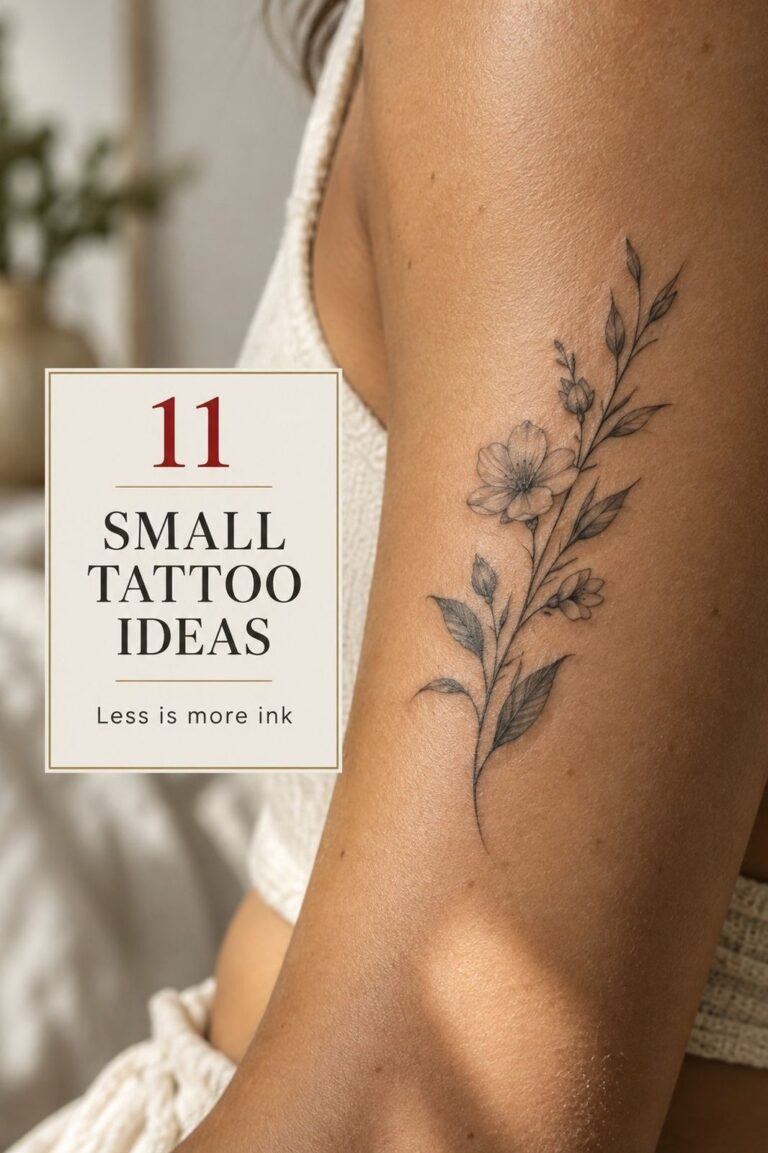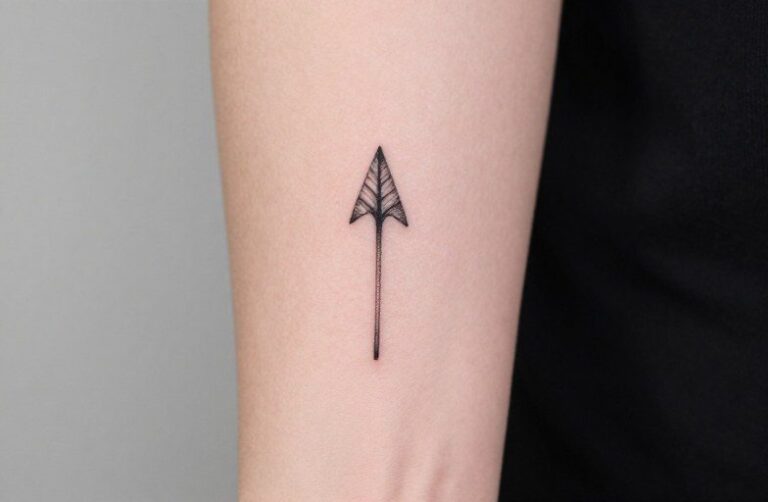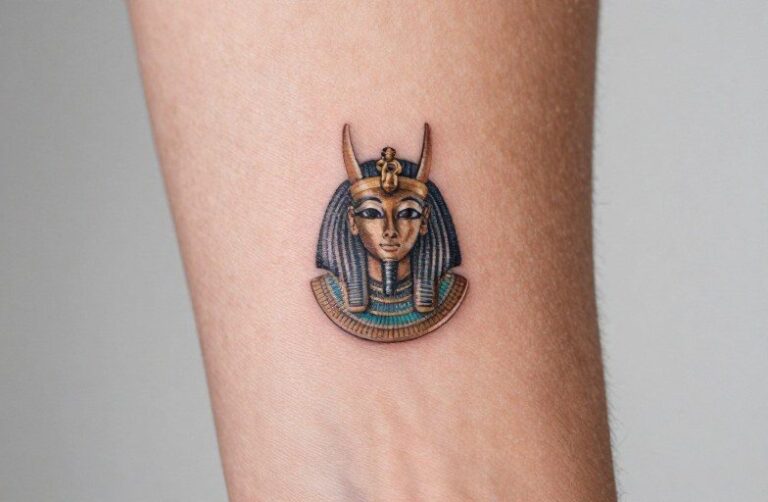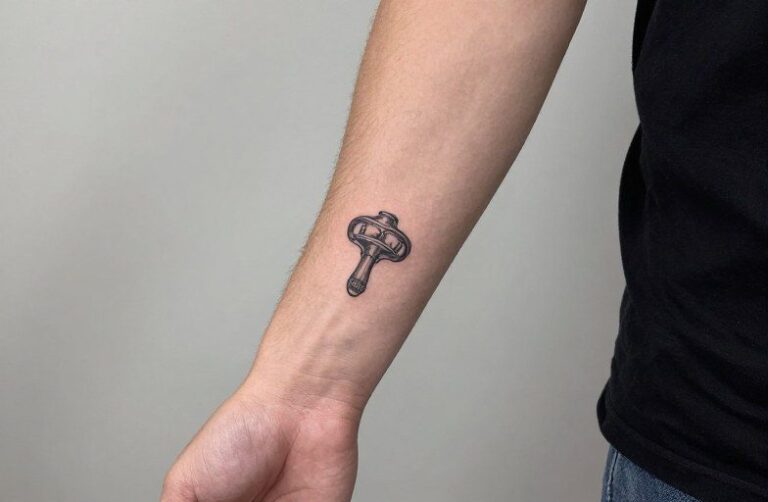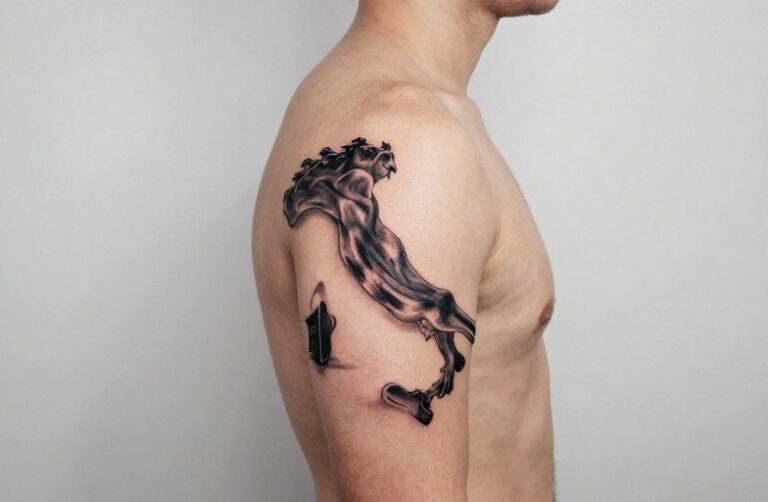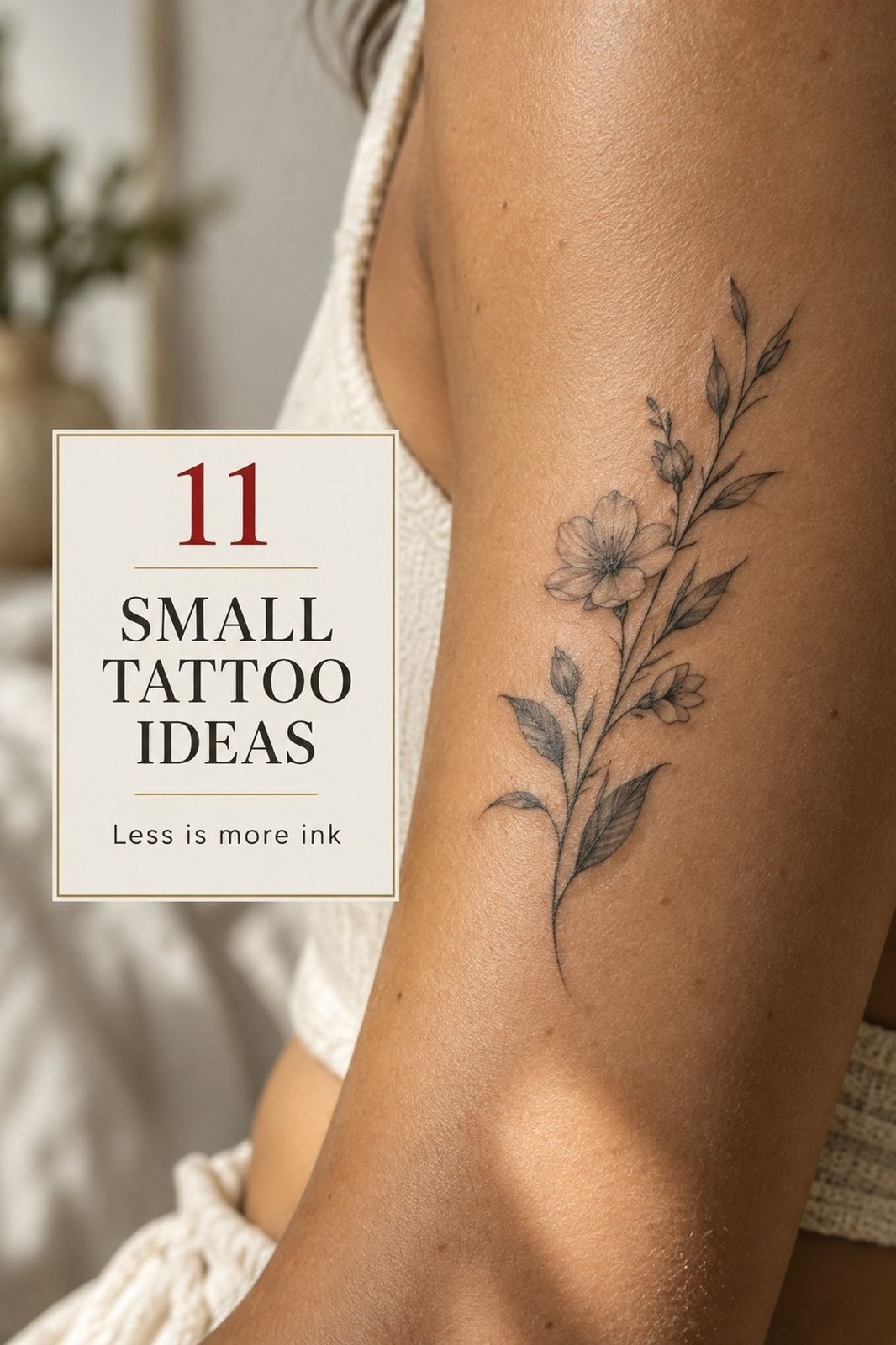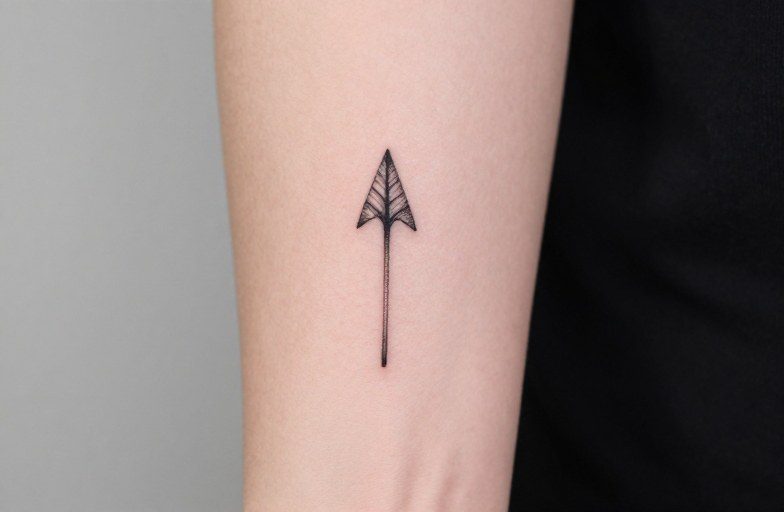
An arm tattoo on a woman typically signals self-possession and deliberate visibility. Unlike torso or back pieces that stay hidden, the arm is a chosen stage, something you show or cover by rolling a sleeve, making it a negotiation between public statement and private meaning. The symbolism hinges on which arm, which placement, and what the design actually does there.
Color vs Black and Grey
Color on a woman’s arm behaves differently than black and grey, and the choice isn’t just aesthetic preference.
How Color Sits on Arm Skin
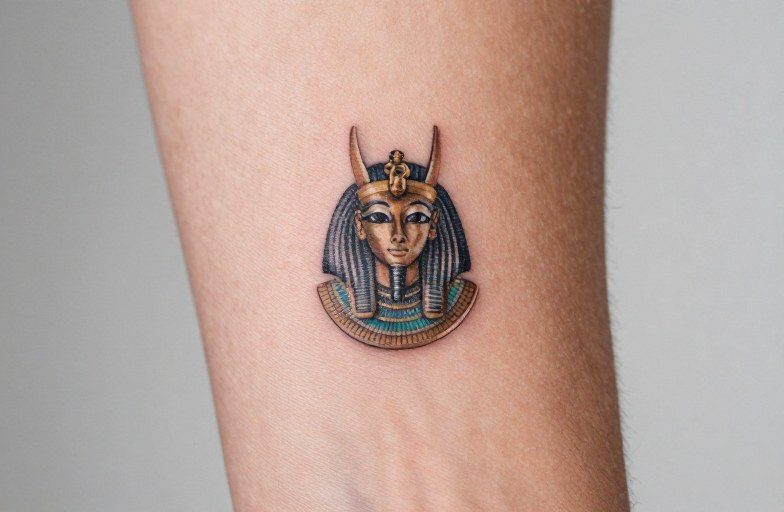
Arm skin, especially the outer bicep and forearm, tans, freckles, and sees more sun than most tattooed areas. Reds and yellows fade fastest here, sometimes shifting to a dusty pink or mustard within five years. Blues and greens hold longer but can muddy if the artist lays them too dense. Color realism (portraits, florals with depth) needs enough contrast to read from conversation distance; subtle gradations often disappear as the skin ages.
Black and Grey’s Quiet Advantage
Black and grey ages more predictably on arms. The technique relies on dilution, not pigment mixing, so there’s less chemical variation to break down. A well-saturated black line stays crisp longer than a color line of the same weight. For women who want script, fine ornamental work, or religious imagery that needs to read clearly for decades, black and grey offers less gambling.
- Color: plan for touch-ups every 7-10 years on sun-exposed arms
- Black and grey: softer aging, but watch for “grey wash soup” if the artist dilutes too much
- Skin tone matters: darker skin can make certain yellows and pastels disappear entirely; discuss this specifically with your artist
Common Variations & Styles
Women’s arm tattoos cluster in recognizable configurations, each carrying different weight.
Placement Vocabulary
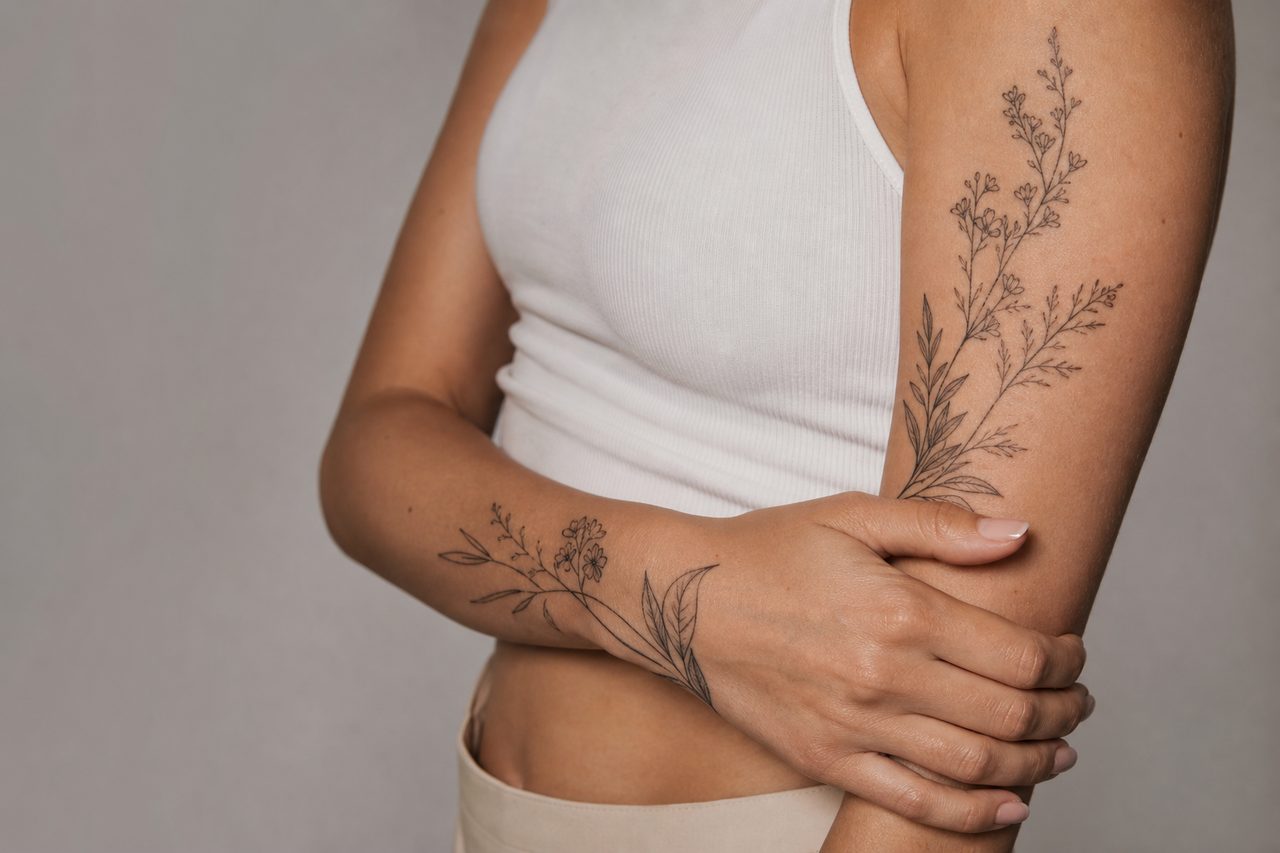
The “upper arm sleeve” or half-sleeve starting at the shoulder reads differently than a forearm piece. The outer upper arm is traditionally masculine territory, biker, military, athletic, so a woman claiming it with botanical, ornamental, or figurative work makes a specific statement about occupying space. The inner bicep is more intimate, revealed selectively. Forearm tattoos face outward; they’re what you see when gesturing, typing, holding a coffee. Wrist and hand tattoos approach jewelry or marking territory, often read as more committed because they’re harder to hide professionally.
Style Categories That Hold Up
Traditional Americana on a woman’s arm has seen a resurgence, but the imagery shifts, less pin-up, more dagger-and-snake, more autonomous symbolism. Fine line ornamental (lace patterns, mehndi-inspired flowing work) suits the arm’s long muscles but requires an artist who understands how line weight must vary with muscle movement. Japanese-inspired work (often linked to protective symbolism in its original context) wraps well around the cylindrical arm shape, though authentic irezumi placement rules differ from Western adaptation.
- Wraparound designs: must account for forearm rotation, what looks centered with arm down twists when palm up
- Script and lettering: forearm flatness helps readability; bicep curves distort words
- Floral clusters: roses, peonies, and chrysanthemums remain common, but their specific species carry different traditional associations
Symbolism & Core Meaning
Arm tattoos for women carry symbolic layers beyond the image itself.
The Visibility Contract
Choosing the arm means choosing to be seen. This differs from ankle or rib tattoos that function as personal talismans. An arm piece enters social space, job interviews, family gatherings, first dates. The symbolism includes this negotiation: “I am willing to be read.” Some designs lean into this (bold, legible from distance), others subvert it (intricate detail only visible up close, private imagery in public space).
Specific Motifs and Their Weight
Snakes wrapped around arms carry ancient associations with renewal and danger, often linked to feminine figures in mythology. Birds in flight across the forearm suggest movement, escape, or aspiration depending on species and direction. Botanical work, especially native plants to a region, can signal rootedness or growth. The moon in its phases, common on upper arms, connects to cyclical time and change. These aren’t universal translations; they accumulate personal meaning through the wearer’s choice and context.
Design Tips & Pairings
Smart arm design accounts for anatomy, existing work, and future additions.
Working With Muscle Structure
The deltoid cap, bicep belly, and forearm extensor muscles each move differently. A design centered on a relaxed bicep shifts when the muscle flexes. Experienced artists map this: ornamental work often follows the long axis of the forearm, while round designs settle better on the relatively stable outer shoulder. For women with less pronounced muscle definition, the skin still stretches and compresses, test your design by moving through your full range of motion during consultation.
Building Around Existing Tattoos
Arms often accumulate work over years. Planning negative space early prevents the “filled-in” look that happens when separate pieces crowd together. Some women choose a unified sleeve approach from the start; others prefer collected moments. Both work, but mixing styles (fine line next to bold traditional) requires careful transition elements or deliberate contrast. Cover-up considerations matter too: black-heavy designs are easier to modify later than color-saturated ones.
- Leave breathing room around wrist and elbow, natural transition zones
- Consider how the design terminates at the wrist or shoulder line; abrupt cutoffs look unintentional
- Pairing suggestions: botanical with ornamental line work; animal motifs with geometric framing; script with soft surrounding texture
How It Ages on Skin
Arm tattoos age faster than you’d think, but not for the reasons usually cited.
The Sun Factor
Arms get sun. Even with diligent sunscreen, cumulative exposure degrades ink. The outer forearm and shoulder take the worst hit. Ink particles break down, spread slightly in the dermis, and colors shift. Black doesn’t “turn green”, that’s oxidation of older ink formulas and poor application, but it does grey out and soften. What was a crisp edge becomes a fuzzy one. This process accelerates after roughly age 40 as skin loses elasticity and collagen.
Weight and Skin Changes
Women’s arms change with hormonal cycles, weight fluctuation, and muscle development. The inner bicep and back of the upper arm see more tissue variation than forearms. A design that looks perfect at 25 may distort with later changes, not dramatically, but enough to alter the visual balance. Line-heavy designs suffer more than solid, shape-based work because line spread is more visually disruptive.
- Moisturize: dry skin shows tattoo aging faster
- Touch-up timing: 5-7 years for color, 10-15 for solid black and grey
- Consider future skin texture: very detailed work on areas prone to creasing (inner elbow, wrist) won’t hold fine detail as long
Religious & Spiritual Angles
Arm placement carries specific resonance in several spiritual traditions.
Christian and Jewish Considerations
Leviticus 19:28, often cited regarding tattoos, specifically references marking the body for the dead. Some Jewish women avoid arm tattoos to maintain burial eligibility in traditional cemeteries, though interpretations vary widely. Christian imagery on the arm, crosses, praying hands, scripture, has historical precedent in Coptic and Orthodox traditions where tattooing functioned as pilgrimage marking and identity. The visibility of arm placement suits evangelistic intent but also invites scrutiny that quieter placements avoid.
Hindu, Buddhist, and Protective Traditions
Sak yant, the Thai tradition of sacred geometric tattoos, has specific arm placements with designated purposes, certain designs belong on the back, others the chest, the arm positions carrying protective or attraction properties. Women receiving these traditionally faced restrictions, though modern practice has shifted. Hindu imagery (deities, mantras) on arms requires respectful consideration of which figures face upward or downward, and which are appropriate for the body at all. The arm’s visibility means sacred imagery enters mundane spaces, bathrooms, bedrooms, bars, which carries different weight than hidden devotional marks.
What to Remember
An arm tattoo on a woman means what she builds into it, but the placement itself speaks first. The arm offers control, you show it, you cover it, you gesture with it. Choose artists who understand how women’s arm anatomy differs from the male reference models many learn on. Prioritize technical execution over immediate trend; the arm is too visible to hide mediocre work. Plan for aging, not just the first fresh photo. And recognize that this placement enters a longer cultural conversation about women’s bodies, visibility, and autonomy, whether you intend that symbolism or not, it travels with the ink.
Frequently Asked Questions
Does an arm tattoo hurt more than other placements for women?
Pain varies by specific location. The outer bicep and forearm are generally manageable. The inner bicep, elbow ditch, and wrist bone hurt more due to nerve proximity and thin skin. Women often report that hormonal cycle timing affects sensitivity.
How do I choose between a single piece and a full sleeve?
Consider your lifestyle and commitment. A single strong piece allows flexibility, you can stop there or build around it later. A planned sleeve requires cohesive vision and more sessions. Many women start with a forearm piece and extend upward as life permits.
Will an arm tattoo affect job prospects?
This depends on industry and geography. Creative fields rarely restrict visible arm tattoos. Corporate, healthcare, and education settings may still require coverage. Forearm and wrist tattoos are harder to hide than upper arm pieces. Test with removable sleeves before committing.
How long should I wait between arm tattoo sessions?
Most artists recommend 2-4 weeks for the same area to heal sufficiently. Working on different arms simultaneously is possible but affects sleep and daily function. Plan around your dominant arm, healing there disrupts more activities.