Name tattoos carry weight. They freeze a moment, a person, a bond into ink that stays. Some wear them as open declarations; others tuck them close, visible only in mirrors or to a chosen few. The design matters less than the decision to commit, but the design still matters. A name can dissolve into illegible blur or stand sharp decades later, depending on how you build it.
Size & Scale
Micro Name Tattoos
Tiny names, under an inch, work best with clean, simple lettering. Single-needle linework or fine-line script keeps the edges crisp at this scale. Avoid elaborate fonts; serifs and thin cross-strokes collapse into solid color as the ink settles and spreads slightly during healing. A micro name behind the ear, along the finger side, or tucked into the inner wrist reads as intimate, almost whispered. The tradeoff: these blur faster than larger pieces. Plan for touch-ups every few years if you want the text to stay readable.
Statement Pieces
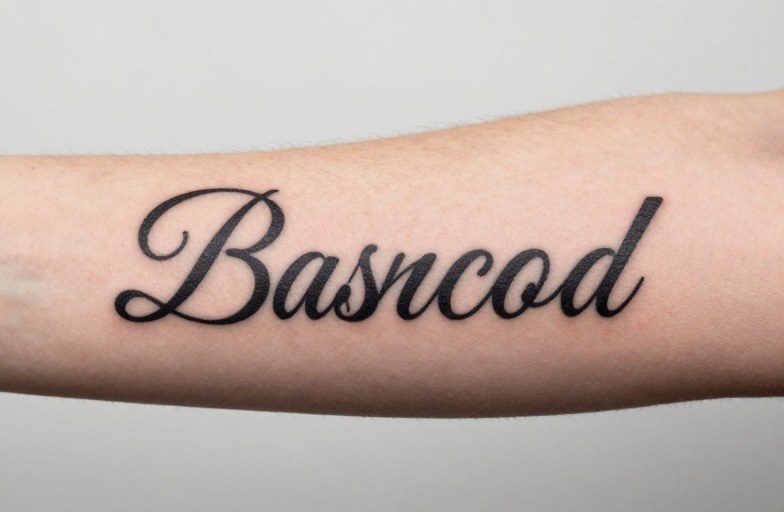
Large name tattoos across the chest, down the forearm, or along the ribcage allow for dimensional effects. Shaded drop shadows, banner wraps, or integrated imagery (roses, birth flowers, coordinates) fill space without crowding the letters. At three-plus inches, you can use bolder fonts, Old English, custom brush script, even carved-stone effects. The skin has enough real estate for the ink to breathe. Shading here ages better than in micro work; the gradients soften into pleasant weathering rather than muddy confusion.
For First-Timers
Starting with a name tattoo means confronting permanence head-on. The pain sits in the moderate range for most placements, though ribs and feet spike higher. If you’re nervous, pick a meaty spot, outer arm, thigh, calf, where the needle buzzes against muscle rather than bone or thin skin.
- Choose a font you can read at arm’s length; decorative scripts often fail this test
- Stick to black ink for your first; color complicates healing and touch-ups
- Request a stencil preview; live with it on your skin for ten minutes before the needle starts
- Avoid fingers and palms initially; these spots heal poorly and fade fast
First-timers often overthink the name itself. The bigger question: can you live with this specific design, not just the person it represents? Relationships shift. Design quality doesn’t have to.
How to Personalize It
Beyond Basic Script
Plain lettering flattens fast. Embedding the name into a heartbeat line, wrapping it through a birth flower, or building it from meaningful coordinates adds layers without clutter. Some clients trace the name in a loved one’s actual handwriting, photographed, digitized, then tattooed. This reads as unmistakably personal, though shaky handwriting doesn’t always translate well to skin; your artist may need to clean up the letterforms while preserving the character.
Symbolic Substitutions
Not every name needs to appear in letters. Morse code dots and dashes, musical notes for a shared song, or even chemical structures for compounds that matter to your bond, these carry the name’s essence without literal text. A child’s name might become their birthdate in Roman numerals. A partner’s might hide inside an infinity loop’s negative space. These approaches age gracefully and start conversations rather than ending them with obvious answers.
Matching & Pairing Ideas
Couples and family members often seek connected designs without identical copies. Splitting a phrase across two bodies, one wears “to the moon,” the other “and back”, creates completion only when together. Parent-child pairs sometimes use the same font for each other’s names, placed in corresponding spots: mother’s name on the child’s left ribcage, child’s name on mother’s right.
- Complementary imagery: one wears the name, the other the symbol associated with it
- Matching placement, different scales: large and small versions of the same design
- Puzzle elements: two tattoos that form a complete image when aligned
- Timeline versions: matching names with different dates or coordinates marking shared milestones
Matching tattoos carry risk. Design them so each piece stands alone if the relationship changes. A beautiful name tattoo on its own beats a broken half-puzzle every time.
Best Placements
Visible & Social
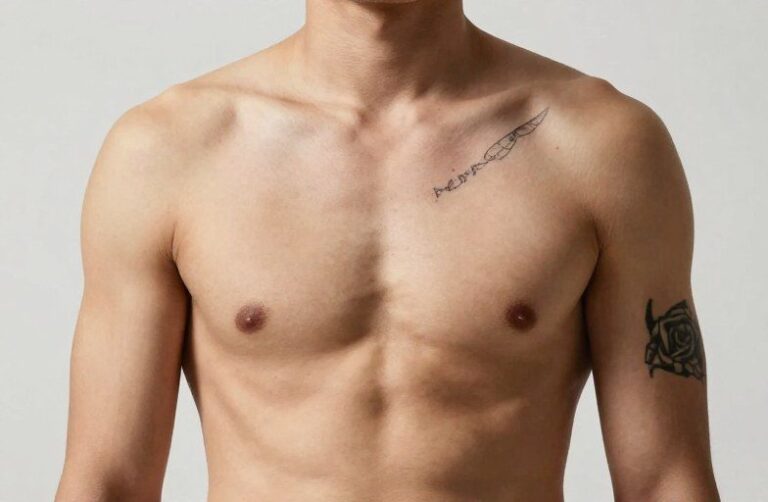
Forearms, collarbones, and the sides of the neck put the name in daily view. These placements signal openness; they’re hard to hide in professional settings, so commit consciously. Forearm inner surfaces age relatively well, less sun exposure than tops, enough flesh to hold detail. Collarbones hurt sharply but heal cleanly if you avoid tight straps during recovery.
Concealed & Intimate
Ribs, hips, upper thighs, and the sternum between breasts keep the name private. These spots accommodate larger designs and allow for easy covering. The ribcage, though painful, offers a natural canvas for horizontal name banners following the body’s curve. Upper thigh work stays protected from sun, preserving black ink longer than shoulder or arm placements. Sternum pieces center the name physically; they read as held close, guarded.
Feet and hands remain popular but technically challenging. Foot skin sheds and regenerates rapidly; name tattoos here often need reinforcement within two years. Hand and finger skin is thin, constantly moving, and exposed, ink frequently falls out or blurs. If you choose these spots, expect maintenance and budget accordingly.
Tips for Choosing
Font selection determines longevity more than most people realize. Thick, consistent letter weights hold up; hairline details disappear. Test your chosen font at the actual tattoo size, then step back six feet. If you can’t read it, neither will anyone else in five years.
- Research your artist’s lettering portfolio; not every tattooist specializes in script
- Bring reference but stay open to the artist’s adjustments for skin-specific readability
- Consider orientation: horizontal names flow with limbs, vertical names suit ribs and spines
- Plan for the long term: how will this name read at sixty, not just twenty-six?
Black ink outlasts color. Shading behind letters can help them pop on darker skin tones, but heavy black fills can overwhelm delicate script. Discuss these specifics in your consultation; a good artist will show you healed examples on similar skin.
Final Word
A name tattoo is a decision first, a design second. The best ones marry personal significance with technical wisdom, readable, well-placed, built to last. Take time choosing not just what to wear, but how to wear it. The name itself may be irreplaceable, but the tattoo around it should be too.
Frequently Asked Questions
How do I choose a font that won’t look dated in ten years?
Stick to clean, classic letterforms with consistent weight. Avoid overly trendy scripts or extreme decorative elements. Your artist can adapt a timeless font to your personal taste while keeping it readable long-term.
Can a name tattoo be covered up if the relationship changes?
Cover-ups depend on size, placement, and ink density. Small, light name tattoos cover more easily than bold, large ones. Black ink names can sometimes be reworked into darker imagery like roses or geometric designs.
Why does my artist want to make the letters thicker than I requested?
Skin isn’t paper. Ink spreads slightly under the surface, and thin lines can blur together over time. Slightly bolder letterforms ensure the name stays legible as the tattoo ages and settles.
Is it better to get a name in someone’s handwriting or a standard font?
Handwriting carries deep personal meaning but can be harder to read or replicate cleanly. Standard fonts offer clarity and longevity. A middle path: have your artist refine the handwriting into a tattooable version that keeps the original character.