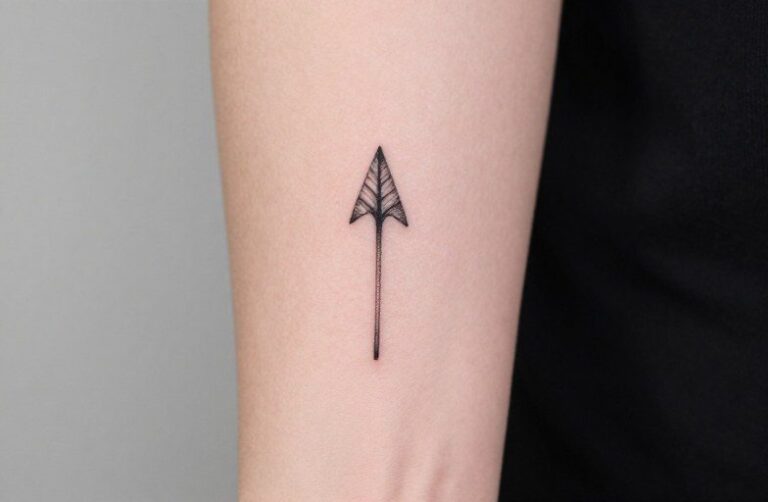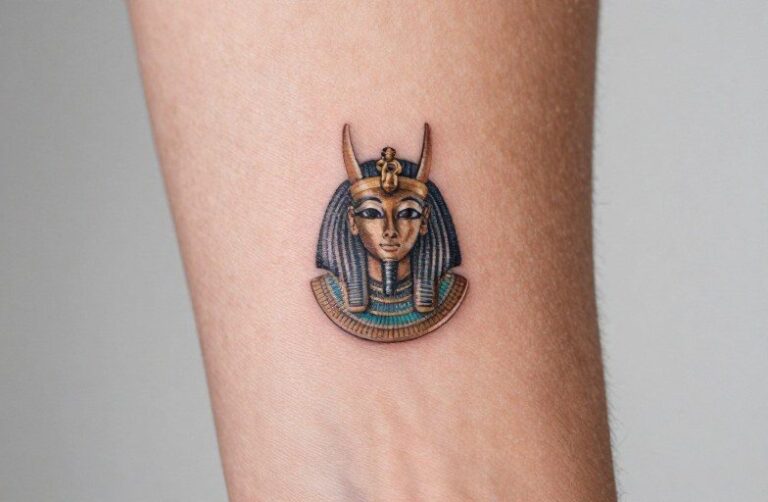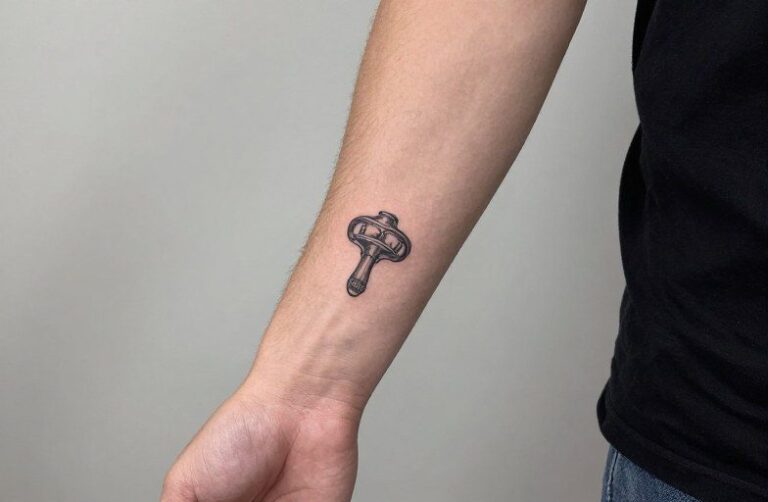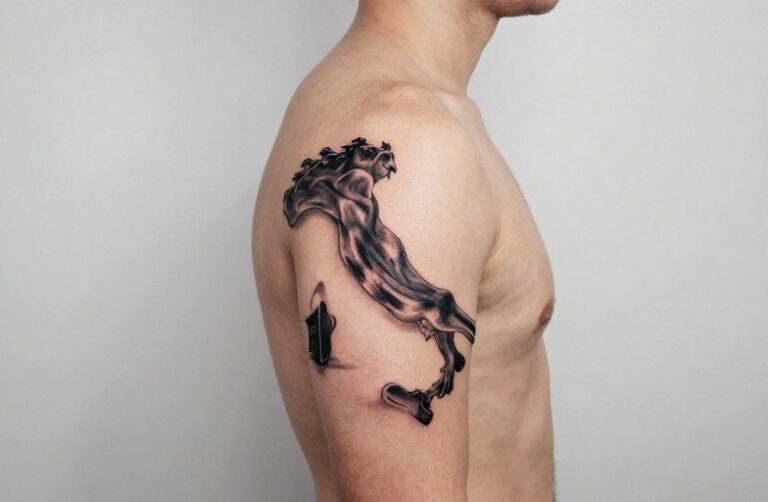
Pro wrestling ink hits different. It is not about picking a cool picture. It is about capturing a specific era, a crowd-roaring moment, or the exact attitude that hooked you on wrestling in the first place. The best WWE tattoos do not simply name-drop a superstar; they translate the energy of the squared circle into something permanent on skin. You might be chasing nostalgia for the Attitude Era, or you might want something that nods to current NXT talent. Either way, the design choices matter more than the name alone.
How to Personalize It
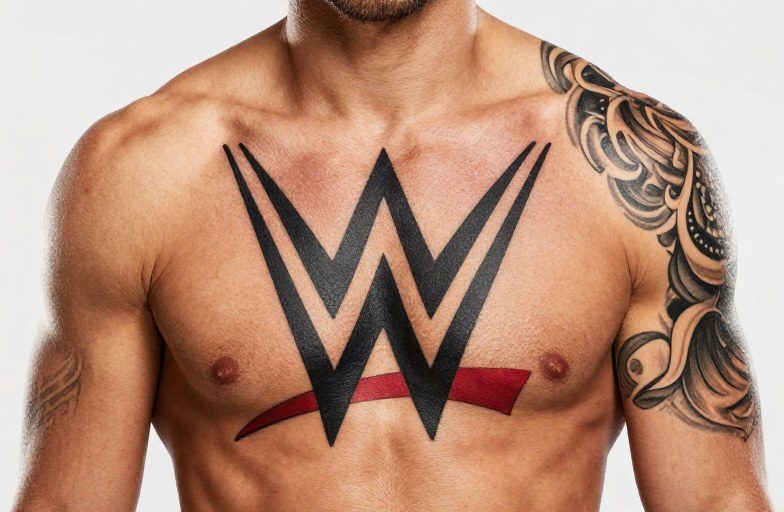
Generic logos age fast. A straight copy of the WWE scratch logo from 1998 looks flat without context, and in time it will feel as dated as any trend-driven ink. The move is finding your personal entry point into wrestling and building outward from there.
Your Era, Your Angle
Think about when you actually started watching. Was it Saturday morning Superstars? The Monday Night Wars? The pandemic-era ThunderDome? Each period has distinct visual language:
- Golden Age (80s-early 90s): brighter palettes, cartoonish energy, Hulkamania yellow and red
- Attitude Era (late 90s-early 2000s): black, metallic textures, scratch logos, chain motifs
- Ruthless Aggression (2002-2008): more realistic portraiture, grittier finishes
- Modern WWE: cleaner lines, NXT’s minimalist black-and-gold, neon-accented contemporary designs
Pick visual elements from your era and combine them with something specific to you. Your hometown area code worked into a turnbuckle design. Your own wrestling nickname rendered in classic WWF font. The date of your first live event hidden in championship side plates.
Signature Moves as Abstract Designs
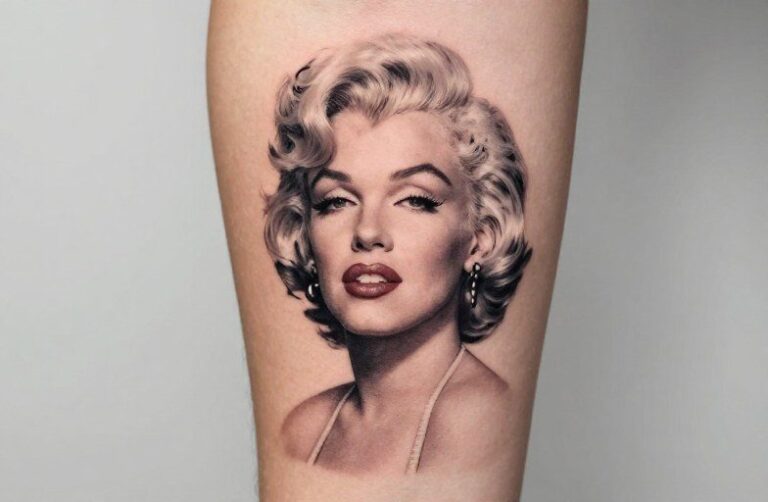
Literal portraits of wrestlers are hard to pull off and harder to maintain. Abstracted signature moves last better. A tombstone piledriver rendered as two geometric shapes colliding. A figure-four leglock as interlocking negative space. The RKO’s sudden strike as a motion-blur slash across the forearm. These read as wrestling to those who know, and as striking design to everyone else.
Matching and Pairing Ideas
Wrestling is built on tag teams and rivalries, so the visual language already supports pairing. The trick is avoiding the obvious.
Tag Team Compositions
For couples or close friends, consider split designs that complete each other when brought together. One person carries the left side of a championship belt; the other, the right. Separated, they are incomplete but still readable. Together, they lock in. Another approach: complementary wrestling personas, the technician and the high-flyer, the heel and the babyface, rendered in matching style but opposing color temperature (cool versus warm).
Rivalry as Negative Space
Two people can share a single design concept split across both bodies. One person’s tattoo shows the moment before impact; the other’s shows the aftermath. Or one carries a spotlight design, the other the shadow it casts. These work best on mirror placements, both forearms, both ribs, both calves, so they align naturally when standing side by side.
What Is Actually Showing Up in Shops
These are the directions artists report seeing from wrestling fans right now, not just what photographs well for social media.
Championship Belt Minimalism
Full belt replicas on skin are a commitment, lots of tiny detail that blurs over time. The current trend strips belts to their essential silhouette: the curve of the strap, the shape of the main plate, maybe one or two iconic elements. The Winged Eagle’s outline. The Big Gold’s distinctive oval. The modern WWE logo belt’s rectangular center. These read instantly to fans without demanding the maintenance of photorealism.
Entrance Theme Visualization
Sound wave tattoos of entrance music have been around, but the newer move is translating the feeling of a theme into visual rhythm. The slow burn of Undertaker’s gong opening as expanding concentric circles. The sudden crash of Stone Cold’s glass as a shatter pattern. The pulsing energy of a modern pop entrance as gradient bars. These go well on the upper arm or along the collarbone where the body’s natural lines can echo the visual rhythm.
Color Choices
WWE ink lives or dies by how color is handled, especially for designs that reference specific characters.
Character-Locked Palettes
Some wrestlers are so closely associated with colors that deviation looks wrong to knowledgeable fans. The Undertaker’s purple and black. John Cena’s red, white, and blue (though the orange is more distinctive if you followed his early career). Ric Flair’s royal purple and gold. When you go this route, commit fully. Half-measures read as mistakes. These palettes work best at scale, with enough space for the colors to breathe rather than compete.
Black and Grey with Selective Color
The smarter long-term play for most wrestling ink: black and grey foundation with one or two strategic color pops. A mostly greyscale portrait with only the eyes in signature color. A blackwork arena scene with a single spotlight in warm yellow. This ages cleaner than full color, heals more predictably, and the restricted palette forces stronger composition. The color you do use hits harder because there is less of it.
For First-Timers
Wrestling fans getting their first tattoo often want something big. Full sleeve. Full back piece. The works. Resist this. Start with placement that lets you build later without locking you in.
Placement That Grows With You
The outer forearm is the classic starting point for wrestling ink. Visible when you want it, coverable when you do not, enough flat space for detail without the pain of ribs or sternum. From there, you can extend to a full sleeve, connect across to the chest, or stay standalone. The upper arm, from deltoid to mid-bicep, is another smart anchor. Traditional enough for first ink, easy to expand into a larger wrestling-themed composition later.
Size Reality Check
Wrestling logos and text have thin elements that do not survive small scales. The WWE network logo, for instance, has fine line work that blurs below two inches. Belt designs need width to show the strap curve. As a rule: if you cannot clearly make out every element from three feet away at the intended size, go bigger or simplify. Your artist can help, but come in knowing that your favorite tiny detail might need to become the whole design rather than an accent.
Standout Design Ideas
Specific concepts that move beyond the expected.
- Event posters as art nouveau: Take the typography and layout of a classic WrestleMania poster and reimagine it through a different art movement, Art Deco, Soviet propaganda, Japanese woodblock. The wrestling content becomes almost subliminal.
- Ring canvas texture: The actual surface wrestlers perform on has a specific visual texture, canvas over padding, rope marks, wear patterns. A design built from this texture, with a single moment rendered in clean line work against it, creates depth without clutter.
- Microphone and promo: The wrestling microphone is an iconic shape, and the cord can become a flowing design element. Wrap it around an arm, trail it into script of a famous promo, let it frame other elements.
- House show energy: Not the polished TV product, but the specific roughness of non-televised events, smaller venues, harder lighting, more direct crowd connection. This visual quality translates to tattoo as harder edges, higher contrast, less polish.
- Championship reign timelines: For the deeply committed, a visual timeline of a favorite wrestler’s title history using the actual belt designs from each reign, scaled to duration, arranged as a sleeve or back piece.
Before You Decide
Wrestling changes fast. Today’s top star is tomorrow’s released talent, sometimes with complicated baggage. The safest WWE tattoos lean on imagery that transcends individual careers: the physical objects (belts, rings, microphones), the architectural spaces (arenas, entrance ramps), the abstract qualities (momentum, impact, crowd noise). If you are set on a specific person, consider whether their legacy is already established or still forming. Ink is permanent; careers and reputations shift.
WWE’s own branding has changed multiple times. WWF became WWE. The scratch logo gave way to the current clean design. NXT existed, then changed color schemes, then changed again. If you are tattooing a specific logo, know which version you are getting and why that version matters to you. The 1988 WWF logo carries different weight than the 2002 WWE version, and neither matches today’s corporate identity. Your reason for choosing one over the other is part of what makes the tattoo yours rather than a brand exercise.
One more thing: wrestling fans are passionate, and passion can rush decisions. Sit with your design idea for six months. If it still feels right, if you still want to explain it to strangers, then it has passed the test. The best wrestling ink does not need explanation, but it should survive every one you give it.
Frequently Asked Questions
How do I avoid my WWE tattoo looking dated in a few years?
Build around your personal connection rather than copying a current logo exactly. Combine era-specific visual language with elements unique to you: your first live event date, your hometown, your own wrestling nickname. Abstract designs based on signature moves or arena textures age better than literal portraits of current stars.
What is the best placement for a first wrestling tattoo?
The outer forearm or upper arm (deltoid to mid-bicep) are the smartest starting points. Both offer enough flat space for detail, moderate pain levels, visibility when you want it, and easy coverability. They also expand naturally into larger compositions if you decide to build later.
Should I get a wrestler’s portrait tattoo?
Portraits are technically demanding and age poorly if not done by a specialist. Most fans are better served by abstracted designs: a signature move rendered as geometric shapes, a color palette associated with the wrestler, or an iconic object like their championship belt in minimalist silhouette. These read clearly to fans without requiring photorealistic precision.