Every tattoo starts as a drawing, but not every drawing should become a tattoo. The gap between what looks killer on paper and what actually works on skin is where most designs live or die. This guide walks through the practical side of turning ideas and drawings into tattoos that age well, read clearly, and fit your body the way they should.
Trending Variations
Flash-Style Line Work
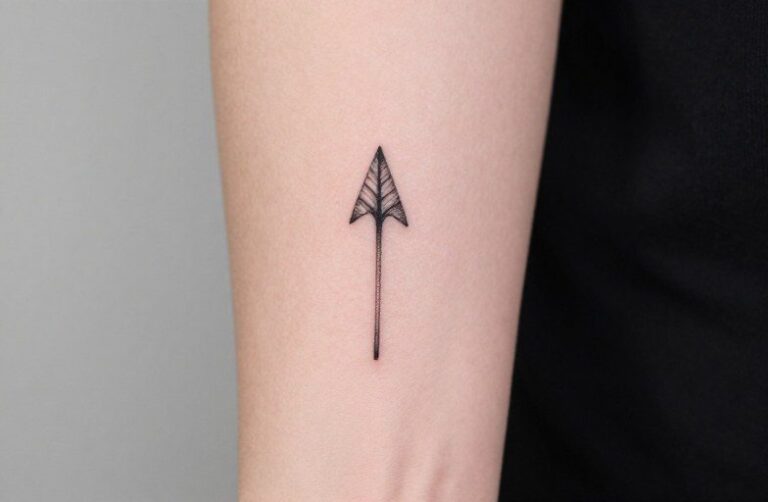
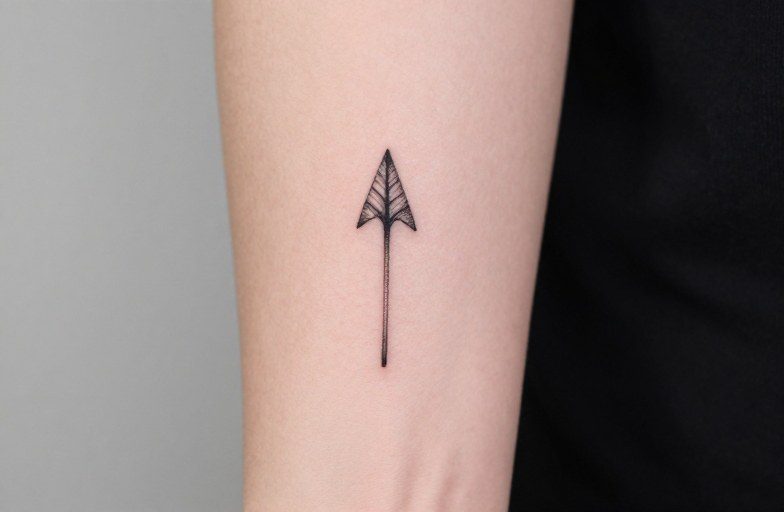
Clean, bold outlines with minimal shading are dominating shop walls right now. These designs borrow from traditional flash sheets but strip away the heavy color fills, leaving negative space to do the visual lifting. The appeal is durability, solid black lines hold their edges longer than fine detail, and the simplicity translates across any skin tone. Artists are pushing this further with “patchwork” arrangements: small flash-style drawings scattered across arms and legs like collected stickers, each piece readable from a distance.
Illustrative Black and Gray
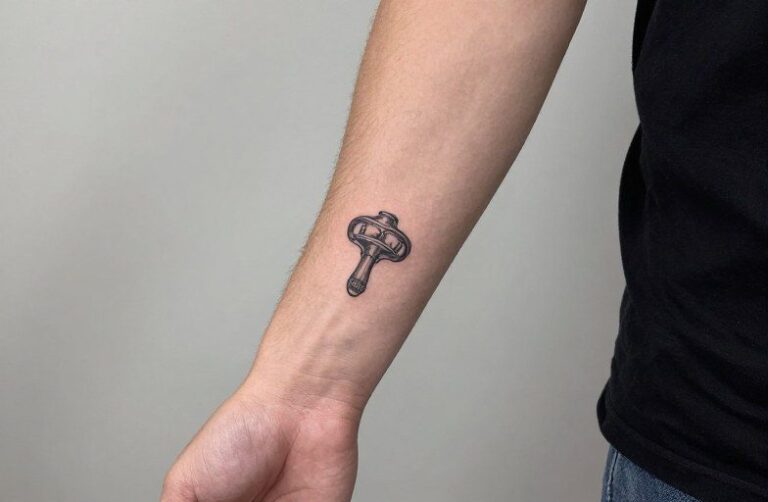
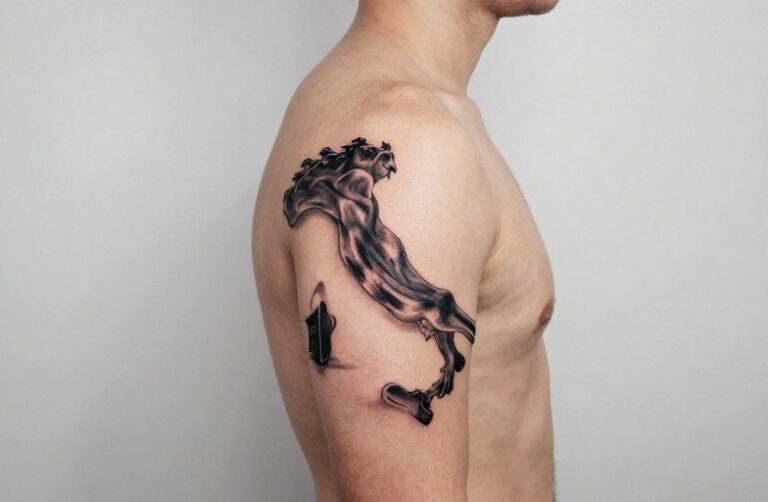
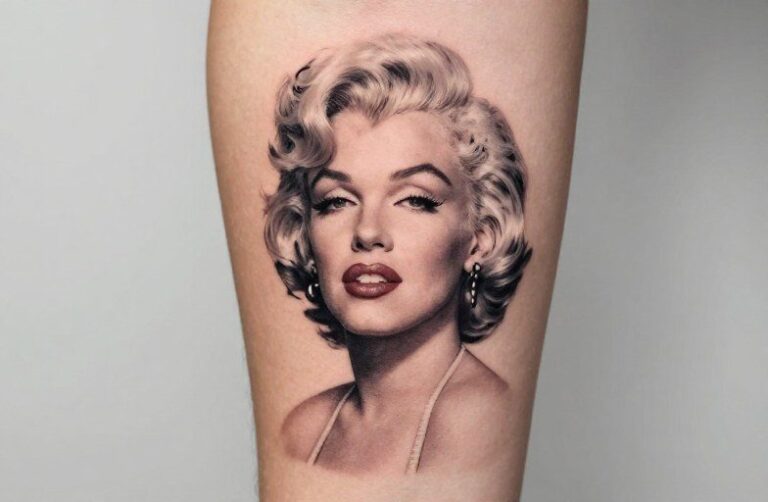
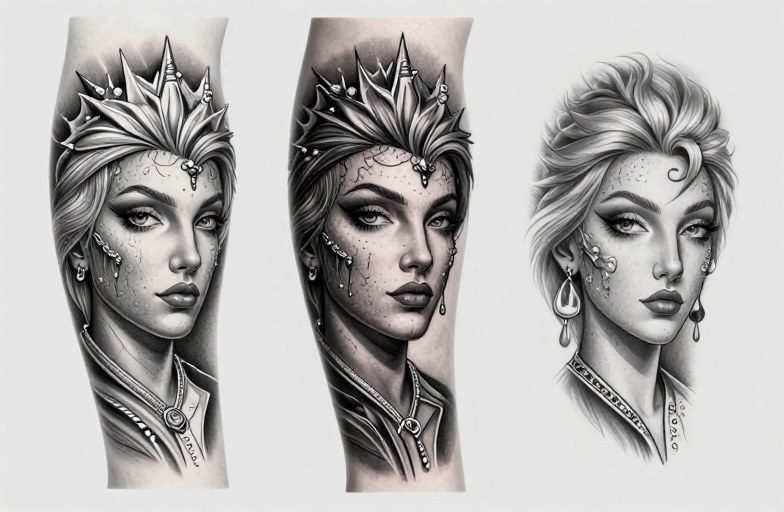
Photorealistic pencil drawings don’t always survive the tattoo process, but illustrative gray-wash techniques bridge the gap. Think crosshatching, stippling, and controlled gradients that mimic graphite or charcoal. The key difference from photorealism: these drawings retain artistic interpretation rather than chasing exact replication. A well-executed illustrative piece looks intentional at five feet and rewarding up close, where the mark-making becomes visible.
Abstract and Sketch-Style
Deliberately unfinished drawings, lines that trail off, erased sections suggested by lighter gray, compositional elements floating in space, are gaining traction. These work best when the “unfinished” quality is consistent across the design, not accidental. The risk here is long-term readability; abstract pieces can drift into illegibility as ink spreads slightly with age. Placement on tighter skin (outer forearm, calf) helps preserve the intended effect.
Best Placements
Flat Planes for Detailed Drawings
The outer forearm, outer thigh, and upper back offer the most stable surfaces for intricate work. These areas have relatively even skin tension and minimal daily movement, which means fine lines stay where they’re put. Drawings with heavy detail or small text need this stability, elbows, knees, and ribs will distort fine work within months.
Flowing with Natural Curves
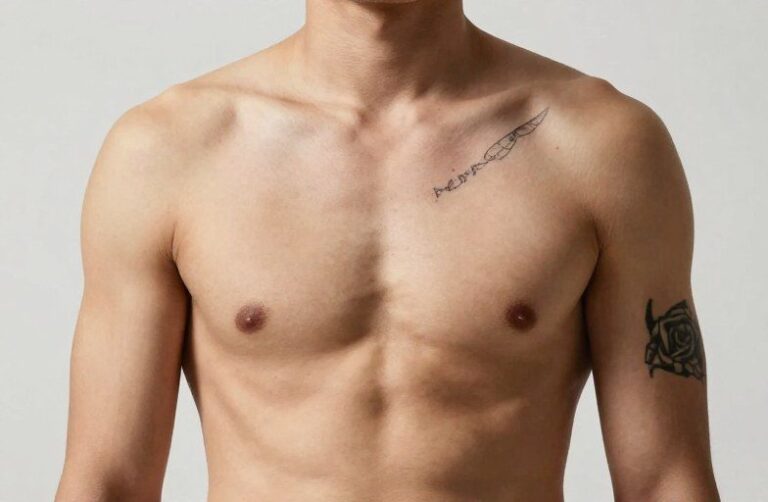
Some drawings benefit from wrapping around body contours rather than fighting them. A long vertical composition can track the inner bicep or calf muscle. Horizontal designs suit the collarbone, sternum, or across the upper back. The trick is adapting the drawing’s composition to the curve, not forcing a rectangular sketch onto a cylindrical limb. Your artist should redraw the piece to flow with the specific body part, not just shrink the original.
- Inner forearm: High visibility, moderate pain, good for medium-detail drawings
- Upper arm/shoulder: Classic canvas, easy to expand into larger compositions later
- Thigh: Large flat area, tolerable for long sessions, hides easily
- Ribcage: Painful but dramatic; best for drawings that benefit from vertical emphasis
- Behind the ear: Small, simple drawings only; detail will blur
How to Personalize It
Starting from Reference, Not Copying
Bring your artist source material that captures mood, composition, or subject matter, not a finished drawing you want traced. The best tattoo drawings are rebuilt for skin: line weight adjusted for aging, contrast boosted for visibility, extraneous detail removed. A photograph of your grandmother’s hands becomes a tattoo drawing by identifying the essential lines that read as “her hands” without reproducing every pore and wrinkle.
Combining Multiple References
Personalization often means synthesis: the pose from one image, the lighting from another, a symbolic object integrated from a third. Communicate which elements matter most to you. Your artist can then draw a composition that prioritizes those elements rather than awkwardly collaging references that don’t share perspective or scale.
Color Choices
Black and Gray Longevity
Black ink is the most stable pigment available. Gray washes, achieved by diluting black or using pre-mixed gray inks, fade predictably and can be refreshed. Drawings conceived in pencil or charcoal translate naturally to this palette. The limitation is warmth, skin undertones (pink, yellow, olive) provide the only color, which can make some gray-wash drawings appear cooler or warmer than intended.
Strategic Color Accents
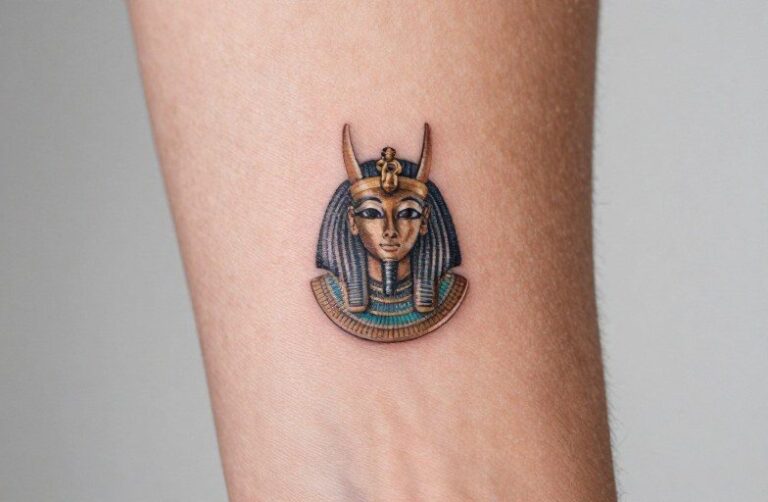
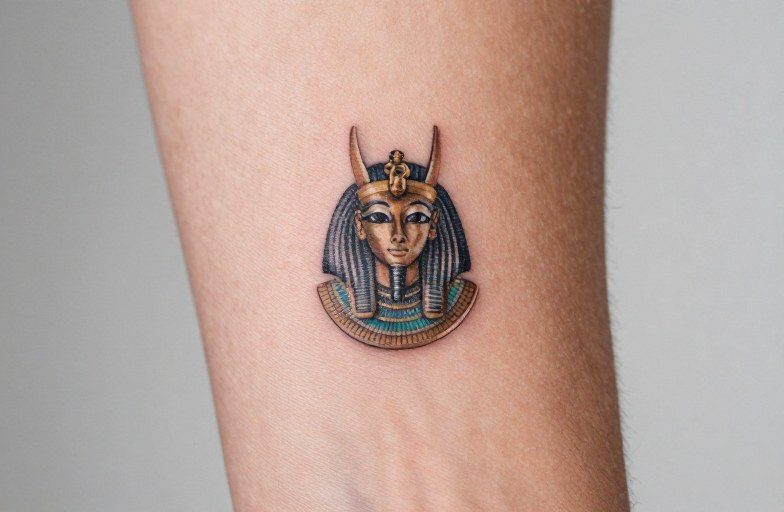
A predominantly black drawing with one or two small color elements creates focal points without committing to full color saturation. A single red rose in a black and gray botanical drawing. A yellow eye in an otherwise monochrome animal portrait. These accents draw the viewer’s eye and, practically, give you flexibility if the color fades faster than the black, you’re not left with a washed-out full-color piece.
Full Color Drawings
Watercolor-style drawings, anime-inspired pieces, and neo-traditional designs demand saturated pigments. The tradeoff: color tattoos require more frequent touch-ups, and lighter colors (yellows, pastels, light greens) can disappear into some skin tones during healing. Darker skin tones carry bold, saturated colors exceptionally well but may not show subtle light tints. Your artist should adjust the drawing’s color values accordingly, not just apply the same palette universally.
For First-Timers
Choosing a Drawing That Won’t Haunt You
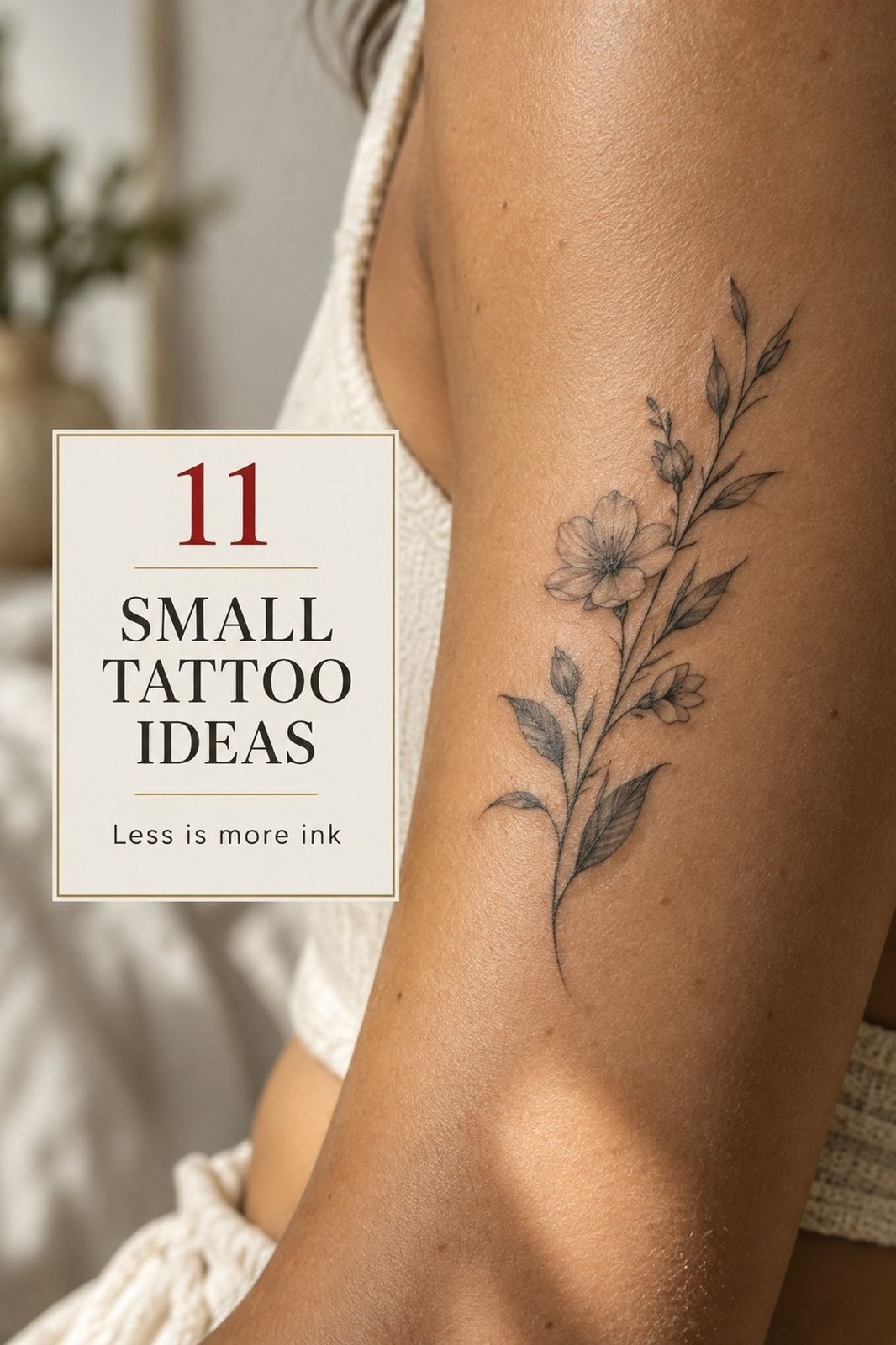
First tattoos often carry pressure to be deeply meaningful. Counterintuitively, the most successful first pieces are usually well-executed drawings of subjects you simply like looking at. A well-drawn snake, a clean geometric pattern, a stylized flower, these age better than elaborate narrative scenes that require explanation. The meaning can be private; the visual quality must be public.
Session Length and Design Complexity
Long sessions are hard on newcomers. A detailed drawing that requires four hours might be better split into two sessions, or simplified to a two-hour version. Line work heals faster and with less peeling than heavy shading or color packing. For a first piece, consider a drawing that relies on strong outline and minimal fill, you can always add background or shading later.
Size & Scale
Minimum Readable Size
Line weight determines minimum size. A drawing with hair-thin details needs to be large enough that those lines don’t blur together. As a rough guide: text needs to be at least 1/4 inch tall to remain legible; fine parallel lines need spacing equal to line width; dotwork stippling needs room for dots to stay distinct. Your artist can evaluate a drawing and tell you the smallest scale at which it will hold.
Scaling Up Without Losing Impact
Large drawings need compositional weight. A small, delicate sketch blown up to full back size often feels empty. When scaling up, artists typically add background elements, increase line weight variation, or introduce texture to fill the expanded space. The core drawing remains, but it’s supported by surrounding visual structure. Discuss this with your artist before assuming your 3-inch sketch will work at 12 inches unchanged.
Final Word
Drawings become tattoos through translation, not transcription. The best results come from respecting what skin does, how it stretches, heals, ages, and interacts with light, then drawing specifically for that medium. Bring ideas, references, and enthusiasm to your consultation. Bring flexibility too. The drawing that goes on your body should be the one that works there, not the one that looked perfect on your phone screen.
Frequently Asked Questions
How do I know if my drawing idea will work as a tattoo?
Show it to an experienced artist during a consultation. They’ll assess line weight, detail density, and how the composition flows with your chosen body part. Some drawings need significant redrafting to survive as tattoos.
Should I bring a finished drawing or let the artist design it?
Bring references that capture what you want, but let the artist redraw for tattoo application. They understand how ink spreads, how skin heals, and how to build contrast that lasts. Traced drawings often make bad tattoos.
Why do some detailed drawings look blurry after healing?
Fine lines and tight detail can spread slightly during healing as the skin settles. This is normal, which is why tattoo drawings use bolder lines and more spacing than pencil sketches. Touch-ups can sharpen faded areas.
How much should I expect to edit my original drawing idea?
Expect significant changes. Most drawings need line weight adjustment, simplified detail, and compositional restructuring for the specific body placement. The core concept stays; the execution adapts to the medium.