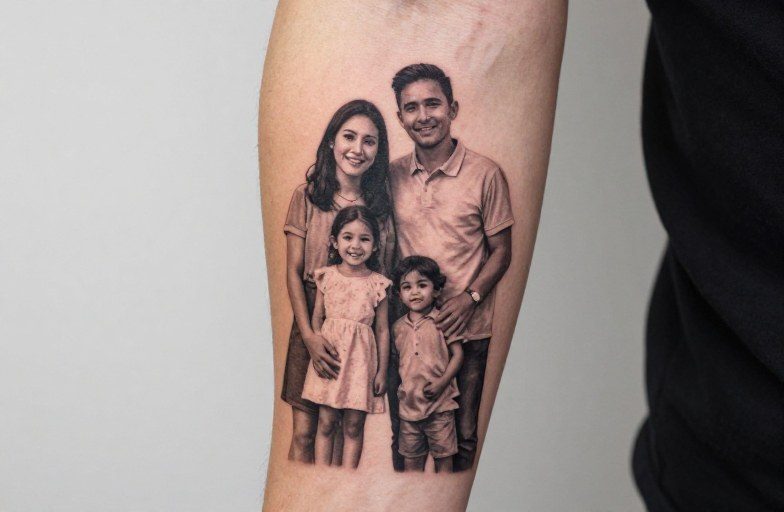
Family tattoos run the risk of being generic. A heart with “Mom” in a banner. A set of matching birds. The concept is solid. The execution often is not. What separates a meaningful family piece from a forgettable one is specificity: your specific people, your specific bond, rendered in a way that holds up for decades.
Matching and Pairing Ideas
Matching tattoos work best when they contain a private reference rather than an obvious symbol. Siblings might share coordinates of a childhood home rendered in each other’s handwriting. Parent and child could split a design that only completes when you are together: one half of a vintage rotary phone, the other half, with the cord connecting across both arms when you stand side by side.
Split Designs That Actually Function
The split-design concept fails when both halves look incomplete alone. A better approach uses two distinct but related images. Two wolves from the same pack, different postures. Two oak trees from the same forest, matching bark texture but individual branch structures. Each stands alone. Together, they resonate.
Sequence and Number Tattoos
Birth order, significant dates, or family size rendered as Roman numerals, tally marks, or abstract dot patterns can be subtle and permanent. Three brothers might use three vertical lines of varying weight, thickest for eldest, finest for youngest, incorporated into larger pieces or standing alone as finger tattoos. The variation in line weight adds visual interest and encodes meaning without requiring explanation.
Standout Design Ideas
Moving beyond the obvious requires digging into family-specific imagery. What object connects your people? A grandmother’s cast-iron skillet, a father’s specific wristwatch, the exact dogwood tree from your backyard. Not a generic tree, but that tree’s particular crooked branch.
Portrait Alternatives
Literal portraits age poorly and require enormous skill to execute well. More resilient options include the silhouette of a parent’s profile in their characteristic posture. The negative-space outline of a child’s hand at a specific age. A pet’s distinctive ear shape, the one you could recognize in darkness. These read as design first, portrait second, and they age gracefully because they do not depend on photographic accuracy.
Text as Texture
Handwritten notes, signatures, or repeated phrases can become pattern rather than message. A mother’s recipe written in her actual cursive, wrapped around a forearm like a sleeve element. A father’s repeated phrase, “check your oil,” layered until it becomes visual texture, legible only on close inspection. The handwriting itself carries more emotional weight than the words.
Color Choices
Black and grey family tattoos age with dignity. Color introduces complexity that demands maintenance. That said, specific color carries specific family meaning.
- Birthstone colors: subtle when used as accents, overwhelming when dominant. A thin line of garnet red tracing a black design reads as intentional; a solid red heart reads as basic.
- Family crest or heraldic colors: often linked to lineage, though most “family crests” sold online are fabricated. If you have verified heraldic colors, they carry genuine weight.
- Sports team colors, national flags, or other shared affiliations: effective when abstracted. The specific navy and gold of a shared team, rendered as two-tone shading rather than literal logo.
Watercolor-style family tattoos trend hard and fade harder. The soft edges blur within five to seven years. If you want color, commit to bold saturation and defined borders, or accept that you will need refresh sessions.
Size and Scale
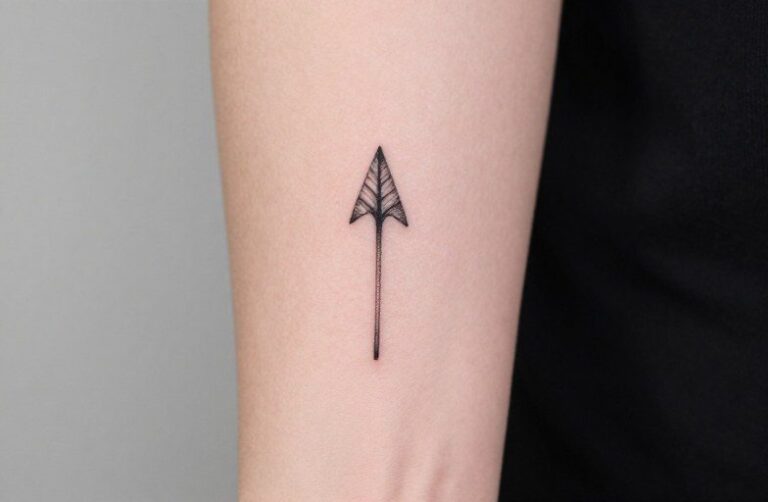
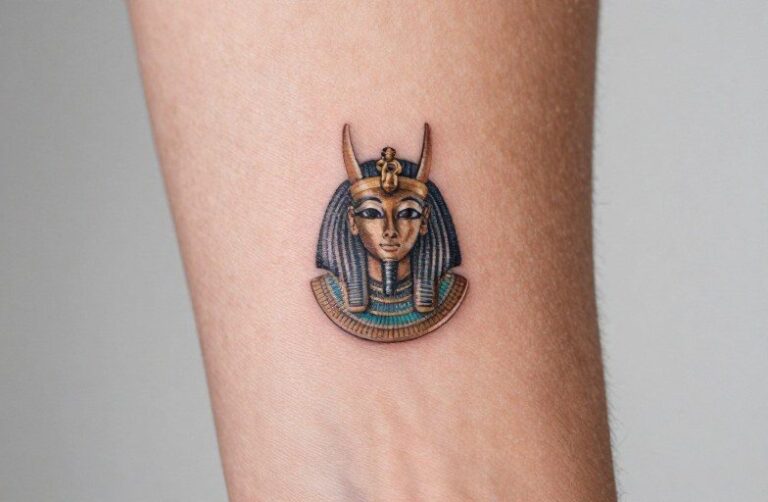
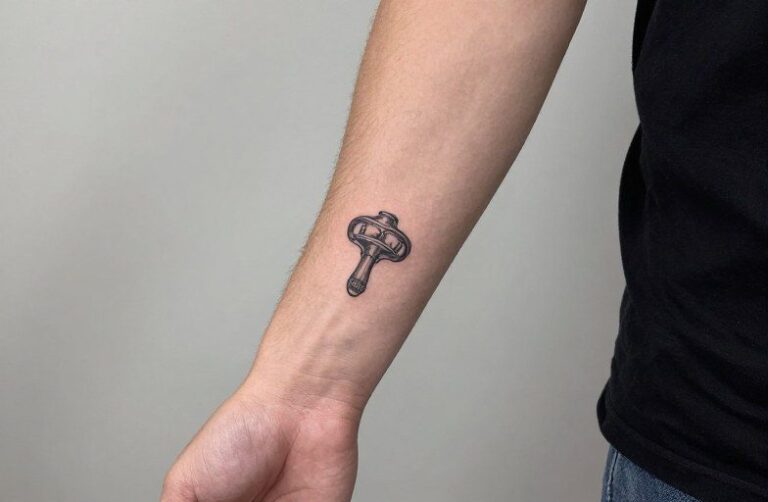
Small family tattoos demand precision. A single word, a tiny symbol, a minimal line: these have nowhere to hide. Line weight below 3mm risks blowout and fading. Text below 10-point equivalent becomes illegible within years.
When Small Works
Coordinates, single initials in specific fonts, Morse code of significant dates: these function at small scale because they rely on pattern recognition rather than detail. A 2-inch square behind the ear can hold a constellation of dots representing family members, each dot’s position corresponding to actual stellar positions on a meaningful date.
When Larger Serves Better
Family trees, multi-name pieces, or composite designs need real estate. A forearm sleeve or upper back panel allows layering: names as branches, dates as leaves, a central trunk incorporating a shared symbol. The scale lets each element breathe and lets the artist use varied line weights and shading depths that create visual hierarchy.
Best Placements
Visibility choices carry their own meaning. A family tattoo on the hand or neck is always visible. You are declaring this identity publicly. A rib piece or upper thigh is private, shared by choice, hidden by default.
For matching sibling or parent-child pieces, consider placements that mirror when you are together. Inner forearms that face each other when you hold hands. Ribs on the same side, so they align when you hug. These placements do not affect daily viewing but create moments of resonance.
Areas with frequent movement, wrists, fingers, elbows, age faster. The skin there sheds and regenerates more rapidly. A family ring tattoo, while appealing conceptually, typically needs touch-up every few years. Plan for that maintenance or choose a nearby placement with more stability.
Popular Styles
Style choice should serve the specific family reference, not the other way around.
American Traditional
Bold lines, limited color palette, immediate readability. Works for classic symbols: anchors for stability, roses for love, banners for names. The style’s graphic strength carries sentimental content without softening it. These tattoos read clearly from distance and hold their saturation for decades.
Fine Line and Single Needle
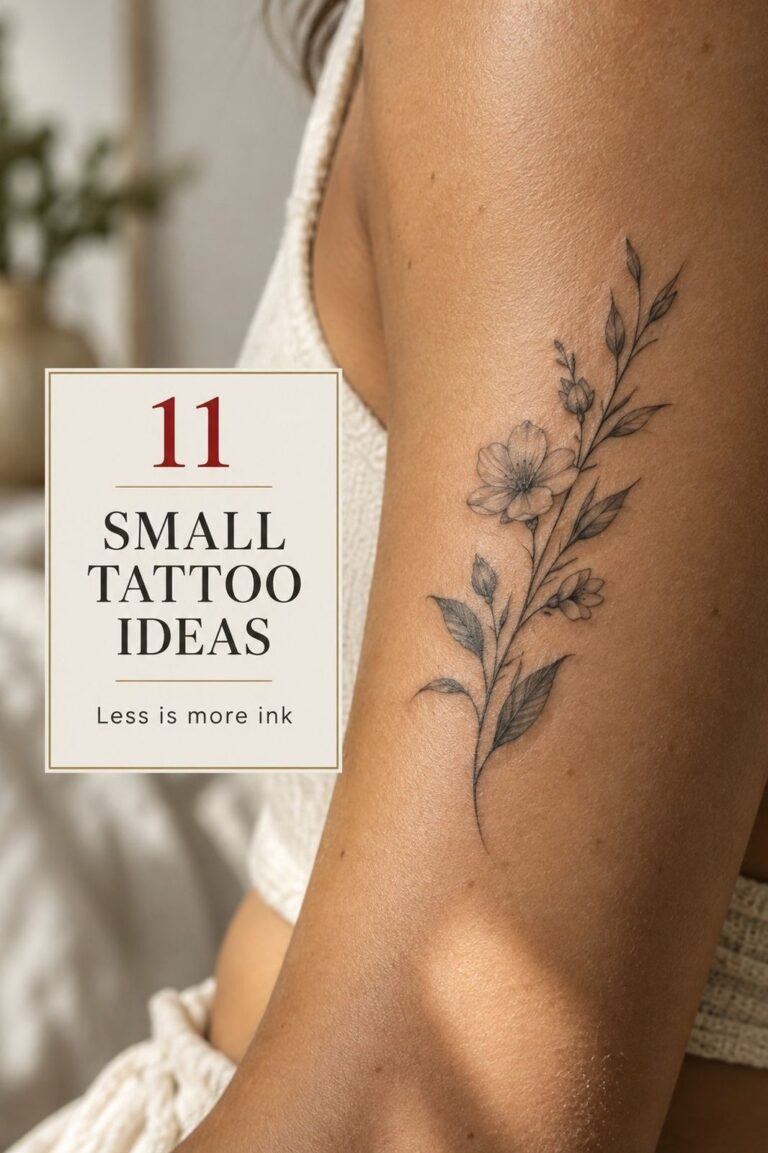
Delicate, precise, currently dominant. Appropriate for handwriting reproduction, botanical elements, geometric patterns. The trade-off: faster fading, more vulnerability to sun damage. Requires committed aftercare and eventual refresh. Fine line family trees or constellation maps can be stunning but need to be sized large enough that the individual lines do not collapse into each other.
Blackwork and Ornamental
Dense, pattern-based, often incorporating sacred geometry or mandala structures. Family members can be represented as repeating elements within a larger pattern, each petal of a mandala slightly different, encoding individual characteristics. The style’s density means these pieces age well; the solid black does not fade unevenly.
What to Remember
The best family tattoos avoid the generic by being specific. Not “family is everything” in flowing script. Your grandmother’s actual handwriting saying something she always said. Not a stock image of linked hands. The actual irregular shape of your father’s knuckles, the scar on your sister’s thumb, the way your child’s fingers looked at six months old.
Work with an artist who asks questions about your people. The design process should involve showing reference photos, describing gestures, explaining inside jokes. The resulting tattoo will not need to be explained to family members who know. To strangers, it will read as strong design. That is the balance worth hitting.
And plan for permanence. Names of living people, current relationship configurations: these can shift. Consider symbols that endure regardless of circumstance. A shared place. A shared object. The specific way light hit your kitchen table every morning. The abstraction of a real memory outlasts the literal record of a current configuration.
Frequently Asked Questions
Should I get my child’s name tattooed or use a symbol instead?
Symbols age better than names when relationships might evolve. A specific object from your child’s infancy, a toy they destroyed, the curve of their ear, carries meaning without the risk of later complication. Names work best when part of a larger design element rather than standing alone.
How do matching tattoos work if family members have different pain tolerances?
Choose placements that accommodate everyone. Inner biceps hurt less than ribs; outer forearms less than feet. The design can be adapted to different sizes and locations while maintaining the core concept. Matching does not require identical execution.
Will fine line family tattoos still look good in ten years?
Fine line requires larger sizing and simpler composition to age well. Avoid dense detail in small spaces. Plan for a refresh session around year five. Black ink heals more predictably than color in fine line work, and sun protection matters significantly for longevity.