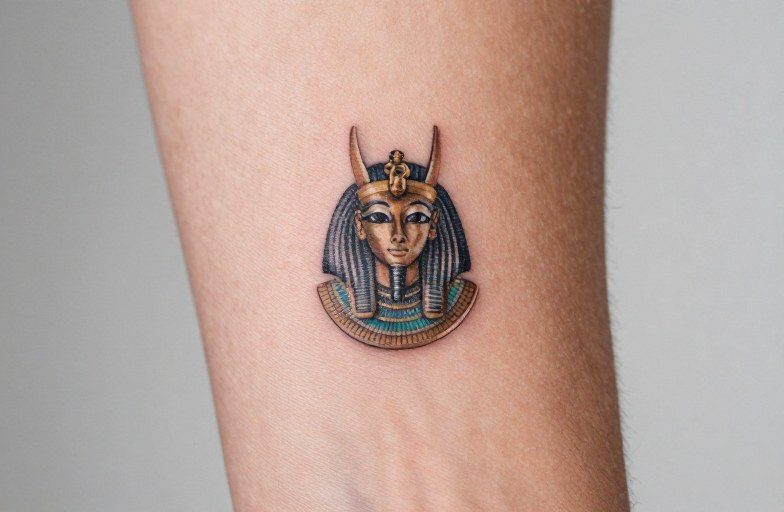
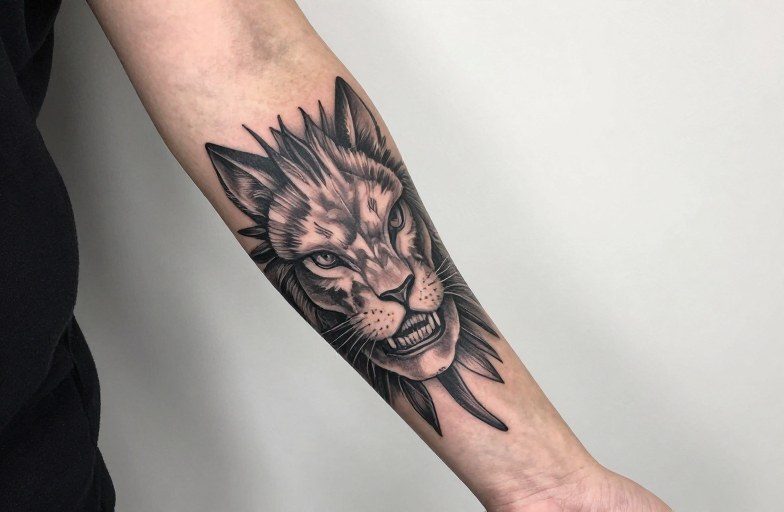
Arm tattoos remain the most common first piece for good reason. The canvas is visible enough to show off, easy enough to hide, and forgiving enough for both tiny details and massive compositions. But “arm tattoo” covers a lot of ground. What works on a forearm fails on a wrist. What ages well on outer bicep blurs faster on inner arm. Below is a breakdown of what actually works where, and how to think about building arm pieces that hold up over years, not just look good on Instagram.
Popular Styles
Not every style suits every arm placement. Bold lines and high contrast survive the wear and movement of arms better than delicate, photo-realistic work.
Traditional and Neo-Traditional
These styles were literally built for arms. The thick black outlines, limited color palettes, and strong readable shapes hold up against muscle movement and sun exposure. Traditional sleeves flow naturally around the cylinder of the arm. Ships, eagles, roses, and snakes all wrap convincingly. Neo-traditional allows more detail and dimension while keeping that structural backbone. Either choice gives you a tattoo that still reads clearly at ten feet and ten years.
Blackwork and Ornamental
Large solid black areas, geometric patterns, and ornamental dotwork have exploded in popularity for good reason. Arms carry black ink well, especially outer bicep and forearm. The downside: solid black shows every imperfection in healing and every gap in touch-ups. Ornamental pieces around the forearm or upper arm can mimic jewelry, cuffs, or armor. These work best when measured to your actual limb proportions, not pulled from a Pinterest template.
Fineline and Illustrative
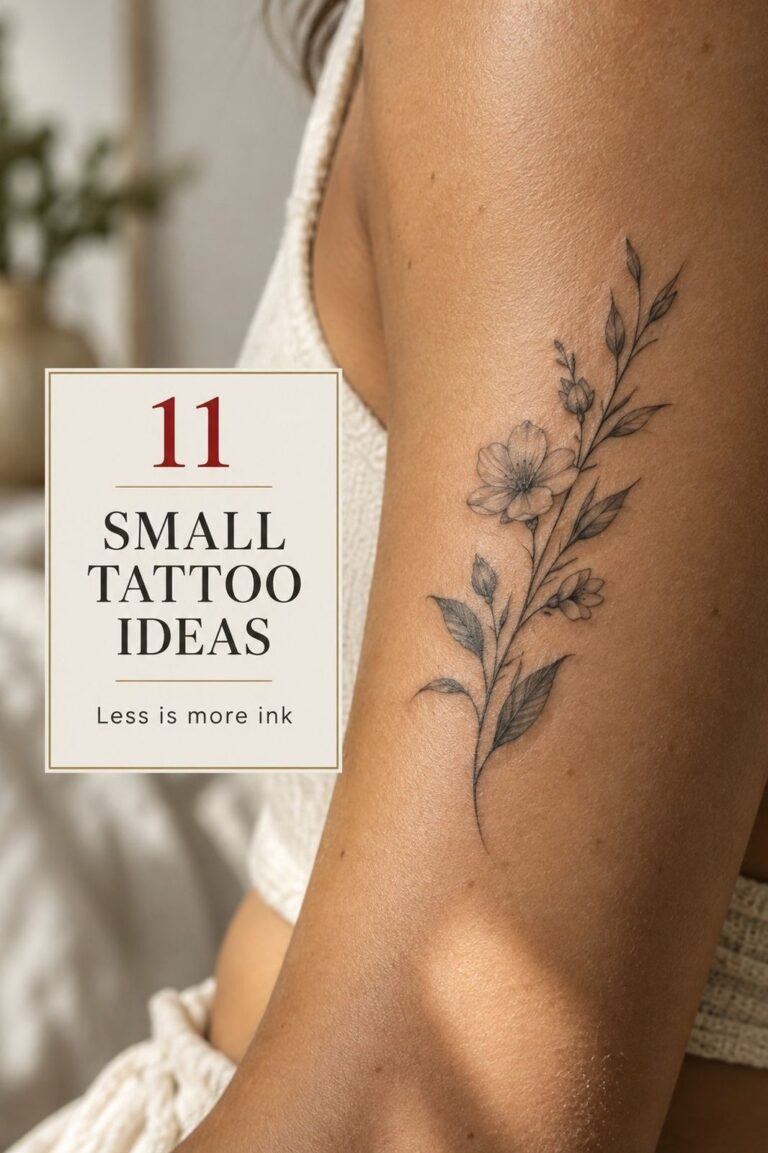
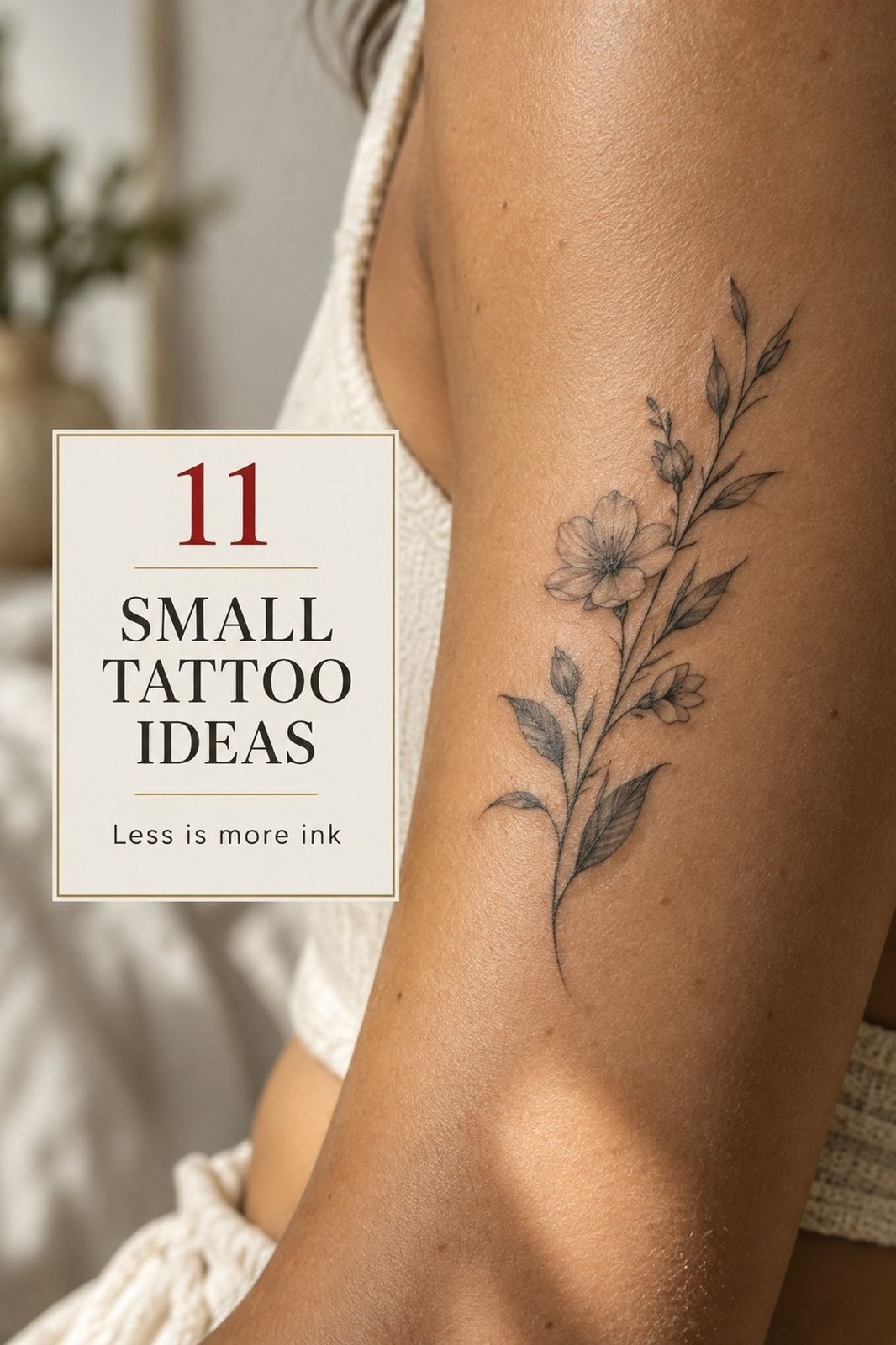
Single-needle and fineline tattoos can work on arms, but placement matters enormously. Outer forearm and outer bicep see less friction and stretching than inner arm or elbow ditch. Fineline florals, animals, and small scenes need space to breathe; crowding them into a 3-inch spot guarantees a gray blob in five years. If you want this style, commit to a slightly larger piece and protect it from sun.
Size & Scale
Arms tempt people to go too small or too scattered. The muscle groups and joint areas create natural boundaries you should respect.
Small Accents vs. Large Pieces
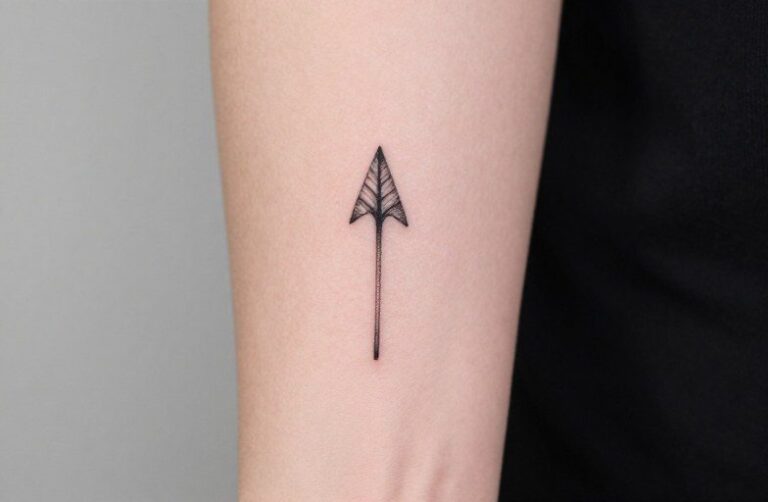
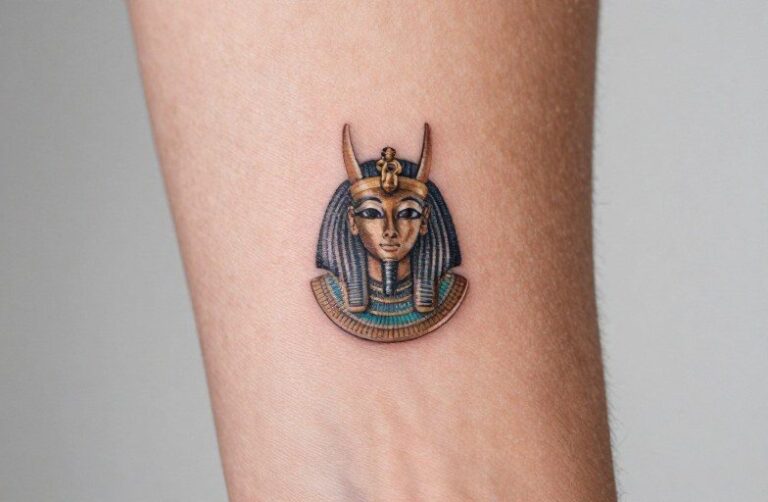
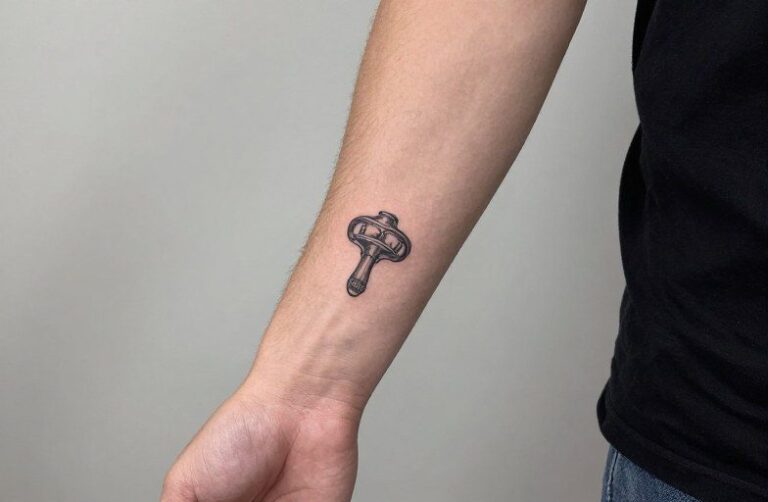
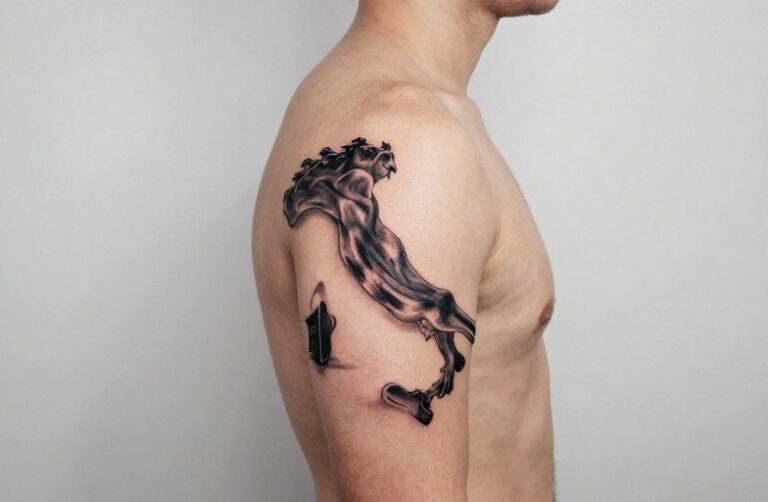
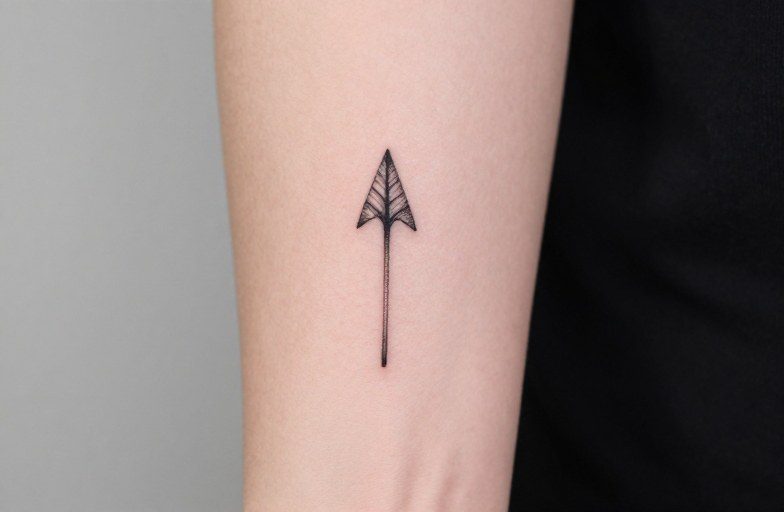
A palm-sized piece on the outer forearm stands alone well. Same size on the inner bicep looks lost and awkward. Small tattoos work best on forearm, wrist, or as part of a planned larger composition. The upper arm and shoulder can carry serious weight: a half-sleeve starting at the shoulder and stopping above the elbow gives you room for a cohesive scene without committing to full coverage.
Building Around Anatomy
Your elbow ditch, inner bicep, and wrist bone are not flat surfaces. Designs that ignore these contours look distorted when you move. A straight geometric band across the inner bicep will appear to buckle every time you flex. Wrapping designs follow the arm’s cylinder; front-facing designs work better on the relatively flat outer forearm or outer bicep.
Best Placements
Each arm zone has distinct advantages, pain levels, and visibility rules.
- Outer forearm: Most visible, easiest to show, moderate pain. Heals relatively well. Ideal for pieces you want to see daily and display easily.
- Inner forearm: More private, slightly more painful due to nerve proximity. Skin here is thinner and softer; linework needs to be solid.
- Outer bicep: Classic placement for military and traditional pieces. Muscle padding reduces pain. Sun exposure is high here, so color saturation matters.
- Inner bicep: Hidden when arms are down. Pain spikes near the armpit. Stretching and weight fluctuation affect this area more than most.
- Wrist and hand: High visibility, high commitment. Wrist tattoos blur faster from constant movement and washing. Hand tattoos are often job-limiting and require more frequent touch-ups.
- Elbow and ditch: Not for beginners. The skin is thin, healing is difficult, and the bone proximity makes sessions memorable. Save these for experienced collectors building cohesive sleeves.
Tips for Choosing
Selection should be strategic, not just emotional. The arm you live with every day deserves more than impulse.
Consider Your Professional Life
Short sleeves cover outer bicep and everything above. They expose forearm and wrist. If you work in conservative environments, a forearm piece requires more conscious wardrobe management than a shoulder cap. Inner bicep offers near-total concealment. Plan accordingly rather than hoping for changing norms.
Think in Sequences
Most people do not stop at one arm tattoo. If you get a forearm piece now, will it fight with a future bicep piece? Leave negative space that can connect later, or commit to a sleeve plan from the start. Scattered random pieces on an arm rarely look intentional; they look like a collection that outgrew its curator.
Matching & Pairing Ideas
Two arms offer natural symmetry opportunities, but perfect mirroring often looks sterile and dated.
Complementary Over Identical
Instead of identical designs on both forearms, consider thematic pairs. A ship on one arm, compass on the other. Predator and prey. Day and night imagery. This creates conversation between the pieces without the rigid formality of mirror images. The arms become related chapters rather than duplicate pages.
Connecting Across the Body
Chest pieces that extend onto upper arms create a natural frame. Back pieces dropping to triceps. These connections require planning with an artist who understands how bodies move. A design that looks connected when standing still may separate awkwardly when you reach overhead.
Color Choices
Arm skin varies in thickness, sun exposure, and oiliness depending on exact placement. These factors affect color differently.
Black and Gray Longevity
Black and gray ages most reliably on arms. The contrast between black ink and skin tone remains readable even as lines soften slightly. Gray wash can create depth without the maintenance demands of color. This is the safest bet for first arm pieces or for areas like inner bicep that see more movement and moisture.
Color Saturation and Placement
Bold traditional colors, red, yellow, green, navy blue, hold up on outer arm placements with less sun fading than pastels or neons. Inner arm and forearm colors fade faster from friction and washing. White ink is particularly problematic on arms; it yellows, disappears, or causes raised scarring more often than darker pigments. If you want bright color, commit to sunscreen and touch-up budgets.
What to Remember
Arm tattoos are accessible but not simple. The visibility that makes them appealing also means you live with any mistake in full view. Prioritize readable design over intricate detail, placement-appropriate sizing over Pinterest proportions, and long-term aging over fresh-healed photos. Work with artists who have specific experience with the arm zone you want; a great hand-poke artist may not understand how a bicep flexes, and a color realism specialist might not be the choice for a fineline forearm piece. Your arm will move, age, and change. Choose something built for that reality.
Frequently Asked Questions
How painful is an inner bicep tattoo compared to outer forearm?
Inner bicep hurts significantly more due to thinner skin and nerve proximity near the armpit. Outer forearm has more muscle padding and fewer nerve endings, making it one of the more tolerable arm placements.
Can I get a full sleeve if I already have a small forearm tattoo?
Yes, but it requires planning. A skilled artist can incorporate existing work into a larger composition or design around it with background elements like smoke, waves, or ornamental filler.
How quickly do arm tattoos fade from sun exposure?
Outer arm pieces, especially on bicep and forearm, can show noticeable fading within a few years without protection. Inner arm tattoos fade slower but still benefit from sunscreen during healing and long-term.
Should both arms match if I want multiple tattoos?
Matching arms tends to look dated. Thematic coordination works better, related imagery, consistent style, or complementary color palettes create cohesion without the rigidity of perfect symmetry.