Every tattoo starts as an idea. The gap between that idea and something that looks good on skin in year five is where most people get lost. This guide covers the design decisions that separate tattoos that age gracefully from ones that blur into regret, style, placement, personalization, and the practical realities of how ink lives in skin.
Popular Styles
Not every style suits every concept, and some age dramatically better than others. Here’s where different approaches land.
Line Work and Minimalism
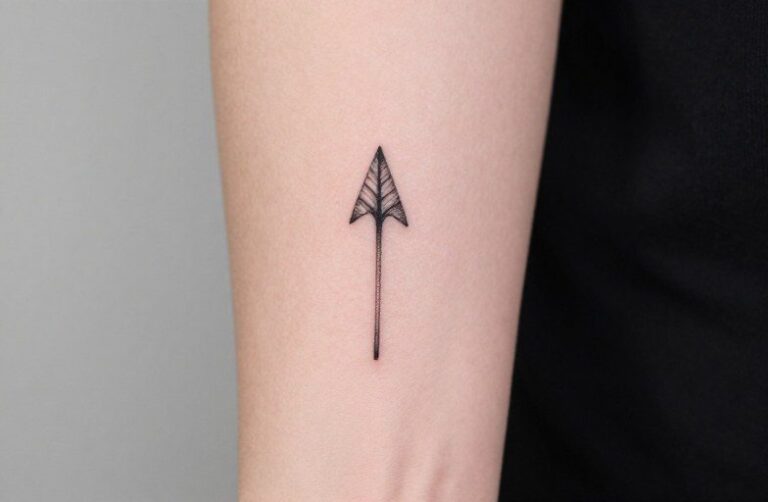
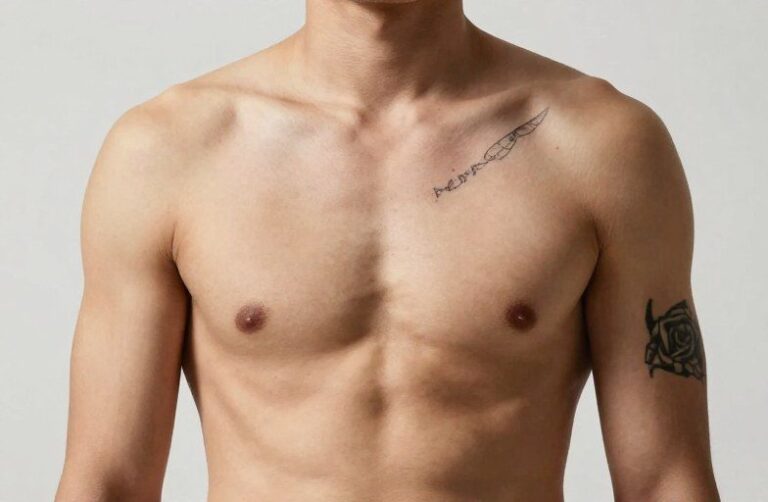
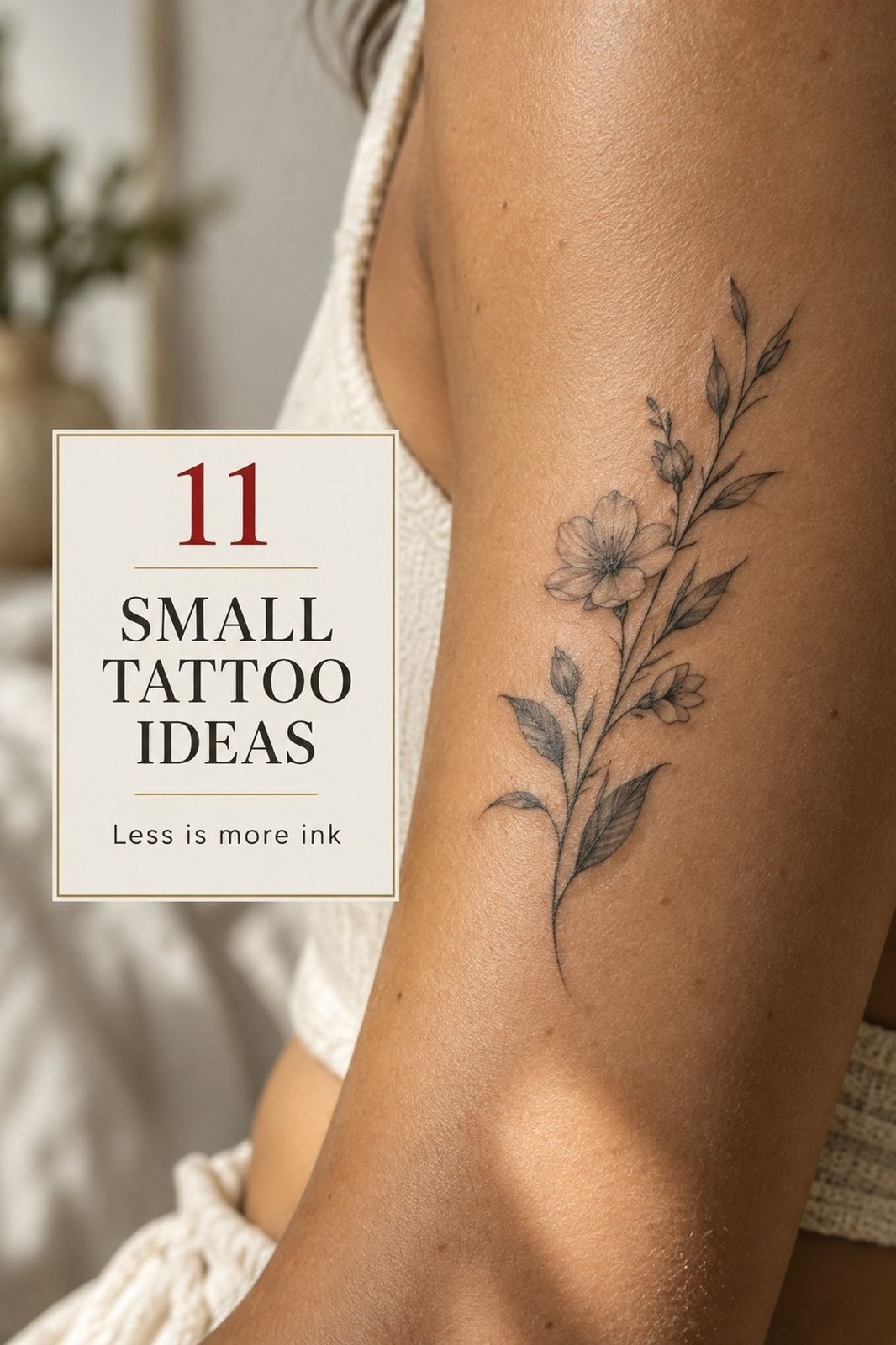
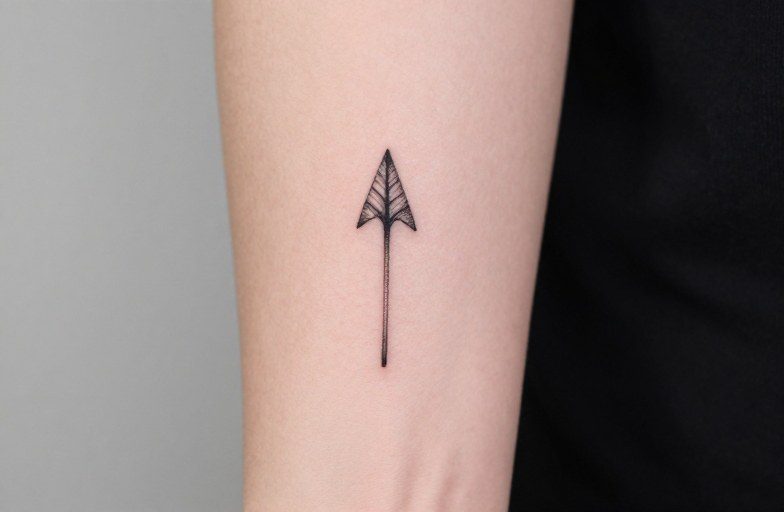
Single-needle and fine-line tattoos dominate current requests, but they carry real trade-offs. Lines under roughly 1mm tend to spread or drop out entirely within three to seven years, especially on high-movement areas like wrists or ribs. The clean aesthetic demands either perfect aftercare or a willingness to get touch-ups. For longevity, slightly bolder lines, think 1.5mm to 2mm, hold their structure without losing the minimalist feel. Black ink only; color in fine lines almost always fades patchy.
Black and Gray Realism
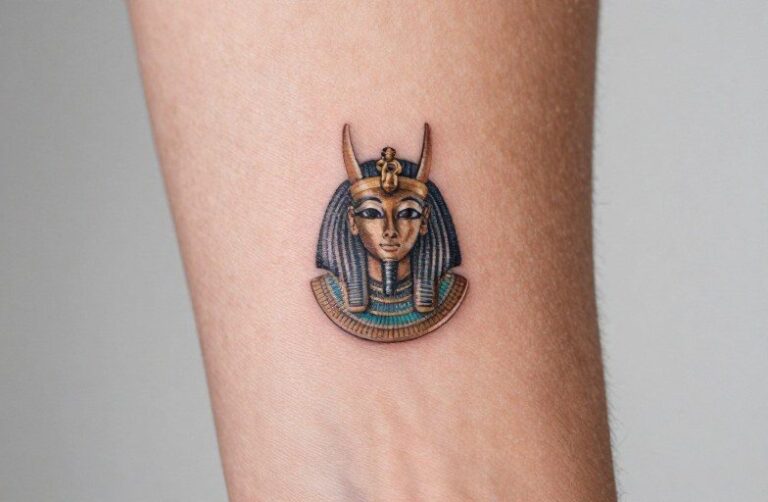
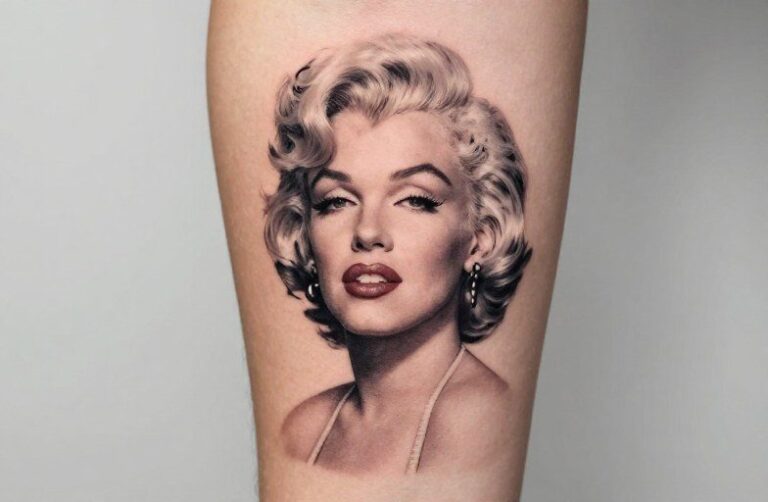
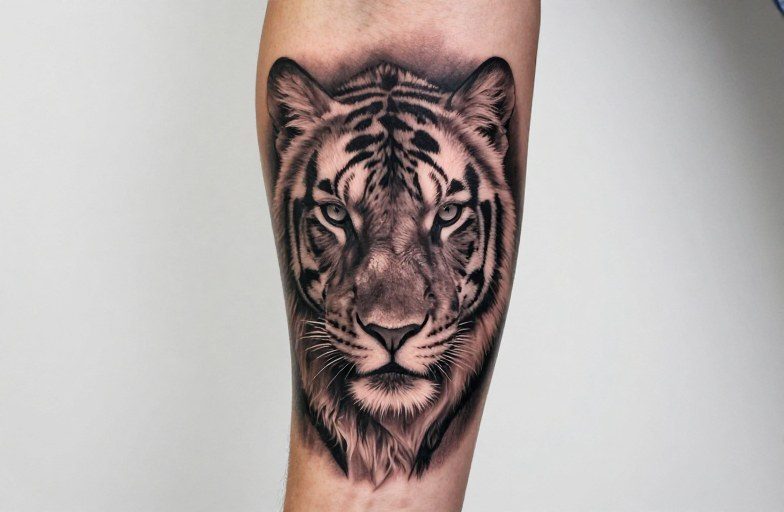
Portraits, animals, and nature scenes in smooth gradients rely on contrast between deep blacks and untouched skin. This style works best at medium to large scale; micro-realism on a wrist or behind an ear almost always muddies within a few years. The shading technique matters, whip shading creates softer edges than traditional gray wash, which can look more painterly but requires an artist who understands how those tones settle at different depths.
American Traditional and Neo-Traditional
Thick black outlines, limited color palettes, and bold shapes were built to last. The original Sailor Jerry aesthetic, roses, eagles, pin-ups, daggers, has survived decades precisely because the design language prioritizes readability over detail. Neo-traditional pushes the color range and subject matter (more animals, more ornate framing) but keeps the structural bones that make these tattoos readable at twenty years. If you’re unsure about longevity, this is the safest bet.
- Japanese (Irezumi): Full sleeves and back pieces with flowing composition; requires commitment to large scale
- Geometric/dotwork: Mandalas, sacred geometry, pattern-based sleeves; precision-critical, shows mistakes immediately
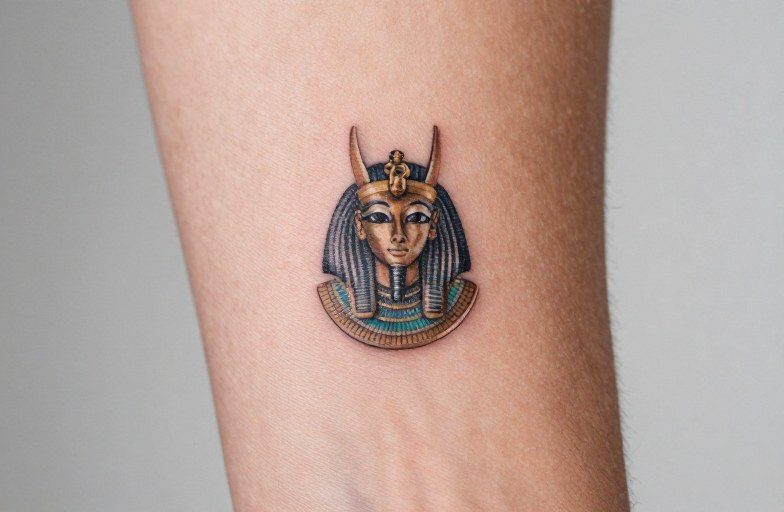
- Watercolor: Splashes of color without outlines; ages poorly without black structure underneath
- Lettering/script: Font choice determines everything; overly ornate scripts blur fastest
Best Placements
Skin varies in thickness, sun exposure, and movement. These factors determine how a design will look in a decade.
High-Retention Areas
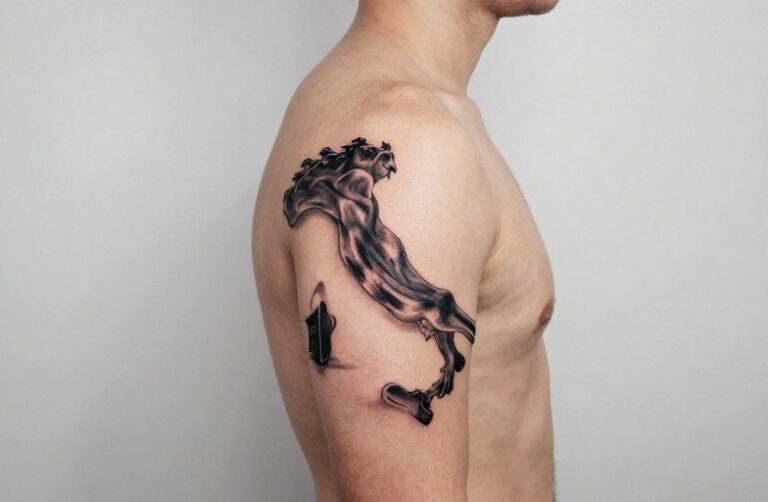
The upper outer arm, thigh, and upper back hold ink longest. Skin here sees less direct sun, stretches minimally with daily movement, and maintains relatively even texture into older age. Thigh pieces in particular allow for larger, more detailed work that remains hidden or shown at the wearer’s choice. The upper back between the shoulder blades offers a flat canvas ideal for symmetrical designs.
High-Risk Areas
Fingers, hands, feet, and the sides of ribs present constant challenges. Finger tattoos often require annual touch-ups; the skin regenerates rapidly and the ink sits shallow. Ribs stretch with breathing and torso movement, which can distort geometric or lettering work over time. Inner biceps seem protected but sweat and friction from arm movement degrade detail faster than expected. Ankles and feet face similar issues plus the abrasion of shoes and socks.
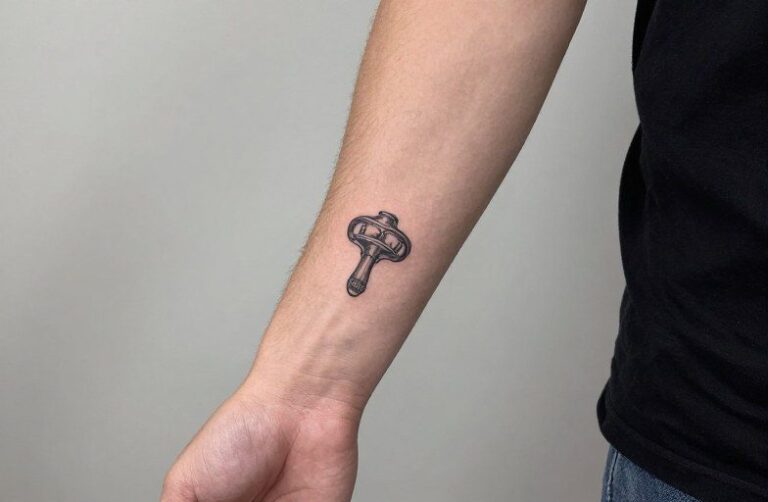
Forearms split the difference, visible, moderately stable, but sun-exposed if not covered. Designs here should account for the natural taper from elbow to wrist; wrapping compositions around the cylinder of the arm requires foreshortening that flat sketches don’t reveal.
How to Personalize It
Customization without cliché means thinking structurally, not just symbolically.
Start with subject matter that genuinely occupies your attention, not what you think represents you, but what you actually look at, collect, or return to. A botanically accurate local plant beats a generic lotus. A specific building’s architectural detail beats a generic compass. The personalization lives in specificity: the exact breed of dog, the actual coordinates of a place, the real wave pattern from a photograph you took.
Composition offers another layer. Instead of centering a single image, consider negative space, asymmetry, or frames that reference something meaningful, an art nouveau border echoing a grandmother’s mirror, a film strip format for a cinephile. Working with an artist who draws from your references rather than inserting stock imagery makes the difference between custom work and customized stock.
Color carries personal weight beyond aesthetic preference. Cultural associations, memories of specific objects, even seasonal palettes tied to meaningful times of year, all of this can be embedded without requiring literal symbols.
Trending Variations
Current directions in tattoo design reflect broader shifts in visual culture, but not all trends age equally.
Expanded Botanicals
Moving beyond roses and peonies, artists now render specific regional flora with scientific accuracy, native wildflowers, medicinal herbs, plants with personal or family significance. The trend toward botanical accuracy means working from pressed specimens or high-resolution photographs rather than stylized illustrations. This produces work that feels grounded rather than decorative.
Mixed Media References
Combining visual languages, etching-style crosshatching with soft airbrush gradients, architectural blueprints with organic forms, creates tension that keeps compositions active. The risk is visual clutter; successful pieces establish one dominant texture and one accent, not equal competition. This approach demands experienced artists comfortable across multiple technical approaches.
Ornamental framing has evolved from simple mandalas to incorporate art historical references: Islamic geometric patterns, Art Deco sunbursts, Victorian bookplates. These frames work best when they interact with the central image rather than simply containing it, negative space that shapes the subject, borders that break and re-form.
Tips for Choosing
Practical filtering for design decisions.
- Test at scale: Print your design at actual intended size. Phone screens distort scale judgment; what looks detailed at 3 inches may be illegible at 8.
- Flip it: Mirror the image. Compositions that work reversed have stronger underlying structure.
- Consider the 10-foot rule: At conversation distance, what reads? Strong tattoos communicate something immediately; weak ones require explanation.
- Plan for the body, not the paper: Designs curve, wrap, and foreshorten. Flat flash sheets don’t reveal how a piece flows around a shoulder or hip.
- Limit the color count: Each additional color increases complexity and long-term maintenance. Three to four well-chosen colors outperform six muddled ones.
Artist selection matters more than design refinement. A mediocre concept executed with technical mastery outlasts a brilliant sketch done poorly. Review healed work, not fresh photos, most portfolios show fresh tattoos at peak saturation. Ask to see pieces at one year, three years, five years if possible.
For First-Timers
The first tattoo establishes patterns that affect future work.
Starting Smart
Placement for a first piece should consider future expansion. That small wrist piece might block a forearm sleeve later. The visible neck tattoo closes professional doors before you’ve tested them. Starting on the upper arm, thigh, or back gives flexibility, easy to show, easy to conceal, room to build around.
Size surprises most first-timers. Detailed work needs space; cramming complexity into small areas guarantees future blur. A simpler, slightly larger design almost always outperforms a tiny intricate one. The pain difference between 3 inches and 5 inches is minimal; the visual difference is substantial.
Healing reality gets understated. Two to four weeks of careful aftercare, avoiding sun, swimming, and gym friction. The tattoo will peel, itch, and look terrible at day five before it settles. Planning around this, no beach vacations, no wedding photos, no contact sports, prevents both infection and disappointment.
Key Takeaways
Good tattoo design balances immediate visual impact with structural durability. Bold lines and limited color palettes age predictably; fine detail and complex color gradients require commitment to maintenance. Placement determines longevity as much as design quality, sun and movement are the primary enemies of crisp tattoo work. Personalization succeeds through specificity of subject and composition, not through accumulating symbolic elements. The artist’s technical execution ultimately matters more than the concept’s originality. For first tattoos, prioritize flexibility of placement and scale over immediate visibility. The best designs look intentional ten years later not because they were safe, but because they were built with understanding of how ink lives in skin.
Frequently Asked Questions
How do I know if a design will look good on my specific body shape?
Ask your artist to create a stencil or temporary transfer at actual size. Move in front of a mirror, check from multiple angles, and see how it flows with your musculature. Flat drawings never reveal how designs wrap around curves or sit with your posture.
Can I combine multiple styles in one tattoo?
Yes, but with intention. Successful mixed-style pieces establish clear hierarchy, one dominant technique and one accent. A black-and-gray portrait with traditional-color roses works; competing equal elements create visual chaos that ages poorly.
How much should I expect to pay for a quality custom design?
Custom work from experienced artists typically runs $150-$300 per hour, with most medium pieces requiring 3-5 hours. Flat rates for smaller work vary by region. Extremely low prices usually indicate rushed execution, inexperienced artists, or both.
What if I want to cover or modify an existing tattoo later?
Design with future flexibility in mind. Black-only work covers more easily than dense color. Leaving negative space around a piece creates options for expansion. Laser fading before cover-up expands possibilities significantly, though it requires patience and investment.