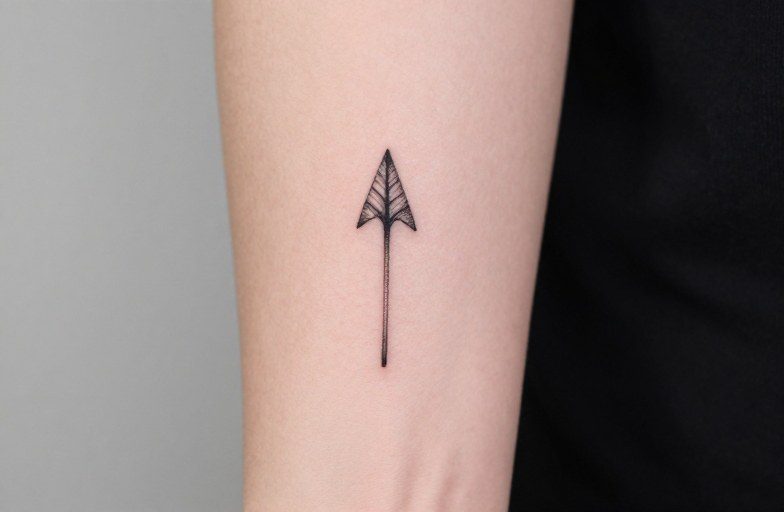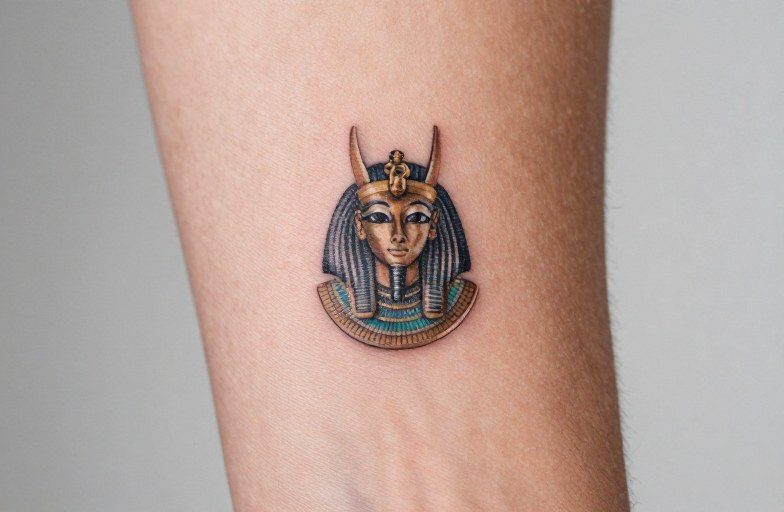
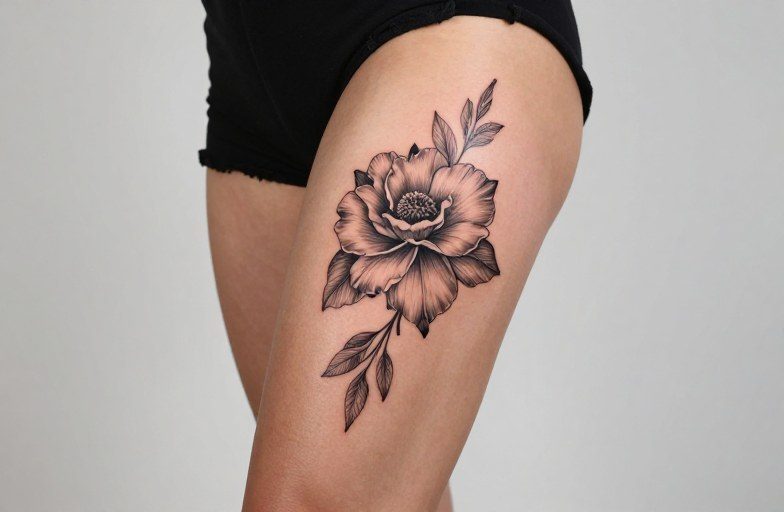
Thigh tattoos hit a sweet spot: enough real estate for detail, easy to show or conceal, and curves that can make a design sing. The skin here is generally forgiving, thicker than your wrist, less sun-beaten than your forearm, and relatively stable in weight fluctuation compared to the stomach. That said, not every thigh tattoo ages the same way, and placement choices change how the piece reads on your body. Let’s break down what actually matters.
For First-Timers
Why the Thigh Works for Beginners
New to tattooing? The outer thigh is one of the least painful spots on the body. Muscle and fat cushion the needle, and the skin isn’t stretched thin over bone. Most people compare the sensation to a cat scratch or rubber band snap rather than anything sharp. Inner thigh is a different story, more nerve endings, more sensitivity, but the outer and front regions are genuinely manageable.
Healing is straightforward too. You can wear loose pants or a skirt without fabric constantly rubbing the fresh ink. No keyboard contact like a wrist piece, no sock friction like an ankle. The main risk is thigh chafing if you wear tight jeans too soon, so plan for a week in breathable, loose bottoms.
What to Expect in the Chair
Sessions on the thigh tend to run longer than small spot pieces, which means budgeting for time and money. A palm-sized design might take 2-3 hours. A full thigh piece can stretch across multiple sessions. Bring a phone charger, a snack, and realistic expectations about sitting still. The position, usually lying on your side or back with one leg exposed, can get uncomfortable after the first hour. Your artist will need you to hold relatively still, so avoid booking when you’re fighting a cold or have restless-leg issues.
Tips for Choosing
Designs That Suit the Shape
Thighs aren’t flat canvases. The muscle curves, the hip dips, the way the leg meets the torso, all of this affects how a design sits. Vertical compositions (snakes, floral stems, script) follow the natural line of the leg and tend to flatter. Circular or mandala designs centered on the outer thigh can look stunning but need careful sizing to avoid distortion when you walk or sit. Wraparound pieces that travel from outer to inner thigh require advanced planning for flow and readability.
Consider your wardrobe. A high-cut swimsuit or underwear line will frame the bottom edge of your tattoo. Decide if you want the piece fully visible in that context, partially hidden, or sitting entirely above or below that line.
Working With Your Artist
Bring reference images but not a rigid blueprint. A good artist will redraw your concept to fit your specific thigh shape, adjusting for how the design stretches when you stand versus sit. Ask to see the stencil on your body before the needle touches skin. Walk around, sit down, check a mirror from multiple angles. This is your last chance to adjust placement by half an inch that might make the difference between “good” and “exactly right.”
Popular Styles
Line work thrives on the thigh. The relatively flat outer surface lets fine lines hold crisp detail better than, say, the shoulder where the skin moves more dramatically. Single-needle florals, ornamental borders, and delicate script are all solid choices here.
- Black and grey realism: Portraits, animals, and cinematic scenes work well given the space. Shading gradients hold up nicely on thigh skin.
- Traditional/Americana: Bold lines and saturated color. The thigh’s size accommodates classic motifs without the compression that makes them muddy on smaller spots.
- Japanese: Dragons, koi, and cherry blossoms traditionally flow around the leg. The thigh connects naturally to hip and knee for larger compositions.
- Ornamental/henna-inspired: Lace patterns, mandalas, and geometric frames complement the thigh’s curves and read beautifully from a distance.
- Botanical: Peonies, wildflowers, and vines, often linked to feminine tattoo traditions, allow for soft shading or bold color depending on preference.
Watercolor style, while popular, demands extra caution. The technique relies on sparse black lines and diffused color washes. On the thigh, where skin may stretch with muscle use or weight change, those soft edges can blur faster than structured designs. If you love the look, commit to touch-ups and sun protection.
Best Placements
Outer Thigh
The classic choice. Visible in shorts or a swimsuit, hidden in professional dress. The outer thigh’s skin is stable, the muscle beneath provides cushioning, and the surface is broad enough for substantial pieces. Tattoos here age predictably, one of the better spots for long-term clarity.
Front Thigh
Centrally placed, front thigh pieces draw the eye and can elongate the leg visually. This area sees more sun exposure if you wear dresses or shorts regularly, so SPF becomes non-negotiable for preservation. The skin here is slightly thinner than the outer thigh; very large pieces may wrap toward the more sensitive inner area.
Inner Thigh
Intimate and easily concealed. The inner thigh is more painful, more prone to rubbing (especially in summer or during exercise), and the skin is softer and more prone to spread during the healing phase. Designs here should be simpler in line work, fine detail can blow out more easily. The trade-off is privacy; this is yours alone unless you choose to share it.
Upper Thigh/Hip Crease
Straddling the hip and thigh, this placement frames the body and connects well to side-torso or stomach pieces. Be aware that underwear and waistband lines sit right here; elastic rubbing fresh ink is a recipe for irritation. Plan your aftercare wardrobe carefully.
Color Choices
Black and grey tattoos on the thigh age with dignity. The contrast stays readable, touch-ups are simpler, and the style suits the area’s natural shadows. Color adds vibrancy but demands more maintenance.
- Red and orange: Fade fastest, especially with sun exposure. If you want a warm palette, expect more frequent refresh sessions.
- Blue and green: Generally more stable than warm tones. Teal and emerald hold particularly well on medium to deeper skin tones.
- White ink: Rarely recommended for any placement. It yellows, disappears, or looks like a scar within a few years. On the thigh, where skin may stretch, it’s especially unpredictable.
- Skin-tone “scar cover” work: Requires an artist experienced in matching undertones. Thigh skin varies in color across the surface; what matches standing might not sitting.
If you’re torn between color and black and grey, consider a compromise: black and grey base with selective color accents. A greyscale floral with red buds, for instance. The color pops without dominating, and future touch-ups are more targeted.
Size & Scale
Small to Medium Pieces
A 4-6 inch design on the outer thigh is versatile, subtle enough for conservative settings, visible when you want it. These scale well for first pieces or additions to an existing collection. The key is not going too small; intricate detail below 3 inches on the thigh can blur over time as the skin naturally shifts.
Large and Full Thigh
Committing to a full thigh piece means working with the leg’s architecture. The design should flow with the muscle, not fight it. A full thigh dragon, for example, coils around the curve rather than sitting flat like a sticker. These projects take multiple sessions, often 10-20 hours total depending on complexity. Budget accordingly, and find an artist whose large-scale healed work you can examine in person, not just fresh photos.
Gap fillers matter on big pieces. The knee-side and hip-side edges of a full thigh tattoo need transitional elements so the design doesn’t look like a floating island. A skilled artist plans negative space and connecting details from the first stencil, not as an afterthought.
Final Word
The thigh offers room to breathe, literally and figuratively. It’s a placement that respects your privacy while allowing for serious artistic ambition. Choose your artist based on healed results in their portfolio, not just Instagram freshness. Prioritize placement that flatters your specific body shape over trending designs. And protect your investment: sunblock, moisturizer, and occasional touch-ups will keep the work sharp for decades. The best thigh tattoo isn’t the one that looks amazing in the shop, it’s the one that still looks intentional ten years later.
Frequently Asked Questions
How much does a thigh tattoo typically cost?
Small thigh pieces run $150-400, while full thigh work can reach $1,500-3,000 or more depending on the artist’s rate and session count. Most reputable artists charge hourly ($150-300/hour) with a minimum.
How long does a thigh tattoo take to heal?
Surface healing takes 2-3 weeks, but the skin won’t fully settle for 2-3 months. Avoid tight pants, direct sun, and swimming for at least the first month to prevent irritation and infection.
Will a thigh tattoo stretch if I gain or lose weight?
Moderate changes usually don’t distort thigh tattoos significantly since the area has muscle and fat padding. Major fluctuations or pregnancy may affect placement near the hip crease more than the outer thigh.
Can I get a thigh tattoo while on my period?
You can, but pain sensitivity often increases and you may feel faint more easily. Some artists prefer you reschedule if you have heavy cramping, since lying still for hours is already demanding.