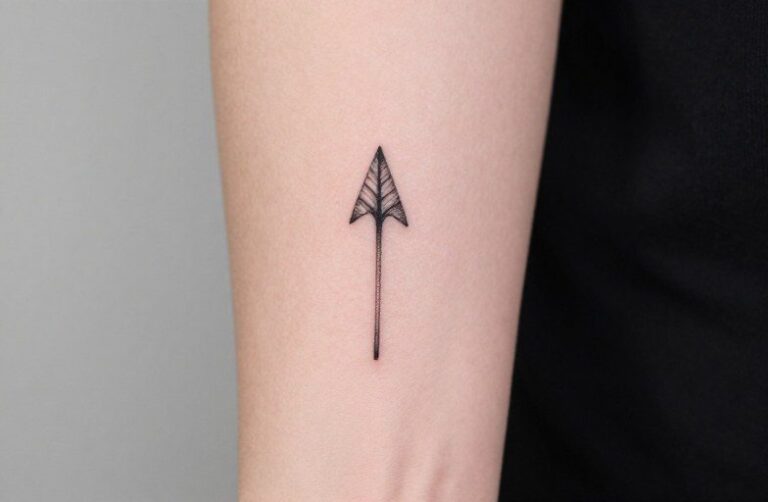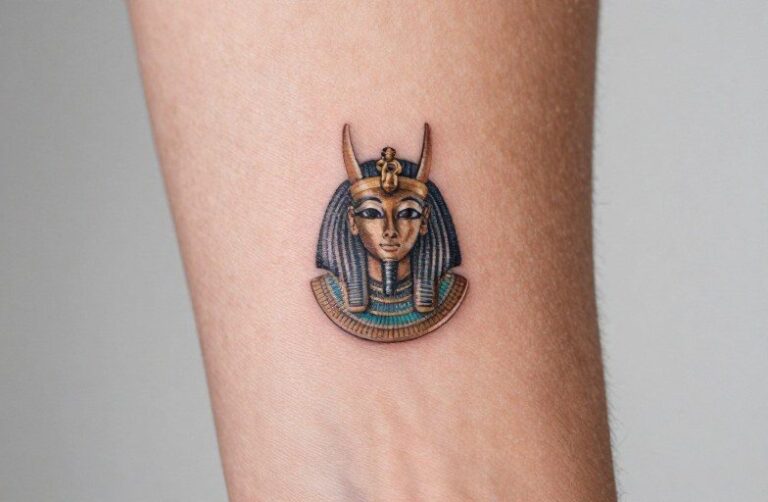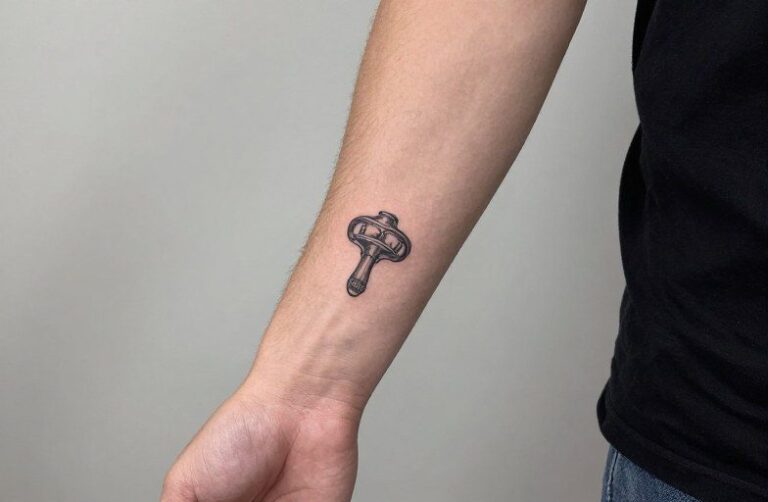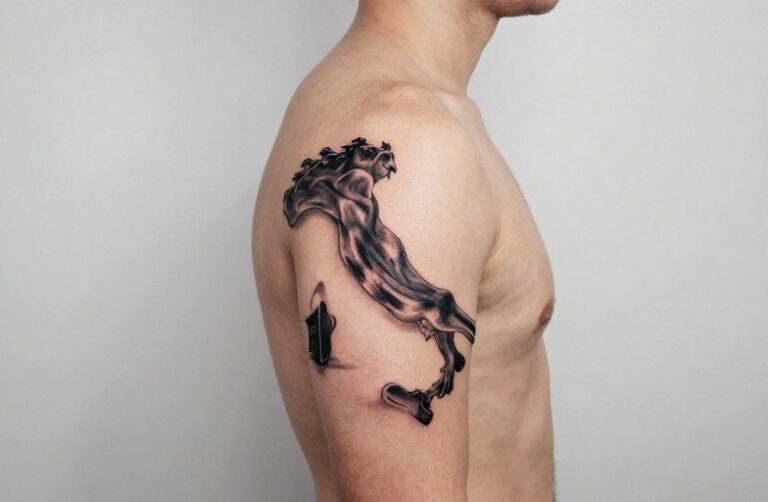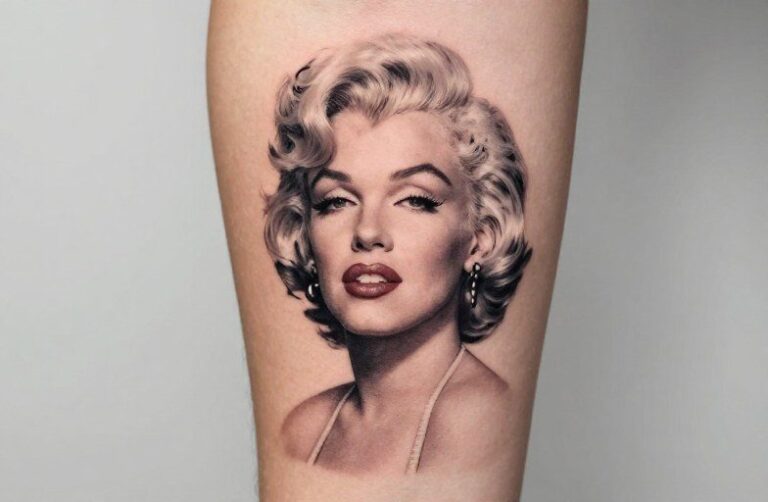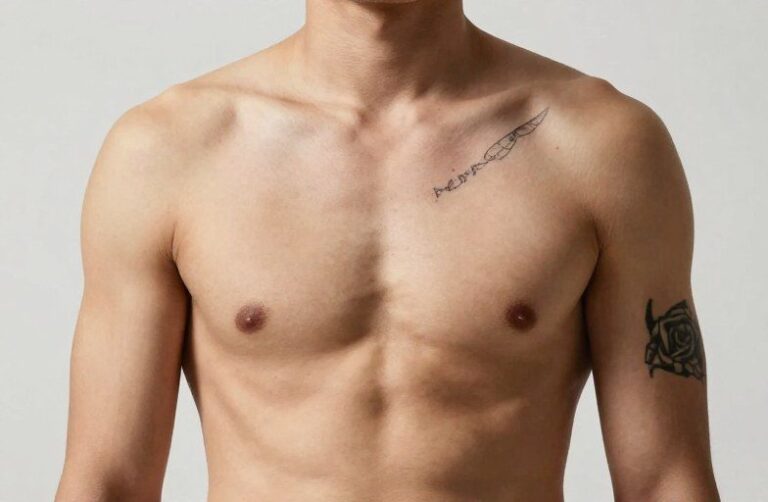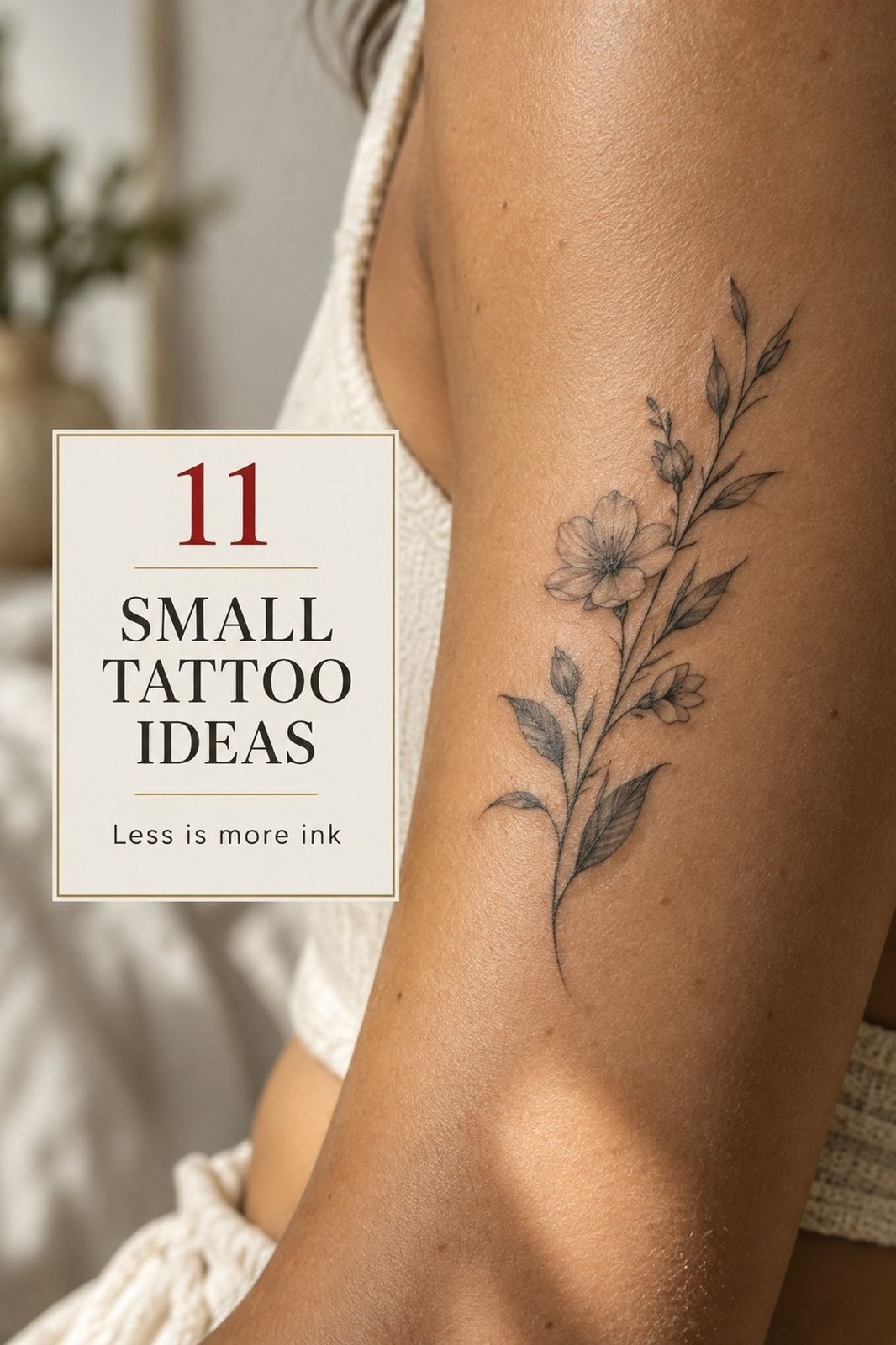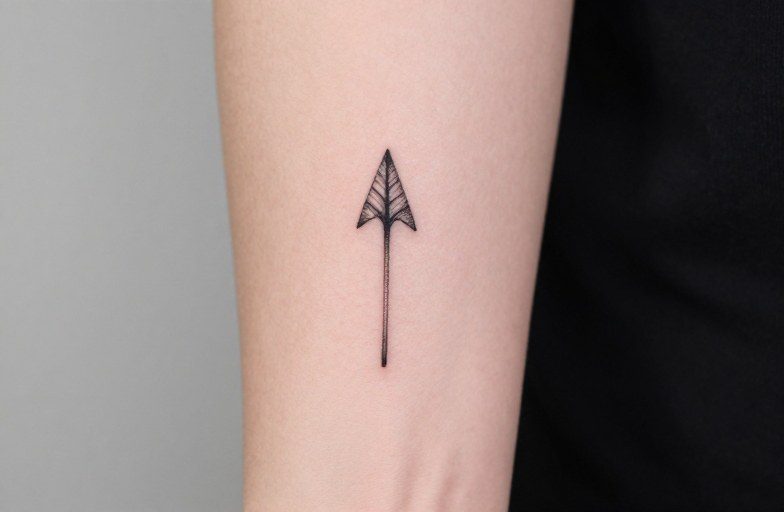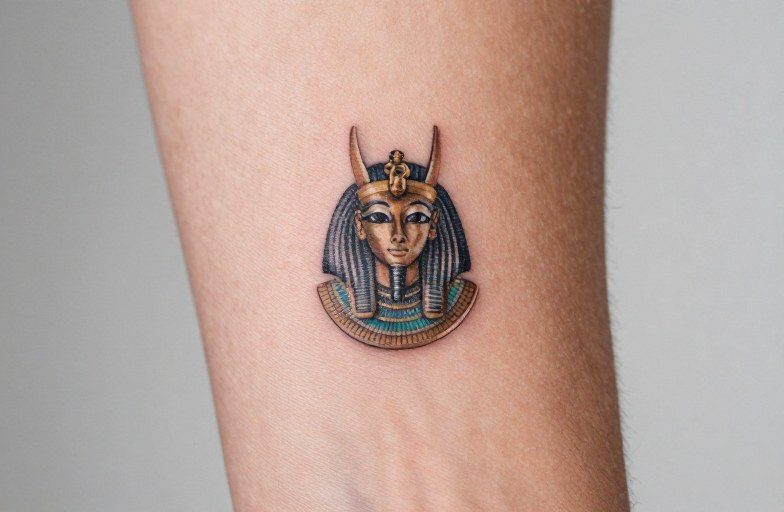
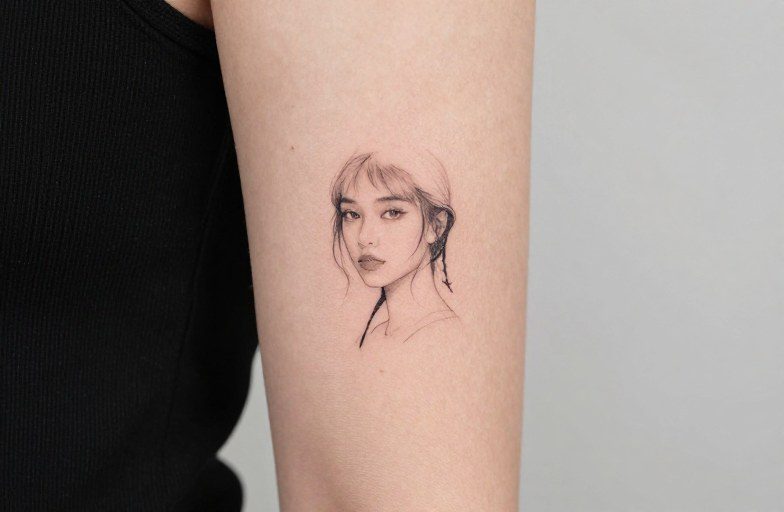
Simple tattoos for women have moved far beyond the tiny infinity symbols of a decade ago. The best ones now rely on restraint, single needle lines, negative space, and motifs that read instantly without shouting. What makes a simple design successful isn’t minimalism for its own sake. It’s clarity of concept: the idea holds up at two inches, and the lines won’t blur into mush in five years. This guide covers what actually works, where it sits best on the body, and how to keep it feeling like yours.
Standout Design Ideas
Certain motifs translate naturally to simple execution. The trick is choosing shapes that carry weight without needing embellishment.
Botanicals and Florals
Single-stem flowers, pressed-flower silhouettes, and bare leaf outlines dominate this category. A poppy with three petals and a thin stem reads as complete. Lavender sprigs, olive branches, and eucalyptus work because their natural forms are already linear. Avoid dense roses or peonies at small scale, the interior shading required to define petals turns muddy fast. Line weight matters here: too thin and the tattoo disappears; too bold and the delicacy vanishes. Most artists settle on 0.35mm to 0.5mm for botanical single-needle work.
Abstract Geometry
Circles, triangles, and crescent moons carry symbolic load with zero clutter. A hollow triangle behind the ear. Two overlapping circles on the ribcage. These shapes age exceptionally well because there’s no fine detail to lose definition. The downside: without personal tweaking, they risk feeling like flash sheet copies. The fix is slight distortion, an imperfect hand-drawn circle, a line that wavers intentionally, a placement that follows your body’s specific curve rather than sitting flat.
Popular Styles
Not all “simple” looks the same. Three approaches consistently produce the cleanest results for female clients.
- Single needle / fineline: One needle grouping creates hair-thin strokes. Ideal for text, botanicals, and tiny animals. Requires an artist with steady hands and proper machine tuning, rushed fineline blows out fast.
- Hand-poked (stick and poke): No machine, just needle and ink. The line quality is slightly organic, never perfectly uniform. Some prefer this warmth; others find it too rustic. Heals faster, less trauma to skin.
- Blackwork silhouette: Solid black shapes with zero interior detail. A cat in profile. A hand holding a flower. Bold from day one, readable from distance, holds up for decades.
Mixing styles rarely works at small scale. A fineline stem with a blackwork flower creates visual confusion. Pick one approach and commit.
Best Placements
Small tattoos demand strategic placement. Skin movement, sun exposure, and visibility all factor in.
High-Visibility Spots
Behind the ear, the side of the finger, collarbone edges, and the wrist inner/outer. These locations show when you want, hide when you need. Finger tattoos specifically: ink here fades 30-50% faster than other placements due to constant use and regeneration. Plan for touch-ups. The side of the finger (between knuckles) holds better than the pad.
Concealed and Intimate Areas
Ribcage side, hip bone, upper inner arm, back of the neck under the hairline. Ribcage skin stretches and breathes with every movement, designs here should avoid rigid geometric perfection. Hip placement sits well with underwear lines and swimsuits; consider how the design reads both alone and framed by fabric. Upper inner arm (the “ditch”) is surprisingly visible in short sleeves but hides professionally. Pain here is moderate, not extreme.
Color Choices
Simple doesn’t have to mean black-only, but color choices need discipline.
Black and gray offer the longest lifespan. A single black line at ten years looks like a slightly softer version of itself. Color lines blur and shift, blue edges into green, red into pink. If you want color, consider these approaches:
- One accent color: Black outline, single red berry. Black stem, one yellow petal. The restraint makes the color pop rather than compete.
- Soft washes: Pastel pink or lavender applied as transparent watercolor background, not solid fill. Fades to a whisper, which some find beautiful, others disappointing.
- White ink: Heals to a subtle raised scar-like appearance on pale skin, nearly invisible on darker tones. Often looks best at 6-12 months, not fresh. Not recommended for first tattoos, too unpredictable.
Yellow and orange fade fastest. Deep blue and forest green hold longest among colors. Purple sits in the middle.
Trending Variations
The current wave favors specific motifs that feel personal without being ornate.
Text and Lettering
Single words in typewriter or handwritten script. Initials of loved ones. Coordinates in small, clean numerals. The key is font choice: overly decorative scripts blur as the ink spreads. Sans-serif or lightly serifed fonts aged 3-5 years better. Lettering under 1/4 inch tall often becomes illegible, bump to 3/8 inch minimum for readability.
Animals and Creatures
Snakes in simple profile. Moths with dotted wing patterns. Cats in clean silhouette. These work because the animal form is recognizable even with minimal detail. A snake’s curve follows the body naturally. A moth’s symmetry satisfies visually without needing full realism. Avoid faces, human or animal, at tiny scale; they require detail to read correctly and become abstract blobs over time.
How to Personalize It
Flash sheets exist for a reason, but the best simple tattoos carry specific meaning through small modifications.
Consider birth flowers instead of generic roses. Swap a standard moon phase for the actual lunar cycle of a meaningful date. Use a pet’s actual paw print rather than a stock image. These shifts don’t complicate the design, they anchor it.
Placement personalization matters too. A design that follows your natural anatomy reads as integrated, not applied. A collarbone piece that traces the bone’s curve. A rib tattoo that tilts with your body’s line rather than sitting perfectly vertical. Your artist should map this during the stencil phase.
Negative space can become the personalization: a shape formed by what’s not inked. A mountain range where the peaks are your skin tone, the sky filled black. A pet silhouette with a heart-shaped gap.
Final Thoughts
Simple female tattoos succeed when restraint serves the idea, not replaces it. The best ones are legible at a glance, hold their structure through years of sun and skin change, and carry enough personal specificity that they couldn’t live on anyone else’s body unchanged. Work with an artist who shows healed photos, not just fresh work. Ask about line weight, about how your chosen placement ages, about whether color or black will serve your specific design. The consultation is part of the craft. Walk in with reference, walk out with something that fits your skin like it grew there.
Frequently Asked Questions
How small can a simple tattoo be before it starts to blur?
Most artists won’t go below 1/4 inch for detailed elements, or 3/8 inch for text. Below that, ink spread during healing makes lines merge and details disappear. Single-needle work can go slightly smaller, but it requires exceptional technique and realistic expectations about aging.
Do simple tattoos hurt less than larger, more complex pieces?
Pain depends on placement and your personal sensitivity, not design complexity. A tiny finger tattoo often hurts more than a detailed thigh piece because fingers have dense nerve endings and thin skin. Simple designs do finish faster, which means less total time in the chair.
How much should I expect to pay for a small, simple tattoo?
Most reputable shops charge a minimum fee, typically $80-$150 in US cities, higher in major metros. Don’t bargain shop; cheap tattoos cost more in removal or cover-ups. Complex single-needle work from a specialist may run $200-$400 even for something palm-sized.
Will a simple black tattoo look bad as my skin ages or tans?
Black ink on pale skin creates the strongest contrast and holds it longest. Tanned or naturally darker skin still carries black well, though the contrast is softer. Over decades, all tattoos soften and lighten slightly, black simply does so most gracefully, with color shifts being the main concern rather than complete disappearance.