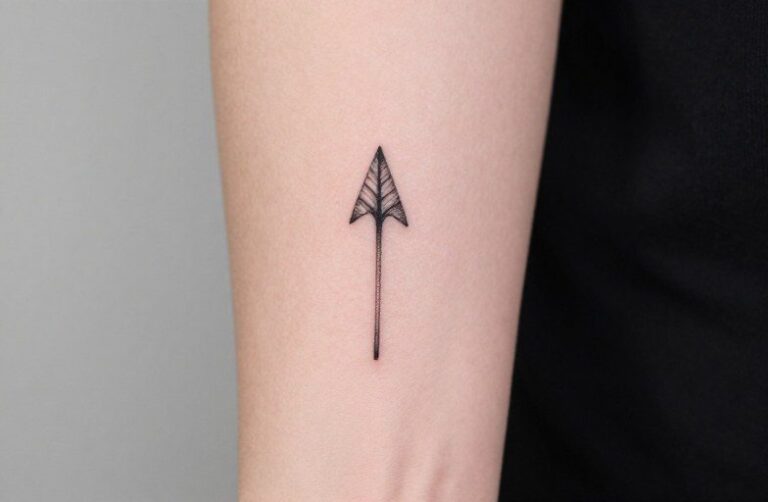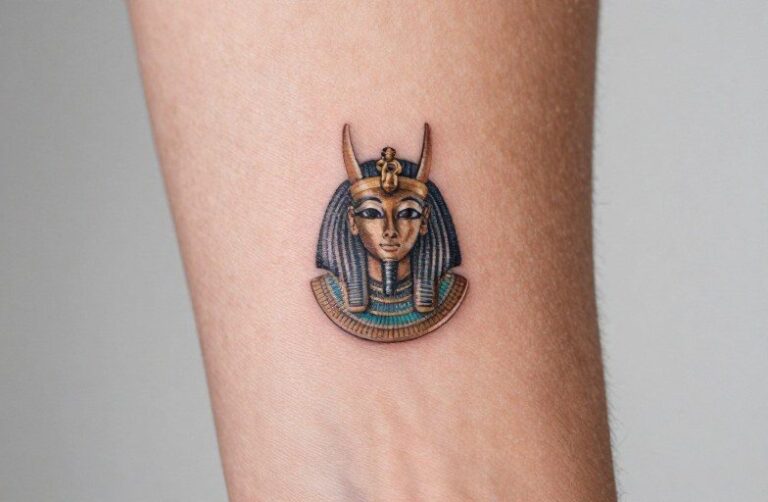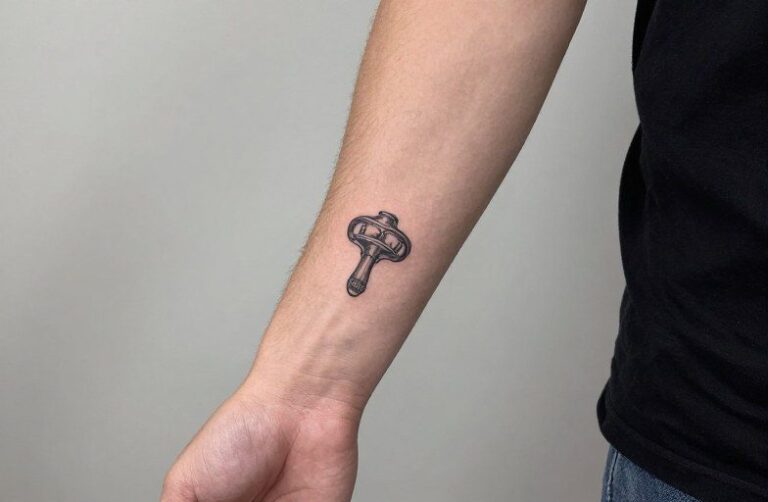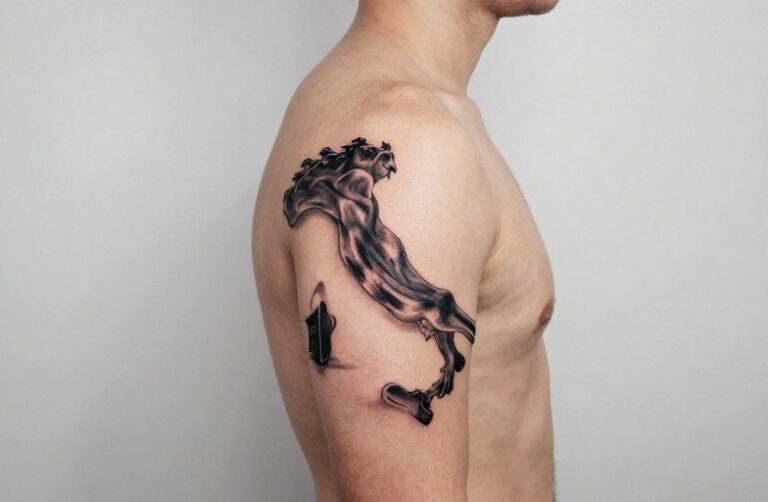
Good tattoo ideas start with honest constraints. Your skin type, your pain tolerance, your budget, how much sun you get, these shape what’s possible before you even pick a motif. The best ideas aren’t the ones that photograph well on Instagram; they’re the ones that still look right in your bathroom mirror ten years from now, and that you don’t have to explain to everyone who sees them. Here’s how to think through the options.
Best Placements
Where you put a tattoo changes everything about how it reads and how it lasts. Some spots age like leather left in the sun; others keep lines crisp for decades.
High-Movement Areas to Understand
Inner biceps, wrists, and anywhere over a joint, elbows, knees, fingers, experience constant flexing and friction. Ink in these spots tends to blur faster, and blowouts (where ink spreads under the skin) are more common. That doesn’t mean avoid them; it means choose bolder lines and simpler shapes if you go there. A dense, intricate pattern on the side of a finger will be unreadable in five years. A single bold symbol or small word in a clean font has a fighting chance.
Spots That Hold Detail
- Upper outer arm: flat, stable, easy to show or cover
- Thigh front or side: large canvas, minimal sun exposure if you wear pants
- Upper back between shoulder blades: protected from sun, minimal stretching
- Ribcage: painful, but the skin stays relatively stable; detail holds well
- Calves: good for medium-sized pieces, though lower legs can fade with sock friction
Stomach and sides of the torso stretch significantly with weight change. If your body weight fluctuates, these aren’t ideal for detailed work you want to stay proportional.
Trending Variations
“Trending” in tattooing usually means “what artists are excited to draw right now.” That energy matters, you get better work when your artist is genuinely into the project.
What’s Actually Showing Up in Shops
Ornamental and decorative patterns, think bold blackwork frames, flowing organic shapes, and geometric mandala-inspired pieces, are getting more refined. Artists are pushing line weight variation and negative space harder than the flat-filled styles of five years ago. Fine-line single needle work is still requested constantly, but there’s growing pushback: many experienced artists won’t do ultra-thin lines in spots prone to fading, because they know the client will be back unhappy.
Another real trend is the shift away from tiny, scattered micro-tattoos toward intentional, connected pieces. Clients who started with four or five random small tattoos are now coming back to ask how to tie them together into a sleeve or larger composition.
Color vs. Black and Grey Right Now
Bold traditional color, thick black outlines, saturated reds, yellows, and greens, is having a resurgence because it ages predictably. Watercolor and pastel styles, while still requested, are harder to execute well and fade faster. If you want color that lasts, ask for heavier saturation and some black anchoring lines, not pure diffuse washes.
For First-Timers
Your first tattoo teaches you how your body handles the process. Pain, healing, the psychological weight of permanence, you don’t know your own reactions until you’ve been through it once.
Start With Something Manageable
Size matters less than complexity and location. A palm-sized blackwork piece on your upper arm is a better first experience than a detailed line drawing on your ribs. You learn whether you sit still well, whether your skin takes ink evenly, how you heal. That information is valuable for planning bigger work.
Many reputable shops have minimum prices, often $100-150 even for tiny pieces. Don’t waste that on something you’ll want covered later. Save for something you actually want, not just something to “get the first one over with.”
What to Expect During Healing
- Days 1-3: redness, swelling, plasma and ink seeping, needs frequent gentle washing
- Days 4-10: peeling and itching, like a bad sunburn; do not scratch or pick
- Weeks 2-4: surface looks healed but deeper layers are still settling; keep moisturizing
- Month 2-3: true healed appearance emerges; touch-ups, if needed, happen after this
Healing poorly almost always comes down to aftercare neglect, not the tattoo itself. Follow your artist’s specific instructions over generic internet advice.
How to Personalize It
Generic flash off the wall can be made specific to you through composition, placement, and combination. The skull becomes your skull when paired with the flowers your grandmother grew, rendered in her favorite colors, placed where you want to remember her.
Working With Reference, Not Copying
Bring your artist photos that capture a feeling, not a tattoo you want duplicated. “I like the mood of this painting, the line quality of this woodcut, the composition of this photograph”, that’s useful direction. A screenshot of someone else’s custom tattoo is a starting point at best, and many artists will refuse to copy another tattoo directly out of professional respect.
Meaning doesn’t have to be deep to be real. A food item you love, a place you keep returning to, an animal you’ve always been drawn to, these are valid starting points. The personalization comes from the specific rendering, the combination of elements, the placement you choose.
Tips for Choosing
Decision paralysis is common. Here’s how to move through it.
- Live with the image: set a photo of the design as your phone wallpaper for two weeks. If you’re sick of it, you saved yourself.
- Consider the mirror test: you’ll see this in reverse daily. Does it work backwards?
- Think about professional contexts you can’t predict yet. Hand, neck, and face tattoos close doors. That’s not moral judgment; it’s practical reality.
- Plan for the long fade: bold and simple ages better than delicate and complex. If you want fine detail, place it where sun and friction are minimal.
- Budget for quality: good work isn’t cheap. Cheap work isn’t good. Save up and wait for the artist you actually want.
Don’t get tattooed on impulse while traveling unless you’ve researched the shop beforehand. Vacation tattoos are a cliché for a reason.
Popular Styles
Understanding style names helps you find the right artist. Most tattooers have strengths and preferences; matching those to your idea gets better results.
Styles That Define the Field
Traditional/American: bold black outlines, limited color palette, iconic imagery (roses, eagles, ships, pin-ups). Heals consistently, readable from distance, decades of proven longevity.
Japanese (Irezumi): large-scale compositions, specific imagery (koi, dragons, waves, cherry blossoms), background-heavy designs. Requires specialists; not every artist who claims to do Japanese work actually understands the rules of the style.
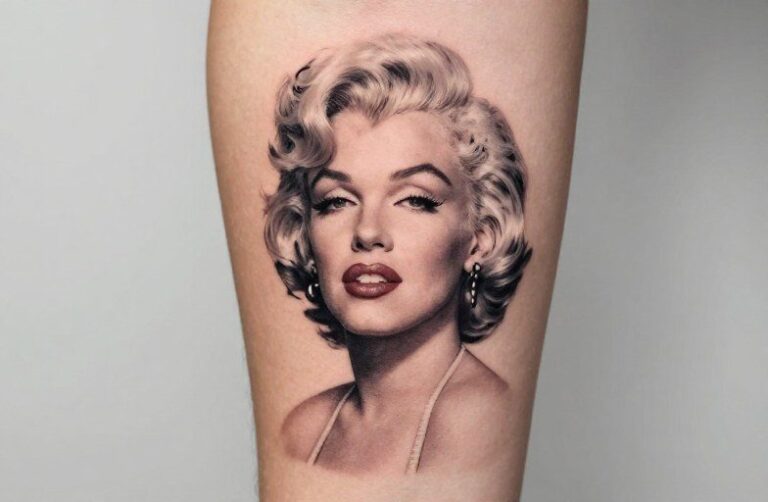
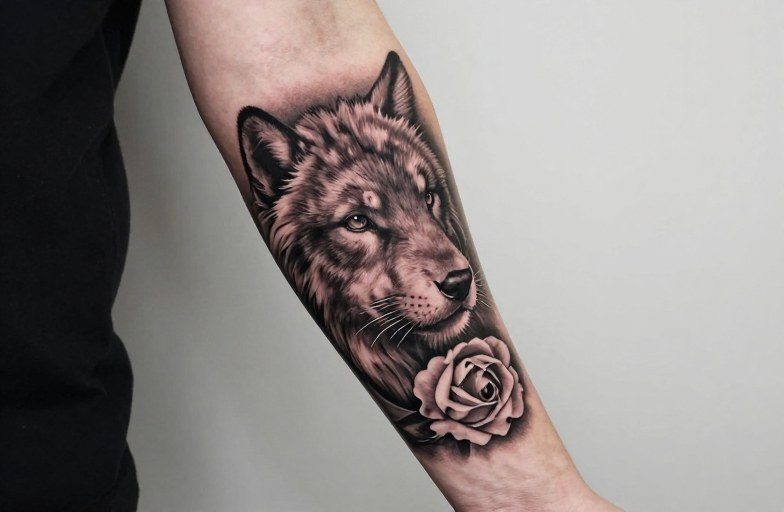
Black and Grey Realism: photographic shading without color. Demands excellent technical skill; poorly executed, it looks muddy. Best on flat, stable skin.
Neo-Traditional: traditional line weight and boldness with expanded color palettes, more illustrative detail, and looser subject matter. A versatile middle ground.
Blackwork/Dotwork: patterns, geometric shapes, and ornamental designs using only black ink. Heals reliably; the contrast of black on skin does the visual work.
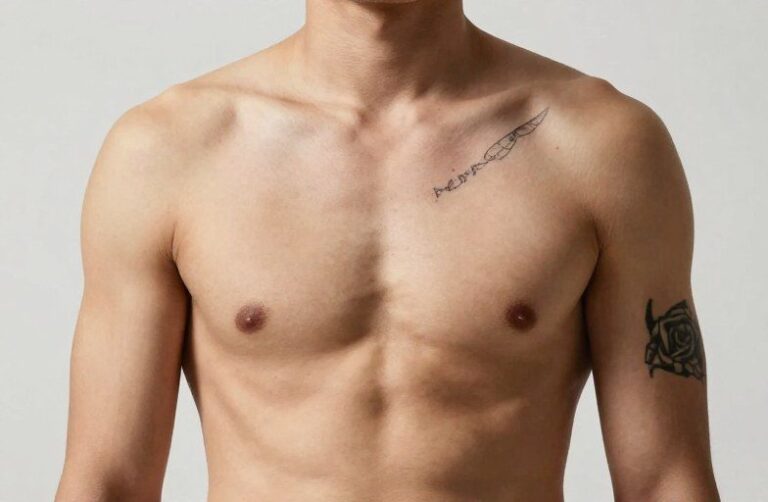
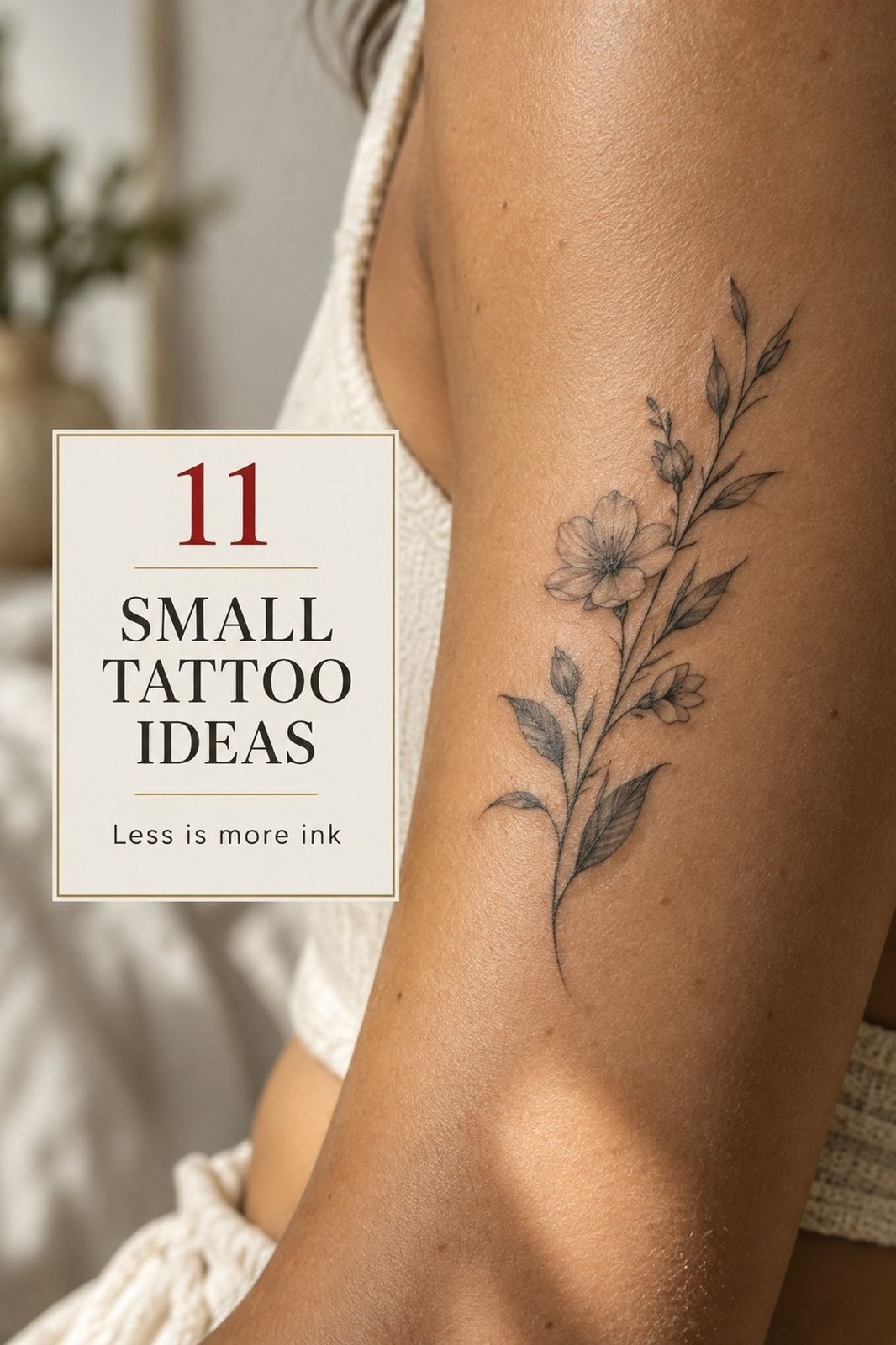
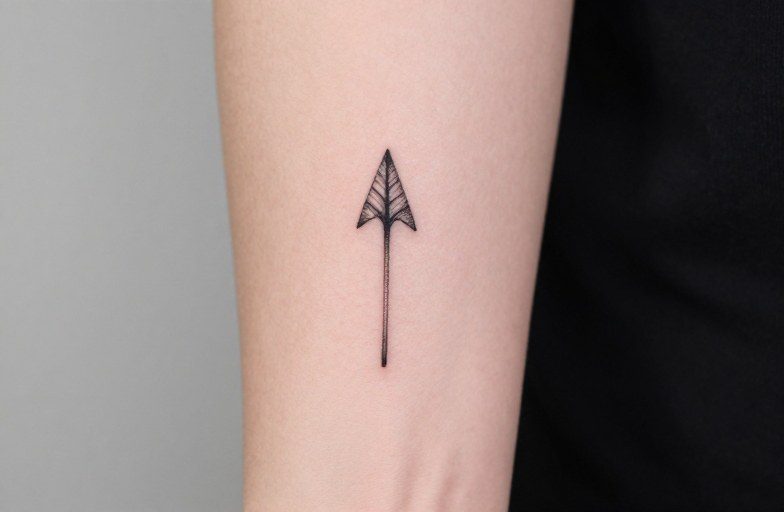
Fine Line/Minimalist: single needle, delicate lines, often small scale. High risk of fading and blur; requires pristine aftercare and realistic expectations about touch-ups.
Final Thoughts
The best tattoo idea is one you can commit to without needing to justify it to anyone. It fits your body, your life, your budget, and your pain tolerance. It comes from an artist whose portfolio proves they can execute it well. It accounts for how ink behaves in skin over time, not just how it looks fresh. Take the time to find work that meets all those conditions, and you’ll have something that holds up, visually and personally, for the long haul.
Frequently Asked Questions
How small can a tattoo be before it starts to blur?
Below two inches, fine detail becomes risky. Lines spread slightly over time no matter what, and in tiny tattoos there’s no room for that spread without destroying the image. Bold, simple shapes under an inch can work; intricate designs need more space.
Should I tip my tattoo artist?
Yes, 15-20% is standard for custom work in the US, similar to other service industries. Some artists own the shop and set higher prices accordingly, but tipping remains appreciated for time-intensive or particularly demanding pieces.
Can I get tattooed over scars or stretch marks?
Sometimes, but it depends on the scar’s age and texture. Fully healed, flat scars (usually two-plus years old) can take ink, though the color may heal differently. Raised or keloid scars are generally poor candidates. An experienced artist needs to assess the specific skin in person.
How do I know if an artist’s portfolio is actually good?
Look for healed photos, not just fresh work. Check if their lines are consistent, their shading smooth without blotchy spots, and whether their tattoos look solid in skin of various tones. Style matching matters too, someone excellent at traditional may not be the right choice for realism.