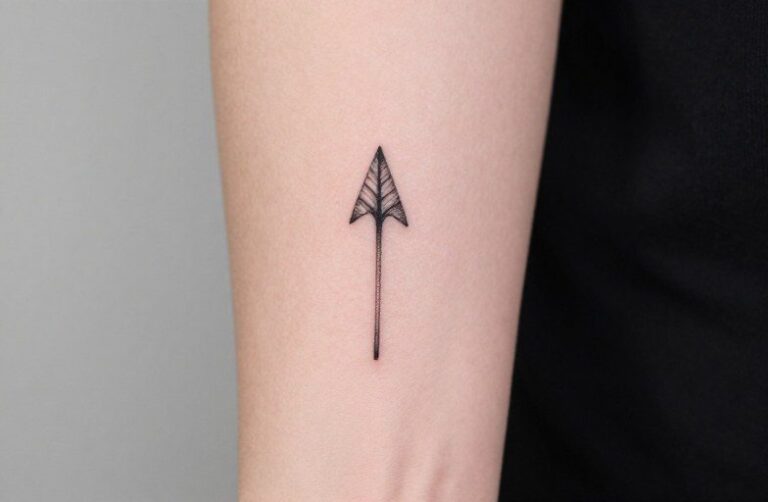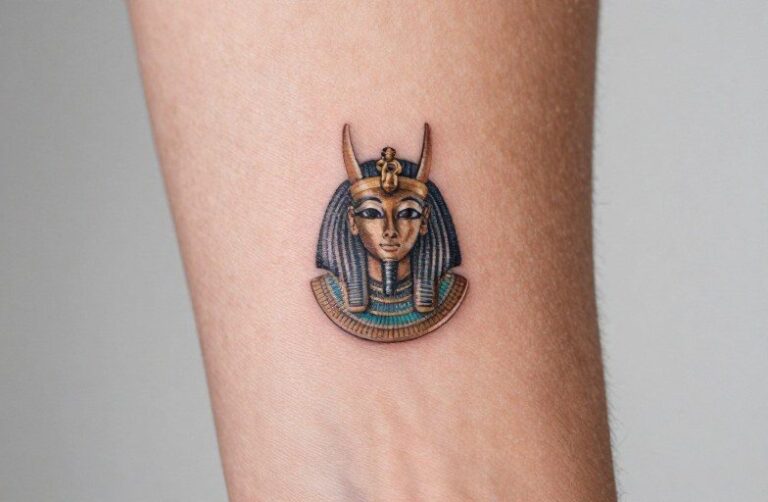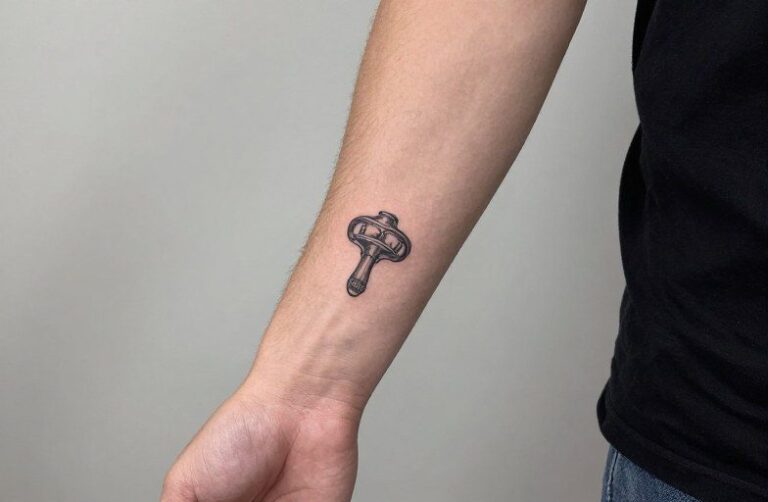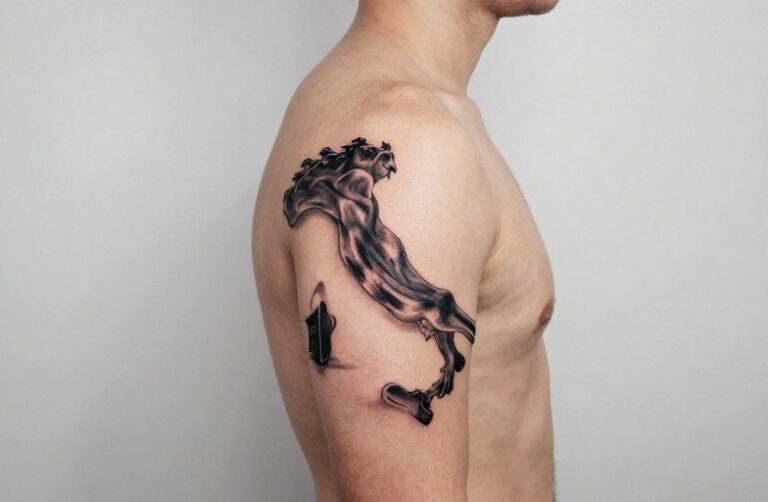
Cool tattoo designs for women have moved far past the era of tiny ankle butterflies and lower-back tropes. Today’s options span full sleeves, single-needle fine lines, heavy blackwork, and everything between. What makes a design genuinely cool isn’t trend-chasing, it’s how well the piece fits your body, your pain tolerance, your budget, and your willingness to maintain it. This guide breaks down what actually works, where it works, and how to make it yours.
Matching & Pairing Ideas
Coordinated tattoos hit different when they’re intentional rather than identical. The best paired designs share a visual language, line weight, subject matter, or negative space approach, without being carbon copies.
Sister and Friendship Sets
Consider split compositions: one person carries the moon, the other the stars, same sky. Or matching placement with variation, both get botanical pieces, one peony and one lotus, same artist, same session. The connection reads clearly without looking like matching T-shirts. Finger and hand placements work here but require commitment; these spots fade fast and often need annual touch-ups.
Complementary Body Placements
- Collarbone curves paired with upper chest centerpieces
- Behind-ear micro pieces that peek at different angles
- Forearm bands that align when arms cross
- Thigh fronts with matching back-of-thigh counterparts
Symmetrical rib pieces demand serious pain tolerance. The skin there moves constantly with breathing; healing is a two-week commitment to sleeping carefully and avoiding tight bras or waistbands.
Size & Scale
Small isn’t automatically delicate, and large isn’t automatically bold. Scale needs to match the detail level and the body part’s real estate.
Where Tiny Actually Works
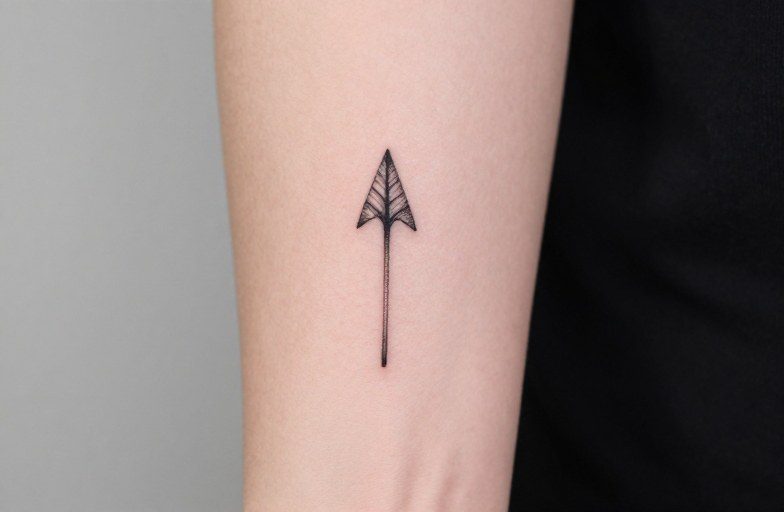
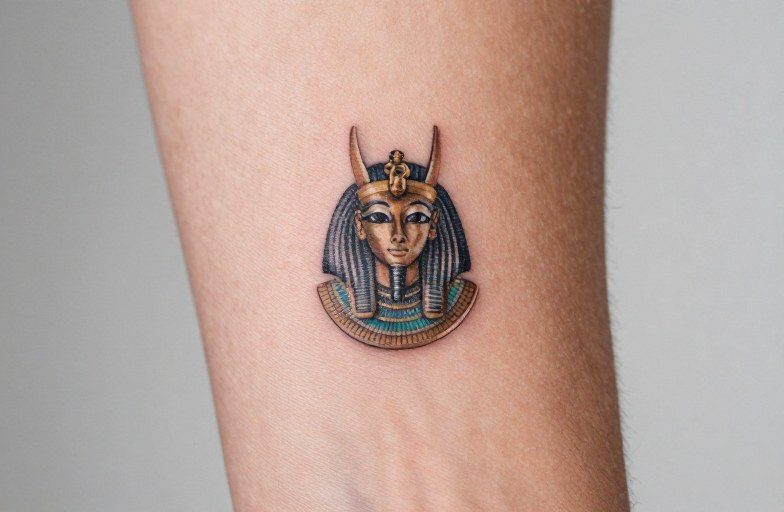
Behind the ear, inner wrist, ankle bone, and finger sides can hold clean, simple imagery, single flowers, small symbols, minimal lettering. The catch: lines thicken over time. A design with hair-thin details at 1 inch wide will blur into a soft grey blob within five to eight years. For longevity, keep tiny pieces graphic and high-contrast, not photorealistic.
Committing to Larger Pieces
Full forearms, upper arms, thighs, and backs give room for shading gradients, color saturation, and complex composition. A snake winding from shoulder to elbow reads as one continuous movement. A single rose crammed into the same space looks like a sticker. The general rule: if your artist can’t fit their hand comfortably between the design’s main elements, it’s too crowded.
- Micro: under 2 inches, wrist, finger, ear, ankle
- Medium: 3-6 inches, forearm, calf, shoulder cap, rib side
- Large: 7+ inches or multi-session, thigh, back, full sleeve, torso
How to Personalize It
Personalization doesn’t mean adding infinity symbols to everything. It means adapting a design so it couldn’t belong to anyone else.
Subject Matter With Actual Significance
Your grandmother’s specific iris variety, not “a flower.” The constellation visible on your actual birth date, not a generic star cluster. The coordinates of a real place, rendered in your own handwriting or a deceased relative’s. These carry weight because they’re specific, not because they’re coded.
Stylistic Twists
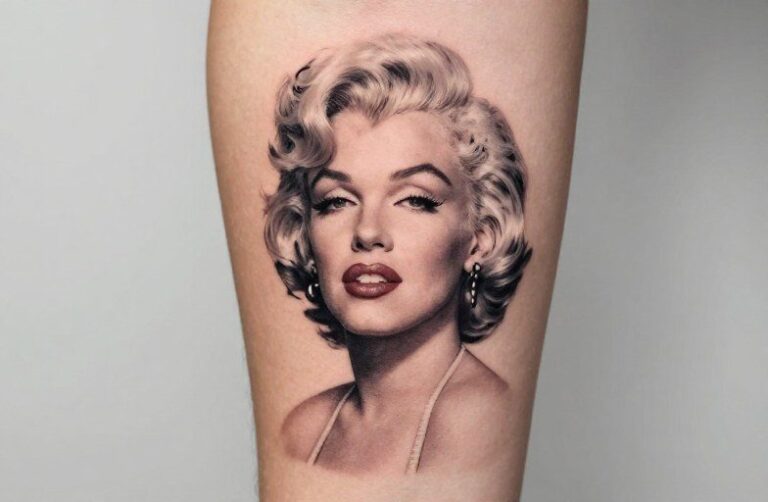
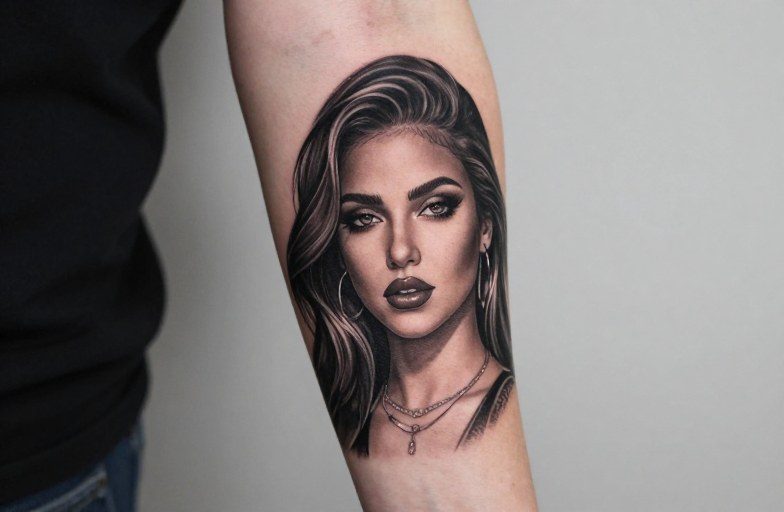
Take a common motif and render it unexpectedly: a traditional rose in negative space only, with black background and skin-tone petals. A geometric wolf built entirely from triangles and parallel lines. A portrait in single-needle greywash instead of bold color. The style shift makes familiar imagery fresh.
Placement personalization matters too. A sternum piece follows your individual bone structure and breast shape, no two come out identical even from the same stencil. Hip placements sit differently on every body. These organic variations are features, not flaws.
For First-Timers
First tattoos carry disproportionate weight in your memory. Set yourself up for a good experience with strategic choices.
Pain-Realistic Placements
Outer upper arm, outer thigh, and calf meat are the most forgiving starts. You’ll feel it, but you won’t be fighting flinch reflex for two hours. Avoid ribs, feet, hands, and inner bicep for maiden voyages. The adrenaline of first-timer nerves already amplifies sensation; don’t stack difficulty on top.
Design Choices That Age Gracefully
Start with bolder lines than you think you want. That delicate Pinterest piece with three-hair-thin whiskers? In three years, those whiskers disappear. Solid black holds. Medium line weight, think sharpie marker, not ballpoint, gives you the most runway before touch-ups become necessary.
- Choose an artist whose healed work you’ve seen, not just fresh photos
- Book a consultation; don’t just walk in
- Bring reference images but expect adaptation to your skin
- Plan around events: no swimming, no sun, no gym friction for 2-3 weeks
Color Choices
Color tattoos on women aren’t limited to “feminine” palettes. The question is what your skin does with pigment over time.
Working With Your Undertone
Cool undertones carry blues, purples, and true greens with clarity. Warm undertones make reds, oranges, and golden yellows pop. Neutral undertones get more flexibility but less automatic vibrancy. This isn’t about “seasons” or makeup matching, it’s about how ink sits in melanin-rich or melanin-sparse skin. Darker skin doesn’t mean avoid color; it means choose saturated, opaque pigments and expect some colors (pastels, light yellows) to struggle.
Black and Grey Longevity
Blackwork ages most predictably. Greywash softens beautifully, developing a vintage photograph quality. Color requires more maintenance; reds and oranges fade fastest, blues and greens hold longest. White ink is essentially a gamble, some bodies hold it as subtle ivory, others absorb it entirely within months.
Consider placement with color: sun-exposed areas (hands, forearms, lower legs) bleach pigment faster. Plan touch-ups into your budget and calendar.
Standout Design Ideas
Specific motifs that carry visual weight without defaulting to cliché.
Animals With Attitude
Snakes in coiled strike position, rendered in heavy black with selective scale detail. Moths with tattered wing edges, not perfect symmetry. Crows and ravens in flight composition, using negative space for sky. These carry symbolic weight, transformation, mortality, intelligence, without requiring explanation.
Abstract and Organic Forms
Liquid metal drips, flame shapes that morph into hair, bone structures abstracted into decorative patterns. These read as cool because they resist easy categorization. They also age well; without facial features or text to date them, they stay timeless.
- Ornamental mandala variations that follow muscle structure
- Script in unconventional languages or dead alphabets
- Botanical cross-sections, root systems, cellular structures
- Architectural fragments: column capitals, archways, staircases
Geometric pieces demand technical precision. Vet your artist’s portfolio for straight lines and consistent dotwork. These designs don’t forgive shaky hands.
Final Word
Cool tattoo designs for women ultimately come down to specificity, your specific body, your specific taste, your specific willingness to care for the work. The most impressive piece in a shop’s portfolio means nothing if it doesn’t fit your movement patterns, your professional constraints, your pain threshold, your budget for quality work. Research artists like you’re hiring for a permanent position, because you are. Bring ideas but stay open to adaptation. A good artist will push back on what won’t work; that’s protection, not ego. The coolest tattoo is the one you still want to look at in fifteen years, not the one that got the most likes in its first week.
Frequently Asked Questions
Do tattoos on women’s skin fade faster than on men’s?
Ink fading depends on placement, sun exposure, and aftercare, not gender. Areas women more commonly tattoo, like ribs and feet, happen to be high-friction or sun-exposed, which creates the illusion. Proper SPF and moisturization matter more than biology.
How do I find an artist who actually specializes in the style I want?
Instagram and portfolio sites let you filter by style tags, but look specifically for healed photos at 6+ months, not just fresh work. Message the artist with your idea; if they redirect you to someone else in their network, that’s a sign of integrity, not rejection.
Can I get a detailed tattoo if I have very fair or very dark skin?
Detail is achievable across all skin tones, but the approach changes. Fair skin shows fine lines and subtle shading easily. Darker skin requires bolder lines, higher contrast, and more saturated color to achieve the same visual clarity. The artist should adjust technique, not ambition.
What’s the most common regret you see with women’s tattoo choices?
Scale mismatch, going too small for the detail level, or too large without committing to the composition. Also: copying a celebrity piece exactly. The tattoo was designed for their body, their lighting, their styling. Adaptation always beats replication.