Every tattoo carries weight, whether you chose the image for its symbolism or simply because it looked right on your skin. Understanding what common designs traditionally represent helps you pick something that resonates, or subvert the expected meaning entirely. This guide breaks down the most requested symbols, where they actually work on the body, how ink behaves over time, and how to make a stock design feel like yours.
Best Placements
Symbolism shifts with placement, sometimes more than people expect. A snake coiled around a forearm reads as active, almost aggressive; the same snake tucked along a ribcage becomes more private, more about transformation than threat. Think about who sees the tattoo and when.
Visible vs. Concealed
Hands, neck, and face broadcast meaning instantly. Religious iconography here invites conversation, sometimes unwanted. A meaningful phrase on the inner bicep stays hidden under a sleeve until you choose to reveal it. Consider your workplace, your family, and whether you want the symbol to be a daily declaration or a personal anchor.
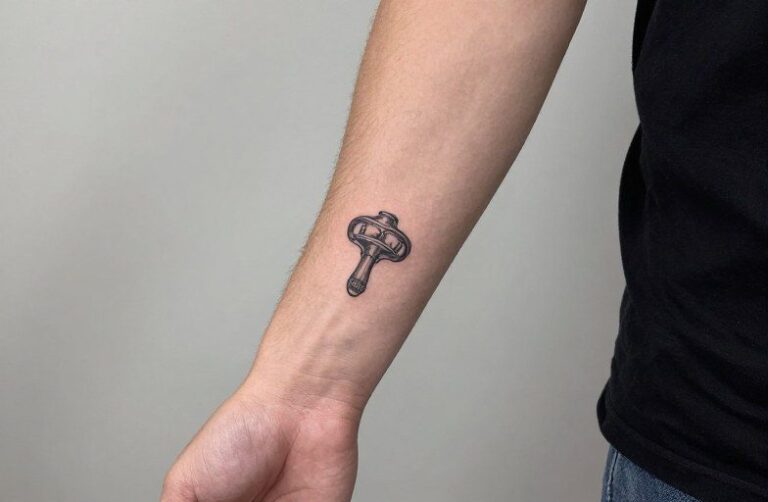
- Forearm: medium visibility, flat canvas, good for detailed symbols like compasses or mandalas
- Ribcage: high pain, excellent for vertical designs, snakes, swords, script
- Upper back: large scale, great for symmetrical pieces like wings or geometric animals
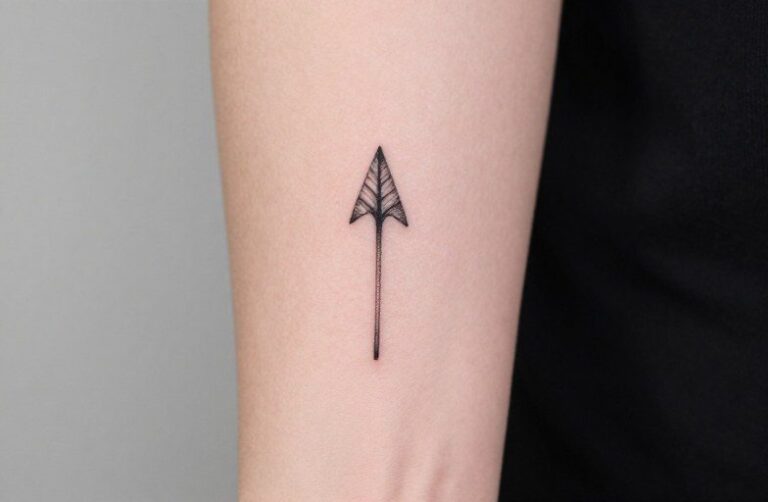
- Ankle/wrist: small, simple symbols only; fine lines blur here within 5-10 years
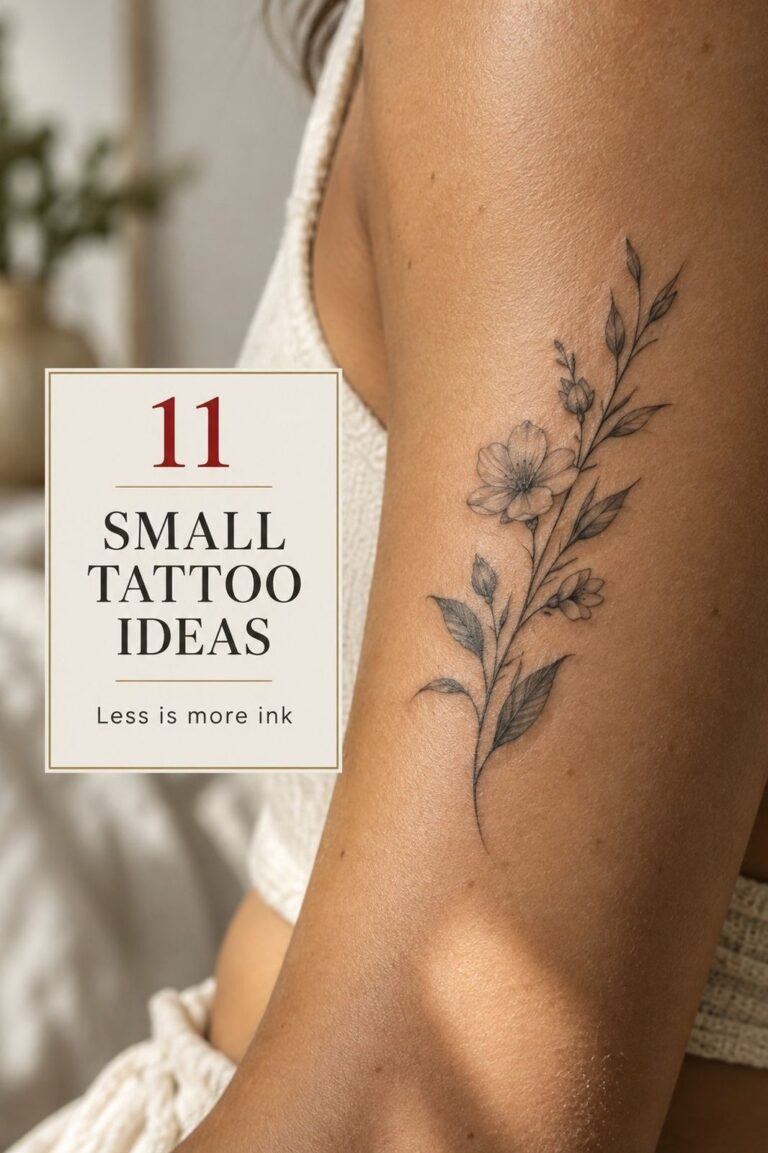
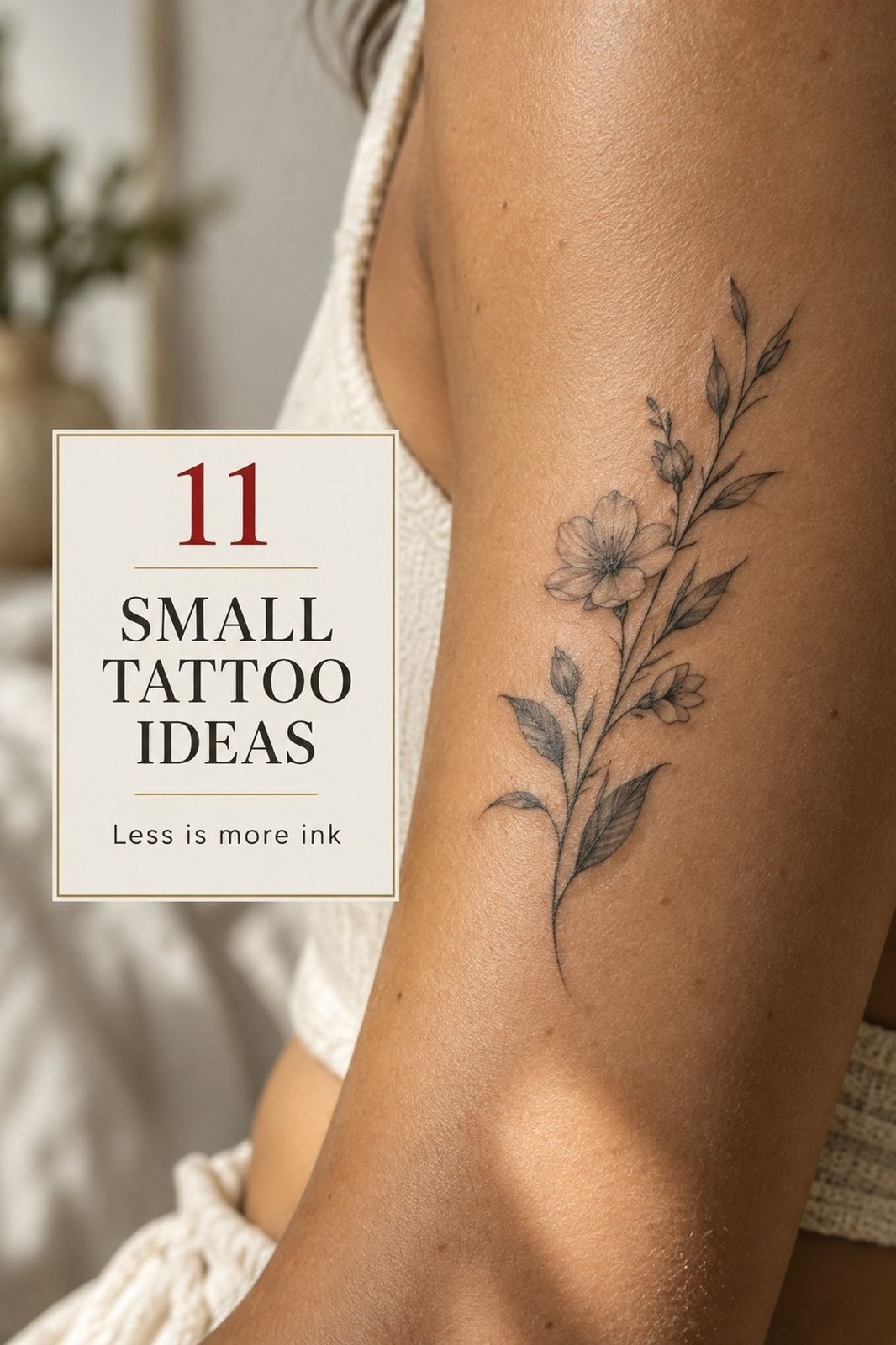
- Behind the ear: tiny, intimate; best for minimal icons, moon phases, single flowers
How Aging Affects Symbol Readability
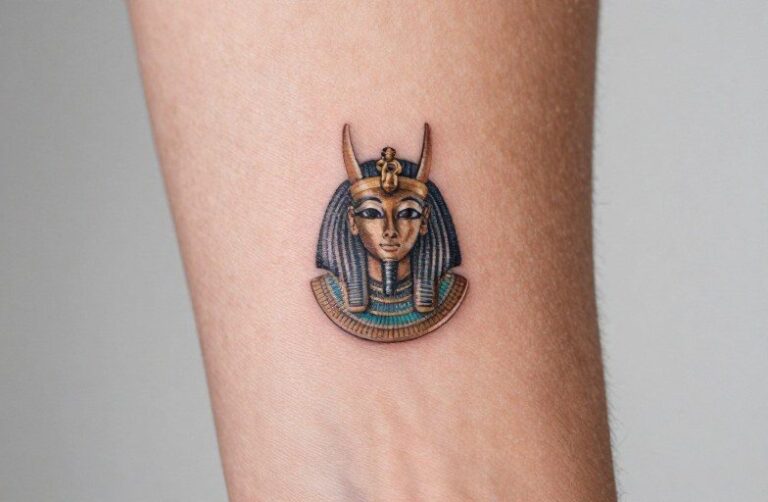
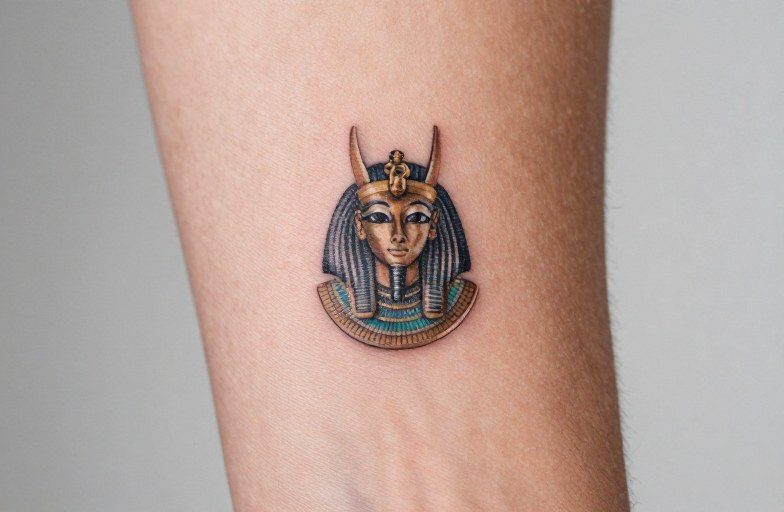
Detailed symbols with fine linework, eye of Horus, intricate mandalas, small text, lose definition faster on high-movement areas. A wolf face with heavy black shading on the thigh stays readable for decades. The same wolf rendered in thin single-needle lines on the top of the foot will need touch-ups to keep the snarl recognizable. Plan for the long version of your symbol, not just the fresh photo.
How to Personalize It
Stock flash designs carry generic meaning. A rose means love, a skull means mortality, fine, but impersonal. The best tattoos start with the traditional symbol and twist it until it fits your specific memory or intention.
Combining Symbols
Layer meaning by pairing images. A dagger through a rose can represent beauty and pain intertwined, or protection of something fragile. A compass with a specific map coordinate replaces vague “direction” symbolism with an actual place that changed you. Adding birth flowers, constellations from a specific date, or an animal native to your home region grounds the design in real experience rather than borrowed sentiment.
Style as Statement
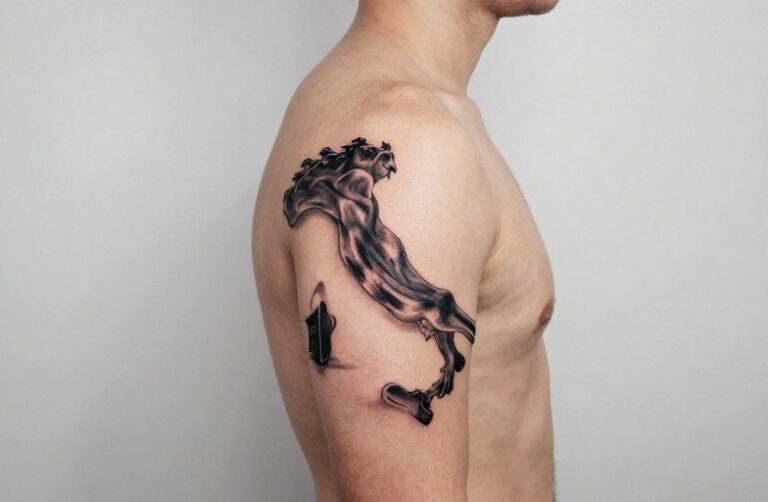
The same anchor reads completely different in American traditional (stability, navy heritage) versus blackwork with ornamental flourishes (more decorative, less literal). A realistic portrait of a loved one’s eye carries different weight than the same eye rendered in a surrealist, melting style. The how matters as much as the what.
Trending Variations
Certain symbols cycle through reinterpretation. Right now, several classic motifs are being pushed in interesting directions that shift their traditional meanings.
- Snakes: moving from danger/poison imagery to shedding-skin rebirth narratives, often paired with botanical elements
- Moons: beyond femininity or cycles, now frequently used in triple-phase designs to mark sobriety milestones or recovery timelines
- Hands: praying hands are diversifying into clasped hands of specific relationships, parent and child, friends, lovers, sometimes with realistic skin tones rather than traditional graywash
- Geometric animals: breaking realistic forms into facets, which reads more as analytical or deconstructed rather than pure nature-worship
- Botanicals: moving beyond generic roses to region-specific plants, sagebrush for desert origins, kudzu for the South, invasive or native species chosen deliberately
These trends matter because they affect how your tattoo will date. A geometric wolf from 2019 already looks period-specific. A traditional wolf in the same timeframe reads as classic. Choose whether you want to participate in a visual moment or step outside it.
Standout Design Ideas
Some symbols carry such heavy default meaning that they risk cliché unless handled with specificity. Here’s how to make common requests feel individual.
Animals with Actual Behavior
Generic lion “strength” tattoos are everywhere. A lioness hunting, specifically, carries different weight, collaborative, maternal aggression rather than solitary dominance. A raven eating, not just posing, references death as process rather than symbol. An octopus mid-color-change references intelligence and adaptation rather than just mystery. Ask your artist to research the animal’s actual behavior, not just its symbolic shorthand.
Text and Typography Pitfalls
Script tattoos fail most often through font choice. Flowery cursive on a foreign language you don’t read often looks like a brand logo rather than personal text. Sanskrit, Hebrew, Arabic, beautiful scripts, frequently mangled by artists without language fluency. If the meaning matters, verify with a native speaker. If the aesthetic matters more, consider abstracting the letterforms into pattern rather than pretending to linguistic authenticity.
Color Choices
Color changes how symbols read and how they last. Black and gray emphasizes form and shading; color adds emotional temperature.
What Holds and What Fades
Black ink stays sharpest longest. Bright reds and oranges fade to pink or peach within 5-10 years depending on sun exposure. Blues and greens hold better but can shift toward gray. Yellow and white nearly disappear on lighter skin tones, becoming visible mainly as texture against tanned skin.
Symbolically, this matters. A red rose fading to pink softens the passion implication. A black rose stays consistently gothic. American traditional designs rely on limited, high-contrast palettes specifically because they were designed to read clearly for decades. Watercolor styles, while beautiful fresh, often lose the symbolic clarity within years as colors bleed and mute.
Skin Tone Considerations
On darker skin, high-contrast designs work better than subtle color gradations. A solid black silhouette of a meaningful symbol reads clearer than attempting realistic color portraiture. Some artists specialize in this; others default to techniques developed for lighter skin. Ask to see healed photos on skin similar to yours, not just fresh work.
For First-Timers
Your first tattoo shouldn’t be your most meaningful one. Paradoxical, but true. The learning curve involves understanding your own pain response, healing behavior, and how you feel about permanence. Start with a symbol you like enough to live with, not one loaded with irreplaceable significance that will devastate you if the execution disappoints.
Researching Your Artist
Look for healed photos, not just fresh Instagram posts. An artist who specializes in the style your symbol needs, fine linework for delicate botanicals, bold traditional for heavy symbolism, realism for portrait-based meaning, will translate your intention better than a generalist with a large following. Consultations are free; use them to test whether the artist asks questions about why you chose this symbol, or just takes the booking.
Healing Reality
The first two weeks, your symbol will be obscured by peeling, plasma, and potential scabbing. The final result emerges around week four. Don’t panic-judge the meaning or the art during healing. Sleep position matters, back pieces need back-sleeping discipline, or you’ll stick to sheets and damage the work. Follow aftercare precisely; a symbol you chose for deep meaning deserves not to be blurred by infection or neglect.
Key Takeaways
Symbolism in tattoos works best when it’s specific to you, not borrowed from a chart. Placement changes who sees the meaning and when. Style and color affect how the symbol reads emotionally and how long it stays readable at all. Trends offer fresh interpretations but date your work; classics carry weight precisely because they’ve lasted. Research your artist’s healed work, especially on skin like yours. And remember that the tattoo will live longer than the moment you got it, choose symbols that can grow with your understanding of them, not ones that lock you to a single, unchangeable interpretation.
Frequently Asked Questions
Do tattoo symbols have universal meanings across cultures?
Many symbols shift meaning dramatically between cultures. A lotus represents purity in Buddhism but was used in ancient Egyptian creation mythology. An owl means wisdom in Western contexts but can signify death in some Latin American traditions. Research the specific cultural lineage of any symbol you choose, especially if it’s not from your own heritage.
How do I know if a symbol will still feel meaningful in twenty years?
Choose symbols tied to values rather than temporary states. A phoenix representing resilience through a specific hardship can expand to mean resilience generally. Avoid symbols tied to current relationships, jobs, or trend moments unless you’re genuinely comfortable with them becoming period pieces.
Can I combine multiple symbols from different cultural traditions?
You can, but be aware of how it reads. A Japanese oni mask paired with a Nordic rune doesn’t automatically create meaningful fusion, it can look like aesthetic collage without coherent intention. If mixing traditions, have a clear personal reason for the combination, or choose a unifying style that treats both with equal visual weight.
Why do some tattoo symbols look different after healing than when fresh?
Fresh tattoos sit on swollen, irritated skin with ink at maximum saturation. Healed tattoos settle into your actual skin tone, with some ink particles dispersed by your immune system. Blacks soften, colors mute, and fine details can blur slightly. This is normal and expected, design for the healed version, not the fresh photo.