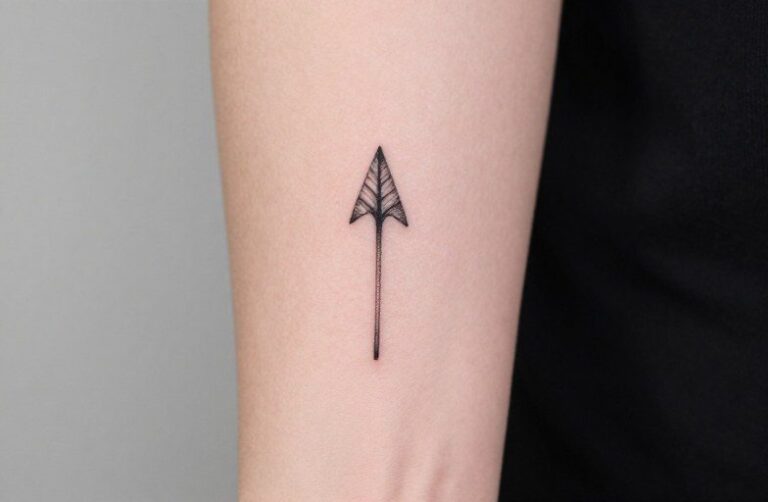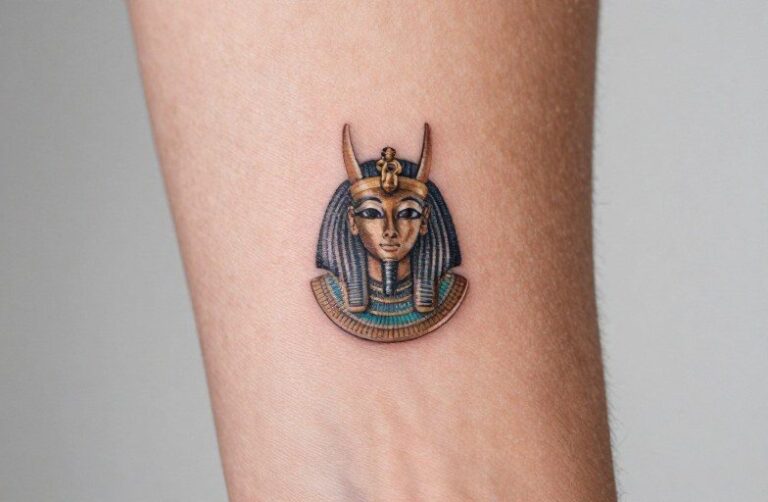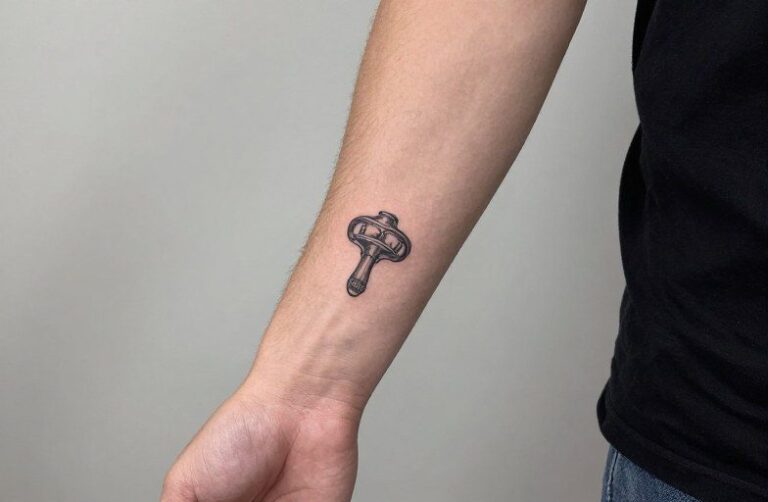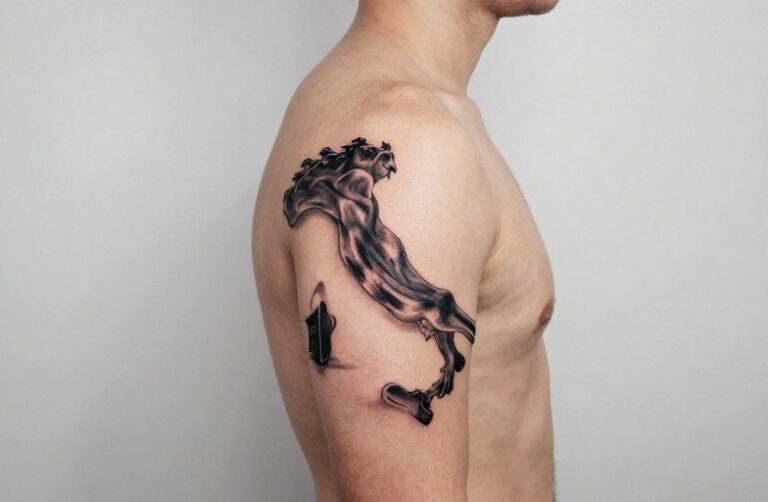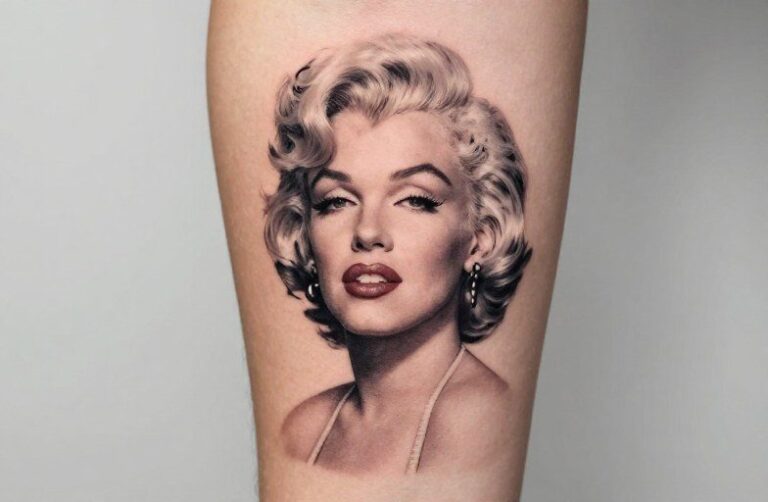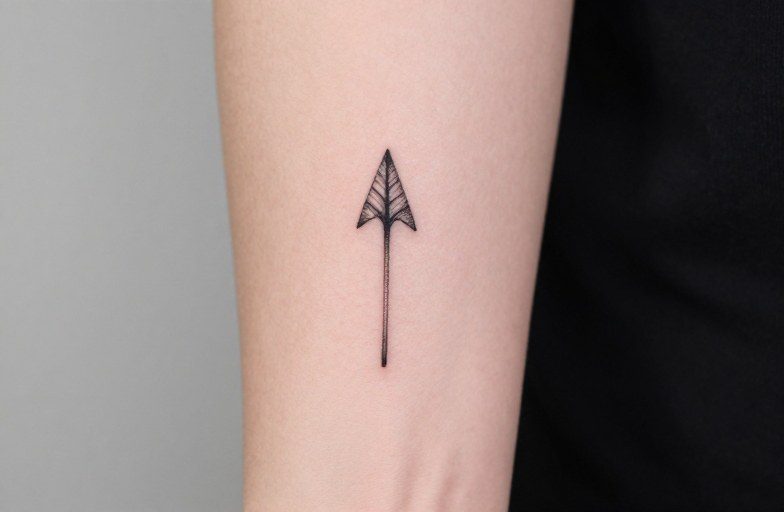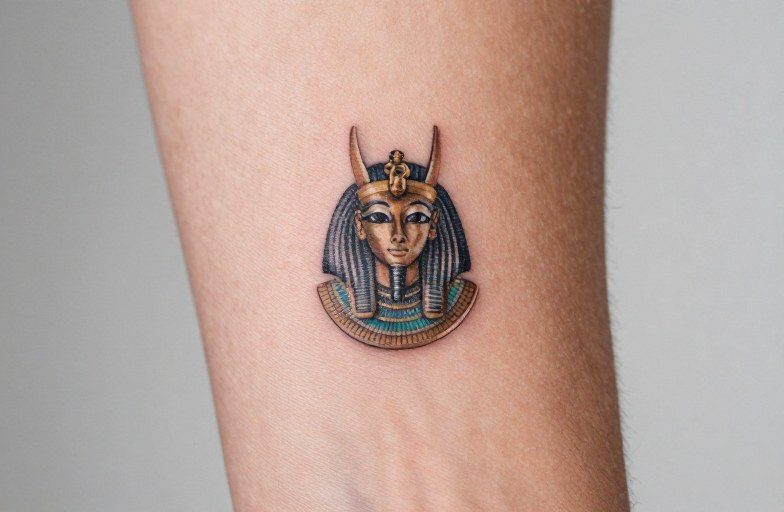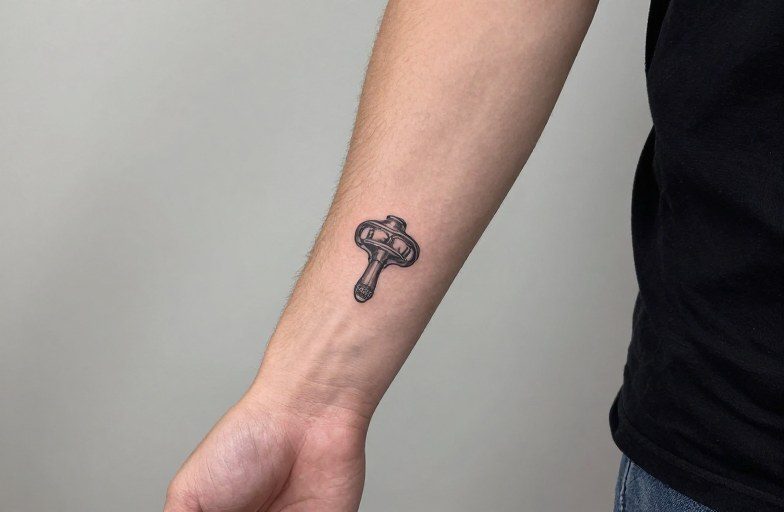
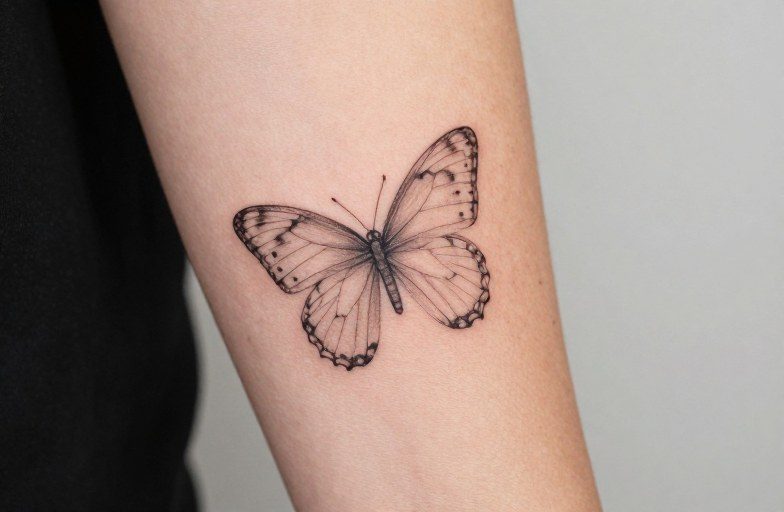
Fine line tattooing is a technique defined by its tool choice and visual result: designs built from extremely thin, crisp lines, typically executed with a single needle or very tight needle grouping. Unlike traditional tattooing that relies on bold outlines and saturated color blocks, this style prizes subtlety, precision, and negative space. The lines themselves become the entire image, shading, when present, is achieved through fine hatching, stippling, or delicate gradation rather than solid fill.
Cost & Sessions
Why Fine Line Often Costs More Per Hour
The hourly rate for fine line work frequently runs higher than bolder styles, and that surprises people expecting “simple” to mean “cheap.” Single-needle work demands slower hand speed, steadier breathing, and far more concentration from the artist. A palm-sized floral piece might take three hours where a traditional design of the same size finishes in one. You’re paying for the time intensity, not the complexity of the image itself.
Small pieces, wrist text, behind-the-ear symbols, finger accents, can sometimes be completed in a single session under $200. Larger compositions, especially those wrapping joints or requiring perfect symmetry (botanical sleeves, ornamental frames), stretch across multiple sessions. Full forearms or collarbones often need two to four sittings, with total investment landing between $800 and $2,500 depending on the artist’s demand and city.
Session Pacing for Detail Work
Artists working in this style often cap sessions at four to five hours. Hand fatigue degrades line quality fast, and neither of you benefits from pushing through tremor territory. Some prefer splitting larger pieces into 90-minute increments, keeping the skin fresh and the needle work immaculate. Discuss this upfront during consultation, rushing a fine line piece to fit a single day rarely yields the best result.
Origins & History
The aesthetic of extremely thin tattoo lines has roots in several converging threads. Single-needle tattooing developed independently in multiple communities, often linked to prison and underground tattooing where artists improvised with guitar strings and modified motors, producing the wispy, scratch-like lines that would influence later refinement. Some trace the polished, contemporary version to South Korean tattoo artists of the early 2010s, where legal restrictions on tattooing pushed practitioners toward subtle, easily concealed work that wouldn’t draw official attention.
By the mid-2010s, the style had migrated to Instagram, where its photogenic delicacy exploded in visibility. Western artists adapted the technique, blending it with existing ornamental traditions, botanical illustration, and even classical engraving aesthetics. What began as a workaround in specific cultural contexts became a globally recognized category with its own technical standards and dedicated specialists.
Who It Suits
Skin Tone and Line Visibility
Fine line work shows most clearly on lighter skin tones, where the gray-wash of a thin line maintains contrast against the background. On medium to deep skin tones, the same lines can heal softer, sometimes reading as scar-like or disappearing entirely into melanin-rich layers. This isn’t a prohibition, skilled artists adjust by going slightly bolder, using strategic spacing, or selecting placements with less sun exposure. The key is honest consultation: an artist experienced across skin types will tell you if your chosen design needs adaptation rather than promising identical results to reference photos shot on pale skin.
Lifestyle and Placement Compatibility
The style attracts people wanting understated, professional-friendly work. Fingers, hands, and feet remain problematic for longevity regardless of technique, but fine line on these areas degrades especially fast, constant friction, moisture, and regeneration slough thin ink faster than bold saturation. Better bets: inner bicep, ribcage, upper back, collarbone, behind the ear. These spots see less direct abrasion and maintain that crisp, “just drawn” look for years.
- High-motion areas (wrists, ankles) require touchup commitment
- Sun-exposed placements demand diligent SPF or accept faster fading
- First-timers often appreciate the lower visual commitment of delicate work
- Collectors use fine line to balance heavier existing pieces
Key Characteristics & Motifs
Subject matter in fine line tattooing tends toward the intricate and organic. Botanical illustration dominates, ferns, wildflowers, pressed-herbarium arrangements rendered with scientific accuracy. Ornamental geometry, inspired by engraving and architectural drafting, creates lace-like frames and mandala structures built entirely from hair-thin strokes. Portraiture and animal work appear too, but the challenge intensifies: without bold contrast, facial features rely on precise placement of minimal marks.
Color exists in this style but often in muted, watercolor-adjacent applications, soft washes behind linework rather than saturated fills. Black and gray remain the truest expression, where the full range of tone comes from line density and technique rather than pigment variety.
How Fine Line Differs From Similar Styles
Single-needle realism pushes toward photographic detail using the same tools but with heavier shading and more aggressive texturing. Micro-tattooing shrinks scale to extreme miniaturization, sometimes sacrificing longevity for tininess. Fine line occupies the middle: deliberate, visible, built to last through careful line weight and placement rather than brute boldness.
Linework & Technique
Needle Configuration and Machine Setup
True fine line typically runs a single needle (1RL) or tight three-round liner. The 1RL deposits minimal ink per pass, requiring the artist to build the line through consistent, overlapping strokes rather than single decisive pulls. This creates the characteristic “sketchy but clean” quality, under magnification, you might see micro-variation in the edge, but the overall effect reads as uniform. Coil machines, rotary pens, and even certain hand-poking methods all achieve viable results; the artist’s hand stability matters more than equipment brand.
Shading Without Boldness
Where traditional tattooing uses magnum shaders for smooth gradients, fine line shading relies on:
- Stippling: dot density creates tone variation
- Whip shading: pulling the needle out at varying depths for soft edges
- Fine hatching: parallel or crosshatched lines build shadow without solid fill
Each method demands more time than conventional approaches and heals with less margin for error, sloppy stippling reads as blur, not atmosphere.
The Aging Reality
All tattoos spread slightly as ink migrates through dermal layers; fine line work simply starts closer to the edge of perceptibility. A line that begins at 0.3mm might widen to 0.6mm over a decade. Well-executed pieces age gracefully into softer, still-recognizable versions. Poorly executed work, lines too shallow, too clustered, or placed in high-friction zones, can blur into indistinct gray within two to three years. Touchups are normal and expected, not a sign of failure.
Choosing the Right Artist
Portfolio review for fine line requires looking past subject matter to technical specifics. Zoom in on healed photos, not just fresh work. Crisp lines on day one mean little if they’re blowout-blurred at six months. Check for consistent line weight throughout a piece, tapering at line ends shows control, accidental thickening shows hand instability. Ask specifically about healed results; artists confident in their technique maintain photo records of return clients.
Specialization matters more than shop reputation. A talented traditional artist can produce clean lines in any style, but fine line has unique failure modes, overworking skin, incorrect needle depth for thin configurations, misunderstanding how sparse ink heals. Look for someone whose portfolio is 60%+ fine line or who apprenticed specifically in this approach.
Consultation red flags: promising zero fading, refusing to discuss touchup likelihood, showing only fresh Instagram photos without healed documentation, or dismissing concerns about placement longevity. Good artists will tell you where not to put a design, not just accommodate every request.
What to Remember
Fine line tattooing offers a particular visual language: quiet, precise, illustration-forward. It demands more from the artist’s hand and more from the wearer’s aftercare vigilance. The style rewards patience in selection, placement, and healing. Choose an artist whose healed work holds up, place it where friction and sun are minimal, and commit to touchups as the piece matures. Done well, fine line achieves something difficult in tattooing, detail that reads as delicate without being fragile, permanent work that whispers rather than shouts.
Frequently Asked Questions
Do fine line tattoos hurt more than traditional tattoos?
Pain varies more by placement and individual tolerance than by style. Single-needle work can feel scratchier but deposits less ink per pass, sometimes making long sessions feel different rather than worse. Ribs and sternum hurt regardless of technique.
How long does a fine line tattoo take to heal?
Surface healing runs about two to three weeks, same as most tattoos. However, the visual settling takes longer, lines may appear slightly softer at six to eight weeks as the skin fully regenerates and ink stabilizes in the dermis.
Can fine line tattoos be covered up or removed easily?
Cover-ups prove difficult due to minimal ink density and lack of bold borders. Laser removal can actually work more efficiently on sparse linework since there’s less pigment to break down, though multiple sessions remain necessary.
Why do some fine line tattoos look blurry right away?
Immediate blur usually indicates blowout, ink deposited too deep, spreading through fat layers, or overworked skin swelling. Properly executed fine lines should look crisp once swelling subsides. Persistent softness after healing suggests technique or aftercare issues.