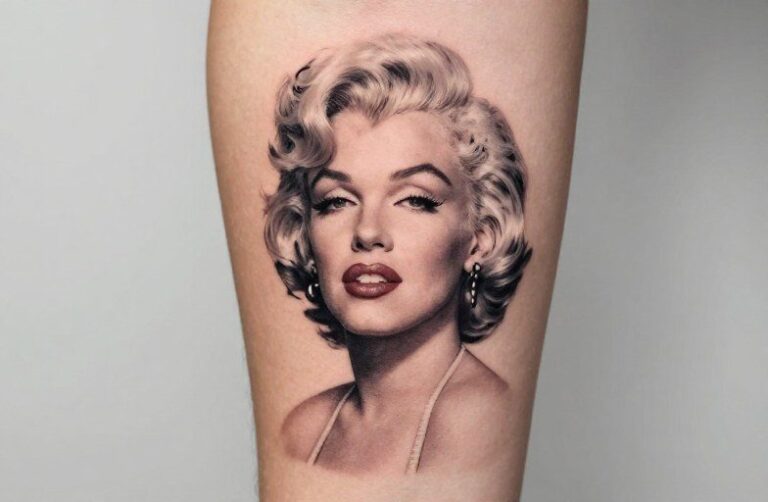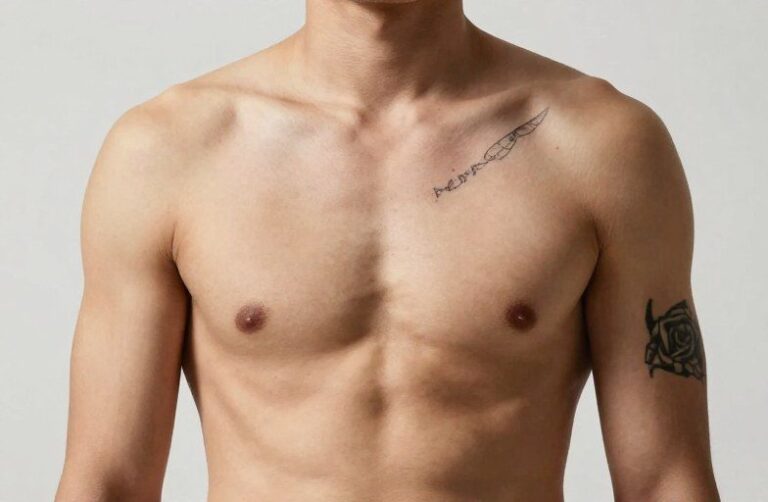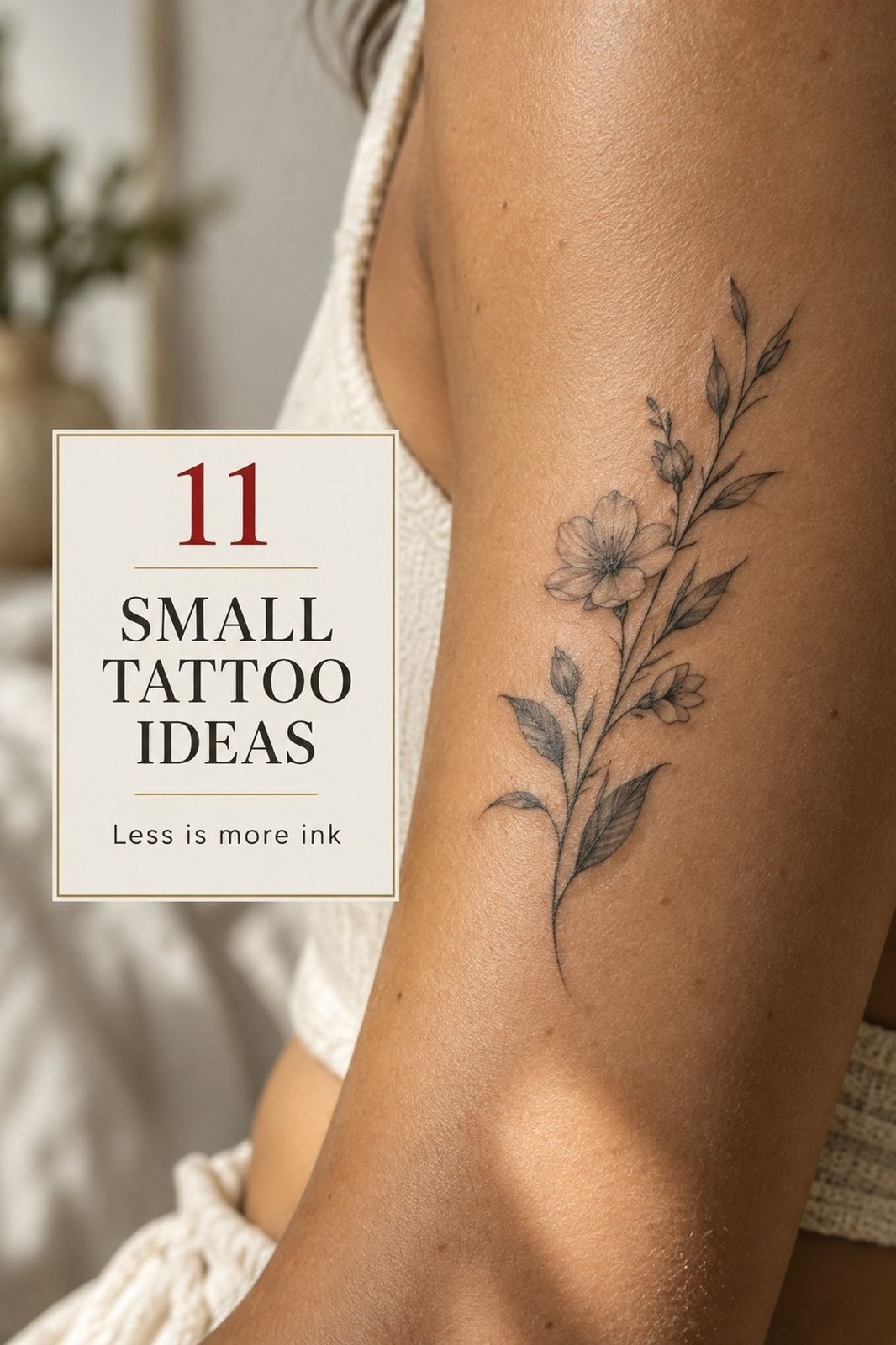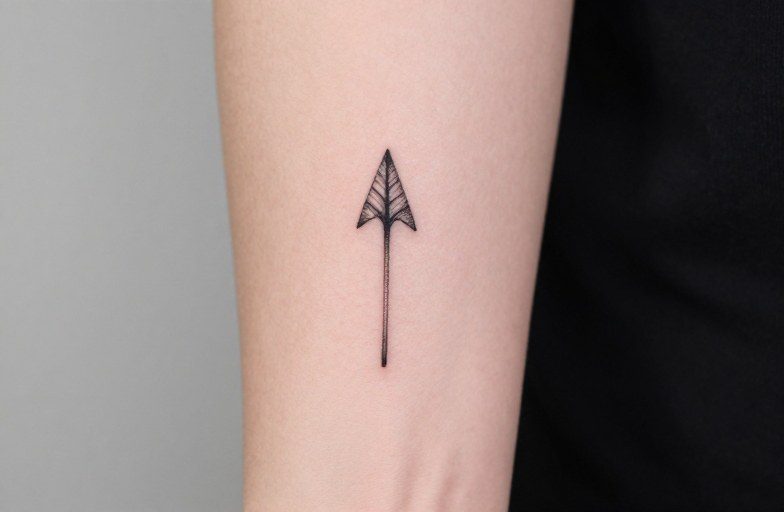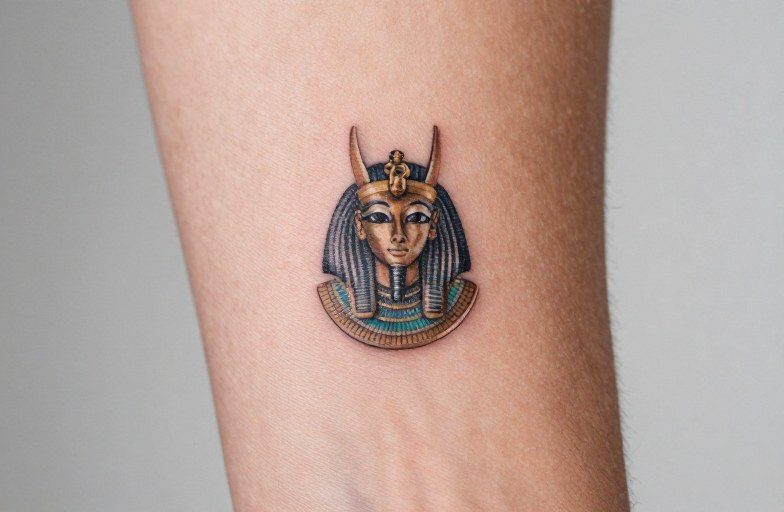
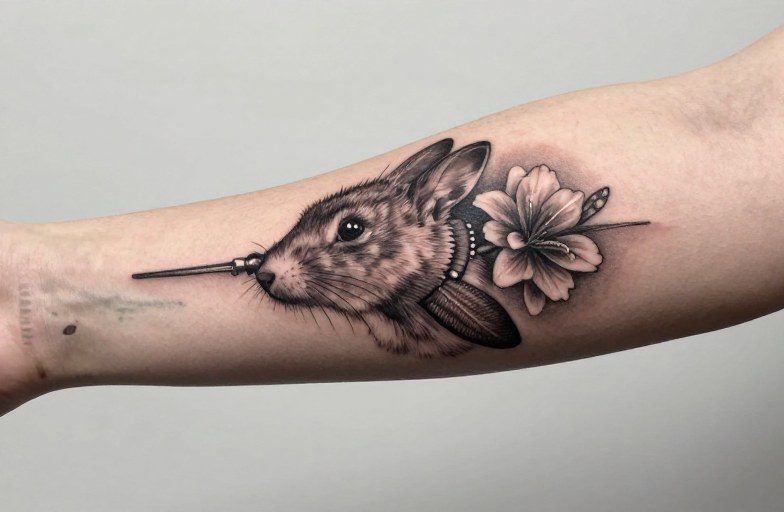
Pretty tattoos walk a tightrope. What looks stunning on Pinterest, wispy lines, pale watercolor, intricate lace, often blurs or fades into something unrecognizable within a few years. The trick isn’t abandoning delicacy; it’s understanding how ink behaves in skin and choosing designs that stay graceful as they settle. Here’s how to get something genuinely beautiful that won’t betray you later.
Tips for Choosing
Prioritize Line Weight Over Line Thinness
Ultra-fine single-needle lines photograph like gossamer but age like spiderwebs. For longevity, look for artists who vary line weight deliberately, thicker outlines on key elements, finer details nested inside. A botanical stem might carry a 3rl core with 1rl accents; the accents soften, the structure remains. Ask to see healed work from two-plus years back, not just fresh photos.
Consider Movement and Flow
Static, centered designs fight the body’s natural topography. Pretty tattoos work harder when they follow muscle flow or bone edges. A trailing vine that curves with the collarbone reads as elegant; the same vine stamped straight across looks like a decal. Bring reference images of your actual body position, not just flat design mockups.
- Wrap-around designs (ankle bands, arm cuffs) need extra circumference to prevent pinching as skin shifts
- Central chest or sternum pieces stretch unpredictably with age and muscle changes
- Behind-the-ear placements have limited real estate, simplicity wins
- Hand and finger tattoos blur fastest; accept touch-ups as maintenance, not failure
For First-Timers
Start Where You Can Hide It
Not for job anxiety, for your own eyes. First tattoos often feel foreign for weeks. A rib piece or upper thigh lets you choose when to look, when to show. You learn your own healing patterns without public commentary. Pretty designs especially benefit from this privacy; they’re personal ornaments, not announcements.
Commit to the Consult
A real consultation separates artists who trace stencils from those who design for bodies. Bring three images: one of a style you love, one of a specific element, one of placement you admire. The artist should ask about your daily movement, clothing habits, future plans for the area. If they don’t, keep looking. Pretty tattoos demand this conversation more than bold traditional work, which forgives more.
Standout Design Ideas
These concepts translate well to skin when executed with technical awareness.
- Dried florals over fresh blooms: Seed heads, pressed-petal arrangements, and bleached grasses hold their structure better than lush roses. The muted palette ages gracefully; heavy saturated reds often pink out.
- Celestial mapping: Constellations with connecting lines (not dots alone) remain readable at small sizes. Add moon phases as a border element for vertical placements.
- Vintage jewelry illustrations: Cameo profiles, signet rings, and chandelier drops carry inherent prettiness without demanding soft shading. Line-focused versions last decades.
- Botanical cross-sections: The inside of a fig, a sliced pomegranate, a geode, structured, geometric, still organic. The contrast between outer contour and internal pattern gives tattooers room to work.
Negative Space as Design
Leaving skin untouched isn’t absence, it’s contrast. A wreath where the center stays blank, a lace pattern that breaks for a patch of natural skin, a silhouette with interior cutouts. These read as sophisticated and require less total ink, which means less trauma and cleaner healing. The unpunched skin becomes part of the image.
Size & Scale
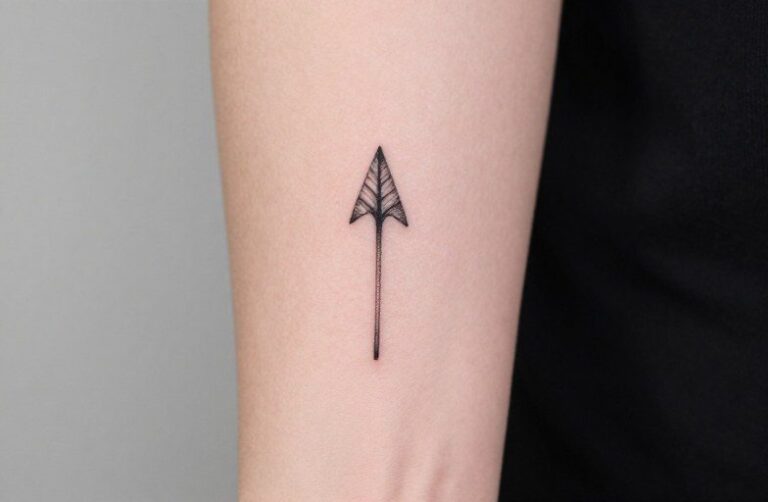
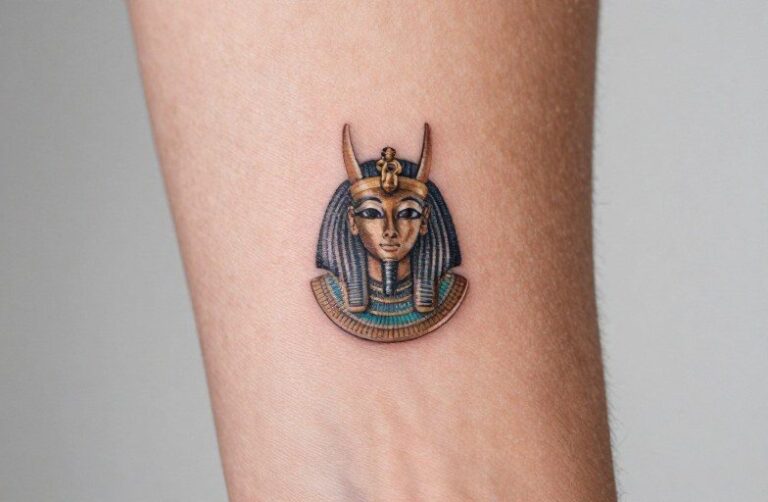
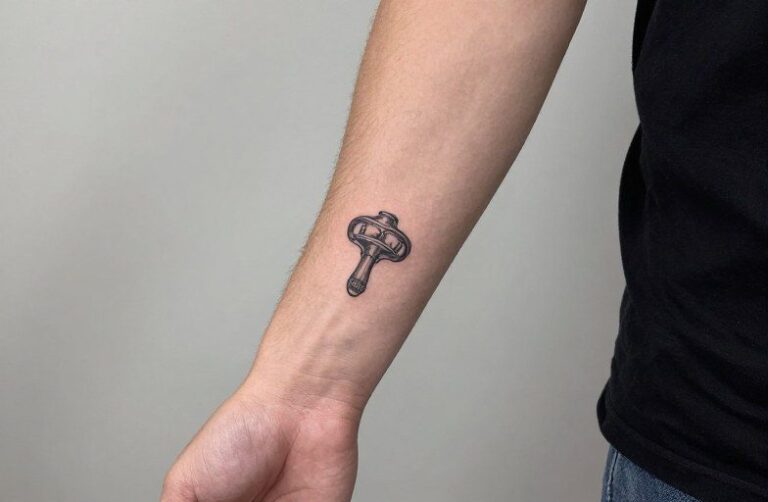
Small pretty tattoos tempt everyone, but shrinking complex designs courts disaster. A palm-sized piece can carry one detailed element with supporting simplicity. For true miniatures, under two inches, choose symbols with inherent clarity: a single fern frond, a crescent, a simplified insect. Detail that reads at three inches becomes mud at one.
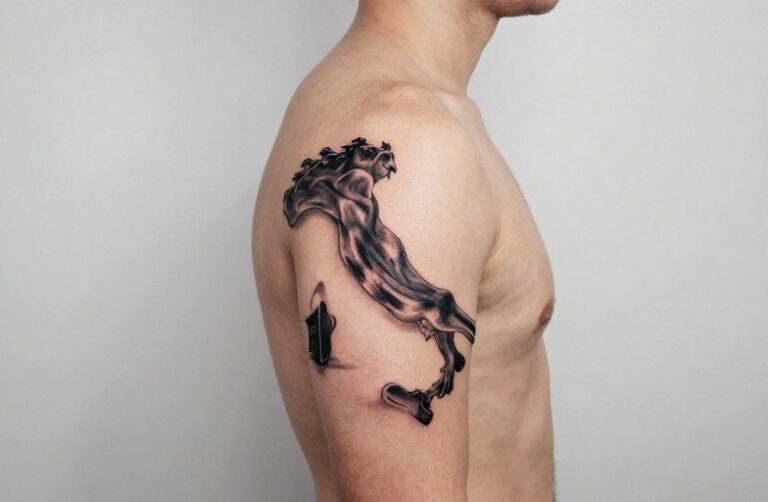
Medium sizes (four to six inches) offer the sweet spot for pretty work: enough room for line variation, small color fields, and breathing space between elements. A shoulder cap, outer forearm, or side of thigh accommodates this well. Large-scale pretty pieces exist, full back florals, torso-spanning ornaments, but they require artists who specialize in soft shading at scale, a rarer skill than bold traditional coverage.
Popular Styles
Fine-Line Illustration
This dominates pretty tattoo aesthetics for good reason. The best practitioners use whip-shading and stippling to create tone without heavy black fills. Look for portfolios where healed pieces show consistent gray values, not just crisp fresh lines. The style demands precise aftercare; any scabbing pulls delicate tones unevenly.
Ornamental and Decorative
Drawn from henna traditions, Art Nouveau, and architectural detail, ornamental tattoos treat the body as a surface for pattern. Mandalas, mehndi-inspired trailing vines, and geometric frames fall here. They work exceptionally well as extensions or connectors between existing pieces, or as standalone jewelry substitutes. The style relies on symmetry and repetition, flaws multiply, so artist selection matters enormously.
Soft Color and “Muted” Palettes
Dusty rose, sage, slate blue, ochre, these tones photograph as sophisticated and heal more predictably than neons. They also fade toward skin-tone faster, which can be graceful or ghostly depending on placement. On medium to darker skin tones, these colors need more saturation to remain visible; consult specifically with artists experienced in your skin tone range.
Color Choices
Black and gray offers the most reliable aging for pretty tattoos. A single needle with diluted black creates soft washes that stay tonal for years. Color introduces variables: yellows and light greens often disappear fastest, purples and blues can shift unpredictably, reds sometimes spread (blow out) more readily than darker pigments.
Strategic color placement helps. A single accent color against black line draws focus without requiring large color fields. Think of a black-and-gray botanical with three berries in muted red, or a celestial piece with one gold-toned star. The color becomes punctuation, not prose.
White ink deserves skepticism. Fresh, it adds luminosity; healed, it often yellows or disappears entirely, sometimes leaving raised scar tissue. Some artists use white as highlight within darker surrounding ink, where it has support. Standalone white tattoos rarely deliver on their promise.
The Bottom Line
Pretty tattoos succeed when technical realism meets aesthetic ambition. Delicate doesn’t mean fragile by design, it means demanding more from your artist and your aftercare. Choose structure over trend, healed evidence over fresh hype, and placement that honors how your body actually moves. The result won’t just photograph well; it will settle into something that feels like it was always meant to be there.
Frequently Asked Questions
How do I know if an artist can actually do fine-line work that lasts?
Ask to see healed photos from at least a year prior, not just fresh work. Look for consistent line quality without blowouts, and gray tones that settled evenly rather than patchy. Reputable artists expect this question.
Will a pretty tattoo on my ribs stretch if I get pregnant or gain muscle?
Rib skin is thin and mobile, so some distortion happens with significant body changes. Designs that flow with natural curves adapt better than rigid geometric shapes. A skilled artist accounts for this in initial placement.
Can I get a pretty tattoo covered up later if I change my mind?
Light, delicate tattoos are harder to cover than bold, saturated ones. If cover-up potential matters, avoid sparse linework with lots of skin showing through. Dense black ornamental or floral pieces offer more future options.
Why do some pretty tattoos look blurry after just a few months?
Usually this stems from lines too fine for the skin’s texture, improper needle depth, or aggressive healing. Sun exposure accelerates fading dramatically. Following aftercare precisely and keeping new work out of UV matters enormously for delicate designs.