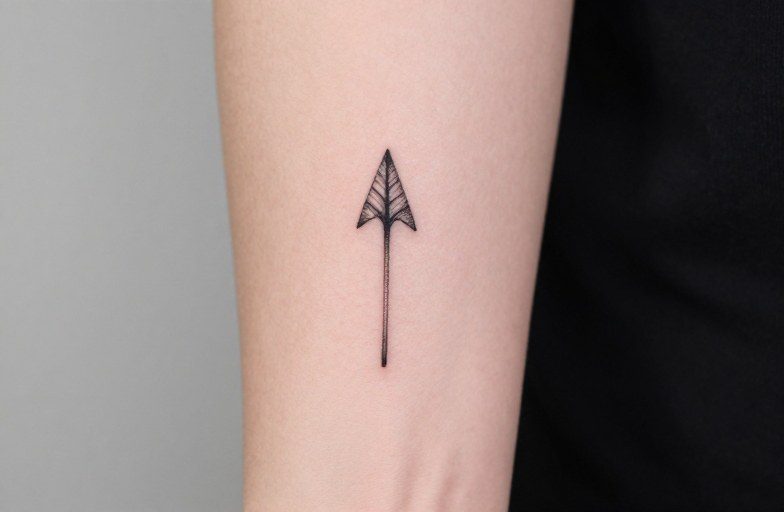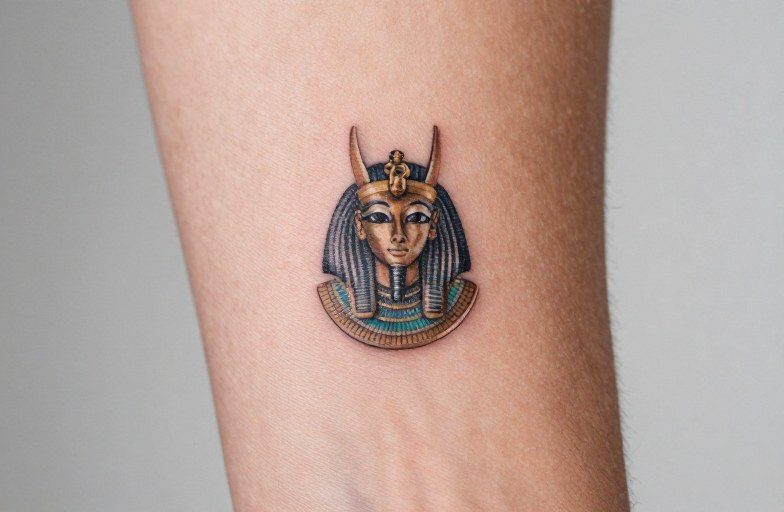
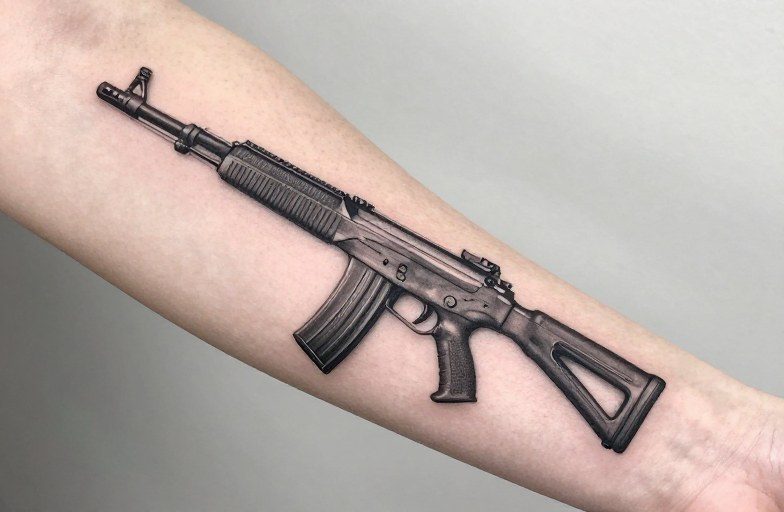
Small arm tattoos hit a sweet spot. Visible enough to enjoy, easy to cover for work, and the arm’s muscle structure gives clean lines a stable home. For women working with smaller designs, the real challenge isn’t finding something pretty. It’s placing the ink where it stays crisp and the composition feels intentional, not squeezed in.
Why the Arm Works for First-Timers
Skin and Sensation
The outer forearm and bicep sit relatively low on the pain spectrum for most people. Fewer nerve clusters than ribs or feet, flatter planes that let artists lay lines without fighting curves. The inner elbow ditch and wrist bone spike sharper. Everyone’s threshold differs, but the predictability helps when you’re already managing nerves.
What “Small” Actually Means
Shop talk usually caps small at palm-sized or under, roughly two to three inches at the longest point. Go smaller than an inch on detailed work and you risk blowout as the ink spreads during healing. A competent artist will refuse to cram ten elements into a space meant for three. If your reference photo has text, jewelry, and a flower cluster, something needs to drop out or the whole thing scales up.
Best Placements
The Outer Forearm
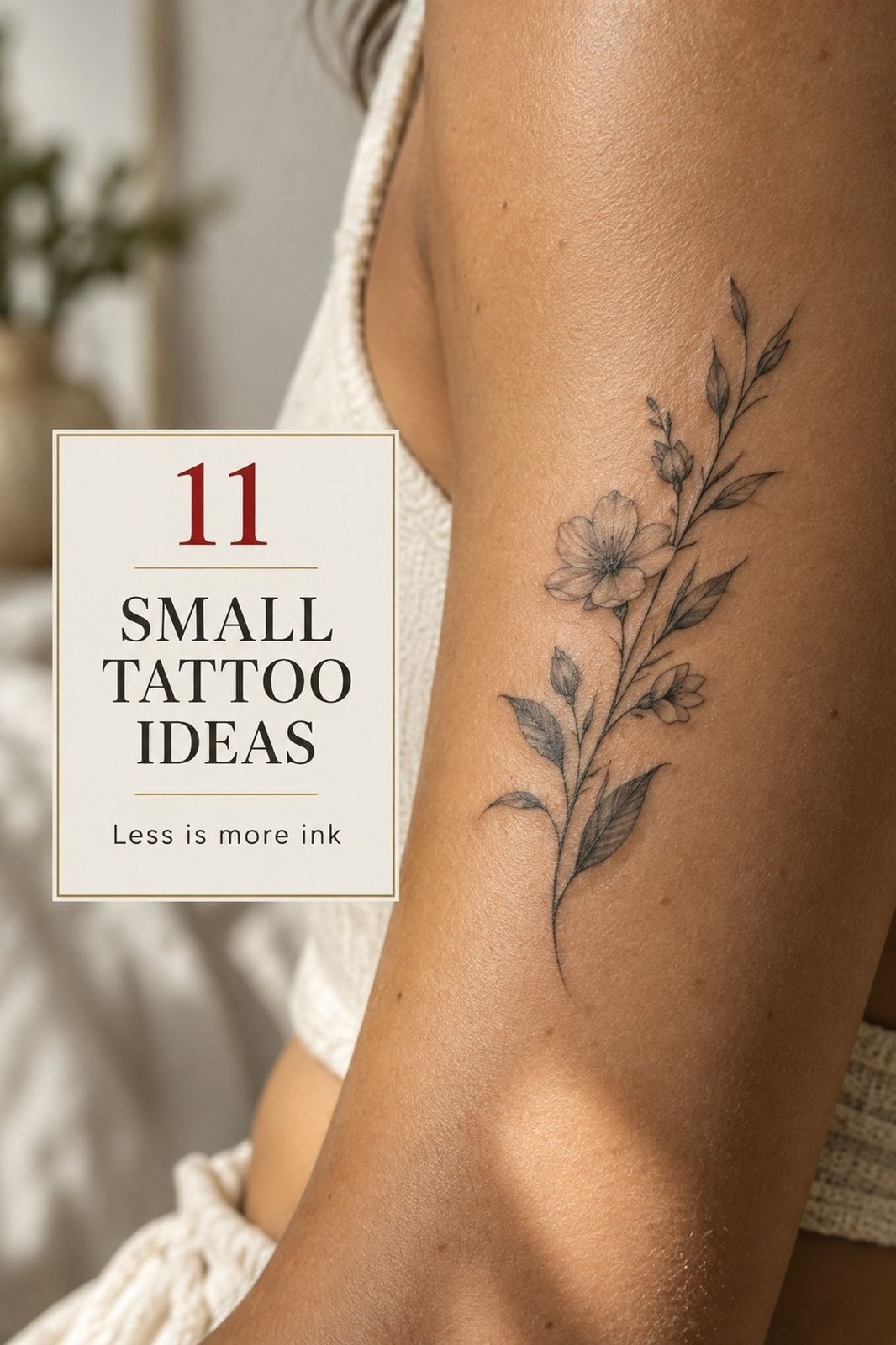
This is the classic for good reason. The extensor surface faces outward naturally when you gesture, so the tattoo gets air without you performing to show it off. Lines here age straight; the skin doesn’t twist much with movement. One caveat: constant sun exposure means fading accelerates if you skip SPF. A small botanical or geometric piece sits beautifully along the radius bone, following the arm’s natural line.
Above the Elbow and Inner Bicep
These spots flip the visibility switch. Above the elbow peeks from short sleeves but hides under professional dress. Inner bicep is more private, seen in tank tops, concealed otherwise. The inner bicep skin is softer and slightly more prone to blowout, so bold simple shapes outperform intricate linework here. Both locations swell noticeably for 48 hours after application; plan sleeve choices accordingly.
The Wrist and Side of Hand
Proceed with eyes open. Wrist tattoos command attention but heal rough. Flexion, watches, hand-washing all disturb the area. The side of the hand, between thumb and wrist, works for truly minimal marks but expect faster fading than anywhere else on the arm. Most artists steer first-timers slightly up the forearm instead.
Color and Longevity
Black and Gray
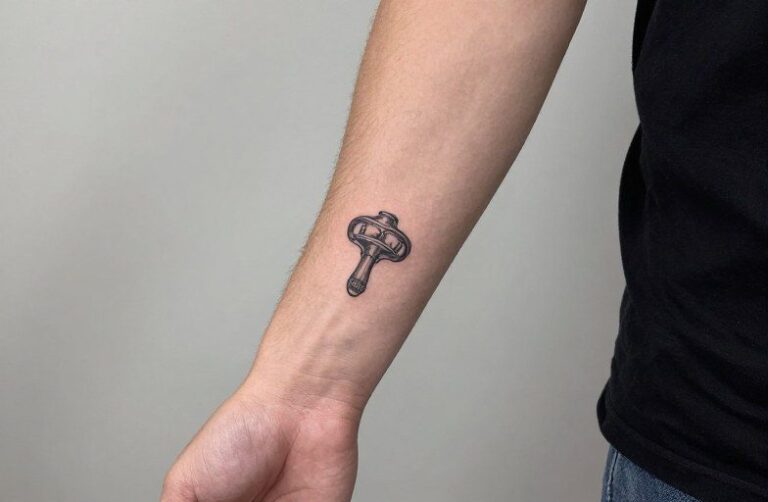
Blackwork ages with dignity. A solid black line softens slightly over five years but retains readability; gray wash holds gradients longer on arm skin than on sun-blasted areas like calves. For small pieces, pure black with negative space reads clearer from distance than dense gray shading. Think of a small snake or botanical stem, clean silhouette, no color needed.
Color Palettes That Hold
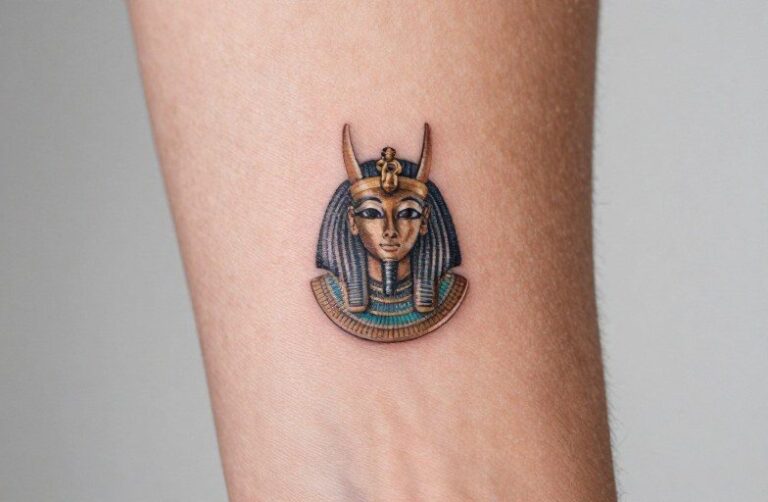
Earthy tones, terracotta, sage, muted gold, complement most skin undertones without the jarring fade of high-saturation neons. Reds and oranges generally hold better than pastels, which can disappear into pale skin within a few years. Watercolor-style pieces without black outlines age poorly on small scales; the bleeding becomes muddy. If you want color, lock it in with deliberate linework.
Design Directions That Work
Botanical and Floral
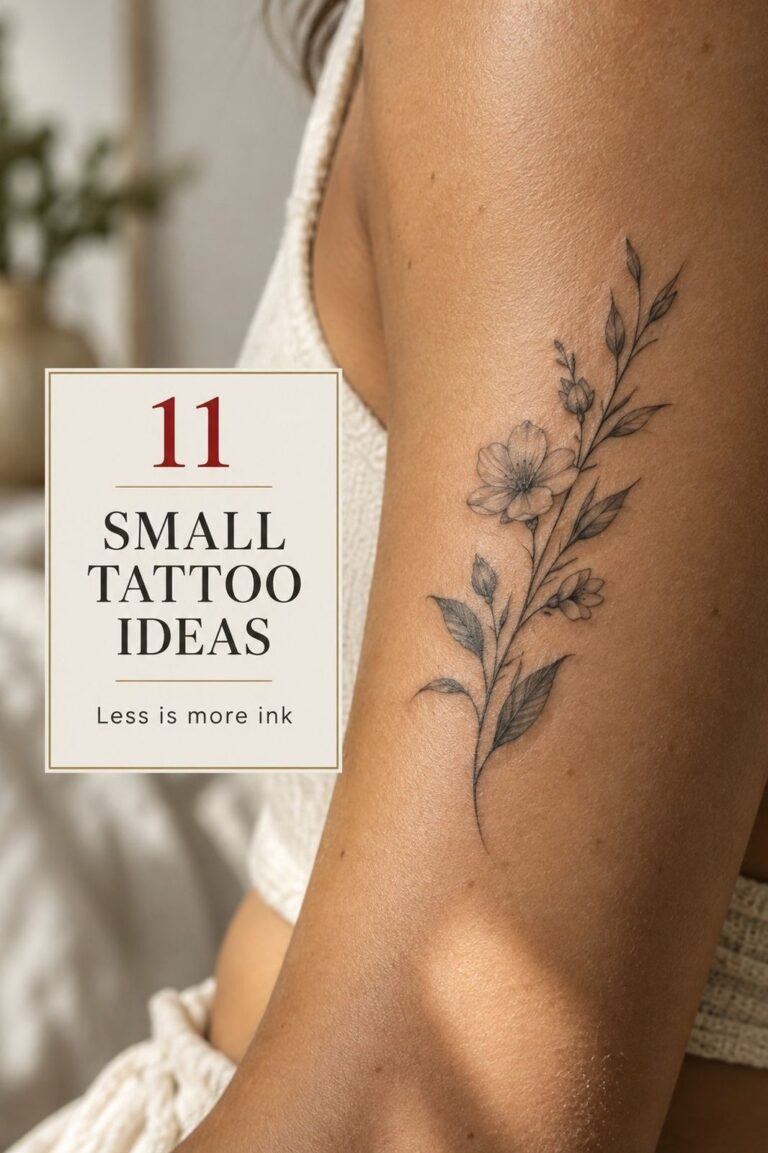
Single-stem wildflowers, olive branches, and pressed-flower compositions remain consistently popular. The appeal is structural: a vertical or diagonal plant form follows the arm’s anatomy rather than fighting it. Lavender sprigs and forget-me-nots suit small scales because their real shapes are already delicate. Avoid roses with layered petals unless the artist has portfolio proof of tight small-scale work.
Minimalist Line and Ornamental
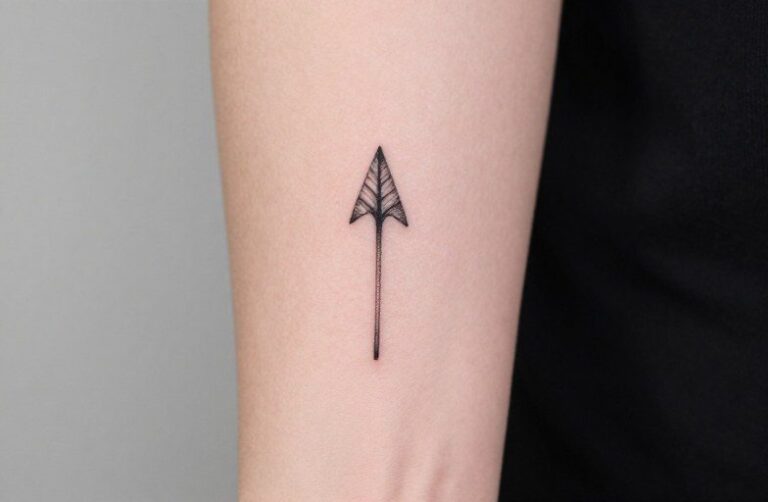
Fine-line ornamental pieces, small cuffs, delicate chains, single-needle stars, require artists who specialize in the technique. Not every shop has the equipment or steady hand. These tattoos look ethereal fresh but demand touch-ups; the ultra-thin needles deposit less ink. Research portfolios obsessively for healed photos, not just fresh social media posts.
Small Script and Lettering
Text under three words works. Beyond that, you’re shrinking font to illegibility or wrapping awkwardly around the arm. Serif fonts retain character better than cursive at small sizes; the thin upstrokes of flowing script blur fastest. Placement matters enormously here. Flat forearm planes keep text horizontal and readable; curves distort letterforms.
Style Considerations
Traditional and Neo-Traditional
Traditional American shrunk down to small arm size keeps its bold outlines but loses the complex color fills. Simplified anchors, swallows, or small daggers translate well. Neo-traditional allows more illustrative detail with slightly finer lines while maintaining enough weight for longevity.
Japanese-Inspired Small Pieces
Single cherry blossoms, tiny koi, or wind bars work when the artist understands the stylistic rules, not just the imagery. Poorly executed Japanese motifs look particularly off at small scales where precision is unforgiving. Ask directly about the artist’s training in these conventions.
Single-Needle and Micro-Realism
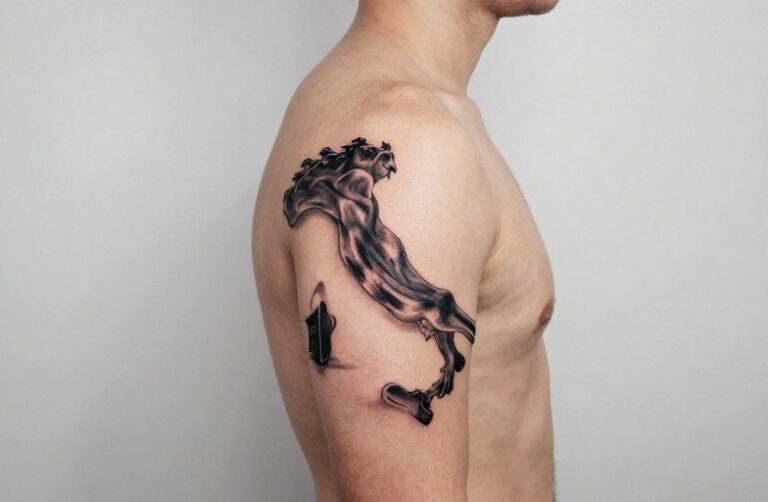
Single-needle blackwork and dotwork create ethereal, almost drawn-on aesthetics. These suit the arm’s flat surfaces but require extremely skilled application. The style is unforgiving of shaky hands; one wobble ruins the illusion. Micro-realism, tiny portraits, mini animals, has grown in visibility. The technical achievement is impressive, but the lifespan is questionable. A photorealistic cat the size of a quarter may look like a gray smear in eight years. If you choose this route, accept future touch-ups as maintenance, not failure.
Practical Decisions
Match Scale to Detail
A design that looks stunning at six inches often dies at two. The test: can you still identify every element from three feet away? If not, simplify. Small arm tattoos succeed through subtraction. A single moth reads stronger than a moth plus moon plus constellation plus initials. Pick the element that actually matters, let it breathe.
Consider Your Existing Wardrobe
Where do your sleeve hems fall? A tattoo placed at your typical short-sleeve line gets chopped in half visually. Measure where you actually wear sleeves, then place above or below deliberately. Fitness habits matter too. Heavy lifters see more bicep stretch and distortion; runners might prefer forearm placement for less muscle flex impact.
Skin Tone and Ink Visibility
Dark skin does not mean avoiding color, but it does mean choosing artists experienced with your specific tone. Yellows and light greens can disappear on deeper skin; saturated blues, deep reds, and bold blackwork show reliably. Ask to see healed photos on skin similar to yours, not just fresh work on any complexion.
Before You Decide
Small arm tattoos offer enormous range, but the constraints of scale and placement separate good decisions from regrettable ones. The arm’s visibility is a feature, not a bug. Choose something you’ll still want to see daily, not just something that photographs well. Prioritize technical execution over trendiness; a simple design done impeccably ages better than an elaborate concept executed poorly.
During consultation, ask artists to show you healed work in their portfolios, specifically small pieces from two or more years prior. Inquire about needle groupings for fine lines. Request a stencil placement and move your arm through normal ranges before committing. Check the mirror: can you see it yourself, or only when you extend your arm outward? Both are valid choices, but they should be deliberate.
Don’t rush the placement decision. The right small tattoo feels like it was always meant to be there. That patience, more than any specific design, is what you’ll thank yourself for years later.
Frequently Asked Questions
How much should a small arm tattoo cost?
Prices vary enormously by city and artist reputation. Many shops have minimums, often $100-150, regardless of size because setup and sterilization time stays constant. Simple small work might start there; detailed or color pieces from experienced artists run higher. Extremely low prices often signal corner-cutting. Ask about the shop’s minimum during consultation rather than relying on national averages.
How long does a small forearm tattoo take to heal?
Surface healing typically takes two to three weeks, with full dermal settling around six weeks. The outer forearm generally heals faster than inner bicep or wrist because it moves less and gets better air circulation. Expect some peeling and mild itching; resist scratching. Follow your artist’s aftercare instructions precisely, methods vary by shop and climate.
Will a small tattoo stretch if I gain muscle?
Moderate muscle growth rarely distorts small arm tattoos significantly. The forearm and outer bicep are fairly stable. Rapid size changes or major weight fluctuations can affect placement near joints, but a small design has less surface area to warp. If you’re planning significant body changes, mention this to your artist during placement discussion.
Can I get a small tattoo covered up later?
Small tattoos are generally easier to cover than large ones, but black ink density and placement matter. Light, fine-line work covers more readily than solid black tribal. Forearm and upper arm locations offer more cover-up options than wrist or hand because surrounding skin provides blending space. A skilled cover-up artist can assess your specific piece.