Every meaningful tattoo starts with a genuine connection, but that connection needs translation into something that works on skin. A design that resonates emotionally can still fail visually if it ignores how tattoos age, how the body moves, or how ink behaves over decades. The goal is finding imagery that carries weight for you and functions as a solid tattoo.
Color Choices
Color isn’t decoration, it’s information. The same symbol reads completely differently in black-and-grey versus full color, and that difference only intensifies as the tattoo ages.
Black and Grey for Longevity
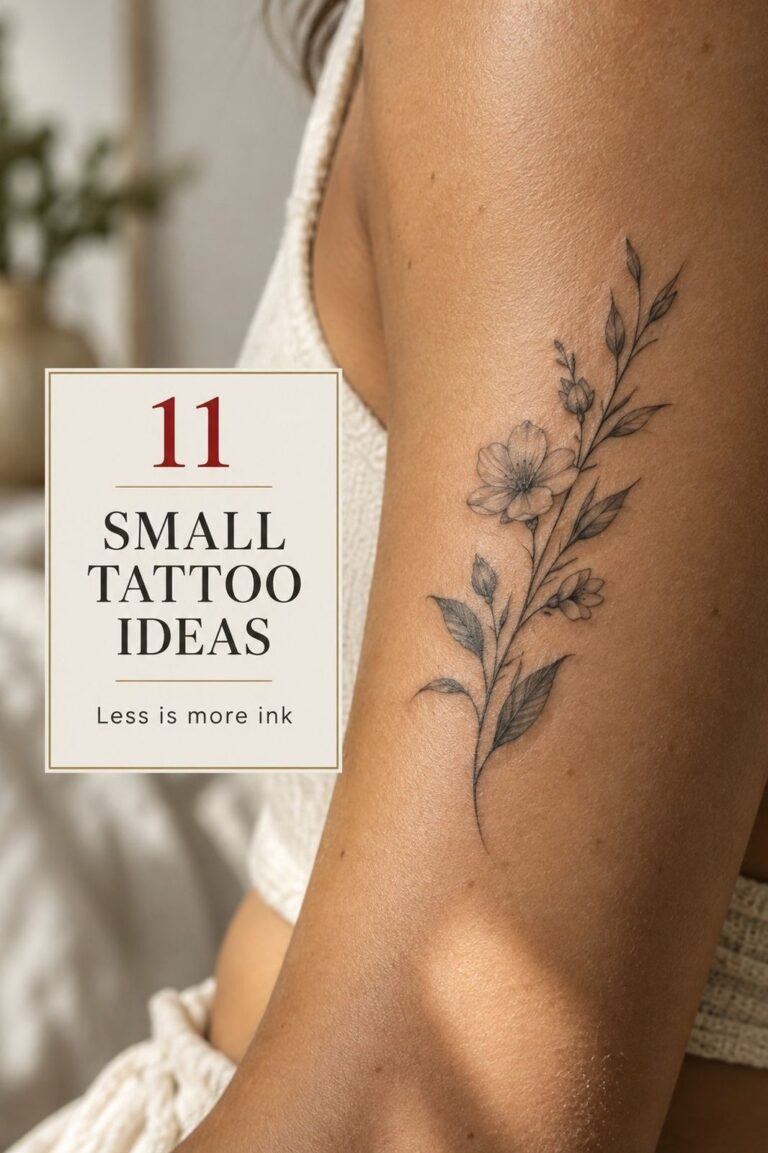
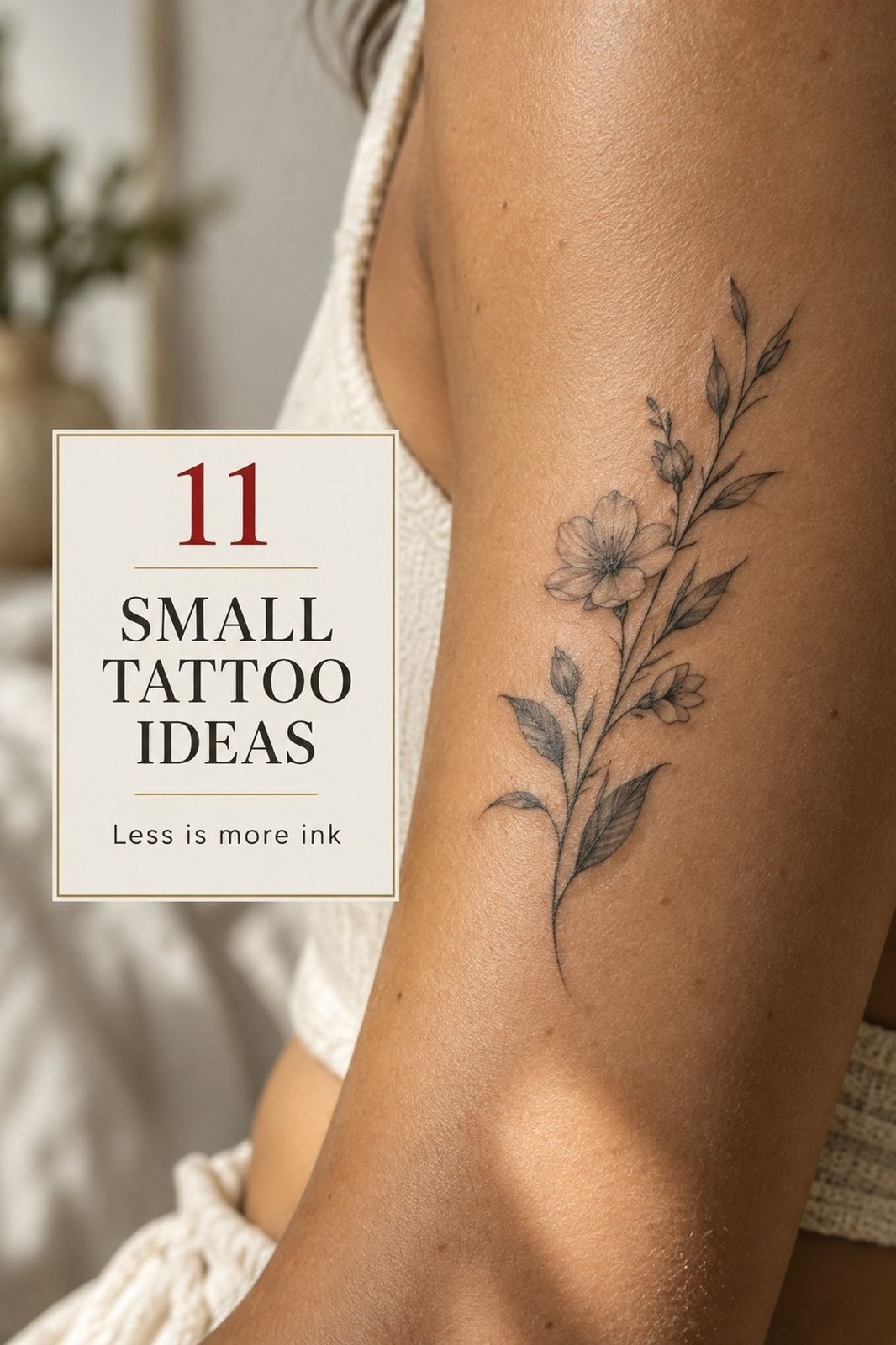
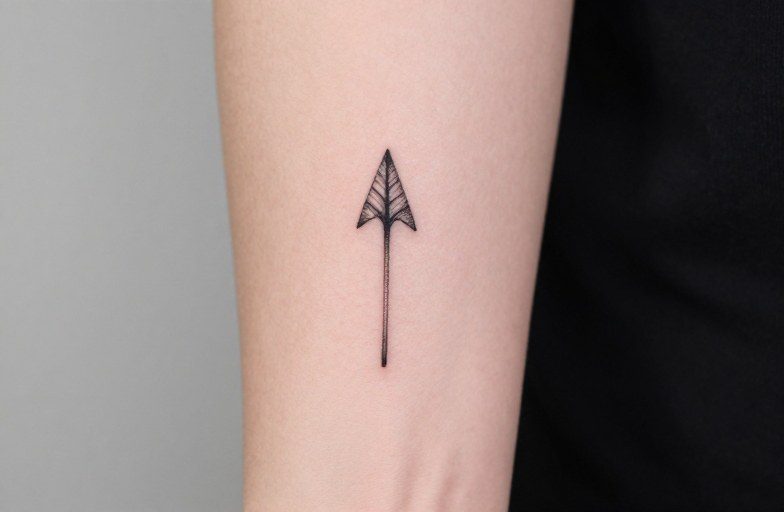
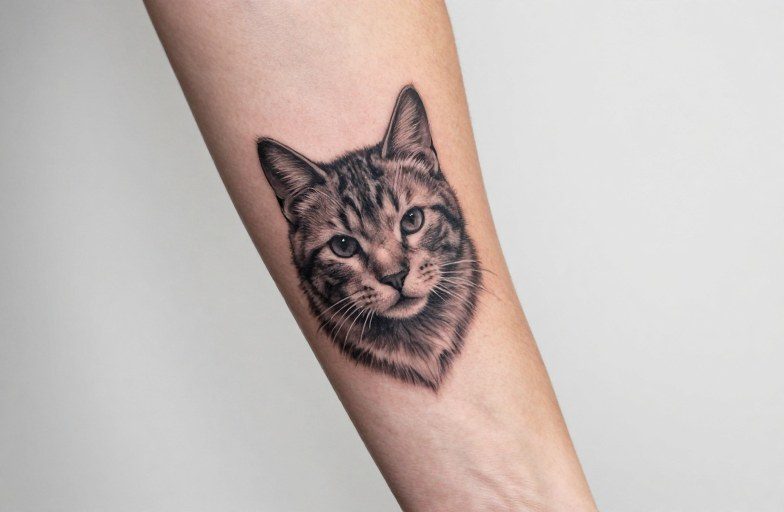
Black ink holds. Grey wash softens. Together they create depth without the maintenance that color demands. For designs built around concept rather than literal representation, abstract grief, resilience, transformation, black and grey keeps the focus on form and composition. Fine lines in single needle black work beautifully for text, geometric elements, or botanical details, but they need enough spacing to prevent blurring as the skin changes.
Strategic Color Placement
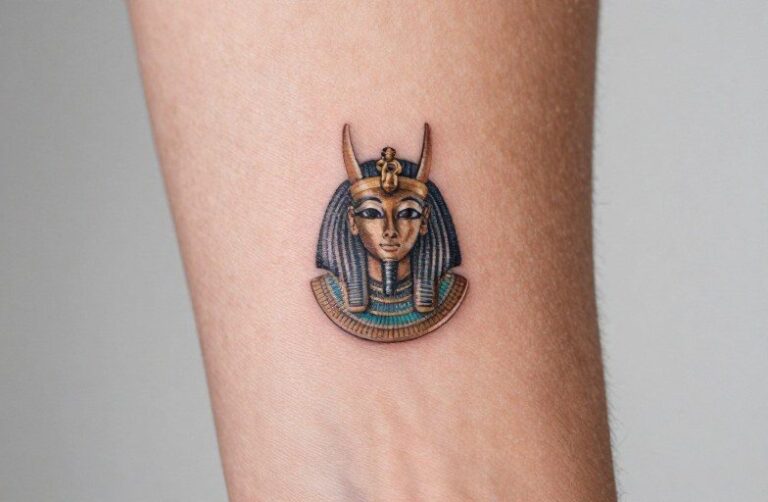
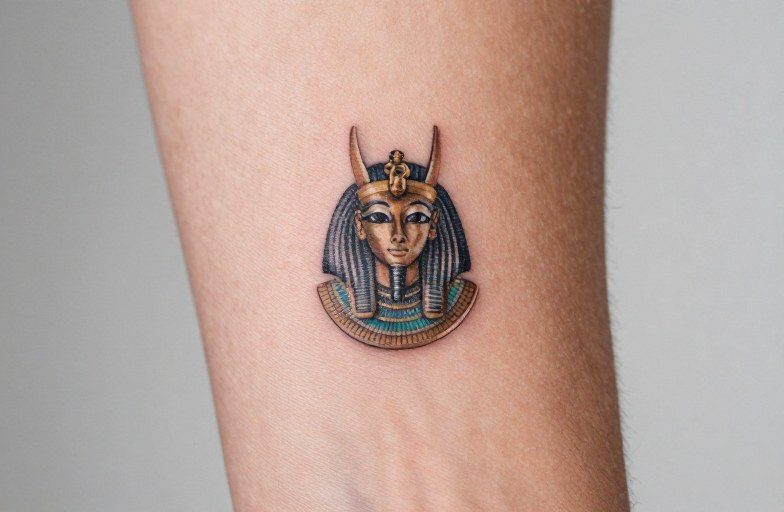
When color carries specific meaning, use it precisely. A small red accent on an otherwise black tattoo draws the eye immediately; it becomes the emotional anchor. Watercolor backgrounds can frame a central black image, but the core design should hold its own if the color fades or migrates. Yellows and light greens fade fastest; deep blues, purples, and dark reds maintain saturation longest. If your meaningful element requires a specific hue, place it where sun exposure is minimal, inner bicep, ribcage, upper thigh.
- Cool tones (blue, green, purple) recede visually; use them for background or atmosphere
- Warm tones (red, orange, yellow) advance; use them for focal points
- Skin tone affects color vibrancy, darker skin carries bold, saturated color better than pastels
- White ink yellows and disappears on most skin types within 5-10 years
Standout Design Ideas
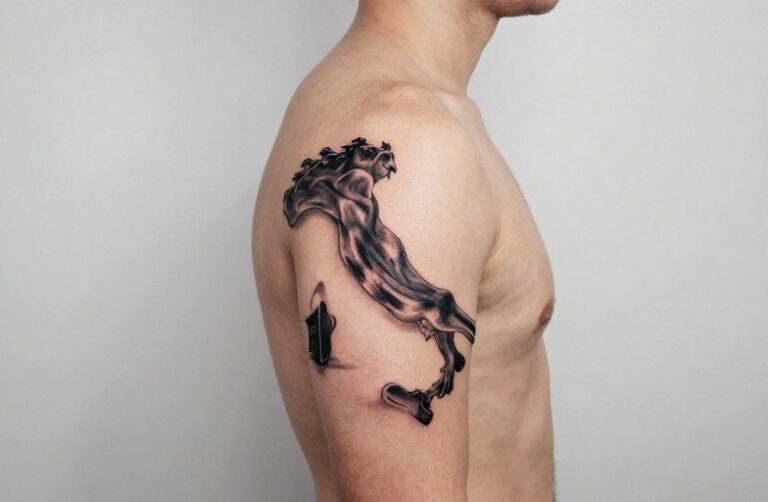
Meaningful doesn’t have to mean obvious. Some of the most personally significant tattoos use abstraction, negative space, or unexpected combinations to encode private meaning.
Coordinates and Mapping
Latitude and longitude of a specific place, birth, loss, meeting, departure, translate to clean numerical tattoos that read as design to strangers but carry precise location memory. Topographic lines of meaningful terrain work similarly: the contour map of your grandmother’s coastal town, the elevation profile of a mountain you survived. These hold up technically because lines and numbers age predictably.
Temporal and Celestial Markers
Specific constellations as they appeared on a particular date, moon phase diagrams, or the position of planets at a significant moment all offer astronomical accuracy with personal resonance. Unlike generic zodiac symbols, these are date-specific and scientifically verifiable. The visual language of orbital mechanics, ellipses, phases, retrograde loops, also creates natural movement in the design.
- Morse code of a name or short phrase, wrapped in a band or hidden in negative space
- Waveform of a voice recording: a child’s first word, a parent’s last voicemail
- Botanical specimens with specific personal association, rendered in scientific illustration style
- Architectural details from meaningful buildings: doorways, staircases, window frames
Tips for Choosing
The selection process matters as much as the final image. Rushing toward a symbol because it feels right in the moment often leads to designs that feel thin years later.
Start with the feeling, not the image. What do you actually want to carry, grief, pride, warning, connection, release? Then find visual systems that already encode that emotion. Japanese tattoo tradition maps specific flowers to specific states of being. Sailor tattoos developed a visual grammar for experience and superstition. You don’t need to adopt these systems wholesale, but understanding how cultures have solved this problem of visual meaning provides better raw material than scrolling Pinterest.
Test the design’s durability by describing it without showing it. If you can’t explain why this image matters in three sentences, the concept needs more development. The best meaningful tattoos function as private language, immediately legible to you, opaque or merely aesthetic to others.
Avoiding Trend Traps
Infinity symbols with feathers, geometric wolves, and script fonts in foreign languages you don’t speak, these patterns cluster because they’re easy to request, not because they successfully carry meaning. The problem isn’t the imagery itself; it’s the unexamined adoption. If a semicolon genuinely represents your specific experience with mental health, it works. If it’s shorthand for “depression awareness” in general, it flattens your particular experience into a generic statement.
How to Personalize It
Personalization is where stock imagery becomes specific memory. The method matters less than the intentionality.
Fragment and Recombine
Take a traditional symbol and break it. A compass where one direction is replaced by a specific coordinate. A heart constructed from the actual handwriting of the person it represents. A skull with the specific dental work of someone lost. These modifications require the artist to work from reference rather than flash, which raises the technical bar but produces something that cannot be replicated.
Layered Reading
Designs that reveal different information at different distances reward long-term ownership. From across a room, a geometric sleeve. Up close, the shapes resolve into the silhouettes of family members. Closer still, the negative space contains text in a language only you read. This layering mimics how actual memory functions, surface impression, then detail, then hidden association.
- Incorporate the actual stroke pattern of a signature, not just the letterforms
- Use the specific proportions of a real object, not a stylized version
- Reference a moment rather than a category: the exact flowers on the table, not “flowers”
- Build in deliberate imperfections that mirror real experience
Size & Scale
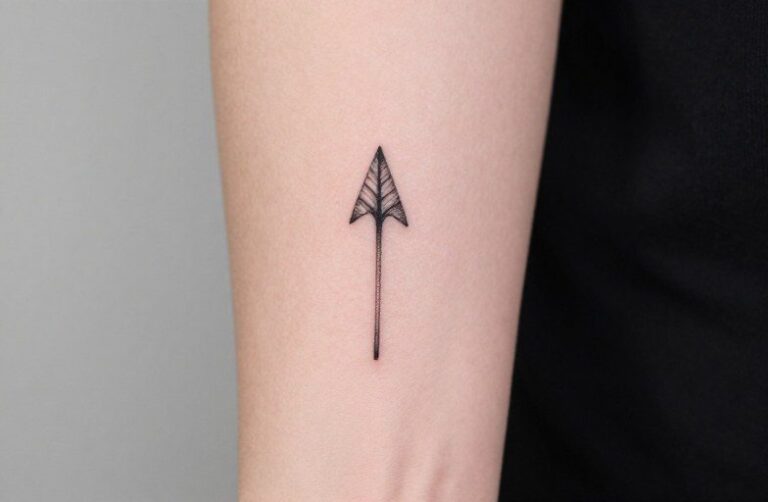
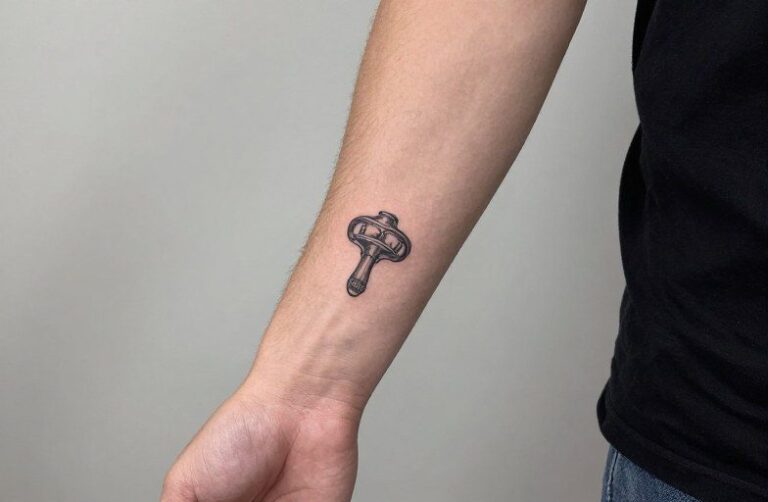
Small tattoos can carry enormous weight, but they carry specific technical constraints. Lines below a certain width spread. Detail below a certain scale becomes indistinguishable from shading. The meaningful element needs to survive these constraints.
For text, minimum height is roughly 1/4 inch for capital letters in simple fonts. Script and ornamental typefaces need more. For imagery, the smallest meaningful unit should be identifiable at the intended viewing distance. A portrait reduced to thumbnail size becomes a smear; a single well-chosen feature, an eye, a hand gesture, a silhouette, remains readable.
Large-scale pieces allow environmental context. A full back piece can place a figure in a specific landscape, a specific time of day, with specific atmospheric conditions. The meaning accumulates through relationship and setting rather than symbol alone. But large also means more sessions, more expense, more commitment to a single vision. The scale should match the permanence of the memory, not just the intensity.
Placement as Meaning
Where the tattoo lives affects how you experience it. Chest pieces face outward in intimate moments, inward in mirrors. Ribs compress and expand with breath, literally living with your physiology. Hands and fingers are constantly visible to others, rarely to you, performance versus private reminder. The placement choice is itself a meaningful decision about who the tattoo is for.
Matching & Pairing Ideas
Matching tattoos between people carry inherent risk, relationships change, designs don’t. The most successful approaches build in structural independence.
Complementary rather than identical designs work better long-term. Two halves of a whole that function as complete images alone. Interlocking geometric patterns that create a larger form only when positioned together. The same symbol in different styles, reflecting different relationships to the shared reference. These allow for individual evolution without requiring the pair to remain physically or emotionally proximate.
Parent-child tattoos often use the child’s actual artwork at a specific age, preserved in the parent’s skin. The meaning is documentary rather than symbolic, the specific drawing, not a representation of childhood. Sibling tattoos sometimes reference shared experience through oblique imagery: the view from a childhood window, the specific dog that lived between their ages, the coordinates of a house no longer standing.
- Matching botanicals: same species, different life stages (seed, bloom, decay)
- Split text: one person carries the question, the other the answer, both meaningful alone
- Timeline tattoos: same visual element progressing through stages across multiple people’s bodies
- Negative space relationships: one person’s black work creates the shape that another person’s piece defines
Final Word
Meaningful tattoos succeed when they balance private significance with technical reality. The emotion that drives the decision needs to survive translation into pigment, placement, and decades of aging. Work with artists who understand this translation, not just technicians who apply images, but interpreters who can hear what you’re trying to carry and find the visual form that actually holds it. The best meaningful tattoo isn’t the one that impresses strangers with its symbolism; it’s the one that continues to activate your own memory every time you catch it unexpectedly in a mirror or feel it under your hand.
Frequently Asked Questions
How do I know if my meaningful tattoo idea will age well visually?
Test it by simplifying: if the design still reads clearly at postcard size in black and white, it has strong bones. Avoid relying on fine detail, subtle color gradations, or text smaller than a quarter-inch tall. Bold shapes and adequate spacing between elements are what survive decades.
Is it okay to get a tattoo in a language I don’t speak?
Generally, no. Unless the language connects to your actual heritage or a specific lived experience, it reads as aesthetic appropriation and carries real risk of misspelling or nonsensical translation. The meaning you intend rarely survives when you can’t verify the source material yourself.
What if I want to remove or cover a meaningful tattoo later?
Black ink responds best to laser removal; colors vary by pigment composition. Cover-ups require the new design to be larger and darker than the original. If you’re uncertain about permanence, start with placement that allows for either option, avoid hands, neck, or full black saturation.
How do I communicate personal meaning to an artist without over-explaining?
Bring reference images of the feeling, not just the subject. Show art that captures the emotional tone you want. Explain the specific memory in two sentences, then let the artist ask questions. Their job is visual translation; give them the raw material, not the finished concept.