Marvel imagery has saturated pop culture for decades, and translating it into tattoo form offers more possibilities than most people realize. The challenge isn’t finding reference material, it’s narrowing down thousands of characters, eras, and visual approaches into something that sits well on skin and holds up over years. This guide breaks down what’s actually working in shops right now, how different styles age, and where the smartest personalization happens.
Trending Variations
Comic Panel Homage vs. Cinematic Portraits
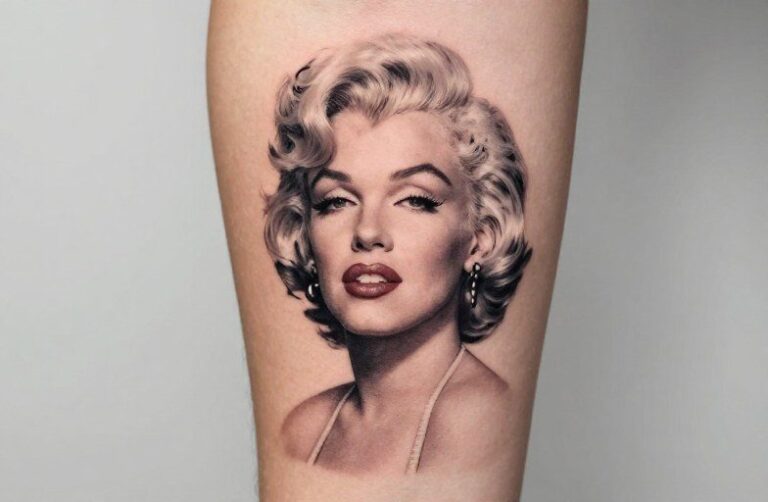
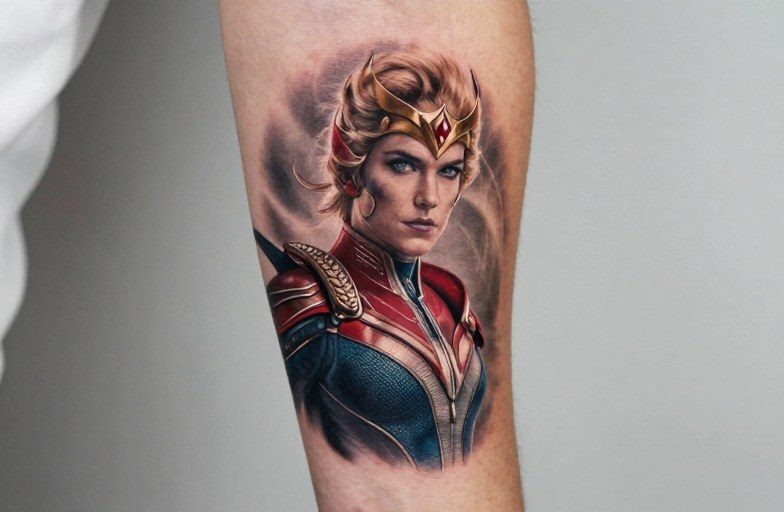
Two distinct camps have emerged. Comic panel tattoos, think Roy Lichtenstein-adjacent Ben-Day dots, thick black outlines, saturated primary colors, offer built-in graphic clarity that ages exceptionally well. The dot patterns and bold lines were literally designed for cheap newsprint reproduction; they translate to skin with similar resilience. Cinematic portraits, pulled from the MCU, demand more technical execution. Subtle skin tones, soft lighting effects, and photographic detail require a specialist in color realism. These fade faster, need more touch-ups, and can muddy into brownish tones if the artist oversaturates. Both work, but the maintenance commitment differs enormously.
Minimalist Symbol Work
Simple iconography has surged: Captain America’s shield silhouette, Iron Man’s arc reactor outline, Spider-Man’s web pattern as a geometric band. The advantage here is placement flexibility, wrists, behind ears, along fingers, between shoulder blades. The limitation is recognition; remove too much context and you risk generic superhero-adjacent imagery. The best minimalist Marvel pieces include one subtle detail that anchors them: the hexagonal pattern inside the arc reactor, the specific web spacing from Ditko-era Spider-Man, the angular rather than rounded shield from certain comic runs.
Tips for Choosing
Character Era Matters for Visual Coherence
Spider-Man alone spans Steve Ditko’s angular weirdness, Todd McFarlane’s exaggerated spaghetti webs, the sleek Ultimate universe redesign, and the MCU’s textured suit. Mixing visual languages in one piece creates dissonance. Pick an era, commit to its aesthetic. This also affects your artist search, someone who crushes McFarlane-style dynamic poses may struggle with Ditko’s compact, almost claustrophobic compositions. Ask to see specific comic-influenced work, not just “superhero tattoos.”
Color Strategy for Longevity
Marvel’s palette is inherently bold, but not all bold colors age equally. Reds and blues hold better than yellows and light greens. Black outlines preserve the structure as color inevitably softens. If you’re set on a full-color Hulk green or Iron Man gold, plan for strategic black line integration, contour lines around muscles, mechanical seams, shadow edges. Pure color fields without structural lines blur within five to seven years, especially on high-movement areas like forearms and calves.
For First-Timers
Marvel imagery tempts ambitious first pieces. A full-sleeve Avengers assembly sounds iconic until you’re four hours into a six-hour session with no escape. Start with contained compositions: a single character bust, a symbol with limited surrounding detail, a comic panel cropped to its essential moment. These build your pain tolerance and healing knowledge without the regret of an oversized unfinished project.
Placement for first Marvel tattoos should avoid the most unpredictable healing zones. Hands, feet, and ribs heal poorly for inexperienced collectors, the friction, the moisture, the movement all compromise ink retention. Upper arms, outer thighs, and upper backs offer more forgiving canvases where line work stays crisp and color settles evenly. You can always expand toward riskier areas once you understand how your particular skin holds pigment.
Size & Scale
Detail Thresholds by Subject
Group shots require space. The iconic Avengers circle pose needs a minimum of six to eight inches across to distinguish individual faces and costumes. At smaller scales, figures collapse into indistinguishable blobs. Single-character portraits can work at four to five inches if the composition is tight, think head and shoulders, or a dynamic silhouette. Symbols and logos function at two inches or less, but again, include that anchoring detail to avoid generic superhero tattoo territory.
Scaling Effects on Different Styles
Traditional American style Marvel pieces, bold lines, limited color palette, simplified forms, scale down better than photorealistic work. A traditional Captain America shield at two inches reads instantly; a photorealistic Chris Evans portrait at the same size becomes unrecognizable. Blackwork and neo-traditional approaches offer middle ground: more detail than traditional, more structural integrity than realism. Consider your available canvas honestly. A full back piece allows cinematic scope; a forearm placement demands editorial restraint.
How to Personalize It
Combining Interests Without Clutter
The most successful personalized Marvel tattoos integrate secondary passions organically. A collector who surfs might have Spider-Man in a crouched position on a board rather than a building. A mechanic could see Iron Man’s helmet rendered with engine-part textures instead of clean armor plating. The key is choosing one coherent visual metaphor rather than piling signifiers, Spider-Man plus basketball plus music notes plus a birthdate becomes a sticker sheet, not a tattoo.
Negative Space and Composition Tricks
Personalization can happen through what’s removed rather than added. Wolverine’s claws extending beyond the tattoo border into bare skin. The Negative Zone’s swirling void as background, left un-inked to let your natural skin tone represent dimensional weirdness. Doctor Strange’s portal as a circular frame containing something personally significant, a skyline, a constellation, a pet’s silhouette. These approaches feel more sophisticated than literal character portraits because they require design thinking, not just reference reproduction.
Popular Styles
Traditional American remains the most durable choice for Marvel subject matter. The style’s built-in limitations, bold black outlines, flat color fields, minimal shading, mirror the printing techniques of classic comics. A traditional Thor’s hammer or Black Panther mask will look substantially similar in twenty years.
- Neo-traditional: Expands the traditional palette and allows more complex compositions while keeping structural outlines. Excellent for character portraits with environmental elements.
- Black and grey realism: Works for somber characters, Punisher, Daredevil, Winter Soldier, where color would feel tonally wrong. Requires exceptional artist skill; poor execution looks muddy fast.
- Japanese influence: Thor battling serpents in the style of Kuniyoshi prints, or Spider-Man integrated into a larger back piece with wave and wind backgrounds. Culturally specific, so research thoroughly and choose artists with actual training in Japanese approaches.
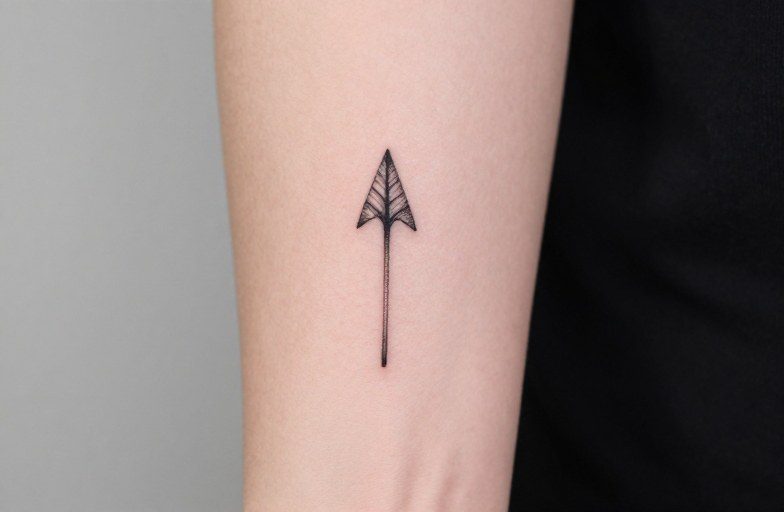
- Graphic/blackwork: High-contrast, often single-needle fine lines creating poster-like images. Trendy but technically demanding; fine lines spread and blur more than bold traditional work.
- Biomechanical: Iron Man and Venom particularly suit this style, which merges organic and mechanical forms. Heavy commitment; these pieces typically require large areas and multiple sessions.
What to Remember
Marvel tattoos carry the same risk as any pop culture ink: your relationship with the source material will shift. The character who resonated during a difficult year might feel foreign later, or the actor who embodied them might become someone you don’t want permanent. The most enduring Marvel pieces focus on visual and compositional strength rather than narrative identification. A well-designed Spider-Man web pattern works as abstract geometry even if your fandom cools. A photorealistic Robert Downey Jr. portrait offers no such escape.
Healing reality applies regardless of emotional attachment. Color saturation drops 20-30% during healing. Fine detail softens. Sun exposure without protection fades pigments exponentially faster. Plan your budget to include a touch-up session at six to twelve months, especially for complex color work. The best Marvel tattoo is one you’re still proud of when the next cinematic universe reboot arrives, and there will always be another reboot.
Frequently Asked Questions
Do Marvel tattoos age worse than other color tattoos because of the bright colors?
Not inherently. The reds and blues common in Marvel palettes actually hold better than pastel or yellow-heavy designs. What causes premature aging is poor application, ink packed too shallow or too deep, and inadequate sun protection. A well-saturated Captain America shield with solid black outlines will outlast a poorly executed floral piece in similar colors.
Can I get a Marvel tattoo if I want to work in a conservative field?
Placement solves this. Symbols and small icons hide under professional attire easily. A minimalist arc reactor on the upper arm, a shield silhouette on the ribcage, or web patterns that read as abstract geometry from a distance all maintain personal significance without broadcasting fandom in client meetings.
How do I find an artist who actually understands comic book aesthetics?
Look for portfolios with strong graphic sensibility, bold outlines, intentional flat color areas, dynamic compositions. Ask specifically about their experience with comic-influenced work, not just “superhero tattoos.” Artists who collect comics themselves often mention it; that enthusiasm usually translates to better understanding of source material nuances.
Is it better to get a single character or a group composition?
Single characters allow larger scale, clearer detail, and more healing-forgiving placement options. Group compositions require significant real estate to avoid muddled results, think full thigh, full back, or dedicated sleeve. If this is your first large piece, start single. You can always build a surrounding scene later with an artist who plans for expansion.