Choosing a tattoo design is only half the work. Placement, scale, color behavior, and how a style ages matter just as much as the image itself. For smaller-scale pieces commonly requested by women, these practical factors become even more important because there’s less room for error. Here’s what actually holds up, what pairs well, and where certain ideas work best on the body.
Color Choices
How Different Pigments Age
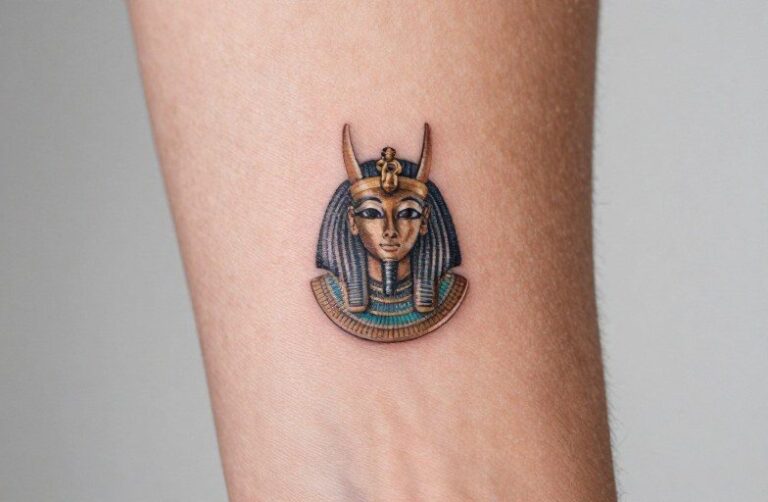
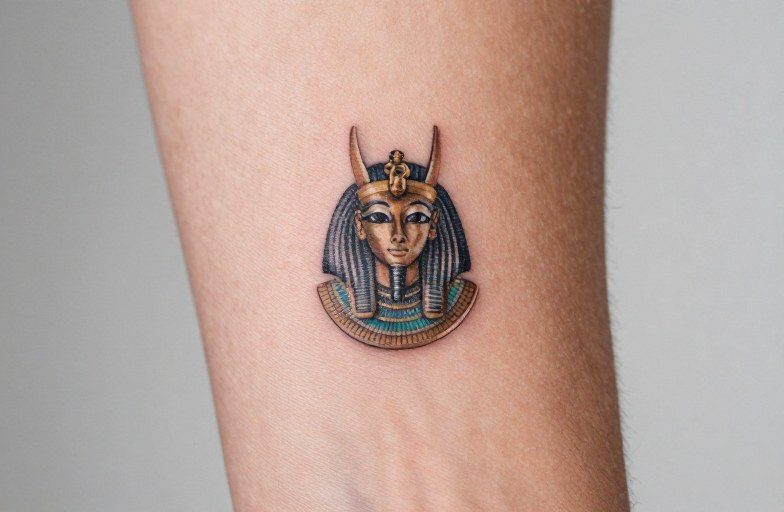
Black and grey saturate skin most reliably. Over ten to fifteen years, black lines soften and greywash lightens, but the structure remains readable. Color operates differently. Red and yellow fade fastest, often shifting toward skin tone within five to seven years depending on sun exposure. Blues and greens last longer, with teal and emerald holding particularly well. Purple splits the difference, deeper violet tones outlast lighter lavender shades.
White ink presents a specific challenge. Fresh, it sits slightly raised and luminous against pale skin. Within two to three years, most white ink yellows or disappears entirely into the surrounding tone. On darker skin, white rarely shows at all after healing. If you want a piece that reads as “delicate,” fine black lines with strategic negative space outperform white ink every time.
Skin Tone Considerations
Color vibrancy depends on melanin concentration. Deep black skin carries color beautifully, jewel tones, saturated oranges, and cobalt read clearly. The risk is not in color “taking” but in choosing values too close to the skin’s natural undertone, which creates muddiness. On very fair skin, pastels work initially but fade to invisibility faster than bold alternatives. A skilled artist adjusts pigment saturation to your specific undertone, not to a reference photo found online.
Tips for Choosing
Start with placement before falling in love with a specific image. A design that works on a shoulder blade falls apart on a wrist because of scale and movement. Consider your professional environment, hand and neck tattoos remain the most visible and carry real social consequences regardless of shifting norms elsewhere.
- Bring reference images, but expect the artist to redraw; direct copying of another person’s custom tattoo is considered poor form in the industry
- Think in decades, not seasons; the tiny constellation trend of 2015 already looks dated
- Account for body changes; rib pieces stretch significantly with pregnancy, weight fluctuation, or muscle development
- Budget for the artist you want, not the price you hoped for; good work costs more because it takes longer
The Consultation Reality
Most reputable shops require a consultation for custom work. Use this time to assess whether the artist understands your skin type, asks about your lifestyle (sun exposure, athletic activity), and explains technical limitations. If they agree to everything without pushback, that’s a warning sign, not customer service.
Matching & Pairing Ideas
Sibling and Friendship Pairings
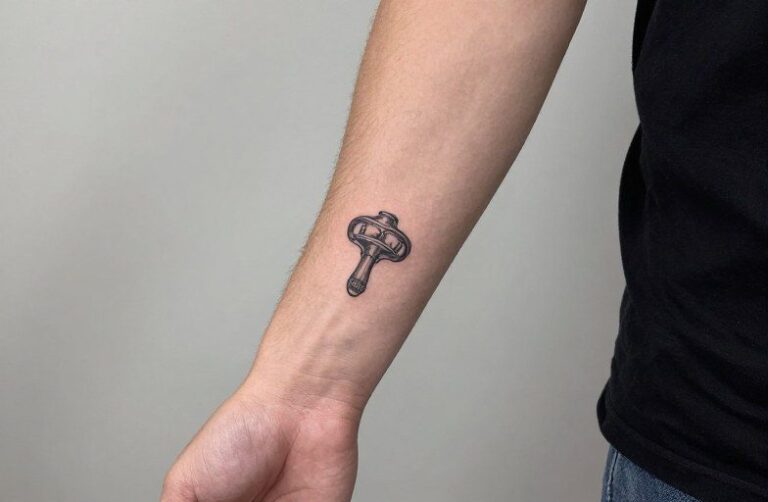
Matching tattoos fail most often when they’re too literal. Identical butterflies or infinity symbols age poorly and feel forced. Better approaches include complementary imagery, one person carries the moon, the other the tide; one a key, the other a lock mechanism shown in cutaway. Split designs that complete only when placed together work well on siblings or partners who see each other regularly: two halves of a map, a single line drawing interrupted across two forearms.
Family and Generational Themes
Birth flowers, rendered as individual botanical studies rather than combined bouquets, allow multiple family members to participate without identical matching. Coordinates work when they’re genuinely meaningful locations, not random romantic gestures. For mothers and daughters, consider the same motif at different scales or stages, a bud versus a bloom, a fledgling versus a bird in flight.
Best Placements
Areas That Age Gracefully
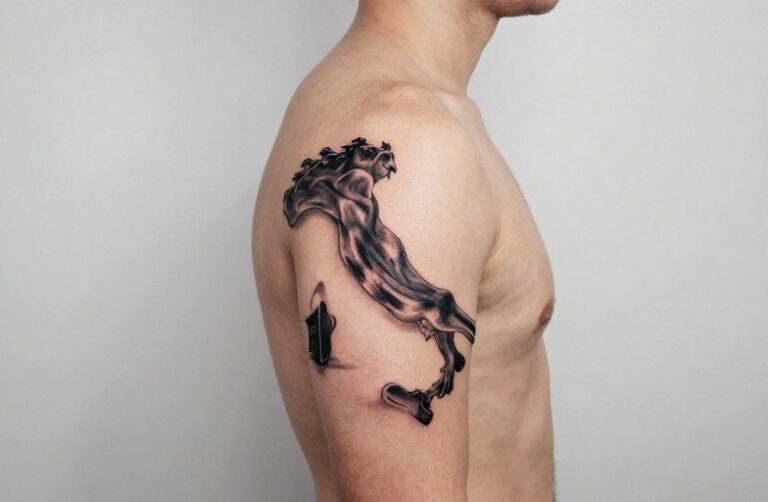
The upper outer arm, outer thigh, and upper back (between shoulder blades) experience minimal stretching and sun exposure over a lifetime. These areas also provide flat, stable surfaces where fine detail holds. The inner bicep and side of the ribcage, while popular, distort significantly with movement and weight change. Ankle and foot tattoos fade fastest due to friction from footwear and thinner skin.
Visibility and Professional Context
Behind the ear, the nape of the neck, and the hip bone offer concealment with the option to display. Hand, finger, and wrist tattoos are essentially permanent visibility, no long sleeve covers a hand completely. The “can I hide it for work” calculation matters less than it once did in some industries, but it remains relevant in others. Know your actual career trajectory, not your idealized one.
Standout Design Ideas
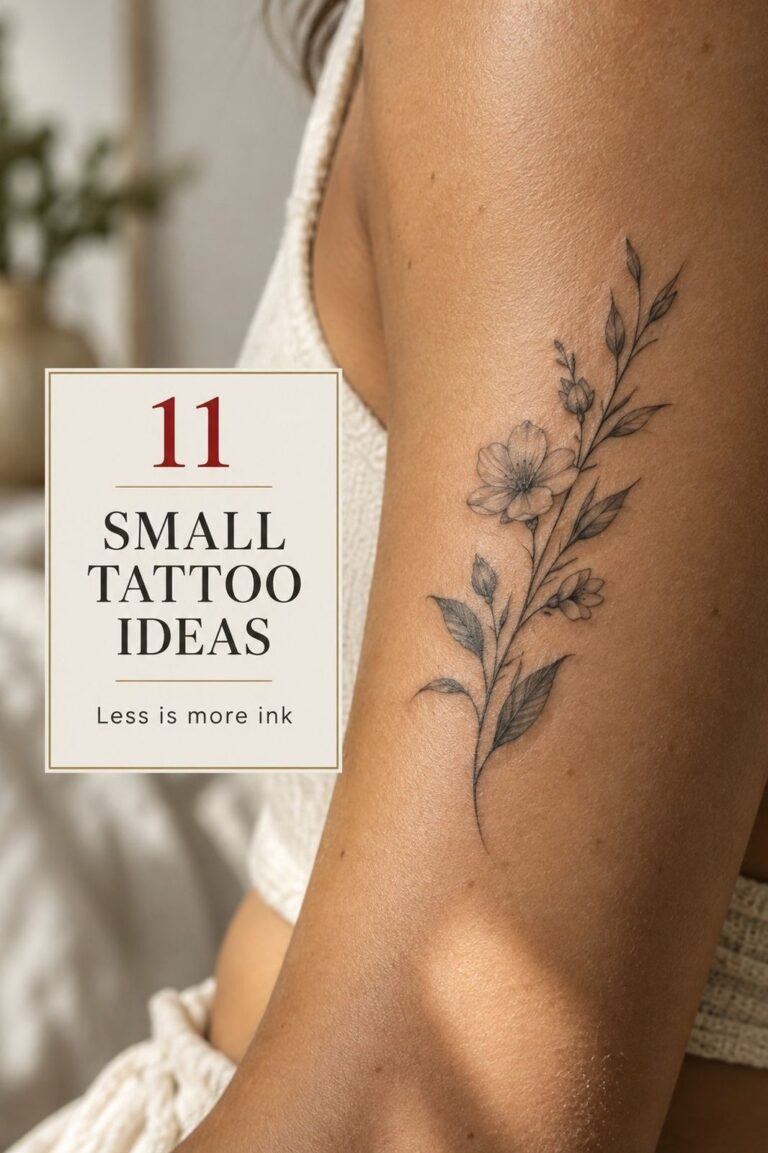
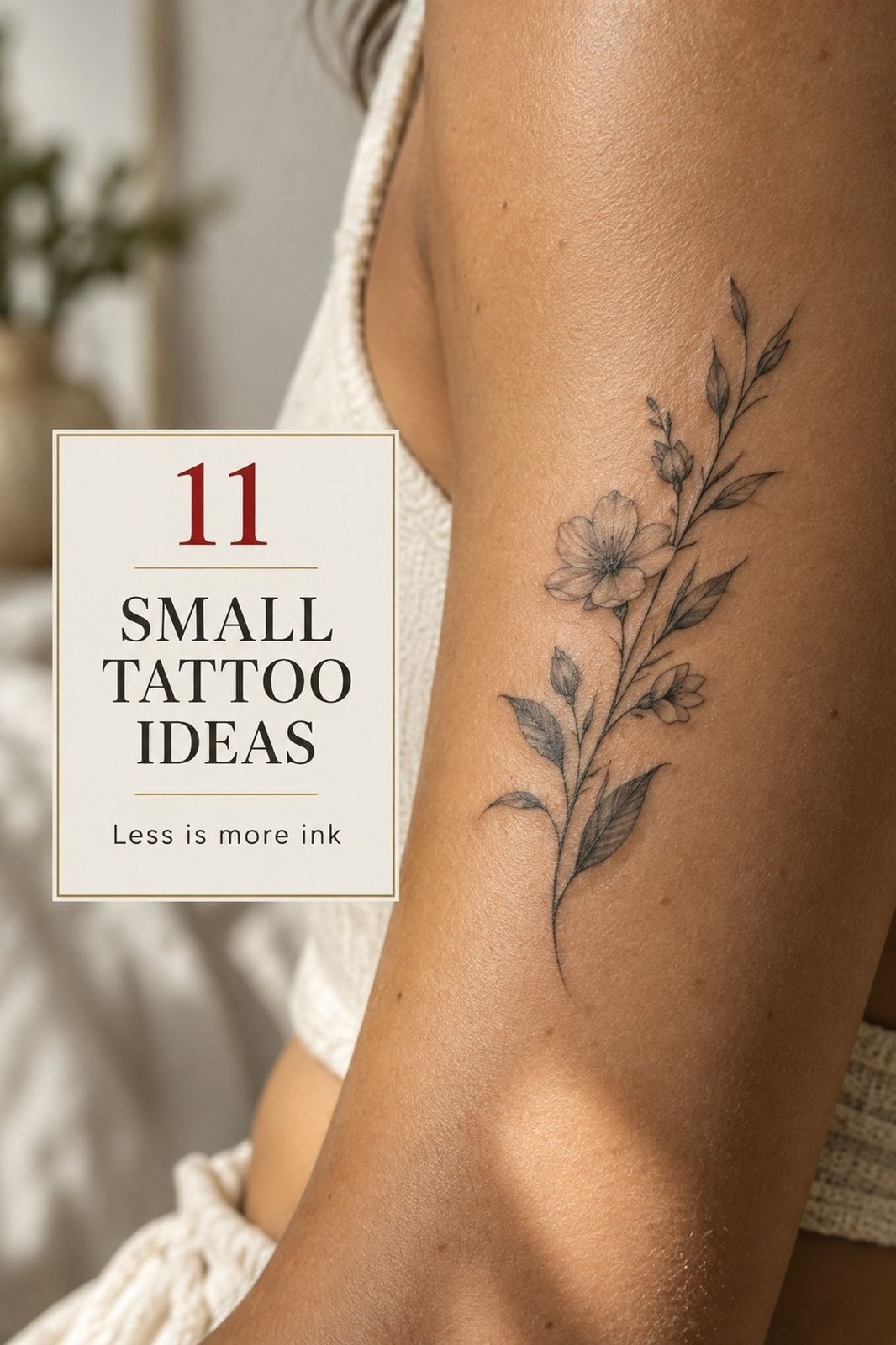
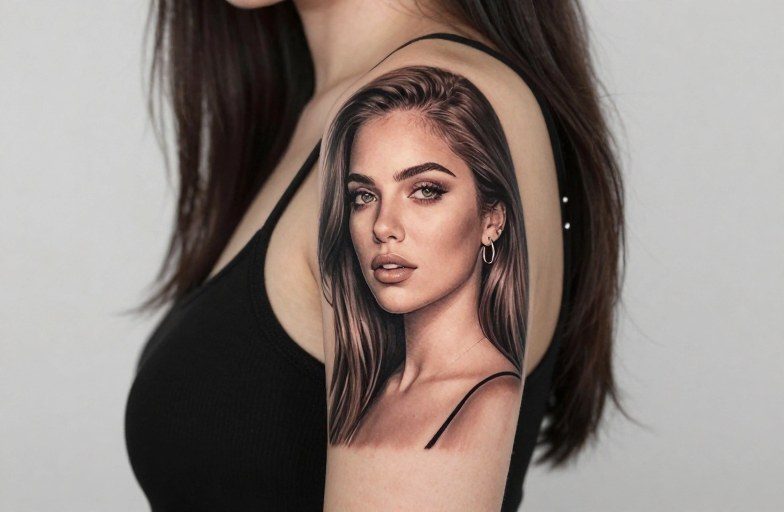
Certain motifs carry specific technical advantages. Botanical line drawings, single stems, pressed-flower compositions, or scientific illustrations, age well because their structure relies on clear silhouette rather than fine internal shading. Animal portraits work best when simplified to their essential form; hyperrealistic pet portraits on small scales blur into unrecognizable grey masses within five years.
- Snakes and botanicals combined: the curve of the snake provides natural flow along limbs, while wrapping foliage fills space efficiently
- Single-word or short phrases in custom lettering: script must be large enough to remain legible; tiny text on ribs becomes illegible within months
- Celestial bodies rendered as linework rather than filled color: moons, orbits, and star maps maintain clarity at small sizes
- Abstract geometric patterns: these suit areas where the body has natural structure to follow, like the collarbone or spine
Avoid anything dependent on current slang, brand logos, or meme culture. The “live laugh love” era produced thousands of dated tattoos. The current equivalent will be equally embarrassing in retrospect.
Popular Styles
Fineline and Single-Needle Work
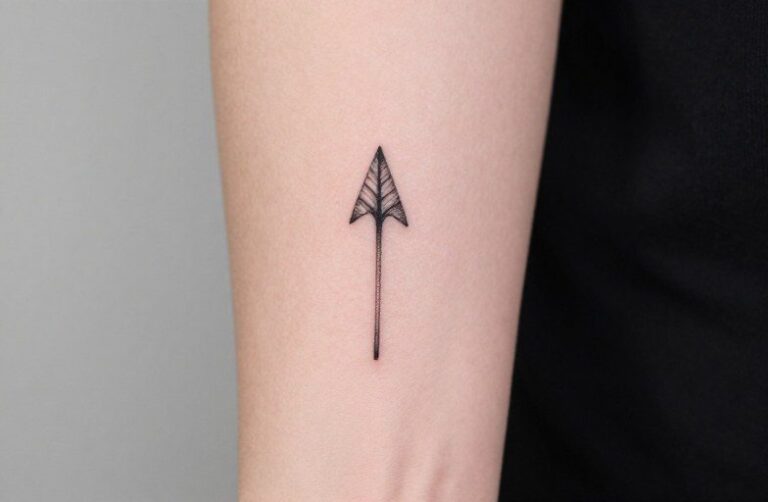
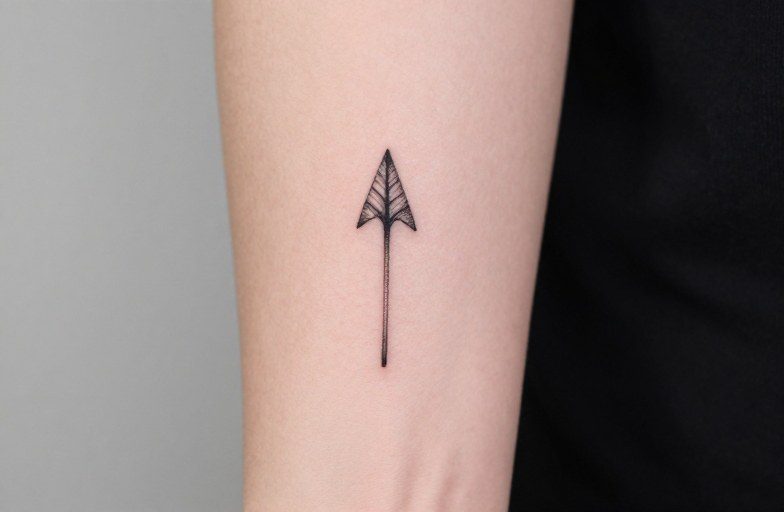
This style exploded in popularity through social media, and for good reason, fresh fineline looks stunning. The catch: it requires extremely skilled application and specific aftercare. Lines done with a single needle or tight three-round liner heal to about double their fresh width. What looks crisp at one millimeter may heal to three, turning delicate details into blurry grey. Fineline works best on flat, low-movement areas with minimal sun exposure. It fails on fingers, feet, and ribs.
Blackwork and Ornamental
Heavy black fills and ornamental patterns, lace, mandala-derived geometry, henna-inspired flow, hold up exceptionally well over time. The density of ink creates visual weight that doesn’t depend on fine detail. These pieces suit larger placements: full sleeves, thigh pieces, or back panels. On small scales, dense blackwork can look like a blob; the minimum size for ornamental density is roughly palm-sized.
Illustrative and Neo-Traditional
Illustrative work, think children’s book aesthetics, woodcut influences, or scientific illustration, bridges the gap between traditional tattoo boldness and contemporary detail. Neo-traditional maintains the strong outlines and limited color palette of American traditional but introduces more complex subject matter and softer shading. Both styles age predictably because they prioritize readable structure over trendy technique.
What to Remember
A good tattoo outlasts the impulse that created it. The most common regret isn’t the image itself but the scale, placement, or technical execution chosen in haste. Research your artist’s healed work, not just fresh photos. Understand that all tattoos change, lines spread, colors mute, skin texture shifts. The goal isn’t preservation of the fresh image but creation of something that remains meaningful and visually coherent as it ages.
Your body is the constant; the tattoo adapts to it, not the reverse. Choose accordingly.
Frequently Asked Questions
Do small tattoos blur faster than large ones?
Generally yes. Fine details packed into small spaces have less room to spread before becoming indistinct. A small tattoo with bold lines and minimal detail ages better than a tiny piece with intricate shading.
Can I get a color tattoo if I have very fair skin?
Absolutely, but choose saturation over pastel. Bold reds, deep blues, and black outlines contrast sharply with fair skin and remain visible as they age. Soft pinks and light yellows often fade to invisibility within a few years.
How do I find an artist who specializes in the style I want?
Search Instagram or portfolio sites using specific style hashtags, then look for consistent healed results in their portfolio, not just fresh work. Contact the shop directly rather than DMing; reputable artists often book through shop coordinators.
Is it okay to combine multiple styles in one piece?
Only if planned from the start. A cohesive piece mixing ornamental blackwork with a single illustrative element can work beautifully. Adding mismatched styles to an existing tattoo as cover-up or patchwork usually looks disjointed unless the artist designs intentionally for that tension.