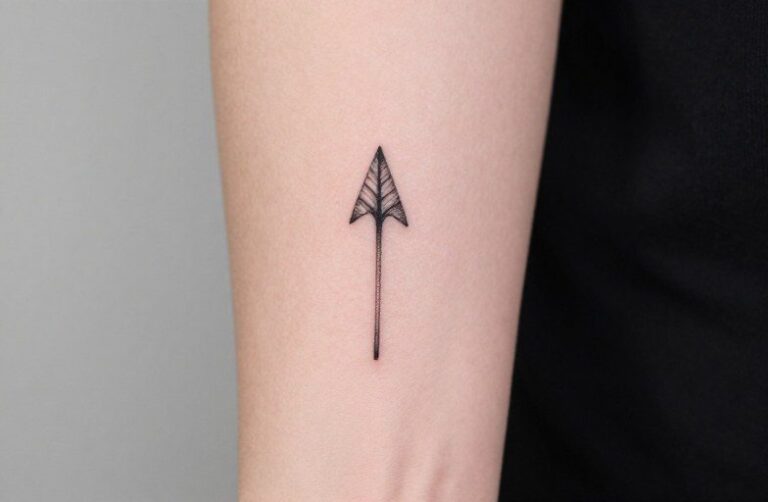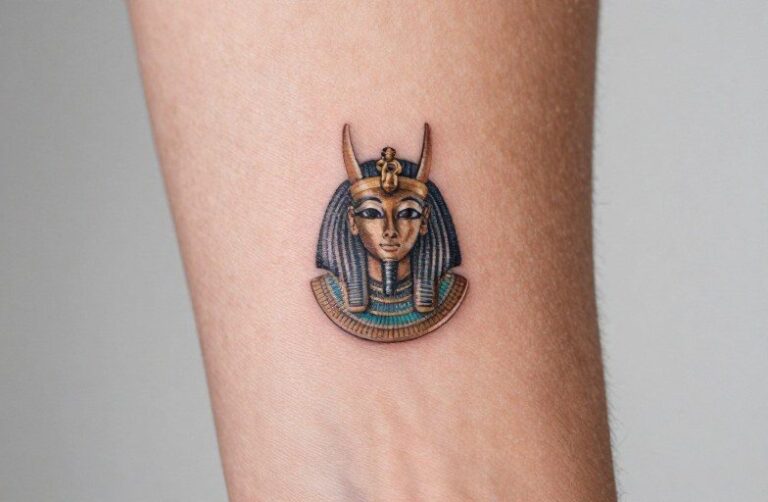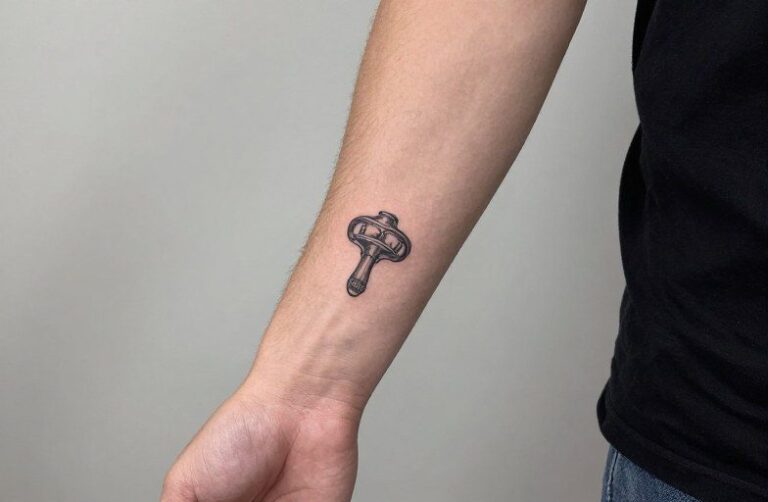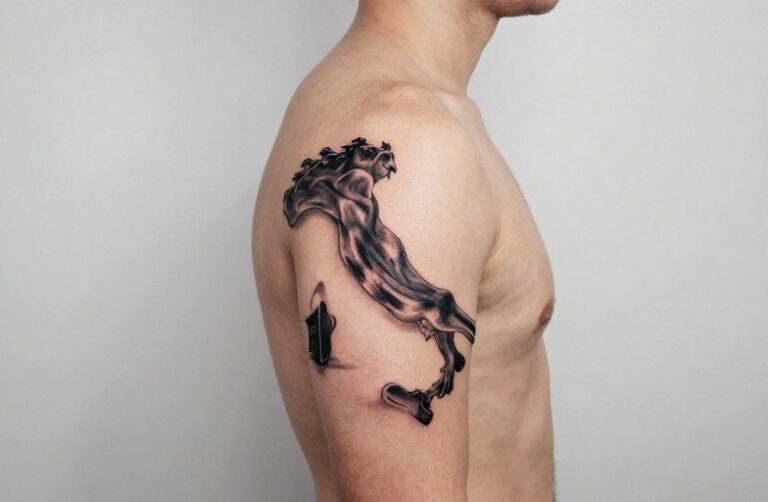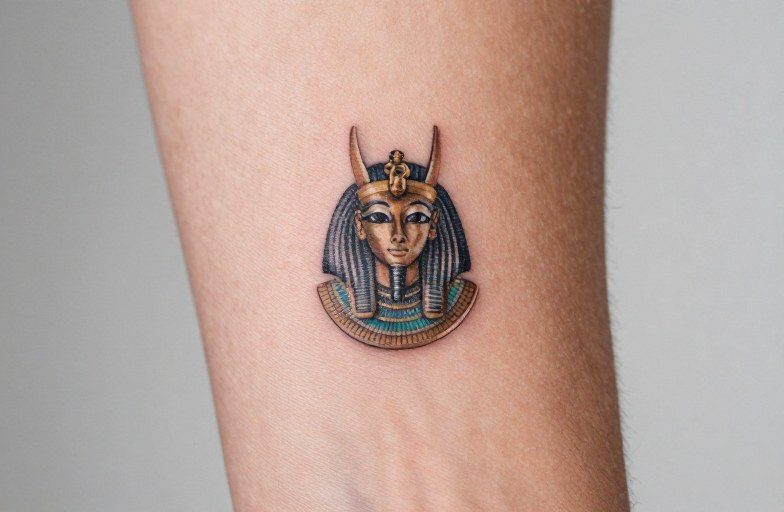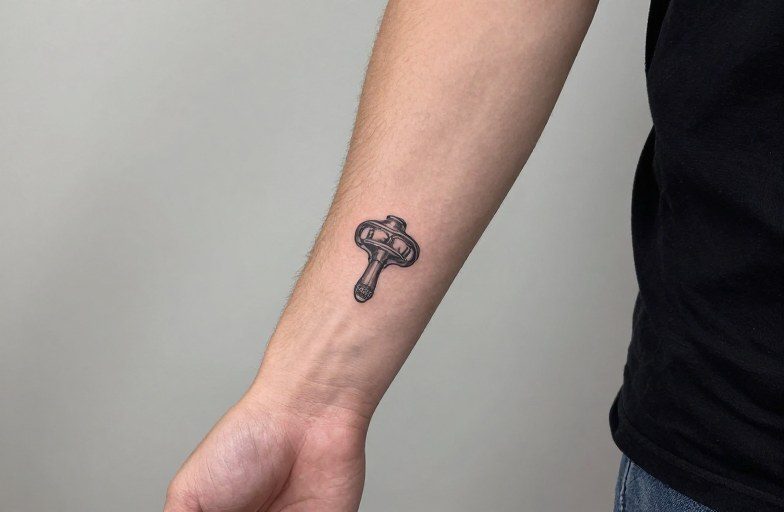
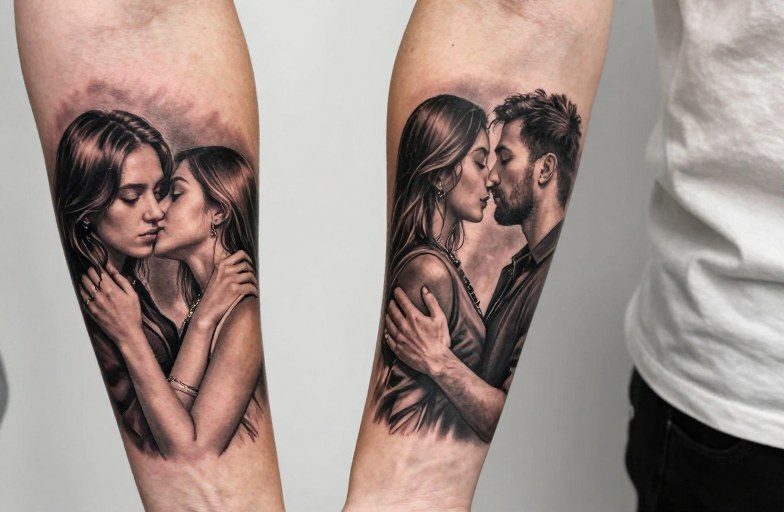
Matching or complementary tattoos for couples walk a tightrope. Go too literal and you risk the cliché puzzle-piece heart. Go too abstract and the connection becomes invisible to anyone but you two. The sweet spot lives in shared symbols with room for individual interpretation, images that mean something specific to your relationship without needing a caption. Below is a breakdown of what actually works, where it holds up best, and how to avoid the regrets that walk into cover-up consultations.
Popular Styles
Some styles carry symbolism better than others. The technique itself becomes part of the meaning.
Line Art and Minimalist
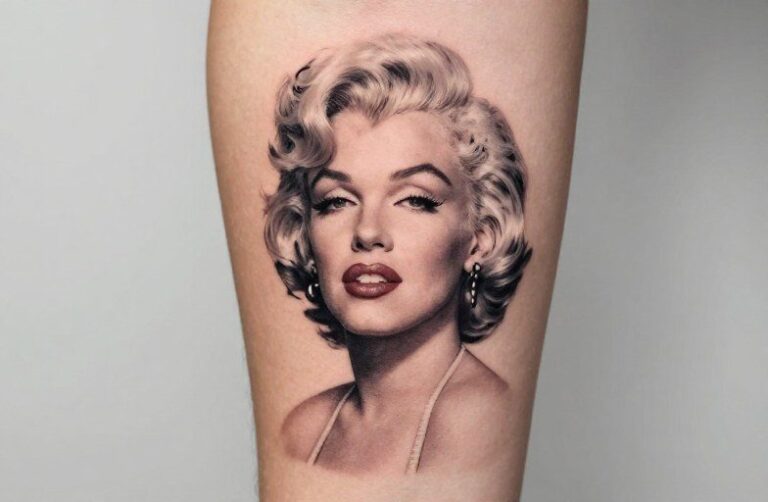
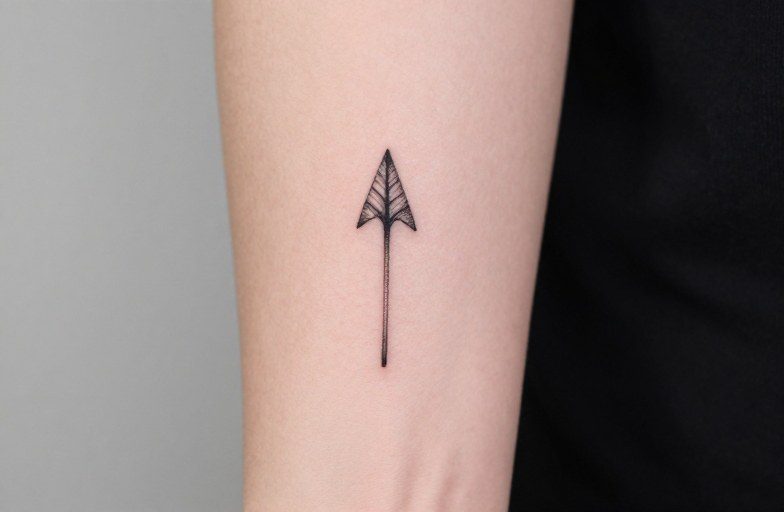
Single-needle or fine-line designs of intertwined hands, shared coordinates, or matching botanicals age gracefully when kept simple. A pair of olive branches, one on each partner, reads as unity without screaming “couple tattoo.” The catch: fine lines blur faster on high-movement areas, so placement matters more here than with bolder styles.
Traditional and Neo-Traditional
Think swallow pairs, lighthouse and ship, or lock and key rendered with bold outlines and limited color palettes. Traditional holds its contrast for decades. The imagery is legible from across a room, which matters if you want recognition without explanation. Neo-traditional allows more personal flourishes, your partner’s birth flower worked into a dagger handle, for instance.
- Blackwork: coordinates, roman numerals, or small geometric splits that form a whole when placed side by side
- Hand-poked: imperfect, intimate, carries the “we did this together” energy even when done by an artist
- Script: matching phrases in each other’s handwriting, risky if the penmanship doesn’t translate to skin
Size & Scale
Tiny tattoos get the most regret. Not because they’re bad, but because they become illegible mush faster than people expect. A meaningful couple piece needs to survive two decades of sun and cell turnover.
Small but Legible
Keep text above 7-8mm tall. A date, initials, or single word at the wrist or ankle works if the font has weight, no hairline letters. Finger tattoos of rings or initials almost always blow out within five years; the skin there sheds and regenerates rapidly.
Medium Pieces That Carry Weight
Palm-sized designs allow detail without commitment to a full sleeve. Matching compasses with slightly different orientations, split quotes that complete each other, or animal pairs (wolves, foxes, kingfisher birds) work well at this scale. You get enough room for the artist to use proper line weight variation.
Large-scale matching pieces, full forearms, ribs, backs, make sense for couples with established tattoo collections. The new work integrates into existing skin rather than sitting alone as a “couple statement.”
Best Placements
Where you put it affects how you’ll feel about it in five years, especially if the relationship shifts.
- Inner forearm: visible to you, easy to show or hide, ages relatively well
- Ribs or sternum: private, painful enough that the shared experience becomes part of the memory
- Upper arm/shoulder: classic, easy to build around later, less sun exposure than lower arm
- Calves: underrated for couples; easy to match standing positions, low sun damage
- Behind the ear: trendy but extremely prone to fading; avoid detailed work here
Avoid matching neck or hand tattoos unless both of you already have significant visible work. These placements broadcast before you’re ready to explain.
For First-Timers
Start With Complementary, Not Identical
First tattoo and first couple tattoo doubles the pressure. Better to choose related images than exact copies. One partner gets a moon phase, the other the corresponding tide. Same universe, different angle. If one of you needs modification later, it doesn’t break the symmetry.
Test the Commitment
Book consultations separately before the joint appointment. Each of you needs to feel confident alone with the artist, not just as a pair. Ask about touch-up policies, couple tattoos often need refreshing at different rates because skin varies, and you want to know your artist’s approach to that.
Consider timing. Getting tattooed together during a stressful period (new job, recent loss, major move) bonds the experience to that instability. The tattoo absorbs the anxiety. Better to wait for a calm month.
How to Personalize It
The best couple tattoos contain a layer invisible to strangers. Here’s how to build that in.
- Coordinates of a place only you two understand, not necessarily where you met, maybe where you fixed a flat tire at 2 AM
- A shared interest rendered unexpectedly: two astronomers might get different constellations that were actually visible on a significant night
- Split imagery that only aligns when you’re physically close: two halves of a map, two tools that reference a shared project
- Matching numbers in different systems: one partner in binary, one in roman numerals, same underlying value
Color choice carries weight too. One partner’s muted palette, the other’s brighter, but same underlying drawing. Or both in black and grey with one accent color shared between the two designs.
Tips for Choosing
Design for the Individual, Not the Couple
The tattoo should look complete on your skin alone. If you’d be embarrassed to have it after a hypothetical breakup, don’t get it. This sounds obvious, but the consultation room sees constant exceptions. A strong design stands as its own image; the couple connection is bonus, not foundation.
Artist Selection
Find someone whose portfolio shows work in your chosen style, not just someone who “does tattoos.” For matching pieces, the same artist guarantees consistency. For complementary pieces, different artists in the same shop can work if they communicate about line weight and black density.
Bring reference, not demands. “We like this mood, this era of illustration, this level of detail” opens better conversations than “we want exactly this Pinterest image.”
Discuss aging explicitly. Ask to see healed photos from two-plus years ago. Fresh tattoos lie. The real test is how that fine line held up, whether that white ink stayed bright or vanished into scar tissue.
Final Thoughts
Meaningful couple tattoos succeed when they’re good tattoos first, couple signifiers second. The meaning comes from the shared decision, the appointment together, the healing side by side, not from the image itself being inherently romantic. Choose something that would hold your interest even if you were explaining it to a stranger who knew nothing of your relationship. That’s the standard. The rest is just ink.
Frequently Asked Questions
Should couples get matching tattoos or complementary ones?
Complementary usually ages better. Matching tattoos create pressure for perfect symmetry and become harder to individualize if the relationship changes. Related but distinct designs give each person ownership of their piece.
How much should we expect to spend on couple tattoos?
Budget for two full sessions at your artist’s hourly rate, not a discounted pair deal. Quality work isn’t priced per couple. Expect $150-400 per small piece and more for detailed work, varying widely by city and artist experience.
What if one partner wants a tattoo and the other doesn’t?
Don’t pressure them. A reluctant tattoo becomes resentment carved in skin. Some couples find middle ground in temporary commitment, henna, or one partner getting a piece while the other plans and supports. The healthiest matching happens when both people would want their design independently.
How do we handle touch-ups if one tattoo fades faster?
Skin type, placement, and aftercare vary, so fading rarely stays even. Plan for individual touch-up appointments rather than expecting to maintain them as a matched set. A good artist will refresh each piece to its own needs without forcing uniformity.