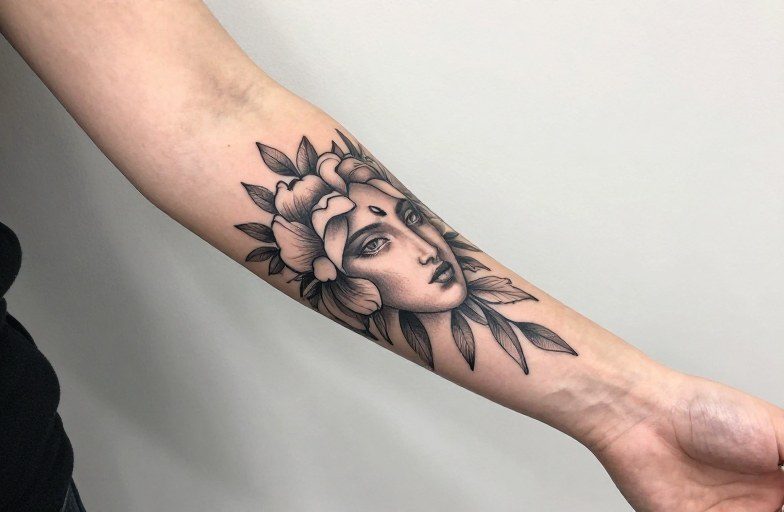
A forearm sleeve tattoo on a woman typically signals deliberate self-authorship. Unlike hidden pieces, this placement refuses concealment; it turns the body into a readable surface where meaning accumulates across multiple images rather than collapsing into a single symbol. The forearm’s elongated canvas invites sequential storytelling, scenes that unfold as the arm moves, rotates, or extends in greeting.
Who Chooses This Tattoo
Women opting for forearm sleeves usually arrive with specific intentions around visibility. The choice separates itself from ankle or rib placements that remain private. Here, the tattoo participates in daily social exchange, job interviews, coffee orders, handshakes, forcing an ongoing negotiation between personal expression and external perception.
Professional Considerations
The forearm occupies contested territory. Some workplaces still demand long sleeves; others have relaxed entirely. Women in client-facing roles often design around this: lower forearm pieces (wrist to mid-forearm) stay coverable with a watch or bracelet stack, while full sleeves from elbow to wrist require committed wardrobe choices. The decision to proceed anyway often carries its own symbolic weight, refusal to compartmentalize identity.
Age and Commitment
- Younger collectors sometimes underestimate how ink ages on sun-exposed forearm skin
- Older first-timers tend toward denser blackwork that holds contrast longer
- Cover-up sleeves frequently replace scattered smaller tattoos with unified compositions
Best Placements
Within the forearm sleeve category, precise positioning reshapes meaning. The inner forearm, visible to the wearer herself when palms face upward, functions as personal reminder or private mantra. Outer forearm faces the world; it speaks before the wearer does.
Partial vs. Full Coverage
“Half sleeves” stopping at the elbow preserve upper arm neutrality for formal contexts. Full forearm commitment, extending from wrist crease to elbow ditch, eliminates that flexibility but gains compositional integrity. The elbow itself becomes a design challenge: skin there stretches, wrinkles, and heals unpredictably, so experienced artists either avoid central elbow focus or design specifically for that distortion.
Wrist Integration
The wrist joint demands careful transition planning. Abrupt stops look amateur; flowing designs that wrap or taper into hand tattoos require foresight about future expansion. Many women plan wrist-to-hand continuation years in advance, treating the forearm sleeve as chapter one.
Common Variations & Styles
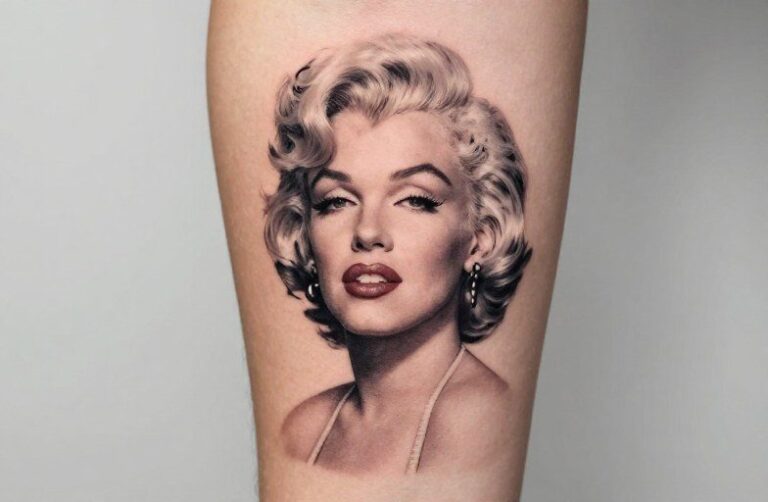
Style choice fundamentally alters how symbolism reads. A photorealistic forearm sleeve of a deceased parent’s face carries different emotional grammar than the same subject rendered in traditional Americana bold lines.
Botanical and Naturalist Work
Flowers, vines, and animals dominate female forearm sleeves for practical reasons: organic forms wrap limbs naturally, follow muscle contours, and age gracefully as soft edges blur slightly. Roses remain perennial, but contemporary popularity has shifted toward native wildflowers, poisonous species (belladonna, oleander), and botanical illustrations with Latin nomenclature. The latter specifically signals intellectual engagement, tattoo as curated collection rather than mere decoration.
Blackwork and Ornamental
Dense geometric patterns, dotwork mandalas, and lace-inspired ornamental sleeves have grown substantially among women seeking non-representational symbolism. These designs reject narrative content in favor of meditative repetition. The forearm’s visibility then becomes about aesthetic discipline, presenting oneself as deliberately composed, almost architectural.
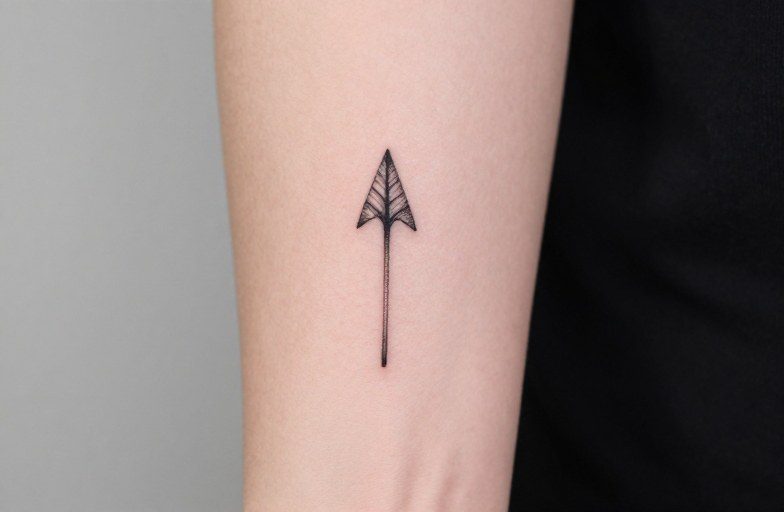
- Fine-line single needle: trendy but requires touch-ups; forearm sun exposure accelerates fading
- Japanese-inspired: koi, cherry blossoms, tigers, traditional meanings transfer but placement is non-traditional
- Trash polka: red and black splatter aesthetic, often memorial or rebellious in tone
Personal & Modern Meanings
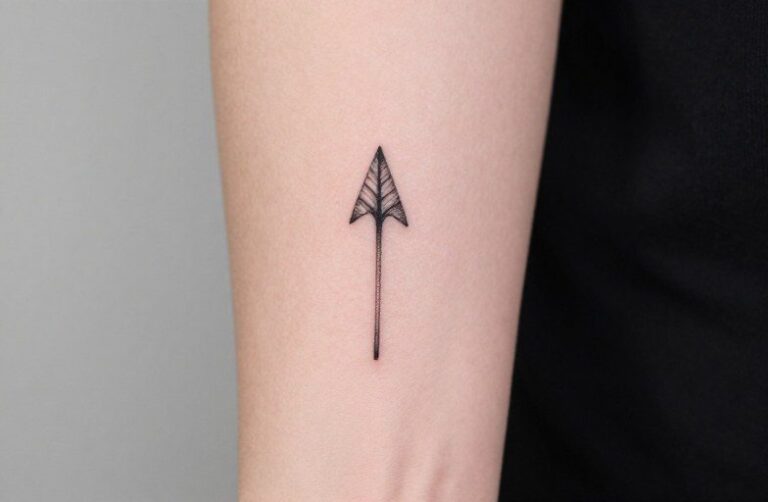
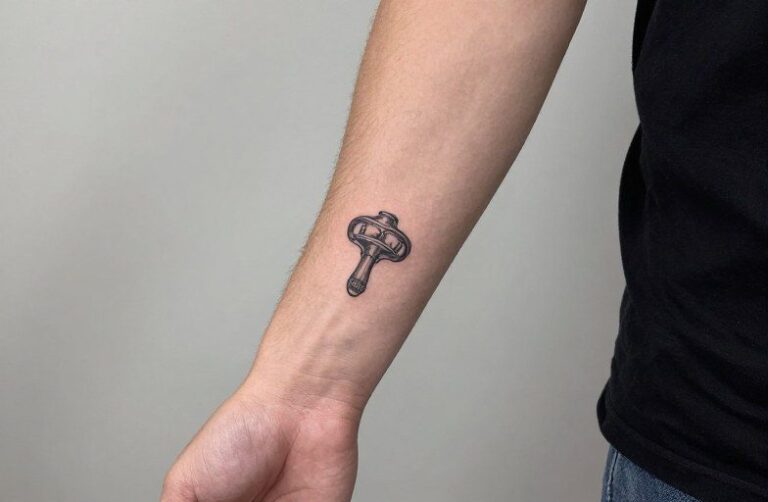
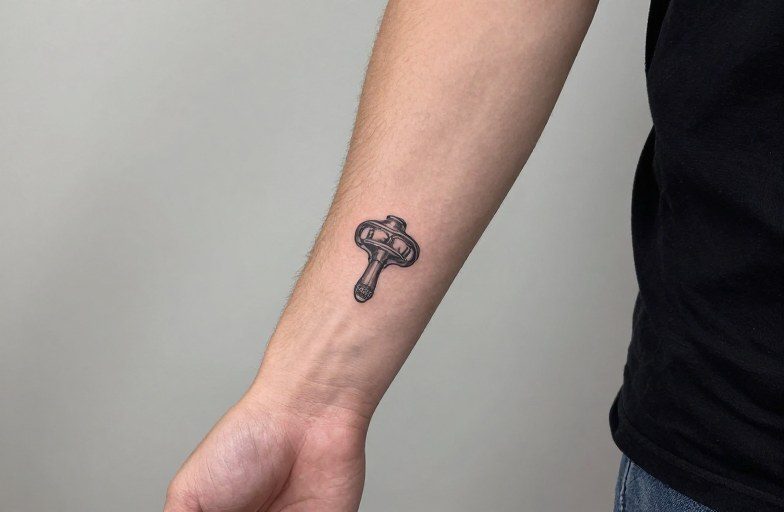
Beyond inherited symbolism, contemporary women assign specific personal meanings that would be illegible without context. A forearm sleeve of seemingly random objects, keys, hourglasses, specific dog breeds, functions as private iconography, readable only to those who know the code.
Sequence and Timeline
Some women construct forearm sleeves chronologically: wrist representing childhood, progressing toward present identity at the elbow. This creates a literal “reading” direction, with the arm’s natural movement revealing or concealing chapters. Others invert this, placing most recent experiences at the wrist where visibility is constant, suggesting present-tense prioritization over origin stories.
Commemoration Without Names
Memorial forearm sleeves increasingly avoid literal portraiture. Dates in Roman numerals have become cliché; subtler alternatives include coordinates, handwriting reproductions from letters, or objects associated with the deceased (a specific teacup pattern, a car model). The forearm placement keeps memory active in daily gesture, reaching, writing, driving, rather than static on a wall.
Mythology & Folklore
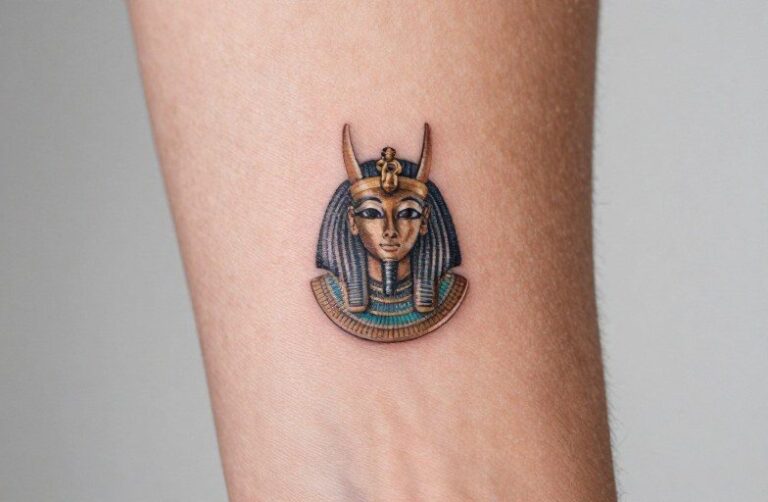
Symbolic content on female forearms often draws from mythological sources, though attribution should be handled carefully. Many symbols circulate detached from original contexts.
Norse and Celtic Revival
Runes, Valkyrie imagery, and knotwork appear frequently, often linked to heritage claims or strength archetypes. Some practitioners trace these to feminist reclamation of warrior iconography; others simply appreciate visual density. The Vegvísir (Icelandic compass) has become particularly common, though its historical authenticity is disputed, popularized by later manuscripts rather than verified Viking-era practice.
Greek and Roman Figures
Medusa has undergone significant reinterpretation. Originally monstrous, she’s been reclaimed in feminist tattoo culture as victim-protector figure. Athena, Artemis, and Persephone offer narrative complexity, virgin warrior, huntress, seasonal queen of death, allowing women to align with archetypes rather than literal worship. Forearm placement gives these figures active presence; they “act” through the wearer’s gestures.
Eastern Symbolism
Phoenix and dragon imagery, often associated with Japanese tattoo tradition, appears on female forearms in adapted form. Strict irezumi rules about placement and completion are frequently abandoned; women select elements for personal resonance rather than adherence to tradition. Koi swimming upstream remain common for perseverance narratives, though the full backpiece context is lost.
Design Tips & Pairings
Practical decisions shape how forearm sleeve symbolism persists and communicates.
Line Weight and Aging
Forearm skin moves constantly and receives disproportionate sun exposure. Thin lines blur within five to ten years; bold outlines maintain definition. Women choosing delicate aesthetic must budget for maintenance, symbolism literally fades without intervention. Black and grey heals more predictably than color on this placement; red and yellow particularly struggle with sun degradation.
Complementary Body Placement
Forearm sleeves often extend or connect to other work. Chest pieces visible in v-necklines create vertical visual lines; thigh tattoos balance horizontal composition if photographed. Some women mirror both forearms for symmetry, others deliberately asymmetrize to suggest continuous narrative across separate limbs. Hand and finger tattoos extend the sleeve’s reach but accelerate professional consequences.
- Consider negative space: intentional skin breaks prevent muddy aging
- Plan around existing scars or freckle patterns rather than fighting them
- Discuss future pregnancy-related skin changes with artist if applicable
The Takeaway
A forearm sleeve tattoo on a woman ultimately means intentional visibility. The symbolism operates at multiple registers: the specific imagery chosen, the style of its rendering, the commitment of its placement, and the social negotiation it demands daily. Unlike back pieces or rib tattoos that remain private performance, the forearm sleeve requires ongoing public relationship. That sustained exposure becomes its own meaning, refusal to separate decorated self from professional self, familial self, stranger self. The arm extends in greeting, in work, in defense, and the tattoo participates in each gesture, accumulating significance through repetition rather than resting in fixed interpretation.
Frequently Asked Questions
Will a forearm sleeve tattoo affect job prospects for women?
Impact varies dramatically by industry. Creative fields, tech, and service jobs often accept visible ink; law, finance, and medicine frequently still require coverage. Some women design partial sleeves specifically for concealment flexibility, while others view the visible tattoo as filtering mechanism, identifying compatible workplaces.
How much does a forearm sleeve typically cost?
Full forearm sleeves require 15-40 hours depending on complexity, style, and artist rates. At standard professional pricing, this ranges from roughly $1,500 to $8,000+. Large-scale work is usually priced per session rather than flat rate, with deposits required to book multiple appointments.
Can you start a forearm sleeve with small tattoos and connect them later?
Technically possible but visually risky. Scattered pieces often leave awkward gaps that limit cohesive design options. Experienced artists recommend planning the full composition even if executing in stages; starting with a central anchor piece that accommodates future connection works better than random accumulation.
Do forearm sleeves hurt more than other tattoo placements?
The forearm rates moderate on pain scales, muscle and fat cushion better than bone, but the inner forearm’s nerve sensitivity surprises some. The elbow ditch and wrist crease are notably more intense. Most women find forearm sessions manageable enough for extended work, which is partly why the placement remains popular for large pieces.