A feminine forearm tattoo most commonly signals self-possession and deliberate visibility. The forearm is hard to hide, so choosing it says you’re done keeping parts of yourself private. Feminine imagery here, floral, figurative, ornamental, or abstract, tends to emphasize agency, beauty on your own terms, and a refusal to shrink.
Symbolism & Core Meaning
Visibility as Choice
Unlike the ribcage or thigh, the forearm faces the world daily. A feminine design here rejects the old pressure that women should keep their ink tucked away. The placement itself becomes part of the meaning: you’re claiming public space for your own aesthetic. This resonates whether the imagery is soft and botanical or sharp and architectural.
Strength Through Feminine Cues
There’s a specific tension that works in these tattoos. Delicate line weight, flowing curves, or traditionally “pretty” subjects placed on a muscular, functional part of the body create a visual argument. The forearm does work, grips, carries, gestures, and decorating it with imagery coded as feminine can read as unapologetic integration. You’re not choosing between strong and soft.
- Flowers with thorns or stems wrapping the arm emphasize resilience
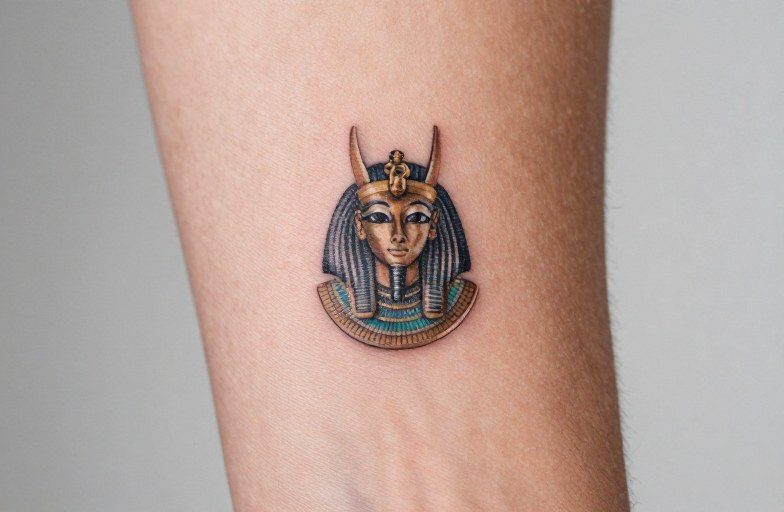
- Portraiture of women, goddesses, or maternal figures centers female experience
- Ornamental patterns frame the muscle structure rather than hiding it
Religious & Spiritual Angles
Christian & Catholic Imagery
Forearm placement has devotional precedent. Religious icons on the forearm historically allowed the bearer to kiss or press the image during prayer. For women, feminine-coded religious subjects, Madonna and child, the Immaculate Heart, Saint Mary Magdalene, carry layered meaning. The visible placement can signal faith that isn’t segregated to private domestic space.
Pagan & Goddess Traditions
Symbols of feminine divinity on the forearm often function as active talismans. The forearm moves through the world, gestures, creates. A triple moon, Venus symbol, or goddess figure here becomes something you do with, not just wear. Some trace forearm ornamentation to protective markings in various folk traditions, though specific lineages are often disputed.
Common Variations & Styles
Botanical & Floral
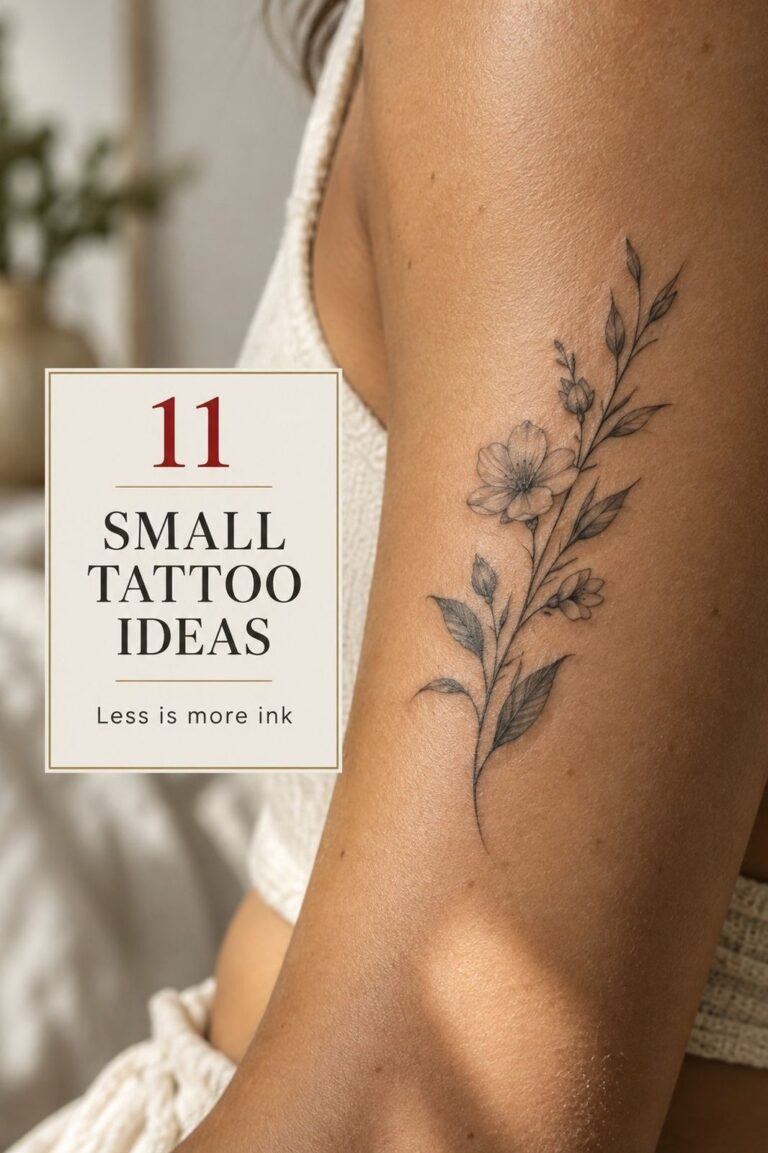
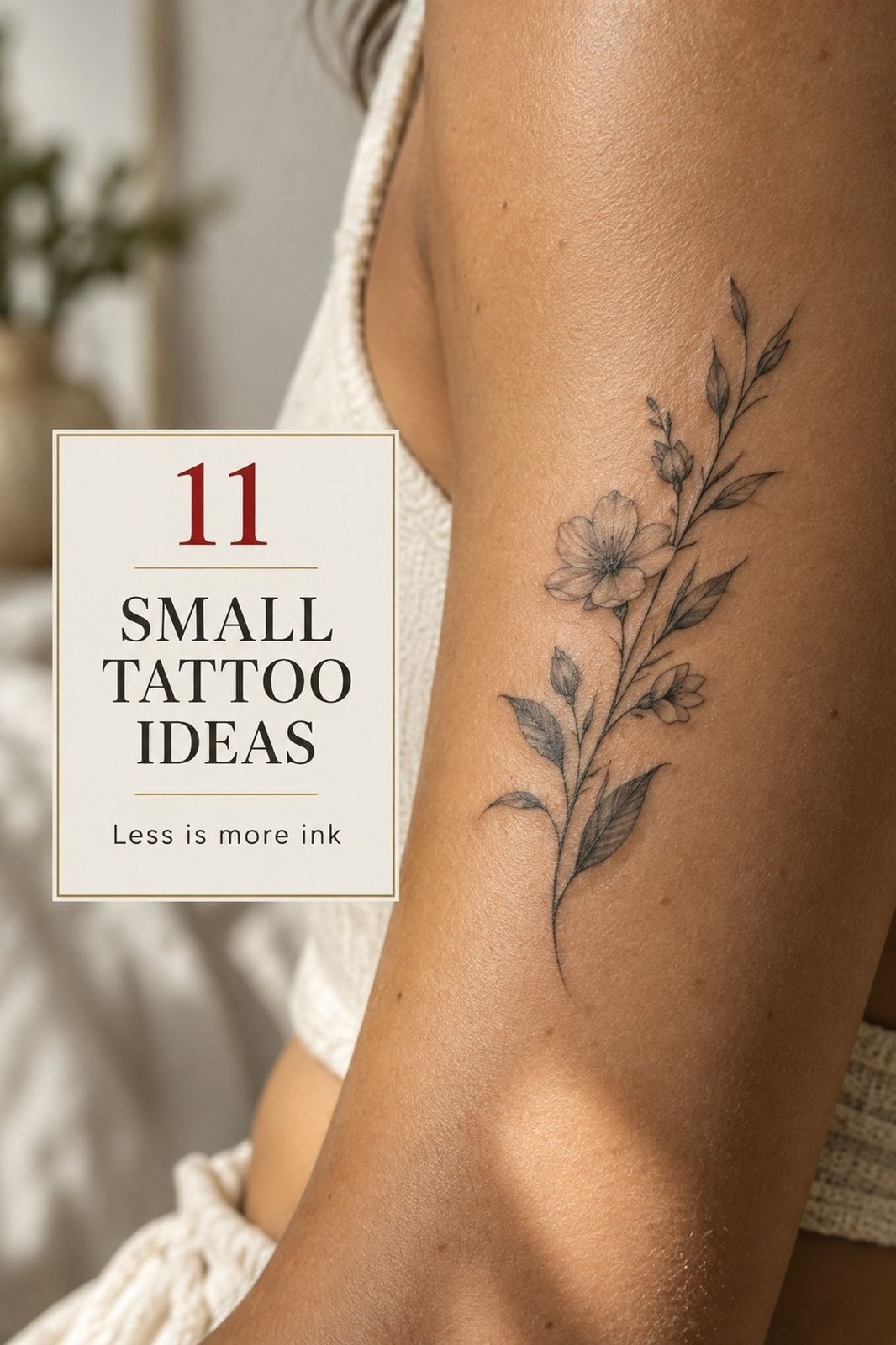
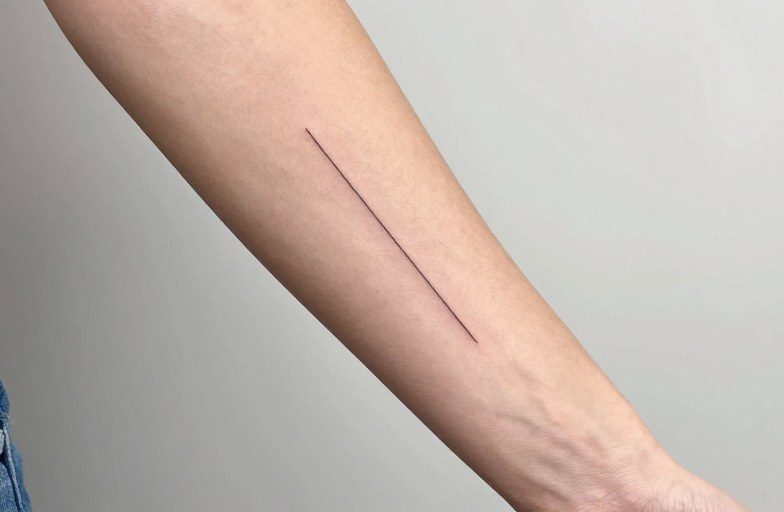
Roses, peonies, wildflowers, and botanical studies dominate feminine forearm work for good reason. The forearm’s length suits vertical compositions, stems running wrist to elbow, or a bouquet that wraps slightly around the side. Fine line and single-needle styles age gracefully here if you keep them out of constant sun, but bolder outlines with soft shading hold crisper contrast over decades. Watercolor backgrounds without black anchoring tend to blur and muddy within five to seven years on this high-movement area.
Script & Lettering
Feminine script on the forearm ranges from delicate cursive to bold block lettering. The outer forearm (radial side) shows cleaner and flatter for text. Inner forearm placement risks more distortion from skin stretch and tends to fade faster from friction against clothing and desks. For readability long-term, keep letter height above 10mm and avoid overly thin connecting strokes.
- Outer forearm: better for detailed work, easier healing, less fading
- Inner forearm: more private, more pain near wrist crease, faster wear
- Wraparound designs: use the full circumference, but plan for elbow ditch distortion
Figurative & Portrait
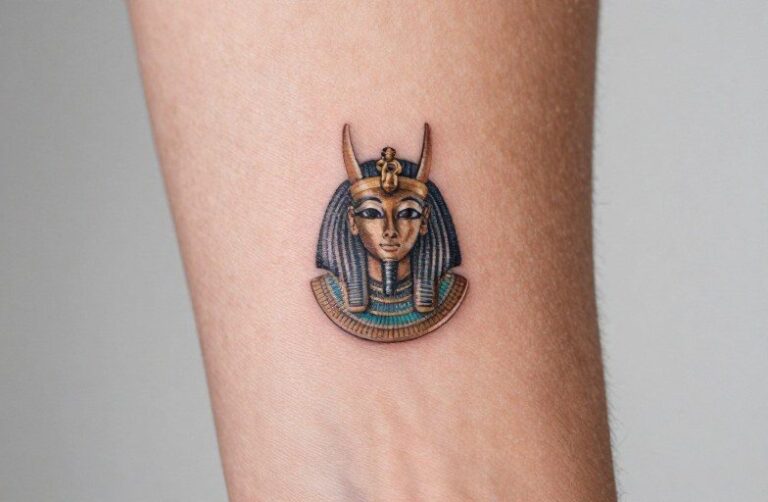
Women’s faces, silhouettes, and full figures read powerfully on the forearm. The cylindrical shape suits profiles and three-quarter views better than straight-on portraits, which can distort when the arm rotates. Black and grey realism ages more predictably than full color here, though limited color palettes with strong value contrast can work well.
Similar & Related Symbols
Feminine forearm tattoos share DNA with several adjacent traditions. Sailor Jerry-style pin-ups historically decorated men’s forearms, and contemporary feminine reclaiming of that real estate is a direct response. Japanese irezumi sleeve work often includes feminine nature spirits (tennyo, or celestial maidens) on the forearm as part of larger narratives.
Ornamental henna patterns on hands and forearms, often linked to South Asian and North African bridal traditions, share the same logic: visible, celebratory, feminine-coded decoration of working limbs. Modern ornamental tattooing borrows the flowing, non-figurative language but strips the ceremonial context, sometimes thoughtfully, sometimes not.
Snakes, moons, and cats appear frequently alongside feminine forearm imagery, each carrying their own associations that amplify the gendered reading. Snakes specifically pair well with the forearm’s serpentine potential when the arm moves.
Personal & Modern Meanings
Marking Transitions
Forearm tattoos often commemorate specific thresholds: coming out, sobriety, divorce, medical recovery, creative commitment. The visibility matters because the change is meant to be integrated, not compartmentalized. Feminine imagery can soften the announcement or make it more specific to female, trans, or non-binary experience of those transitions.
Reclamation After Trauma
The forearm is a common site for self-harm scars, and covering or incorporating that skin with chosen, beautiful imagery is a well-documented practice. Feminine designs here can specifically reject shame around female pain, or celebrate survival in visual language that feels authentic to the person’s identity. This isn’t universal, some prefer abstract or non-feminine cover work, but it’s a meaningful subset of why these tattoos happen.
Design Tips & Pairings
Working With Forearm Anatomy
The forearm has two distinct zones. The outer face (extensor side) is flatter, more stable, and holds detail better. The inner face (flexor side) has softer, thinner skin that wrinkles and stretches more. Elbow ditch and wrist crease are high-movement areas where ink almost always spreads slightly over time. A skilled artist will design around these constraints rather than fight them.
For feminine designs specifically, consider how the imagery interacts with your natural musculature. A vine or ribbon can follow the brachioradialis ridge. A portrait’s gaze can direct outward when the arm hangs naturally. These aren’t gimmicks, they’re how the tattoo becomes part of your body rather than sitting on top of it.
Pairing With Existing Work
Forearm tattoos often start or complete larger arm projects. A feminine forearm piece can serve as the visible anchor for a sleeve that extends to less public areas, or as a standalone statement. If you’re building around existing work, match the line weight and black density rather than trying to match subject matter exactly. Cohesion comes from technical consistency more than thematic repetition.
- Leave negative space for future additions; solid black forearms limit options
- Consider how the design reads at conversational distance, not just Instagram close-up
- Plan for professional contexts: some placements are easier to cover with a watch or bracelet than others
The Takeaway
Feminine forearm tattoos carry meaning primarily through placement, the choice to be seen, to integrate beauty with function, to refuse the idea that feminine things belong in hidden corners. The specific imagery amplifies that core statement, whether through religious devotion, botanical celebration, personal narrative, or pure aesthetic preference. Technical decisions about inner versus outer forearm, line weight, and long-term aging will affect how well the tattoo continues to communicate that meaning decades out. Choose an artist who understands the anatomy, and choose imagery that feels like yours rather than a trend cycle’s.
Frequently Asked Questions
Does a feminine forearm tattoo hurt more than other placements?
The outer forearm is generally manageable, with the inner forearm and wrist crease being more sensitive due to thinner skin and nerve proximity. Most people rank it moderate on the pain scale, easier than ribs or feet but sharper than the upper arm.
Will feminine fine-line forearm tattoos fade quickly?
Fine line work on the forearm faces sun exposure and friction, so it does fade faster than bolder work. Black ink holds better than color, and the outer forearm ages more gracefully than the inner. Expect touch-ups every few years if you want crisp detail.
Can I get a feminine forearm tattoo if I work in a conservative office?
Yes, but placement matters. The inner forearm is easier to cover with long sleeves, while the outer forearm shows even with rolled cuffs. A watch or bracelet can partially obscure smaller pieces. Consider your specific dress code before committing.
How do I choose between floral, script, or figurative feminine forearm designs?
Match the style to your long-term taste and how you want the tattoo to read. Botanical work ages well and stays interpretable. Script requires careful font choice for legibility. Figurative work demands strong technical skill from your artist and more maintenance over time.