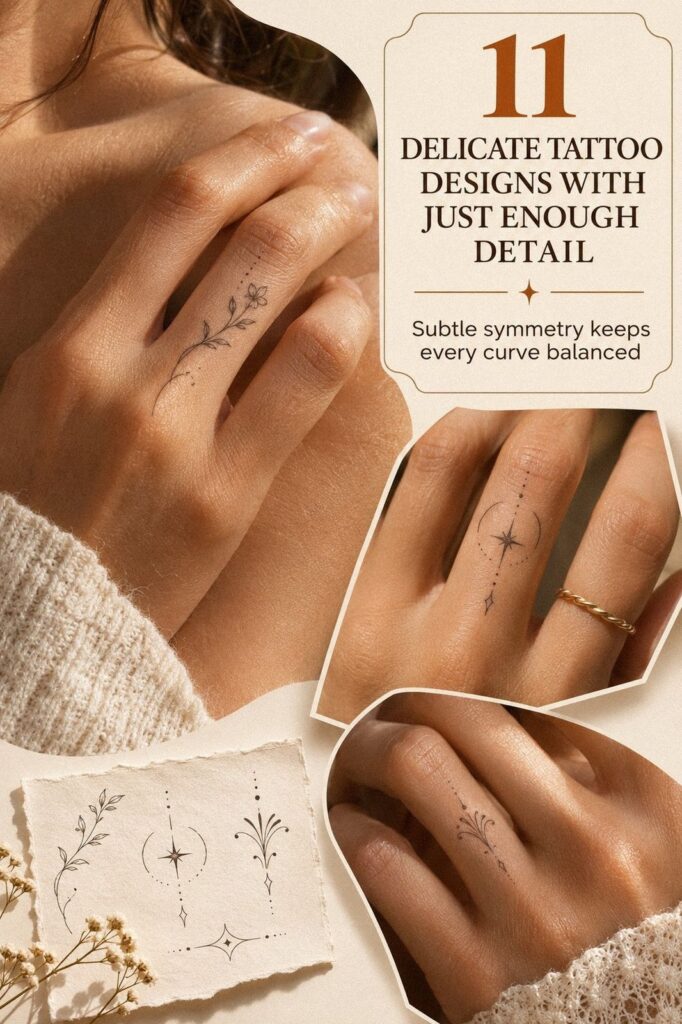
Delicate tattoo designs can hurt less in one sitting when you choose a small placement, a steady hand, and enough open skin around the mark. I learned that after rushing a dense finger piece and regretting the cramped detail. These ideas keep the linework crisp, personal, and manageable. Your placement still matters most!
Don’t overthink: Does a Botanical Wrist Design Follow Your Movement?.
Editor’s note: The least painful option isn’t always the smallest one. A clear design on the forearm may be more worthwhile than an intricate finger tattoo that fades quickly. Start with the mark you’ll still want after the novelty wears off.
- Start with Small Finger Tattoo Designs
- Does a Botanical Wrist Design Follow Your Movement?
- Behind-the-Ear Designs: Quiet, Edgy, and Personal
- Build Movement with Fine-Line Stars
- Give a Collarbone Tattoo Meaning
- Let Nature Shape a Tiny Tattoo
- Why Choose a Ribcage Tattoo Despite the Intensity?
- The Upper Back Holds Symbolic Linework Well
- Wrap an Ankle Motif with a Clean Curve
- Match with a Best Friend Without Copying
- Keep Tiny Animals Clear and Expressive
1Start with Small Finger Tattoo Designs
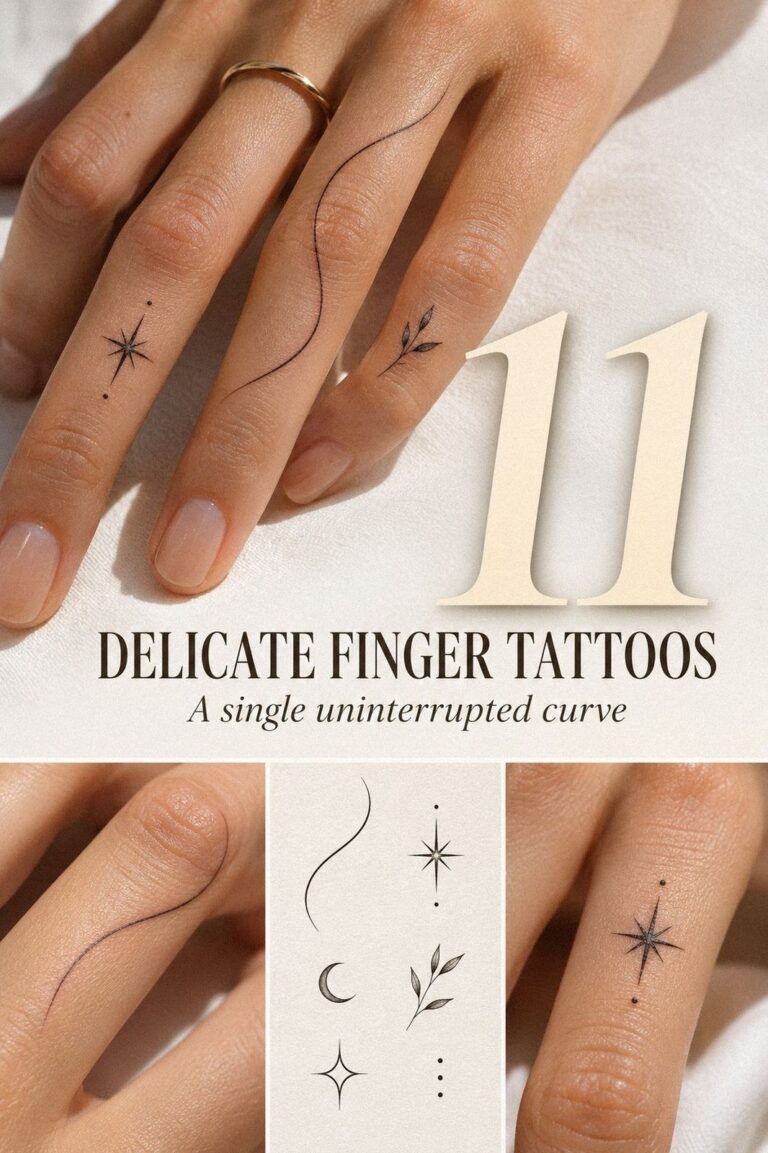
The Finger Fade Rule keeps the design spare. A tiny single-needle linework piece can look striking on the side of your finger, especially when it uses one crescent, sprig, or symbolic mark instead of several crowded details. You’ll want the shape to follow your finger’s natural length, not fight it.
Finger skin gets plenty of friction from washing, gripping, and sunlight. I’d choose a crisp deep-olive outline over pale grey shading here, because soft pigment can disappear faster on moving skin. It’s an understated choice, but it’s also practical.
Try a tiny terracotta crescent, a narrow initial, or three olive-toned dots that move toward the knuckle. You don’t need a large symbol to make the design meaningful. Your best version will probably be the one you can recognize instantly, even when the details soften.
If you’re comparing more placements before booking, browse these unique female tattoo designs for ideas that can shrink cleanly. A finger tattoo isn’t automatically painless, though. The skin is thin, and the knuckle can feel sharp, so I wouldn’t choose it just because the design is small.
2Does a Botanical Wrist Design Follow Your Movement?
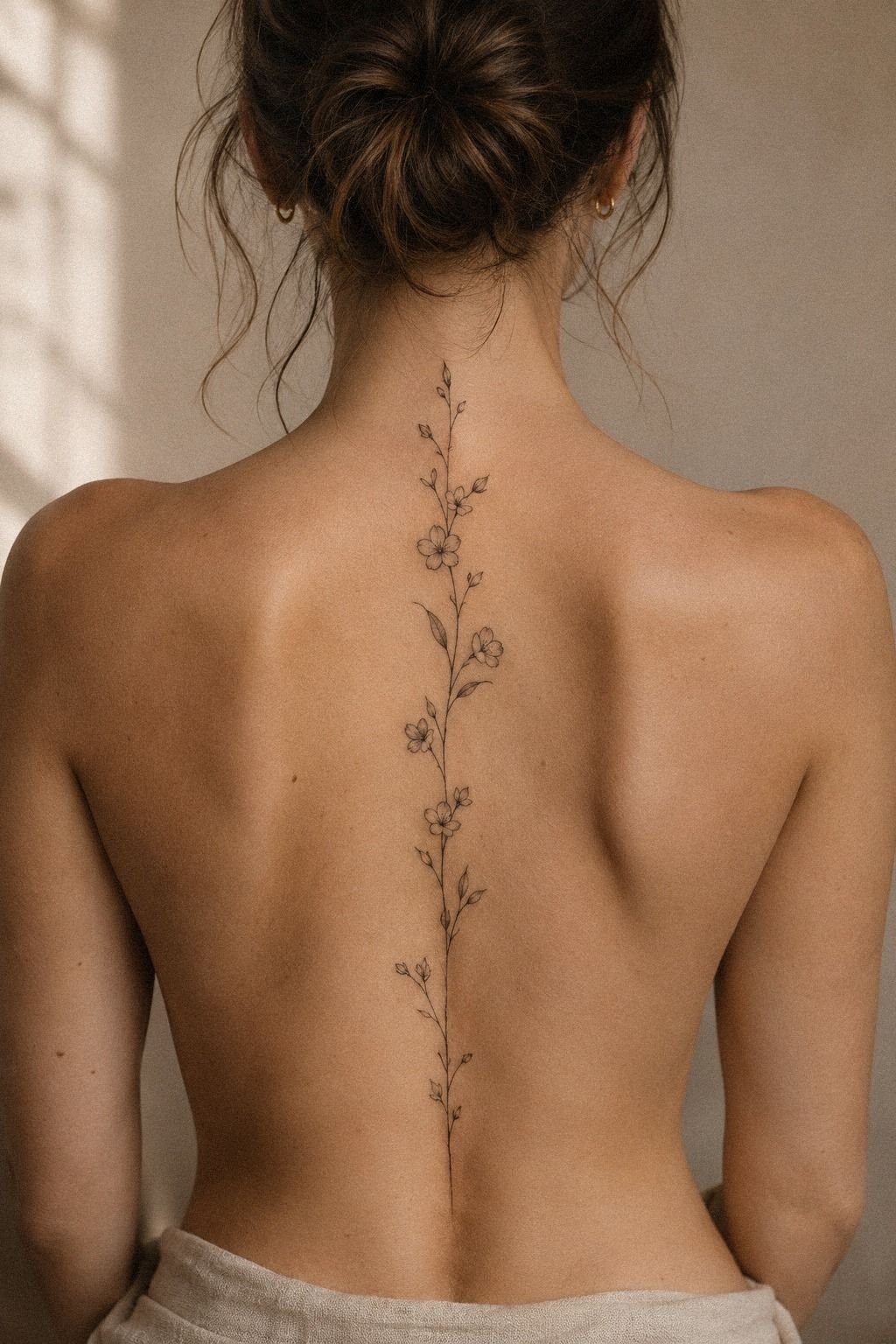
The Wrist Flow Test asks one question: does the stem move with your wrist, or does it look pasted across it?
3Behind-the-Ear Designs: Quiet, Edgy, and Personal
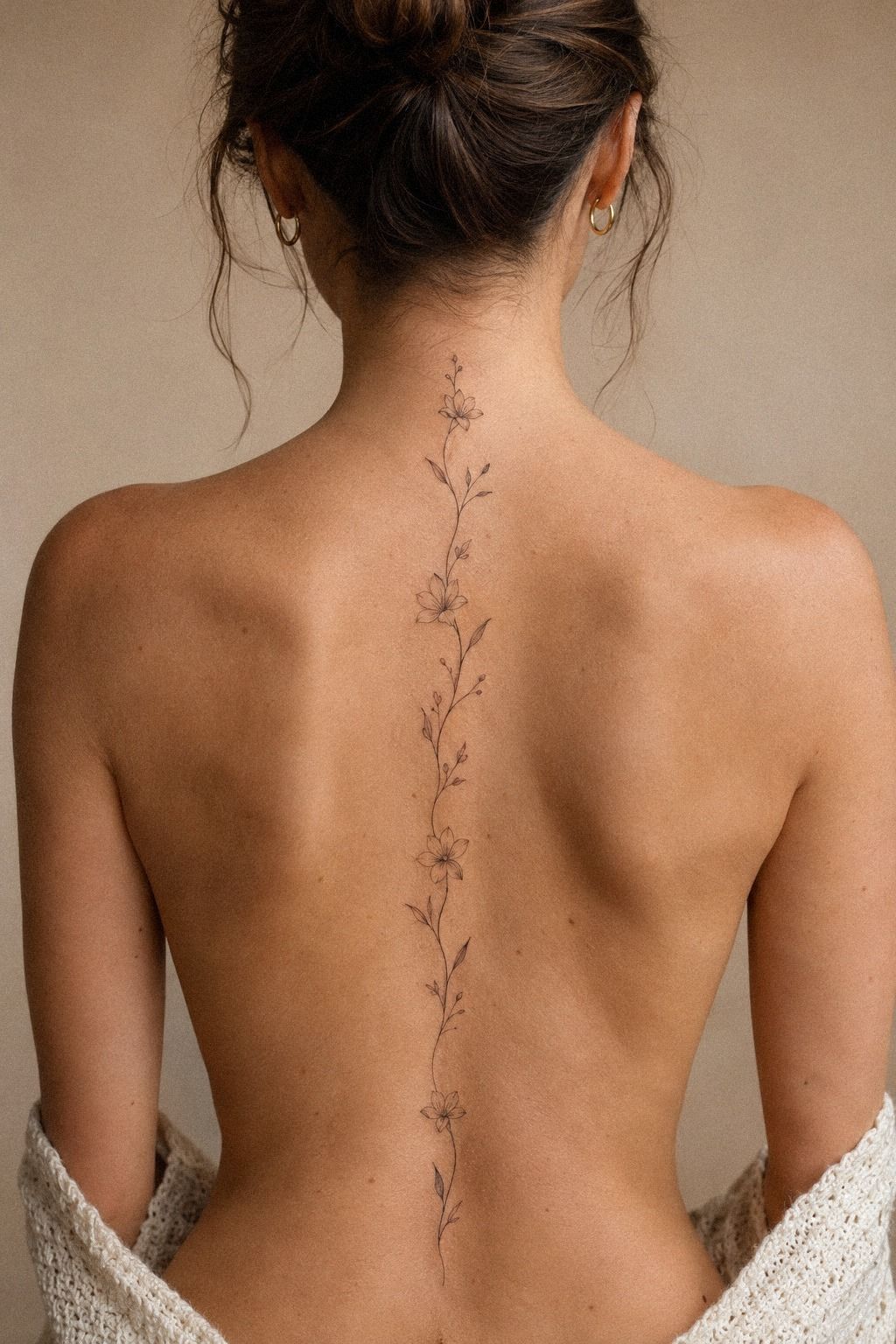
Behind the ear is made for a quiet, edgy mark. A hair-thin ink symbol can follow the curve beneath the ear, where a tiny star, wave, or abstract eye feels personal without demanding attention. Your artist can angle the design so it appears when your hair moves.
This placement has less space than you might expect. I’d skip a complicated animal or long quote and choose one clean silhouette instead.
A sharp little flame can look fierce, while a curved branch feels more ethereal. Both can work, but your final choice should have a strong outer shape.
The skin here can feel sensitive, and the machine may sound louder than you expect. That doesn’t mean your sitting will be long. A sterile single-use cartridge and a confident artist can keep the process focused, but you’ll still want a consultation first.
If you’re still collecting references, this tattoo designs pictures guide can help you compare silhouettes. I’d bring three favorites, not thirty. Your artist needs flexibility to adapt the design to the curve behind your ear.
4Build Movement with Fine-Line Stars
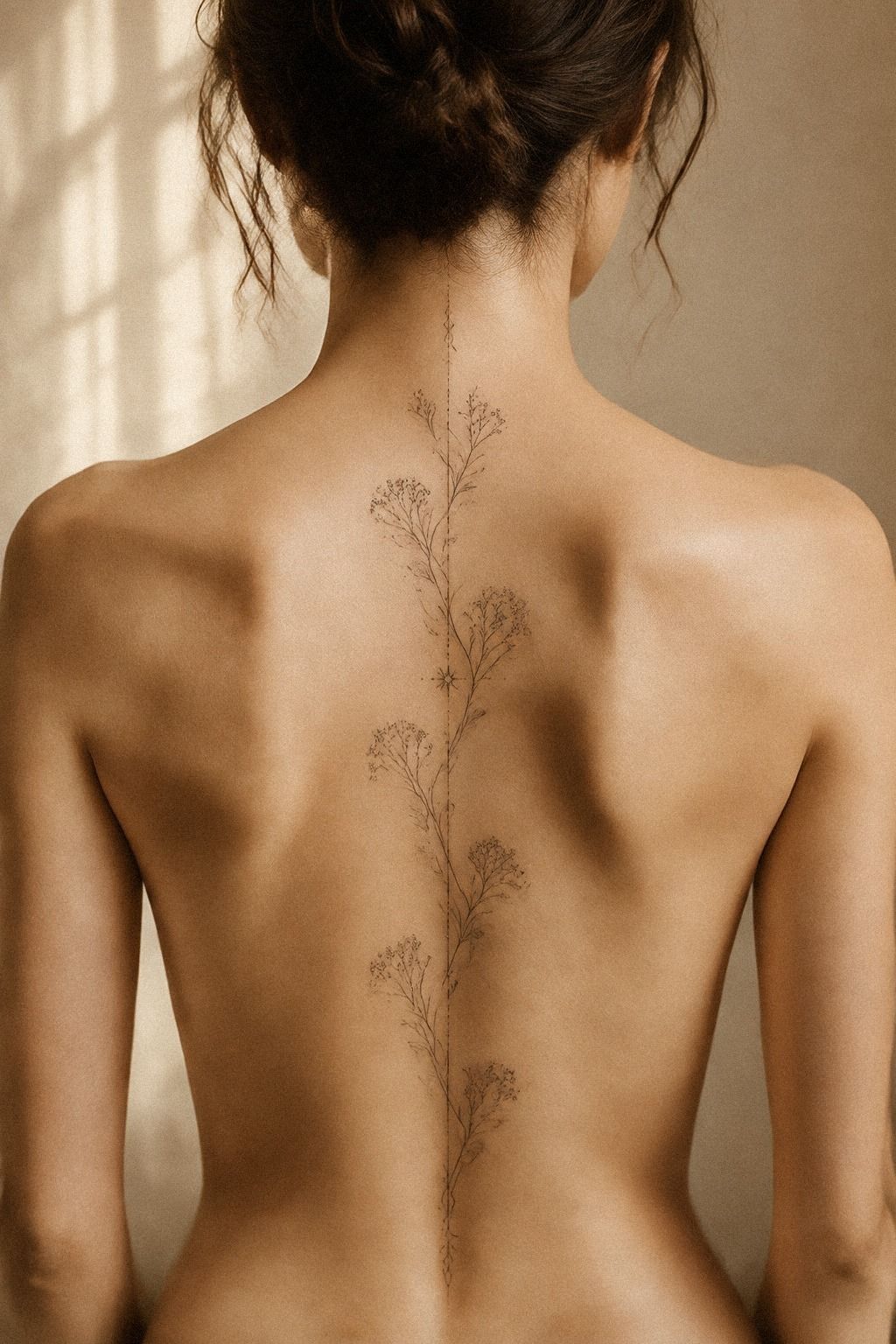
A star grouping gives you an easy way to create movement without adding heavy ink. A three-star arrangement can place different sizes along the forearm so your eye travels from the smallest point to the boldest one. It’s minimal, but it doesn’t feel flat.
I’d keep the largest star crisp and let the smaller ones stay simple. You’ll get a more polished result from open centers or clean five-point shapes than from tiny interior shading. The arrangement can feel playful, daring, or quietly romantic depending on the spacing.
The forearm is usually more tolerable than ribs, feet, hands, or sternum. That doesn’t make every sitting comfortable, but it gives you a sensible option if you’re nervous. Your artist can also show you how the stars will sit when your arm turns.
For established style references, save a few options from these top rated tattoo designs. I’d avoid lining the stars in a perfectly rigid row. A slight change in scale makes the design feel expressive instead of stamped.
5Give a Collarbone Tattoo Meaning
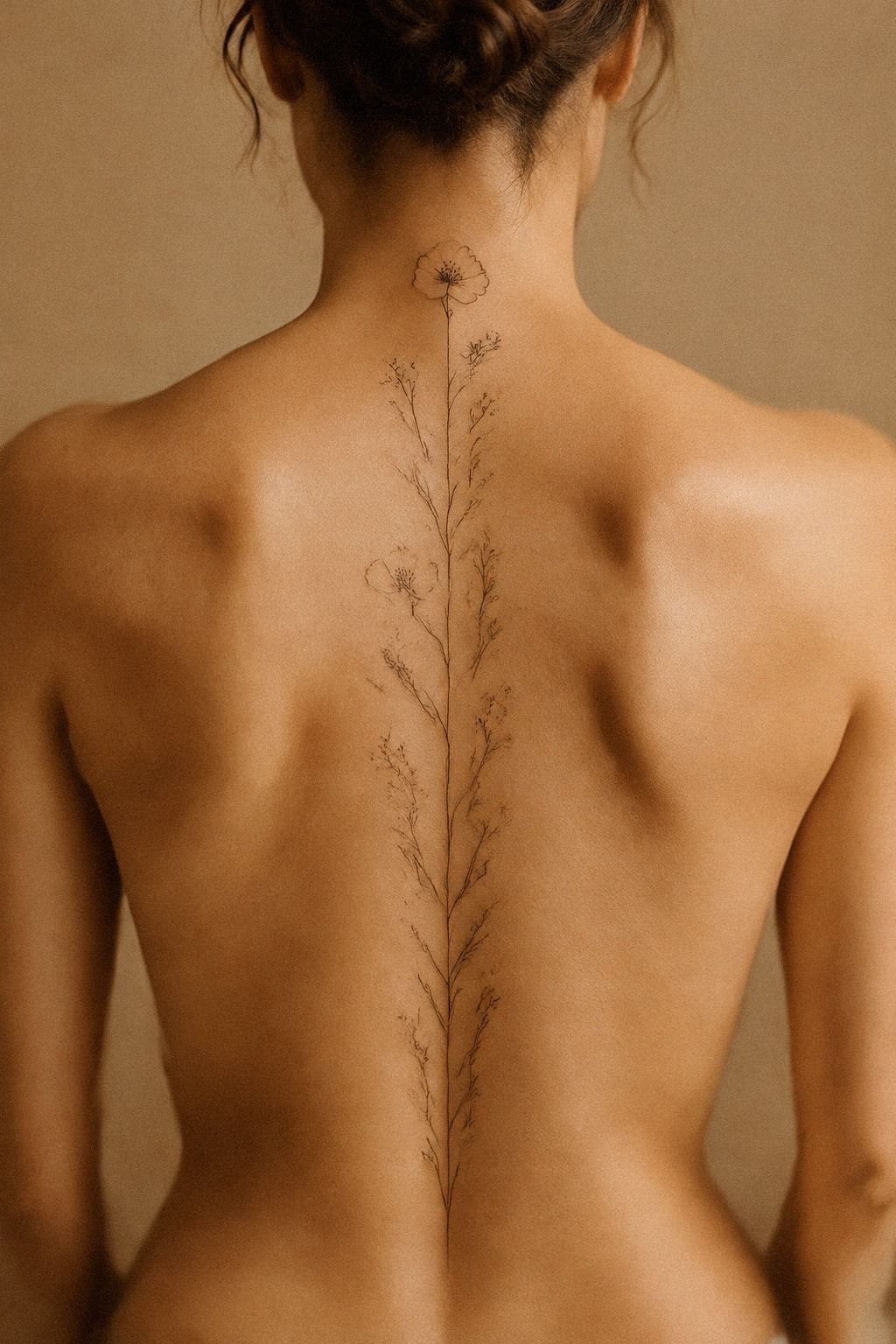
A collarbone design can be meaningful without becoming sentimental. On a traditional tattoo flash sheet, look for symbols that still read when reduced: a key, a small moth, a thorned stem, or a single word in crisp lettering. Your favorite idea should carry a memory you’ll still respect later.
This placement suits a horizontal composition because the collarbone gives you a natural guide. I’d choose a delicate line with one darker anchor rather than a completely weightless mark. The contrast makes the tattoo elegant and helps the eye understand its shape.
Collarbones can feel bony and sensitive, especially near the center. You’ll want to discuss the exact position with your artist before the appointment. A slightly lower placement may be easier for you, while a higher one can make the tattoo more visible with open-neck clothing.
I made the mistake of choosing symbolism only because it looked pretty. Don’t repeat that.
Use this tattoo designs that have meaning guide to find an idea that connects to your own story. Your strongest tattoo won’t need an explanation every time someone sees it.
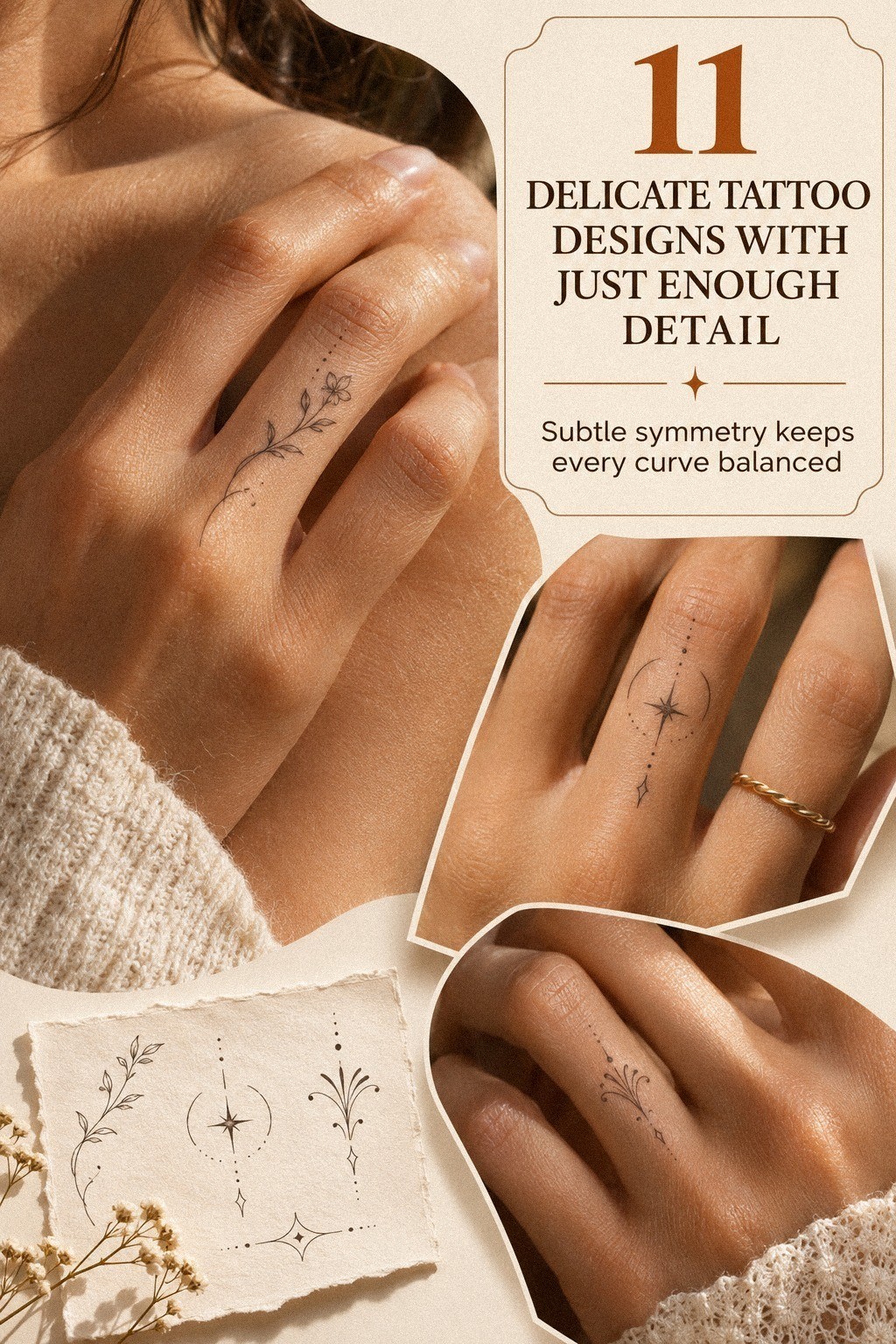
6Let Nature Shape a Tiny Tattoo
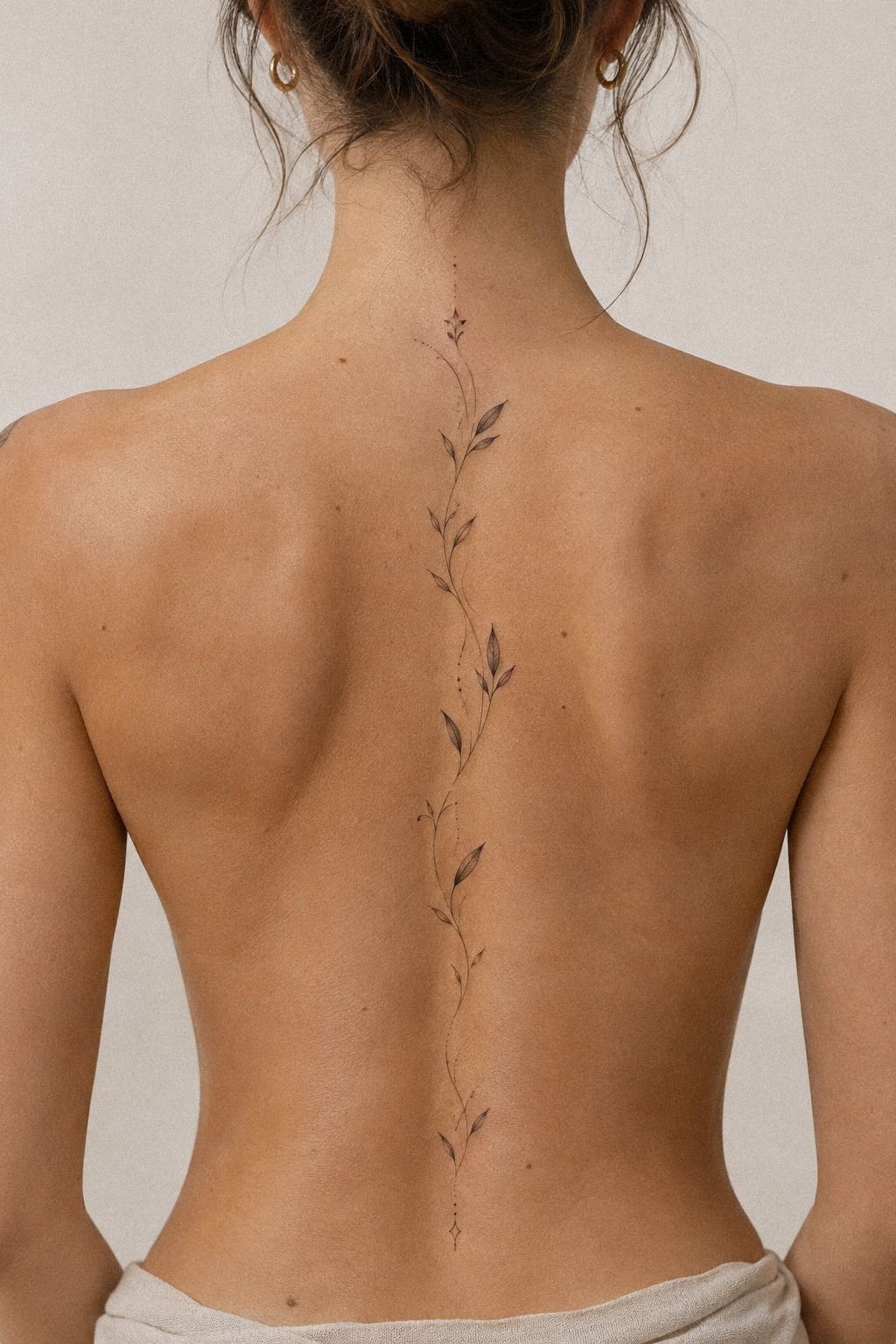
Nature gives you plenty of shapes that can stay readable at a small scale. A tiny nature motif can be symbolic, graceful, and personal without requiring a complicated design.
7Why Choose a Ribcage Tattoo Despite the Intensity?
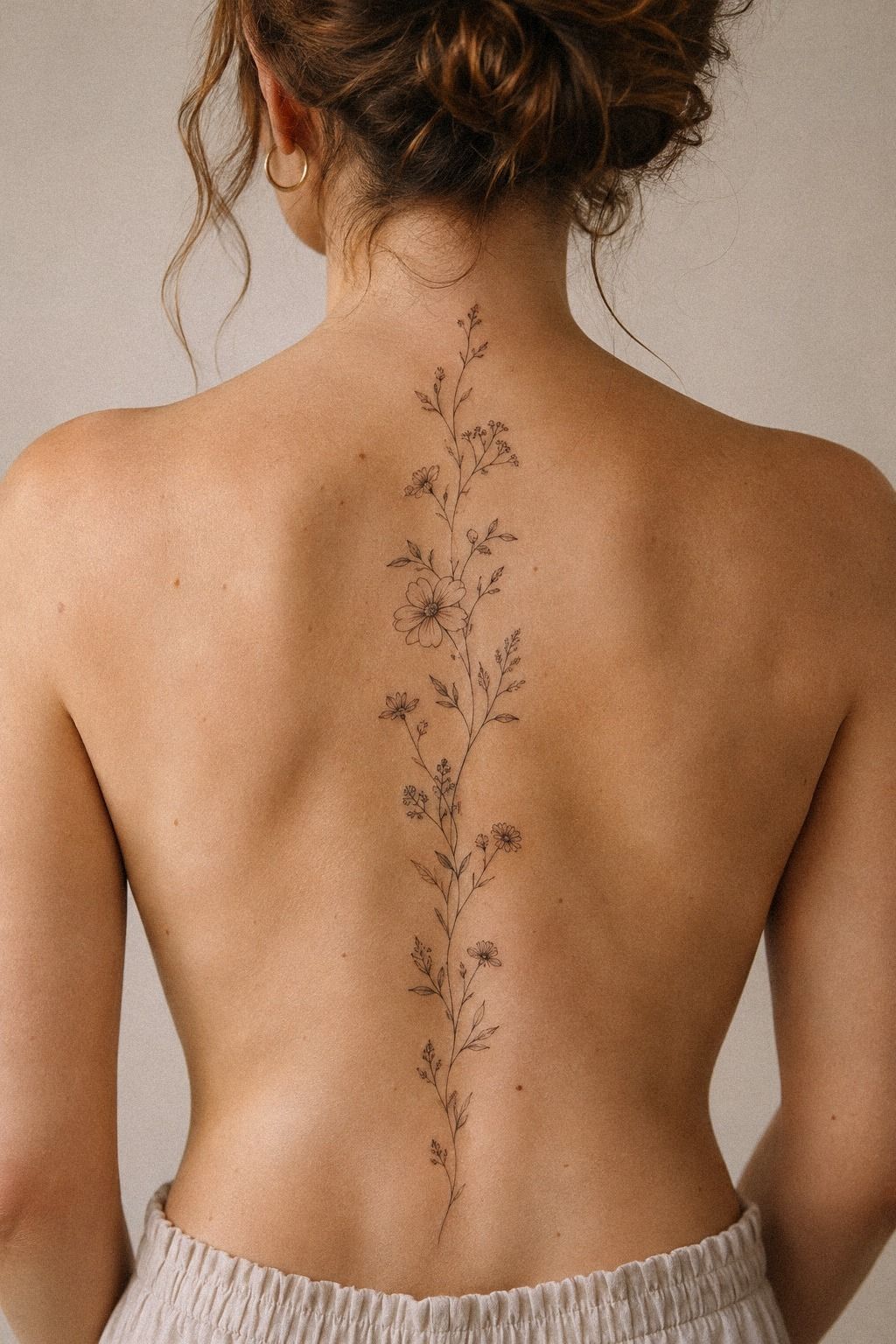
Rib tattoos can look incredibly graceful, but the placement is often more intense because the skin sits close to bone. A fine-line rib vine can follow the natural curve from the side of your chest toward your waist. Your design will feel more flowing when the stem has space to taper.
I’d choose a narrow branch, little moon phases, or a symbolic phrase with generous spacing. You don’t need a thick border to make it visible. The ribcage already creates a strong boundary, so your artist can keep the linework quiet and refined.
Wear loose clothing for the appointment and plan your aftercare before you arrive. A soft cotton shirt won’t scrape the area, and you’ll be less tempted to adjust the fresh tattoo. It’s a practical detail, but your comfort affects how calmly you sit.
For color-led inspiration, compare delicate work with these watercolour tattoo designs, then remove the color and keep the strongest outline. I’d skip dense rib shading if your goal is a shorter sitting. Your body will thank you!
8The Upper Back Holds Symbolic Linework Well
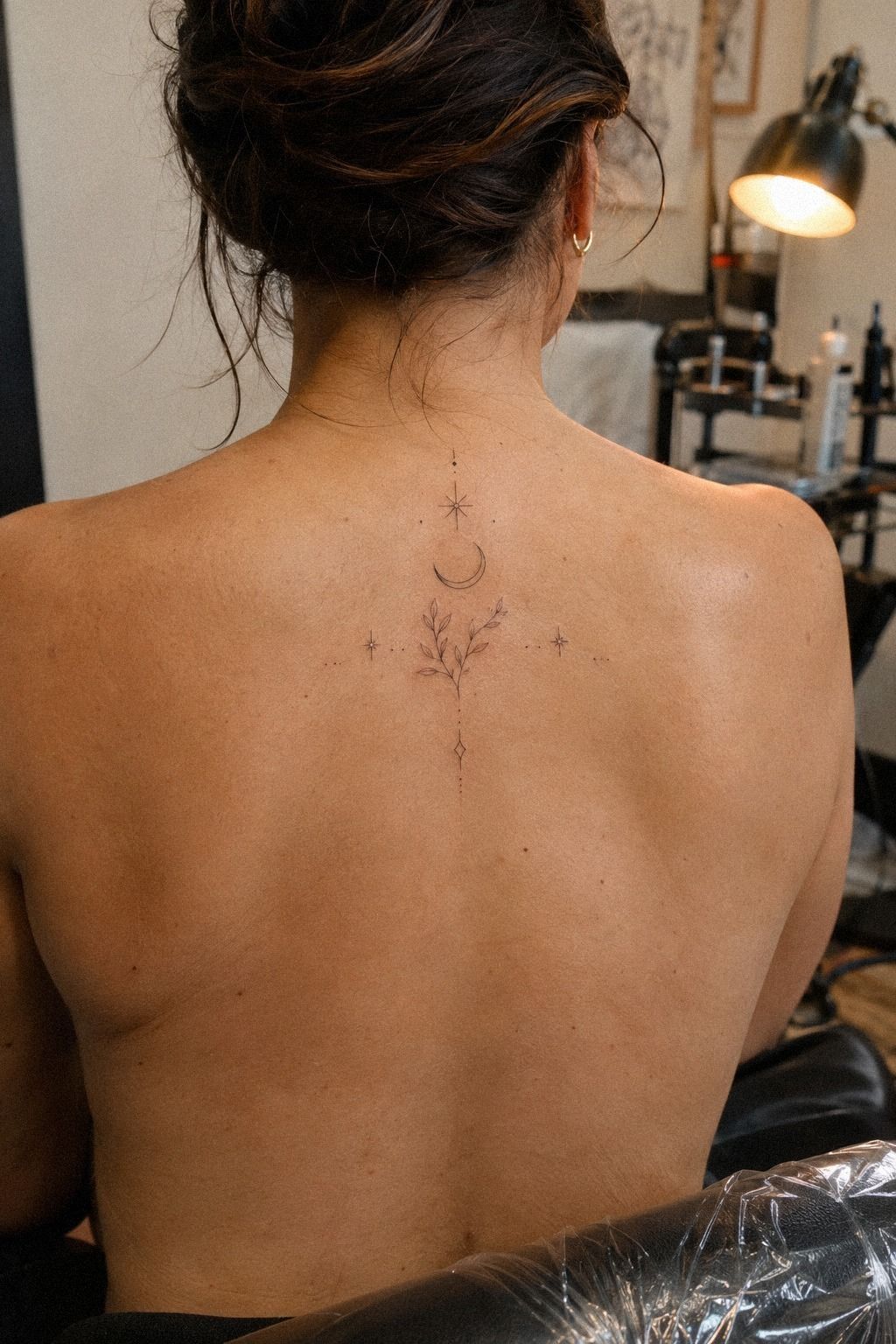
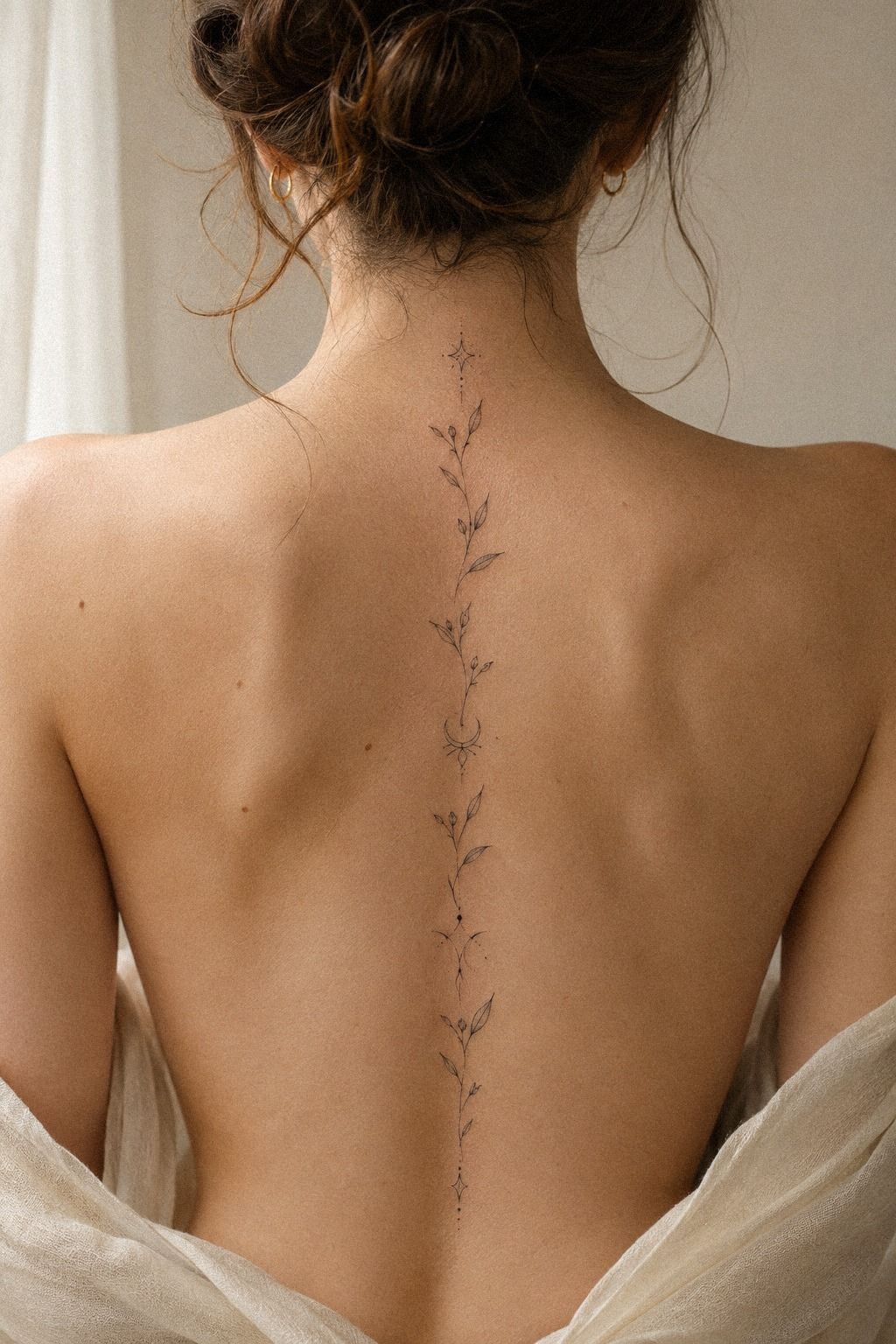
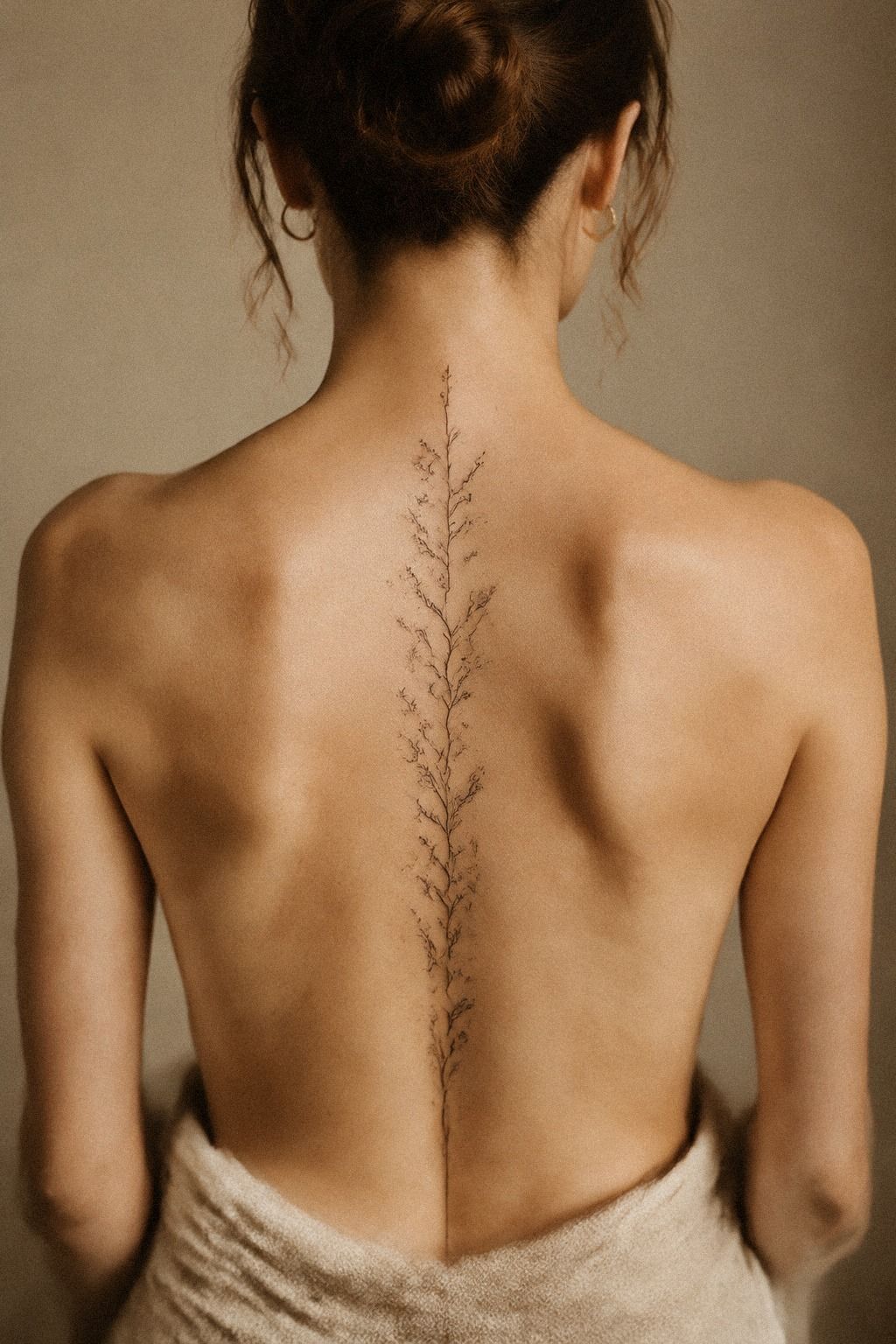
Symbols work beautifully on the upper back because you can keep the scale small while giving the mark enough open skin around it. A single-needle compass can suggest direction, while a tiny lock, sun, or protective eye can carry a more personal meaning. Your choice should feel specific to you, not selected from a trend list.
The upper back is usually more forgiving than hands or feet, though everyone’s pain response differs. I’d place the symbol just below one shoulder if you want it visible in a tank top, or closer to the spine if you prefer something private. Both options create a different mood.
A thin black outline will usually hold its identity better than a cluster of grey details. You’ll want your artist to explain how small the symbol can go without losing its openings. What good is a delicate design if the center fills in?
If the meaning matters most, explore these tattoo designs meanings for guys even if you’re choosing a feminine or neutral style. Meaning isn’t assigned by gender. Your symbol can be sacred, raw, or quietly empowering.
9Wrap an Ankle Motif with a Clean Curve
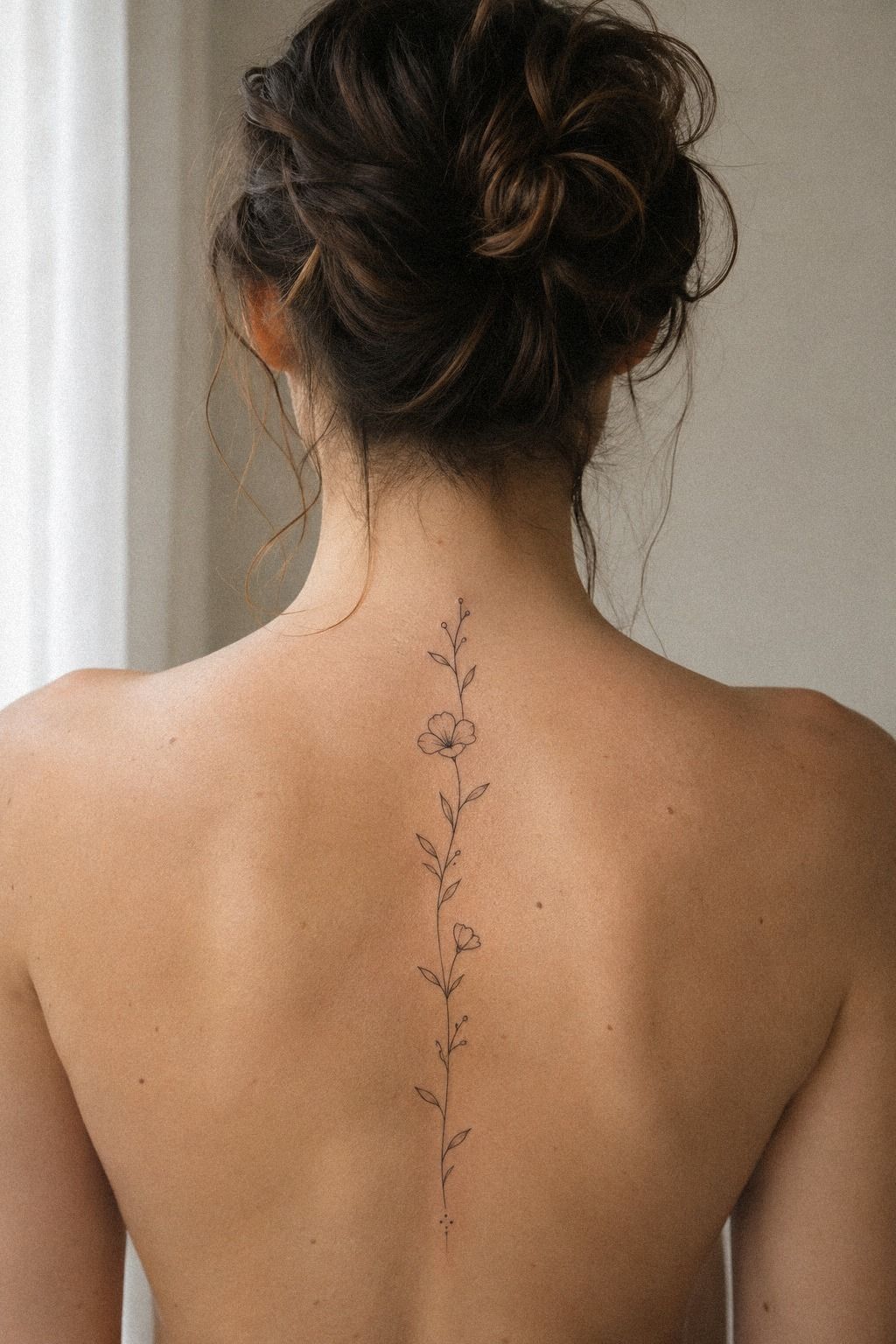
An ankle tattoo can look sleek when the design wraps slightly instead of sitting as a stiff stamp. A fine-line ankle chain with one tiny charm gives you movement, while a narrow botanical curve feels more understated. Your artist can use the ankle bone as the center of the composition.
I’d avoid placing the most detailed section directly over the ankle bone. That area can feel sharper during the sitting, and the design may look uneven when your foot changes position. A little offset gives you a more comfortable experience and a cleaner visual line.
Choose a crisp motif that can survive daily socks and shoe friction. Midnight-blue botanical ink works well here because it gives the design a clear edge without requiring broad shading. You’ll still need to protect it from the sun after healing, especially if you wear sandals often.
If you’re comparing small placements, these unique delicate tattoo designs can help you see how simple shapes translate across the body. I’d choose the ankle only if you’re willing to follow aftercare carefully. A beautiful idea can age poorly when friction and UV exposure get ignored.
10Match with a Best Friend Without Copying
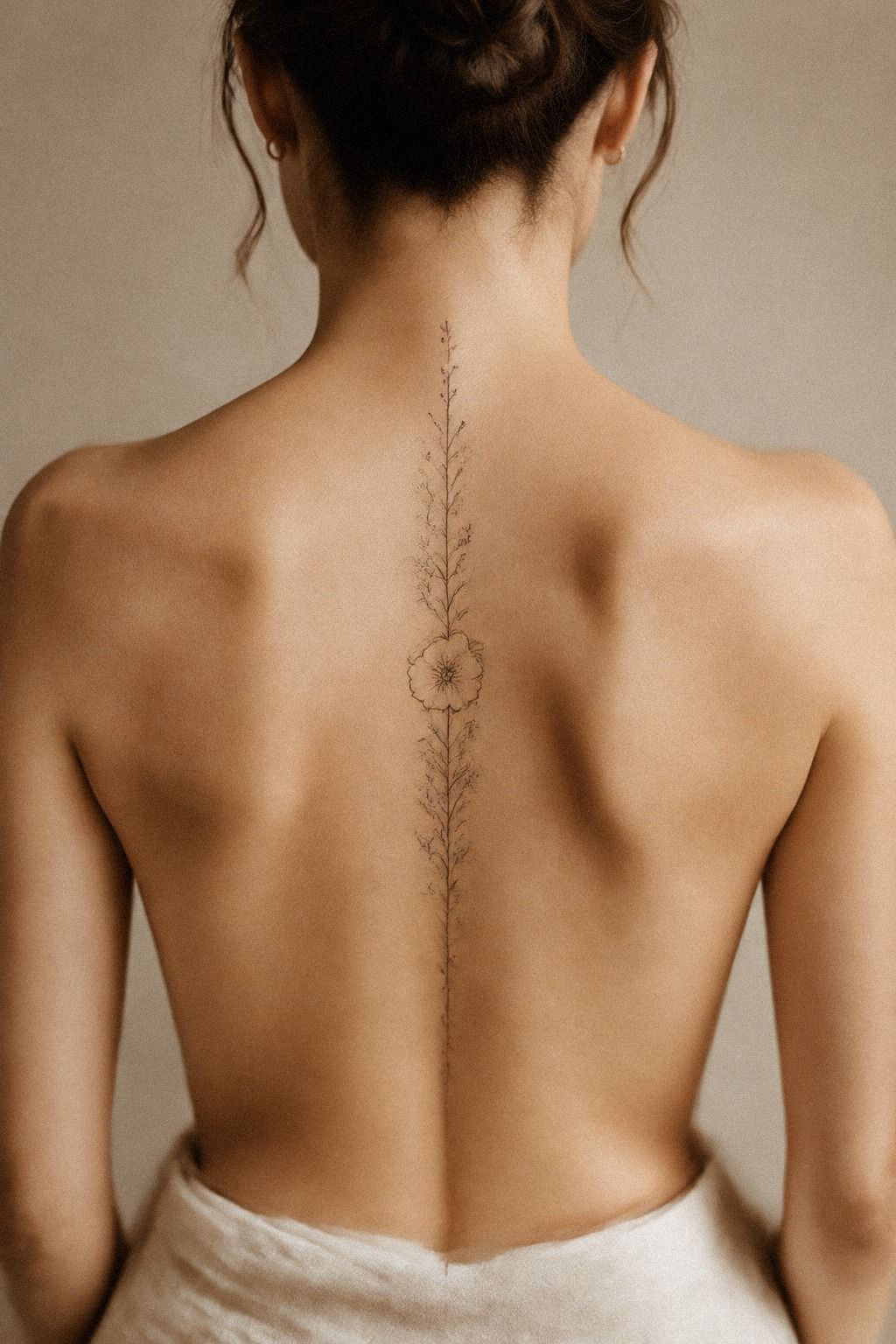
Matching tattoos don’t need to be identical to feel connected. The strongest pairs use a shared symbolic language rather than a duplicated picture. One person might choose a crescent while the other chooses a star, creating a relationship without forcing perfect symmetry.
I like paired symbols that complete each other, such as two halves of a star, separate initials, or tiny lines that meet when your wrists touch. A bold matching phrase can feel limiting, so I’d choose a mark with enough meaning for both of you.
Use the same artist if possible, especially when you want the line weight to match. You’ll also want to agree on placement before booking. One person choosing the forearm and the other choosing the ribcage can create different healing experiences and pain levels.
For more references, browse these classic tattoo designs together. I’d avoid copying a design just because it looks stylish. Your friendship deserves something personal, playful, and recognizable even if the tattoos aren’t perfectly identical.
11Keep Tiny Animals Clear and Expressive
Tiny animals can be delicate without looking childish. A small animal silhouette can feel whimsical, expressive, and meaningful when the outline stays open.
The Honest Fine-Line Tradeoff
I used to think the smallest tattoo would automatically be the easiest tattoo. That wasn’t true. A tiny piece can feel sharp on the fingers, ribs, feet, or sternum, while a slightly larger design on the upper arm or forearm may be much more tolerable.
Your body decides the pain level, not the thumbnail.
The second lesson is about aging. Very fine lines can spread as skin changes, and pale details may soften faster than solid black.
That doesn’t make delicate work a bad idea. It means you should choose an artist who understands fine-line spacing, line weight, and healed results.
I’d rather have a crisp symbolic shape than a crowded miniature illustration.
The third lesson is emotional. Your first idea doesn’t have to be your final idea, and you don’t need to prove anything by choosing the most painful placement.
A healed reference portfolio is more useful than a dramatic fresh result. Ask how the artist handles touch-ups, adapts designs to your skin, and explains aftercare.
For me, the best fine-line tattoo is the one that still makes sense after the novelty fades. It’s personal, crisp, and easy to recognize.
A clear aftercare plan matters just as much as the design itself. If you’re unsure, save your references for a week, then look again.
Choose Placement Before Style
Placement should guide the design, not the other way around. A body-map stencil lets you compare visibility, movement, friction, and pain before you commit.
Ask yourself whether you want to see the tattoo every day. The wrist and forearm are expressive and visible, while the upper back and behind-the-ear area feel more private.
Neither choice is better. They simply tell different stories.
You’ll also want to consider work, clothing, sun exposure, and future tattoos. A striking mark can lose its impact when squeezed into a spot that doesn’t suit its proportions. I’d rather resize a design than force it into the wrong location.
If you’re comparing options, these unique female tattoo designs can help you test how motifs change from one placement to another. The value is in the comparison, not in copying a finished piece.
What Actually Hurts Less?
Pain varies by person, but some areas are usually easier for a first sitting. A placement pain chart can help you prepare, although it can’t predict your exact experience.
Forearms, outer upper arms, thighs, and parts of the calf are often more tolerable than ribs, feet, fingers, sternum, and areas directly over bone. Movement and friction matter, too. A stylish ankle tattoo may be manageable during the session but harder to protect afterward.
Eat beforehand, drink water, and avoid arriving exhausted. You’ll sit more calmly when your body isn’t already asking for attention.
Tell your artist when you need a pause. There’s no prize for pretending you’re comfortable.
A shorter appointment may be worth it when you’re getting your first tattoo. These top rated tattoo designs can help you compare simple shapes that don’t require a long sitting. That distinction matters!
A Budget That Still Respects Good Work
The cheapest quote isn’t always the best value. You’re paying for hygiene standards, experience, design preparation, placement judgment, and the artist’s ability to create clean healed work. A polished result is worth protecting with a realistic budget.
These figures vary by city, artist, and minimum charge. Ask whether the consultation fee applies to the final price, whether a deposit is required, and whether touch-ups cost extra.
You’ll want the written quote before booking. A slightly higher price may offer better healed evidence and stronger design judgment, which can save you from an expensive cover-up later. Don’t skip that conversation!
Aftercare Is Part of the Design
Your tattoo’s final appearance depends on what happens after the appointment. A fragrance-free cleanser and the moisturizer recommended by your artist are usually enough for basic care.
Wash gently, pat the area dry, and avoid picking at flakes or scabs. You’ll need to skip prolonged soaking, swimming, and direct sun while the surface heals. Tight clothing can also irritate a fresh placement.
The surface commonly heals in about two to three weeks, but the deeper skin may take two to three months to settle. Your tattoo may look darker, duller, or slightly uneven during that period. That’s normal, but you should contact your artist if something seems unusual.
Follow the instructions you’re given, even when online advice conflicts. A healed tattoo check-in can tell you whether a touch-up is needed. Patience protects the crisp, polished quality you paid for.
Let the Symbolic Core Lead
A small tattoo has less visual space, so the symbolic core needs to earn every line. Remove the detail that only looks impressive in a large reference image.
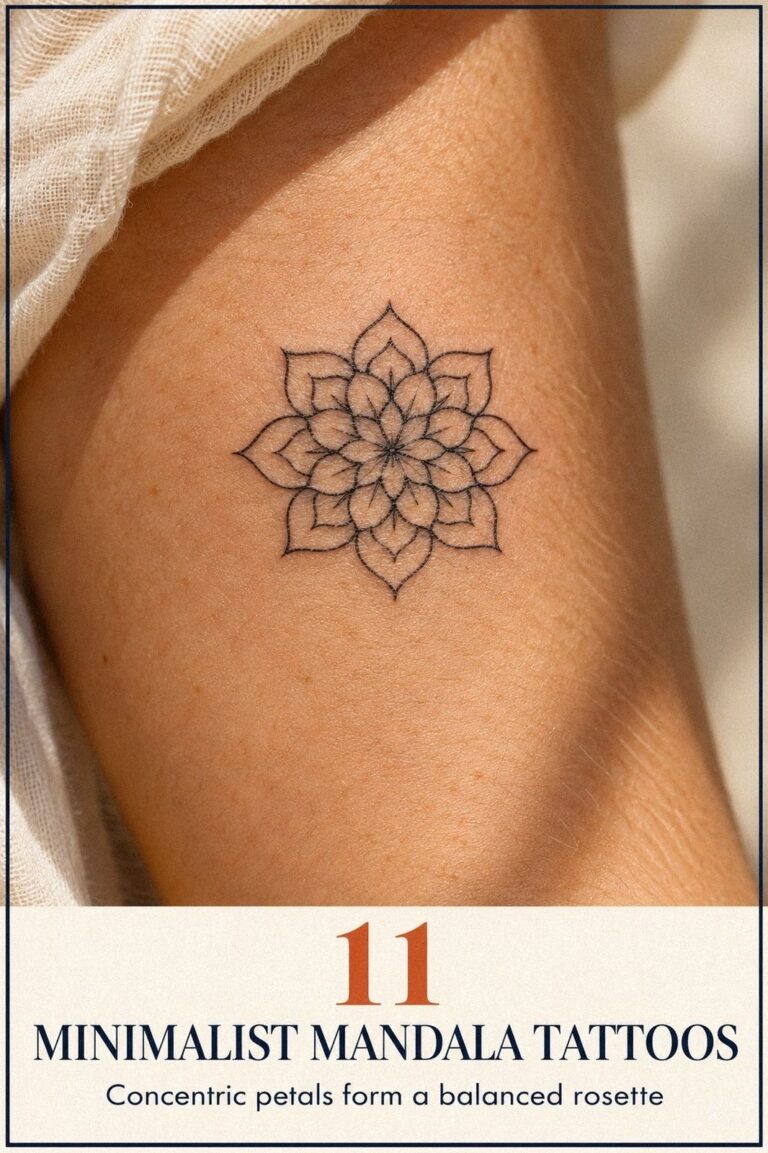
A negative-space design often ages more clearly than a crowded miniature. Open gaps help the mark breathe, while a single strong contour keeps it iconic. Your artist can tell you which details will survive at the size you want.
This approach works for feminine, masculine, or neutral motifs. A vintage key, a sacred star, or a haunting little moth can all feel powerful when the meaning stays specific to you.
Read the Healed Result Before You Commit
Fresh tattoos can look vibrant and sharp, but healed work tells you much more about an artist’s real line control. Ask to see tattoos after several weeks, especially for fine-line designs.
Discuss a touch-up plan before you book. Some delicate tattoos need a small refresh, while others remain clear without one. Knowing the possibilities helps you choose a realistic size, placement, and budget.
A Few Things Worth Answering
Where can I buy delicate tattoo designs, and do I need a disclosure?
You don’t need to buy a tattoo design from a retailer. Book a licensed artist, bring references, and ask for a custom consultation.
Original artist flash may have a fee, but there’s no affiliate purchase involved. Your artist should explain ownership and reuse before the appointment.
You can browse tattoo patterns designs for visual direction, but you shouldn’t copy another artist’s custom work without permission. A respectful consultation protects you and the artist.
How much do delicate tattoo designs usually cost?
A small tattoo commonly costs about $100 to $300 in the United States, depending on size, placement, artist, and region. Many shops have a minimum of roughly $50 to $100, while hourly rates often fall around $100 to $250.
Your final quote may be higher in a major city or with a sought-after specialist. Ask whether the consultation, deposit, and possible touch-up are included. You’ll want the price in writing before booking.
Are delicate tattoo designs a good idea for a first tattoo?
Yes, they can be a strong first choice when you select a sensible placement and a clear shape. Small meaningful linework lets you test how you feel about visible ink without committing to a large composition.
Your artist should still show healed work, explain pain by placement, and discuss aftercare. I wouldn’t choose fingers or ribs solely because the design is small. A forearm, upper arm, or shoulder may be more tolerable.
How do I choose a tattoo artist for delicate tattoo designs?
Choose an artist whose portfolio shows clean fine-line work in healed examples, not only fresh tattoos. Healed portfolio evidence tells you whether the artist’s spacing and line weight remain readable.
Look for strong hygiene practices, clear consent forms, and a style that matches your reference. You’ll want to ask about the needle configuration, ink, touch-ups, and how the artist adapts designs to your skin.
How much do delicate tattoo designs hurt?
Pain varies, but ribs, feet, hands, and sternum are often more painful because they sit close to bone or experience frequent movement. Forearm placement is commonly more tolerable, as are the thigh and upper arm.
Your appointment may feel scratchy, hot, or sharp rather than unbearable. Tell your artist if you need a pause. I’d choose a shorter sitting for a first tattoo so you can learn how your body responds.
How long do delicate tattoo designs usually take to heal?
The surface usually heals in about two to three weeks, while complete healing can take roughly two to three months. Fragrance-free cleanser and a thin layer of recommended moisturizer are usually part of basic aftercare.
You’ll need to avoid picking, prolonged soaking, swimming pools, and direct sun while the skin recovers. Your artist’s instructions come first, especially if they use a protective film or recommend a specific washing schedule.
What’s the best placement for delicate tattoo designs?
The best placement depends on your pain tolerance, visibility preference, and how much friction the area gets. Upper arm placement is often practical because it’s easier to protect, while the forearm gives you more daily visibility.
Hands, fingers, ankles, and feet can be stylish but may experience more wear from washing, shoes, and UV exposure. If you’re undecided, ask your artist to stencil two placements so you can compare them on your own body.
For more ideas before you book, revisit these tattoo designs that have meaning and consider which symbols still feel personal after a few weeks.
Where I’d Start First
If I had to pick one, I’d start with the botanical wrist design. Its curved botanical stem gives fine-line work a natural path, and the placement is easier to protect than fingers or feet. Pin it for later, then compare the healed portfolio before you book your artist.
A simple placement test can save you from an expensive regret. Try the stencil at two sizes, check how it moves when you bend your wrist, and choose the version that still feels balanced. That’s usually better value than chasing the tiniest possible mark.
For a final round of references, compare classic tattoo designs with tattoo designs pictures. Then stop browsing. The right design should feel personal, clear, and worth the commitment.