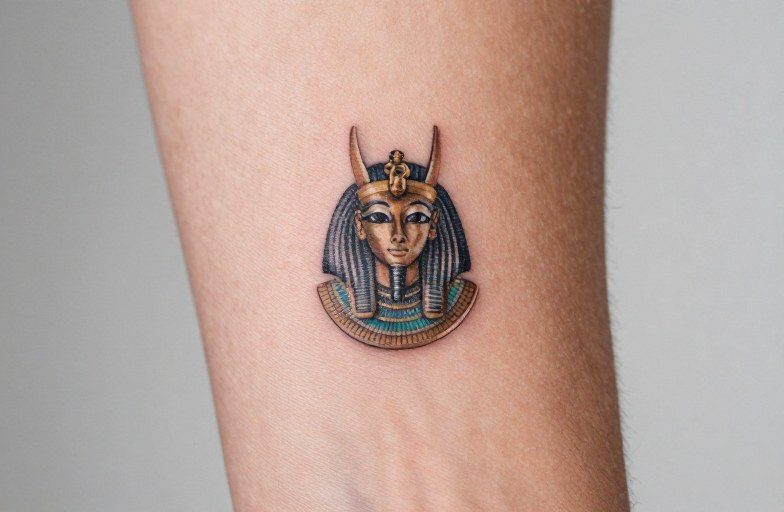
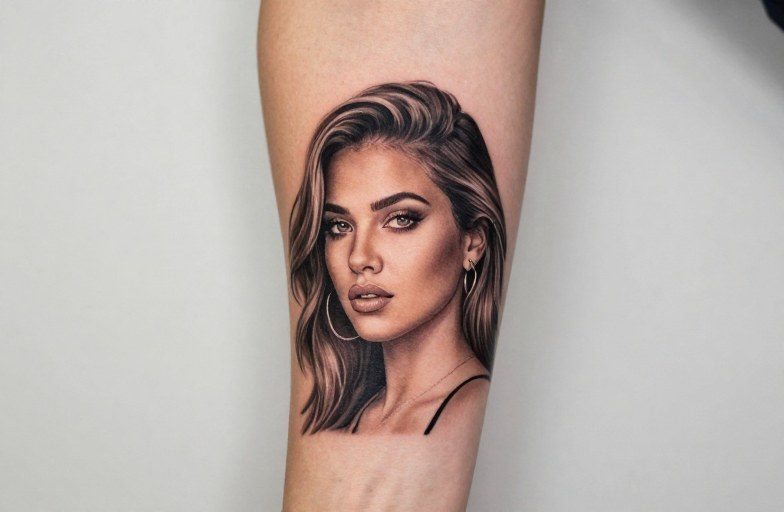
Choosing a tattoo means sorting through endless reference images and figuring out what will actually work on your body, not someone else’s. The real decisions happen before you sit in the chair: how designs age, where ink holds up, and which styles stay readable as your skin changes. Here is what to weigh carefully.
Choosing What Stays Readable
Design Longevity Over Trend Cycles
Single-needle work with minimal saturation often fades within three to five years on areas with any sun exposure. Bold lines hold. Sufficient black ink in the design gives your tattoo structure even as color shifts. Ask yourself: will this still read clearly when the details soften? A peony with solid outlines and packed black in the center stays recognizable; a purely ornamental fineline piece can become unidentifiable over time.
Scale to Your Actual Body
Designs that look balanced on a tall frame can overwhelm a smaller wrist. Tiny tattoos on larger bodies can read as accidental marks from a distance. Bring printed references sized to your dimensions. A skilled artist will stencil multiple sizes and let you live with them briefly before committing. The ribcage, hip, and upper thigh offer generous space for medium-to-large pieces that flow with curves rather than fighting them.
- Avoid text smaller than roughly 10-point font; it bleeds and becomes illegible
- Symmetrical designs on asymmetrical body parts rarely sit right
- Consider how the piece interacts with bras, waistbands, and sleeve lengths
- Black and gray ages more predictably than color on most skin tones
Matching and Building Collections
Sister and Friendship Sets
Matching tattoos between women work best when thematically linked rather than identical. Two snakes coiling in opposite directions, matching constellations from different hemispheres, or complementary florals from the same genus carry connection without demanding perfect symmetry. Identical small tattoos on different bodies age differently based on placement and skin type, creating visual mismatches over time.
Building Cohesive Collections
If you plan multiple pieces, consider a unifying element: consistent line weight, a recurring motif like moths or moon phases, or a dedicated area such as one full sleeve or a thigh-focused arrangement. Scatter pieces across every limb without connection and the result can feel accidental rather than intentional.
Color That Actually Lasts
Color selection often defaults to soft pinks and pastels, but these fade fastest and can heal to muddy versions of themselves. Hormonal changes, including pregnancy and menopause, may affect skin texture and how ink settles, though individual responses vary widely.
Pigments That Hold
Deep jewel tones hold substantially better than pale washes. Yellow and white ink nearly disappear on lighter skin tones within five years unless aggressively packed. On darker skin, color needs to be bold and saturated to read; subtle gradients often disappear entirely. Black and gray with strategic color accents offers the most reliable long-term result across all skin tones.
Skin Tone Considerations
Very fair skin carries red and orange well but shows every blowout and imperfection. Medium and olive tones handle purples and blues beautifully. Deep skin makes black and gray pop with strong contrast, while pastels and neons generally waste money and pain. Always ask your artist for healed photos on skin similar to yours, not just fresh work.
Styles Worth Considering
Japanese and Neo-Japanese
Koi, cherry blossoms, and phoenixes adapted to female bodies flow well along ribcages, down hips, and across shoulders. The style’s reliance on bold outlines and saturated color means exceptional longevity. Be prepared for larger scale; Japanese work rarely succeeds at postcard size.
Botanical and Scientific Illustration
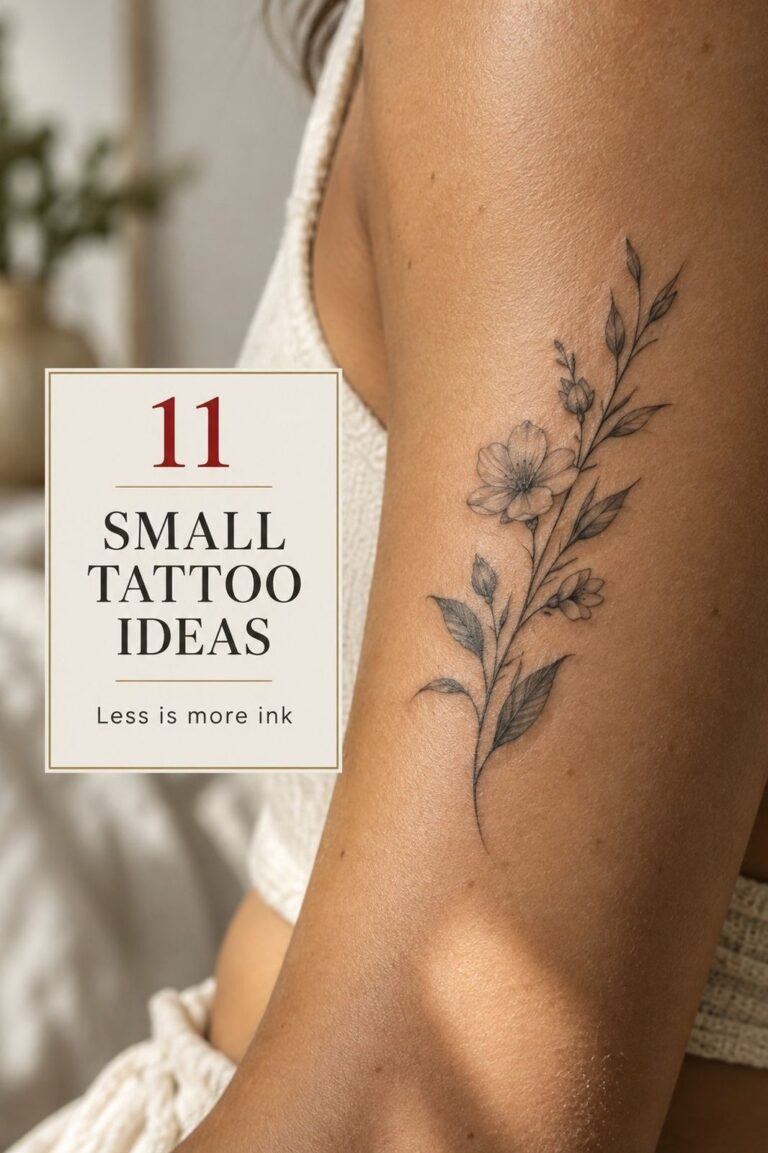
Detailed botanicals, drawn from vintage textbook plates rather than stylized cartoon flowers, suit those who want feminine subject matter without saccharine execution. Poppy, hellebore, and nightshade carry edge and symbolism while remaining beautiful. This style demands an artist with genuine technical precision; sloppy linework in detailed botanicals looks like a biology diagram gone wrong.
- Blackwork ornamental: mandalas and geometric patterns that use the body’s natural curves
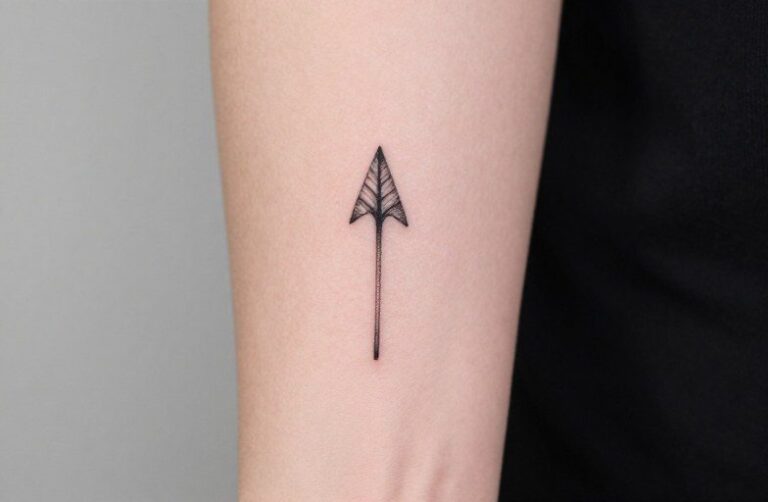
- Minimalist single-needle: high risk, high maintenance, requires touch-ups
- American traditional: bold, readable, built to last decades without distortion
- Contemporary black and gray: portraiture, animals, and surrealist compositions
Placement and Aging
Areas That Hold Up
The upper outer arm, outer thigh, and upper back see less sun exposure and skin stretching than chest, abdomen, or hands. These areas maintain tattoo clarity longest. The side of the ribcage offers dramatic canvas space but hurts significantly more and stretches with breathing and weight fluctuation. Hip tattoos often distort with pregnancy or even normal hormonal weight cycling.
Visible vs. Concealable
Forearm, wrist, and collarbone placements make statements but can limit professional options depending on your field. Behind the ear, inner bicep, and ankle offer personal visibility with easy concealment. The sternum and under-breast areas have grown popular; they frame the body beautifully but require careful artist selection for proper flow and proportion. Hand and finger tattoos face particular employment scrutiny and fade rapidly due to constant use and sun exposure.
First Tattoo Practicalities
Start With Manageable Commitment
Your first tattoo should not be a six-hour rib piece. Choose something that completes in under two hours, on a less sensitive area like the outer upper arm or calf. This lets you experience the sensation, your healing process, and how you feel living with permanent art without overwhelming investment. Some people find the reality less dramatic than anticipated and quickly plan larger work; others discover tattoos are not for them. Better to learn with a small, well-executed piece.
Research Beyond the Portfolio
Instagram shows fresh work under perfect lighting. Ask prospective artists for healed photos, especially on skin similar to yours. Visit the shop in person: cleanliness, artist demeanor, and whether they listen versus push their own ideas all matter. A consultation where you feel rushed or dismissed predicts a bad experience. Good artists understand how designs flow with curves rather than treating every body like a flat sheet of paper.
- Never price-shop for tattoos; cheap work is expensive to fix or remove
- Bring reference images but trust the artist’s technical adaptation
- Some people report increased pain sensitivity around menstruation; schedule accordingly if this applies to you
- Plan for touch-ups, but do not accept sloppy initial work as fixable later
What to Remember
The best tattoo is one chosen with clear eyes about permanence, executed by an artist who respects both the technical craft and your individual body. Trends come and go; your skin remains. Prioritize readability, placement that suits your actual life, and subject matter that genuinely resonates rather than performs for an audience. The most striking collections I have seen over decades belong to people who treated each piece as a deliberate addition to something cumulative, not a standalone statement chasing a moment.
Frequently Asked Questions
Do tattoos on women’s skin fade faster than on men’s?
Not inherently, but hormonal fluctuations, pregnancy, and areas prone to stretching can affect how ink settles and ages over time. Sun exposure matters more than gender for actual fading.
What’s the most painful placement for a first tattoo?
Ribcage, sternum, and inner thigh generally hurt most due to thin skin over bone or nerve clusters. The outer upper arm or calf offers the most manageable introduction to tattoo pain.
Can you get tattooed while breastfeeding?
Most reputable artists refuse to tattoo breastfeeding clients due to infection risk and lack of safety data. Wait until you have finished nursing, or consult your physician and a specific artist’s policy.