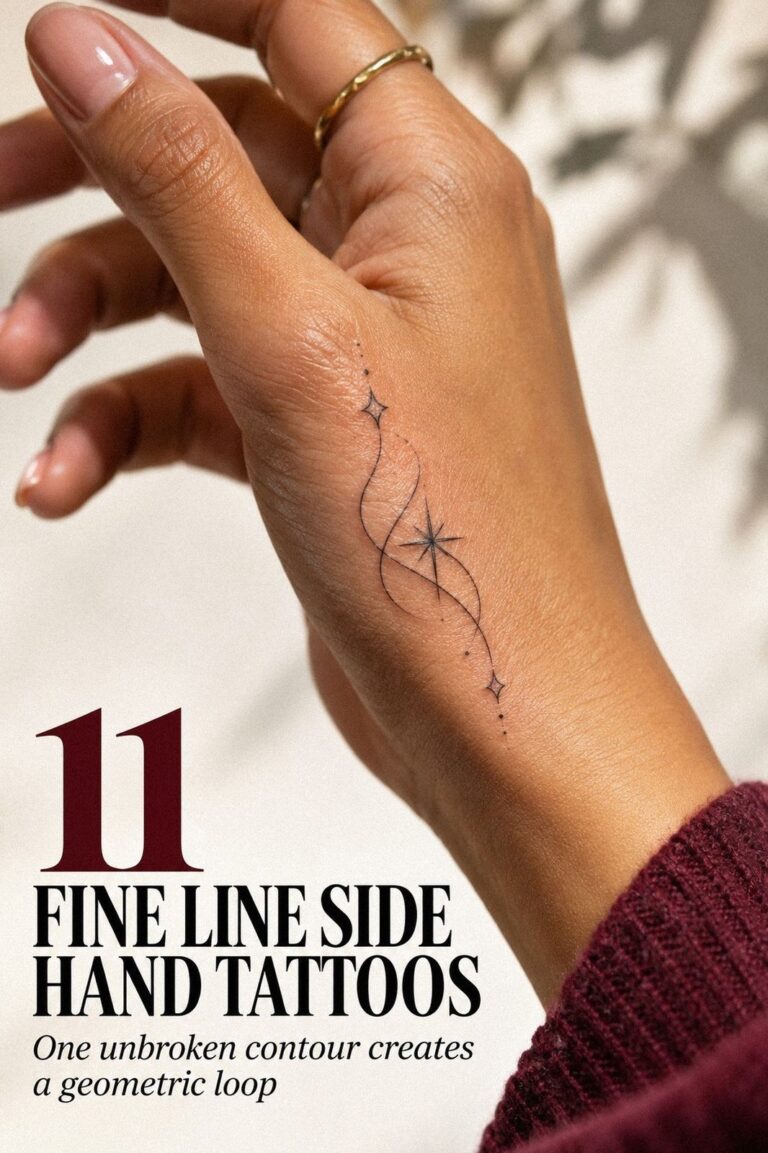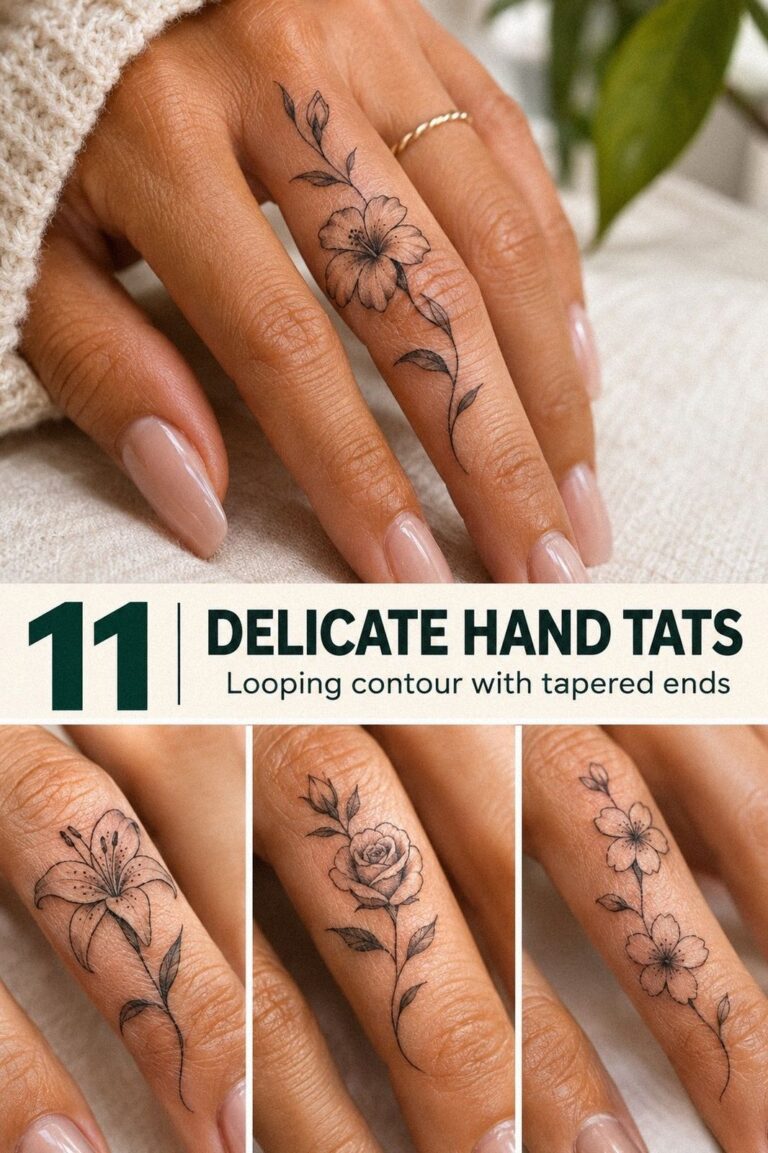
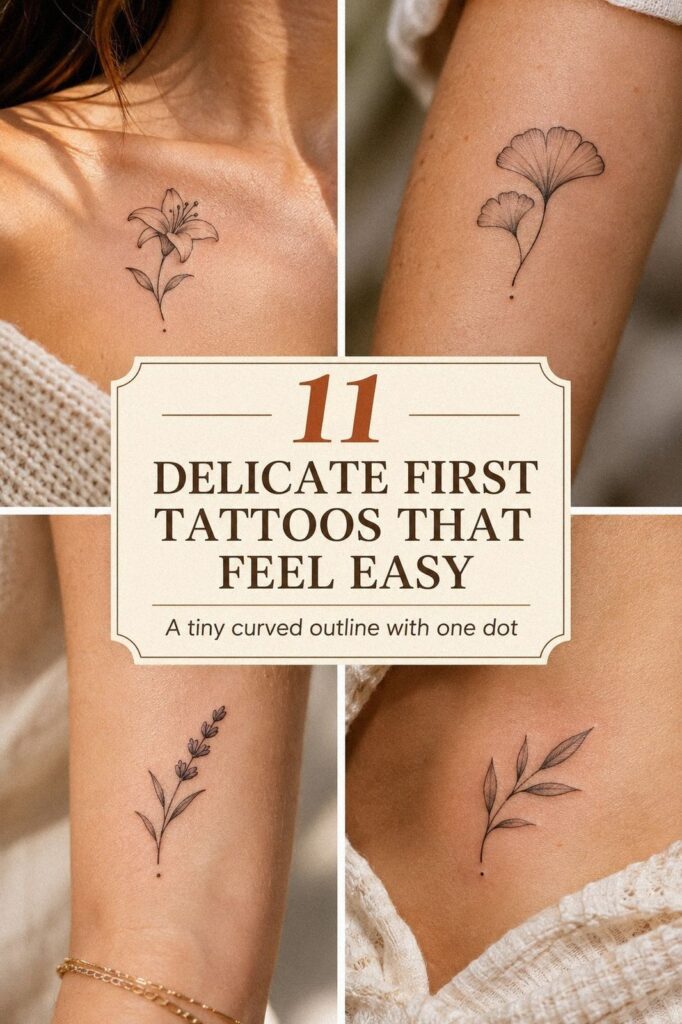
Delicate first tattoo ideas hold crisp lines best when you choose the right size, placement, artist, and aftercare before the appointment. I’ve learned that tiny details aren’t automatically safer. Your skin, sun exposure, and design spacing matter more than the word “delicate.” Start small, but don’t rush the planning!
- Start With A Tiny Botanical Linework Symbol
- A Meaningful Crescent Moon Design
- Where Should Your First Ink Go?
- Keep The Outline Crisp And Uncluttered
- A Personal Initial In Fine Script
- Finger-Side Ink: Bold Presence, Small Scale
- Sketch A Unique Constellation With Fine Lines
- A Dainty Flower With A Personal Meaning
- Is Behind-the-Ear Placement Right For You?
- Protect A Symbolic Tattoo Through Healing
- A Refined Concept, Not A Crowded Copy
1Start With A Tiny Botanical Linework Symbol
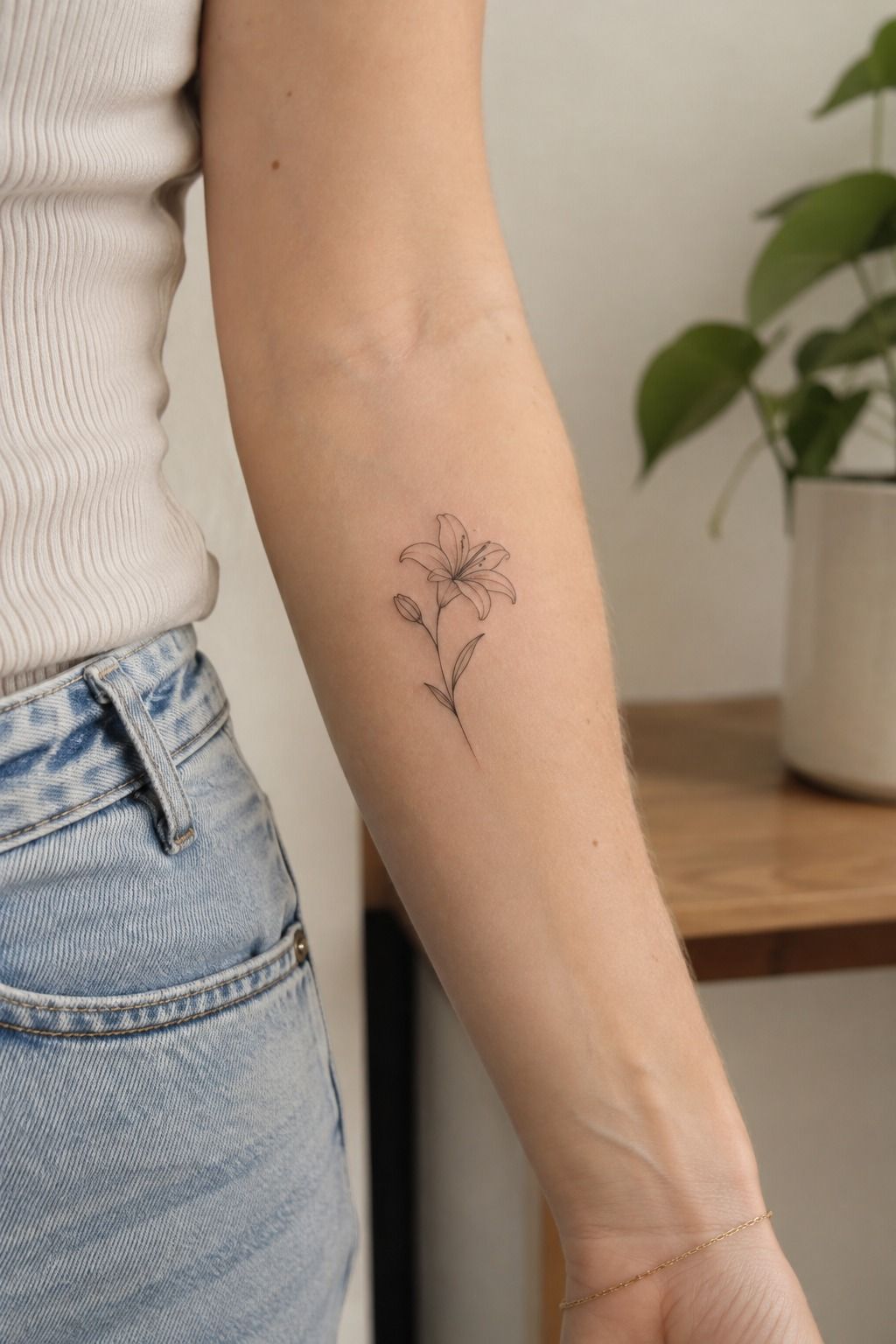
Begin with a symbol that has enough breathing space to stay readable. A few small stars, a crisp leaf, seed, or tiny stem can create a striking fine-line tattoo without crowding the skin. Keep the smallest mark visibly separate from the next one.
A gap of a few millimeters can help your design remain clear as fine lines soften over time.
Your first tattoo should feel personal, but it shouldn’t carry ten meanings at once. I’d skip a miniature bouquet with overlapping stems because it can blur into a dark patch later. A single star cluster is more minimal, symbolic, and timeless.
If you’re comparing ideas, browse these small first tattoo ideas and notice which designs still read clearly from a distance. Your ankle moves, rubs against socks, and sees the sun, so fragrance-free moisturizer matters after healing.
A botanical mark can also be expressive without becoming overly ornate. I’d keep the stem flowing, the leaves crisp, and the smallest accents large enough to survive normal skin movement. That combination gives you a graceful silhouette with personal meaning.
2A Meaningful Crescent Moon Design
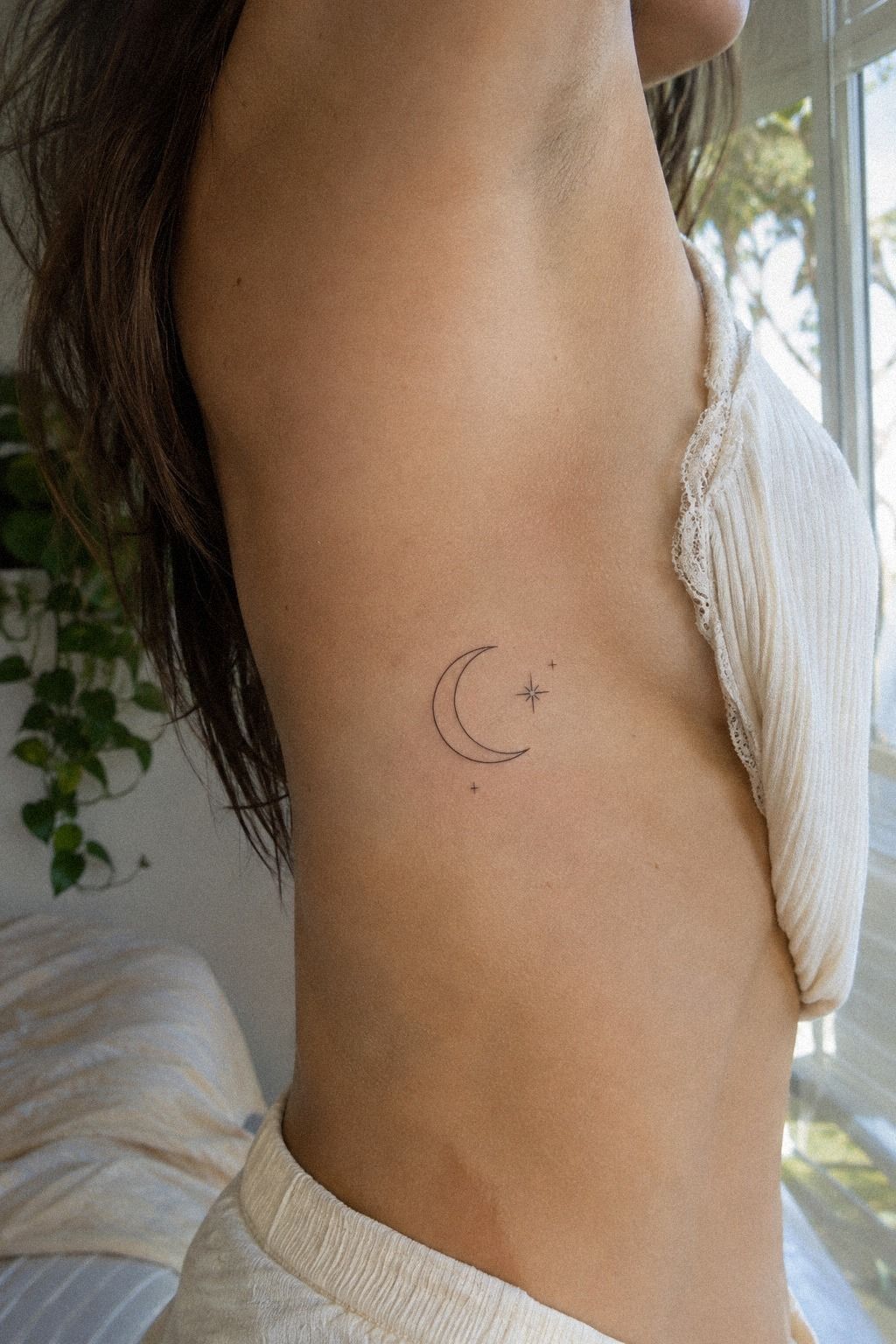
A crescent moon works well for a first tattoo because its outer curve gives the eye one strong shape to follow. A few scattered stars can make the design feel ethereal, romantic, and quietly personal, but your artist still needs room to keep each point sharp. Ask for the stars to vary in scale rather than making every mark identical.
Rib placement can be more intense than an outer forearm, so you’ll want a calm session plan and comfortable clothing. I’d avoid packing the crescent with text, dots, and extra shading just because the stencil looks empty.
Negative space is what keeps this design elegant and understated. If you’re still choosing between a moon and another compact symbol, compare these delicate tattoo designs before you send your reference images.
Your meaning should lead the moon design, not the trend.
For a sharper result, decide whether the crescent should be open, shaded, or paired with a single symbolic detail. A bold outer curve often carries more visual weight than several fragile interior marks. I’d rather see one polished feature than a crowded celestial collage.
3Where Should Your First Ink Go?
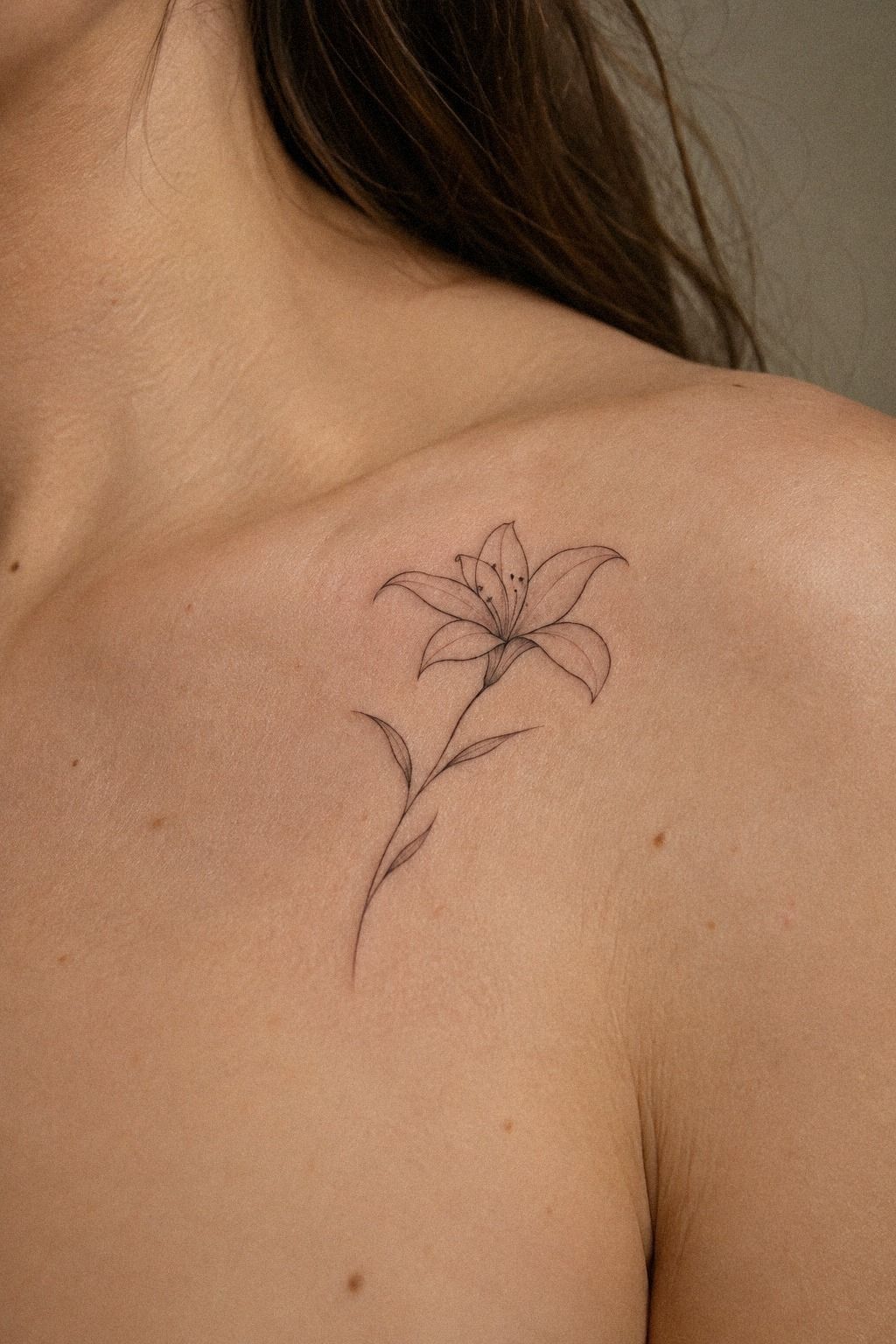
The inner wrist is visible, easy to monitor, and usually more manageable for a first session than ribs, feet, or sternum. A hair-thin design can feel graceful, sleek, and discreet there, but your artist should check how the skin folds when your hand bends. A line that looks balanced with your wrist flat may need a slight adjustment when you move.
Think about visibility before you commit. If you’re working in a setting where tattoos need covering, a long sleeve should hide the piece without rubbing constantly against fresh skin.
I’d choose a compact symbol over a wide sentence because the wrist has limited visual width. You’ll also want to ask how the artist works across different skin tones, since contrast and healed results matter more than a bright studio photograph.
These delicate minimal tattoo ideas can help you compare wrist placement without copying one exactly.
Your daily routine should guide the choice. Consider cycling, lifting, outdoor work, frequent handwashing, or any activity that repeatedly exposes the area to friction and sunlight. A personal tattoo feels more empowering when it fits the life you actually lead.
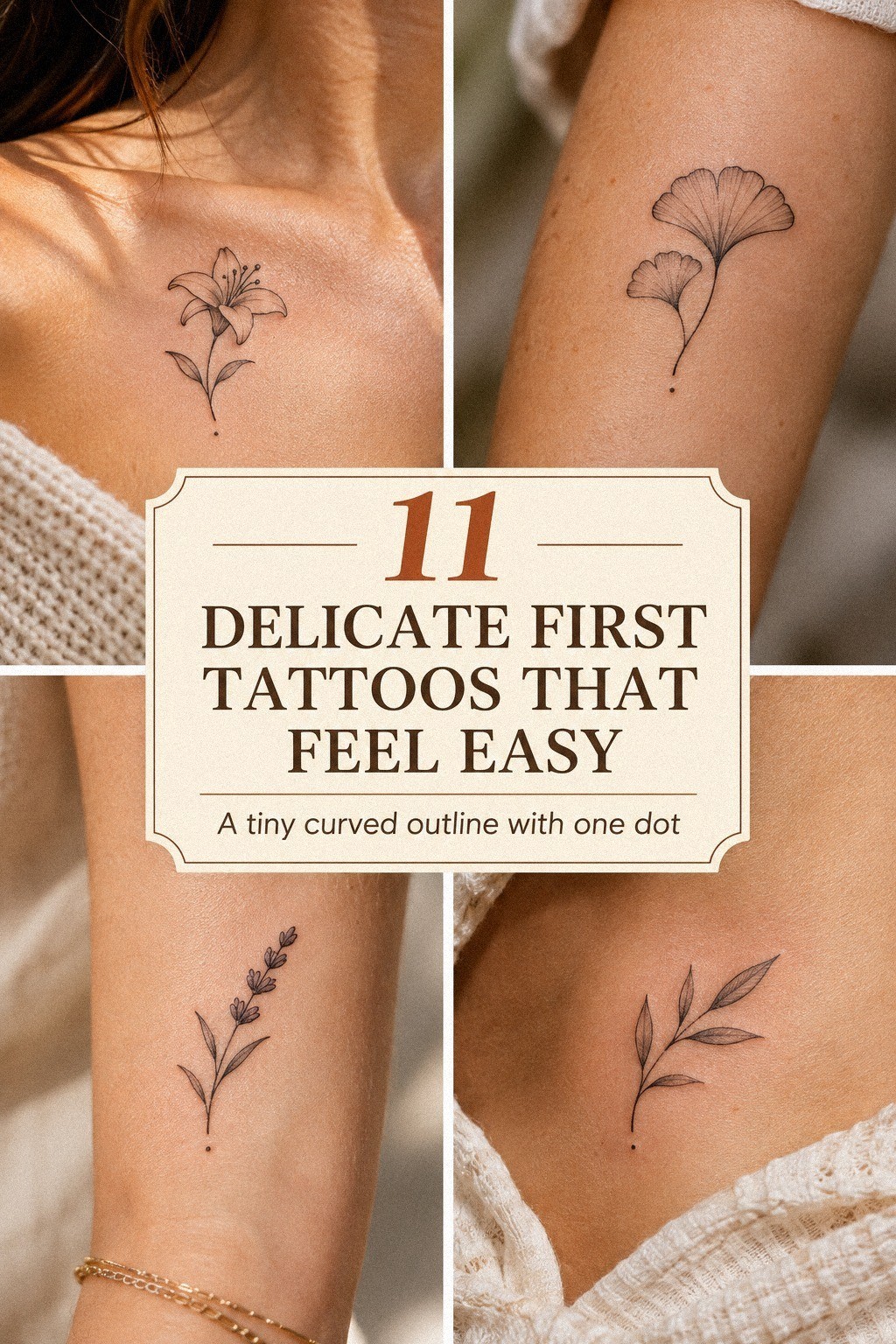
4Keep The Outline Crisp And Uncluttered
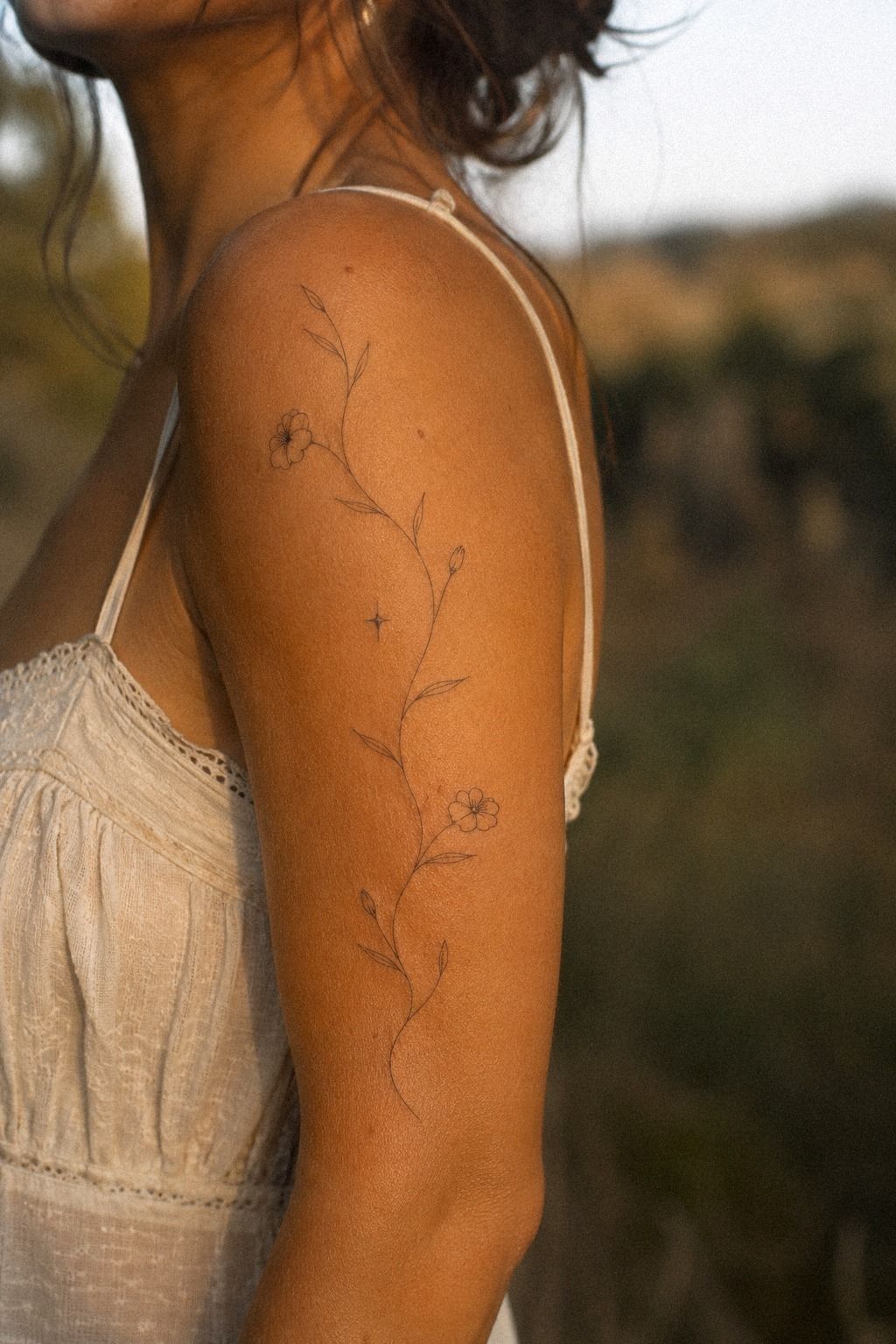
A crisp outline needs a clear job. A hair-thin single-needle contour stays readable when it doesn’t fight itself with extra dots or overlapping loops.
Ask your artist to show the stencil at the actual size, not enlarged on a screen. Your eye needs to judge the smallest opening before the needle touches your skin!
I made the mistake of choosing a design that looked intricate on paper but became cramped when reduced. Don’t repeat that.
A bold central contour with two or three supporting marks usually ages better than a fragile web of lines. If you’re tempted by extra shading, ask whether it adds meaning or only fills silence.
Your best reference should show line weight, spacing, and placement, not just a dramatic pose. A minimalist first tattoo guide can help you edit the stencil size before your consultation.
The strongest outline is often understated rather than busy. A sharp silhouette gives the eye something immediate to recognize, while deliberate gaps keep the design from turning muddy as the ink settles. If every detail is competing, the tattoo loses its original rhythm.
5A Personal Initial In Fine Script
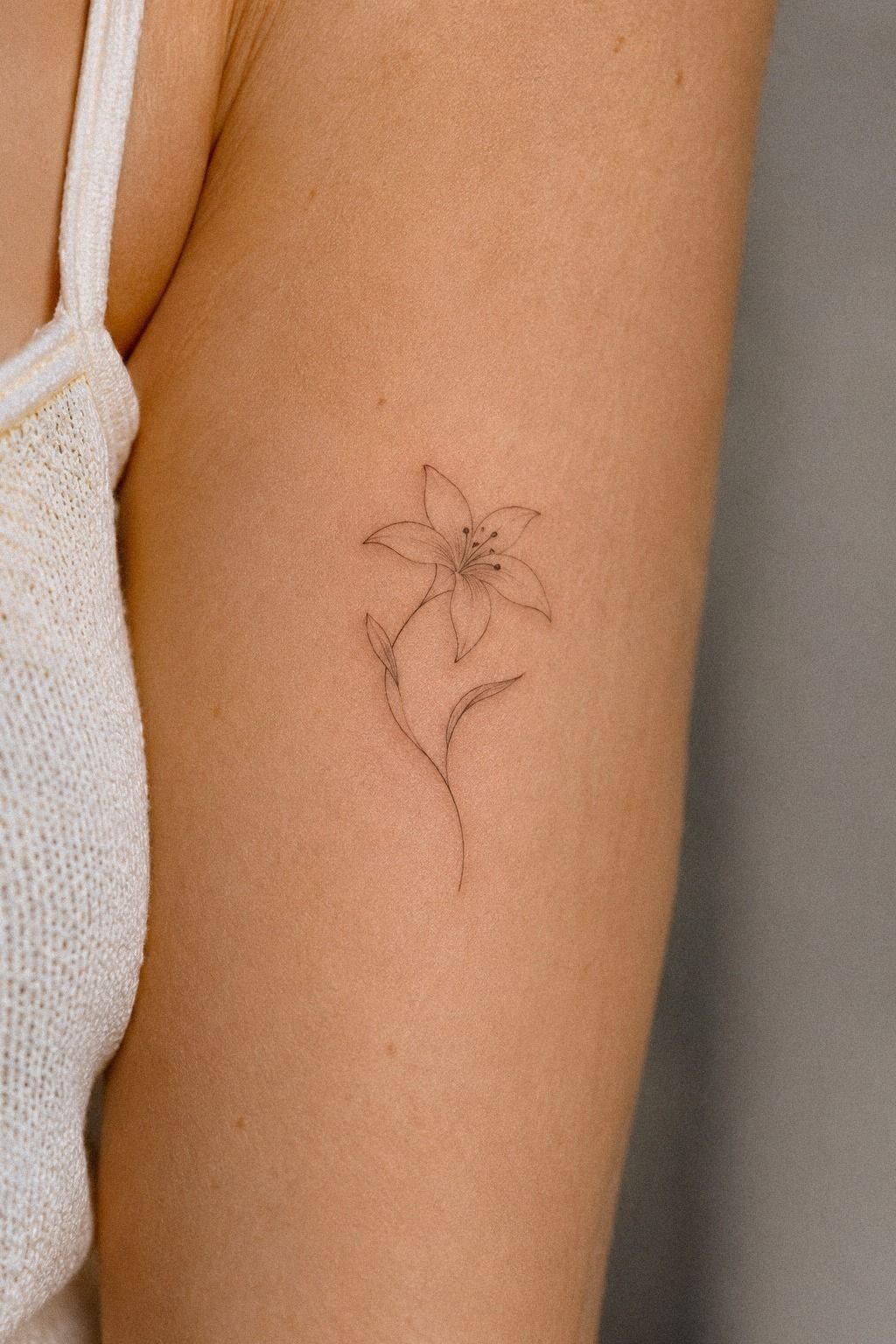
An initial can be meaningful, dainty, and deeply expressive when the letter has enough room to breathe. Use your handwriting, a family monogram, or one unusual serif as a starting point, then ask your artist to redraw the letter for your skin and chosen placement. That small adjustment can make the result feel personal instead of copied.
Fine script is less forgiving than a simple symbol. I’d skip an ultra-tiny cursive word if you want every loop to remain legible for decades. Your artist can test several versions with a stencil, including a slightly heavier downstroke and wider spacing.
A small amount of black ink in the main letter may age more reliably than many pale hairlines. If you’re collecting references, save them beside delicate minimal tattoo designs and mark what you want changed.
The goal is a personal initial, not a copied flash piece.
Think about the emotional weight of the letter, too. A family initial may feel sacred, while a self-designed monogram can be more edgy and personal. The best version is the one that still feels meaningful when the trend behind the reference has faded.
6Finger-Side Ink: Bold Presence, Small Scale
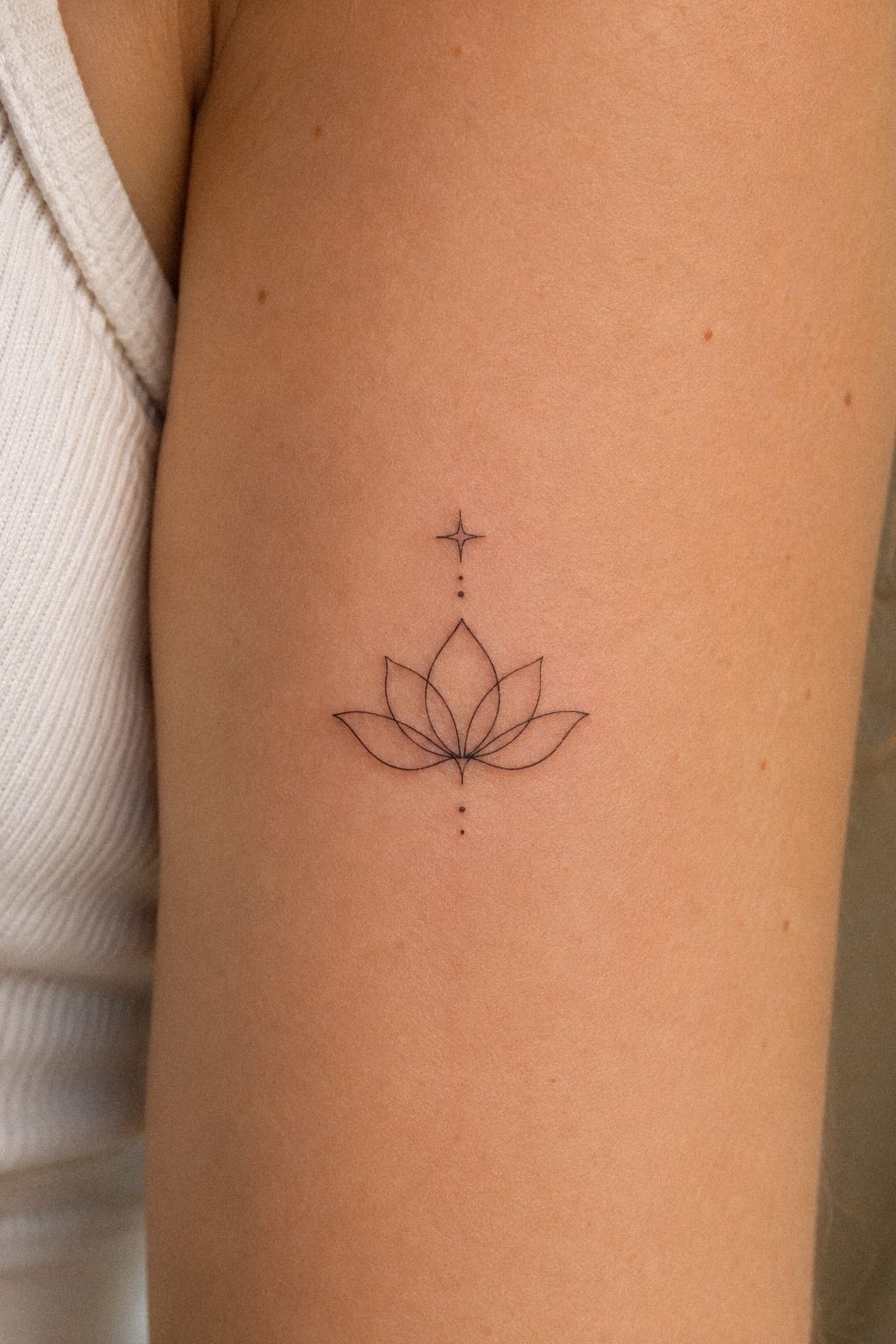
The side of a finger can look edgy, sharp, and wonderfully quiet, especially on deep ebony skin where a clean mark has strong presence. A narrow design with hair-thin detail needs careful sizing, though. Your artist should explain that hands experience friction, washing, and sunlight every day, so this placement may soften or fade sooner than a protected upper arm.
I’d choose a tiny solid symbol or short mark instead of delicate lettering with multiple loops. You’ll want enough ink density for contrast, but not a crowded shape that loses its openings.
Ask whether the artist has healed photographs of finger tattoos, not only fresh work. That evidence tells you more than a perfect appointment-room image.
These delicate hand tattoo ideas can help you compare side placement, knuckle placement, and palm-side options. Your design can be bold without being large, and that balance is the whole point.
Finger tattoos are daring, but they require realistic expectations. Even a polished mark may need future maintenance because the skin is constantly exposed to washing and contact. I’d choose a simple, iconic shape if you want the placement to remain legible.
7Sketch A Unique Constellation With Fine Lines
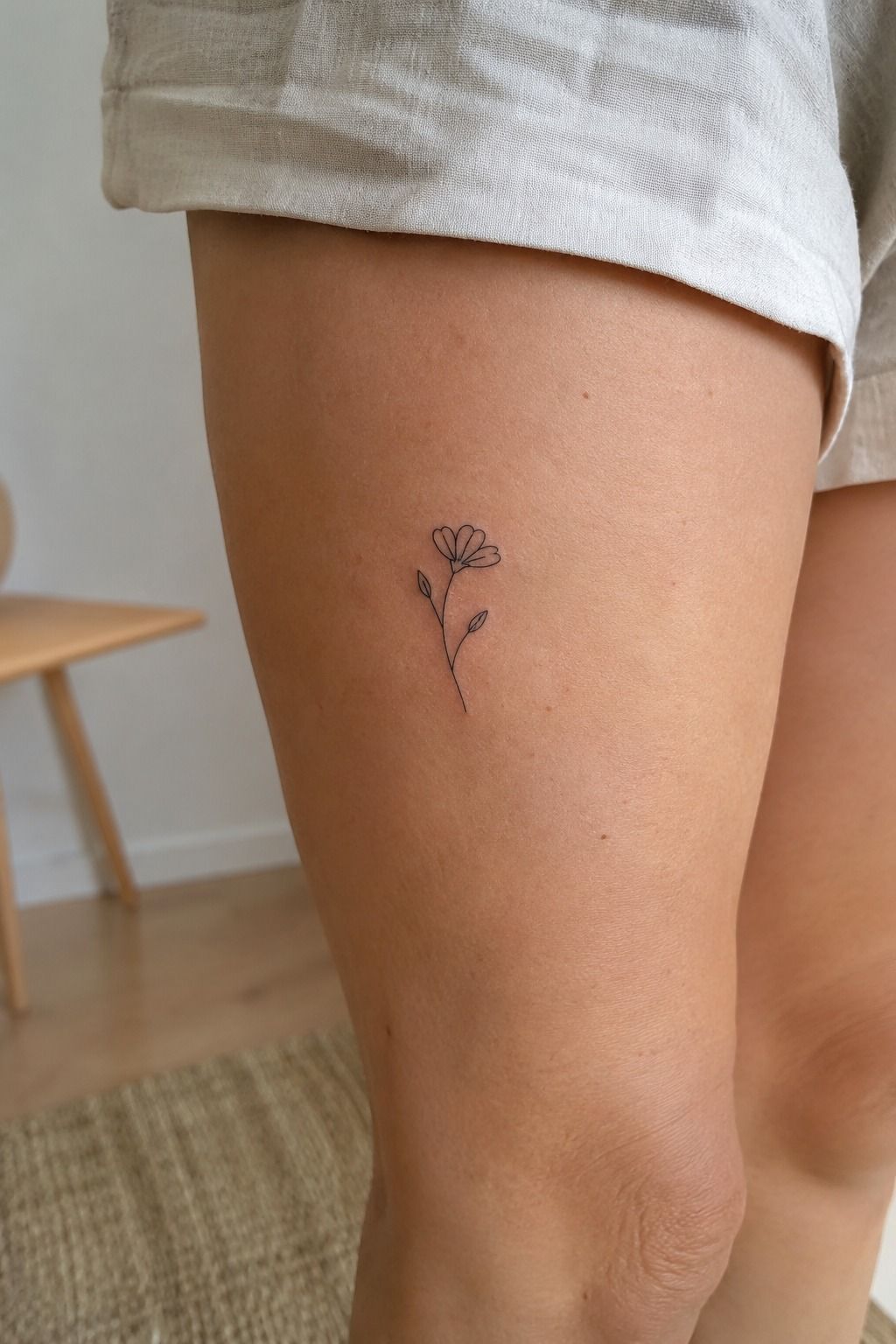
A constellation lets you build a whimsical, celestial, and personal composition from a few connected points. Start by choosing the stars that matter to you, then decide whether the connecting lines should be literal or simply inspired by the pattern. Your artist can adjust the layout to follow the curve of your calf.
Don’t make every star the same size. A larger central point, two medium marks, and several smaller points create a flowing shape that feels intentional. I’d also avoid filling the whole constellation with gray wash because the clean black structure is what keeps it crisp.
If you’re considering more celestial references, take a look at delicate first tattoo ideas and study the spacing between marks. Your calf has more room than a wrist, but extra space isn’t a reason to add clutter. Negative space is still doing the work.
You can make the constellation symbolic without copying an actual star map. Choose points connected to a date, a place, or a private memory, then let the arrangement stay visually clean. That balance feels meaningful without becoming overly ornate.
8A Dainty Flower With A Personal Meaning
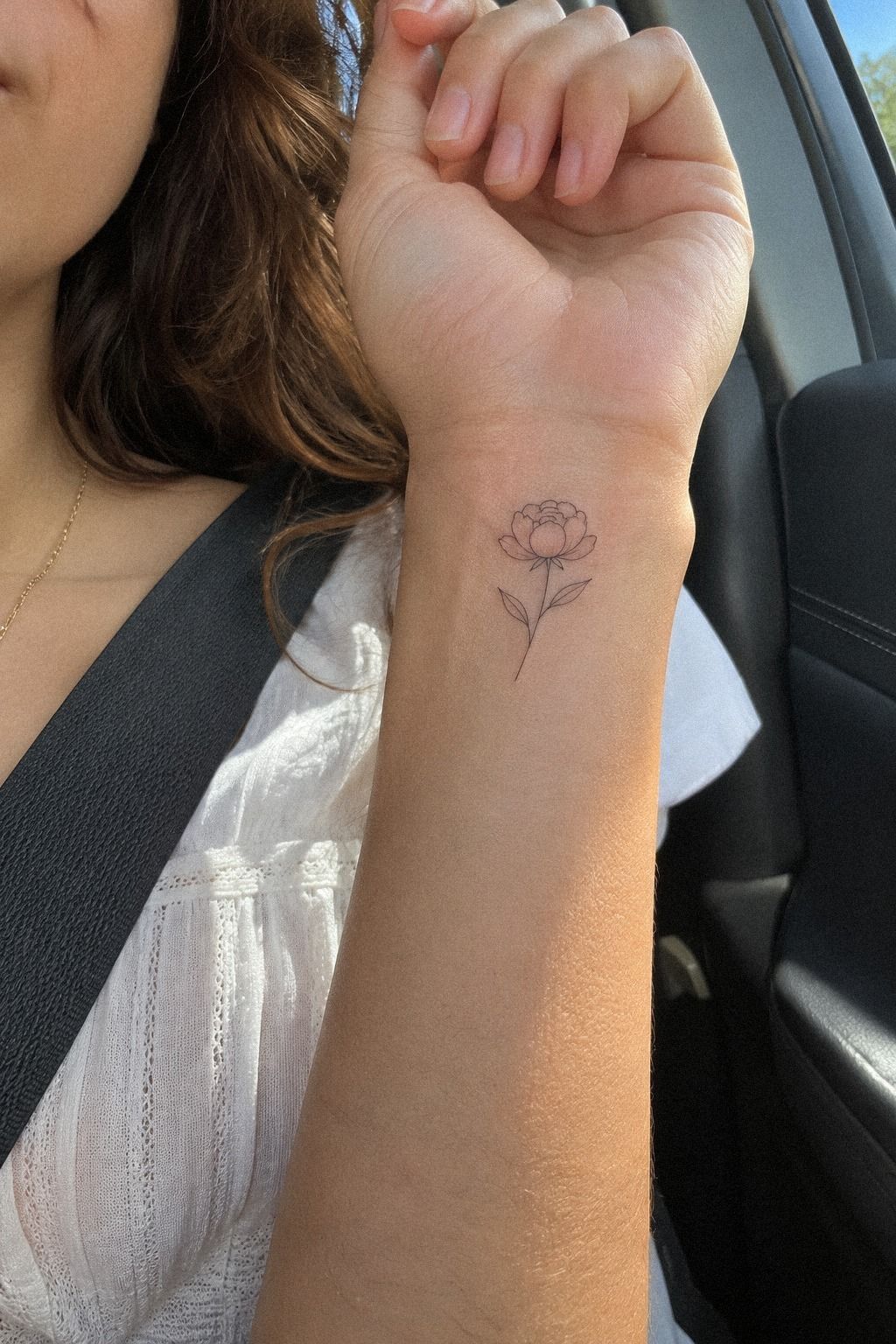
A single stemmed flower can be feminine, organic, and quietly empowering when its meaning matches your life.
9Is Behind-the-Ear Placement Right For You?
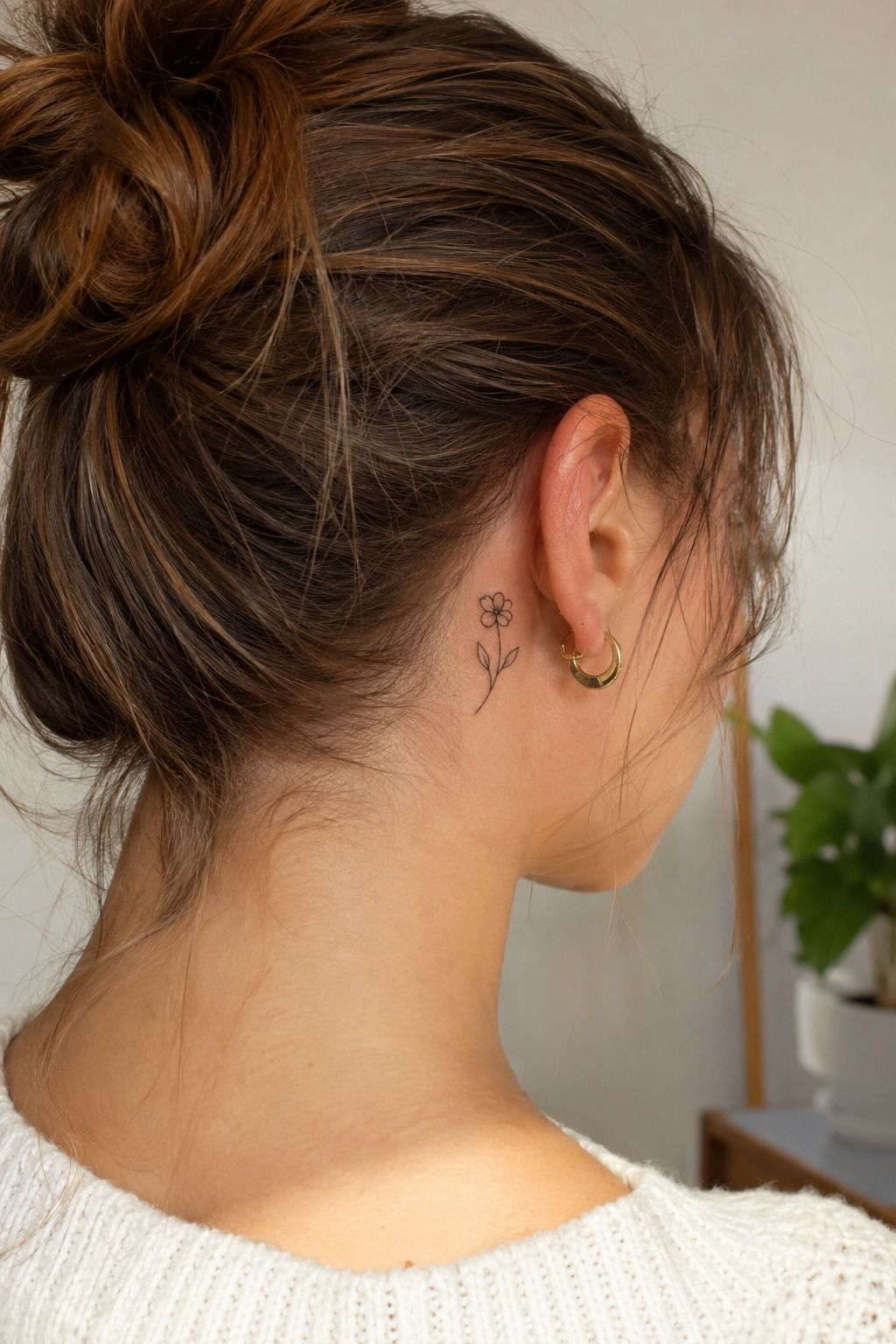
Behind-the-ear placement is subtle, intimate, and easy to keep private when you want to. Before you approve the stencil, check it with your head turned, hair tucked back, and hair resting naturally. Your tattoo should still look balanced when the skin isn’t perfectly stretched.
This spot can be sensitive because the skin is thin and close to bone, so you’ll want a short session and a clear aftercare plan. I’d choose a simple icon rather than a dense miniature scene. Sweat, hair products, and friction from masks or glasses can irritate fresh skin, so keeping the design compact makes healing easier.
These delicate ear tattoo ideas show how placement changes the mood. Your best choice will be understated, readable, and easy to protect during the first few days.
Behind-the-ear placement isn’t for every routine.
A tiny symbol can look polished here, but the visibility changes dramatically with hair, glasses, and head position. Ask your artist to check the stencil from several angles. A graceful design should still feel balanced when you move naturally.
10Protect A Symbolic Tattoo Through Healing
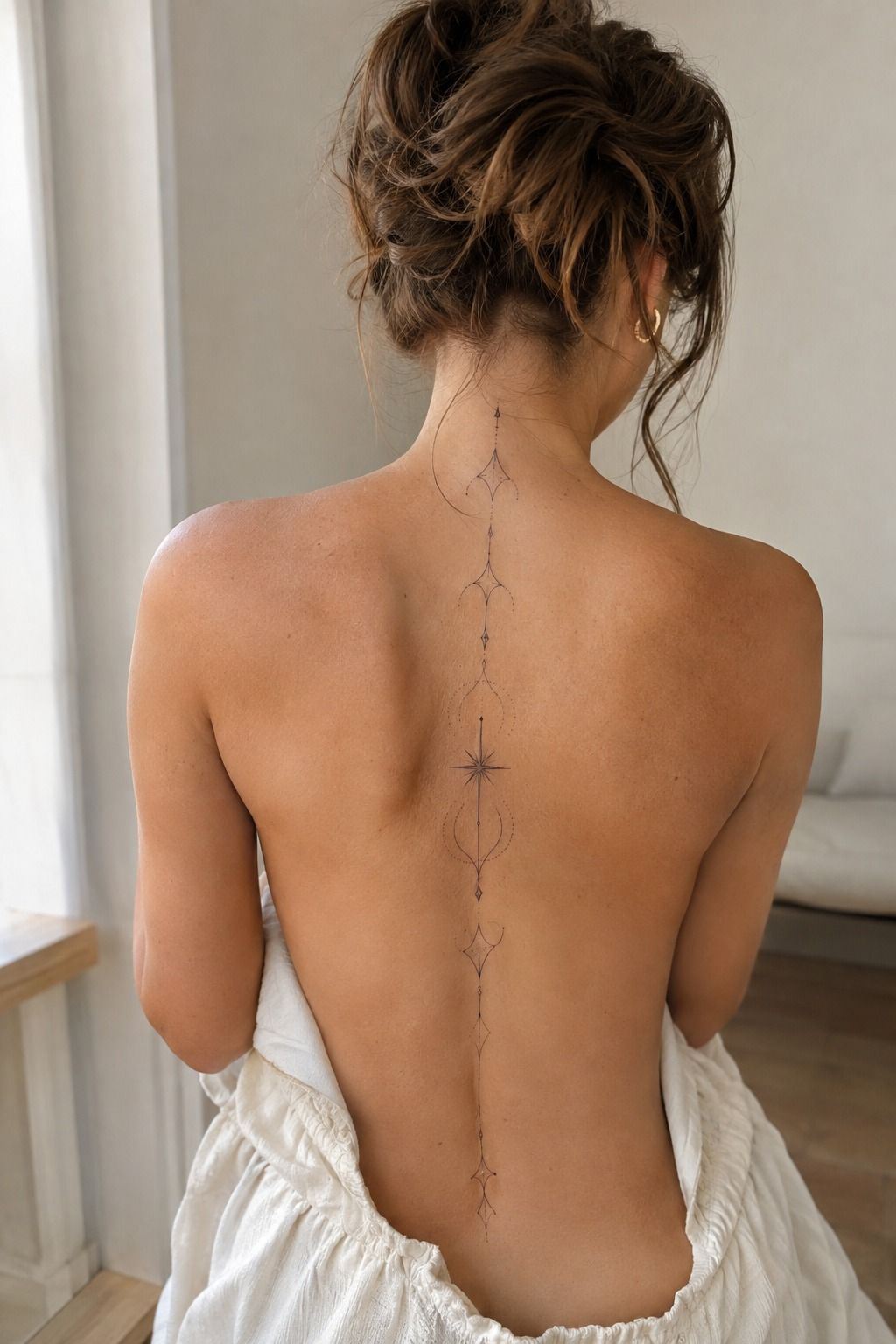
Healing is where your planning becomes real. Fresh ink can look darker and more defined than the finished result, so don’t judge the final crispness during the first week.
Surface healing usually takes about two to three weeks, while complete healing can take roughly two to three months. Follow your artist’s specific instructions, since skin and application methods differ.
Wash gently with lukewarm water and a mild, fragrance-free cleanser, then pat dry with clean hands. A thin layer of approved moisturizer is enough.
Avoid direct sun, swimming pools, soaking, and picking at flakes while your skin settles. Aftercare instructions protect the symbolic and timeless result.
Your patience matters!
Sun protection matters after the skin has fully healed, too. Repeated ultraviolet exposure can soften contrast and make black ink look less crisp over time. An SPF 30 sunscreen can help protect the finished design when the area is exposed.
11A Refined Concept, Not A Crowded Copy
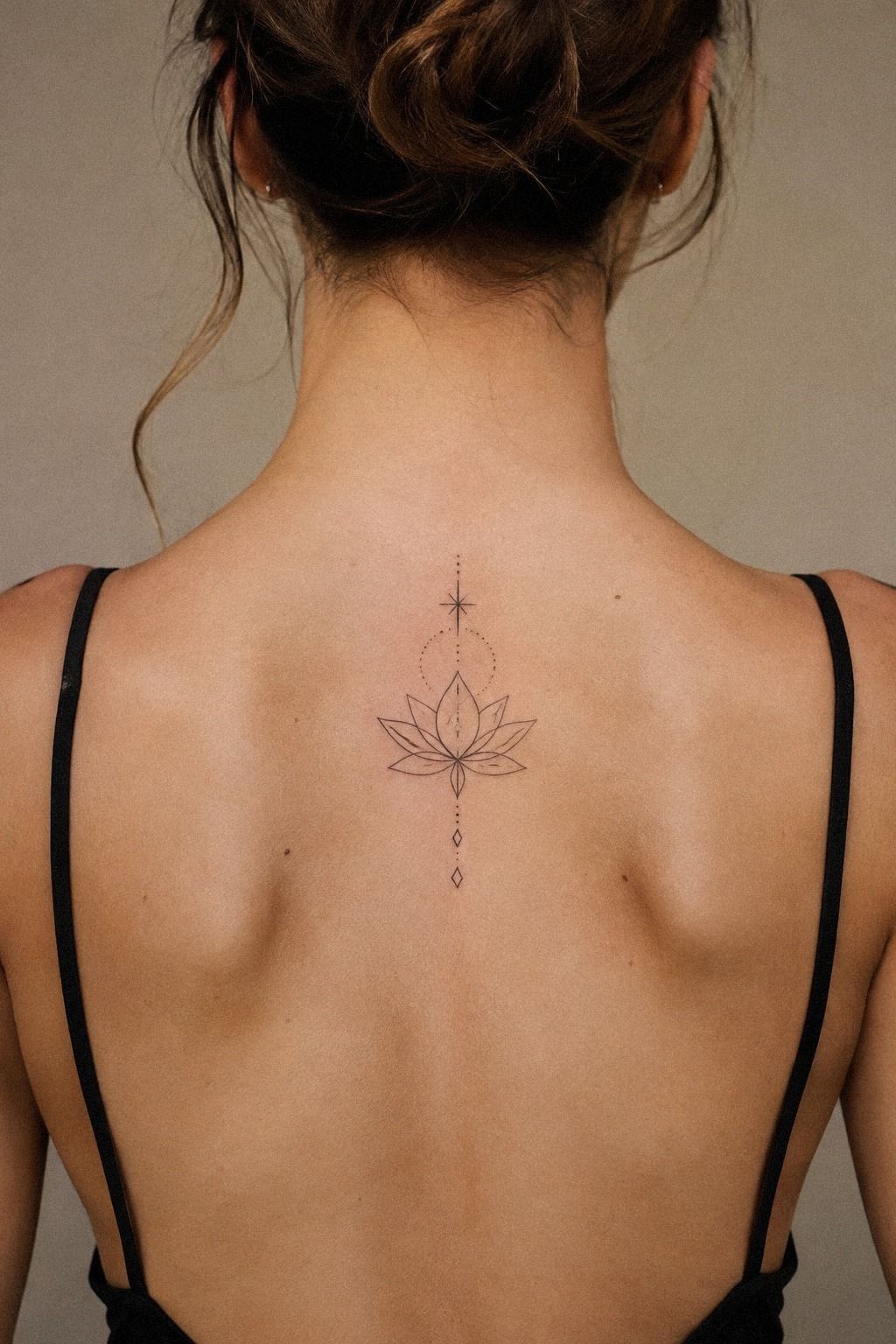
Refinement is the step that turns a pretty reference into a tattoo you’ll still respect years later.
What You’ll Need Before Your First Session
You don’t need a giant planning system. You need a clear reference, a placement decision, and an artist whose healed work matches your goal.
Bring two or three images, but tell your artist what you like in each one. Maybe it’s the curve from one design, the spacing from another, and the quiet scale of a third.
That conversation gives you a more polished and personal result than asking for an exact copy.
Your practical list is short:
– Clean reference images with visible linework. – A preferred placement and backup placement. – Questions about healed photographs. – Comfortable clothing that won’t rub the area. – A budget based on the studio minimum or hourly rate. – Fragrance-free cleanser and approved moisturizer for aftercare.
I’d reserve your appointment only after checking hygiene practices, licensing requirements where applicable, and the artist’s portfolio. A low price isn’t a win if the linework isn’t clean. If you’re comparing small designs, these minimalist first tattoo ideas can help you identify the level of detail your skin can reasonably carry.
Your first tattoo deserves a calm decision, not a rushed one!
You’ll also want a written appointment time, a clear deposit policy, and instructions for arriving with clean, comfortable skin. Ask whether you should avoid particular products before the session. A few practical details can make the appointment feel less intimidating.
When Does Fine-Line Size Become Too Small?
There isn’t one universal minimum size because the answer depends on the design, placement, skin, and artist. A single clean symbol may stay readable at a smaller scale than a word, face, or cluster of petals. Your artist should explain which openings need more room and why.
I’d be cautious when several lines sit closer together than the healed design can realistically support. A slightly larger tattoo may be better value than a tiny piece that needs an early touch-up. Ask to see the proposed stencil dimensions on your actual body, then move naturally before approving it.
A useful test is to look at the stencil from normal speaking distance, not only inches away. If you can’t identify the main shape without studying it, the design may be too intricate for its size. A crisp tattoo should communicate its central idea quickly.
Why Crisp Fine Lines Are Having A Moment
Fine-line tattoos are popular because they can feel modern, stylish, and personal without taking over your whole body. But popularity shouldn’t make you ignore longevity.
Very fine lines may widen or soften, and frequent UV exposure can change how black ink looks over time. A well-placed design with strong contrast and thoughtful spacing has a better chance of staying readable than a packed miniature scene.
I’ve gone back and forth on this style because the smallest references can make every idea look easy. They aren’t.
Your artist’s technique, your skin, the placement, and your aftercare all affect the result. Solid black elements and protected placements generally age more reliably than extremely pale, crowded details. If you want a quieter design with a little more visual strength, compare delicate minimal tattoo ideas before booking.
The timeless choice is usually the one you’ll still understand without explaining it. Long-term readability is the real measure.
There’s also a difference between delicate and fragile. A delicate tattoo can have a graceful, crisp structure, while a fragile design depends on marks too faint or too close together to remain clear. I’d choose visual restraint with enough strength to survive normal life.
What I’d Ask Before Booking
I’d ask four questions before putting down a deposit. Can you show healed delicate work?
How do you adapt line weight for this placement? What aftercare products do you recommend? What happens if the stencil needs changing on the day?
Your answers will reveal whether the artist is professional, honest, and comfortable discussing limitations.
I’d also ask how the design will age if you spend time outdoors, work with your hands, or need to cover the tattoo regularly. That isn’t pessimistic.
It’s practical. Your artist should be able to explain why a specific size or placement is safer for the design, even if you don’t love the answer.
If you’re considering an ear or wrist piece, compare delicate ear tattoo ideas with delicate hand tattoo ideas before choosing. A meaningful tattoo begins with a useful conversation.
Healed examples are more valuable than promises.
Ask how revisions work, too. You should feel comfortable saying that a line looks too crowded or that the symbol needs more breathing space. A thoughtful artist won’t treat a practical question as an insult.
Check Your Artist’s Healed Work
A fresh tattoo can look crisp, vibrant, and striking under studio lighting. Healed work tells you whether the artist can manage spacing, contrast, and line weight after the skin has settled. I’d look for several healed examples in a similar style, including work on skin tones close to yours.
Pay attention to whether small openings remain visible and whether curves still feel graceful. You don’t need every result to be identical, but you should see consistent judgment.
A healed portfolio can tell you more about value than a long list of equipment or awards. If the artist avoids showing older work, I’d pause before paying a deposit.
Look for examples at different ages, not only a few weeks after the appointment. A personal recommendation can help, but your own inspection matters. The most polished portfolio is the one that shows honest, settled results.
Cost, Value, And The Long View
The cost of a delicate first tattoo varies by shop minimum, artist experience, region, placement, and design complexity. A small tattoo may still have a minimum cost because setup, hygiene, consultation, and sterilization take time. That doesn’t automatically mean it isn’t worth it.
Your budget should include the appointment and a little room for thoughtful design work. A low price may seem attractive, but it isn’t good value if rushed linework leads to an avoidable touch-up.
On the other hand, a higher cost doesn’t guarantee a better result. Compare healed work, communication, and placement judgment before deciding what’s worth it for you. Studio minimums should be clear before you book.
If you’re considering a hand or finger tattoo, include the possibility of future maintenance in your budget. Frequent friction may mean the design needs more attention than one placed on the upper arm. The best value is the piece that suits your routine, remains readable, and doesn’t pressure you into adding details you never wanted.
A polished consultation is part of the value, especially when the design is small but technically demanding. You’re paying for judgment as well as time. I’d rather spend more on a careful, honest process than save money on a rushed result.
Personal Symbols And Quiet Meaning
The most lasting designs aren’t always the most dramatic. A sacred date, a family initial, a symbolic star, or a single flower can feel powerful when the meaning belongs to you. Your tattoo doesn’t need an explanation for everyone else.
I’d be wary of choosing a trendy motif only because it photographs well. A personal, understated design can still be edgy, daring, or iconic if the idea has emotional weight. Keep the personal symbol clear, then let your artist shape the linework around your skin.
Meaning can stay private while the design remains visually expressive. A crisp mark, an unusual angle, or a graceful curve may carry more emotional force than a complicated scene. Your tattoo should feel like yours before it feels impressive to anyone else.
A Few Things Worth Answering
How much does a delicate first tattoo usually cost?
A delicate first tattoo usually costs about $50 to $100 at a US shop minimum, or roughly $100 to $250 per hour, depending on the artist and region. Your design size and placement matter, too.
A clear quote is worth requesting before the appointment. Include touch-up costs in your budget if the placement is high-friction.
– Studio minimum – Hourly rate – Artist experience – Placement complexity
Are delicate first tattoos a good idea for a first tattoo?
Yes, delicate first tattoos can be a good choice when the design has enough space and the placement suits your lifestyle. An inner wrist, forearm, thigh, or shoulder may feel more tolerable than ribs or feet. A personal symbol also makes the decision easier to live with.
A simple silhouette usually offers better value than crowded detail.
– Simple silhouette – Comfortable placement – Meaningful subject – Realistic size
How do I choose a tattoo artist for delicate first tattoo work?
Choose an artist with clean linework, healed photographs, and experience with your selected placement. Look for consistent results across different skin tones, not only freshly finished tattoos.
Your consultation should feel informative rather than rushed. A strong healed portfolio is your best evidence.
Ask about artist experience before discussing the deposit.
– Healed linework – Studio hygiene – Placement experience – Clear consultation
How much do delicate first tattoos hurt?
Pain varies by person and placement. Ribs, feet, hands, and sternum are often more painful because they have less cushioning or sit close to bone.
Forearms, thighs, and shoulders are usually more tolerable. Your session length can affect comfort as much as the location.
Session length is worth asking about in advance.
– Ribs and sternum – Feet and hands – Forearm and thigh – Shoulder placement
How long does a delicate first tattoo take to heal?
Surface healing usually takes about two to three weeks, while complete healing can take around two to three months. Wash gently, moisturize as directed, and avoid sun, pools, and soaking during early healing.
Patient aftercare helps you judge the finished lines fairly. Follow your artist’s healing guidance if it differs from general advice.
– Gentle cleansing – Light moisturizer – No picking – Sun protection
What’s the best placement for a delicate first tattoo?
The best placement depends on visibility, pain, friction, and sun exposure. An inner forearm can be easier to monitor, while an upper arm or thigh offers more protection.
Hands and fingers are visible but experience more wear. Your daily routine should guide the choice.
Daily friction matters as much as appearance.
– Inner wrist – Forearm – Upper arm – Thigh
Can I design a delicate first tattoo myself?
You can sketch the concept yourself, but your artist should refine the final stencil for skin, size, and longevity. A drawing that works on paper may become crowded at tattoo scale.
Your artist’s edit protects readability while keeping your idea personal. Bring a rough sketch if it helps you explain the concept.
– Rough sketch – Reference images – Exact stencil – Artist revision
Where I’d Start First
If I had to pick one step, I’d start with the placement. Your design can be bold and delicate at once, but the wrong location will fight every line as it heals. Choose a protected, tolerable area first, then refine the symbol.
Next, check the artist’s healed work and ask for a realistic quote. That small amount of planning can protect your budget, your expectations, and the design’s long-term value. Save this guide for your consultation and take your time!