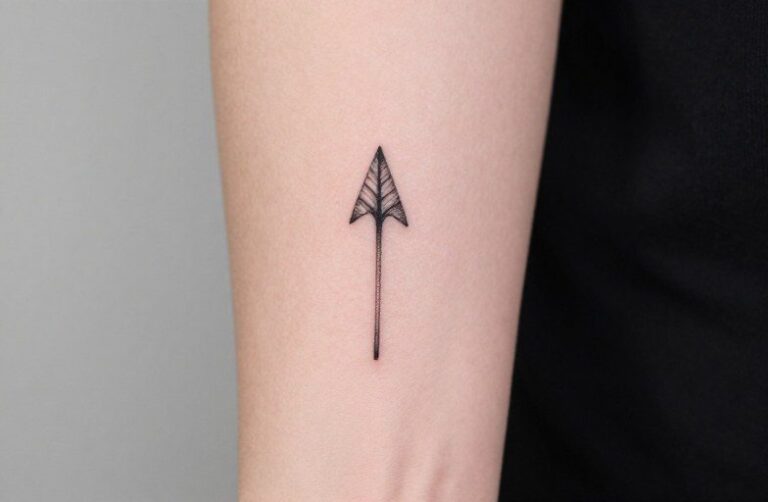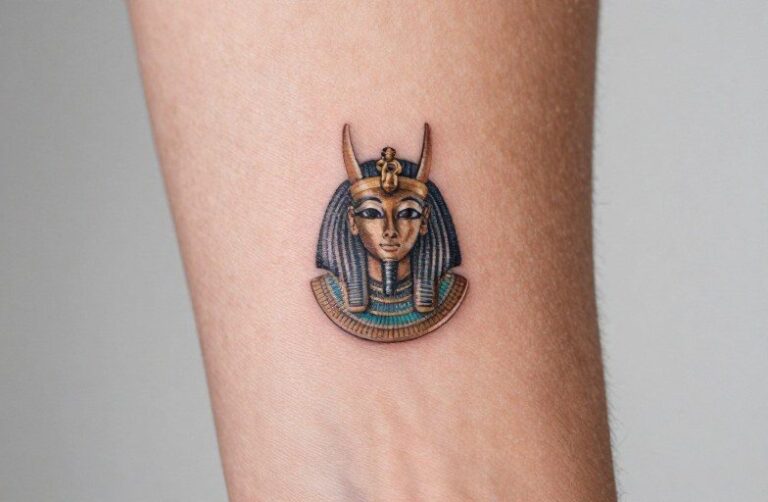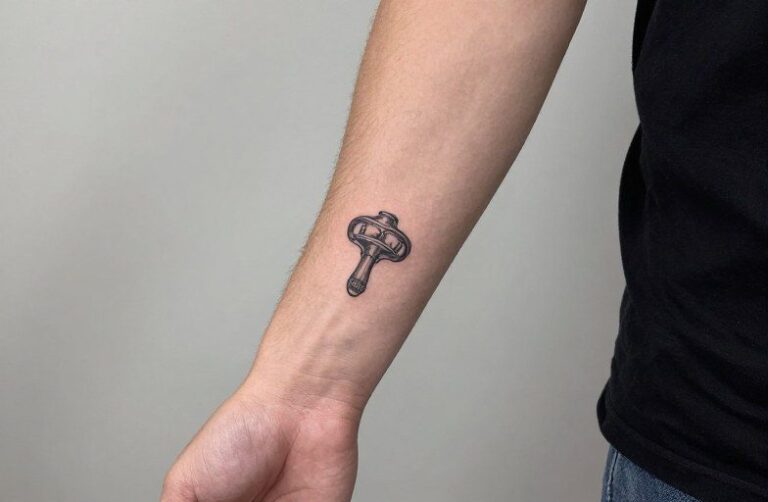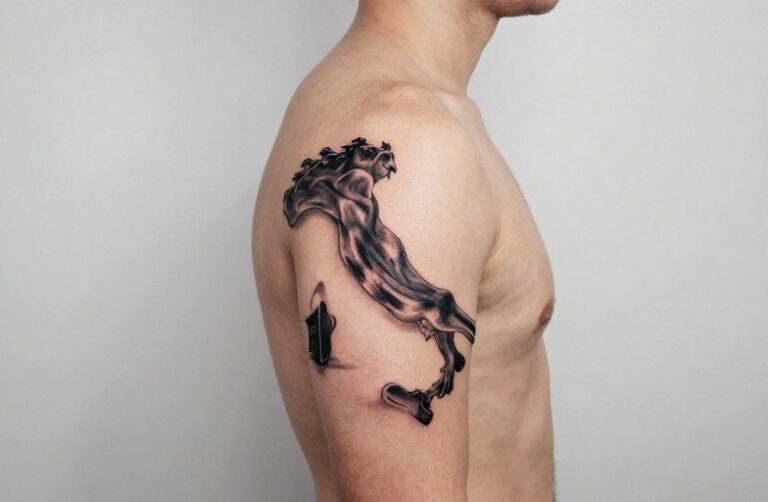
Girlish tattoo designs walk a tricky line. Go too delicate and the ink blurs into a blue-gray smudge inside five years. Play it too safe and you end up with something generic. The sweet spot lives in specific motifs, smart placement, and knowing which feminine details actually survive the healing process. Here’s what works, what doesn’t, and how to make a girlish design feel like yours rather than a Pinterest template.
How to Personalize It
Generic florals and cursive quotes flood every shop. The difference between a design that feels personal and one that feels stamped out comes down to specificity. Not abstraction, actual concrete details.
Build From Real Objects
A birth flower works better than “flowers.” A grandmother’s handwriting trumps any font found online. One client brought a pressed violet from her childhood garden; the artist translated the exact shape and vein pattern into a fine-line sternum piece that won’t duplicate. Another used the actual coordinates of a lake cottage, rendered in her mother’s script, tucked behind the ear where only she sees it.
Specifics that personalize:
- Actual handwriting, not a font labeled “handwritten”
- Specific flower species with identifiable petal structure
- Objects from lived experience: a childhood toy, a specific book, a real landscape
- Numbers or dates with personal significance, rendered in unexpected placements
Adjust the Mood With Line Weight
The same butterfly reads completely different at 0.18mm single-needle versus 3RL bold outline. Girlish doesn’t automatically mean whisper-thin. Some of the most effective feminine pieces use surprising weight: a heavy blackwork bow on the thigh, thick traditional lines on a small heart behind the knee. The contrast between soft subject and strong execution creates tension that feels intentional, not accidental.
Standout Design Ideas
Certain motifs carry feminine associations without defaulting to cliché. The key is execution specifics, how the design is built, not just what it depicts.
Botanicals With Structural Integrity
Peonies, cherry blossoms, and wildflowers dominate girlish tattoo requests, but the winners share common traits. Strong central stem or branch structure gives the eye a path to follow. Clustered blooms with negative space between them read clearly at distance. Single-needle petals with 3RL leaves create contrast that keeps definition as the ink settles.
Placement specifics that work:
- Shoulder cap: blooms curve with the muscle, movement feels natural
- Side ribcage: vertical stem follows the body’s line, elongates the torso
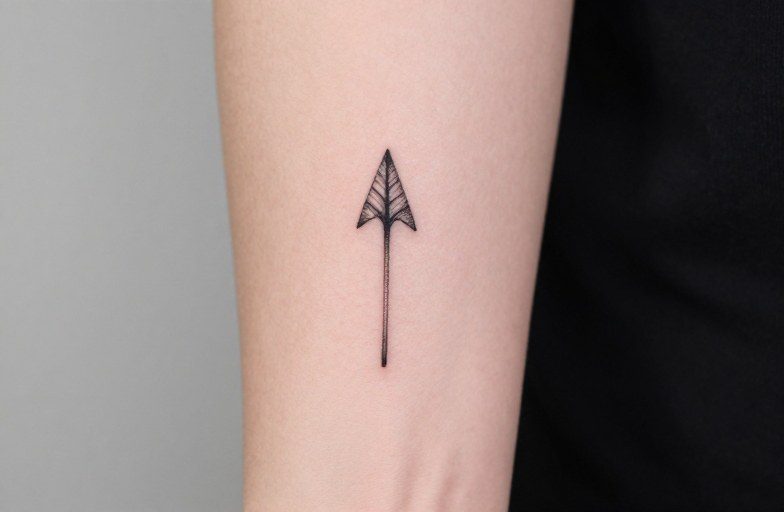
- Forearm inner wrist: small cluster, high visibility, requires bolder lines to age
- Ankle wrap: vine or chain motif, follows the bone structure
Jewelry and Adornment Motifs
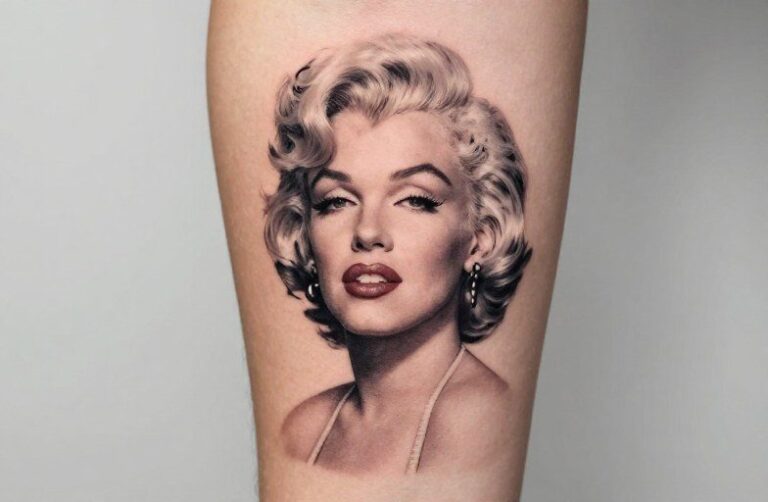
Chains, lockets, and gemstone designs translate well to tattoo because they already exist as objects meant to sit on skin. A bracelet tattoo around the wrist needs careful planning, too tight and it looks like a smudged watch band; too loose and it floats. The best ones incorporate small breaks, clasps, or dangling elements that justify the space. Lockets with portraits inside require either very bold simplified faces or abstract fills; detailed portrait work at small scale rarely holds.
Tips for Choosing
Feminine design trends cycle fast. What’s saturating Instagram this season will date quickly. Here’s how to choose for longevity.
Color versus black and gray: girlish palettes often lean pastel, but soft pinks and lavenders fade fastest. If you want color, commit to saturation, deeper magentas, true reds, forest greens that hold against melanin and sun exposure. Black and gray with strategic white highlights often outperforms full color for delicate work, and it ages with more dignity.
Style matching matters. A fine-line fairy on a body with bold traditional work elsewhere looks orphaned. Consider your existing collection’s vocabulary, or plan your first piece knowing it sets precedent.
Questions to ask the artist:
- How will this line weight look at year five?
- What’s the smallest detail you’ll guarantee?
- Can you show me a healed photo of similar work?
- How does this placement behave with clothing friction?
Size & Scale
Small girlish tattoos face disproportionate aging challenges. A 2-inch piece with twenty fine lines has twenty opportunities to spread. Scaling requires honest assessment of what detail level actually survives.
Minimum Viable Size by Motif
Simple hearts, stars, and small words: 1-1.5 inches minimum. Any smaller and letters merge, points round off. Floral clusters: 3-4 inches minimum to allow petal separation. Animals or figures with facial features: 4+ inches, or abstract the face entirely. Butterflies work surprisingly small if the wing pattern simplifies to bold shapes rather than intricate veining.
When Bigger Works Better
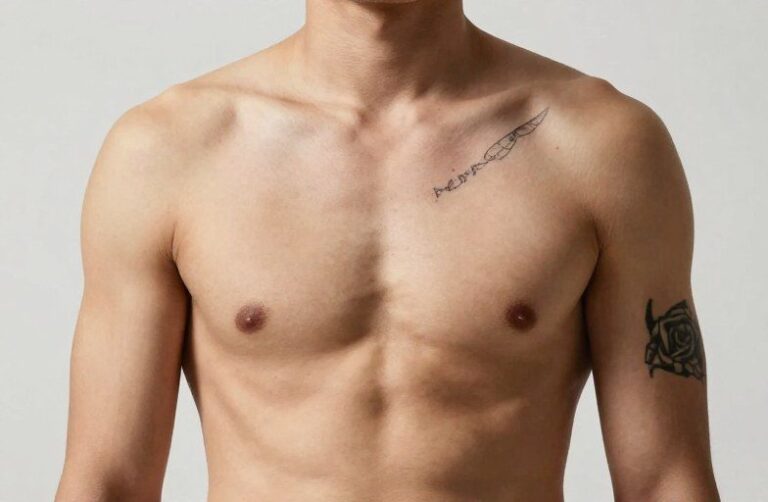
Thigh pieces, upper arms, and ribs accommodate the detail that makes girlish designs special. A full peony on the outer thigh at 6-7 inches carries the same visual weight as three tiny scattered pieces, but ages as one coherent unit. The skin on these areas also handles detail better than high-friction zones like inner fingers or collarbone center.
Matching & Pairing Ideas
Girlish tattoos often come in sets, friendship pieces, sister designs, couples work. The successful ones avoid exact duplication.
Effective pairing approaches:
- Same motif, different scale: one large back piece, one small wrist version
- Complementary halves: two swallows facing each other, two halves of a locket that align when pressed together
- Same object, different style: one watercolor, one linework, same flower species
- Sequential elements: moon phases across two people, days of the week, matching coordinates with different locations
Placement mirroring works best when it respects individual body differences. Matching rib pieces on two different torso lengths require different scaling to feel equivalent. A good artist adjusts rather than forces identical stencils.
Trending Variations
Current girlish tattoo directions show interesting evolution from the 2010s minimalist wave. Here’s what’s actually appearing in shops with staying potential.
Retro Femininity
1950s illustration style, think vintage perfume ads, pin-up line quality, hatching shading rather than smooth gradients. These read as deliberate stylistic choice rather than dated trend. The line weight is inherently bolder, which solves longevity concerns. Bows, pearls, and hand-lettered script in this vocabulary feel cohesive rather than scattered.
Dark Feminine
Blackwork moths, dried flowers, anatomical hearts, daggers through roses. The girlish element remains in the subject matter but the execution borrows from heavier traditions. This appeals to collectors who want feminine identification without softness. Aging is less concern here; blackwork holds.
Text Integration
Single words or short phrases woven into imagery rather than floating below. A name hidden in stem lines, a date formed by negative space in petals. This requires skilled design but produces pieces that reward close looking. The text element prevents the purely decorative from feeling disposable.
Key Takeaways
Girlish tattoo designs succeed when they balance identifiable feminine vocabulary with technical decisions that respect how ink lives in skin. Specificity beats abstraction, your grandmother’s actual handwriting, the exact flower from your garden, the real coordinates of a meaningful place. Line weight and placement matter more for longevity than subject choice; a bold bow outlasts a whisper-thin one. Color works if saturated, but black and gray with white highlights offers safer aging for delicate motifs. Scale honestly: tiny faces blur, small words merge. When pairing, vary rather than duplicate. Current directions, retro illustration, dark feminine, integrated text, offer frameworks that feel fresh without sacrificing the years-ahead readability that separates good tattoos from regretted ones.
Frequently Asked Questions
Do fine-line girlish tattoos fade faster than bold ones?
Generally yes. Lines under 0.18mm spread and soften within 3-5 years, especially on high-movement areas like wrists and ankles. For longevity, request slightly bolder line weight than the fresh photo shows, or choose placements with less friction and stretching.
Where’s the best placement for a first feminine tattoo?
Outer upper arm or thigh offer the best combination of visible skin (healing airflow), manageable pain, and room for detail. Avoid fingers, feet, and inner lips for first pieces, these spots fade fast and heal unpredictably.
Can I get a watercolor-style girlish tattoo that lasts?
Watercolor without black structural lines typically blurs into a hazy wash within 2-4 years. For watercolor effect with longevity, ask for “watercolor with anchors”, black outlines defining the shape, with color splashed inside and around them.
How do I keep a pastel-colored tattoo from turning muddy?
Pastels require frequent touch-ups and strict sun protection. For similar mood with better aging, choose deeper saturation, ruby instead of pink, emerald instead of mint. White highlights can suggest lightness without relying on pale pigments that disappear into skin.