Walking into a shop without a clear idea is like grocery shopping hungry, you end up with something you regret by Tuesday. The best tattoos start with a concept that fits your body, your budget, and how you actually live. This guide cuts through Pinterest noise to focus on ideas that work on real skin, heal properly, and still look intentional a decade later.
For First-Timers
Your first tattoo doesn’t need to be tiny or hidden. What matters is choosing something simple enough to execute well and located somewhere you can live with easily.
Start With Clean Lines
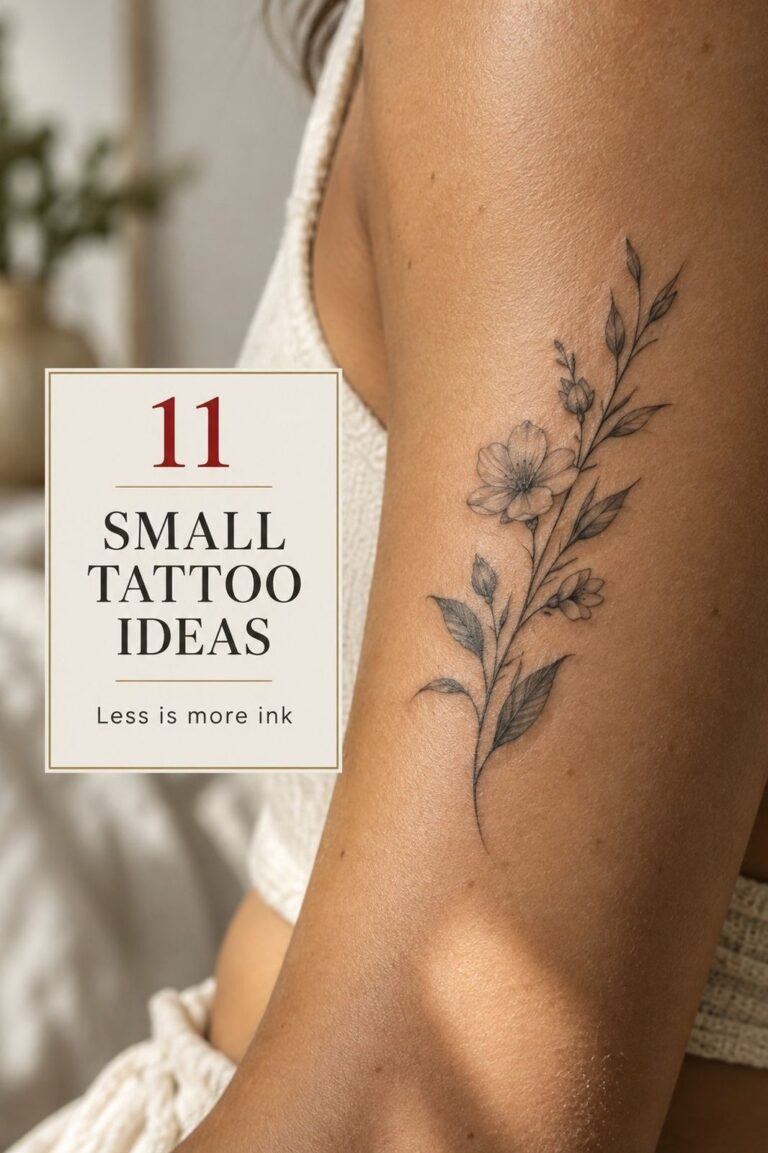
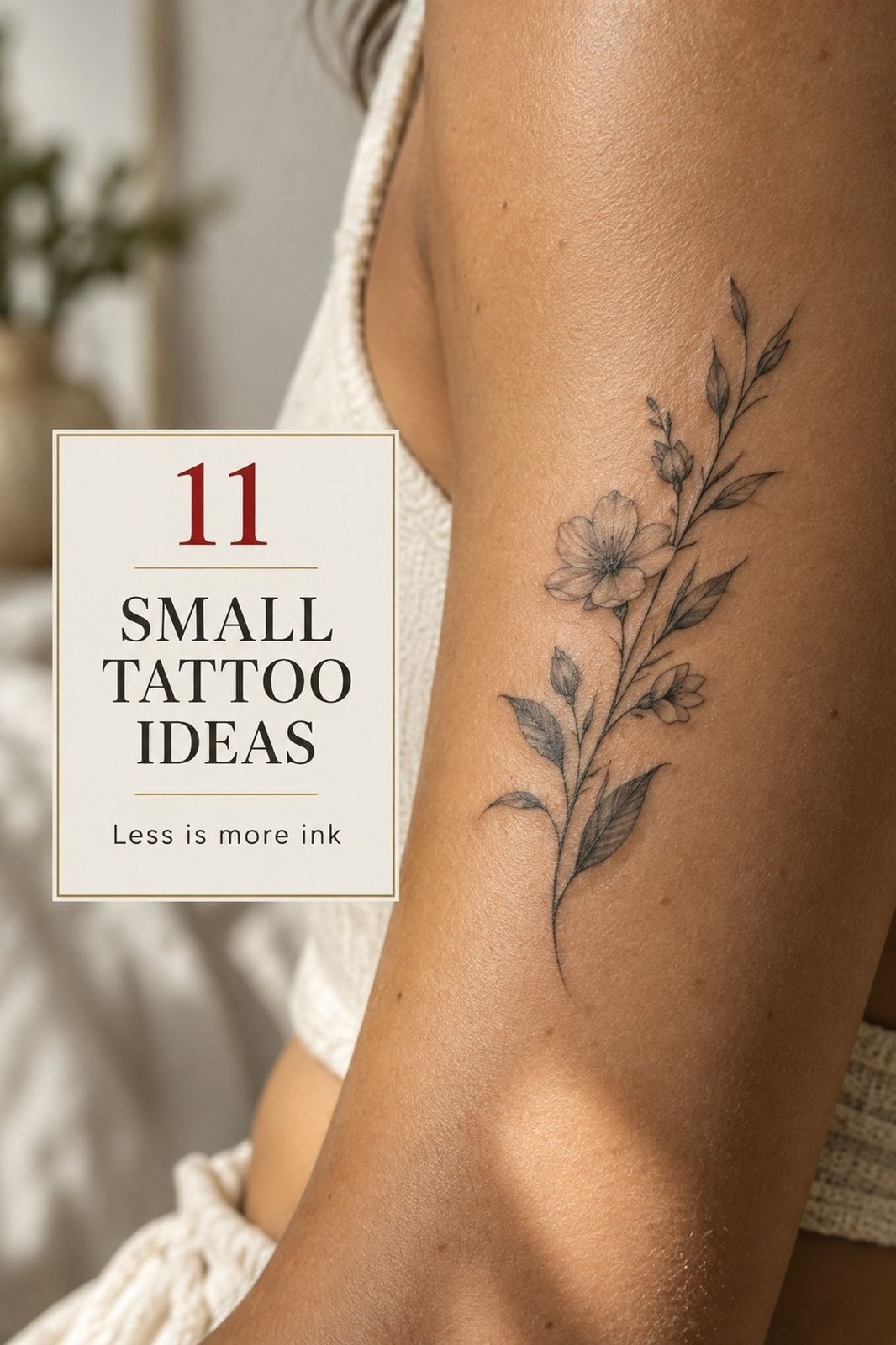
Single-needle linework, small botanicals, or minimal geometric shapes heal fast and age predictably. A thin line drawing of a fern, a small constellation, or a basic Roman numeral sits well on the inner forearm, collarbone, or behind the ear. These spots hurt less than you’d expect and let you check your tolerance without committing to a four-hour session.
Avoid watercolor or heavy realism for your first piece. Both require experienced hands and perfect aftercare to not blur into mush. Solid black lines forgive beginner mistakes in healing.
The “Test Run” Placement
The outer upper arm and calf are the training wheels of tattooing. Easy to cover, easy to show off, enough muscle to dull the needle, and large enough that a small design doesn’t look accidentally tiny. If you hate it, these spots also laser better than fingers or ribs.
- Inner bicep: more painful, but private and easy to conceal
- Ribcage: high pain, high visibility when you want it, hidden otherwise
- Ankle: popular but bony; lines can spread on thin skin over bone
Tips for Choosing
Scrolling Instagram for six hours rarely produces clarity. Better to reverse-engineer from your actual habits and wardrobe.
Match Your Maintenance Style
Are you meticulous about sunscreen? Do you work outdoors, swim daily, or wear tight boots? White ink and fine detail vanish on people who tan. Hand and foot tattoos blur and fade fast from friction and constant skin turnover. If you won’t touch up every few years, pick bold blackwork or traditional designs that fade gracefully into “vintage” rather than “ruined.”
The Six-Month Rule
Not the idea itself, the placement. Tape a printed version where you’re considering it. Live with it through job interviews, beach trips, and family dinners. If you keep catching it and feeling good, that’s data. If you start hiding it or explaining it, reconsider.
- Visible tattoos in professional settings: still context-dependent, so know your industry
- Neck and hands: these read as committed, not experimental, to most observers
- Stomach and chest: change shape significantly with weight fluctuation
Standout Design Ideas
Some concepts consistently produce tattoos that photograph well and wear better.
Botanical and Natural Forms
Snake and flower combinations, pressed-flower compositions, and native plant species translate beautifully to skin. Leaves with visible veining give artists room to show line variation. These designs wrap around limbs naturally and can be extended later into larger pieces. A single peony or magnolia on a shoulder cap ages into a soft, readable shape even as color softens.
Abstract and Graphic Work
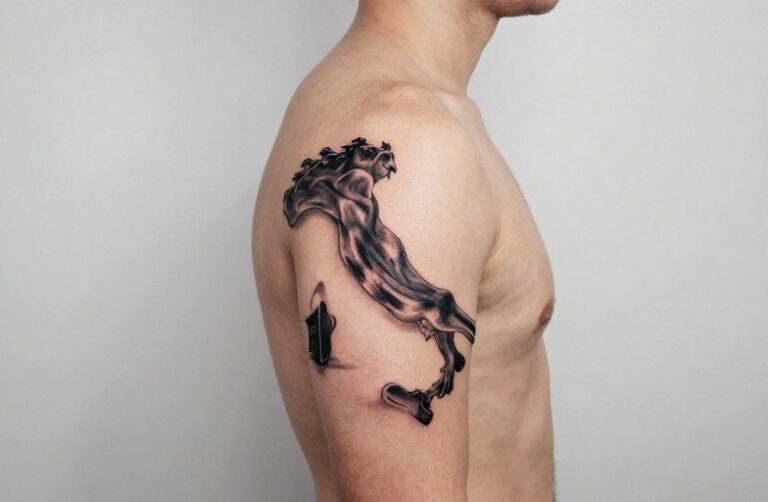
Thick black abstract shapes, ornamental patterns from traditional tilework, and stylized animal silhouettes hold their contrast. Negative space becomes part of the design rather than empty skin. A solid black panther with cut-out eyes, or a geometric wolf built from triangles, reads instantly from across a room, critical for tattoos that will spend decades at arm’s length.
- Japanese-inspired waves and wind bars: timeless, scalable, work in color or black-and-grey
- Script and lettering: choose artists who specialize in type; bad lettering is permanently embarrassing
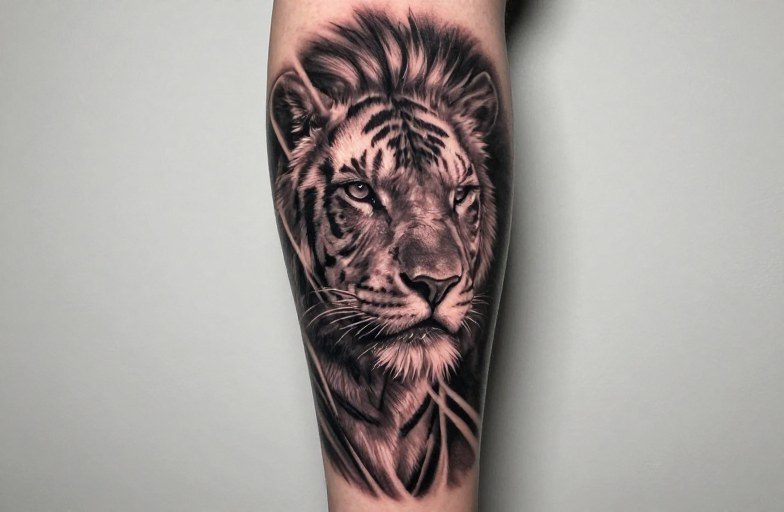
- Portrait work: requires a specialist, ages poorly unless large and high-contrast
Color Choices
Black and grey isn’t the only safe option, but it is the most forgiving. Color demands more planning and more commitment to maintenance.
What Fades and What Holds
Yellow and white fade fastest, often to invisibility within five years on sun-exposed skin. Deep blues, dark greens, and burgundy hold substantially longer. Red can shift unpredictably, sometimes to pink, sometimes to a muddy brown depending on the specific pigment batch and your skin chemistry.
Skin tone matters practically, not aesthetically. Darker skin carries black ink with stunning contrast but can swallow lighter colors. Experienced artists adjust saturation and contrast rather than telling you color is “not for you.”
The Black and Grey Advantage
Without color dependency, these tattoos age into a consistent “vintage photograph” look. Touch-ups are simpler. They also cost less initially and require fewer sessions. If your budget is tight, black and grey lets you get more square inches of quality work for the same money.
- Full color realism: stunning fresh, requires strict sun avoidance forever
- Neo-traditional with limited palette: bold outlines protect color from bleeding
- Blackwork with dotwork texture: ages exceptionally well, reads at any distance
Matching & Pairing Ideas
Couples and friends often rush into matching tattoos that outlast the relationship. Smarter approaches exist.
Complementary Over Identical
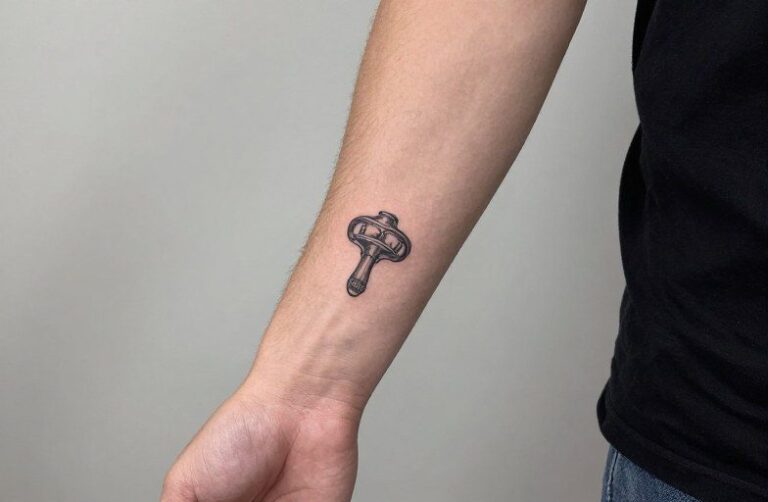
Two people getting the same small heart is a meme for a reason. Better: connected concepts that stand alone. One person gets a key, the other a lock. One gets a ship, the other a lighthouse. If the pairing ends, each piece remains complete and meaningful independently. This applies to siblings, best friends, and partners equally.
Placement Pairing
Matching placement matters more than matching image. Both getting pieces on the inner forearm creates a ritual and visual connection without requiring identical art. Alternatively, left arm and right arm placements that face each other when you stand together. These photograph well and feel intentional without being cloying.
- Coordinate style rather than subject: both get Japanese-inspired work, different imagery
- Split designs: one half of a larger image each, risky but visually striking
- Date or coordinate tattoos: often too small to age well, consider larger incorporation
Size & Scale
Small tattoos are not beginner tattoos. Tiny detail requires extreme precision and heals unforgivingly.
The Minimum Readable Size
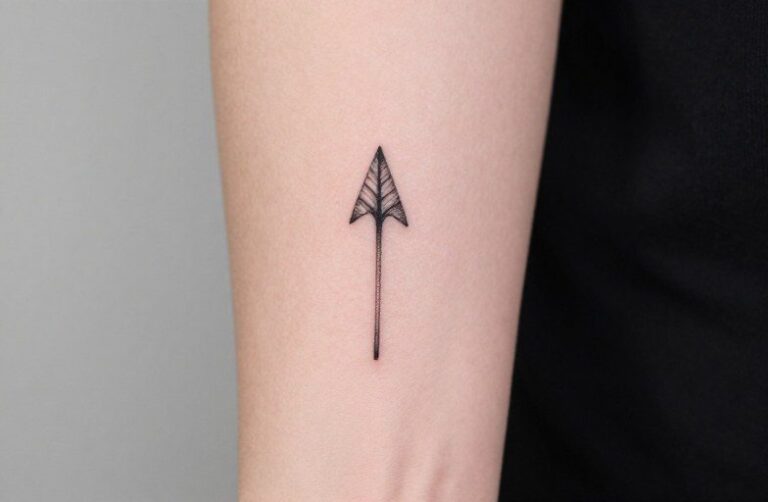
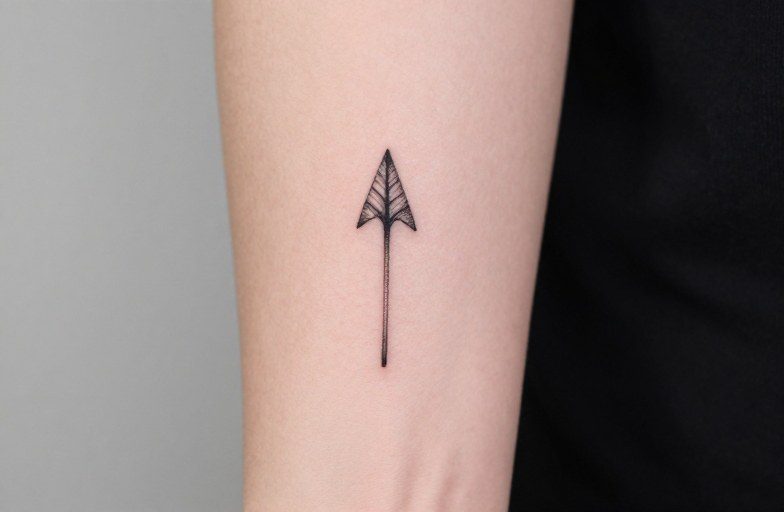
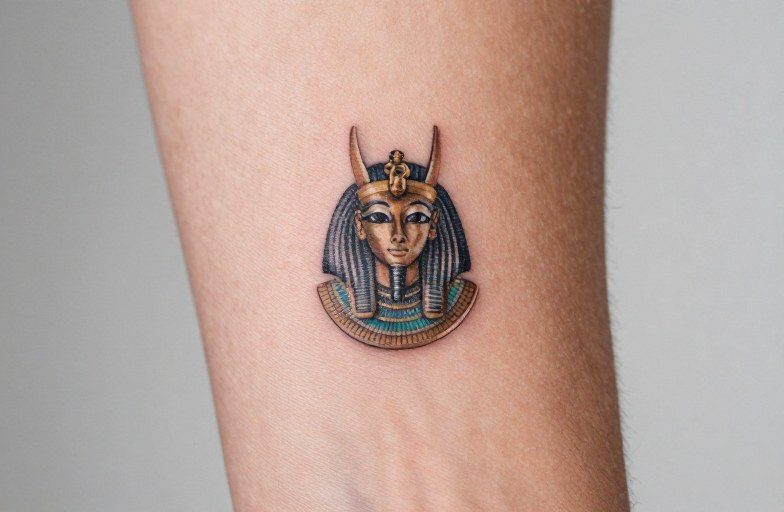
A face needs about three inches to read as a face. lettering needs to be bold enough that letters don’t close up as ink spreads slightly during healing. Single-needle micro-tattoos look delicate fresh but often blur into soft grey blobs within a few years. If you want something genuinely small, stick to simple symbols: a crescent moon, a single letter, a basic arrow.
Scaling to the Body
A full back piece has gravitas because of the canvas. The same design shrunk to a wrist loses its impact and its detail. Conversely, a tiny design blown up to a thigh looks sparse and accidental. Good artists scale sketches to your actual body part before stenciling. If they don’t, ask. The relationship between the design and your specific anatomy determines whether it looks “placed” or “stuck on.”
- Large scale: back, chest, thigh, allows detail, multiple sessions, complex composition
- Medium: outer arm, calf, shoulder, versatile, most common, good for single-session pieces
- Small: wrist, ankle, behind ear, requires simplicity, frequent touch-ups, high precision
Key Takeaways
Great tattoos come from matching the right idea to the right body, artist, and maintenance level. Simple designs in readable sizes on appropriate placements age better than ambitious concepts executed poorly. Black and grey offers longevity; color offers vibrancy at the cost of vigilance. Matching tattoos work best when they’re complementary, not identical. Your first piece doesn’t define your collection, but a bad one can delay your second by years. Research artists whose healed work you can see, not just fresh photos. The best idea is the one you’ll still want to explain, or not explain, when you’re sixty.
Frequently Asked Questions
How small can a tattoo be before it starts to blur?
Below two inches, fine detail becomes risky. Faces need about three inches to stay readable, and lettering needs bold strokes so letters don’t close up during healing. Simple symbols work smaller than complex designs.
Do color tattoos hurt more than black and grey?
Not significantly. The pain difference comes from placement and your personal sensitivity, not the ink color. Color work often takes longer, which means more total time under the needle.
Can I get a matching tattoo with someone if we’re not romantically involved?
Absolutely. Siblings, friends, and even coworkers get paired pieces. The same rules apply: choose complementary rather than identical designs, and pick art that stands alone if the relationship changes.
How do I know if an artist is actually good at the style I want?
Ask to see healed photos from at least six months prior, not just fresh work. An artist’s Instagram should show consistent results in your specific style, not just one or two pieces among unrelated work.