Small tattoos carry their own discipline. A simple design has nowhere to hide, every line, every gap, every placement choice shows. For women considering their first piece or adding something understated, the appeal is practical: lower cost, shorter sessions, easier healing, and the option to keep it discreet or let it peek. But simple does not mean careless. The best minimal tattoos are deliberate about scale, line weight, and how the design will settle into skin over five, ten, twenty years.
How to Personalize It
Generic flash off the wall rarely ages with you. Personalization in simple work comes from restraint, not clutter, one meaningful element rendered cleanly rather than three crammed together.
Choosing Symbols That Hold
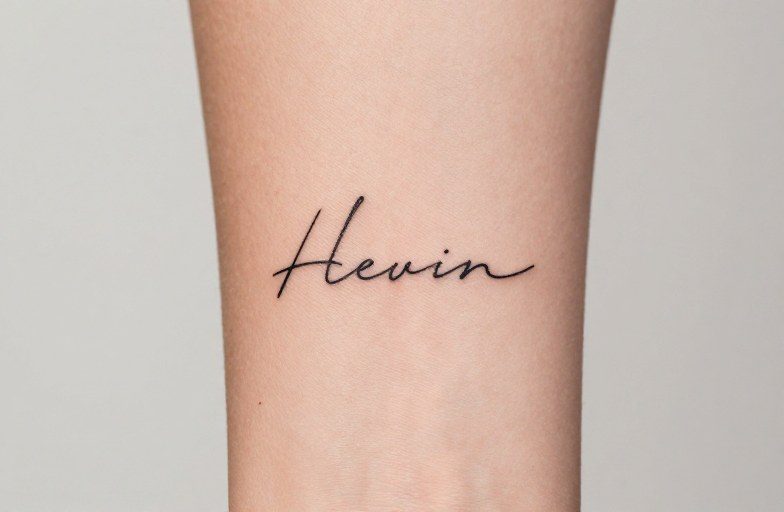
A single word in a parent’s handwriting. A constellation from a specific date. A botanical drawn from a plant you actually grew. These anchor the tattoo without requiring explanation. The smaller the design, the more important this specificity becomes. A generic lotus and a lotus traced from the one on your grandmother’s table carry the same visual weight but entirely different staying power in your attachment to them.
Placement as Personal Statement
- Behind the ear: Visible with hair up, invisible down. Works best with designs under 2 inches; detail gets lost in the curve of the skull.
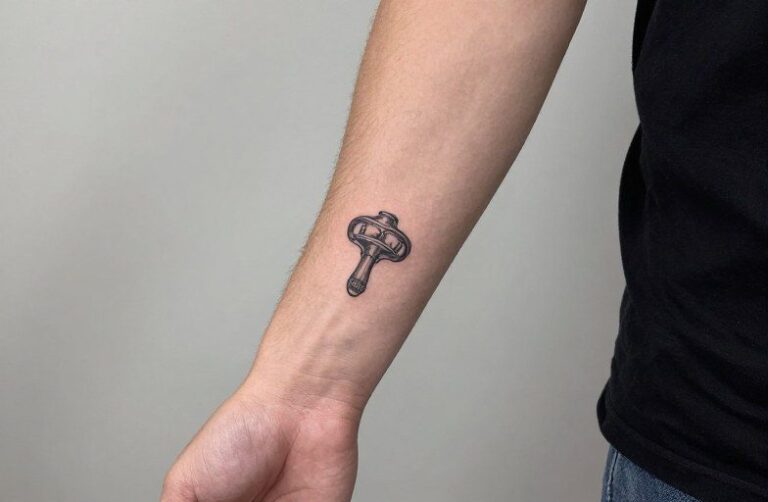
- Inner wrist: High visibility means you’ll see it constantly, choose something you won’t tire of. Fades faster here due to sun and friction.
- Ribcage side: More private, stretches with breathing and movement. Soft, flowing lines work better than rigid geometry.
- Ankle or foot: Popular but brutal for healing (shoes, socks, swelling). Ink also tends to blow out and fade on foot skin.
- Collarbone: Elegant, painful on bone, and prone to showing sun damage. Fine lines need extra care here.
Standout Design Ideas
Certain simple motifs recur because they translate well to small scale and hold their structure. The key is execution, thin, consistent lines and adequate spacing between elements.
Botanicals and Nature Forms
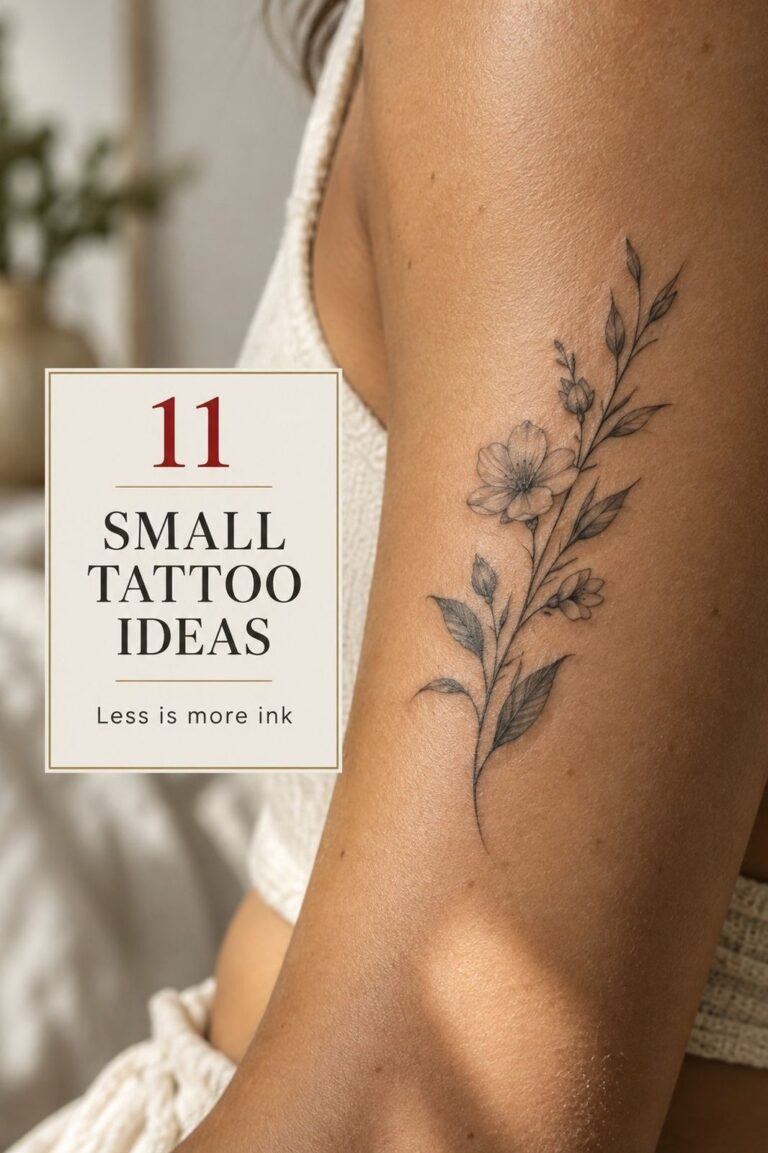
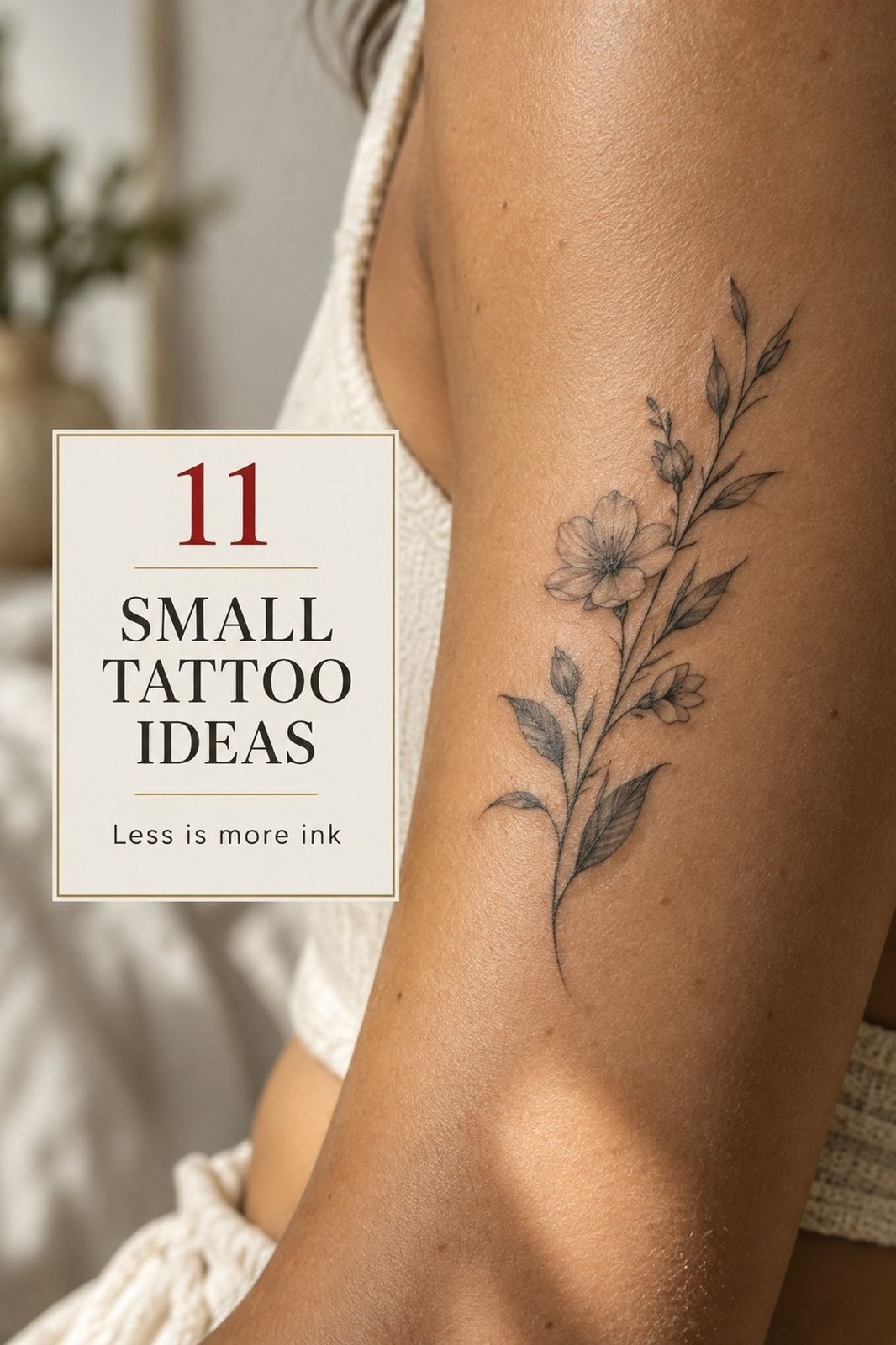
Single-stem flowers, pressed-fern silhouettes, and four-petal dogwood translate beautifully to minimal line work. A leaf with visible vein structure gives the eye something to follow without requiring shading. Avoid dense clusters of tiny petals; they blur together within years. One stem, one bloom, clean contour.
Abstract Geometry
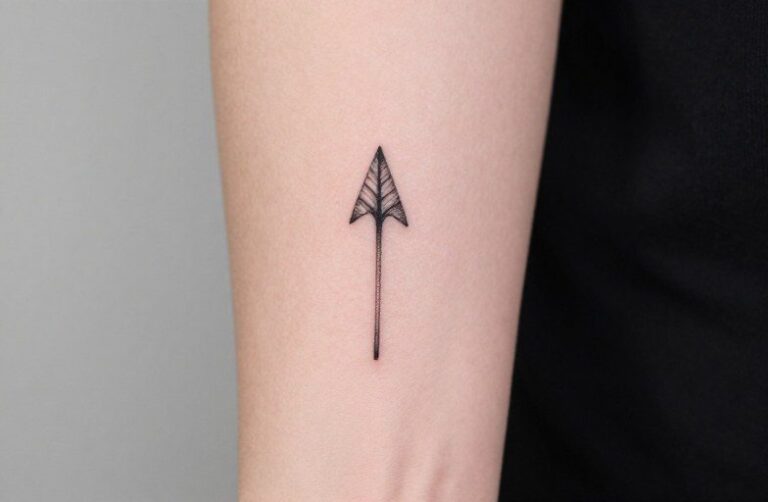
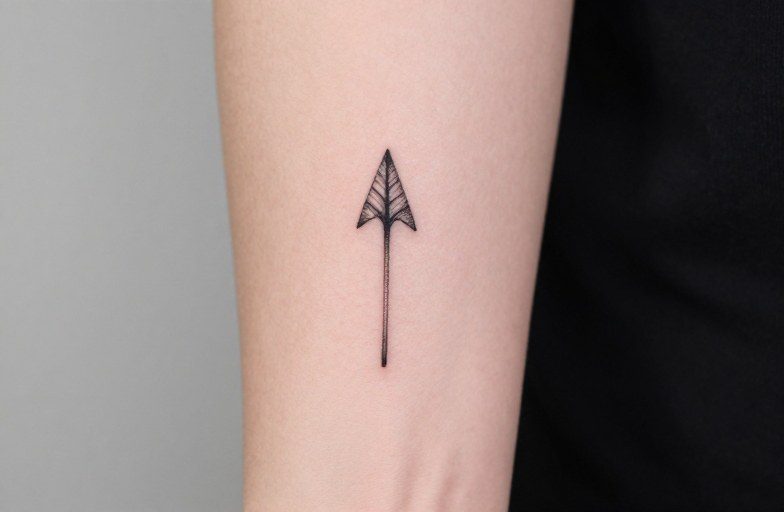
Small triangles, crescent moons, and open circles age exceptionally well when line weight is uniform. A broken circle, almost complete but with a deliberate gap, reads as intentional design rather than unfinished work. Dots arranged in constellation patterns work at very small scales but need precise spacing; too tight and they merge, too loose and they look accidental.
Popular Styles
Not every style suits simple, small work. Some require real estate to breathe; others collapse into muddy blobs when shrunk.
- Single needle/fine line: Hair-thin lines, high detail, requires an artist with specific needle control. Heals to a softer grey than bold lines; touch-ups are common.
- American traditional simplified: Bold outlines, minimal interior detail, limited color. Ages better than fine line but reads heavier on small scales.
- Hand-poked: No machine, dot-built lines. Sits differently in skin, often softer edges. Healing can be gentler but sessions run longer.
- Blackwork silhouette: Solid black shapes with negative space cut out. High contrast, reads clearly from distance, but small silhouettes lose recognizable form.
Fine line dominates current minimal tattoo trends, but it demands realistic expectations. Those pristine Instagram photos are often fresh work. Healed fine line settles, softens, and sometimes needs reinforcement.
Color Choices
Black and Grey
Black ink on fair to medium skin provides the longest clarity and sharpest aging. Grey wash adds subtle dimension without the commitment of full color. On darker skin tones, black still holds best; grey can disappear into undertones and often reads as uneven rather than intentionally soft.
Minimal Color Accents
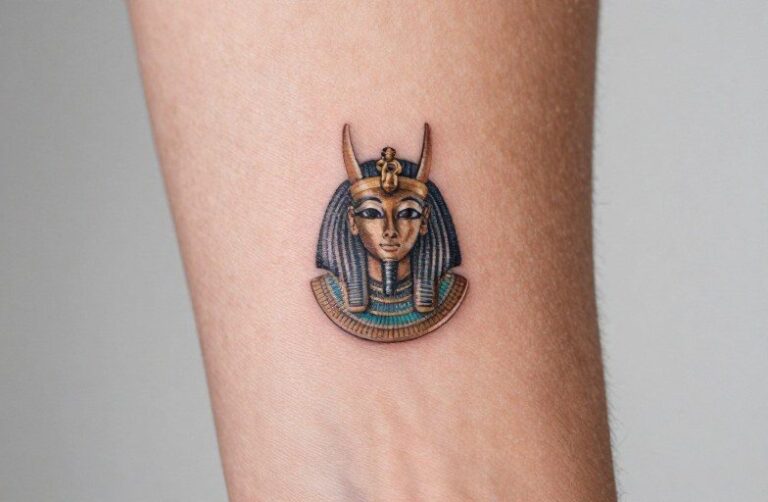
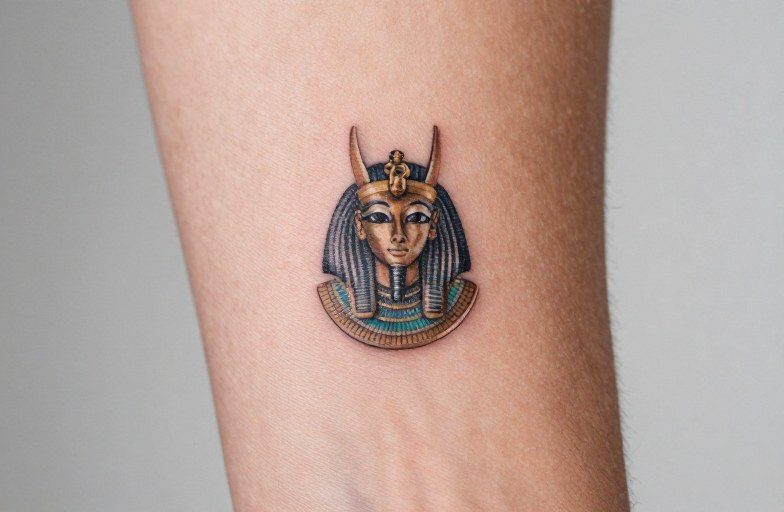
A single red poppy petal. One turquoise eye in a small animal. These touches work when the color is saturated and the surrounding design is black. Multiple colors in a tiny tattoo compete for attention and muddy quickly. Yellows and pastels fade fastest; deep blues, reds, and greens hold longer but still require more maintenance than black.
White ink deserves specific mention: it yellows, it disappears, it rarely looks like the fresh result after healing. Some artists use it for highlight effects in black designs, but standalone white tattoos are generally not recommended for longevity.
Matching & Pairing Ideas
Simple tattoos lend themselves to collected work, multiple small pieces that relate across the body rather than one large composition.
Sibling or Friendship Pairs
Identical designs in identical placement create the strongest connection, but complementary works better for different body types and lifestyles. One person takes the crescent moon, the other the full moon. Same line weight, same artist ideally, same general scale. The link is visible without being literal copy-paste.
Building a Coherent Collection
Scattered random tattoos read as exactly that. Coherence comes from consistent line weight, recurring subject matter, or unified placement logic. A cluster of small botanicals on one arm. A series of geometric marks following the bone structure of fingers. Even disparate images connect visually when the same needle configuration and ink density run through all of them.
Trending Variations
Trends in simple women’s tattoos shift, but certain directions currently hold traction based on what photographs well fresh and what actually heals satisfactorily.
Ornamental finger bands, thin lines wrapping phalanges, remain requested despite their poor aging. Finger skin sheds and regenerates rapidly; these blur within months to years. Artists committed to quality often decline or heavily warn about this placement.
Micro-realism, attempting photographic detail at thumbnail size, pushes technical boundaries but rarely survives the healing process intact. The trend toward slightly larger simple designs, two to three inches rather than one, reflects growing awareness of how ink settles.
Text tattoos in non-Latin scripts (Arabic, Sanskrit, Korean) continue, but accuracy concerns are significant. Verify with native speakers, not just font generators. A single misplaced dot changes meaning entirely.
Small animal portraits simplified to essential features, just the ears of a cat, the profile of a dog, offer personal connection without the clutter of full realism. These work best when the animal’s silhouette is genuinely distinctive.
The Takeaway
Simple tattoos for women succeed through precision, not shortcuts. A small rose behind the ear or a single word on the inner wrist carries weight when the line work is clean, the placement suits your actual life, and the image holds specific meaning rather than borrowed significance. Research your artist’s healed work, not just fresh photos. Ask about needle configuration and how they handle the particular skin of your chosen placement. The best simple tattoo is one you stop noticing daily because it has become part of you, visible, unobtrusive, and holding its form as years pass.
Frequently Asked Questions
Do simple tattoos hurt less than larger, more detailed ones?
Session length matters more than design complexity. A small tattoo might take 20 minutes versus hours for a large piece, so total discomfort is usually less. However, needle intensity on sensitive spots like ribs or ankles feels the same regardless of design size.
How much should a simple small tattoo cost?
Most reputable shops charge minimums between $80-$150 regardless of size, covering setup and sterilization. Highly sought-after artists may charge more. Extremely low prices often indicate corner-cutting on equipment or experience.
Can I get a simple tattoo touched up if it fades?
Yes, most artists offer free or low-cost touch-ups within the first year if the fading isn’t due to sun damage or poor aftercare. Fine line tattoos typically need reinforcement more often than bold traditional work.
Will a simple tattoo limit my options for larger pieces later?
Small tattoos can usually be incorporated into larger designs or covered if placement and style are considered. Black line work is easier to build around or blast over than heavy color fills. Discuss future plans with your artist before committing to placement.