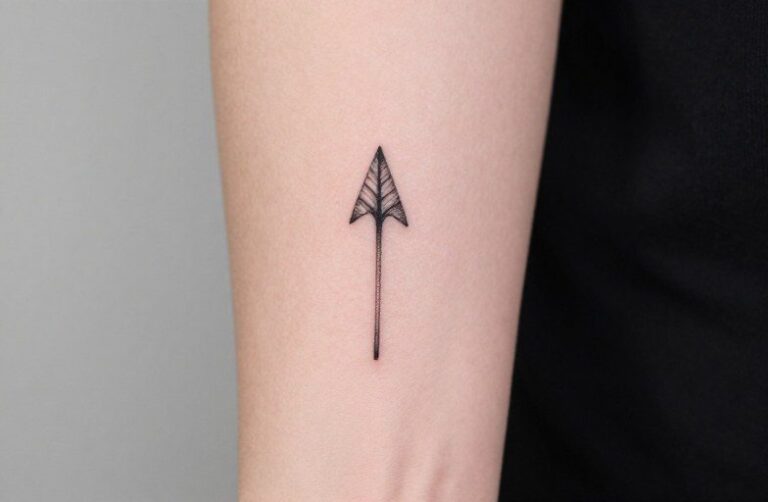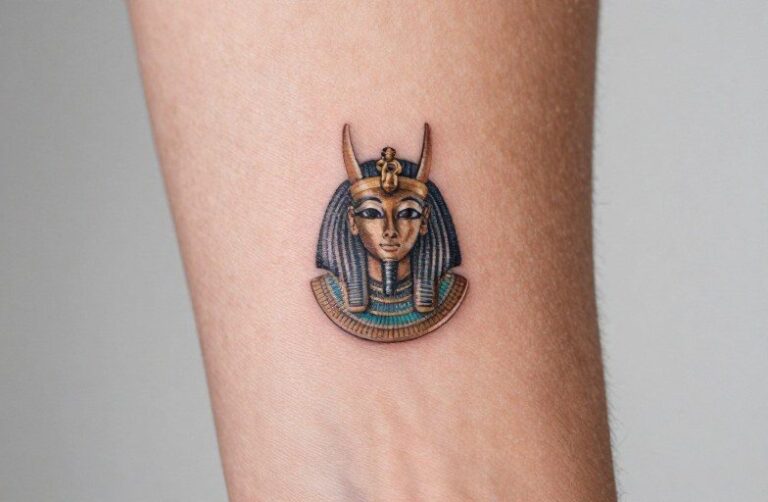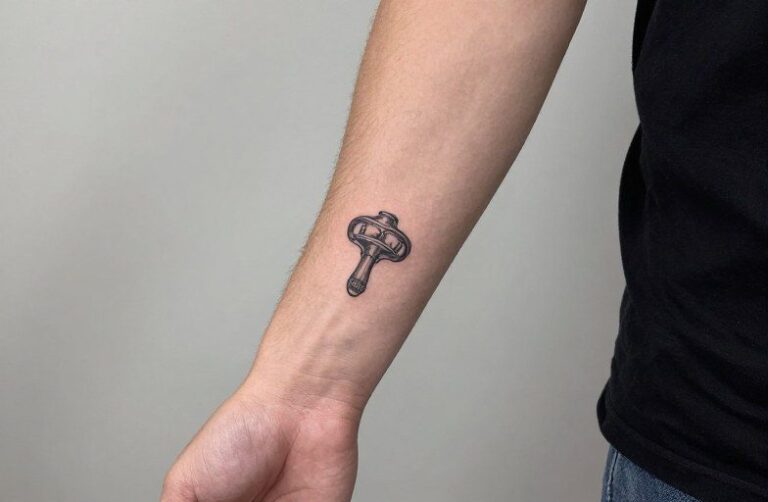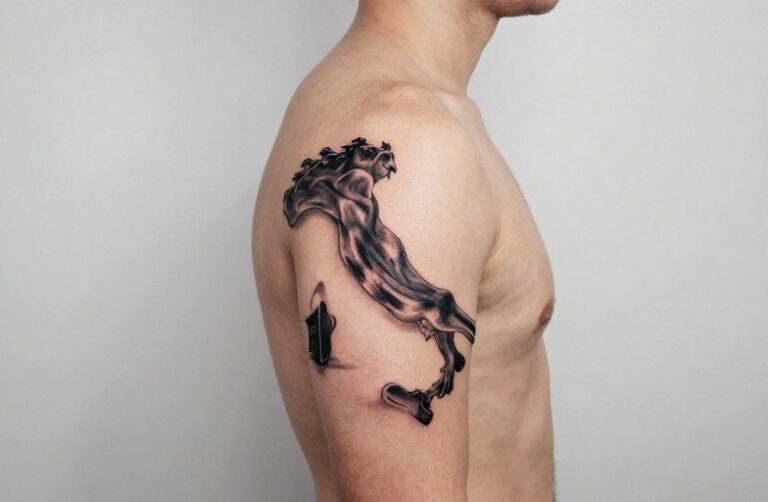
Art tattoos run the gamut from museum masterpieces to original compositions, and the gap between “looks good on paper” and “works on skin” is wider than most people expect. Skin moves, stretches, and ages. Ink bleeds and fades. The best art tattoos account for these realities from the start. Here’s what actually works, what doesn’t, and how to narrow your options without drowning in Pinterest boards.
Trending Variations
Right now, certain approaches to art tattoos are showing up consistently in shops that lean toward custom work. These aren’t passing fads, they’re techniques and subjects that have enough depth to sustain interest.
Art History References
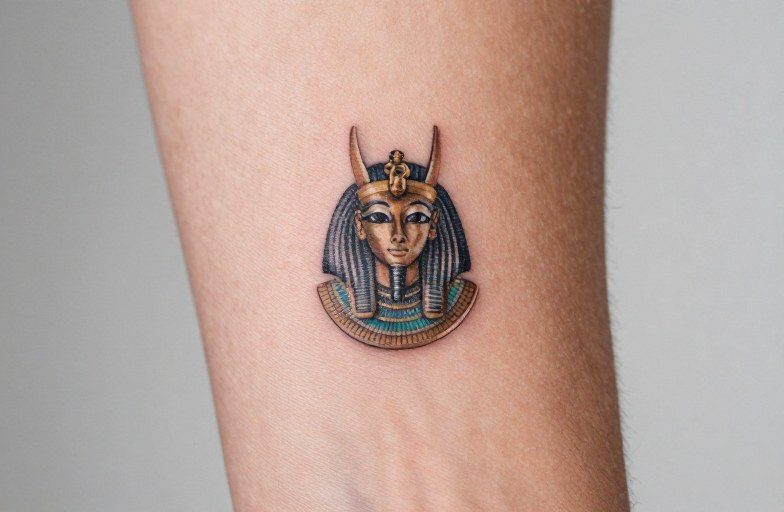
Reinterpreting famous paintings or sculptures as tattoos has staying power when done selectively. The trick is choosing works with strong silhouettes and limited fine detail. Think Munch’s “The Scream” simplified to its essential lines, or a single Klimt figure stripped of the gold-leaf complexity that would muddy at small scale. Full-color reproductions of oil paintings rarely age well; the subtle gradations that make them stunning on canvas become indistinct blotches in skin after five to ten years.
Better bets include:
- Single-figure extractions from larger compositions
- High-contrast black-and-white interpretations
- Art nouveau line work (Mucha, Beardsley) adapted for tattoo line weight
- Japanese woodblock-inspired flat color blocks
Abstract and Non-Representational
Abstract art tattoos are having a sustained moment, particularly brushstroke textures and color-field patches. These work best when the artist understands how pigment settles in skin versus canvas. Watercolor-style splashes without black anchoring lines tend to diffuse into soft, unrecognizable shapes within a few years. Abstract pieces with deliberate structure, geometric divisions, intentional negative space, or bold contour lines, hold their shape far longer.
Matching & Pairing Ideas
Art tattoos that relate to each other across two people or across two body parts of the same person require more planning than standalone pieces. The relationship needs to read immediately, not require explanation.
Split Compositions
One image divided across two arms, thighs, or shoulders can be striking, but the split point matters enormously. Avoid cutting through faces, eyes, or central focal points. The division should fall along natural compositional lines, horizon lines in landscapes, the gap between figures, or architectural verticals. When the two halves come together, the image should feel complete; when apart, each half should still hold visual interest as an independent piece.
Thematic Pairs
Matching tattoos between partners or friends work better as thematic echoes than identical copies. Two people might each get a different painting by the same artist, rendered in the same simplified style. Or complementary art movements, Art Deco geometry paired with Art Nouveau organic flow, on opposite forearms. The connection becomes a conversation rather than a duplication.
Color Choices
Color in art tattoos behaves differently than in gallery pieces. Understanding this upfront prevents disappointment that no touch-up can fully fix.
Skin undertone affects every color. Warm undertones can push yellows toward orange and cool blues toward green. This isn’t failure, it’s physics. Experienced artists account for it by selecting slightly offset hues. Reds and deep blues generally hold most reliably. Pastels and very light values (soft pinks, pale lavenders, mint greens) fade fastest and often disappear to near-invisibility within three to five years on most skin tones.
Black and grey art tattoos offer a different advantage: they reference the tradition of printmaking, charcoal, and graphite that underlies much fine art. A well-executed blackwork piece referencing chiaroscuro techniques can look more “artistic” than a faded color attempt at the same subject. For color that lasts, consider:
- Limited palettes (3-4 colors maximum)
- Heavy saturation rather than diluted washes
- Strategic black outlines or “dams” to prevent color bleeding
- Placement away from sun exposure (inner arm, torso)
Popular Styles
Not every art style translates to tattooing. Some require specific technical approaches; others simply fail under skin’s constraints.
Styles That Translate Well
Line engraving and etching styles adapt naturally, their reliance on distinct black lines matches tattooing’s strengths. Stippling (pointillism) works at medium to large scale but becomes muddy below palm-sized. Bold poster art and propaganda graphics translate excellently; their flat color areas and strong outlines are essentially already in tattoo vocabulary. Surrealist imagery succeeds when the artist commits to either meticulous detail (large scale only) or strategic simplification.
Styles That Demand Caution
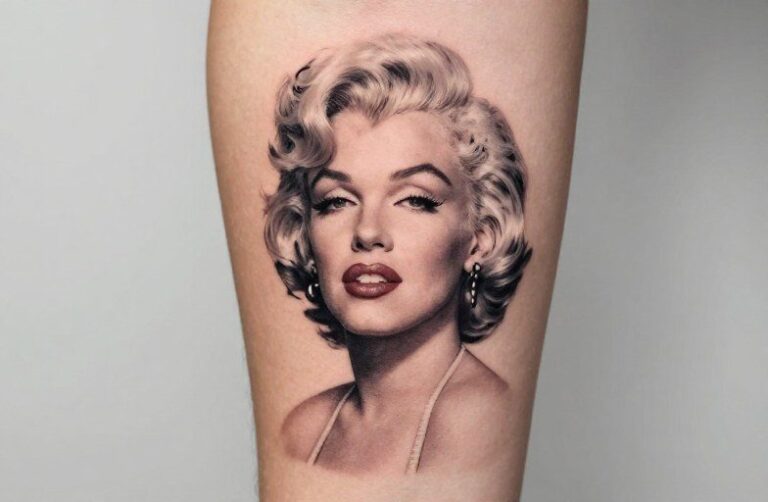
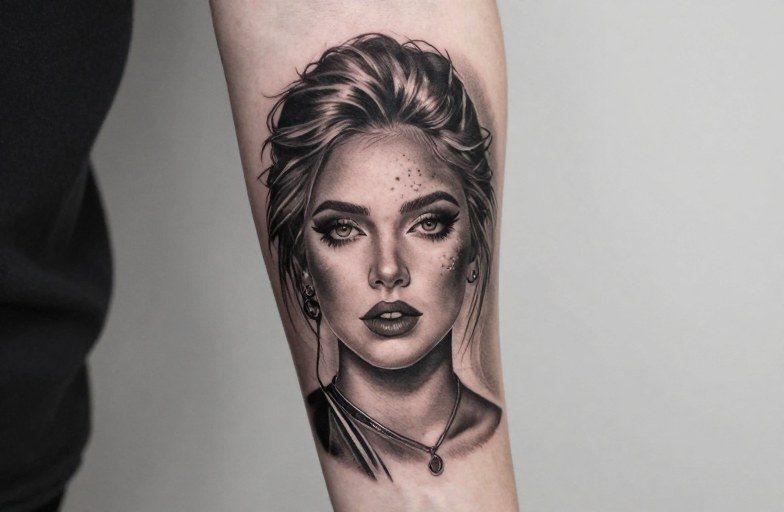
Impressionist brushwork and pointillist color mixing are extremely difficult to replicate. The optical color blending that makes Monet luminous on canvas relies on discrete dots of pure color that merge at a distance. In skin, those dots blur together physically, not optically, creating brownish mud. Hyperrealism faces similar challenges: the subtle skin tones and micro-textures that sell photorealism require perfect healing, consistent sun protection, and eventual significant fading that destroys the effect.
Size & Scale
Art tattoos need room to breathe. The minimum viable size depends on the complexity of the reference, not on how much you’re willing to spend or endure.
A simple art nouveau line piece can read clearly at 3-4 inches. A portrait derived from a painting needs at least 6-8 inches in one dimension to preserve recognizable features. Full reproductions of complex compositions, think crowded religious scenes or detailed landscapes, require substantial real estate: full back, full thigh, or full sleeve minimum. Attempting these at small scale results in a dark, confused mass within a few years as lines spread and details disappear.
Placement also affects perceived scale. A 5-inch piece on a forearm reads larger than the same 5 inches on a back. Curved surfaces (shoulders, calves) distort rectangular compositions; flat planes (chest, outer thigh) preserve them. For art tattoos specifically:
- Vertical compositions: outer forearm, side of torso, calf
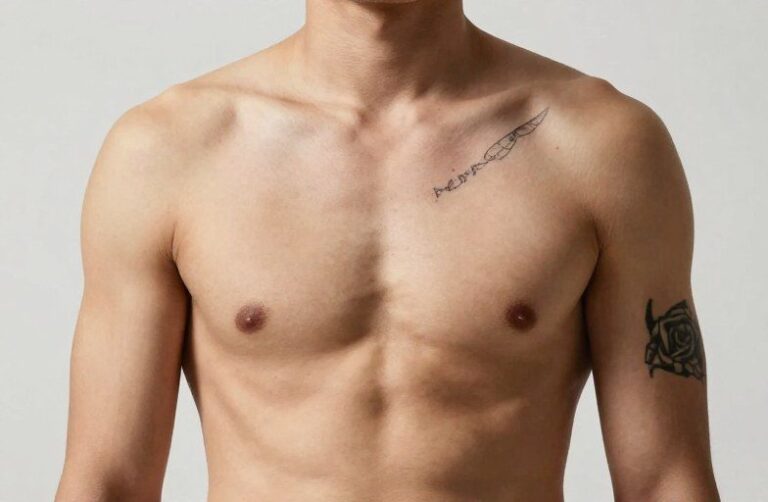
- Horizontal compositions: collarbone area, upper back, lower abdomen
- Circular or medallion formats: shoulder cap, knee, center chest
Tips for Choosing
With unlimited reference material available, paralysis is common. These filters help cut through noise.
Evaluate for Tattoo Translation
Look at your reference image squinted, then at thumbnail size, then in black and white. If it loses all definition in any of these states, it won’t survive as tattoo. Strong art tattoos have clear value structure, distinct light, mid, and dark areas, even when color is removed. If your reference relies on subtle tonal gradations or fine detail for its impact, it needs reimagining, not direct copying.
Artist Selection Matters Most
General technical skill doesn’t guarantee success with art-specific tattoos. Look for artists whose portfolios show pieces in your target style or who have fine art training. Ask how they’d adapt your reference, not just whether they can replicate it. The best response involves specific changes, simplifying this area, strengthening that contour, adjusting scale of this element. Vague reassurance or immediate agreement without modification suggests inexperience with the translation process.
Budget realistically. Art tattoos requiring significant adaptation, multiple reference consultations, or specialized color work command higher rates. The alternative, cheap execution of a complex concept, almost always results in expensive, imperfect cover-up work later.
Final Word
Art tattoos occupy a specific niche: they carry cultural reference and personal taste simultaneously, but only when executed with technical understanding of the medium. The best pieces don’t reproduce gallery experiences, they create tattoo-specific experiences that acknowledge skin as their surface. Choose reference with structural integrity, match it to artists who understand the translation, and size it for the long term rather than the fresh photo. The result holds up in mirrors and memory, not just on Instagram’s timeline.
Frequently Asked Questions
Will a watercolor-style art tattoo fade completely?
Watercolor tattoos without black outlines or solid structural elements typically fade to soft, undefined shapes within five years. The pigment particles diffuse, and the “wash” effect becomes a blurry stain. Pieces with deliberate black anchors hold recognizable form much longer.
Can I get a tattoo of a specific painting I love?
You can, but it requires adaptation. Copyrighted works are technically the artist’s or estate’s property, though personal tattoos rarely draw legal action. More practically, most paintings need simplification for skin, reducing detail, strengthening contrast, and adjusting scale to survive aging.
What’s the best placement for a tattoo based on a famous sculpture?
Sculpture-derived tattoos work best where the body’s natural form echoes the original’s dimensionality, rounded shoulders referencing busts, calves for standing figures, or the full back for reclining compositions. Flat placements like the inner forearm flatten the sculptural illusion.
How do I know if an artist can handle an art history reference?
Ask to see healed photos of their similar work, not just fresh tattoos. Ask specifically how they’d adapt your reference, line weight changes, color adjustments, detail reduction. Specific, technical answers indicate genuine experience; vague confidence or immediate replication promises suggest otherwise.