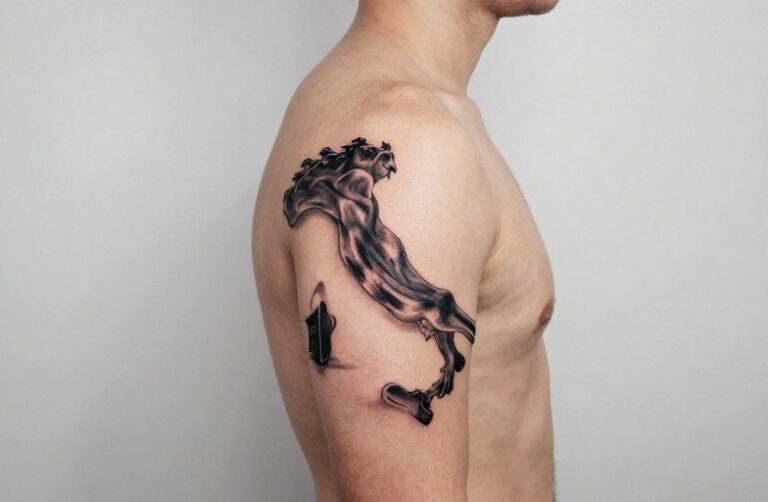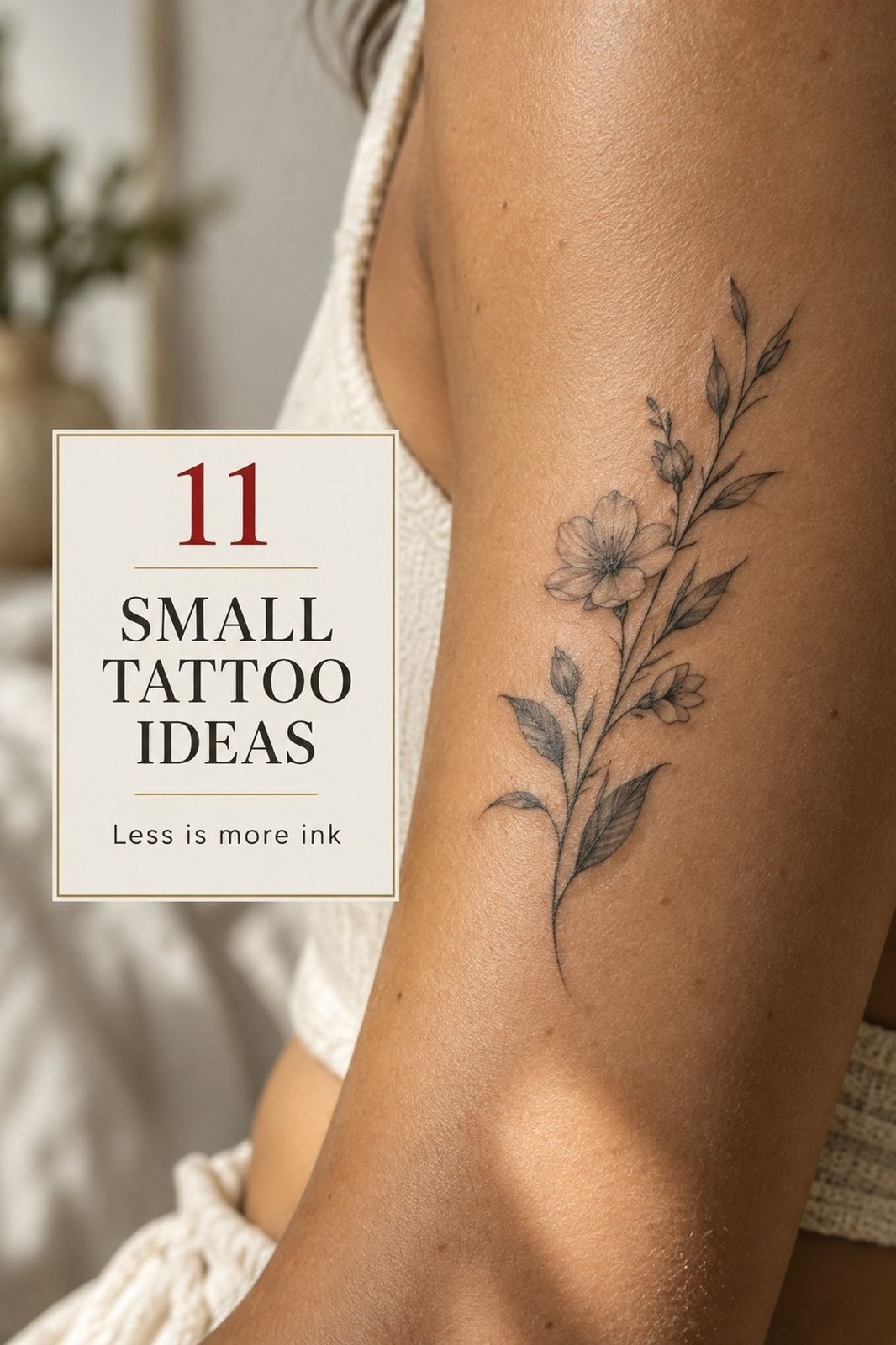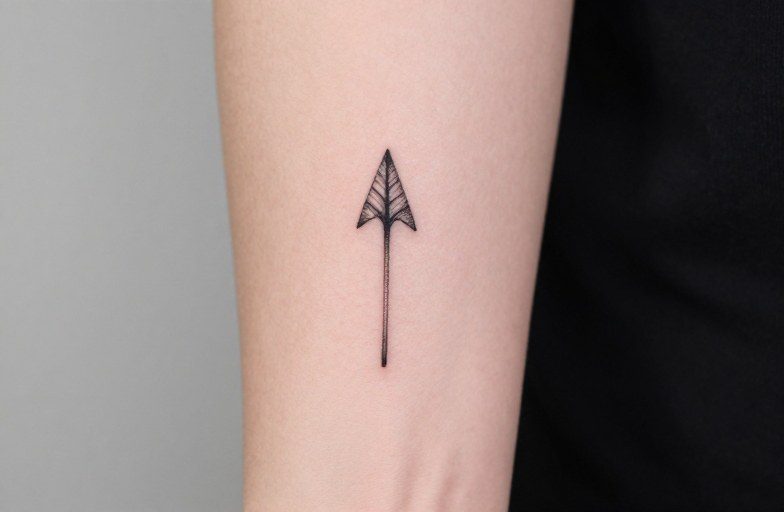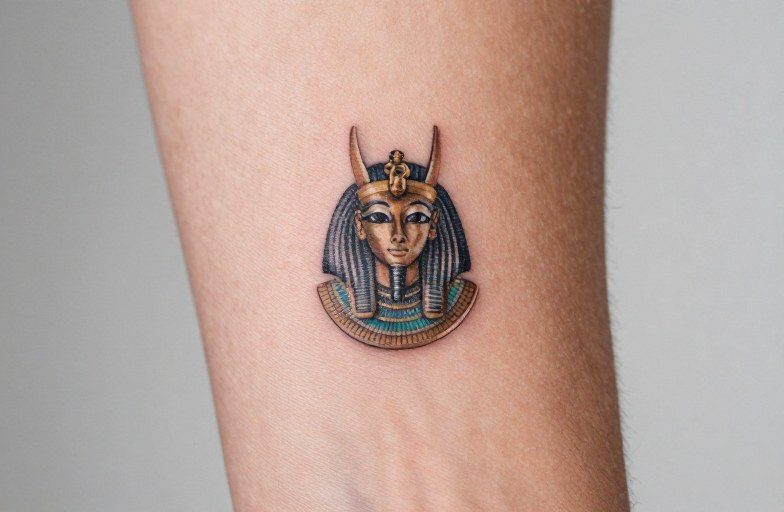
Minimalist tattooing looks effortless on skin, but that restraint demands serious control. A single wobble in a one-line face ruins the whole piece. The artists who specialize in this work aren’t just doing less, they’re choosing exactly what to remove while keeping the image readable. If you’re drawn to thin lines, dotwork, or stripped-down geometry, understanding how these specialists work will help you find the right one and get a piece that holds up.
Matching & Pairing Ideas
Complementary Styles
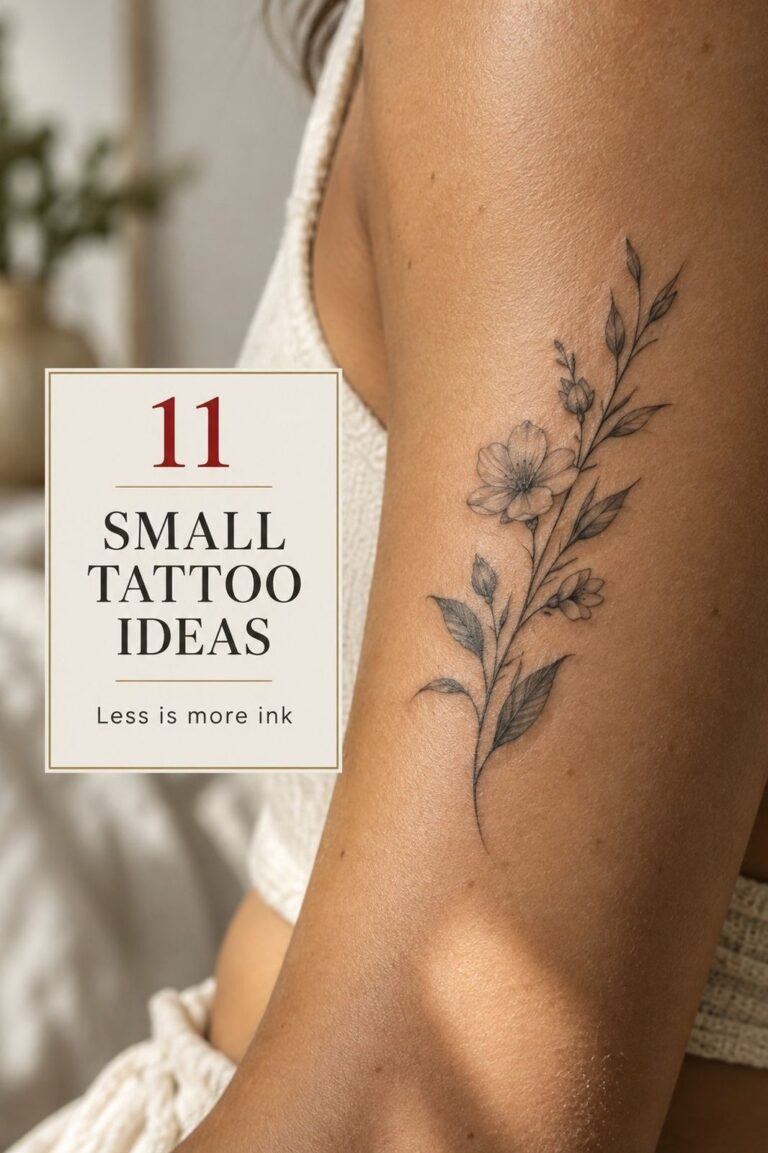
Minimalist tattoos pair naturally with specific adjacent styles when done by artists who understand negative space. Fine-line botanicals next to a single-stem rose. A tiny constellation behind the ear matched with a larger geometric piece on the forearm. The key is line weight consistency, pairing a 3mm bold traditional piece with a hairline minimalist one on the same arm creates visual competition, not harmony.
Some collectors build entire limbs around micro-work: scattered small pieces with deliberate empty skin between them. Others use one minimalist anchor piece and surround it with bolder work, letting the quiet piece function as breathing room. The artist’s role here is advising spacing before the first needle touches skin.
Subject Pairing Rules
- Single-word script pairs with abstract line shapes, not ornate floral
- Dotwork mandalas sit well beside solid black geometry
- Animal silhouettes work with botanical outlines in matching line weight
- Avoid pairing portrait realism with minimalist faces, same subject, different languages
Trending Variations
Single-Needle Technique
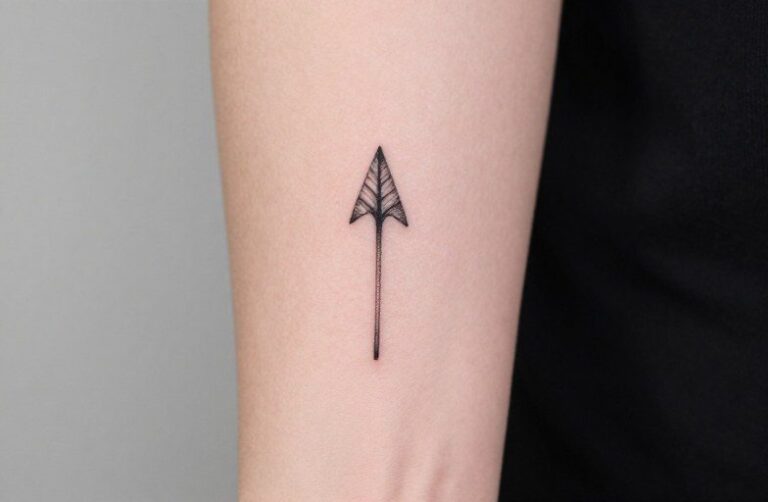
True single-needle work uses a 1RL or 3RL needle grouping, not the standard 5RL or 7RL most artists default to. The result is lines that heal to roughly 0.5mm-1mm width, slightly softer than machine-drawn pen lines. This technique demands slower hand speed and steady voltage, too fast and the line blows out; too slow and it scars. Artists specializing here often work exclusively in black ink, since color saturation requires more passes that risk thickening the line.
Hand-Poke Minimalism
Hand-poke (stick-and-poke) minimalist work has moved far beyond DIY kitchen-table tattoos. Professional practitioners use single needles with deliberate, measured pokes, creating a slightly organic, hand-wrought quality that machines can’t replicate. The lines sit differently in skin, less uniform, with subtle variation that reads as intentional rather than sloppy. This variation suits small symbols, Roman numerals, and tiny botanicals. Healing tends to be gentler with less trauma to the skin surface.
For First-Timers
What to Expect in the Consultation
Minimalist specialists ask different questions than traditional artists. They’ll want to know your daily wardrobe necklines, how you wear your hair, whether you work with your hands visible. The placement matters more with small work, it needs to live naturally on your body, not fight against movement or tan lines. Expect them to suggest sizing up or down from your initial request. A design that looks balanced on paper at 2 inches might need to be 1.5 or 2.5 to read correctly on your specific wrist bone or ankle.
Reality Check on Pain and Healing
Small doesn’t always mean less painful. Finger tattoos, inner bicep pieces, and sternum micro-work hurt precisely because the needle concentrates in one spot. Minimalist pieces often heal faster due to less overall skin trauma, but they’re also harder to care for properly, there’s no “good enough” scabbing to hide a blown line. You’ll need to resist the urge to over-moisturize; thin lines can blur if kept too wet during healing.
- Expect 2-3 weeks for full healing, same as larger work
- Avoid swimming and direct sun for the full duration
- Touch-ups are common at 6-8 weeks as thin lines settle
- Plan touch-up cost upfront, many artists include one, some don’t
Standout Design Ideas
Architectural and Structural
Staircases viewed from above, simplified building facades, and impossible geometry (think Escher-inspired continuous lines) separate skilled minimalist artists from those simply doing small tattoos. These designs require understanding perspective at miniature scale. A staircase that reads as descending in 3 square inches needs careful line weight variation, thicker where shadows fall, hairline where light hits. The best artists sketch these from multiple angles before committing to skin.
Figurative Reduction
Reducing a human face to three lines without losing likeness is a specific skill. Some artists work from photographs, tracing until they find the essential contours. Others build from geometric primitives, circles for cranial structure, triangles for jaw angles. The result isn’t cartoonish; it’s distilled. These pieces work best at medium-small scale (3-4 inches) where the negative space around the lines does as much work as the ink itself.
- Continuous-line faces: one unbroken stroke forming profile
- Botanical specimens: single stem with 2-3 leaves, no shading
- Abstracted landscapes: horizon line, sun circle, minimal texture marks
- Letterform integration: initials hidden in geometric shapes
Best Placements
High-Visibility Precision Spots
Behind the ear, the side of the finger, and the collarbone’s natural line reward minimalist work because the tattoo becomes part of your silhouette rather than a separate object. These spots also punish poor choices, finger tattoos fade fastest due to constant friction and regeneration. A minimalist specialist should warn you explicitly about longevity per placement, not just agree to wherever you point.
Scattered Composition Areas
The outer forearm, upper arm’s flat plane, and calf’s lateral side allow for intentional grouping of multiple small pieces. Artists who plan these compositions think in terms of “constellation” layout, pieces that relate through spacing and angle without touching. A good minimalist artist will map this with you using temporary markers, living with the placement for a day before committing. The ribcage and hip, conversely, suit isolated single pieces due to the body’s natural curves breaking up scattered composition.
Color Choices
Black and Near-Black
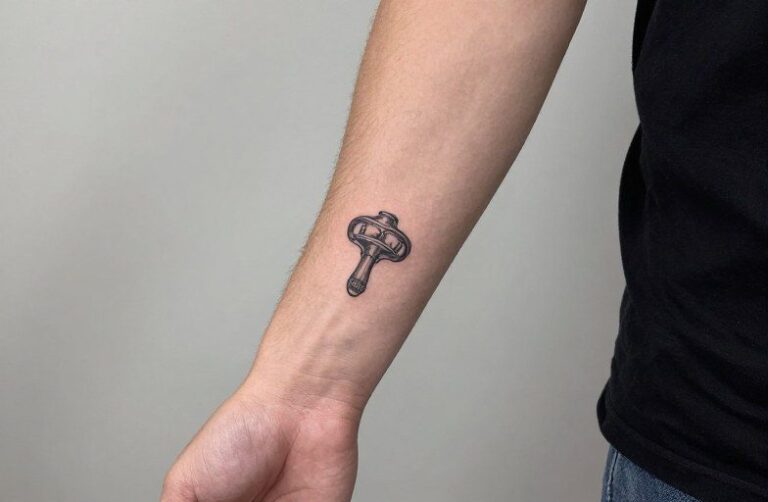
Carbon black remains the standard for minimalist work because it stays crisp longest. “Washed black” or greywash techniques can suggest depth without full shading, but they require an artist who understands how grey heals lighter than it appears during application. A line that looks medium-grey fresh often reads as light grey or patchy at six months. Specialists in this style often mix their own greywash from pure black rather than using pre-mixed bottles, controlling the dilution precisely.
Restricted Color Palettes
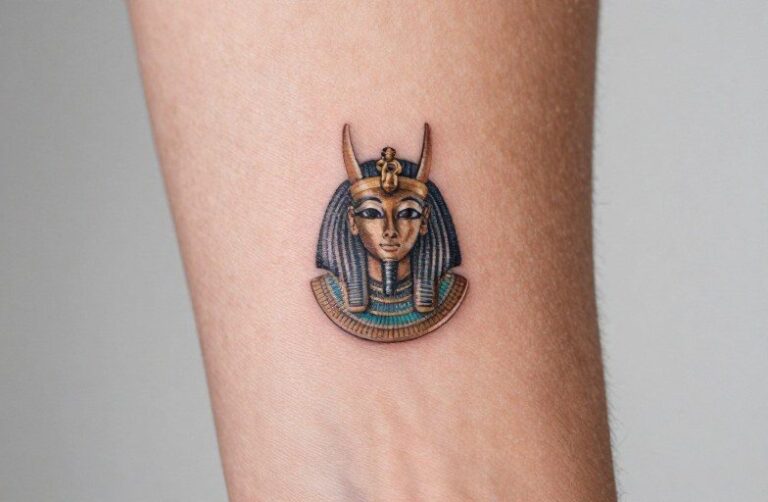
When minimalist work uses color, it typically deploys one accent hue against black. A single red dot in an otherwise black line drawing. A tiny yellow circle for sun. The restraint isn’t arbitrary, multiple colors in small spaces compete for attention and can muddy as they age. Some artists work exclusively in “terra” tones: ochre, rust, dried-blood red, sage green. These earthy pigments fade more gracefully than bright primaries, maintaining the muted quality that suits the aesthetic.
- Red ages to brown-tinged; plan for that shift
- White ink rarely stays visible on most skin tones; use sparingly if at all
- Blue-black (indigo-tinged) offers subtle variation from pure carbon
- Skin tone “negative space” functions as color, plan the un-inked areas deliberately
Final Thoughts
Finding a minimalist tattoo artist means looking past Instagram’s clean photography to actual healed results. Ask to see pieces at one year, two years, five years. The best specialists maintain relationships with clients and document aging honestly. Their books often stay closed for months because the work is slow and the demand is specific.
Your role as the collector is equally demanding. Minimalist tattoos offer nowhere to hide, no bold outlines to mask drift, no saturated color to distract from placement. You need to sit still, follow aftercare precisely, and accept that some designs age into softness rather than crispness. Choose an artist whose healed work you trust, whose hand you can afford to wait for, and whose judgment about what to leave out matches your own sense of what matters.
Frequently Asked Questions
How do I tell if an artist actually specializes in minimalist work or just does small tattoos?
Ask to see their thinnest healed lines at 12+ months. True specialists document aging and can explain their needle groupings and voltage choices. Generalists doing small tattoos often default to standard 5RL needles and heavier saturation.
Why do minimalist tattoos sometimes cost more per hour than larger traditional pieces?
The precision required slows the artist down significantly. A palm-sized minimalist piece with perfect line quality can take longer than a bold traditional piece twice its size, and mistakes are harder to correct.
Will my minimalist tattoo look blurry in five years?
Thin lines soften over time on everyone, but proper initial depth, consistent aftercare, and sun protection slow this dramatically. Finger and foot placements blur fastest due to skin regeneration and friction.
Should I get a minimalist tattoo touched up regularly to keep it crisp?
Most artists recommend waiting until natural settling completes around 6-8 months, then assessing. Annual touch-ups aren’t necessary for most body placements; every 3-5 years is more typical for well-done work on stable skin.