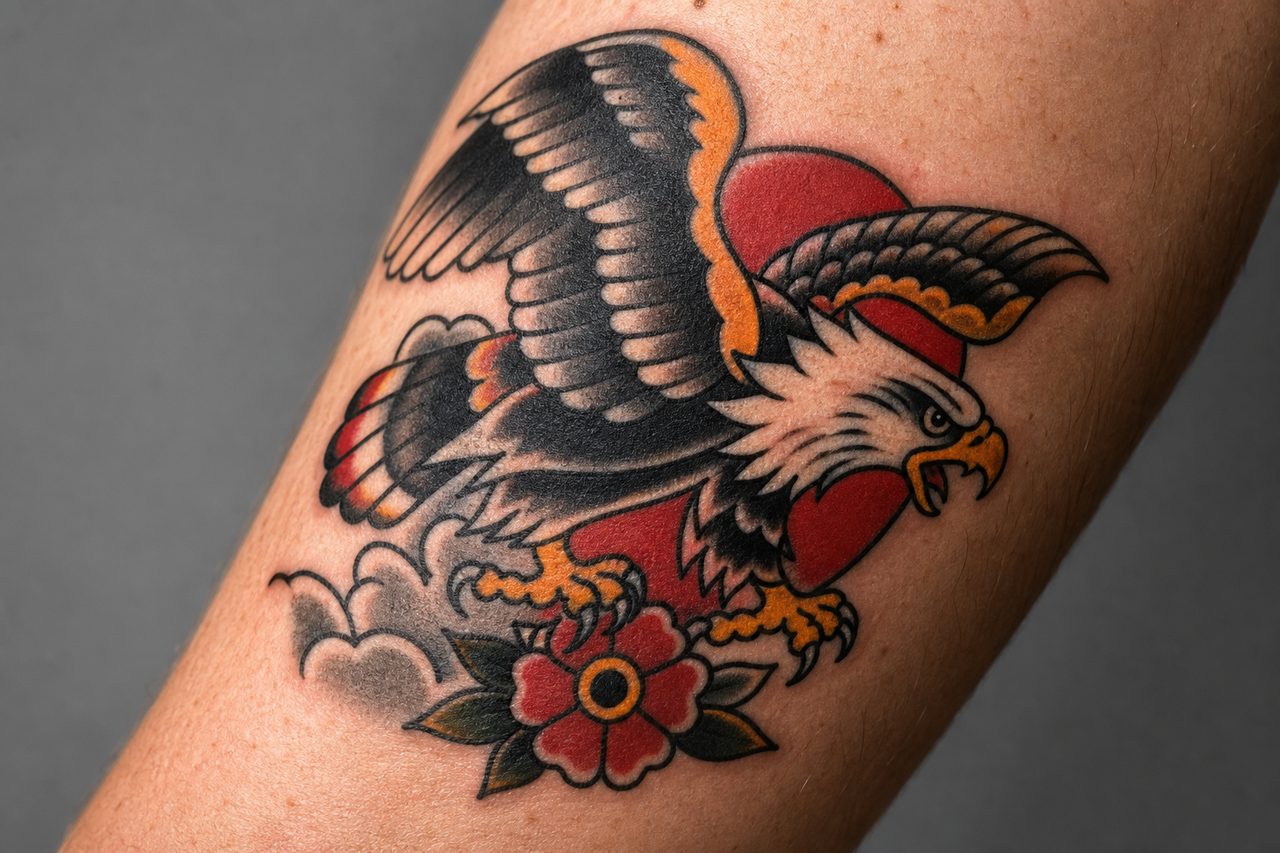
Anchor, swallow, rose, snake, dagger, heart with a banner, these designs have been on skin since before electric machines existed. They stuck around not because of nostalgia, but because they work. Strong silhouettes, readable at a distance, and flexible enough to adapt without losing their punch. If you are drawn to classic tattoo imagery, the question is not whether to get one but how to avoid the lazy version that every apprentice has traced a hundred times.
Best Placements
Classic designs were built for specific parts of the body. The old flash sheets were sized for forearms, upper arms, chest panels, and thighs because those areas hold detail without distortion and age relatively gracefully.
Where Detail Stays Sharp
The outer forearm and outer upper arm remain the safest bets for line-heavy classics. Skin there sees less stretching and compression than the inner bicep or side of the torso. A traditional anchor or swallow on the outer forearm will still read clearly in ten years. The flat planes of the thigh and calf work similarly well for larger pieces like clipper ships or panthers.
Spots That Demand Adjustment
Ribcage and elbow ditch skin moves constantly. A banner with lettering that looks crisp fresh will blur faster there. Hands and feet take abuse and shed ink; a classic heart or star on the hand needs thicker lines and simpler fill than the same design on the shoulder. Neck and throat skin is thin and sun-exposed, classic designs there age fast unless you commit to touch-ups and sunscreen.
Standout Design Ideas
Not every classic motif is equal. Some have been watered down by repetition; others still carry visual weight when executed with intent.
- Clipper ships: Complex rigging and waves reward a skilled hand. Best at palm-sized or larger so the lines do not collapse into each other.
- Snakes through skulls or roses: The wrap creates motion. The skull or flower anchors it. Poor versions flatten the snake into a ribbon; good ones show the body coiling in space.
- Daggers through hearts or animals: The diagonal thrust breaks up symmetrical body shapes. Placement matters, too small and the dagger becomes a stick; too large and the heart dominates awkwardly.
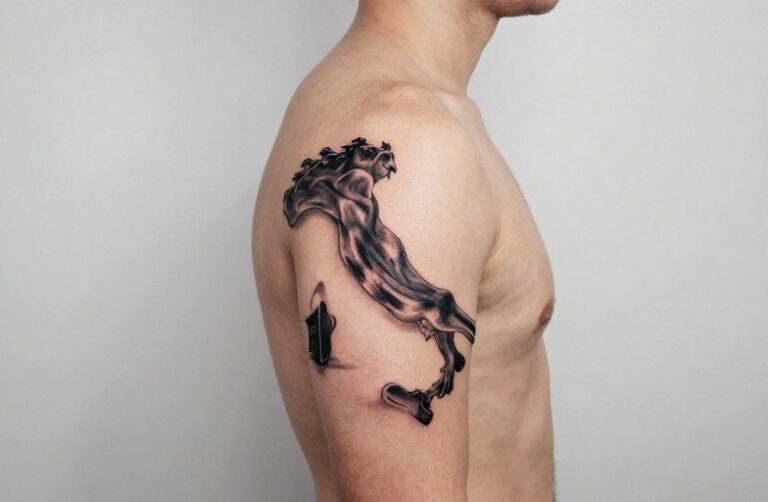
- Panthers: Crawling, leaping, or with a dagger in the mouth. The black fill is unforgiving; uneven saturation shows immediately.
- Swallows and sparrows: Small, fast, and readable. Often placed on chest or hands. The tail fork and wing angle separate a generic bird from a specific one.
Less common but equally solid: the hula girl, the black cat, the coffin with a candle. These carry the same visual logic, bold outline, limited color palette, immediate recognition, without being the first thing on every shop wall.
How to Personalize It
Personalization does not mean slapping a name on a banner. The strongest classic tattoos feel personal because the choices within the tradition are specific.
Reference Points That Matter
Bringing in a family photograph, a specific ship model, or a particular flower species gives the artist something to work against. A rose can be a generic five-petal template or it can reference the tight spiral of a specific heirloom variety. A swallow can match the wing proportions of a barn swallow versus a tree swallow, subtle, but visible to anyone who knows birds.
What to Leave Alone
The outline weight, the limited shading style, the color blocking, these are not limitations to overcome. They are the architecture. A classic design with soft airbrushed gradients and photorealistic texture is not a personalized classic; it is a different genre wearing a costume. Work within the vocabulary: thicker lines for emphasis, a held banner for text, a specific color combination tied to something real in your life.
Trending Variations
Some contemporary shifts are worth attention; others are already tired.
The “neo-traditional” approach keeps the bold outlines and limited palette but loosens the drawing style, more flowing hair on a lady head, more exaggerated proportions on an animal, sometimes a limited use of smoother gradients in backgrounds. It works when the artist understands the underlying structure. It fails when it becomes an excuse for sloppy drawing covered in thick black.
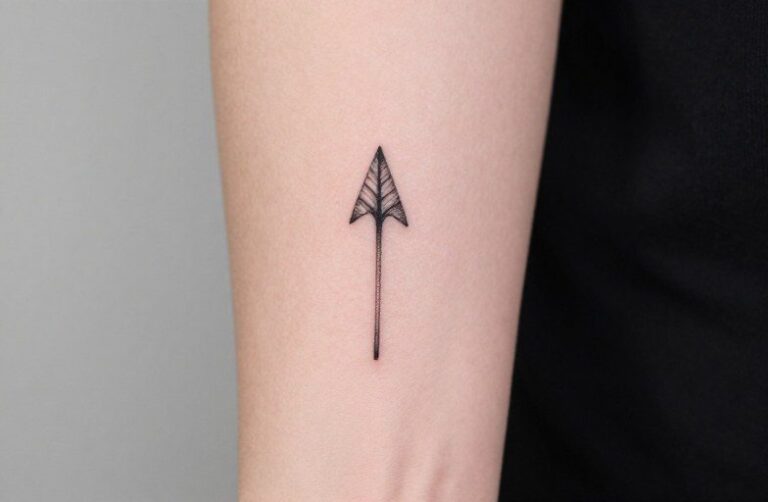
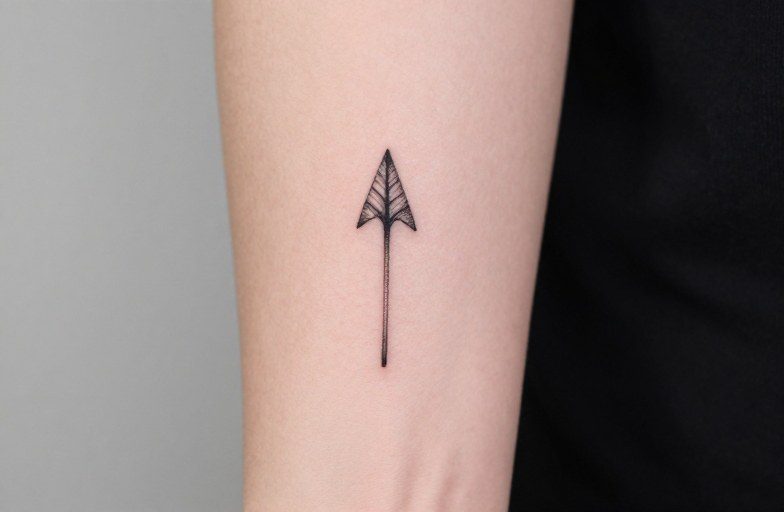
Single-needle and fine-line versions of classic imagery have gained ground. A ship or swallow done with one needle instead of three or five can look delicate and vintage. The tradeoff is longevity. Those lines spread and fade faster. If you want this look, accept that it will need refreshing sooner and that some detail will be lost regardless.
Another current thread: classic designs paired with abstract or geometric backgrounds. The contrast can be striking, a solid traditional panther against sparse dotwork or a thin geometric frame. The risk is visual confusion. The background must recede enough that the classic subject still dominates at a glance.
Color Choices
Traditional palettes are built on practical constraints. The pigments available decades ago were limited, and artists learned what held. That knowledge still applies.
The Core Palette
- Red: Often a cadmium or naphthol base. Bright, tends to stay visible longer than some alternatives. Used for hearts, roses, lips.
- Yellow: Fades fastest, especially on darker skin tones or sun-exposed areas. Best as accent, not primary fill.
- Green: Older greens sometimes shifted blue with age; modern formulations are more stable. Good for leaves, serpent bodies.
- Blue: Holds well. Darker blues age better than light ones. Common for water, background fill, some bird plumage.
- Black: The skeleton of the whole style. Lining, shading, and solid black fill. Carbon-based blacks are standard; some artists prefer specific brands for consistency.
White highlights are applied last and often drop out partially during healing. Expect them to soften, not stay crisp.
Skin Tone Considerations
On darker skin, high-contrast designs work better than subtle ones. Thick black outlines become even more critical. Bright yellows and light oranges may not show well; deeper reds, blues, and concentrated black carry the weight. A skilled artist adjusts value contrast, not just hue.
For First-Timers
Classic imagery is a common entry point, and for good reason. The designs are tested, the expectations are clear, and most artists have some fluency in the style.
What to Bring to Consultation
Reference images from multiple sources, not one Pinterest screenshot. A sense of size range, measure your planned spot with a ruler, not guesswork. Honesty about your pain tolerance and your willingness to sit for multiple sessions if the design demands it. A classic ship on the thigh might take three hours or it might take six depending on detail level.
Healing Reality
Thick black lines and solid color fill create more surface trauma than fine-line work. The first few days involve plasma and ink seeping, then flaking, then itching. The color looks muted under the healing skin before it settles. Do not panic at the two-week mark if the red looks pinkish or the black seems dusty. Full settling takes four to six weeks. Touch-ups are normal, especially for saturated color areas.
What to Remember
Classic tattoo designs earned their status through repetition and survival, not because they are easy. The best versions come from artists who have internalized the rules enough to make deliberate choices within them. The worst come from tracing the same flash sheet without understanding why the lines fall where they do. Look for portfolios where the snakes coil with weight, where the ship rigging reads as three-dimensional, where the panther’s eyes hold light rather than staring flat. Ask about how the artist plans for aging, line spread, color settling, sun exposure. A classic tattoo should look like it belongs on your body twenty years from now, not just in the mirror tomorrow.
Frequently Asked Questions
How do I tell if an artist actually knows traditional style versus just copying flash sheets?
Look for variation in their portfolio. Real fluency shows in how they handle the same motif differently, one panther leaping, another crawling, each with distinct line weight and posture. Ask them why they chose a specific line weight or color placement for a past piece.
Will a classic tattoo with thick black lines look blurry faster than something delicate?
Paradoxically, no. Thick, well-saturated black lines tend to hold their edges longer than fine lines. The blur happens to everything eventually, but bold classics often remain readable years after fine-line work has softened into indistinct grey.
Can I add color to a black-and-grey classic design later?
Technically yes, but it rarely looks integrated. The color sits on top of healed grey wash rather than being built into the original plan. If you want color eventually, commit from the start. Touching up black areas with color usually reads as a patch, not a unified piece.
Why do some classic tattoos look “flat” while others seem to have depth?
The difference is usually in the shading logic. Flat work uses even black fill with no gradation. Dimensional work uses whip shading or limited grey wash to suggest roundness, under a panther’s jaw, inside a rose’s curled petal, beneath the hull of a ship. Ask to see healed examples of both approaches.