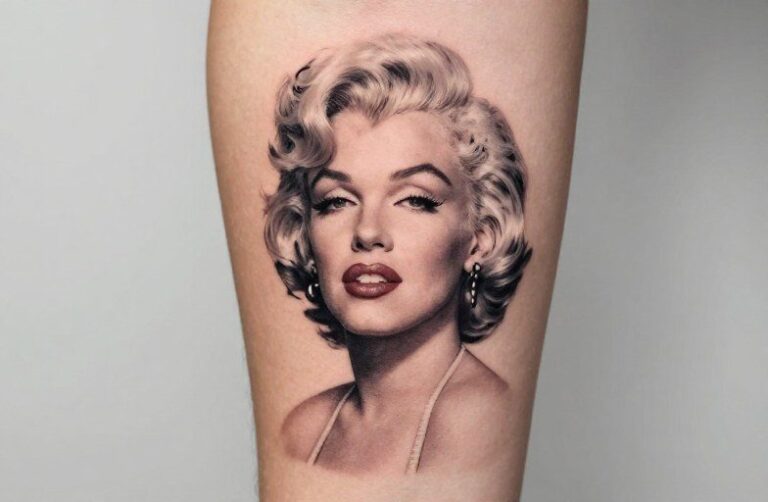
Sexy tattoos for women work best when they follow your anatomy rather than fight it. The ink draws the eye along natural curves, highlights what you already love, and ages with the skin instead of against it. This is not about copying poses you saw online or chasing whatever style dominates your feed right now. It is about choosing work that feels like yours and sits right on your particular frame.
Understanding Scale
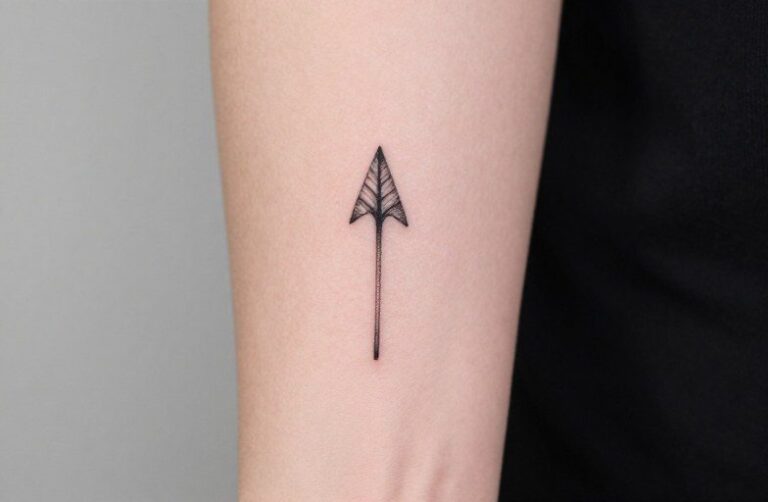
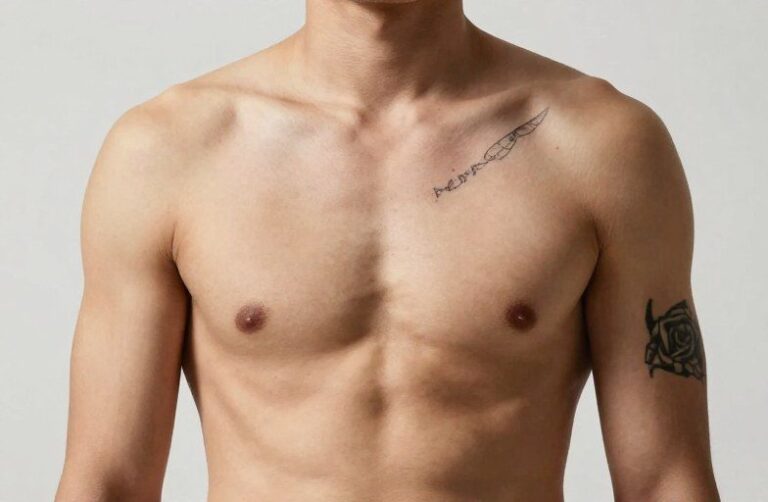
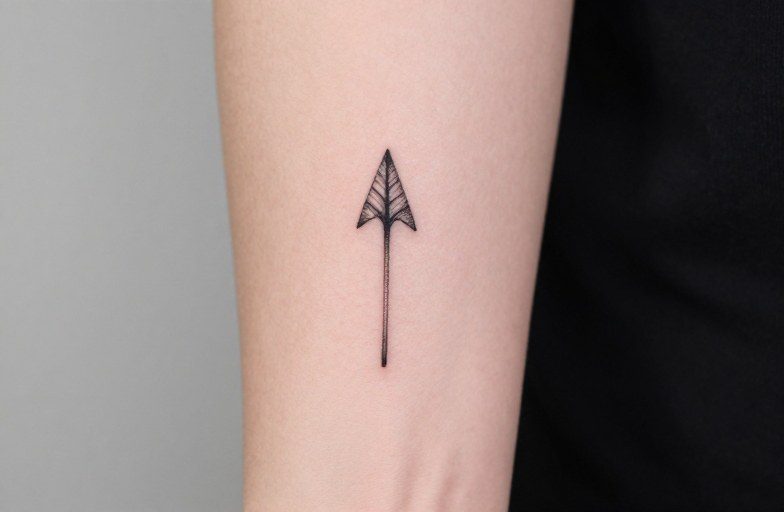
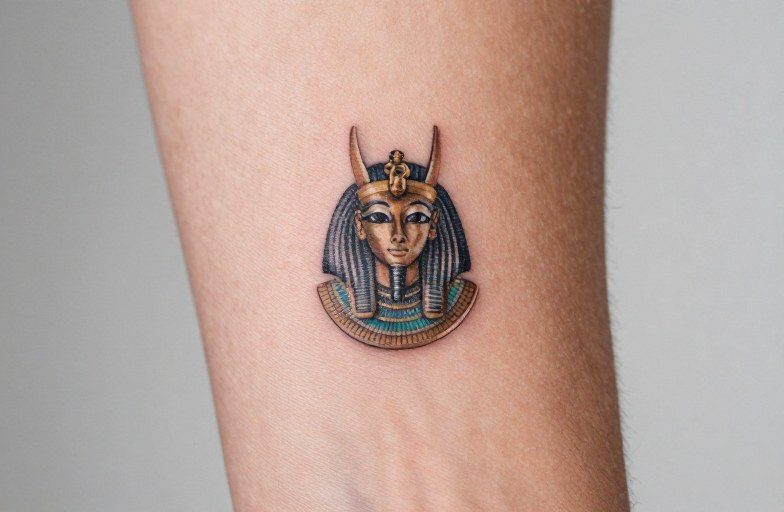
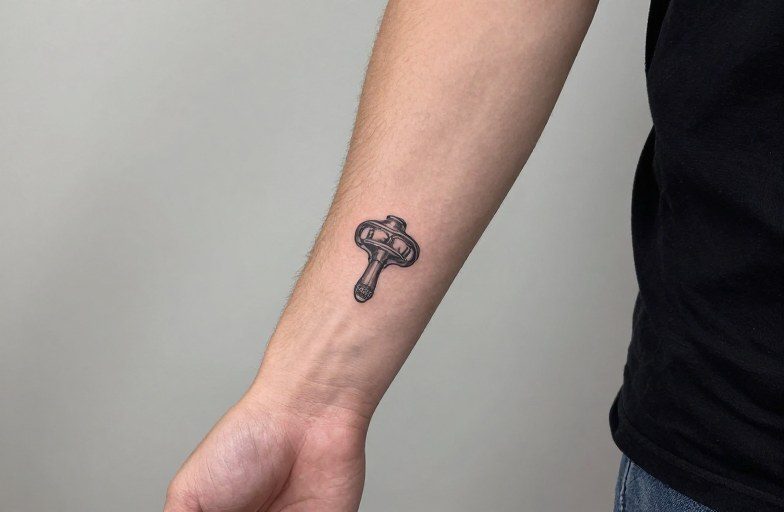
Small tattoos rely on placement and precision to read as intimate. A single needle line tracing the hip bone, a tiny symbol tucked behind the ear, a word following the collarbone’s edge. Someone has to be close to see these, which creates their charge. The trade-off is real: fine lines blur faster, especially on areas that move or stretch. Plan for touch-ups every few years if you want that crisp, just-done look to last.
When Larger Work Makes Sense
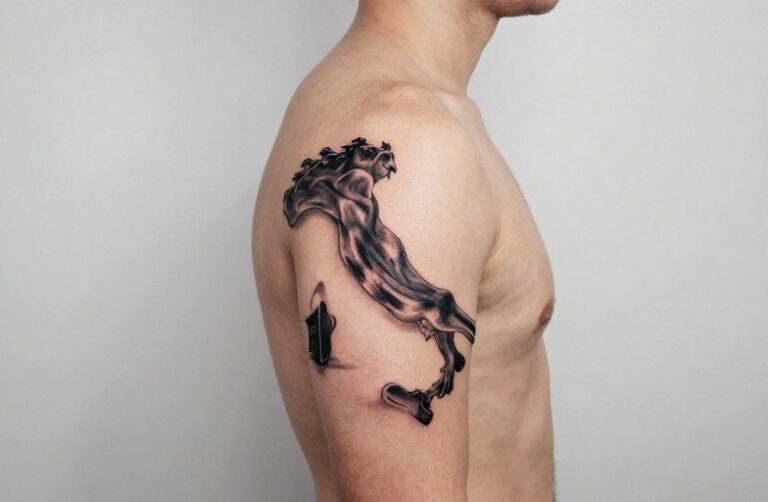
Big pieces command attention and reshape how a body part reads. A full thigh piece elongates the leg. A rib-to-hip design traces the torso’s natural hourglass. Large work allows for gradients, negative space, and visual storytelling that small tattoos cannot attempt. The commitment is serious though. Multiple sessions, significant cost, and the reality that removal or cover-up becomes exponentially harder. Do not scale up unless you are certain about both the design and the placement.
Related reading: sexy female tattoo ideas | womens forearm sleeve tattoo | pretty tattoo ideas | tattoo ideas for girls
Design Directions That Endure
Floral and Botanical
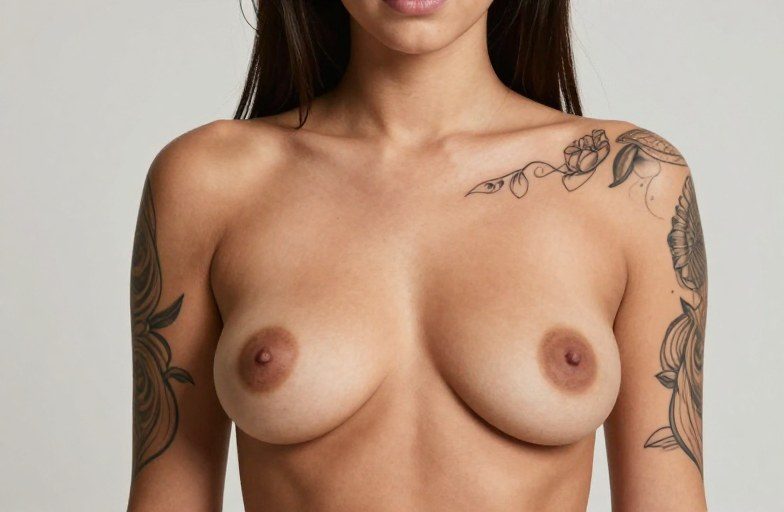
Flowers remain the most requested feminine motif for good reason. Peonies layered across a shoulder cap, wildflowers climbing from ankle to calf, a single orchid following the spine’s curve. The key is choosing species with personal resonance rather than defaulting to roses because you saw them everywhere. Botanical linework ages better than heavy watercolor fills. Black and grey petals with selective shading hold contrast for decades; pastel washes often settle into muddy tones within five years. Ask your artist to show you healed photos of watercolor work they did five years ago, not fresh pieces.
Snakes and Serpents
Coiled around a forearm, slipping down a sternum, or framing a hip, snakes read as powerful rather than purely decorative. The scales give tattooers texture to play with, and a well-executed serpent creates movement that follows muscle structure. Head placement matters more than most clients realize. Facing upward toward the heart reads differently than downward toward the hand. Consider whether the mouth is open or closed, fangs visible or hidden. These details shift the emotional tone significantly.
Script and Lettering
Words carry weight when placed deliberately. Ribcage script follows the bone’s arc. A single word down the spine’s center creates symmetry. Cursive flows; block letters anchor. The most successful script tattoos use short phrases, one to three words maximum. Long quotes become illegible as skin ages and letters spread. Font choice should match your body’s natural lines. Flowing scripts suit curvier frames; sharp, architectural type complements angular builds. Avoid fonts that mimic handwriting you found online; they rarely translate well to skin at small sizes.
Current Movements and Their Risks
The field currently favors two opposite directions: hyper-minimalist single needle work and bold, graphic traditional revival. Understanding both helps you choose where you fall on the spectrum.
The minimalist camp produces hair-fine lines, dotwork mandalas, and abstract shapes that read as jewelry on the skin. These suit collarbone, wrist, and ankle placements where subtlety is the point. The risk is that this work often ages poorly; what looks delicate fresh can disappear or blur into scratch-like marks within a decade. Artists working in this style need exceptional technical control.
The traditional revival embraces thick outlines, limited but saturated color palettes, and imagery often linked to mid-20th century American flash sheets. Daggers through roses, panthers, swallows. On female bodies, this style often gets scaled down from its masculine bicep origins and placed on thighs, ribs, or upper arms with deliberate femininity in the rendering. The bold outlines age well, but the aesthetic commitment is strong; this is not a look that whispers.
Ornamental and Lace Patterns
Geometric mandalas centered on the sternum, lace patterns wrapping thighs like garters, dotwork cuffs around wrists or ankles. These function as permanent body jewelry. The precision required is extreme. A single dot out of place throws the entire symmetry. Research your artist’s portfolio for healed ornamental work, not just fresh photos. This is not a style for someone’s first attempt at the technique. Ask specifically about how they stencil and measure; freehand ornamental work rarely achieves the symmetry that makes these pieces successful.
Choosing With Intention
Start with your body, not Instagram. What do you already like showing? What angles do you prefer in photographs? A tattoo should amplify that, not create a new focal point you feel awkward about.
- Consider your professional reality. Rib and thigh pieces hide under work clothes. Hands, neck, and upper chest do not.
- Think in decades, not seasons. That trending micro-tattoo style may look dated when the aesthetic shifts, and removal is expensive and imperfect.
- Black and grey ages more predictably than color. If you want color, plan for more maintenance and sun protection.
- Bring reference images that show style, not exact copies. Good artists interpret; they do not replicate someone else’s custom work.
- Account for your actual life, not your imagined one. If you rarely wear backless dresses, a full back piece may never see daylight.
Collaborating With Your Artist
Book a consultation before committing to the needle. A skilled artist will redraw your idea to fit your specific proportions. They will suggest sizing up or down, shifting placement an inch, or simplifying detail that will not hold in skin over time. Listen to them. The best tattoos come from collaboration, not dictation. If an artist simply agrees to exactly what you brought without suggesting adjustments, that is often a red flag; they should care enough about the outcome to push back when needed.
Placement and How It Ages
Certain areas carry sensuality through cultural association and physical exposure patterns. Understanding how each ages helps you choose wisely.
- Hip and pelvic region: Follows the iliac crest’s natural curve. Low-rise and high-cut fashion frames it. Skin here stretches with weight fluctuation and pregnancy. Plan accordingly if your body may change significantly.
- Side ribcage: Elongates the torso. Visible in swimwear and backless dresses. Among the more painful placements. Breathing movement during tattooing challenges both artist and client; experienced rib workers know how to work with your breath cycle.
- Upper thigh: Offers substantial canvas. Inner thigh skin is softer and more sensitive; outer thigh is easier to sit for and heals with less friction from clothing.
- Behind the ear and nape: Intimate by virtue of proximity required to view. Hair hides or reveals at will. Small scale only; detail gets lost in this mobile, thin-skinned area.
- Sternum and underboob: Follows the breast’s natural curve. Popular for mandalas, symmetrical designs, and script. Requires comfort with partial exposure during the tattoo session; discuss draping and privacy with your artist beforehand.
How Time Changes the Canvas
Skin loses elasticity. Areas that stretch significantly, stomach, breasts, upper arms, will distort tattoo geometry over time. Collarbone and ankle skin stays relatively stable but receives sun exposure that fades ink faster. Thighs and outer hips often age well if weight stays relatively consistent. No placement is immune to time, but some gamble more than others. The most predictable long-term results come from areas with stable skin and consistent sun protection.
What First-Timers Should Know
Your first tattoo does not need to be small or hidden, but it should be considered. Start with a placement you can see and reach for aftercare. Upper arm, outer thigh, calf. These let you monitor healing without awkward contortions. You will be more aware of the process, which builds good habits for future work.
Understand the healing timeline. Two weeks of careful washing and moisturizing. No swimming, no sun, no picking at scabs. Sexy placements often sit where clothing rubs: underwear bands, bra straps, waistlines. Plan your clothing and activities around this reality before you book. Nothing compromises a new tattoo faster than friction during healing.
Pain varies by placement and individual. Ribs and sternum rate high for most. Fleshier areas like outer thigh and upper arm are more manageable. But pain is temporary; placement is permanent. Do not let fear of discomfort drive you to a spot you will regret. Many clients say the anticipation was worse than the tattoo itself, especially with an artist who works efficiently.
Emotional preparation matters too. The first tattoo often carries more weight than subsequent ones. It represents a threshold, a permanent change to your self-image. Some clients feel elated immediately; others need weeks to adjust to seeing something new on their body. Both responses are normal. Do not judge the result in the first month; swelling, redness, and the shock of newness distort your perception.
What to Remember
Sexy tattoos succeed when they honor the body they are on. Size should match your commitment level and pain tolerance. Design should resonate beyond trend. Placement must account for your lifestyle, your wardrobe, and how skin changes. The most compelling tattoos do not scream for attention; they reward it. Choose an artist whose portfolio proves they can execute your specific style. Collaborate on placement and scale. Then sit still, heal properly, and wear it with the confidence that comes from having chosen deliberately. The best compliment is not that someone loves your tattoo; it is that they cannot imagine you without it.
Frequently Asked Questions
Do sexy tattoos hurt more in certain spots?
Pain varies by placement, not by design. Ribs, sternum, and inner thigh generally hurt more due to thin skin over bone or dense nerve clusters. Fleshier areas like outer thigh and upper arm are typically more tolerable for longer sessions. Individual pain tolerance varies widely though.
Will a tattoo on my hip or stomach stretch if I get pregnant?
Significant weight fluctuations can distort tattoos in areas that stretch most, including the stomach and hips. Some distortion often resolves post-pregnancy, but not always. Consider timing if pregnancy is in your near future, and discuss specific placement with your artist.
How do I keep a fine-line tattoo looking crisp?
Fine-line work requires consistent sun protection and occasional touch-ups. Use SPF 30+ daily on exposed pieces, moisturize regularly, and expect to revisit your artist every 3-5 years to refresh lines that naturally blur as skin regenerates.
Can I still model or act with visible tattoos?
The industry has shifted toward greater acceptance, but visible tattoos still limit certain commercial and period work. Consider your specific career goals and whether cover makeup is practical for your most common booking types.
How do I know if an artist can handle ornamental or geometric work?
Ask to see healed photos of similar pieces they did at least a year prior. Fresh ornamental work looks sharp; the test is whether symmetry held through healing. Ask specifically about their stenciling and measurement process.