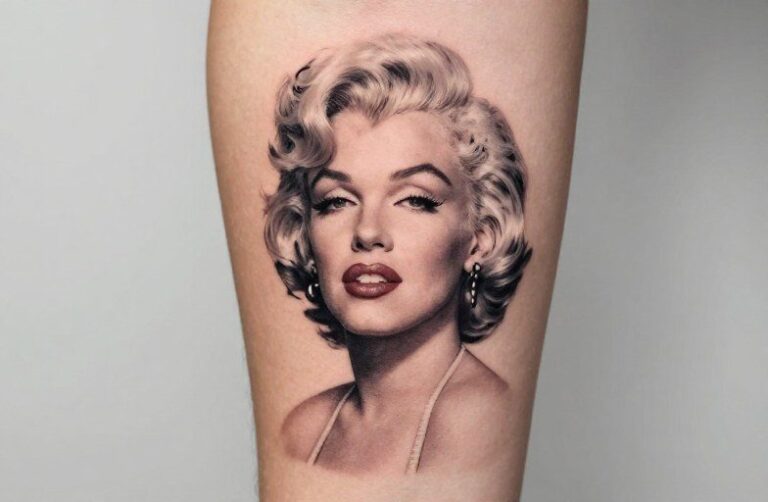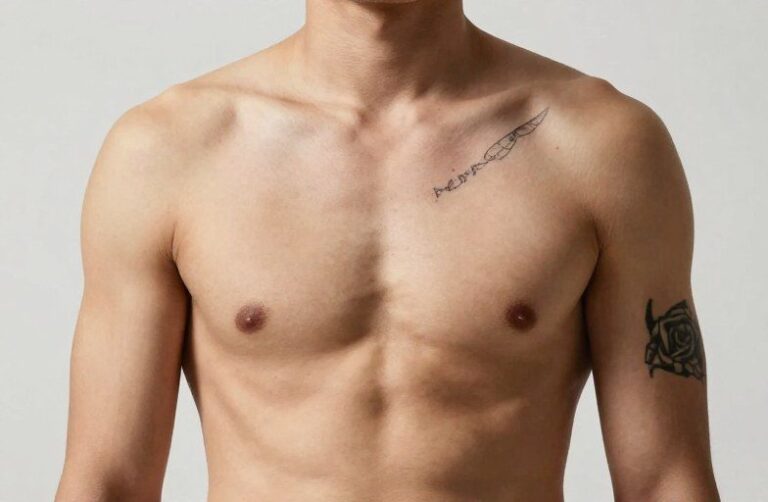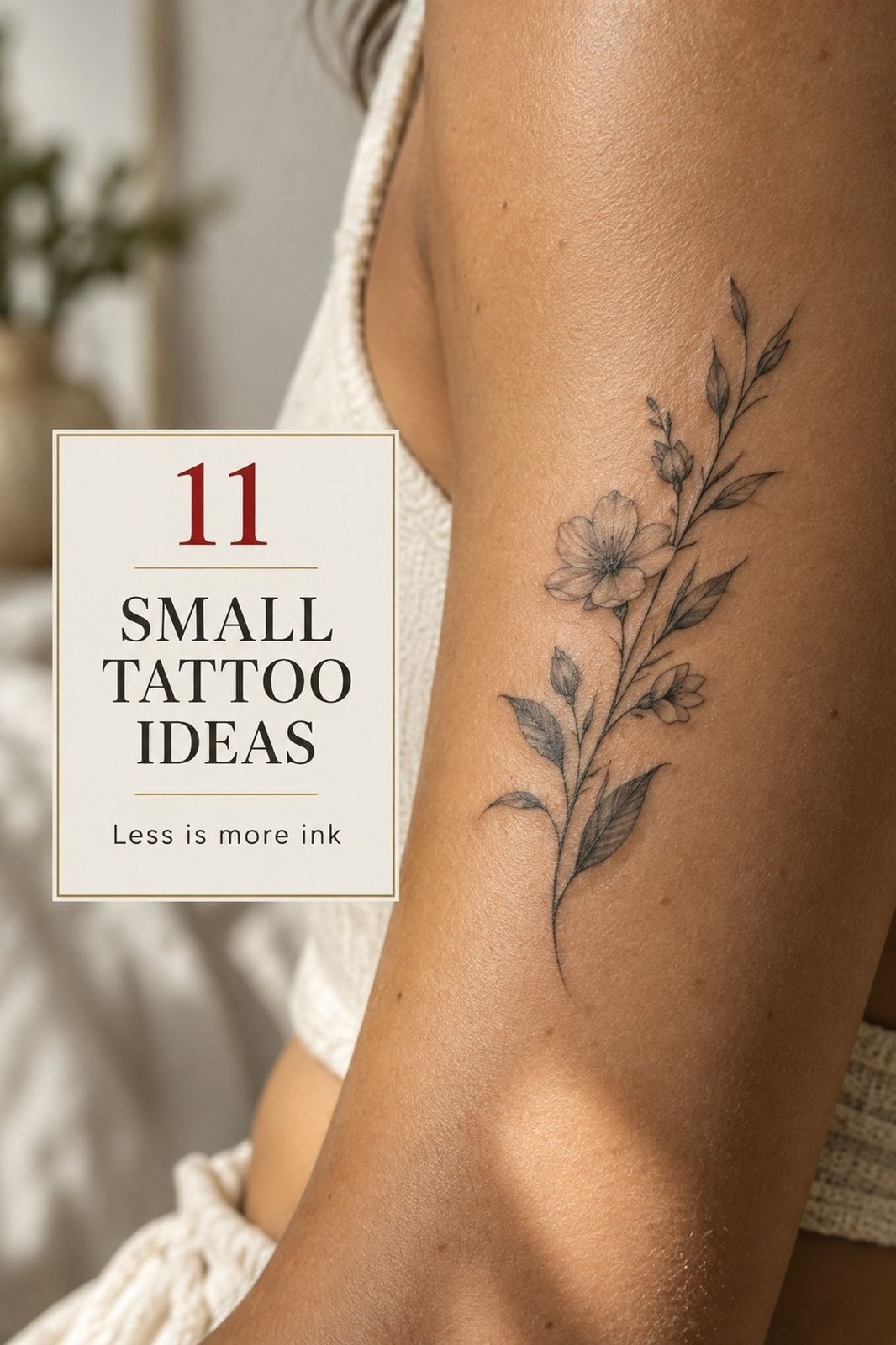
Stale flash sheets and recycled Pinterest boards have made finding genuinely new tattoo ideas harder than it should be. The best work happening right now blends technical innovation with personal specificity, designs that couldn’t have existed ten years ago because the techniques, the pigments, or the cultural references weren’t there yet. Here’s what’s actually worth considering if you want something that feels current without chasing a hashtag.
Matching & Pairing Ideas
Matching tattoos have moved past the infinity-symbol era. The strongest pairings now use asymmetry, related but not identical images that only make full sense together.
Split Compositions
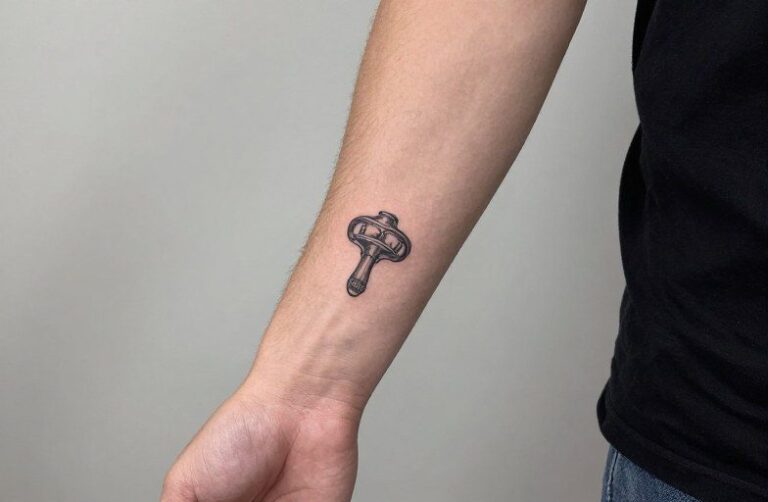
One person carries the moon, the other the tide. One holds the key, the other the lock mechanism’s interior cutaway. These designs create a third image when photographed side by side, but stand alone as complete work. Line weight matters enormously here; if one partner’s piece is significantly larger or bolder, the visual balance collapses. Agree on a single artist for both, or at minimum, share the exact stencil measurements.
Temporal Pairs
Same subject, two moments: a seed and its full bloom, a match struck and the flame established. These work across siblings, parent-child pairs, or long-term partners because they communicate relationship without romance. The technical challenge is matching the artist’s hand, line variation, dot density in stipple work, so the pieces feel related rather than randomly similar.
Popular Styles
Style choice determines how your tattoo ages more than subject does. These approaches are dominating fresh work for good reason.
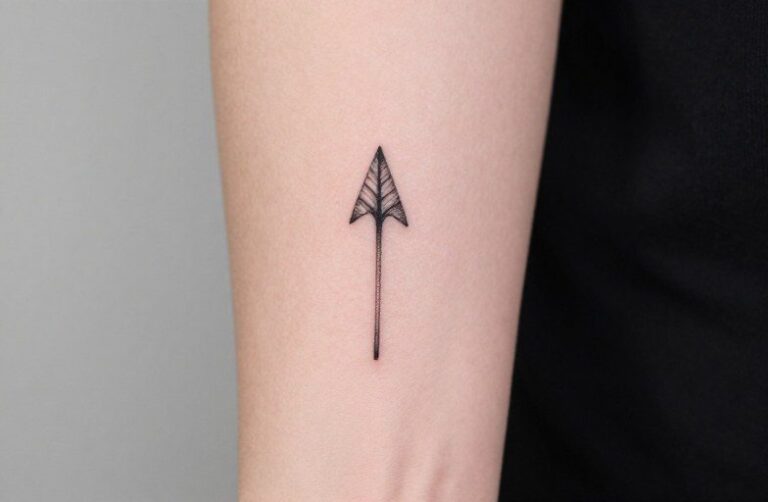
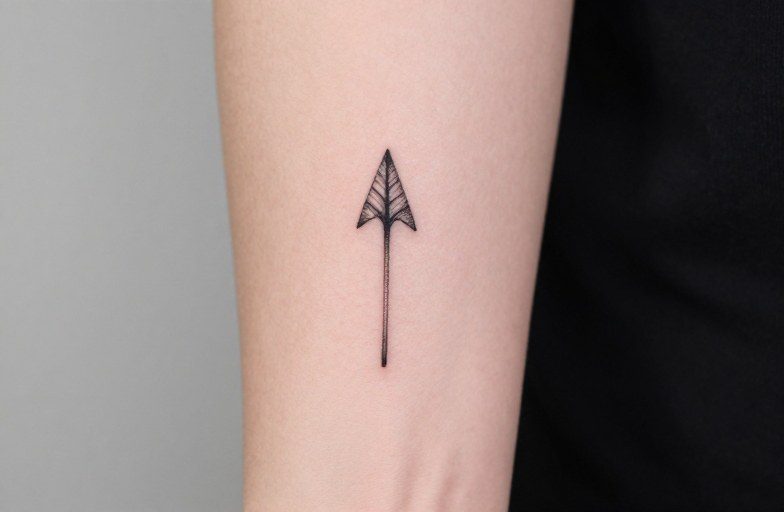
- Illustrative fine line: Not the fragile single-needle work of five years ago, but confident 3-5RL lines with selective whip shading. Holds up better, still reads delicate.
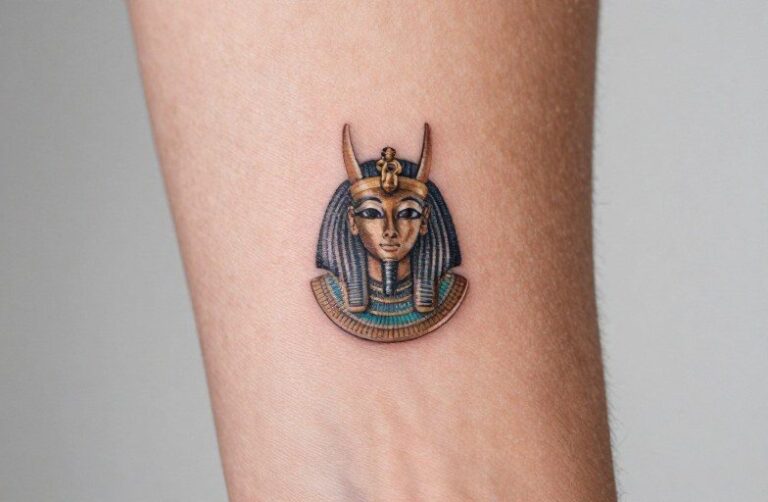
- Neo-traditional with muted palettes: Classic structure, contemporary color, dusty rose, sage, slate blue replacing the classic saturated primaries.
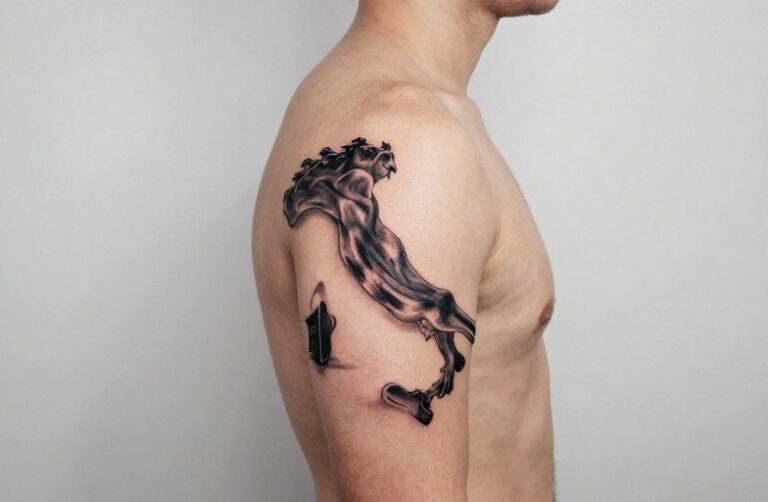
- Blackwork with negative space: Dense black areas carved through with skin-breaks that form the actual image. High contrast, ages exceptionally because the skin does the heavy lifting.
- Stipple and pointillism: Gradients built from density, not shade washes. Slower to apply, but no blurred edges over time.
What to Avoid
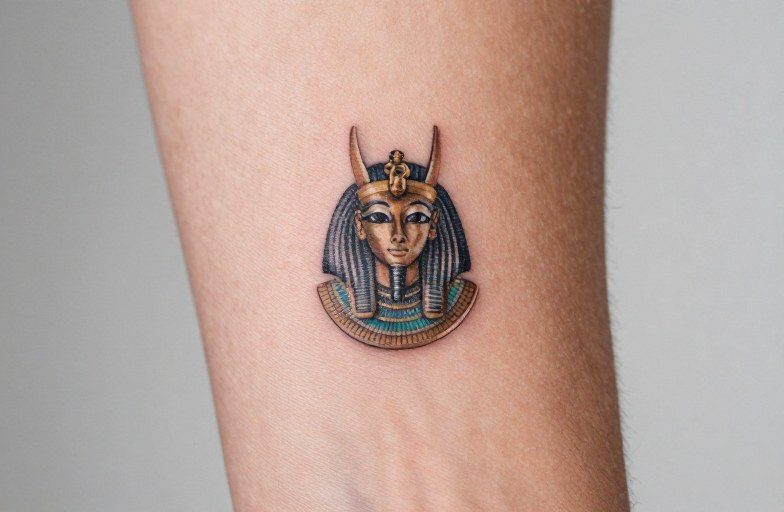
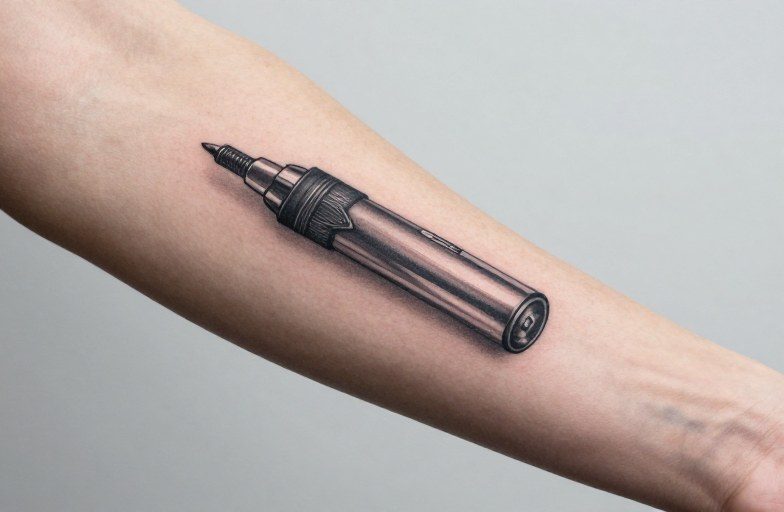
Watercolor without black anchoring lines almost always muddies within five years. Hyper-realism on small scale loses its punch as skin texture changes. Trendy micro-tattoos in high-movement areas (wrists, fingers, collarbones) frequently need complete rebuilds.
Standout Design Ideas
The most memorable new work combines unexpected subjects with technically precise execution. Consider these directions that break from obvious symbolism:
- Scientific illustration: Botanical cross-sections, mineral crystal structures, deep-sea creatures rendered with taxonomic accuracy. The natural world offers infinite specificity, no two oak leaves identical, no two snowflakes repeated.
- Architectural fragments: A single Gothic arch, a Brutalist concrete detail, the shadow pattern of a specific window at a specific hour. Location-specific, deeply personal, visually striking.
- Text as image: Not quotes, handwriting samples from deceased relatives, technical notation, obsolete alphabets. The visual form carries weight even when the content stays private.
- Motion studies: Eadweard Muybridge’s sequential photography translated to skin, or a single gesture captured in multiple positions around a limb.
Placement amplifies these. A scientific illustration wrapping a forearm leverages the cylindrical form; architectural fragments sit powerfully on flat planes like the upper back or thigh.
Size & Scale
Scale decisions are irreversible. Small tattoos can be expanded; large ones cannot be shrunk. Current fresh work pushes in both directions with equal confidence.
Intentionally Small
Palm-sized pieces behind the ear, at the nape, or along the ribcage’s floating edge. The constraint forces creative compression, an entire landscape in a two-inch circle, a portrait reduced to essential geometry. These demand absolute technical precision; there’s no room for the eye to forgive a wobble.
Large-Scale Integration
Full sleeves built around a single conceptual through-line rather than accumulated individual pieces. A year’s growth of a specific plant, mapped to the arm’s length. The lunar cycle, from shoulder to wrist. This requires planning, knowing your artist’s availability for multiple sessions, understanding how the work will read in stages of partial completion.
Medium-scale work (hand-sized to dinner-plate) remains the safest default. Large enough for detail, small enough for future flexibility.
Color Choices
Color theory for tattoos differs from paper or screen. Ink lives in skin, which has its own undertone, its own opacity, its own aging trajectory.
- Black and grey: The most predictable long-term. Carbon black stays stable; grey washes soften but don’t shift hue. Best for subjects where value contrast matters more than temperature.
- Earth tones: Ochre, rust, olive, umber, pigments derived from iron oxides and ochre minerals. Fade gracefully, don’t turn unnatural colors. Currently underutilized in favor of brights that age poorly.
- Strategic saturation: One bold color against neutral ground. A single red element in blackwork. A cobalt accent in grey wash. The eye goes exactly where you intend.
- White ink: Not for standalone work, it yellows, it disappears, it raises. Useful as highlight over darker pigments, where it reads as luminosity rather than absence.
Skin tone fundamentally constrains what reads. Deep purples and cool blues can disappear on darker skin; warm oranges and yellows need higher saturation. A competent artist adjusts pigment selection to individual canvas, not just replicates a reference photo.
Trending Variations
Trends worth engaging with versus trends to observe from distance:
What’s Working
Ornamental work that borrows from textile traditions, lace patterns, embroidery samplers, woven textures, translated to skin with technical respect for the source. Biomechanical that abandons the H.R. Giger clone approach for actual prosthetic and surgical visual language. Pet portraits that use color blocking and graphic simplification rather than failed attempts at photorealism.
What’s Already Saturated
Minimalist single-line faces. Celestial arrangements with identical crescent moons and scattered dots. Snake-and-dagger compositions with no personal connection to either element. The algorithmic feed rewards repetition, but skin demands specificity.
One genuine emerging direction: tattoos that reference other tattoo traditions with proper attribution, Philippine batok patterns, Māori kirituhi adapted for non-Māori wearers by Māori artists, Inuit tattoo revival work. The key is collaboration with practitioners from those traditions, not appropriation.
Before You Decide
Spend longer on reference collection than you think necessary. A folder of fifty images that share some quality you can’t name is more useful to an artist than three perfect pictures to copy. The best tattoos emerge from conversation, not transaction.
Consider the practical timeline. Fresh work needs two weeks of careful healing, no swimming, no sun, no gym contact with shared equipment. Plan around vacations, wedding seasons, athletic events. A tattoo scheduled for the wrong moment in your life becomes a burden, not a pleasure.
Finally, the artist’s existing body of work matters more than their social media following. Look at healed pieces, not fresh photography. Ask to see work from one, three, five years prior. How those tattoos settled tells you everything about how yours will age.
Frequently Asked Questions
How do I know if a tattoo idea is too complex for the size I want?
A good rule: if you can’t clearly distinguish all elements from three feet away, it’s too dense. Simplify the concept or expand the canvas. Your artist can redraw for legibility, but some subjects simply need more space than you’re willing to commit.
Can I combine multiple styles in one tattoo?
Yes, but transitions between styles need technical bridges, shared line weight, compatible color palettes, or deliberate contrast that reads as intentional rather than confused. Not every artist executes hybrid work well; review their portfolio for actual examples, not promises.
What’s the most overlooked factor in tattoo longevity?
Sun exposure. UV radiation breaks down pigment faster than age or skin quality. A color tattoo kept covered preserves vibrancy for decades; the same work on constantly exposed skin fades significantly within five years. Plan your placement around your actual lifestyle, not just aesthetics.
How do I find an artist for a truly original concept?
Search by technical execution rather than subject. An artist who nails botanical detail can likely adapt to your scientific illustration; one who specializes in exactly your idea may be repeating a formula. Contact three artists with your reference folder, see who asks the most specific questions.