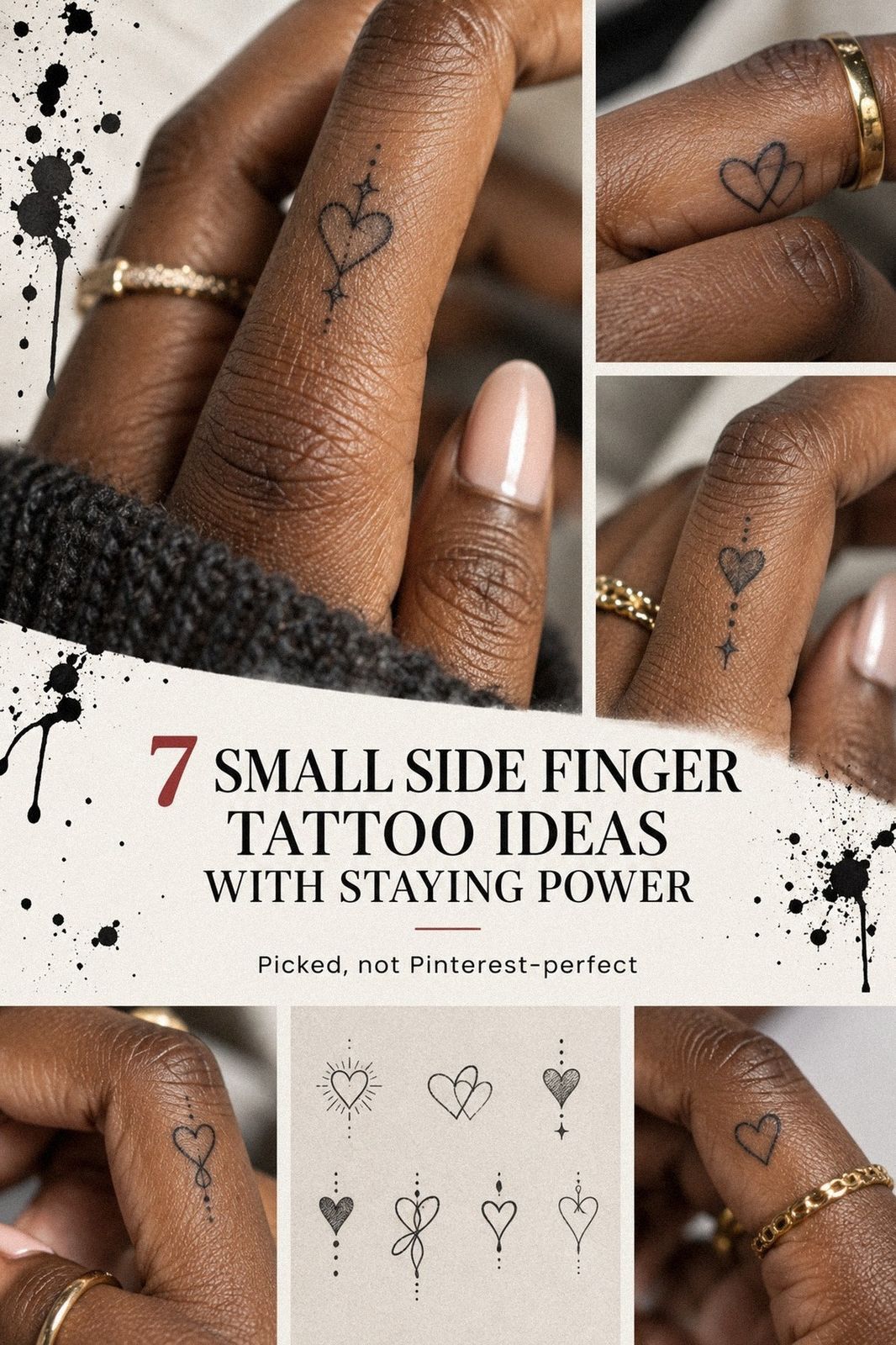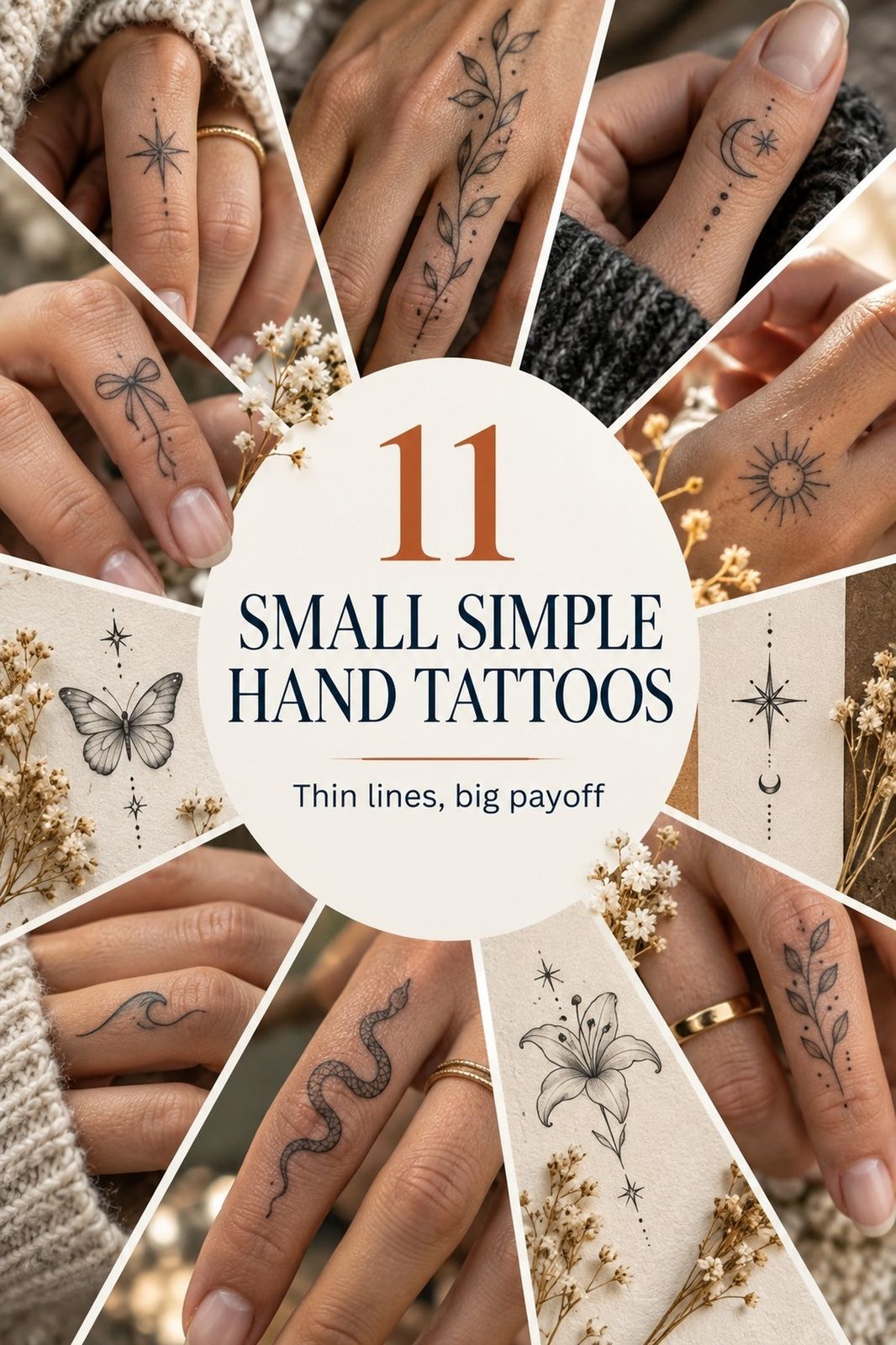
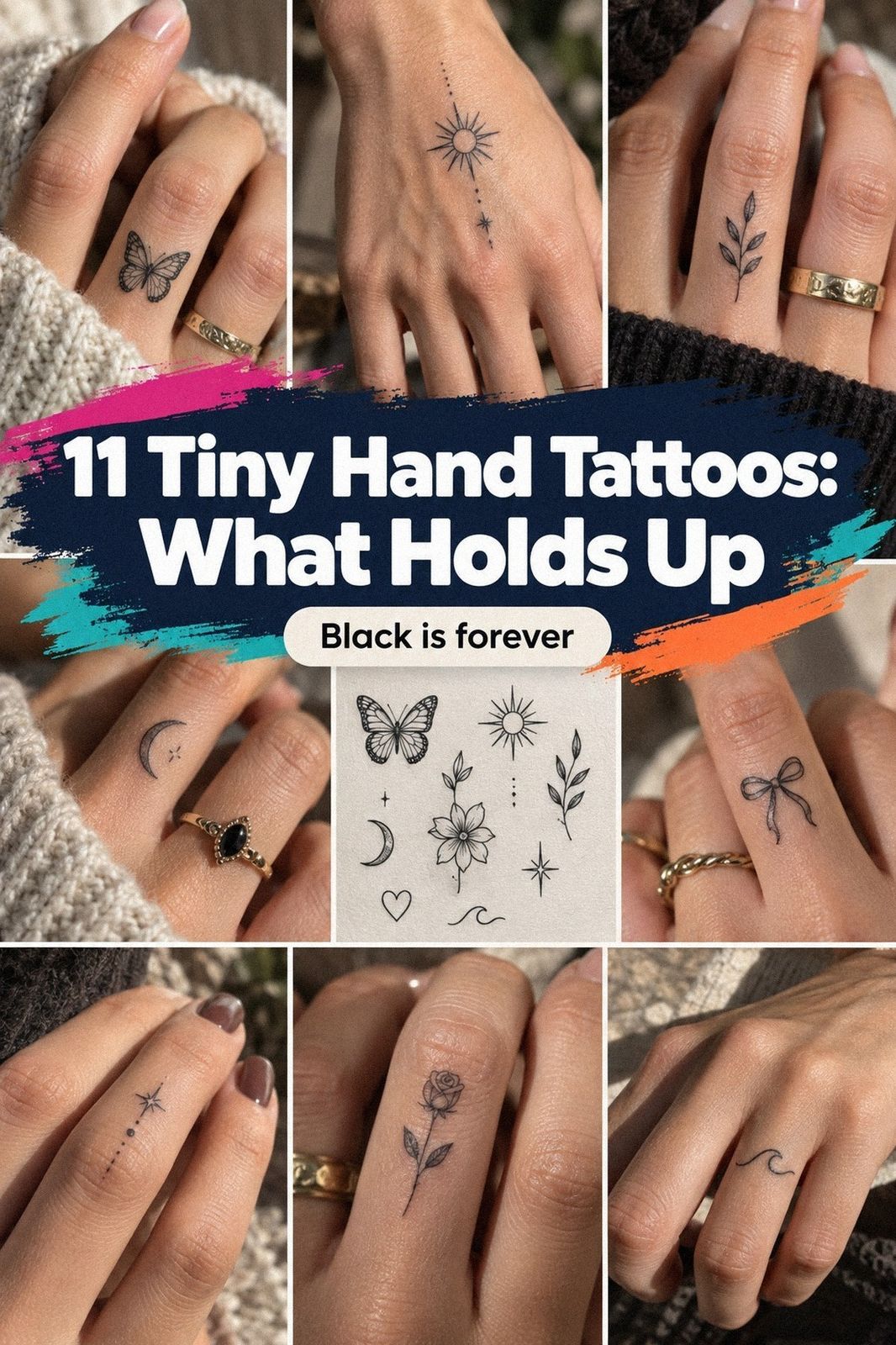
Small tiny hand tattoos can hurt less when you choose forgiving placement, keep the design readable, and plan aftercare before your appointment. You want crisp ink, not an intricate concept that blurs quickly. I’ve learned that a delicate hand tattoo needs more planning than a larger piece. Start here.
My strong opinion: the best tiny hand tattoo is usually the one with fewer lines than you first imagined. A striking mark can stay minimal and meaningful when the silhouette does the emotional work. Before booking, decide whether you want something symbolic, romantic, edgy, or purely graphic.
Start Here: The Short Version
The smartest design usually has one tattoo concept and enough skin showing around it. A symbolic star, flowing initial, or sharp geometric mark can feel expressive without becoming ornate. You don’t need to explain every line.
My quick rule is simple: test the stencil, check healed work, and give yourself permission to remove detail. A readable tattoo design usually gives better value than a crowded sketch that needs correction later. That matters!
You’ll make the appointment easier if you’ve considered pain, visibility, work rules, and healing. A tattoo can be empowering, but hand ink isn’t invisible or maintenance-free.
Start with the smallest clear version of your idea. You can always make a design larger or add detail later, but a cramped tattoo gives you fewer good choices.
- Start With Tiny Hand Tattoo Ideas
- Finger Symbols That Hold Their Shape
- Knuckles: Bold Placement vs. Easy Healing
- Keep Tiny Designs Crisp and Readable
- Why Palm-Side Tattoos Need a Different Plan
- Choose Unique Minimal Hand Tattoo Motifs
- Match Ink Style to Your Skin
- Can You Test Striking Placement Before Tattooing?
- Budget, Consultation, and the Artist You Choose
- The First 72 Hours: Protect the New Tattoo
- When Should You Refresh Faded Hand Tattoos?
1Start With Tiny Hand Tattoo Ideas

Begin with the image you’d still recognize after reducing it to a few clean marks. A small star, narrow crescent, letter, or abstract loop can carry more meaning than a crowded miniature scene. You don’t need to explain every mark to anyone else.
For a focused starting point, browse these small hand tattoo ideas before saving a final sketch. Look for a personal symbol with a strong silhouette. If you need six details to understand it, the concept probably needs editing.
I’d use the Two-Scale Rule: choose one main symbol, then add one or two smaller marks that support it. Your artist can test the stencil arrangement on paper first, so you’ll see whether the spacing looks balanced on your actual hand.
Hold your hand naturally while reviewing the stencil. Then bend your fingers, grip a cup, and let your wrist rest.
A playful arrangement can become awkward when the skin moves. Good design survives motion.
A romantic idea may look timeless on paper but lose its emotional force when compressed too far. Keep the gesture clear, and let one expressive feature carry the personality.
2Finger Symbols That Hold Their Shape
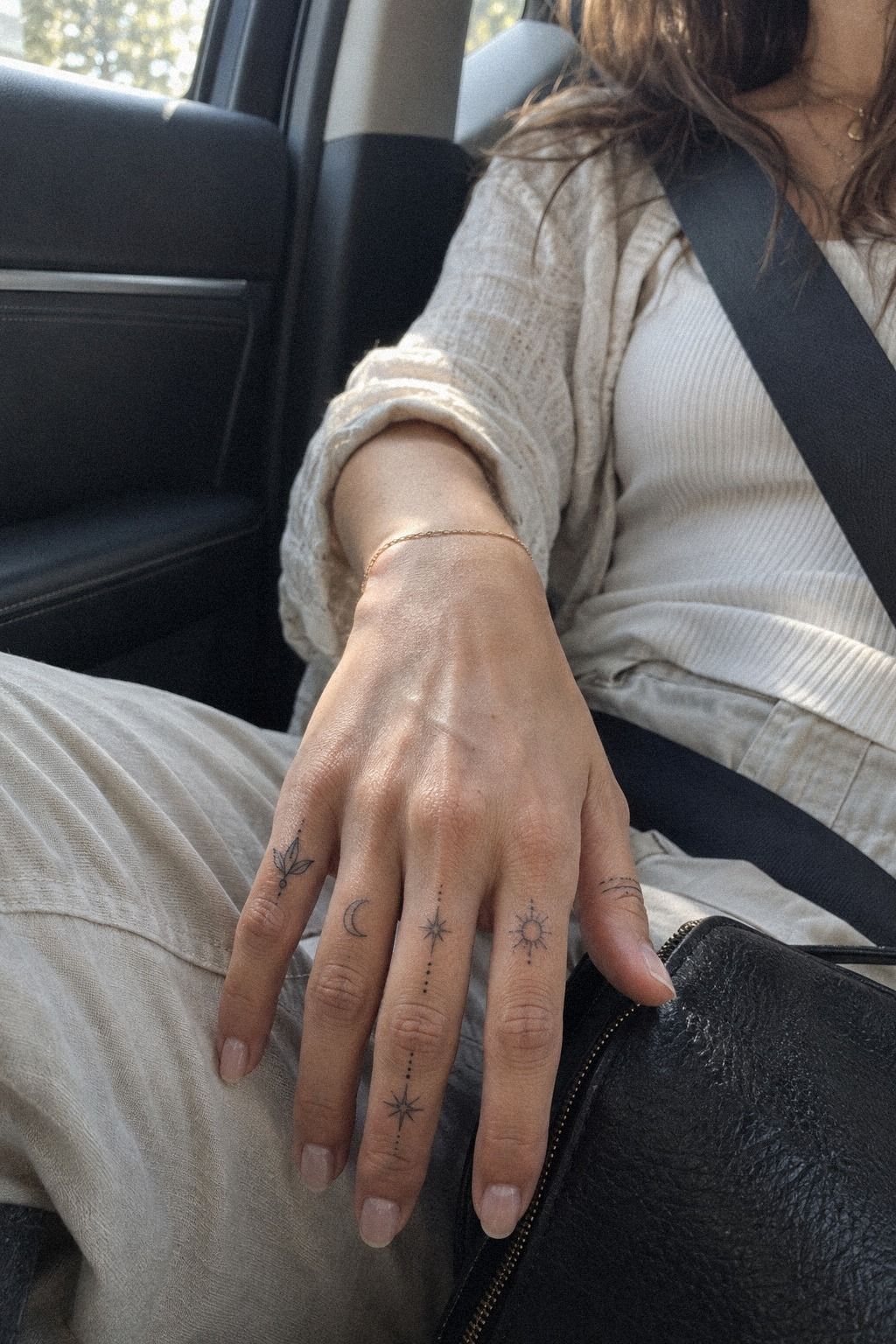
Finger tattoos work best when the design respects the narrow, active surface. Think of a single line, tiny star, short word, or compact emblem rather than a miniature scene. A finger tattoo symbol should read quickly from different angles.
The most reliable motifs have a clear beginning and ending. A crescent, initial, small arrow, or simple botanical curve can remain recognizable when your finger bends. A highly ornate arrangement may look impressive in a sketch but become muddy once the scale shrinks.
I’m especially fond of a symbol placed along the side of a finger when the mark has personal meaning. It feels understated while your hand is relaxed, then becomes more visible in motion. That small reveal can make the tattoo feel intimate without making it timid.
Check the design against your knuckle creases before committing. A finger stencil test should include a closed fist, an open palm, and the way you normally hold your phone. The right symbol follows your movement instead of fighting it.
3Knuckles: Bold Placement vs. Easy Healing
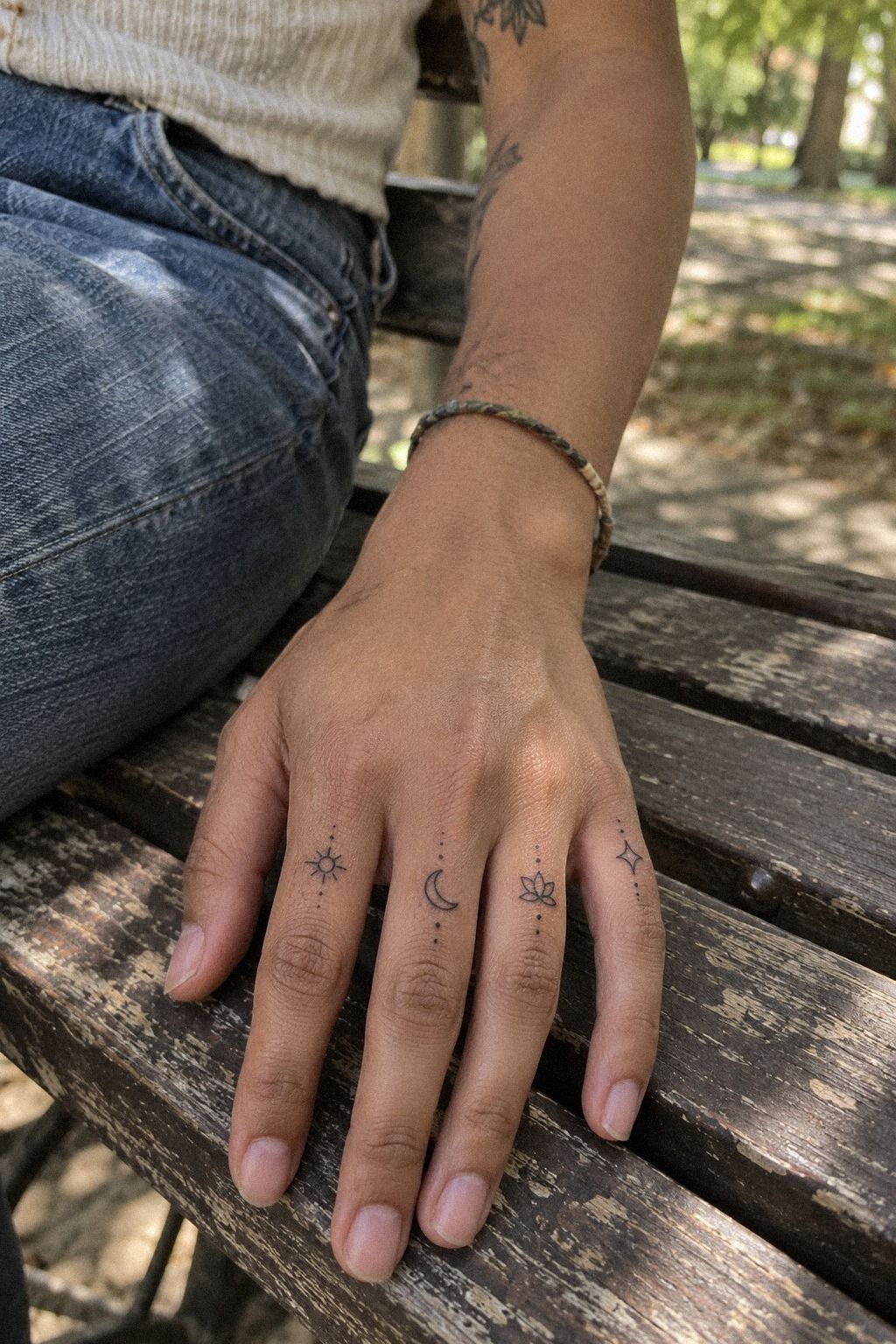
Knuckles give you a bold, expressive placement, but they’re less forgiving than the back of the hand. The skin moves, receives friction, and stays visible during almost everything you do.
A knuckle tattoo placement works best when the design has a strong silhouette and limited detail. A tiny symbol, single letter, or crisp band may age more gracefully than an intricate miniature portrait.
Think about your daily movement before committing. If you type, lift weights, wash your hands often, or work with rough materials, the placement may fade unevenly.
That doesn’t make it wrong. It makes the decision more realistic.
Knuckle ink can also change the balance of your whole hand. A fierce mark may suit someone who wants visible body art, while a quieter design may feel more natural if you usually wear rings or keep your hands understated.
The Pain Map: What Your Hand Is Telling You
Pain varies by person, but bony areas, knuckles, fingers, feet, ribs, and sternum are often described as more intense than the forearm, thigh, or shoulder. Your appointment may feel sharp, hot, or scratchy. It shouldn’t be a contest.
A short session can be manageable, especially with a small tattoo session and an experienced artist. Eat beforehand, drink water, and say when you need a pause. You’ll protect the final result by staying calm and communicating clearly.
For another way to compare placements, review geometric hand tattoo ideas and notice how line direction changes across joints. A powerful design can still be understated when the placement does most of the visual work.
I’d plan for sensation rather than trying to predict an exact pain score. The prickly feeling around a knuckle may be brief, while a longer session can become tiring even when the pain stays moderate.
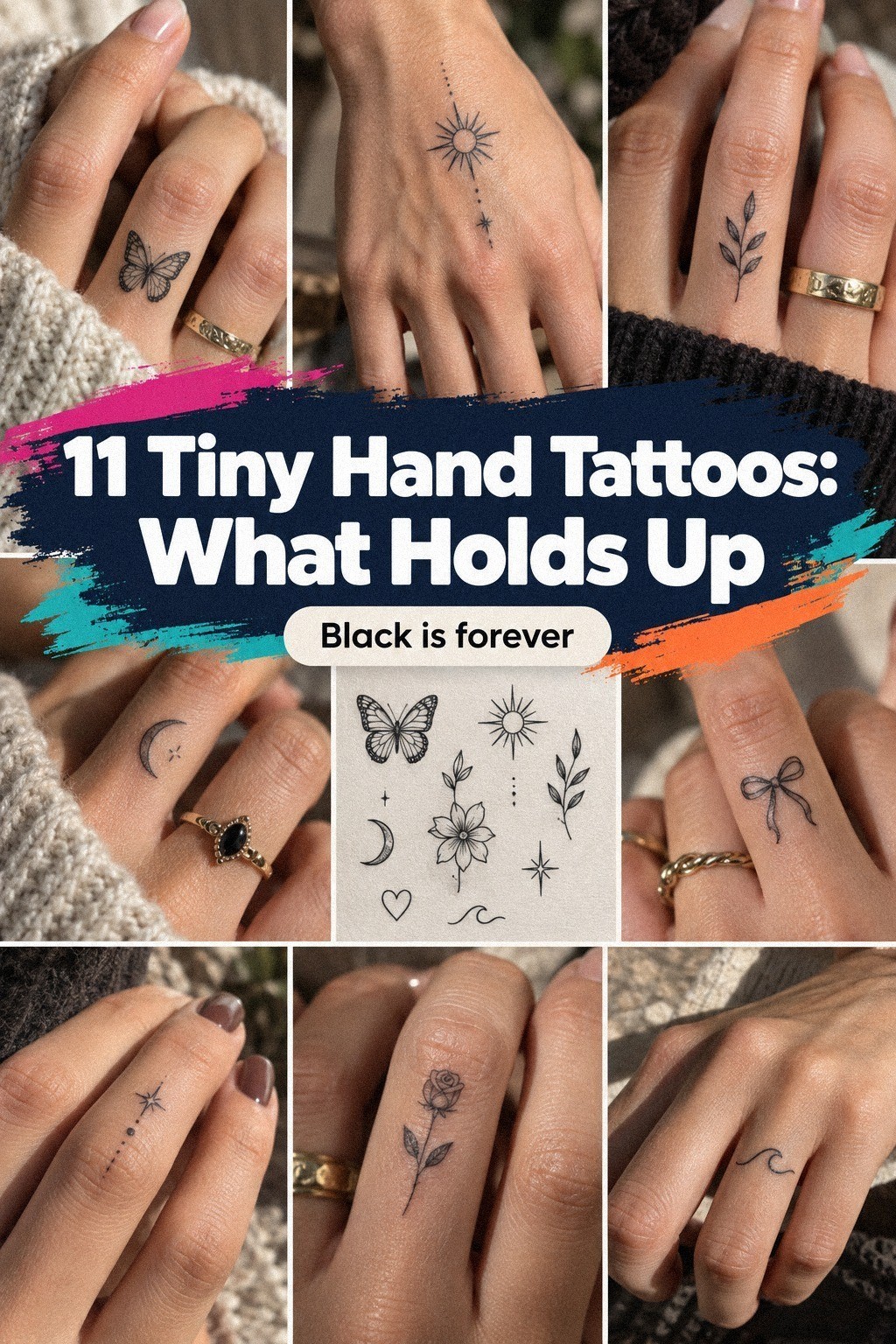
4Keep Tiny Designs Crisp and Readable
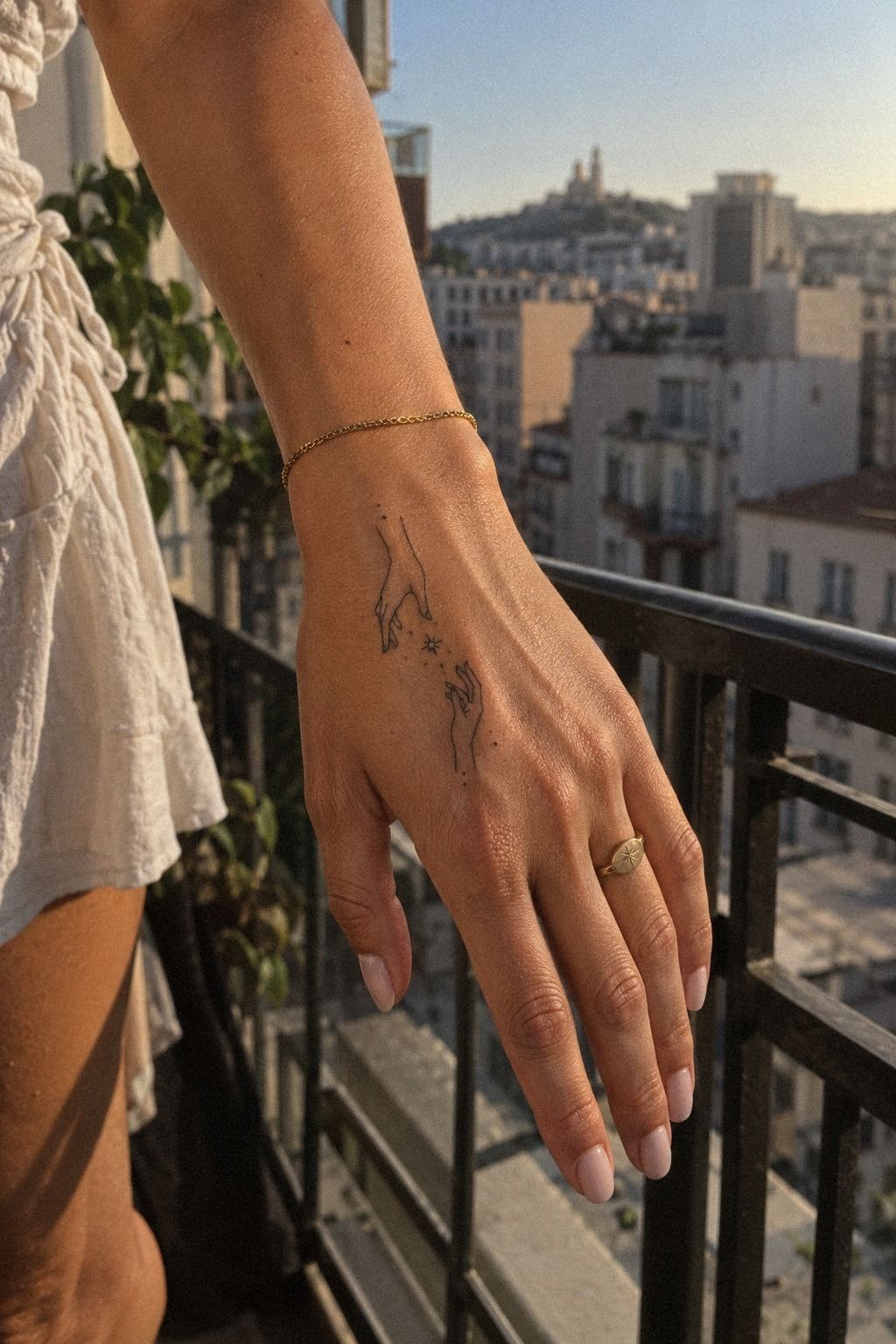
Readability comes before detail. You should be able to describe the tattoo in one sentence without pointing to five separate features.
Ask your artist to remove any line that doesn’t improve the silhouette. Tiny feathers, faces, and intricate flowers can look captivating on a screen, yet they may lose their structure on skin. A black outline gives your eye something stable to follow as the tattoo ages.
Print the sketch at its intended size, then view it from the distance where people will usually see your hand. Your phone screen is too flattering. If the image turns into a dark speck on paper, it’s already warning you.
A minimal design doesn’t have to feel plain. One sharp curve, one sacred mark, or one unexpected interruption can give it an iconic quality. Every line should earn its place.
Check the artist’s healed tattoo portfolio, not only fresh photographs. You’ll want examples taken after several months because delicate lines can spread slightly as skin settles. For restrained ideas, explore simple geometric hand tattoos and compare which silhouettes remain clear.
I’d rather see one crisp symbol than five pretty details competing for attention. That preference has saved many of my favorite designs from becoming visually noisy.
5Why Palm-Side Tattoos Need a Different Plan
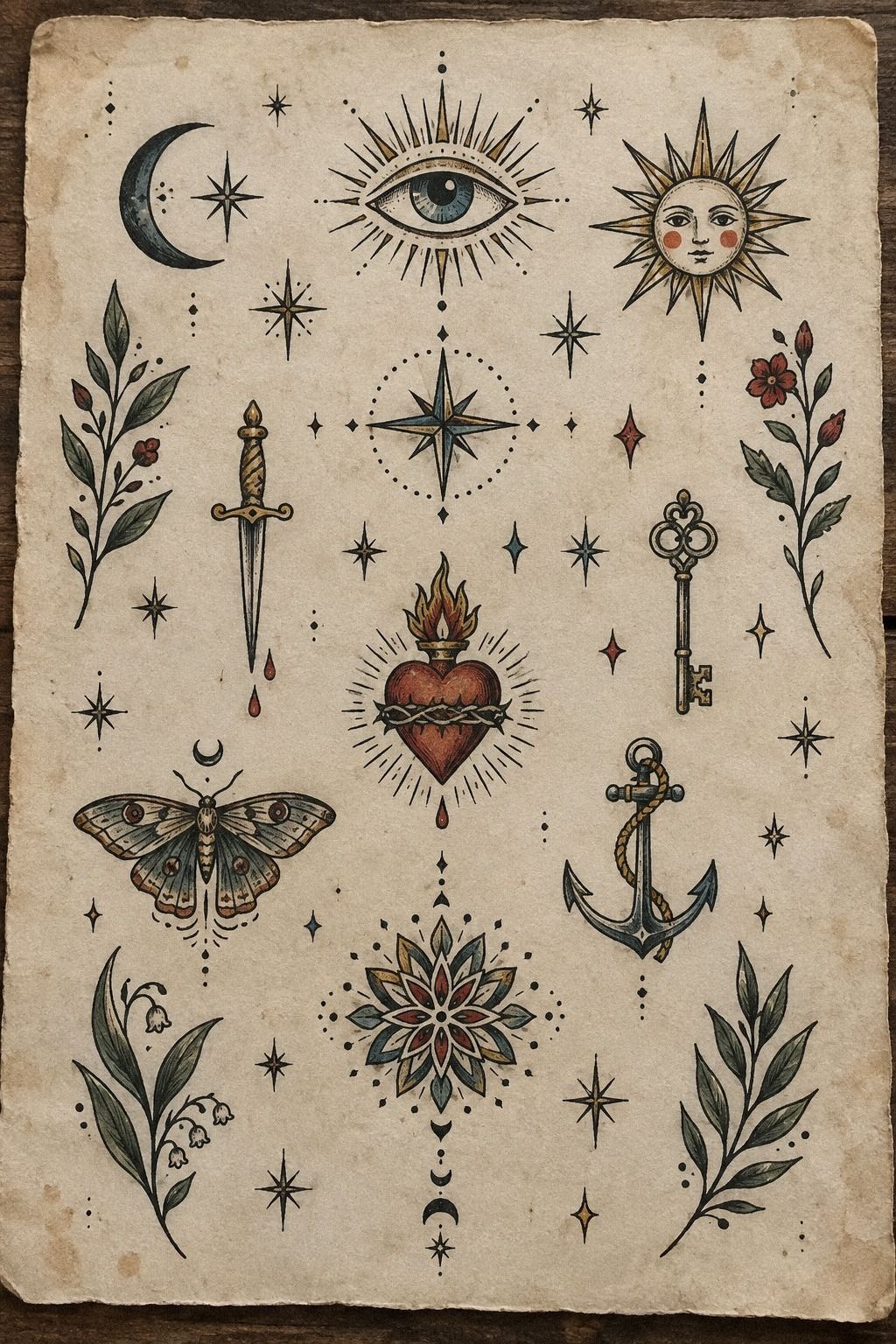
Palm-side tattoos can feel personal and hidden, but they’re exposed to friction, washing, and frequent movement. Start with the symbol, then ask whether the placement can support it.
A palm-side tattoo design should remain legible even if some pigment fades. Strong shapes generally have better long-term value than extremely thin details. If your favorite idea only works at a larger scale, listen to that information.
The texture of palm-side skin can make the result less predictable than ink on the back of the hand. Your consultation should cover line weight, expected wear, and whether the chosen mark needs a simpler treatment.
For additional inspiration, compare small hand tattoo ideas with your own stencil. A romantic symbol may look delicate on paper but need a slightly bolder treatment to stay visible.
I’d also consider your daily habits. If you wash your hands constantly, train with weights, or work with rough materials, the friction-heavy placement may demand more maintenance. That doesn’t make it a bad idea.
6Choose Unique Minimal Hand Tattoo Motifs

Unique doesn’t mean complicated. A tiny key with one unusual notch, a crooked star, a personal punctuation mark, or an abstract loop can feel more expressive than a copied trend.
The Skin-Contrast Test is simple: view the stencil under soft daylight, then under indoor light. Your stencil contrast should show the intended shape without making you guess where the lines go. If the mark is too faint to evaluate, the design needs a clearer structure.
Line weight should work with your skin tone and texture. Strong contrast can create a striking result, while a softer approach may feel more ethereal. Neither choice is automatically better.
You can compare visual directions in small hand tattoos for women without copying one image exactly. Your final piece should feel personal, not pulled from a search page. That distinction gives a tiny tattoo its empowering edge.
Avoid placing several unrelated motifs in one small area. One bold idea with breathing room usually feels more polished than a busy collection. Remove one element and look again.
Good call!
7Match Ink Style to Your Skin
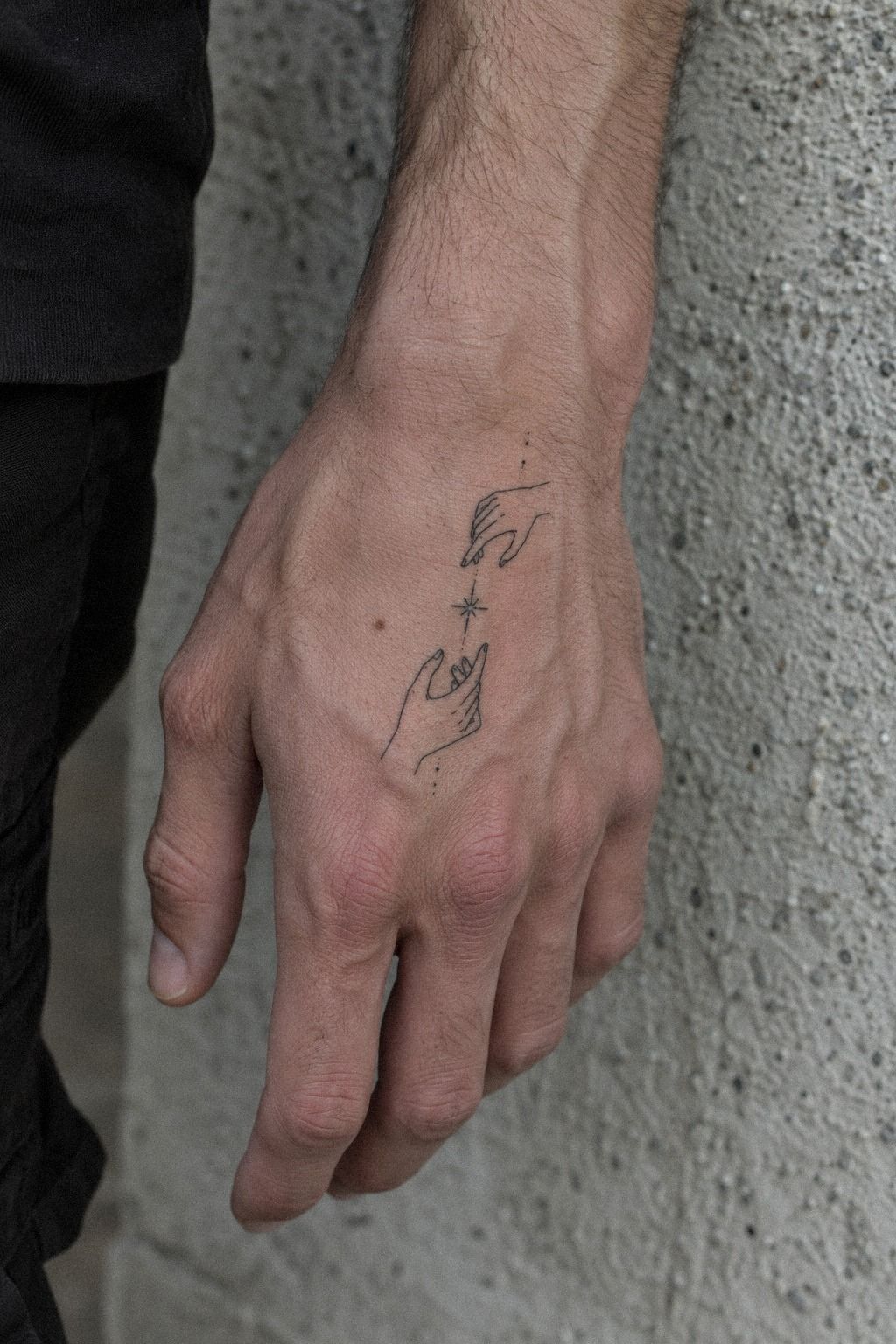
Your skin’s undertone, texture, and natural contrast can influence how black ink appears while it heals. Bring that conversation into the appointment instead of treating one universal line weight as correct.
Bring healed portfolio photos that resemble your skin tone and the style you want. A blackwork tattoo can look intense at first, then settle into a softer appearance after the surface heals.
Fine lines may widen over time, particularly on hands exposed to ultraviolet light. You’ll protect the design better with sunscreen once it’s fully healed, and you’ll reduce avoidable fading by covering it during long sun exposure.
A slightly stronger outline can preserve an understated tattoo without adding decoration. Your mark can stay elegant and still feel visually decisive.
Skin tone should never be treated as a problem to solve. It’s part of the design conversation. An experienced artist will show healed work across different tones and discuss what they can realistically achieve.
8Can You Test Striking Placement Before Tattooing?
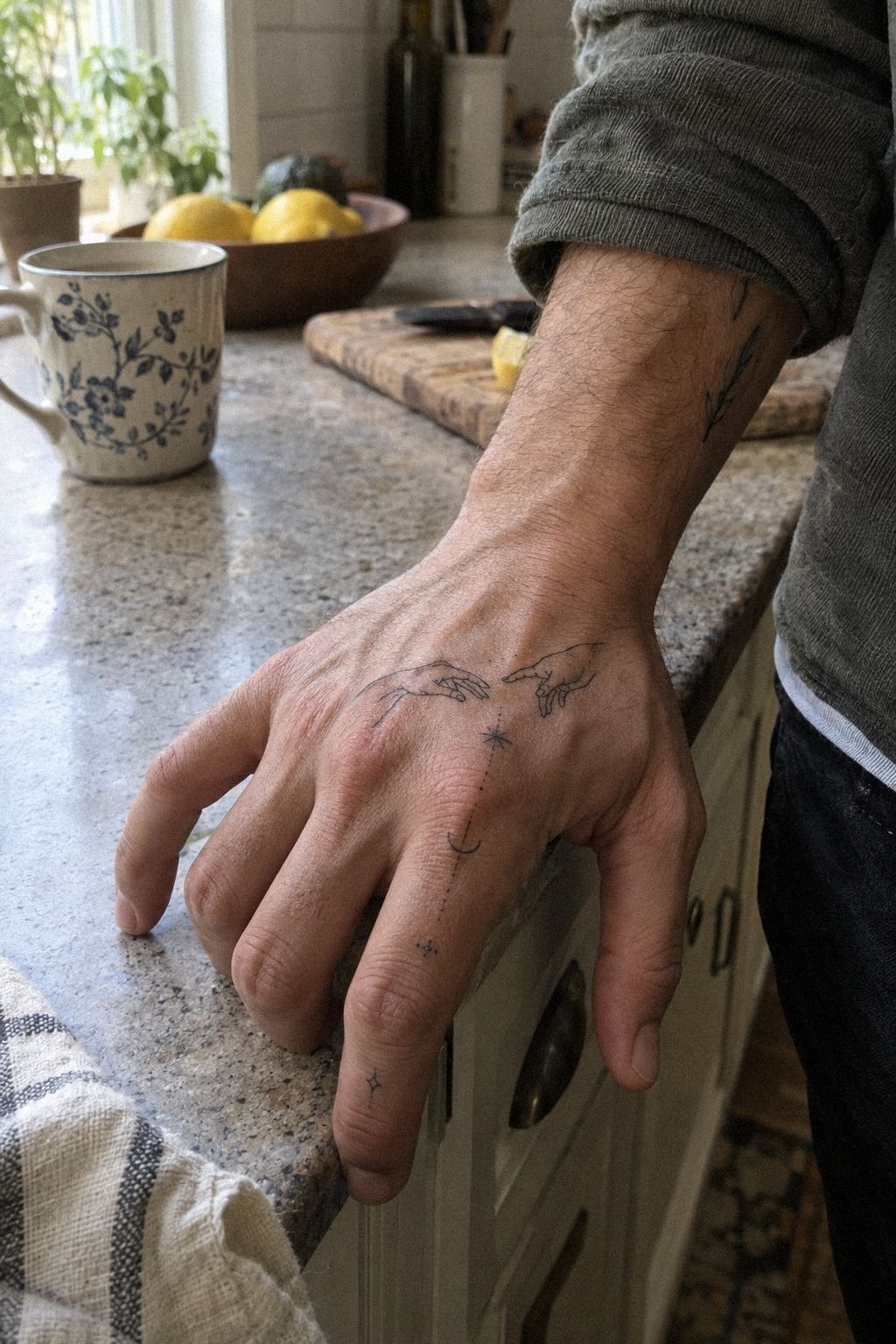
Test the placement while your hand is doing normal things. Look at it while your fingers are relaxed, bent, spread, and wrapped around an object.
A placement test can reveal whether the mark twists, disappears into a crease, or looks larger than expected. You’ll notice problems before the needle touches your skin.
Have the stencil placed in more than one position if the design is near a joint. A natural hand position may be more important than the view you liked in a posed photograph.
You can also try a temporary version for several days. It won’t reproduce the final texture exactly, but it can show whether the placement feels expressive, distracting, or awkward during daily life. Good call!
Pay attention to how often you look at the spot. A tattoo that feels exciting for five minutes but irritating during every commute may need a different location.
9Budget, Consultation, and the Artist You Choose
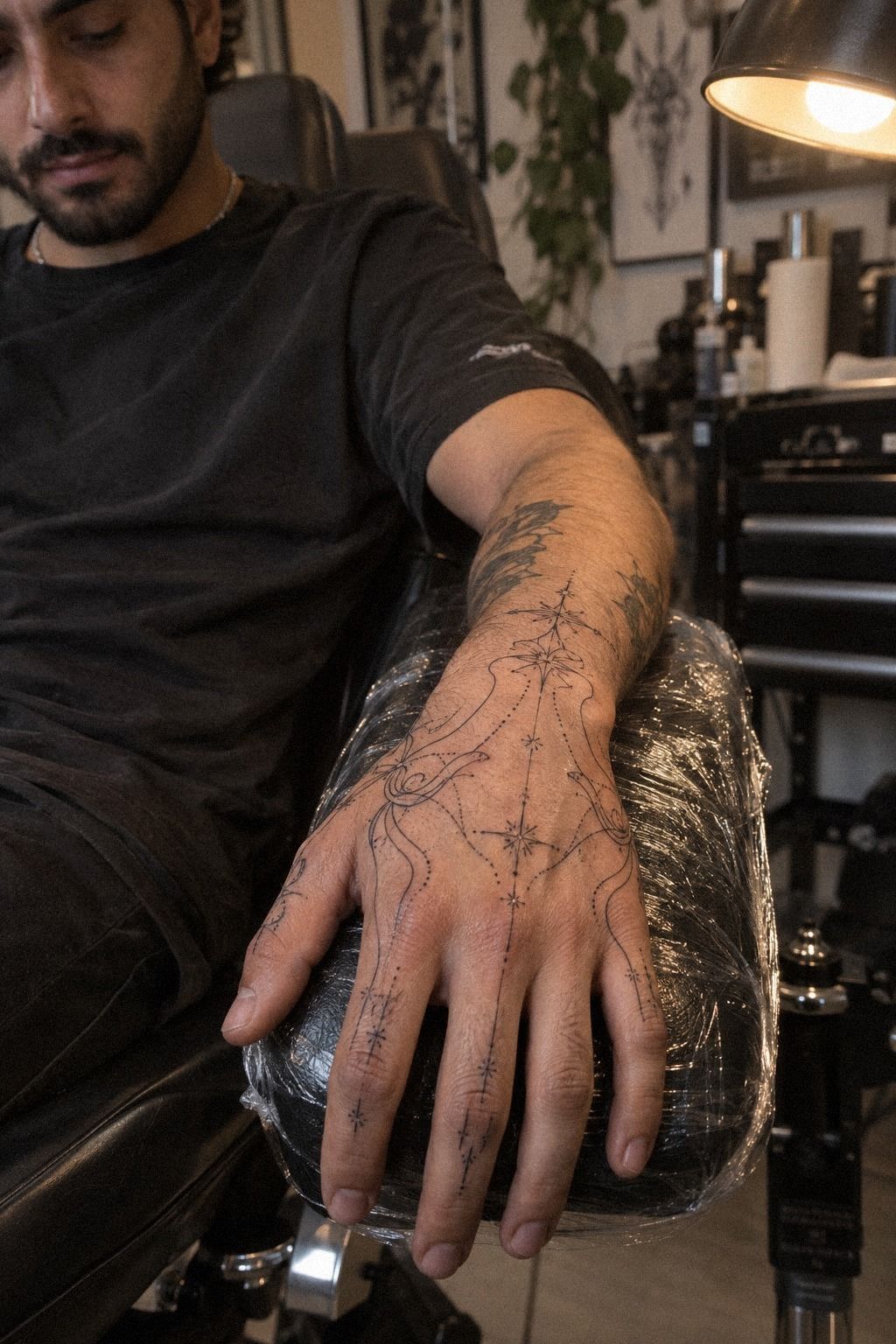
The price of a tiny tattoo reflects more than the minutes spent under the needle. You’re paying for the artist’s design judgment, sterile setup, stencil work, placement advice, and experience with difficult skin.
A transparent tattoo estimate should explain the studio minimum, hourly rate if relevant, expected session length, and touch-up policy. Clear pricing makes the appointment feel calmer before you even arrive.
Here’s a practical planning guide:
For more pricing context, review small tattoo prices and request a direct estimate from the studio. The lowest price isn’t always the best value if the artist lacks healed hand work.
A portfolio full of fresh ink tells only half the story. Look for healed examples, consistent linework, and evidence that the artist knows when to simplify a design.
I’d choose a calm consultation over a stylish portfolio alone. The artist should be willing to explain limitations, question an overpacked idea, and tell you when a placement is likely to disappoint.
Your budget should include a small reserve for a possible touch-up after complete healing. Hands experience more friction and sun than many other placements. Planning for that possibility is practical, not pessimistic.
10The First 72 Hours: Protect the New Tattoo
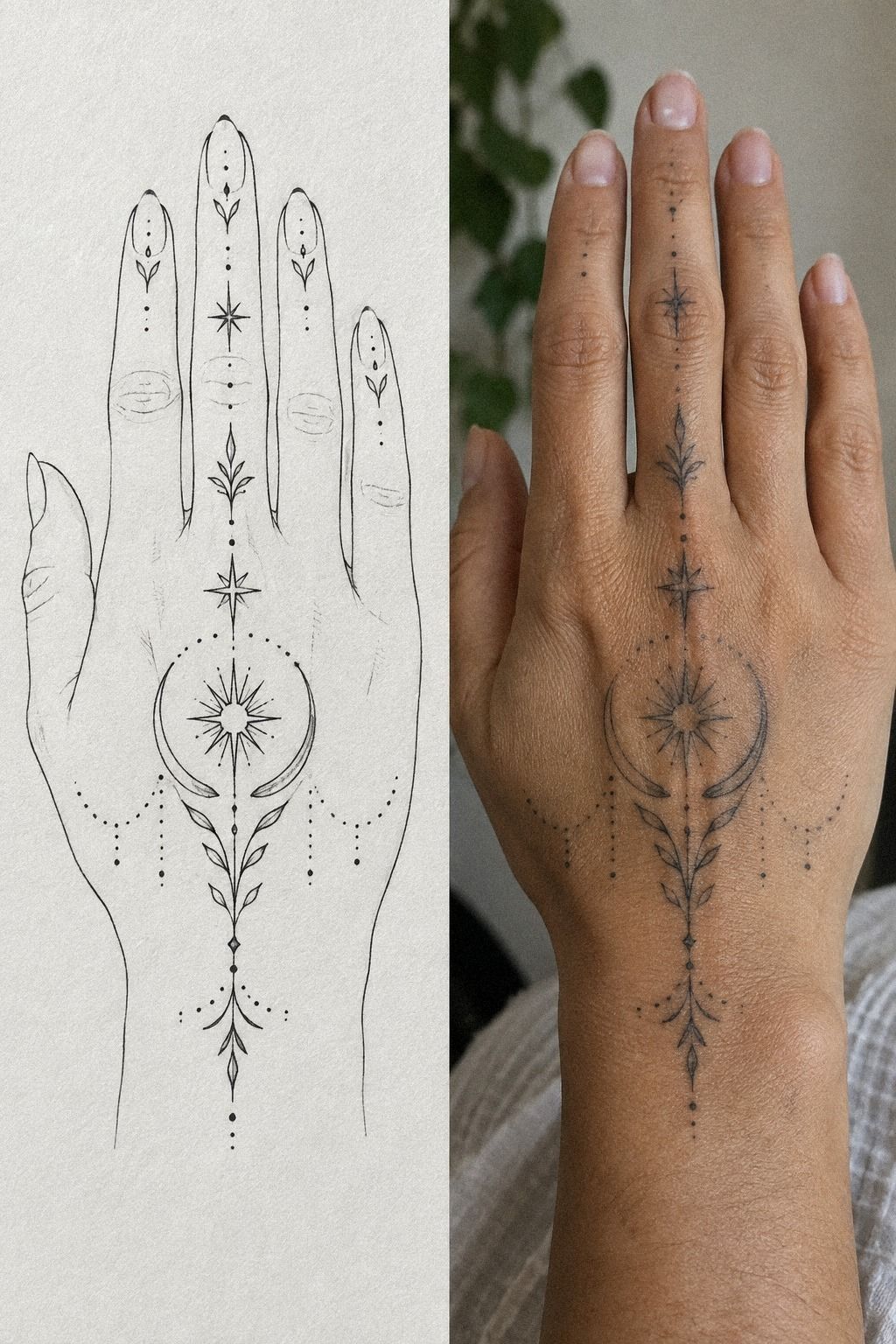
The first few days deserve a clear plan because fresh skin is vulnerable to friction, dirt, soaking, and unnecessary handling. Follow the specific instructions provided for your fresh hand tattoo, since bandage types and healing methods vary.
Wash your hands before touching the area, clean the tattoo as directed, and avoid picking at flakes or scabs. Keep the routine simple. Overhandling can create more trouble than careful restraint.
Protect the area from pools, prolonged soaking, rough contact, and direct sun while it heals. Your hands are constantly involved in daily tasks, so notice which habits might rub against the new work.
A short appointment doesn’t mean the tattoo needs less care. The size of the design and the length of the session are different questions.
Tell your artist about work, training, or hobbies that could expose the tattoo to friction. A practical schedule may be enough to protect the area without turning healing into a dramatic interruption.
Aftercare Habits That Protect Tiny Lines
Once the tattoo is fully healed, sunscreen becomes one of your best maintenance tools. Handwashing is normal, but repeated exposure to harsh chemicals and strong sunlight can accelerate fading.
A healed tattoo routine doesn’t need to be elaborate. Use sun protection, moisturize when your skin is dry, and avoid judging the ink under harsh lighting. Your tattoo may look different across seasons.
Take an occasional photo in natural light so you can track gradual changes. You’ll have a clearer record if you eventually discuss a refresh.
Don’t apply aggressive exfoliants directly over healed ink if you’re trying to preserve a delicate design. Gentle care supports a crisp, graceful appearance for longer.
I’m not interested in turning aftercare into a collection of expensive products. Consistency matters more than a complicated shelf of treatments.
11When Should You Refresh Faded Hand Tattoos?
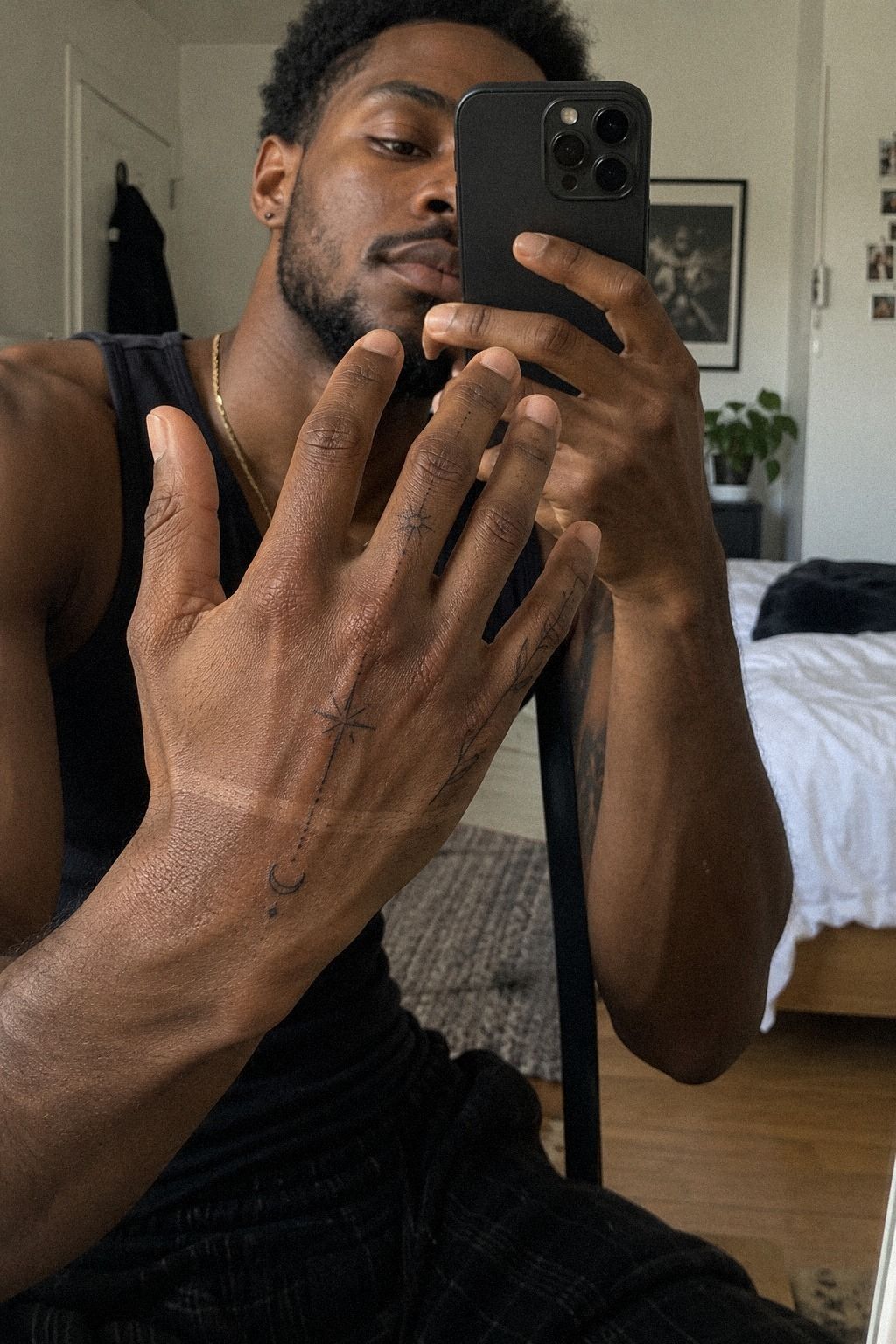
Fading doesn’t always mean the original tattoo failed. Hands experience washing, friction, and sunlight more than many other placements. A refresh can restore a crisp edge, but it can’t reverse every design decision.
Wait until the skin is fully healed before discussing a touch-up. That usually means allowing roughly two to three months, even if the surface looked calm earlier. Healed black ink gives your artist a more honest view of what held and what softened.
Your artist may recommend a light refresh, a stronger outline, or a complete redesign. If the original motif was too crowded, I’d simplify it during the update instead of adding more lines.
Save the original stencil, design file, and healed photos if you have them. You’ll help your artist understand how the tattoo changed over time. For another round of ideas, revisit small hand tattoo ideas and compare silhouettes.
A touch-up has its own cost, so ask whether the studio offers a correction policy and what conditions apply. The right update can make a faded tattoo feel vibrant again without turning it into a much larger piece.
A refresh should improve the tattoo’s clarity, not become an excuse to keep adding detail. Sometimes the strongest repair is one clean line and a better decision about spacing.
Why I’m Careful With Hand Tattoo Advice
I’m fond of tiny hand tattoos because they can feel like private punctuation that happens to be visible. A small star near a knuckle, a narrow symbol along a finger, or a single mark on the palm-side can carry a memory without taking over your hand.
I’ve seen people choose an intricate reference because it looked crisp on a screen, then regret the decision when the tattoo depended on details that were too small for real skin. My strongest opinion is simple: choose the clearest version of your idea, even if it feels less ornate.
A healed linework portfolio matters as much as the motif. You want someone who photographs old work, understands hand movement, and will tell you when a placement is risky. If an artist rushes through stencil placement, I’d leave, even if the portfolio looks stylish.
Pain is part of the decision, but fear shouldn’t make the decision for you. Your hand has bony areas, active joints, and constant exposure, so you’ll need realistic expectations. The most meaningful design may still need a slight change in scale.
I’d rather see you book one thoughtful tattoo than collect several impulsive marks and spend years correcting them. Give yourself time to live with the stencil. If it still feels right after your hand rests, bends, grips, and moves, you’ve found something worth carrying.
The right tattoo doesn’t need to perform for strangers. It can be quiet, visible, and completely yours.
When a Tiny Hand Tattoo Isn’t the Right Choice
You may want to wait if you’re choosing the design during a sudden emotional moment, feel pressured by someone else, or can’t comfortably afford the artist you trust. A thoughtful tattoo decision should feel empowering, not financially stressful.
You might also pause if your work has strict visibility rules. Hand tattoos are hard to hide, even when they’re dainty. Think about interviews, uniforms, family expectations, and your own future preferences.
A daring tattoo can still require patience. Waiting a few weeks won’t make the idea less personal. It gives you time to test the stencil, compare healed work, and decide whether the symbol still feels powerful.
Try a temporary version if permanence is bothering you. It won’t perfectly copy the final texture, but it can show whether you like the placement in everyday life. That small experiment can save money and regret.
Ask yourself whether you’d still choose the mark if nobody else saw it. A personal tattoo should belong to you before it becomes visible to everyone else.
Some designs are better saved for a larger area. That isn’t failure. It’s an honest acknowledgment that the concept deserves room to breathe.
The Questions Worth Answering First
How much does a small tiny hand tattoo usually cost?
A small tiny hand tattoo usually costs about $100 to $300 in the US, depending on the artist and region. Some studios charge a minimum of roughly $50 to $100, while hourly rates often run about $100 to $250. A clear cost estimate comes after the artist sees your design and placement.
Are small tiny hand tattoos a good idea for a first tattoo?
Yes, they can be a good first tattoo if you choose a readable design and accept the visibility. Hand skin and bony areas can feel intense, but a short session may be manageable. A personal tattoo symbol with clean lines is easier to live with than a crowded trend piece.
How do I choose a tattoo artist for small tiny hand tattoos?
Choose an artist with clean linework, healed photographs, strong hygiene practices, and experience tattooing hands. The consultation should cover fading, placement, and aftercare without pressure. A healed artist portfolio tells you far more than a gallery filled only with fresh ink.
How much do small tiny hand tattoos hurt?
Small tiny hand tattoos can hurt more over knuckles, fingers, and other bony areas than on the forearm, thigh, or shoulder. Everyone’s tolerance differs, so take breaks when you need them. A short tattoo appointment may help, but placement still controls much of the sensation.
How long does a small tiny hand tattoo take to heal?
The surface usually heals in about two to three weeks, while complete healing can take about two to three months. Wash gently, moisturize as directed, avoid pools and direct sun, and don’t pick flakes. Patient tattoo aftercare helps the lines settle evenly.
What’s the best placement for small tiny hand tattoos?
The back of the hand usually offers more visual space, while a side finger or knuckle gives a sharper, more visible effect. Palm-side placements can fade faster from friction. Your best tattoo placement balances pain, visibility, work needs, and how the design follows your hand.
Where I’d Start First
If I had to pick one step, I’d start with stencil testing. You’ll catch awkward bends, crowded details, and poor contrast before the needle touches your skin. Pin this guide for later, then review the design while your hand is relaxed and moving.
Start with one readable hand tattoo, choose an artist whose healed work feels trustworthy, and keep enough budget for proper care or a future refresh. A tiny mark can be bold, elegant, and deeply personal when every line has a reason.
That’s the version I’d want on my own hand: clear from across the table, meaningful up close, and strong enough to survive ordinary movement. Exactly!