A fine line minimal tattoo holds personal meaning best when its symbol, placement, and scale work together. I’d plan those choices before the appointment, because a small mark has nowhere to hide. You want the result to feel personal, readable, and intentional after the first excitement fades. The process is simple, but it isn’t casual.
- Start With a Small Fine Line Tattoo Symbol
- What Makes a Fine Line Minimal Tattoo Meaningful?
- Meaning or Ornament?
- Let Delicate Linework Follow the Collarbone
- Match Minimal Ink to Your Body Shape
- Why Should Fine Lines Stay Crisp and Uncluttered?
- Plan a Dainty Botanical Tattoo Composition
- Test Symbolic Designs Before Permanent Ink
- Can You Estimate Pain Before Choosing Placement?
- Protect Your Tattoo During Healing
- Refresh Faded Minimal Linework Thoughtfully
1Start With a Small Fine Line Tattoo Symbol
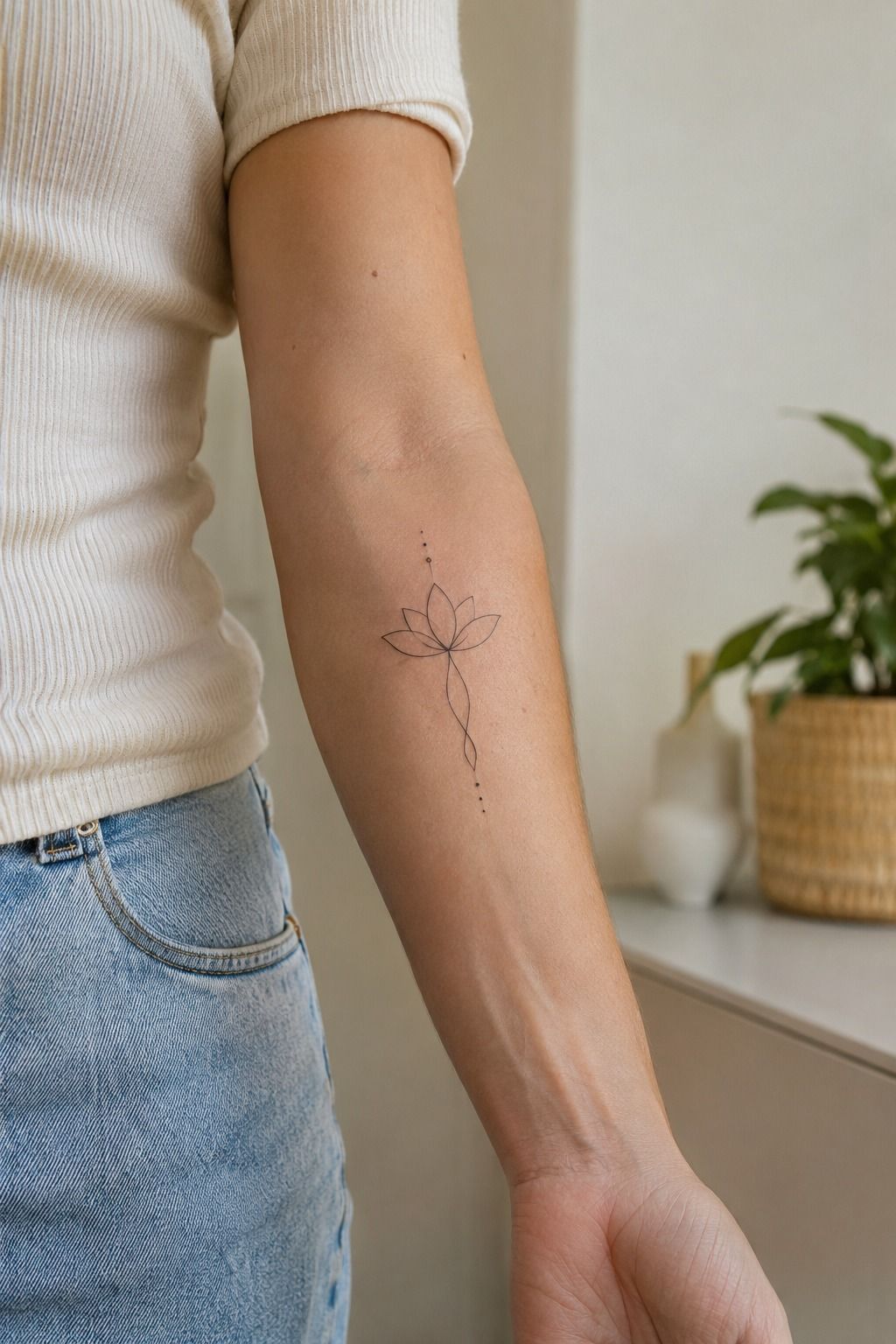
Start with one symbol that still matters when nobody else recognizes it. On a fair cool-pink upper arm, a few small stars in different sizes can feel striking without looking loud. You might choose a constellation, an initial, or a small object connected to a private memory.
Keep the design under two inches if you want a compact mark, but don’t squeeze too many details into that space. A single star can stay crisp.
Five tiny symbols with separate lines may blur together as the tattoo ages. I’d choose three stars over seven every time.
Before you book, compare your idea with this guide to what fine line tattoos are. You’ll see why line weight, spacing, and healed references matter more than a pretty digital sketch. The artist’s portfolio should show healed work, not only fresh black ink.
Your budget matters too. A shop minimum may sit around $50 to $100, while an artist may charge $100 to $250 per hour.
The final cost depends on placement, detail, location, and the artist’s experience. A small tattoo isn’t automatically cheap if the consultation and setup take time.
Ask how the symbol will hold up on your chosen skin. If your idea needs a line thinner than the artist normally uses, ask what will remain readable after healing. That conversation can turn a delicate design into something that still feels intentional years later.
2What Makes a Fine Line Minimal Tattoo Meaningful?
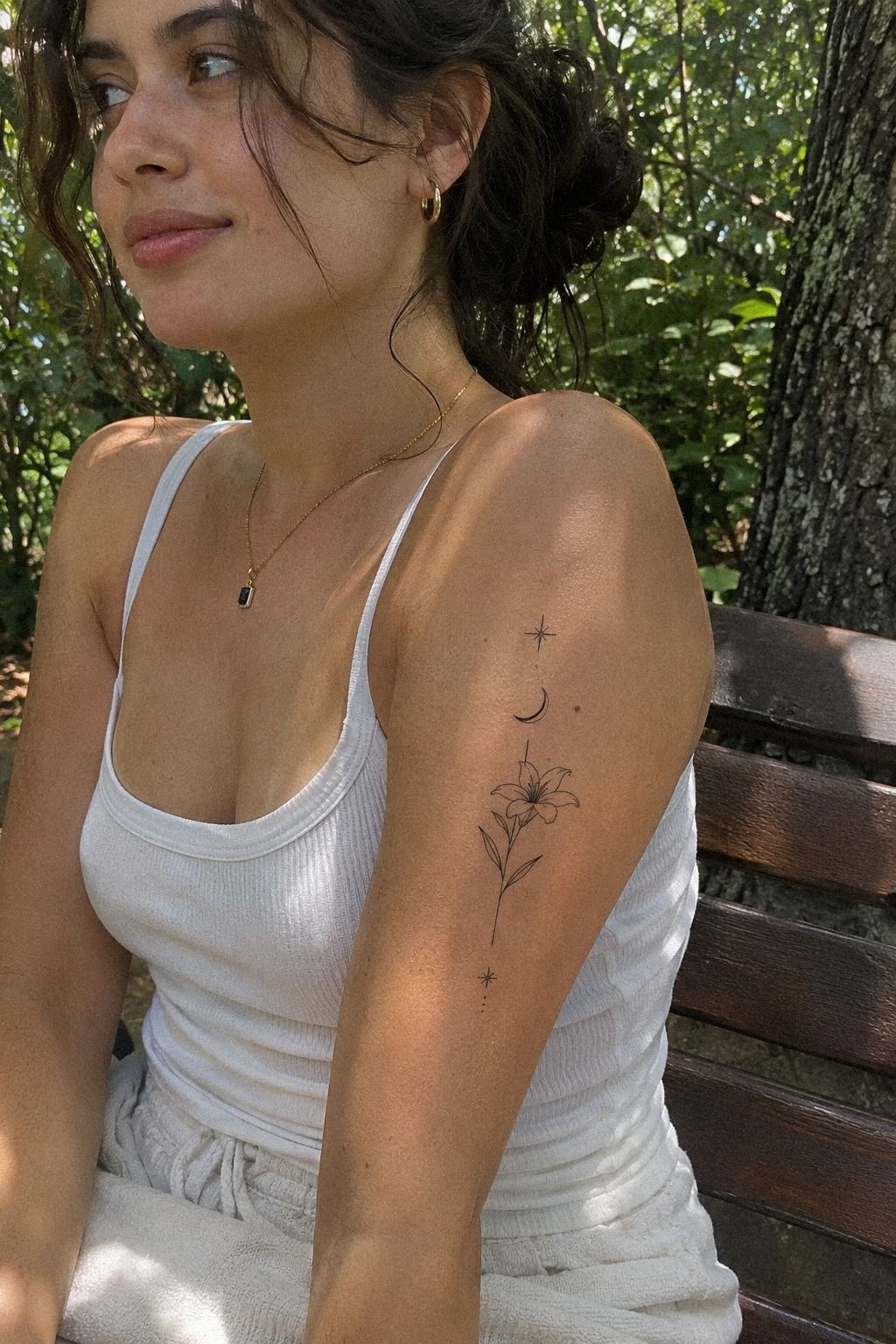
Choose meaning before decoration. On medium warm ivory skin, a fine line minimal tattoo can feel meaningful when the shape points to a person, place, habit, or promise you’d recognize without a caption. Write down three associations before you search for references.
The strongest designs usually have one visual anchor. A tiny moon, a handwritten letter, a simple botanical stem, or a small geometric mark can carry more feeling than a crowded collage. I’d rather see one expressive symbol than six disconnected details competing for attention.
Save references from the small fine line tattoo collection and notice what keeps pulling your eye back. You’re looking for proportion, not a design to copy. If one mark feels whimsical but another feels too obvious, trust that reaction.
Try describing the idea in one sentence. If you need three paragraphs to explain why every dot, curve, and gap is there, the design may be doing too much. A clear concept gives your artist room to make the result sleek without making it emotionally empty.
Ask yourself whether you’d still want the tattoo if nobody asked what it meant. If the answer is yes, you may have found the right direction. If you only like the story attached to somebody else’s design, keep searching.
That is a small choice with a big payoff!
The One-Sentence Test
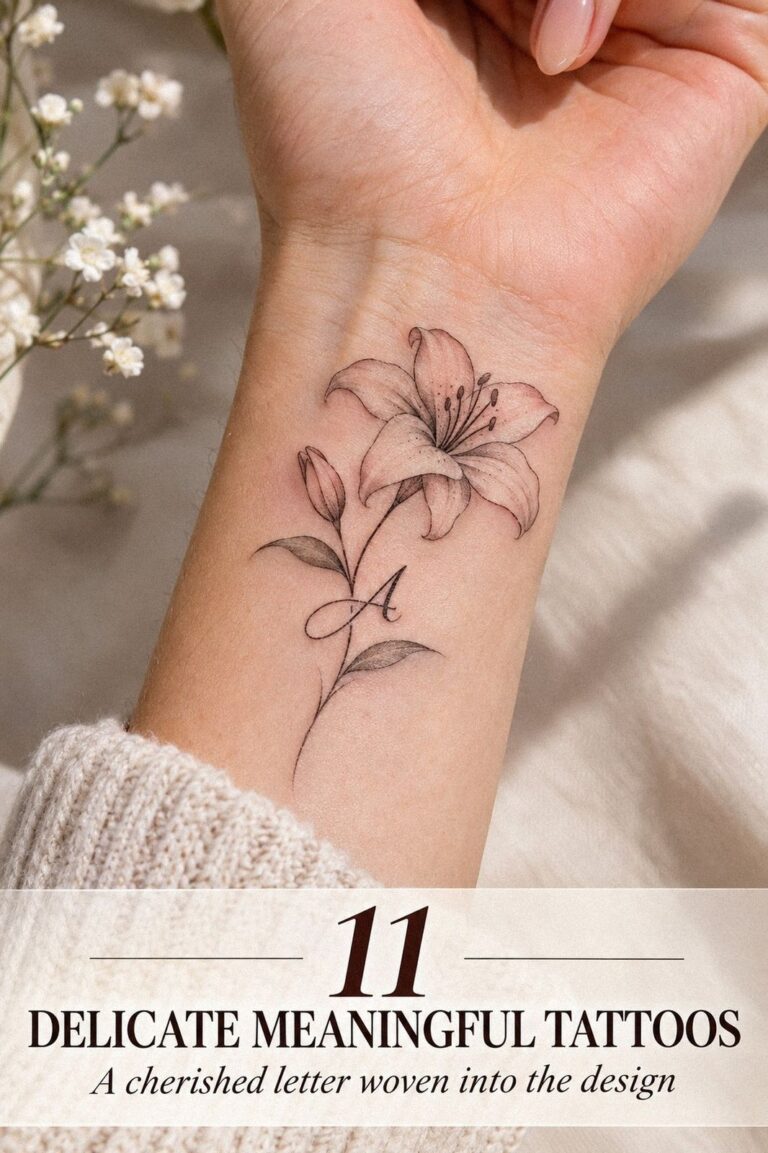
Write the tattoo idea as a sentence that includes the symbol and its personal connection. “A small crescent for the night I started over” tells your artist more than a folder of unrelated references. The sentence gives the design a clear purpose.
If the explanation includes five symbols, four dates, and several unrelated memories, pause. You may be trying to preserve the entire story instead of choosing its strongest detail. A focused concept usually creates a more readable result.
3Meaning or Ornament?
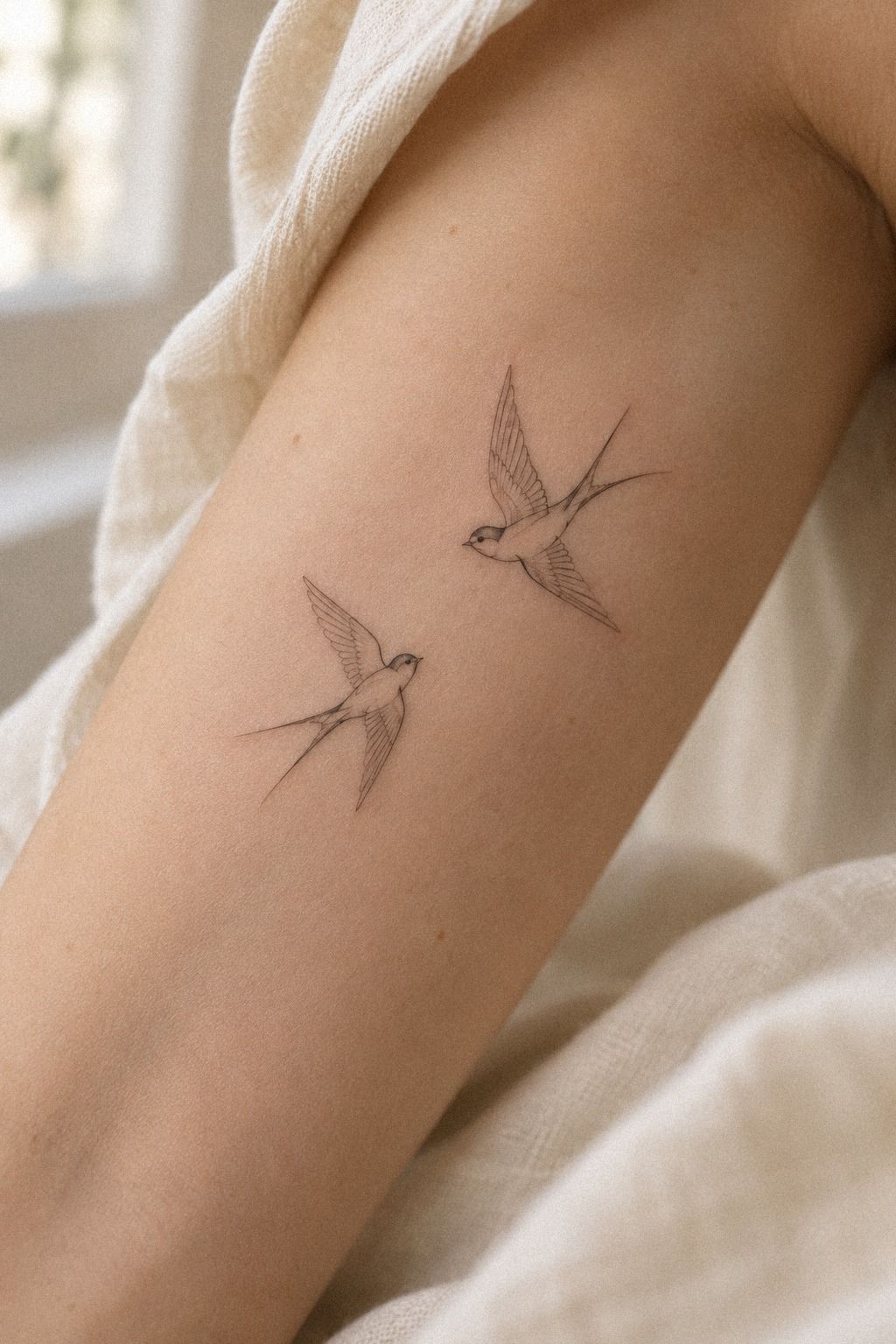
A meaningful tattoo needs a visual anchor, while an ornate tattoo depends on detail. Neither choice is automatically wrong, but they create different maintenance demands. A fine line minimal tattoo usually works best when the symbol stays understated.
On medium olive skin, a sternum design can use a hair-thin single line, but its angle, gap, or small interruption can make the mark feel bold without adding clutter. You don’t need extra decoration to prove that the idea matters.
Try altering the shape rather than collecting more details. A circle can become slightly open.
A botanical stem can bend toward the body’s center. A geometric figure can lose one expected corner.
Those choices create an edgy silhouette while keeping the tattoo readable.
For technical direction, use this fine line geometric tattoo guide before you finalize the stencil. You’ll want to study how straight lines behave across curved anatomy. The sternum isn’t flat, and your design may need a subtle adjustment.
Why choose a copied mark when one small change can make it yours? I’d skip a crowded replica and ask for one intricate detail with a clear reason.
That restraint often gives your tattoo more identity than extra decoration. Good design can stay quiet and still feel powerful!
4Let Delicate Linework Follow the Collarbone
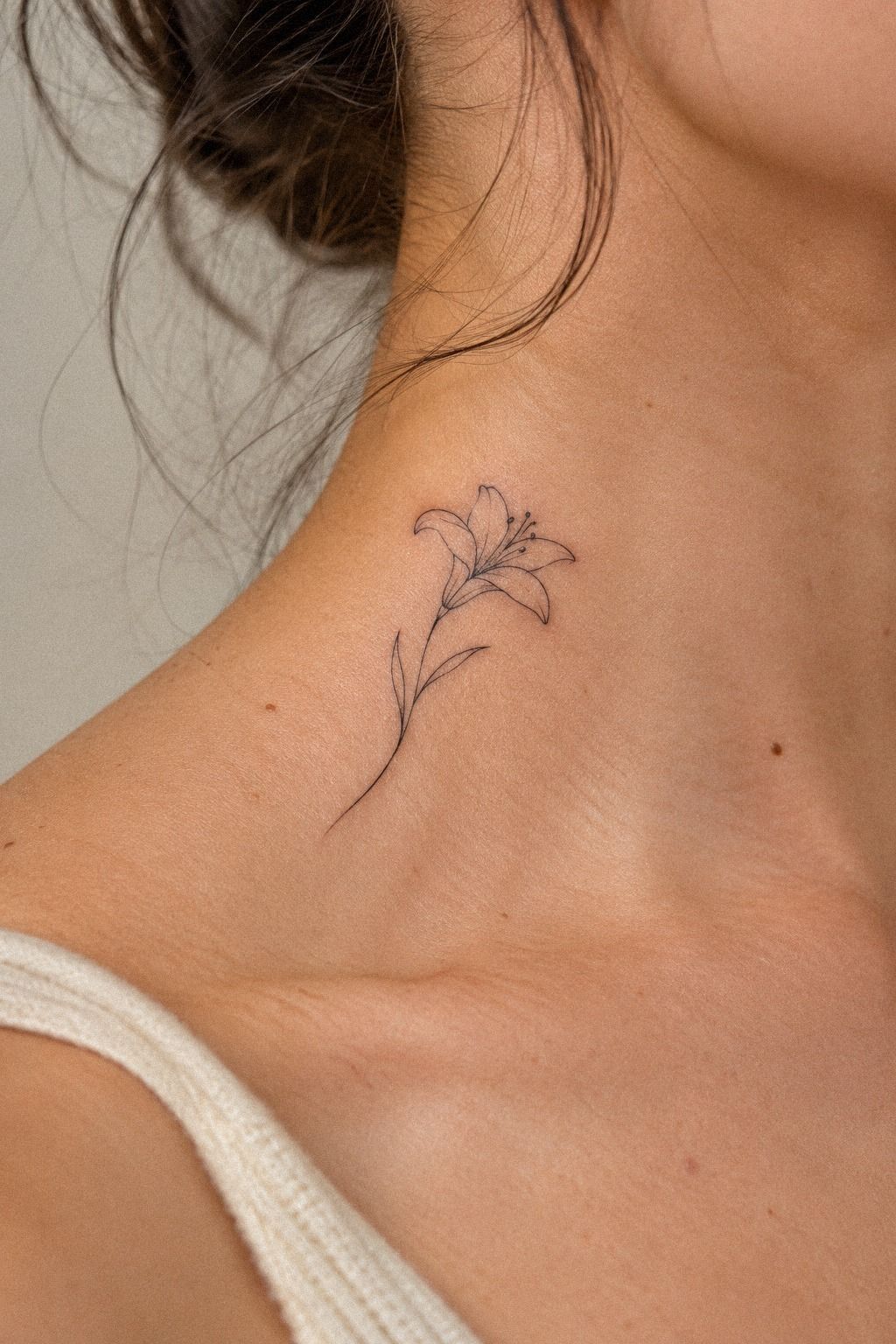
Place delicate linework along the collarbone only after checking how the design follows the bone. Your body shifts when you raise your shoulders, turn your neck, or relax your arms. A mark that looks balanced in one position may appear slightly tilted in another.
A narrow branch, tiny crescent, or short abstract line can look flowing when it follows the collarbone instead of fighting its direction. Ask your artist to place the stencil while you stand naturally, not while you hold a rigid pose.
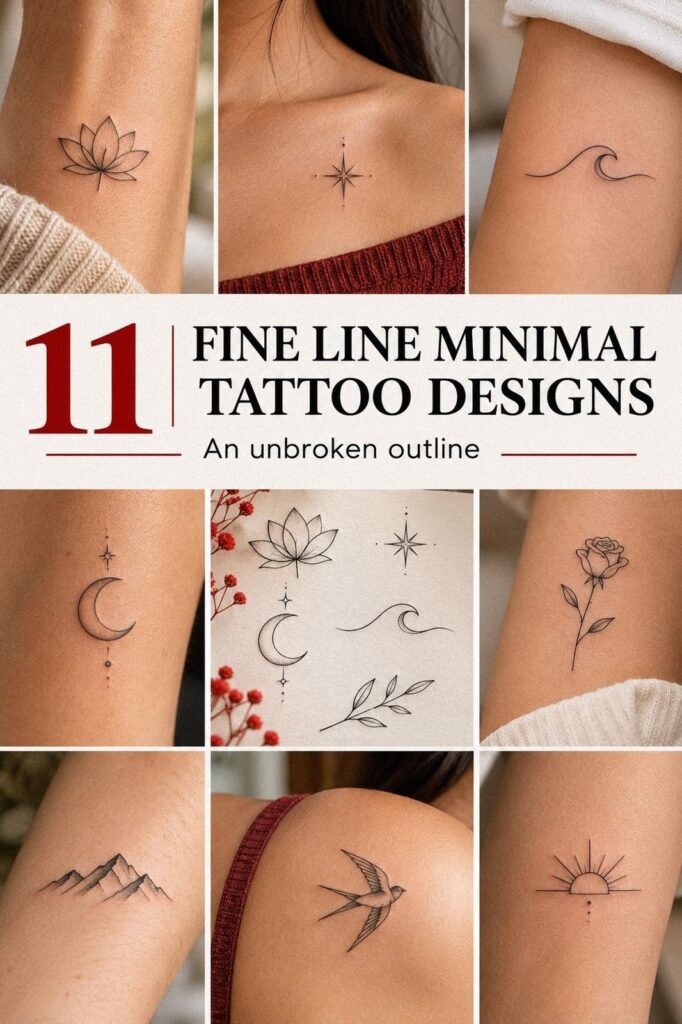
Look at small minimal tattoo ideas for scale comparisons, then make your own decision. The best value comes from adapting the design to your body, not from choosing the smallest possible option.
Check the distance from the shoulder, throat, and center of the chest. Too little breathing space can make the tattoo feel crowded. A little negative space may make the result seem more graceful and easier to read.
If the collarbone feels too exposed for your work or daily life, ask whether the upper arm or shoulder would preserve the same meaning. You can keep the concept while changing the visibility. That’s a practical choice, not a compromise.
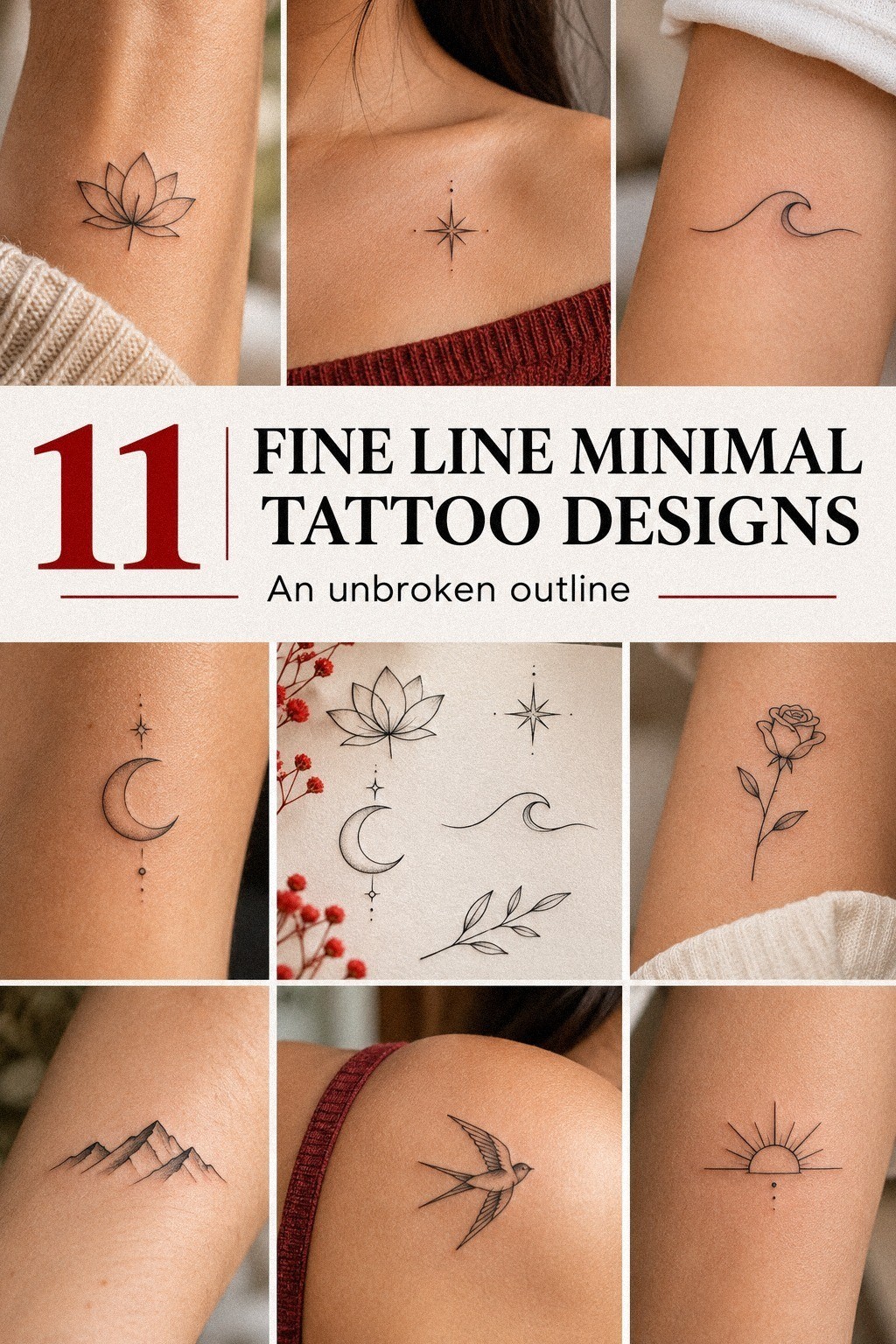
5Match Minimal Ink to Your Body Shape
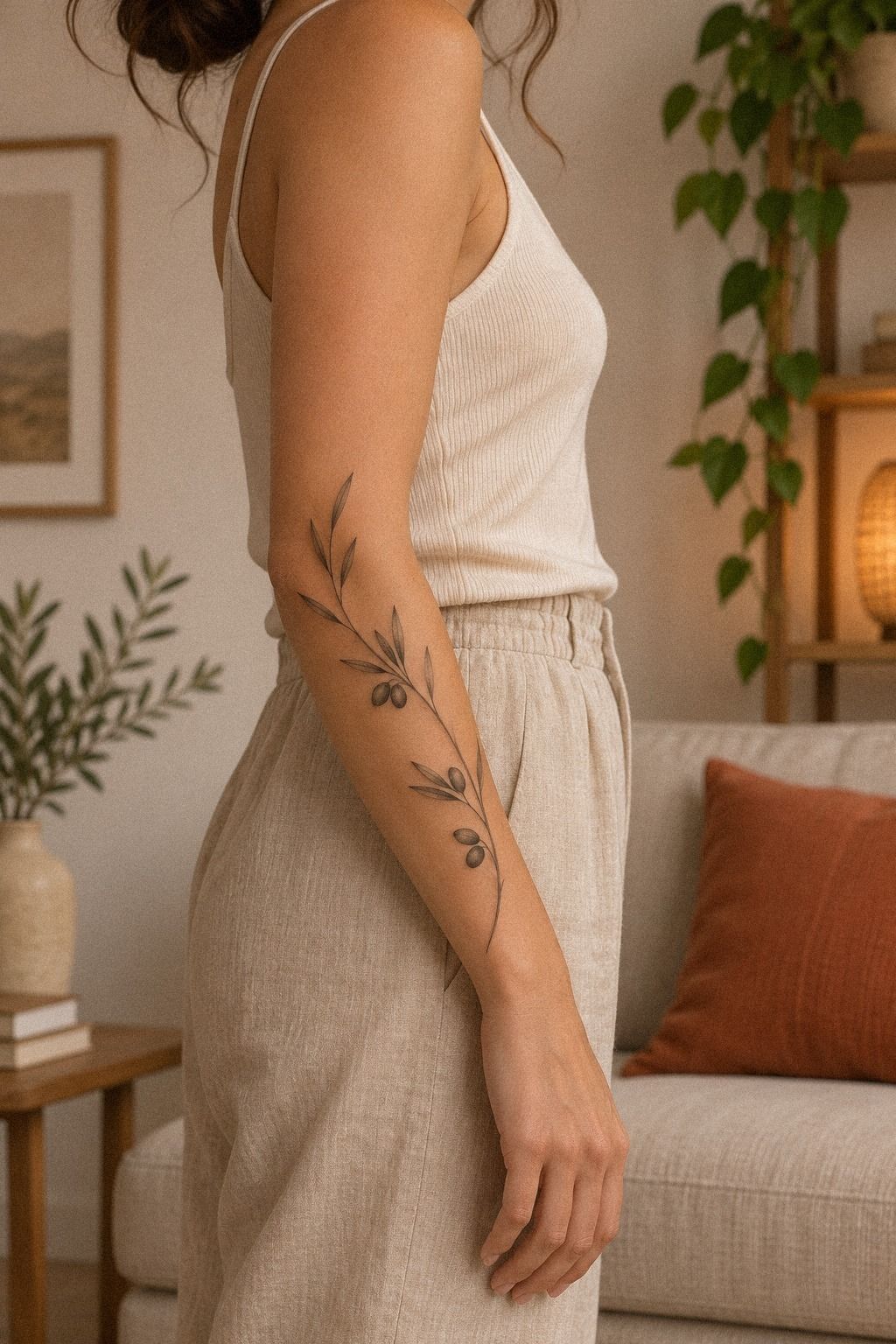
Match minimal ink to your body shape by treating the flash sheet as a starting point, not a fixed menu. Your artist should adjust the mark for your anatomy, movement, and preferred visibility. The result should follow you, not look pasted onto you.
A narrow symbol may suit a wrist or forearm, while a wider composition can follow the curve of a shoulder or calf. You don’t need to change your body to fit the tattoo. You need a design that respects the chosen placement.
Use the small minimal tattoo guide to compare scale and placement before you select one flash design. Hold a printed version against your skin and take photographs from several angles. I’d rather spend fifteen minutes testing than regret a mark that sits crooked.
For a masculine silhouette, a centered symbol may look direct and powerful. On another body, the same design may work better with a slight offset or a longer curve.
Your shape isn’t a problem to solve. It’s part of the composition.
Think about visibility before you think about trend value. A forearm tattoo may be easy to admire, while a rib or spine tattoo can remain private. The right choice depends on how often you want to see it and how often you want other people to see it.
Placement Visibility Check
Look at the proposed placement in your usual clothing, not only in a mirror with the area uncovered. A visible tattoo can become part of your everyday style, while a hidden placement may feel more intimate. Neither option is more meaningful by default.
Consider work, family expectations, exercise, and sunlight before you approve the stencil. You’re allowed to choose a spot that keeps the symbol private. You’re also allowed to choose one that feels like a deliberate part of your identity.
6Why Should Fine Lines Stay Crisp and Uncluttered?
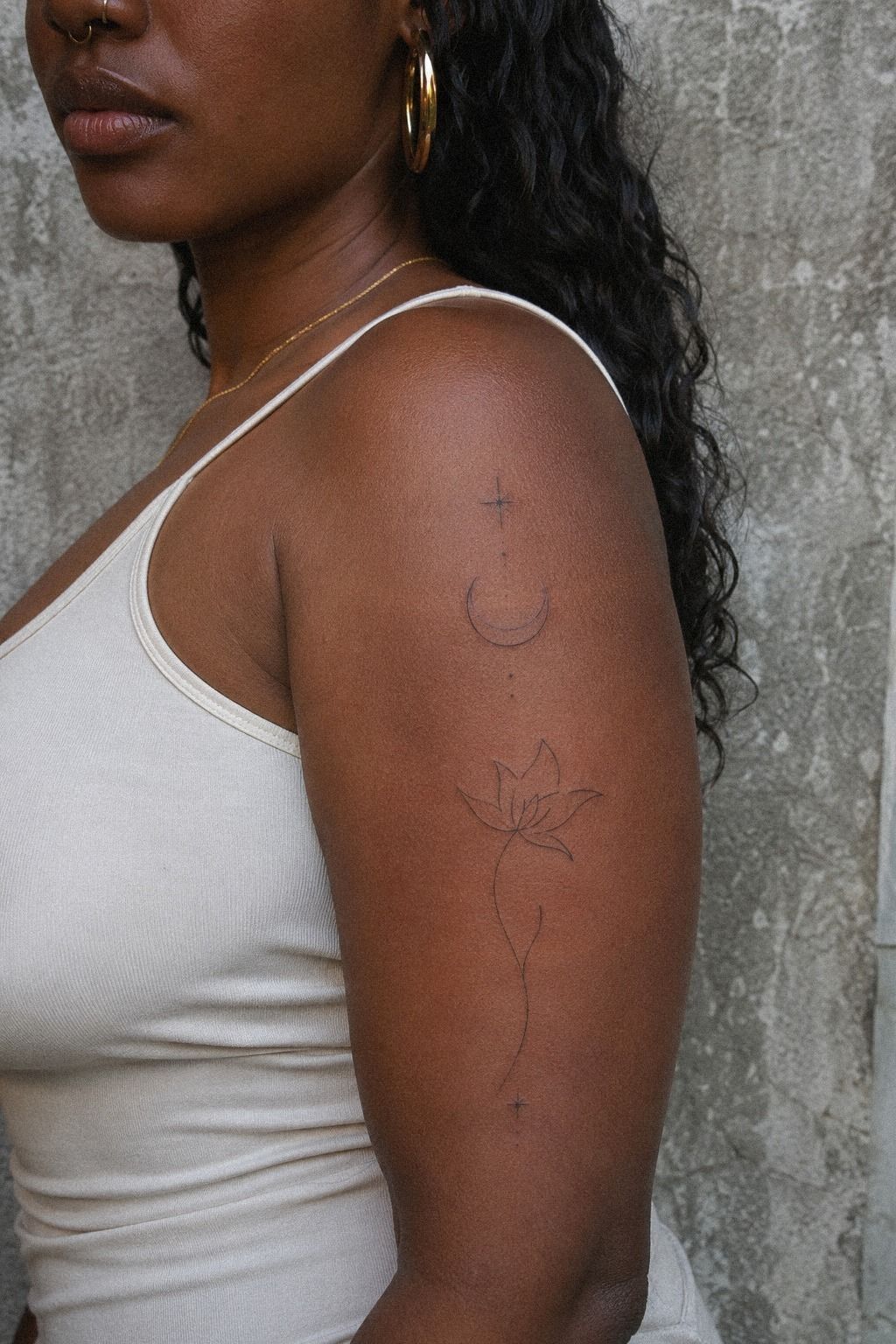
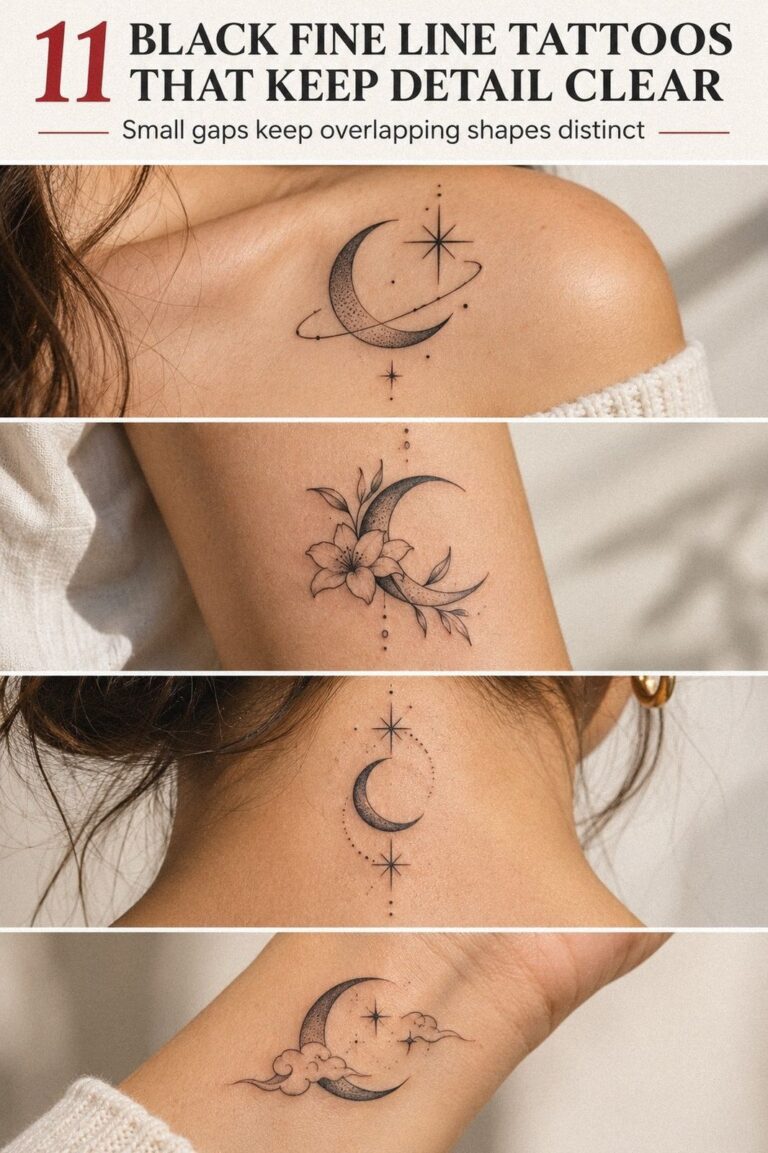
Keep fine lines crisp by giving every line a job. A tiny tattoo needs enough spacing for the skin to heal without turning separate marks into one dark patch. More detail can increase the price without increasing the value.
Ask your artist which lines are structural and which are optional. If removing one tiny accent makes the main symbol clearer, remove it. A minimal composition can still feel rich when its spacing is deliberate.
Your chosen placement matters. Hands, fingers, feet, and areas exposed to frequent friction may soften faster. That doesn’t make them impossible placements, but you should understand the maintenance before you decide.
Look through healed examples in the fine line tattoo collection and compare them with fresh work. A fresh tattoo can look sharp because the skin is newly irritated. Healed photographs show you the version you’ll actually live with.
A slightly stronger line may be worth it if it protects readability. The thinnest possible line isn’t always the smartest choice. I’d spend for thoughtful planning, not for a fragile specification that only looks good on appointment day.
Fresh Versus Healed
Fresh black ink can make a design appear more precise than it will look after the skin settles. Ask to see healed photographs from several months later, especially when the tattoo uses tiny gaps or repeated marks.
Compare the original stencil with the healed result when the artist can provide both. You’re checking whether the symbol remains readable, whether the spacing survives, and whether the overall shape still feels intentional.
7Plan a Dainty Botanical Tattoo Composition
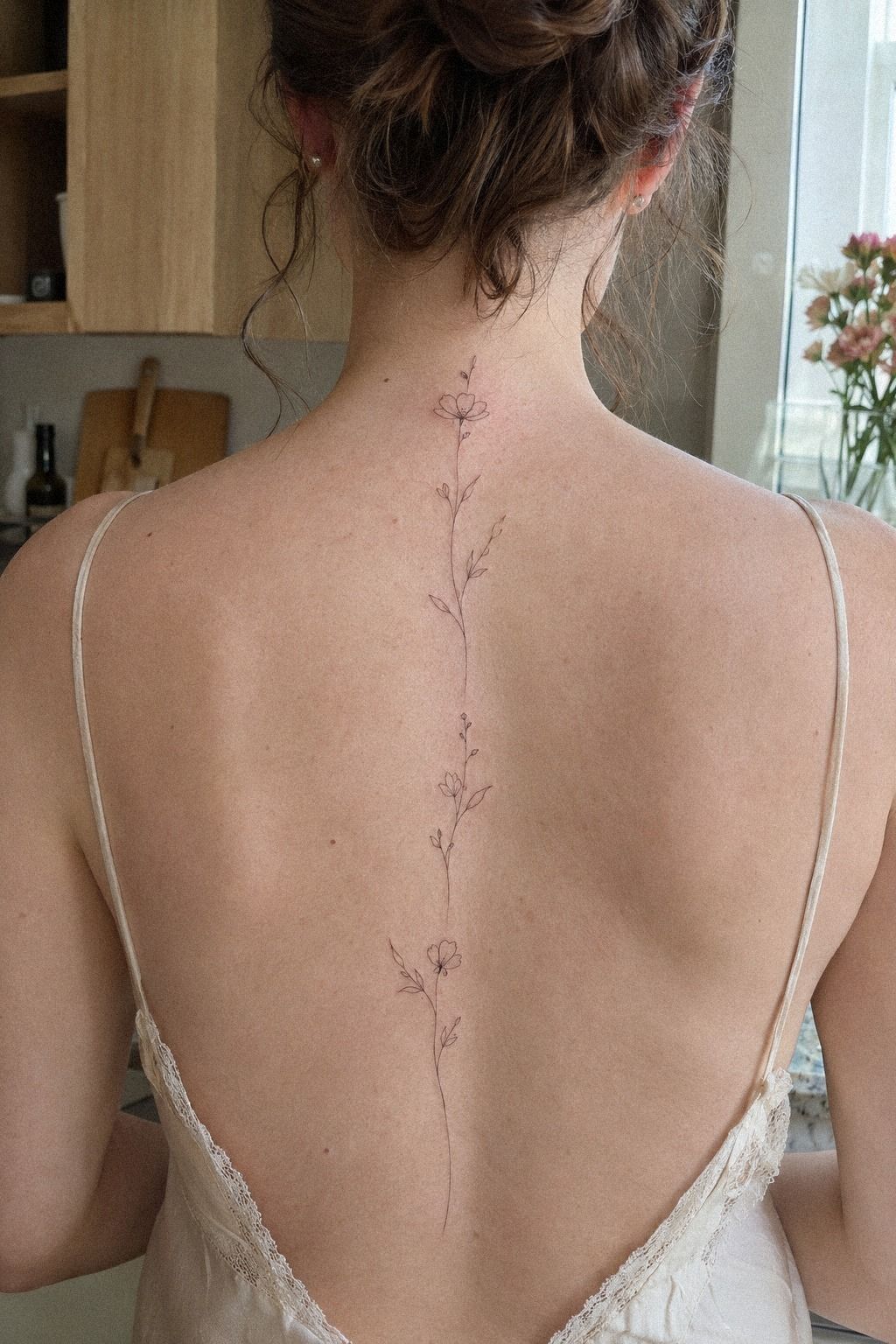
Plan a dainty botanical tattoo composition from the spine outward. On fair cool-pink skin, a fine line plant can look romantic when the stem follows the center line and the leaves alternate instead of stacking on one side.
Keep the botanical reference simple enough to heal well. One stem, a few leaves, and controlled negative space can create an elegant image without turning the design into a crowded illustration. I’d avoid tiny veins in every leaf unless the artist has healed work proving they remain visible.
Compare your idea with small fine line spine tattoo placements and minimalist fine line spine tattoo examples. You’ll see that length and spacing matter more than the plant species.
Use a stencil and check it while standing naturally. Your back moves when you bend, twist, and breathe. A dainty botanical design should follow that movement rather than look like a sticker placed down the center.
Consider whether the plant has a personal connection. A particular leaf, seed, or stem can carry more meaning than a generic floral arrangement. You don’t have to explain that connection to anyone else.
A Private Detail Can Carry the Story
Choose the leaf, curve, or break that only you would recognize. That detail might be a plant from a childhood place, a seed from a meaningful date, or a stem that echoes somebody’s handwriting. A personal reference gives a familiar motif a new identity.
Don’t force the hidden meaning into a visible symbol. The tattoo can look simple to everyone else while remaining deeply specific to you. That private layer is what makes a small mark feel symbolic rather than generic.
8Test Symbolic Designs Before Permanent Ink
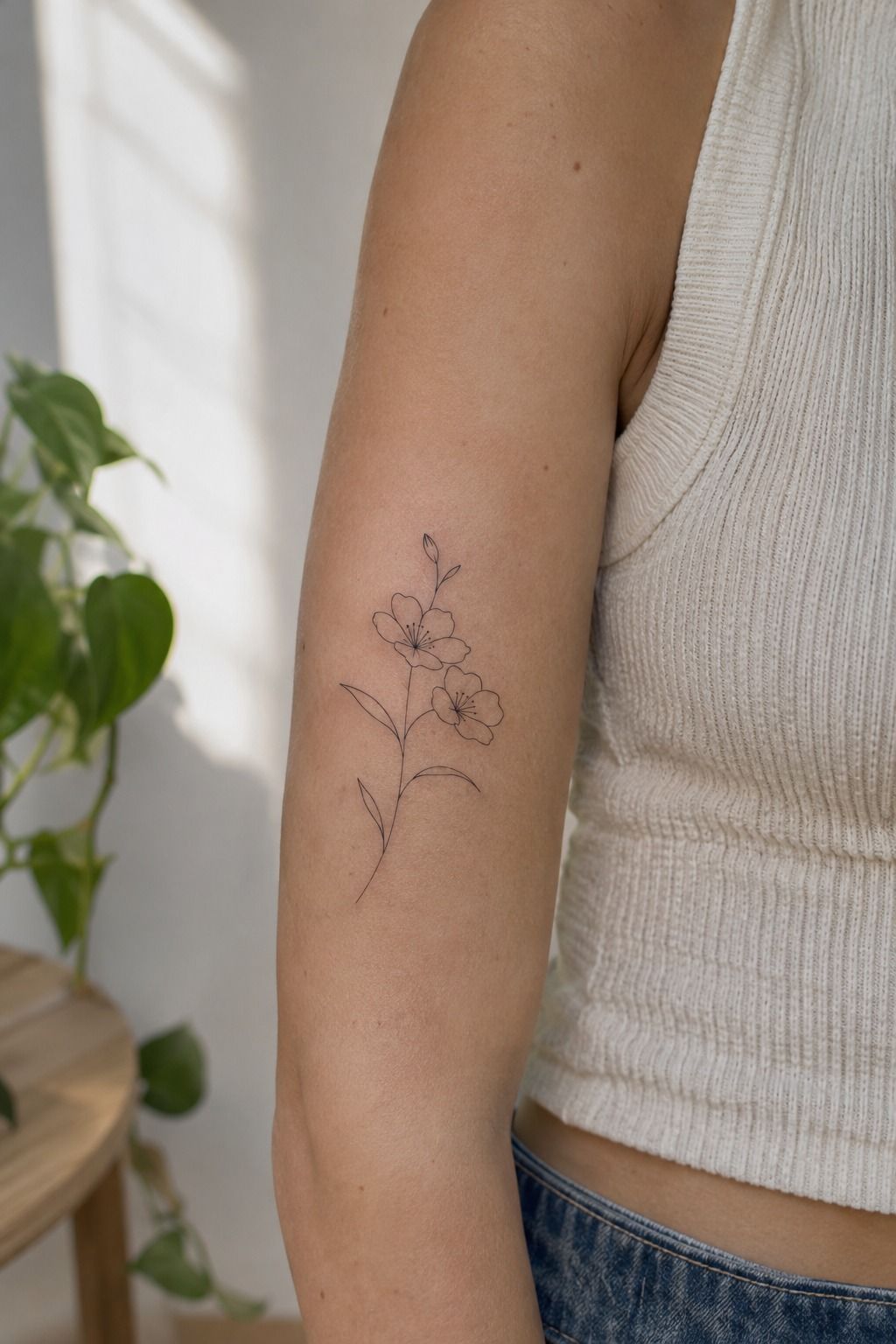
Test symbolic designs before permanent ink by wearing the idea for a few days.
9Can You Estimate Pain Before Choosing Placement?
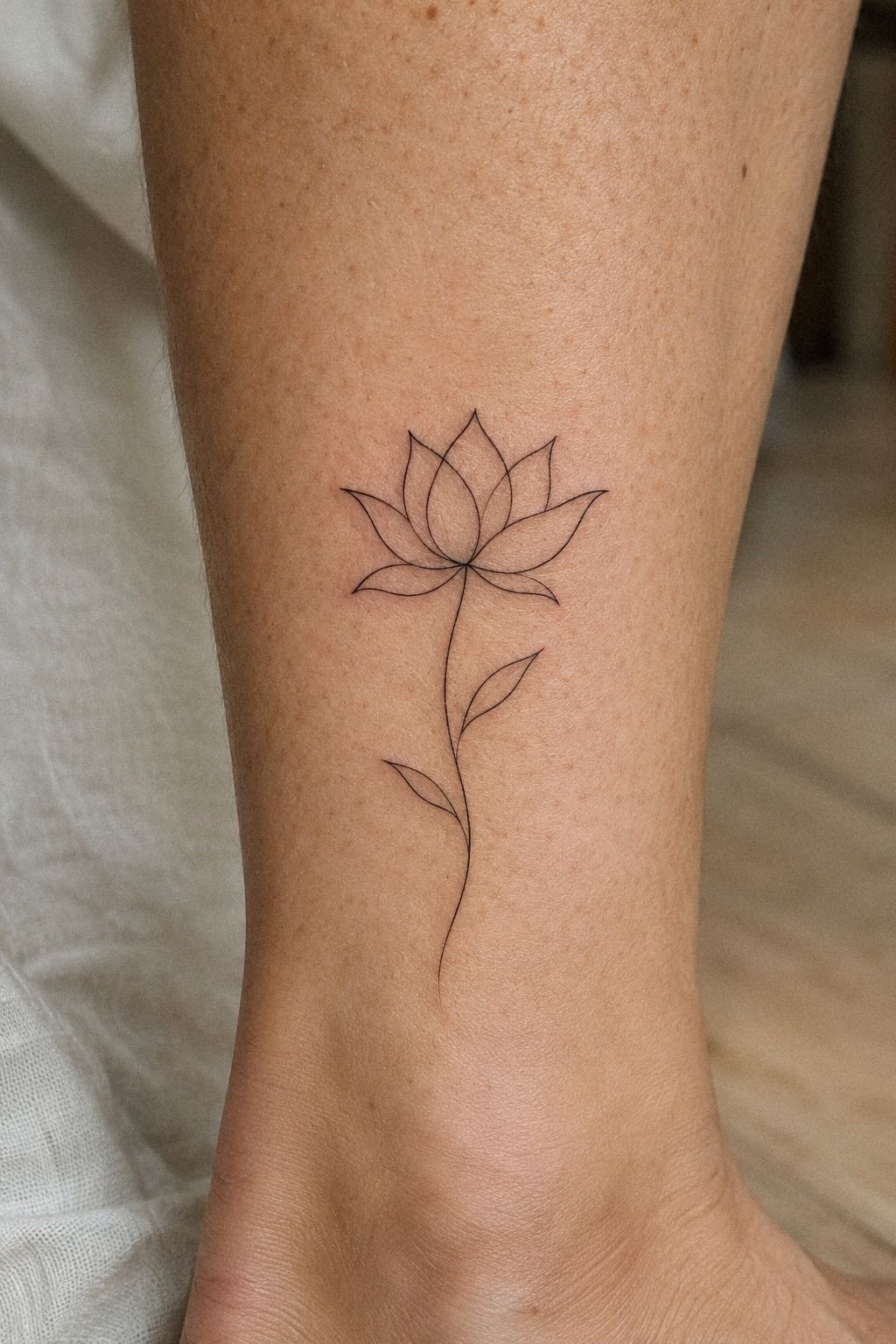
Consider pain before you choose the calf, even though fine line sessions are often shorter than larger tattoo projects. Pain varies by person, placement, session length, and how tense you feel.
Ribs, feet, hands, and sternum often feel more intense than the forearm, thigh, shoulder, or calf. A short appointment may still feel demanding if the area is sensitive. You should choose based on your tolerance, not somebody else’s confident prediction.
A consultation gives you a chance to ask about session length, breaks, and expected discomfort. That information has real practical value when you’re comparing placements. It can also help you set a realistic budget.
If you’re nervous, choose a location that lets you stay relaxed. Eat beforehand, drink water, and wear clothing that leaves the area accessible. These small preparations won’t eliminate discomfort, but they can make the appointment feel more manageable.
You’re allowed to pause or change the placement. A tattoo should feel like a considered decision, not a dare.
If your body is telling you that the spot is wrong, listen to it! Trusting that signal is part of choosing well.
10Protect Your Tattoo During Healing
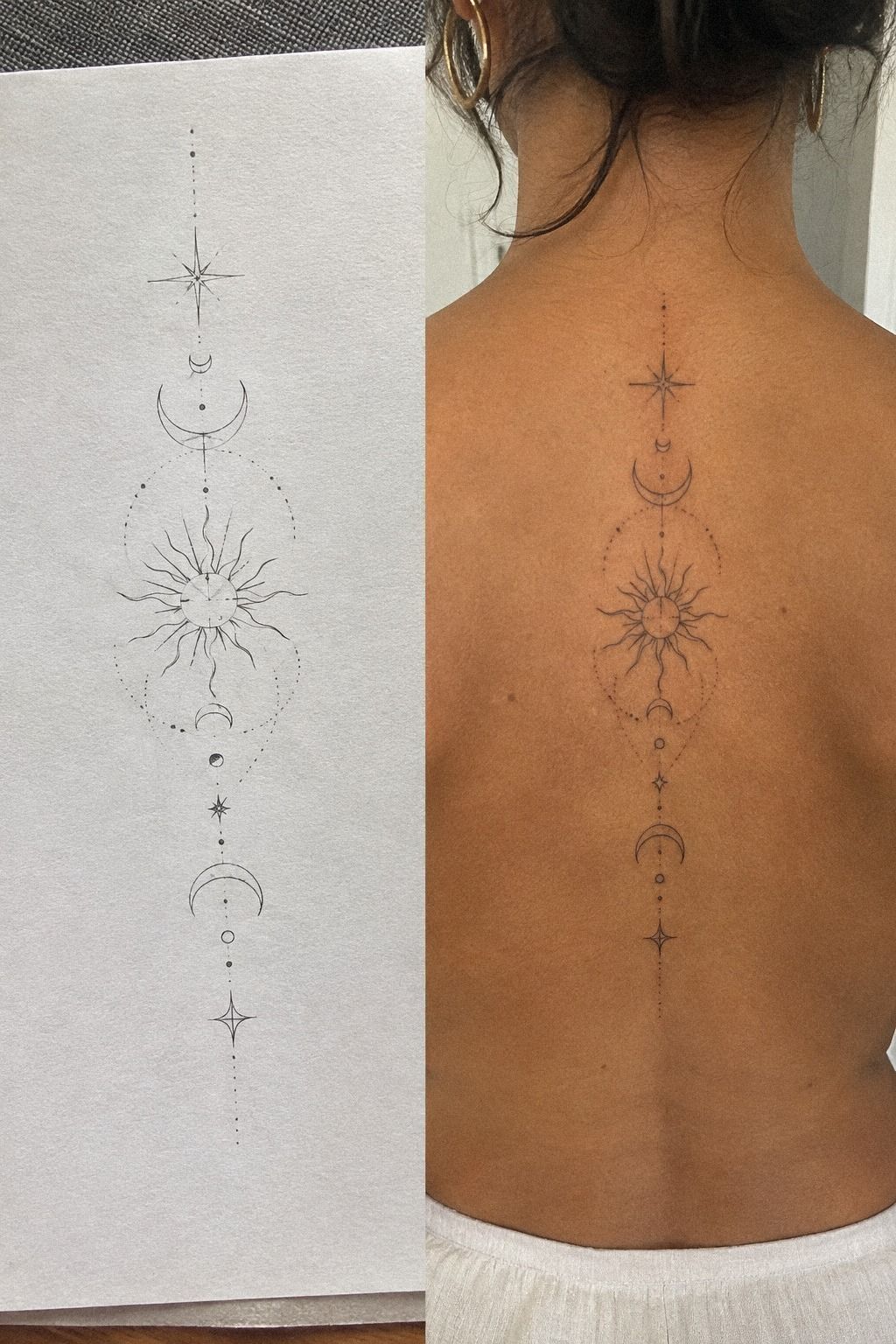
Protect your tattoo during healing by following the artist’s aftercare instructions exactly. Fresh ink is only one stage. The final result depends on how the skin settles during the first weeks.
Wash gently with clean hands, use the recommended moisturizer, and avoid soaking the tattoo in a pool while the surface heals. The visible surface usually settles in about two to three weeks, while complete healing can take about two to three months.
Sun exposure can make fine lines fade faster, so use clothing or sunscreen once the skin has fully closed. A minimalist fine line spine tattoo reference can help you compare healed placement, but your artist’s instructions come first.
Don’t pick flakes or judge the tattoo every hour. The skin may look dry, dull, or uneven before it settles.
Give the area time and keep your routine gentle. Consistent care is more useful than constant checking.
A sacred tattoo doesn’t need dramatic treatment. It needs ordinary care repeated consistently. Follow the instructions, protect the skin from unnecessary friction, and contact your artist if something seems outside the expected healing process.
11Refresh Faded Minimal Linework Thoughtfully
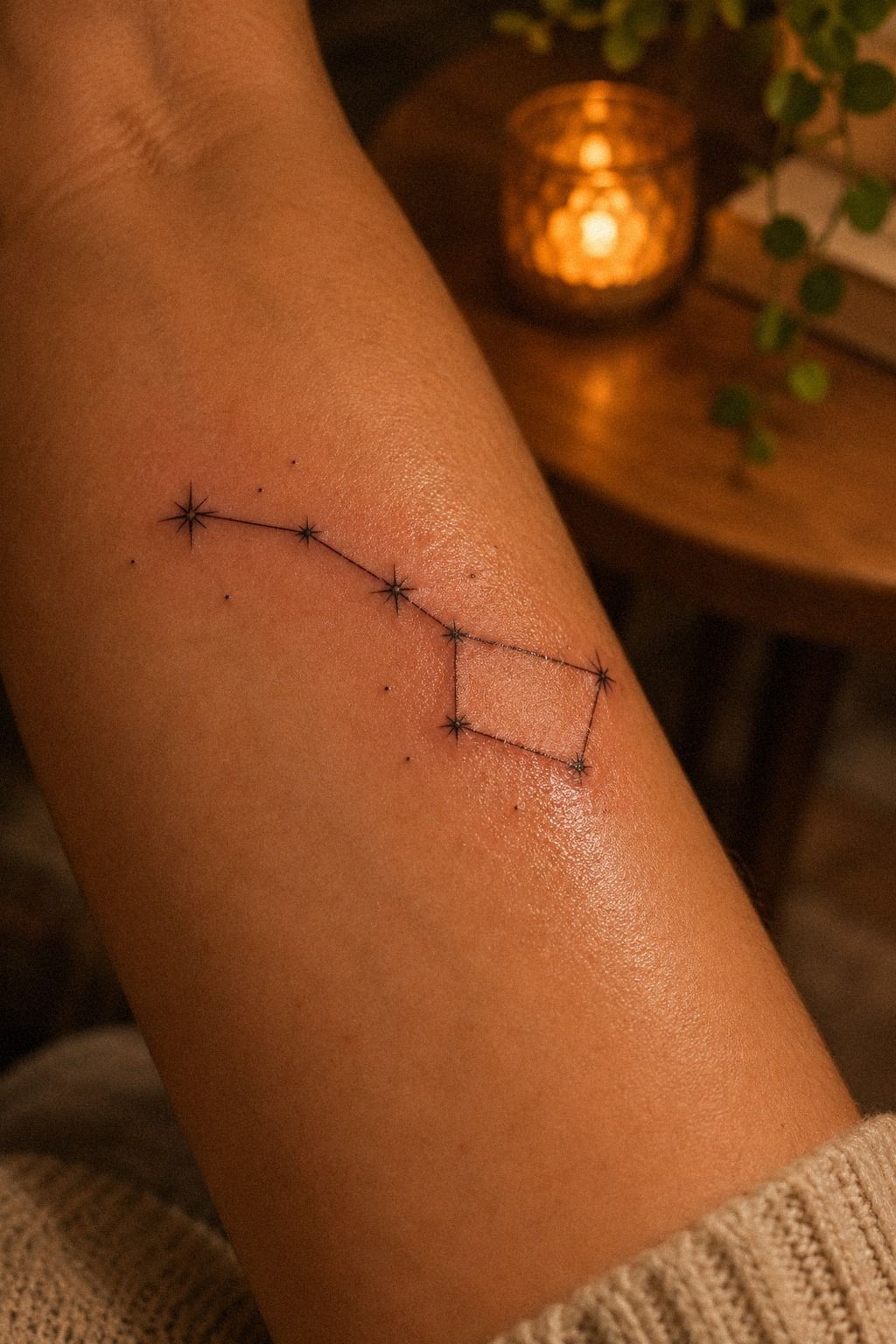
Refresh faded minimal linework only after you’ve identified why it faded.
The Sternum Test
Before booking, place the stencil on your relaxed body and examine it from straight on, slightly above, and slightly below. The sternum, spine, collarbone, and ribs all change appearance as you move. Your tattoo should make sense in motion as well as in a still photograph.
Ask whether the composition feels feminine, masculine, or intentionally neutral only if those categories matter to you. Your body doesn’t need to match a reference model. The composition needs to match your proportions and preferences.
The sternum can feel intimate and visually central. If you want privacy, shift the design toward the rib area or upper torso. If you want easy visibility, consider the forearm or upper arm instead.
When Is a Tiny Mark Enough?
A tiny mark is enough when it carries the idea without needing extra explanation. You don’t have to add a date, initials, stars, leaves, and a quote to make the tattoo meaningful. One symbolic detail can hold a surprisingly deep memory.
Ask yourself what you’d remove first. That answer often reveals which element is essential. If every part feels essential, simplify the design until one clear focal point remains.
A small tattoo can still feel fierce, raw, or daring. Size controls scale, not emotional force. The right curve or interruption may say more than a full illustration.
Plan the Healed Result
Plan for the healed result before you approve the final stencil. Ask how the line may soften, where the skin stretches, and whether the negative space is generous enough. This planning protects both your design and your budget.
The artist should discuss line weight honestly. If a slightly thicker line will remain readable, you deserve to know that before the appointment. A polished tattoo plan includes those practical decisions.
Use minimalist fine line spine tattoo ideas and fine line geometric tattoo references to compare healed proportions. You’re not copying the examples. You’re learning how spacing behaves.
The result may become softer with time, but softness doesn’t automatically mean failure. A timeless symbol can change slightly while keeping its emotional center.
The Quiet Mark Principle
I prefer a personal tattoo with room around its meaning. My rule is simple: remove any detail that exists only to explain the idea to strangers. When the central mark stands alone, it often feels more recognizable as yours.
That’s why I’d rather see one strong choice than five related symbols. A star can stand for a person, a place, or a promise without carrying a caption. The image doesn’t need to perform its history for strangers.
Placement changes the emotional volume. A sternum mark can feel intimate, while an upper-arm design can become part of your visible style. A wrist symbol may invite questions.
A spine composition can remain private until you decide otherwise.
I also think fine line work rewards honesty about aging. Lines may soften or widen, especially when the design is exposed to ultraviolet light or placed where skin moves constantly.
That doesn’t make the tattoo unsuccessful. It means your artist should plan spacing, contrast, and scale for the healed result.
If I were helping you choose, I’d ask what you’d still want after the trend disappears. Then I’d ask whether the symbol works without an explanation. That test usually leads to something iconic and classic, even if the final design is only a few lines.
The Questions I Get Asked Most
How much does a fine line minimal tattoo usually cost?
A fine line minimal tattoo usually costs about $50 to $100 at a shop minimum or around $100 to $250 per hour in the US. The artist, region, placement, and design detail all affect the total. A clear quote should come after the artist reviews your reference and size.
The most useful budget question is whether the shop charges a minimum, hourly rate, or flat project price. You should also ask whether a consultation, stencil adjustment, or touch-up is included.
Are fine line minimal tattoos a good idea for a first tattoo?
Yes, they can be a good first tattoo when you choose a tolerable placement and a design that still feels personal. A small readable symbol gives you a manageable introduction to the process, though thin lines still need careful aftercare and realistic expectations about aging.
I’d choose a design with open spacing and a clear shape. You’ll learn how your skin responds without committing to a large composition.
How do I choose a tattoo artist for fine line minimal tattoos?
Choose an artist whose portfolio shows clean linework, healed photographs, and work on a range of skin tones. A strong healed portfolio matters more than a heavily edited fresh tattoo image. Check studio hygiene, consultation habits, and whether the artist explains how the design may age.
Look for consistency rather than one impressive photograph. You want an artist whose usual work matches your requested scale, placement, and style.
How much do fine line minimal tattoos hurt?
Pain varies by placement and your own sensitivity, but ribs, feet, hands, and sternum often feel more intense than the forearm, thigh, shoulder, or calf. A shorter session can feel easier, though a delicate design doesn’t guarantee a painless appointment.
Ask how long the artist expects the session to last. Knowing the timing can reduce uncertainty and help you decide whether the placement is worth it.
How long does a fine line minimal tattoo take to heal?
The surface usually heals in about two to three weeks, while complete healing can take about two to three months. Gentle aftercare protects clarity during that period. Wash as directed, moisturize lightly, avoid swimming while open, and protect healed skin from strong sun.
Healing can look uneven for a while. Follow your artist’s instructions and judge the result only after the skin has settled.
What’s the best placement for a fine line minimal tattoo?
The best placement depends on visibility, pain, movement, and how the lines may age. The forearm or upper arm is often practical, while the spine can feel more private and the sternum can be more sensitive.
Ask your artist to assess the design on your relaxed body. The best placement is the one that suits your daily life, your budget, and the meaning you want to keep close.
Where I’d Start First
If I had to pick one step, I’d start with the symbol. A clear mark gives every later decision a filter, from placement to line weight to size.
Choose one you’d recognize without an explanation. Then save it, test it, and let your artist refine the spacing before you book.
A meaningful tattoo plan doesn’t need to be complicated. It needs a symbol you still trust, a placement you can live with, and enough restraint for the linework to remain readable. That combination can feel vibrant, empowering, and entirely yours.