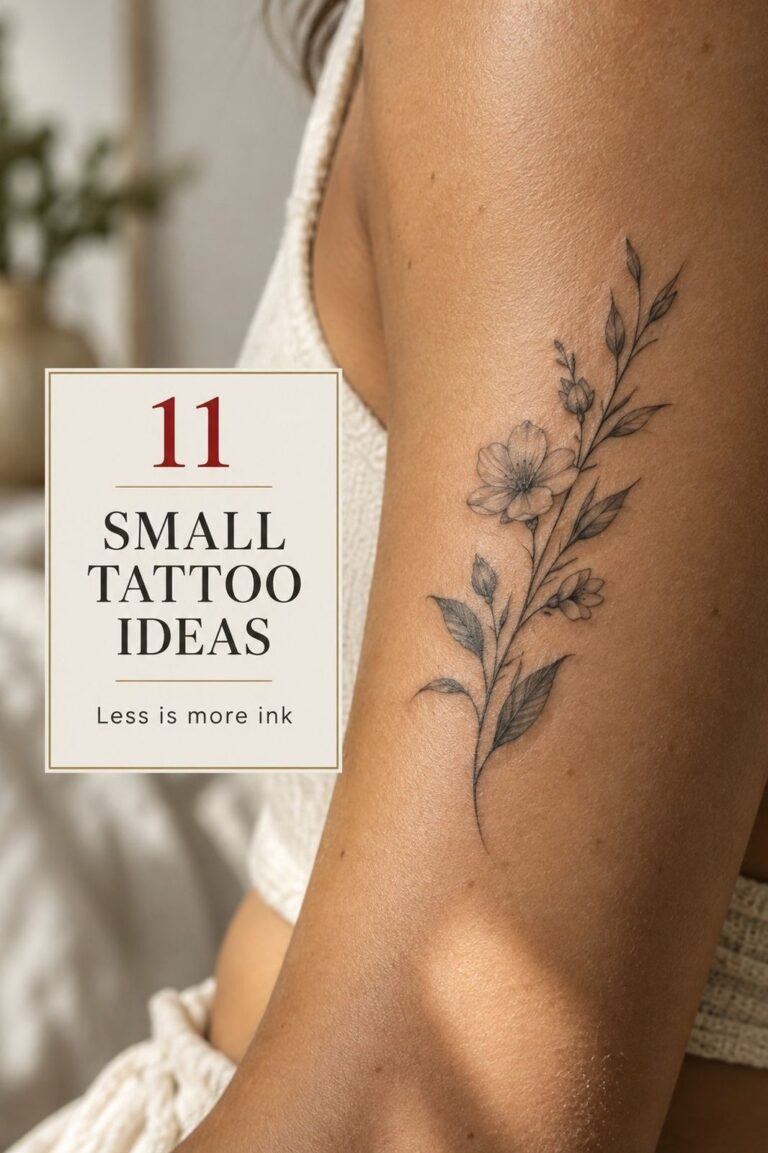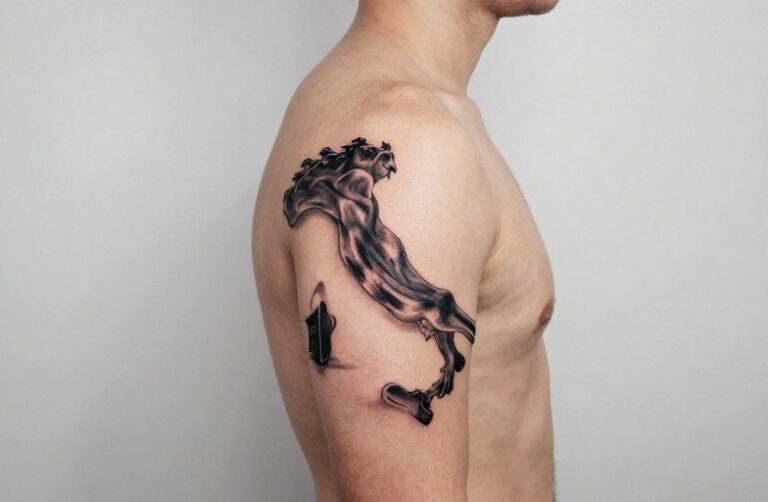
Most “original” tattoos aren’t. Walk into any shop and you’ll see the same handful of concepts rotated through slightly different fonts or swapped animal silhouettes. The gap between wanting something unique and ending up with another geometric wolf is wider than people think. Originality isn’t about hunting for a symbol nobody’s ever seen, it’s about how you combine placement, scale, style, and personal reference into something that couldn’t belong to anyone else. Here’s what actually works.
Trending Variations
Current trends aren’t all bad; they become traps only when copied wholesale. The move toward originality now lives in how people twist what’s popular.
Micro-Scale Reversals
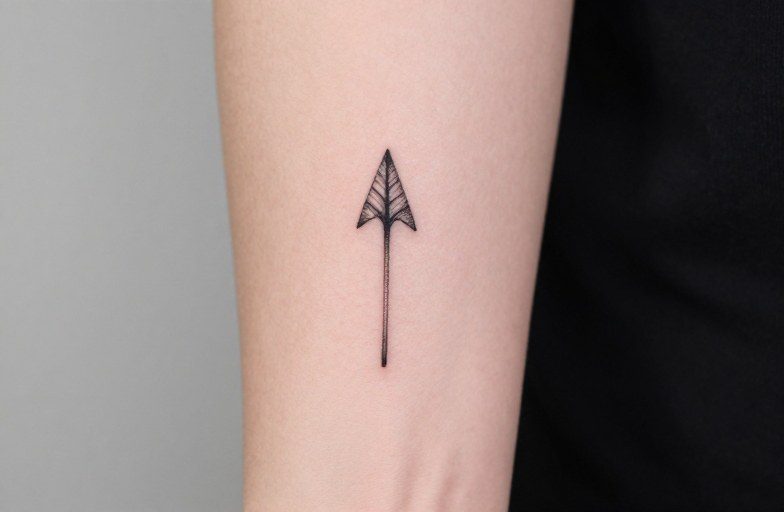
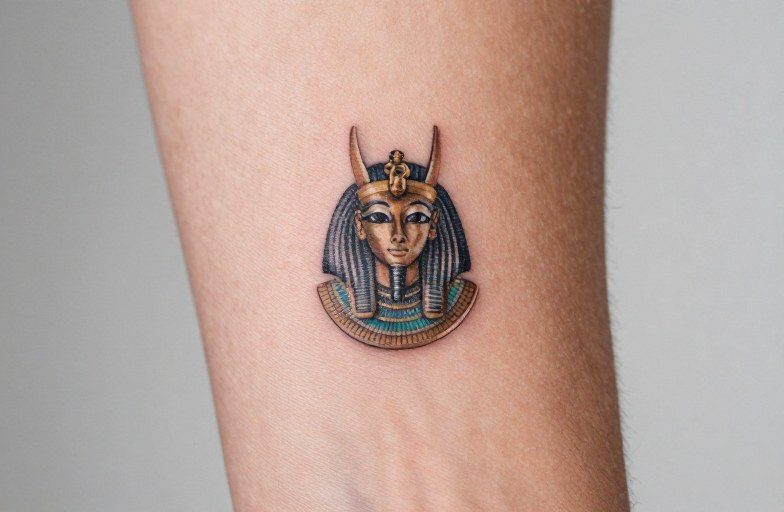
Taking a traditionally large concept and shrinking it to under two inches forces creative problem-solving. A full ship-in-a-bottle scene rendered at thumbnail size, with rigging lines that single-needle work can actually hold, hits differently than the same image at standard scale. The limitation becomes the feature. Similarly, ornamental patterns usually reserved for full sleeves, lace, filigree, architectural molding, are migrating to finger bands and behind-ear placements where they read as jewelry rather than decoration.
Negative Space as Subject
Instead of tattooing the object, tattoo everything around it. A silhouette of a figure left completely skin-toned, surrounded by saturated black or dense stippling, creates a ghost image that shifts as the surrounding ink ages and settles. This demands planning: the un-tattooed skin must be precisely shaped, and the surrounding fill needs to be dense enough that no patchiness reads as accidental.
Standout Design Ideas
These concepts start from uncommon starting points rather than redecorating familiar ones.
- Topographic maps of meaningful terrain: Not the outline of a country, actual contour lines from a specific 5-mile radius where something happened. Scaled to wrap a forearm, the lines become abstract pattern until you explain them.
- Degraded technical diagrams: Patent drawings, exploded mechanical views, or obsolete scientific illustrations (phrenology maps, early botanical errors) carry built-in visual complexity and historical weight. A mislabeled 19th-century anatomical chart of a bird skeleton, slightly simplified for tattoo readability, avoids the “deep meaning” cliché while still being personally selected.
- Text as texture: Repeated words or phrases layered until illegible, creating tonal value rather than message. The text could be a letter, a transcript, a page of code, readable only in the first layer, then becoming pure gray wash through repetition.
- Parallel timeline imagery: Two related images separated by placement, one on each wrist, or forearm and upper arm, that only complete each other when you move your body into a specific position.
Domestic and Mundane Subjects
The most original tattoos often depict what’s invisible to anyone else. A specific radiator valve from your childhood home. The exact pattern of cracked linoleum from a grandmother’s kitchen. The shadow your hand cast on a particular wall at a particular time of day. These require reference photos and a willingness to explain, but they bypass the symbolic shorthand that makes most tattoos interchangeable.
For First-Timers
Your first tattoo sets pattern for future decisions. Make it count through method, not just image choice.
Start with Placement, Not Picture
Choosing a design then hunting for where it fits usually produces awkward scaling or forced wrapping. Reverse it: pick a body area you want marked, study how it moves and how clothing interacts with it, then develop or adapt a concept for that specific real estate. Inner bicep behaves differently than outer forearm; ribs expand and contract; calves have a central axis that compositions can either honor or fight against. A design born from its placement looks settled, not parked.
Commit to One Strong Element
First tattoos often accumulate too many ideas, incorporate the flower, the date, the quote, the bird, all in one composition. The result is busy and dated within five years. One clear element, rendered with confidence, outlasts the collage approach. You can always add adjacent pieces later; removing visual noise is impossible without cover-up.
Tips for Choosing
Selection process matters as much as the final image.
- Live with the concept before committing to the design: Write it down, return in six months. Not because you’ll change your mind, but because your understanding of why you want it will sharpen. That clarity helps you direct the artist.
- Reference outside tattooing: Look at printmaking, scientific illustration, textile patterns, sign painting. Tattoo portfolios recycle the same visual language; broader sources yield fresher starting points.
- Ask what the tattoo does, not what it means: Does it mark time? Claim space? Memorialize? Reclaim? The function shapes form more honestly than abstract “meaning.”
- Consider how it ages, not just how it photographs: Fine lines blur, solid blacks soften, color shifts. A design that depends on hairline precision won’t survive a decade. Build in tolerance for spread.
Artist Matching
Originality requires the right execution. An artist whose portfolio shows the technical approach you need, whether that’s whip-shading, color saturation, or precise geometric linework, will push your concept further than someone who simply likes the idea. Consultations should be collaborative, not transactional. If the artist isn’t asking questions that make you reconsider aspects of your concept, they aren’t designing, they’re transcribing.
Popular Styles
Style isn’t just aesthetic preference; it’s structural commitment with different aging behaviors.
Blackwork and ornamental: Heavy, pattern-based, ages well because the density is uniform. Best for large areas where the pattern can breathe. Small ornamental pieces often feel cramped as surrounding skin stays blank.
Japanese (irezumi): Not merely “Asian-themed images” but a specific approach to background, flow, and subject hierarchy. Done traditionally, it wraps the body with water, wind, or cloud backgrounds that unify multiple subjects across years of work. Originality here comes from subject selection within the formal rules.
Illustrative/realism: Demands large scale for detail to survive. A realistic portrait at 3 inches becomes a smudge by year seven. At 8+ inches, with proper contrast, it holds. The style itself isn’t original; the subject selection is.
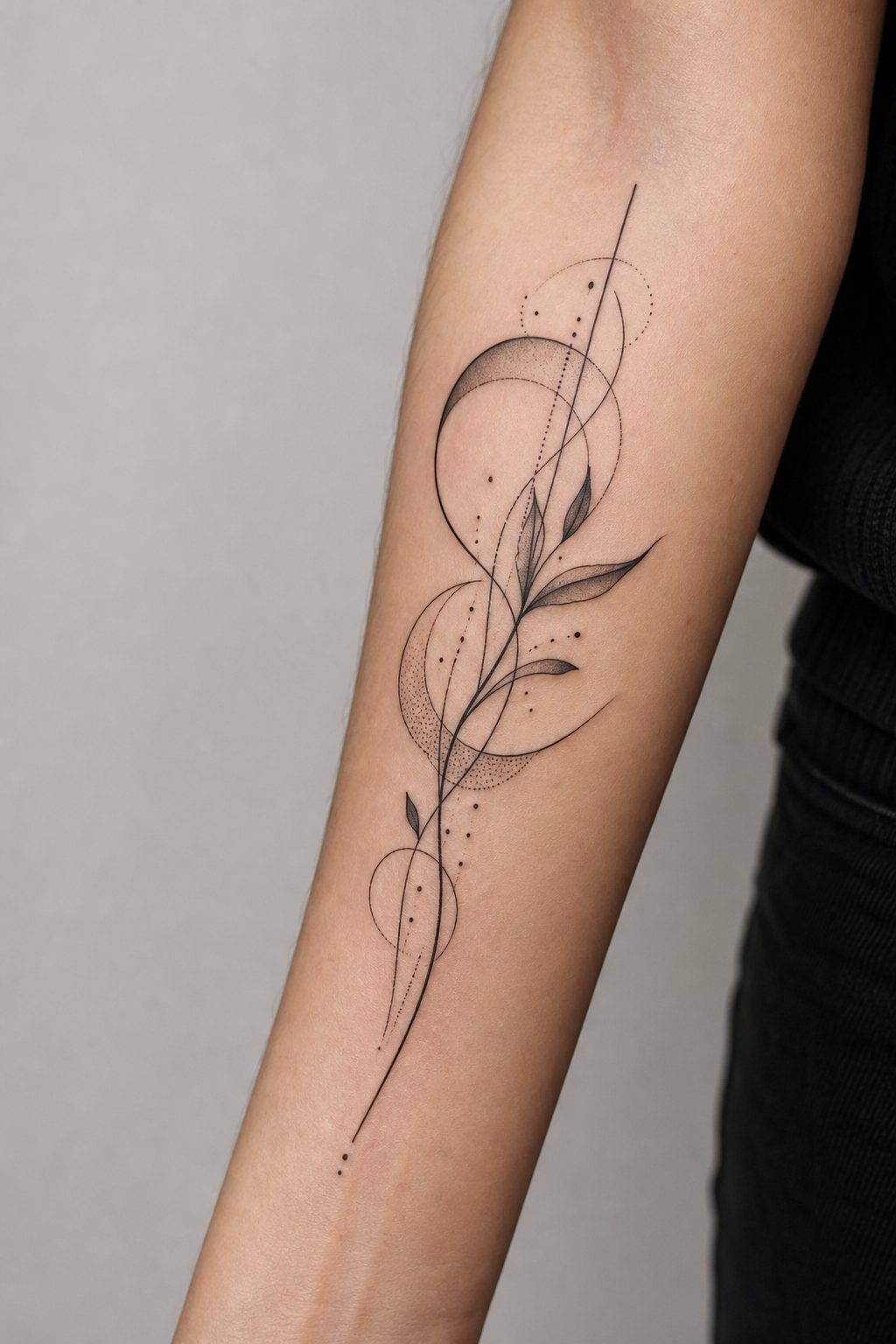
Abstract and non-representational: Increasingly viable as collectors and artists grow more comfortable with tattoos that don’t depict anything specific. Brushstroke emulation, color field blocks, or pure geometric construction age based on edge clarity and color choice. These read as confident or unfinished depending on execution quality, there’s no subject to carry weak technique.
How to Personalize It
Personalization isn’t adding your initials to a stock image. It’s building from reference that only you hold.
Transform Existing Imagery
Take a historical or cultural image and alter it through your own lens. A family photograph run through a specific printmaking process, then simplified for tattoo application. A constellation map from the night of a specific event, with the stars that were actually visible, not the generic connect-the-dots version. The cover of a book with its title removed and its color palette shifted to match your own interior. The starting point is recognizable; the modification makes it yours.
Collaborative Design Process
The most original tattoos emerge from sustained dialogue with the artist. Bring reference, explain function, then release control over specifics. An artist who redraws your concept three times, each version departing further from your initial reference, is usually finding something better than you could have specified. The tattoo that results carries both your intention and their interpretation, genuinely collaborative, therefore unrepeatable.
Key Takeaways
Original tattoos come from specific reference, thoughtful placement, technical honesty about aging, and real collaboration with the person applying them. Avoid symbols that circulate through Pinterest and Instagram; they were designed for rapid recognition, not permanent marking. Build from your own visual material, photographs, documents, textures, spaces, and let the artist translate that into tattooable form. Accept that the best result may not be what you first imagined. The most interesting tattoos often surprise their wearers, growing into meaning through lived experience rather than arriving pre-loaded with it.
Frequently Asked Questions
How do I know if my tattoo idea is too generic?
If you found it through a top-ten list or image search without modification, it likely is. Generic isn’t about the subject, it’s about the path to choosing it. Start from personal reference and you bypass the problem entirely.
Can a small tattoo be original?
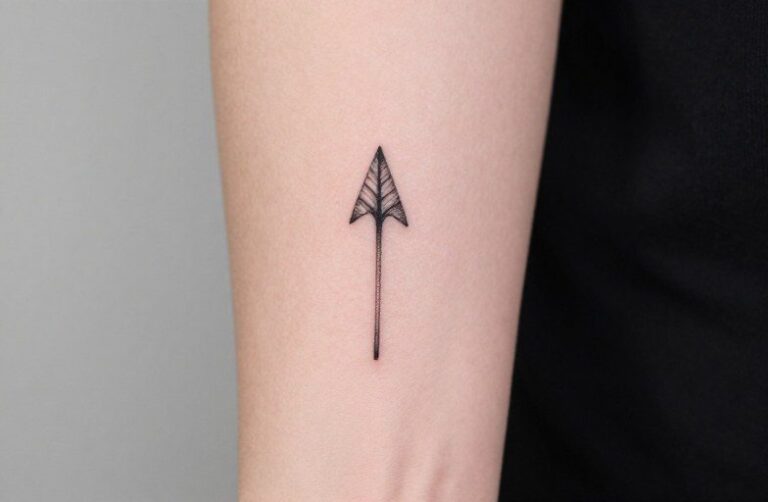
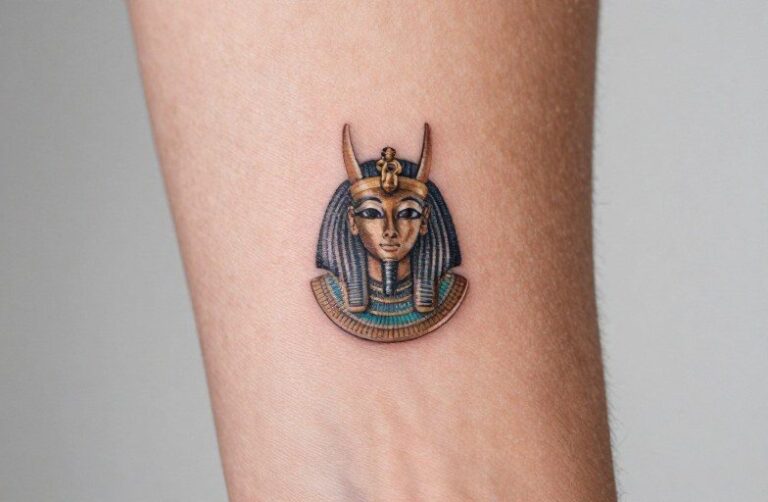
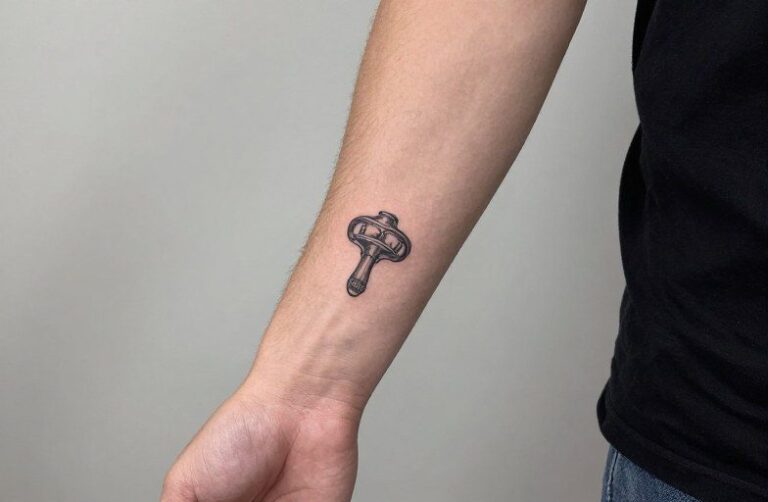
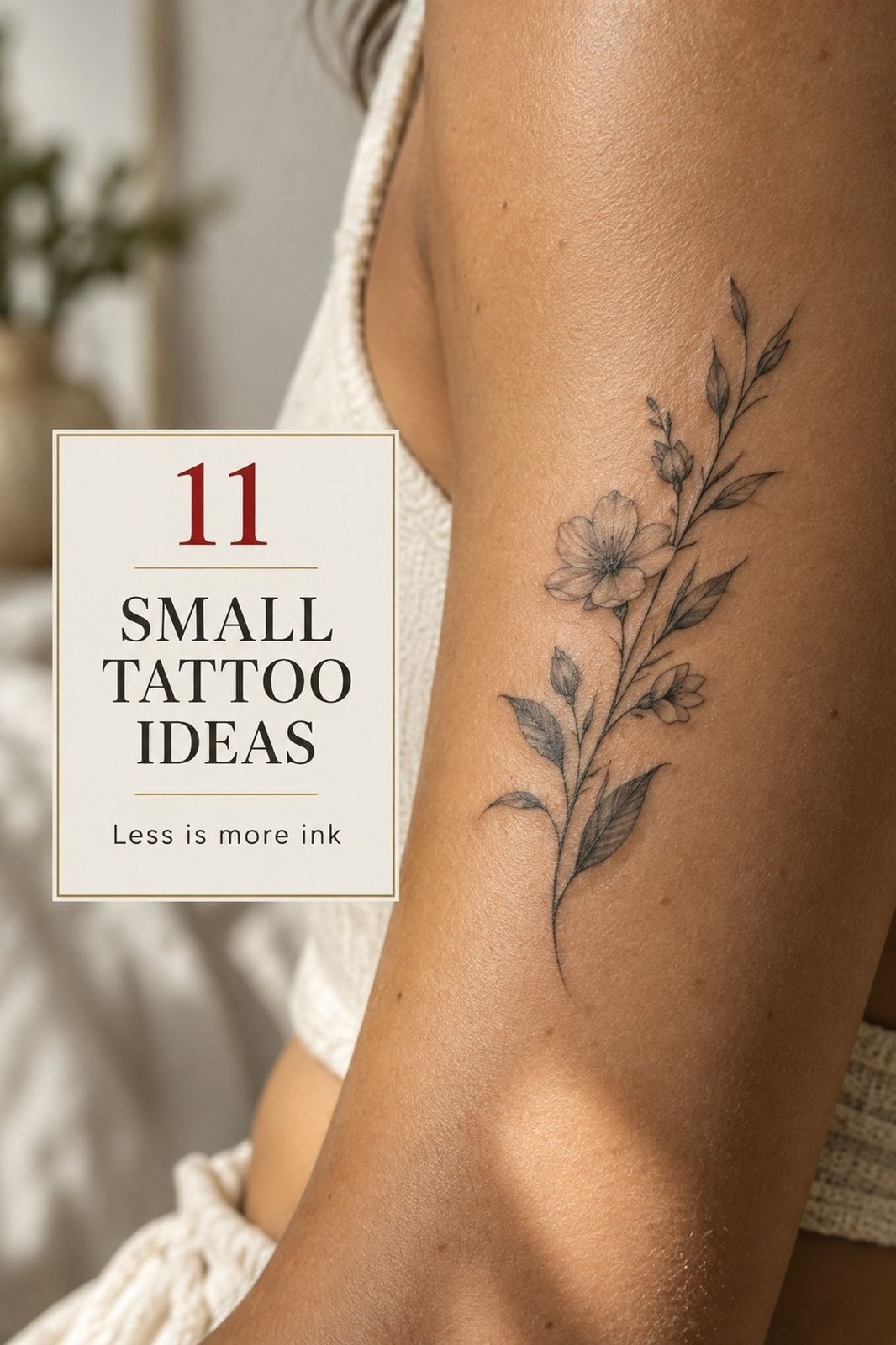
Yes, but small originals usually succeed through unusual placement or extreme specificity rather than complex composition. A tiny, precise rendering of one specific object beats a cramped multi-element design.
Should I bring my own design or let the artist create it?
Bring reference and intention, not finished artwork. Tattoo artists translate concepts into technically viable, visually coherent tattoos. Your drawing skills aren’t the point; your visual thinking is.
How much should I expect to pay for an original custom piece?
Custom work from experienced artists typically runs $150-$400 per hour, with most original pieces requiring multiple hours. Flat quotes are less common for complex custom work. The investment reflects design time, not just application.