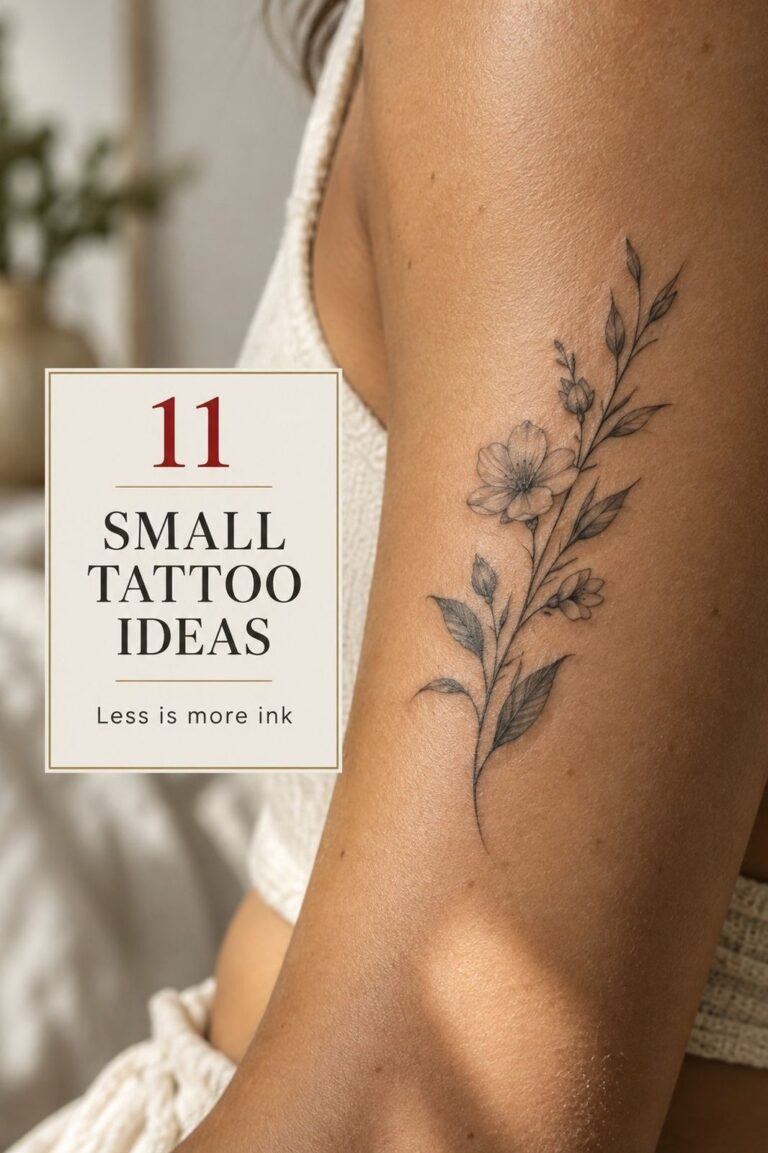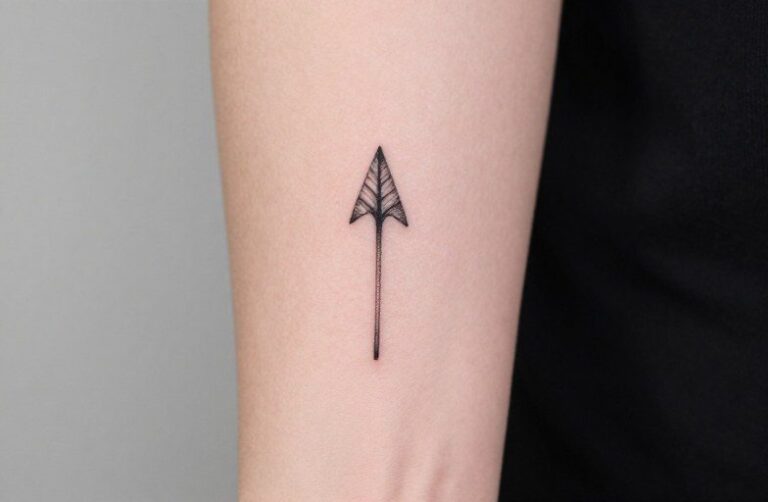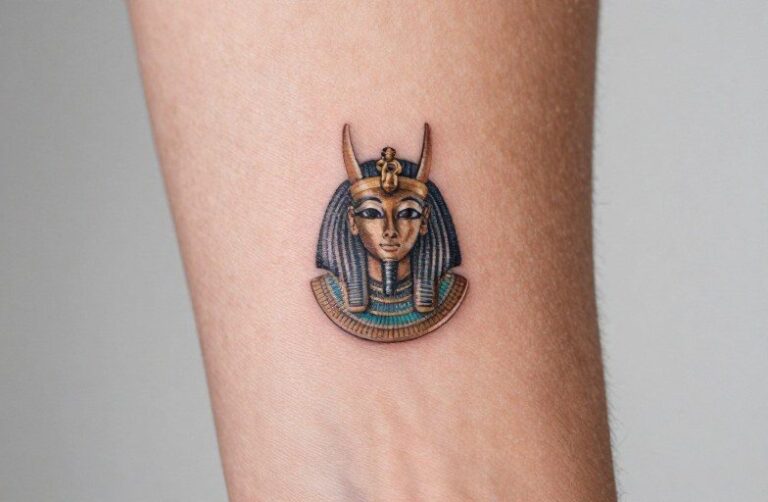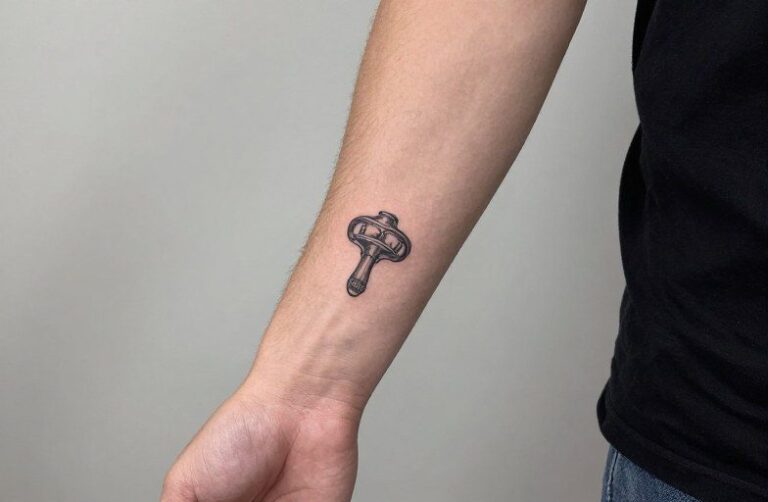
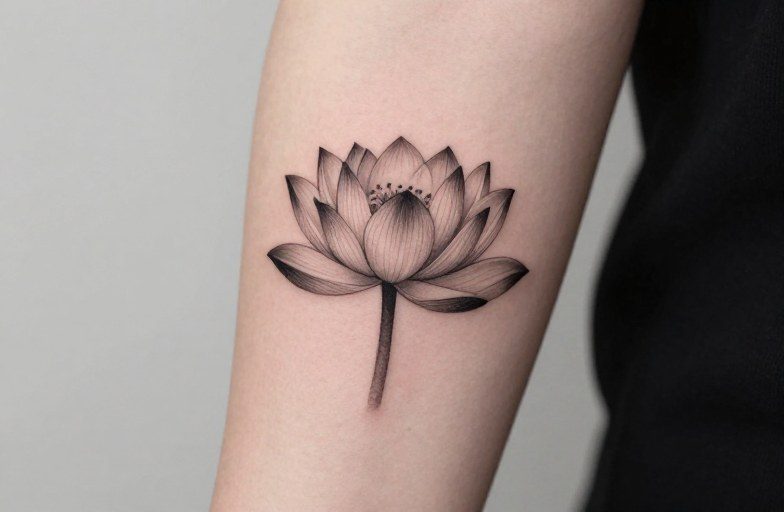
The water lily carries weight without shouting. It sits on the surface, roots deep in mud, an image that works as a private symbol or simply as a beautiful form. In minimalist tattooing, the challenge is keeping that essence while stripping away everything unnecessary. Too much detail and the delicacy collapses; too little and it becomes unrecognizable. The best designs find the single line or shape that makes a water lily unmistakable.
Color Choices
Single Black Ink
Black line work ages with dignity. A single-needle outline of a lily pad and bloom, placed on the inner forearm or behind the ear, stays readable for decades. The trick is line weight: too thin and it blurs in five years; too bold and the minimalism is lost. Ask for a 3rl or 5rl needle grouping, with the pad outline slightly heavier than the petals. Solid black centers, those dense seed pods, provide natural contrast without adding color.
Soft Color Accents
Pale pink, muted sage, or dusty blue can suggest a specific species without overwhelming the design. A watercolor wash behind a black outline rarely ages well; instead, consider hand-poked color in the petals alone, leaving the rest untouched. Another approach: a single dot of yellow in the flower’s center, barely larger than a pinhead. This reads as intentional restraint rather than unfinished work.
- White ink highlights on black skin: high risk of fading to yellow, generally avoid
- Muted teal for the lily pad: references the water without depicting it literally
- Negative space as “color”: the un-inked skin becomes the flower’s highlight
For First-Timers
What Makes This Design Forgiving
Small, simple tattoos heal more predictably than complex pieces. The water lily’s natural symmetry means minor imperfections in line work are less obvious than with abstract shapes. Placement on the upper arm, outer ankle, or rib cage offers flat skin that takes ink evenly, avoid areas where the design will wrap significantly around a curve.
Pain and Session Length
A palm-sized minimalist lily takes 45-90 minutes. The linework itself is brief; most of the time is stencil placement and ink wiping. Pain peaks where bone sits close to skin: collarbone, ankle bone, ribs. The upper outer arm and thigh are manageable starting points.
Matching & Pairing Ideas
Two lilies on opposite shoulders, mirroring each other, create balance without demanding symmetry. For siblings or close friends, one person carries the bloom, the other the pad, complete only when shown together. A single lily paired with a koi fish (often linked to perseverance in Japanese tradition) works when both are rendered in the same minimal language; mixing detailed realism with spare linework looks accidental.
- Above-elbow placement for pairs: visible when short sleeves are worn, hidden formally
- Scale must match exactly: a tiny lily with a large companion element feels mismatched
- Consider the stem: shared roots in a paired design, or deliberately separate growths
Standout Design Ideas
The Floating Pad
Most water lily tattoos show the flower from above. A side-view profile, pad flat, stem dropping below, bloom lifting, creates vertical movement suited to the wrist, side of the neck, or along the spine. The pad’s circular edge provides a natural frame; the stem’s curve leads the eye.
Botanical Deconstruction
Separate the elements: a single petal drifting alone, or the seed pod without surrounding bloom. This reads as fragment rather than failure, especially when placed with intention, a petal on the finger, the pod on the inner wrist, suggesting the same flower distributed across moments. The risk is abstraction becoming generic; maintain the water lily’s characteristic rounded petal tips and radiating veins.
Continuous Line Variations
One unbroken line forming pad, stem, and bloom demands technical precision. The artist must plan the path so no element feels like an afterthought. These designs work best at 2-3 inches minimum, smaller and the line overlaps become muddy. The back of the arm, where the design can be shown or concealed with a slight turn, suits this style’s quiet confidence.
Size & Scale
Minimalist water lilies fail most often at the wrong scale. Under one inch, the petal separation becomes a blur of black. Over four inches, the minimalism starts to look like unfinished detail rather than deliberate choice. The sweet spot is 1.5 to 3 inches for a single bloom with pad.
- Finger or behind-ear: single pad or bud only, no open bloom
- Forearm or calf: full bloom with pad, stem optional
- Rib or hip: vertical composition with stem, 3-4 inches tall
Consider how the design will sit in its specific placement. A round pad and bloom wants flat skin; a vertical stem follows the body’s natural lines. Stretching and distortion over joints, knuckles, elbows, knees, will distort the lily’s symmetry disproportionately.
Tips for Choosing
Evaluating an Artist’s Portfolio
Look for healed photos, not just fresh work. Black lines settle; they spread slightly. An artist who shows one-year-healed botanicals is demonstrating confidence in their aging predictions. Ask specifically about their single-needle work, some artists excel at bold traditional but lack the control for fine minimalism. The best portfolios show consistent line weight, clean circles (the pad is unforgiving), and botanical subjects that remain recognizable without color.
Reference Images That Help
Bring photographs of actual water lilies, not other tattoos. The Nymphaea genus offers dozens of species with distinct petal arrangements. A European white water lily has many narrow petals; the Victoria amazonica has broad, structural ones. Your artist can abstract from reality; they cannot improve on another tattooer’s already-flattened interpretation. Specify if you want open bloom, bud, or decaying flower, each carries different visual weight.
Before You Decide
Live with the stencil or a printed image in your intended placement for several days. The water lily’s peaceful association can feel permanent in ways that outlast the initial appeal. Consider seasonal visibility: a shoulder piece that feels right in summer may read differently under winter layers. The minimalist approach demands that every element earn its place, if you’re adding a moon, a quote, or geometric frame, question whether each serves the lily or competes with it.
Healing will take two to four weeks. During that time, the black lines will appear sharper than they’ll ultimately settle; expect a 10-15% softening. The final result should feel inevitable, as if the design always belonged on your skin. When the stencil is removed and the ink is in, the best minimalist water lilies look discovered rather than applied, found in the body’s landscape like the actual flower on still water.
Frequently Asked Questions
How well do fine-line water lily tattoos hold up over time?
Fine lines soften and spread slightly, expect 10-15% blurring over five to ten years. A skilled artist using proper needle grouping and depth slows this. The water lily’s simple, recognizable shape remains readable even with some aging, which is why it works well in minimalist styles.
Can a minimalist water lily cover an old tattoo?
Generally no, minimalist designs rely on negative space and clean skin. Cover-ups require dense, darker ink. If you have existing work to conceal, a water lily may work as part of a larger, more detailed composition, but not as a sparse standalone piece.
What’s the difference between a water lily and a lotus in tattoo design?
Botanically they’re different genera, though both are aquatic. In tattooing, lotus designs often feature pointed petals and strong upward stems, sometimes with religious associations. Water lilies have rounder pads that sit flat on the water and softer, more radial blooms. Choose based on the visual form you prefer.
Is the stem necessary for a recognizable water lily tattoo?
Not always. A floating pad with bloom reads clearly as water lily. Stems add vertical movement and can anchor a design compositionally, but omitting them keeps the image more abstract and reduces total line length, which some prefer for very small placements.